COVID-19 Fight – The Kerala Model, A Masterclass in Disaster Management

This is a sequel to the blog: COVID-19 Fight – the Kerala Model. What makes Kerala resilient in the face of a calamity like COVID-19? This question will be answered as we course down through this blog. Before we proceed further, let me ask a fundamental question, “What is the most important resource in the world?” The answer without a blink is ‘Human Resource.’ Kerala is blessed to have the best resources in its people who are conditioned to be so by the leaders of yesteryears, who guided the society in progressive and renaissance ways across the generations and developed timely infrastructures as the state progressed through the years.  Let’s look into the nitty-gritty of the COVID fight by Kerala. In order to understand it easily, let me breakdown the fight into the following components: Treatment, Epidemiological Preparation, Epidemiological Administration and Overall Response by Governance.

Treatment: How does Kerala treat COVIDian patients? As of now, it is evident that human immunity, along with antiviral drugs, is the best possible medical way to defeat the virus. Though there is no specific anti-COVID-19 drug available at present, there is working unanimity among the medical fraternity on the different combinations of drugs to be given to the patients, a conviction practiced astutely by the earnest doctors of Kerala. That brings us to the other variable: immunity. In order to keep the immunity at the highest possible level, Kerala prepared a balanced and highly nutritious diet for the patients, and here goes the menu: For Indians, breakfast includes dosa, sambar, two eggs, two oranges, tea and one liter mineral water served at 7.:30 a.m., followed by fruit juice at 10:30 a.m.;lunch: two chappatis, rice, fish fry, thoran — dish of sauteed vegetables —  fish curry and curd, followed by tea, biscuits, banana fry and vada served at 3:30 p.m.;and dinner comprises of appam, vegetable stew, two bananas and one liter mineral water. What a menu!

One sterling nugget of the Indian ethos is “Atithi Devo Bhava,” meaning “The guest is god.” Despite being engulfed by these extremely distressing times, Kerala continues to retain that ethos! Have a look at the menu being served for foreigners who were unfortunate to get caught up in the virus-web while touring the state and are at different hospitals. Breakfast: toast, omelette without onions, soup, fruit juice and one liter mineral water at 7:30 a.m., followed by pineapple juice at 11 a.m.;lunch: toast cheese, and fruits at 12 p.m., followed by fruit juice at 4 p.m.;and dinner: toasted bread, scrambled eggs, fruits and one liter mineral water. The menu is strictly maintained for both Indians and foreigners till they have recovered fully and are discharged from the hospital. Well food is enough for a man to live! Those who want to read are provided with books. They are even given WiFi! In short, every justifiable demand is met with to make their stay comfortable.

Epidemiological Preparations: The Health Service Department prepared and put into action a 3-tier medical preparation: Isolation Beds: more than 10,000 isolation beds were made ready at various hospitals; Corona Care Homes: 636 of such centers were set up near the airports to accommodate, especially foreigners, who have to be kept under observation but do not have home to have them quarantined. These centers can accommodate 4000-5,000 people, along with enough health staff, doctors and laboratory facilities;and Preparation of 125,000 hospital-beds to accommodate any future requirement. As a part of this preparation, 38 hospitals were converted into exclusive Coronacare hospitals, besides, temporarily calibrating Kasaragod Medial College into COVID Hospital – incidentally, Kasargod district recorded the maximum number of the virus outbreak.

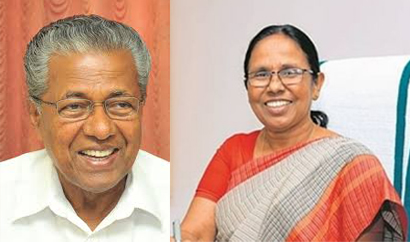
Epidemiological Administration: As soon as the first case was reported, the government rolled out an institutional mechanism to manage the epidemiological administration of the COVID-19 affairs. At state level, a State Response Team, or S.R.T., was set up under the leadership of Health Minster Shailaja, with senior officials from various departments like epidemiology, community medicine, infectious diseases, pediatrics, drug control and food safety. In order to support the S.R.T. as well as to coordinate various functions such as surveillance, call centers, human-resource management, training and infrastructure augmentation, 18 state-level teams were constituted, which report to a round the clock operating control room that consolidates the information and feeds S.R.T.  The Chief Minister and his staff are also involved in providing the required thrust for inter-departmental coordination. Chief Minister Pinarayi Vijayan, S.R.T. Chairperson&Helath Minister Shailaja teacher and other administrative staff form the top of the COVID-administration pyramid and take all policy and strategic decisions. 

The Malayalees across the globe are glued to their TV sets at 6 p.m. Indian Standard Time on all weekdays to watch the Chief Minister’s press conference. The Chief Minister flanked by his Pyramid team briefs the Press. He begins with the statistics of the day’s fight against COVID-19: a district-wise break up of the number of cases that have tested positive, the number of people under quarantine and observation, number of cases that have recovered etc. He also elaborates various other measures that are being implemented as well as contemplated on for immediate implementation. Complete transparency is maintained by the government, including information regarding the contributions made by the public and various organizations to assist the government in its fight against the virus The fourth estate is free to ask questions and make suggestions, and fruitful suggestions will be taken up and acted upon, with the details of the action taken being given in the subsequent days. The Press has been an active watchdog, bringing up during the press conference, various issues being faced by the public in every nook and corner of the state. The efficacy of these press conferences are two-pronged: they are a vital source of credible information, virtually annihilating the possibility of hearsay and conjecture; it boosts the morale of the general public when they see their Chief Minister leading from the front

Most of the media have been contributing immensely in educating and updating the public about the virus, displaying pragmatism and sensibility in its coverage of the pandemic, slaying the slew of fake news being circulated while eschewing dramatization and panic mongering.  It has played a major role in highlighting the route maps of COVID-19 positive patients, busting myths, bringing in experts from the medical field to ensure that the public knows the enormity of the situation that is upon us and ways to tackle it.

S.R.T.s had been constituted at the district level, too, and each district is assigned to a minister, with district collectors and district medical officers coordinating the various actions. The government had laid down clear guidelines to handle all the steps in the action plan related with the COVID menace. The clinical guidelines, a part of the action plan, to deal with suspected cases as well as to treat confirmed cases have been kept as a work in progress document which gets updated with information about the virus as and when such news is available. The document comprises all the steps needed to be taken right from precautionary cases to cremation of the COVID-19 deceased. It is unfortunate for the relatives of the two COVID-19 victims that they could bid adieu to their loved ones only through video before the burial was done by the government  — Kerala strictly follows the W.H.O. protocol for burial/cremation of the virus victims.

Well-Firing Welfare Governance: These are extra-ordinary times that need extra-ordinary governance. The Left Democratic Government in Kerala has risen up to the occasion and is governing the state like a welfare state. This is unavoidable, if not inevitable, for the state is under lockdown and that the people must stay indoors and could not go to work,  especially the vulnerable sections need government help to tide over the situation. So the government quickly adjusted itself to the welfare state mode. See the running-milestones below:

Entire COVID-19 treatment is free of cost. Kerala has 941 Grama Panchayats, 152 Block Panchayats, 14 District Panchayats, 97 Municipalities and 6 Corporations. The government set up more than 1300+ Community Kitchens across these Panchayats to provide door-delivery of meals to households. It is free for financially weak people identified by the Panchayats. Those who can afford to buy, meals will be delivered to their homes @ Rs.20 (USD 0.38) per meal, along with a delivery charge of Rs.5. The lunch packets from the kitchens consists of rice, rasam, cabbage and mango pickle. This has become a huge relief for the vulnerable sessions of the society, and on an average 500 lunch and 600 dinner meals are being served by each kitchen, with the demand rising everyday. The most beautiful thing about this program is that all these kitchens are being run by volunteers under the guidance of Grama panchayat. The volunteers are mainly contributed by the Kudumbasree workers —  Kudumbasree is a women-empowerment initiative — and  ASHA —  a community-health organisation; and the Integrated Child Development Services, a government scheme for children. 

The famed benevolence of the Kerala spirit is in the forefront again as it took the guest-workers under its protection. Special community kitchens have been set up for 2.5 million guest workers, catering specifically to different food palates like Bengali, Oriya as well as North Indian cuisines. You would be hard pressed to find another state anywhere on the world, carrying out such a magnificent gesture, especially when it is grappling with a catastrophe of such magnitude.

Another welfare initiative by the government is providing free 15 Kg rice and other provisions through Public Distribution Shops, or P.D.S. This covers Priority card holders — yellow and pink cards — as well as non-priority card holders — blue and white cards. Non-priority card holders will get 15 kg of rice over and above their regular ration, Those without ration cards can also purchase grains by giving an affidavit at the distribution shops.. There are 8,714,000 ration-card owners in the state, and a record 81.45% collected these provisions from the P.D.S. in the first week of April. To this staggering statistic, add the astonishing fact that the 1 meter social distancing norm was strictly followed while executing the distribution. This was made possible, while executing the distribution, by allocating different collection times for different type of card-holders. It highlights the level of planning that goes into every scheme.

An enviable initiative that is underway is to provide FREE food-kits to all the 8,814,000 families in Kerala, irrespective of their income status. Items included in the kit are as follow:

Sunflower oil – 1kg • Coconut oil – 1/2kg • Salt – 1kg…Wheat flour – 2kg • Rava – 1kg • Green gram – 1kg • Black chana – 1kg…Tuvar  dal – 1/4kg • Mustard – 100gm • Fenugreek – 100gm • Coriander – 100gm • Urad dal – 1kg 

Chilli powder – 100gm • Sugar – 1kg • Tea – 250gm • Soap – 2.

Each kit costs around Rs.1000 — USD 13.15— and it will cost Rs.800 crores — USD 105 million to the exchequer. The  government has left it entirely to the people to voluntarily give up the free food kits if they can afford to do so.

The slew of measures being taken by the  Kerala Government is umpteen, and this blog will go endless if I list out all of them. Here are a few noteworthy ones: procuring vegetables from farmers; home delivery of medicines to people who are suffering from health problems but can not move out due to the lockdown; home delivery of books to children by the libraries; early release of monthly pensions;etc. When a state is battling a pandemic, it is bound to overlook small things. Not the Kerala Government! It found time to arrange for home delivery of books from libraries for children who are bored for want of avenues in the lockdown. The plight of monkeys and stray dogs also did not escape the sensitive eyes of the state.

The government earmarked Rs 20,000-crore — USD 2.64 billion —- for implementing these welfare measures.

Now, let’s revisit the questions that I raised in the beginning: What makes Kerala resilient in the face of a calamity like COVID-19? “What is the most important resource in the world?” Human Resource. 

Examples to answer the second question is the Volunteer Power being demonstrated in Kerala during this COVID time. All the community kitchens and food delivery are being run by volunteers. Delivery of food provisions to those homes, which could not visit public distribution shops, were made by volunteers. Tens of thousands of ASHA workers volunteered themselves to train people on precautions to be taken against virus and in keeping a vigil on people who are home-quarantined. Besides this, 235,0000 people registered on a government portal, expressing their willingness to work as volunteers. A few hospitals which remained closed were taken over by the government, and the youth organisations came forward and cleaned them — all on volunteer basis. This marvelous repository of kindness is made even more poignant by the fact that these volunteers are aware that they risk exposure to the deadly virus and are putting the lives of themselves and their loved ones at risk.

Kerala has public libraries in all the villages for a long time. I remember visiting the library at my village, Chavara Thekkumbhagom in Kollam district. These libraries offer an array of books from a range of spheres, besides, news papers. Most households in Kerala have newspaper subscription. Let’s look at this number: the leading newspaper daily, The Malayalam Manorama, has 17.5 million readership, followed by The Mathrubhumi with 13 million readers. Both together forms around 93% of the population. Hence, the people are well read, aware of and updated with the news happening around the world. 

Besides the people, what makes Kerala resilient in the face of the COVID calamity? The answer is an already established and well-running infrastructure. For example, Kerala has 1600 Supplyco  outlets — government-run consumer stores. They are present in all the villages — all the villages in Kerala have paved tarred-roads with public transport system connecting them to towns and cities — so it was easy for the government to utilize this network to distribute food-kits. Similarly, the state has 14.250 P.D.S. shops which were used to distribute free rice and other provisions. 

There are many of infrastructural indices of Kerala that are comparable to the level of a developed country. Indices like number of hospital beds per 100,000 people (Kerala: 330 beds, the highest in India;Singapore: around 240, Germany: 870);Literacy Rate( K:100%, S: 97%, G:99%;Mobile Phone Subscription Rate (K: 30 million out of 33 million people: 91%, the highest in India, S: 148%, G:87%); Electrification of Households(K: 100%, the ONLY state in India with 100%, S:100%, G:100%);  Internet  Penetration (K:54%, the highest in India, Singapore: 84%, G;86%). This list is so long that it qualifies for a separate blog! However, these high indices are indicators of significantly higher progress made by Kerala in other sectors of social and economic development.

With 345 confirmed cases over a period of more than 4 months, mortality rate of 0.58% from 2 deaths, 60 recovered cases and with no community spread as on April 8, 2020, Kerala had flattened the curve, but the descent of the curve was a bit slow because of a few cases reported from the people who returned from abroad. However, the curve will hit the base sooner than later as it is only a matter of time. For a society to be resilient, it needs to have its best resources in its people, along with functionality active infrastructural networks supporting various facets of life. Kerala proved the effectiveness of these two elements by bouncing back from the massive floods in 2018. Kerala is firing on all cylinders in its fight against the deadly COVID-19. It will definitely ace this test, too.

Note: The blog is edited by and also has contribution from my wife, Linet, who is a journalist.

Chief Minister Pinarayi Vijayan and Health Minister Shailaja
COVIDian Reflections – Behavioral Changes

A fine morning during the Corona lockdown! The secretary of a housing society of around 70 people in Cochin, Kerala, India, sent a message to the society’s WhatsApp group, telling those who needed vegetables to list out their requirements. A steady stream of messages from the members followed, which the secretary quickly tabulated and forwarded to a nearby supermarket that delivered the goods the very next day. Then, followed a reverse messaging: the secretary informing the members about the arrival of the ordered goods to be picked up. In another occasion, a woman member asked if there was anyone doing errands so that she could club her requirements with that person and avoid going out. What are we seeing here? Behaviours are changing or rather being forced to change and that man is left with no option but to accept and adapt to the new reality that neighbourhood and interdependence are patently inherent in man’s social-genetics. No more self-assuring declaration that “I can do it all myself.” This is a new normal.

The virus teaches us that public hygiene is as important as personal hygiene and that personal hygiene is not just taking showers daily or dressing up well but much more than that. “Which part of your body needs to be kept the cleanest?” Today, the unambiguous answer is hands. But the answer was always hands though we were not sensitised about it in the midst of busy routines. Besides welcoming people with a warm handshake, our hands literally touches every part of our body, so our physique is only as clean as our hands. The virus is, hence, merely but firmly telling us to keep our hands clean and hygienic ALWAYS not only as a social responsibility but also to keep ourselves clean. We are left with no option but to change our behaviour to accommodate this advisory command.

One unpalatable habit that is common in Asia, especially in the Indian subcontinent is spitting in public spaces. This is further accentuated by the habit of using Paan — Google: a preparation combining betel leaf with areca nut widely consumed throughout Southeast Asia, East Asia (mainly Taiwan), and the Indian subcontinent. Now, man is forced to correct this behavioural anomaly of salival contamination of public spaces.

Do we maintain minimum decorum while sneezing, especially at public places? Many never did! We sneeze with our nose uncovered and release enough droplets possibly carrying disease-causing pathogens. This habit of open and uncovered sneezing is no longer acceptable to the virus. The virus spreads through sneezing, so it would love to propagate. Sneezing is akin to providing a travel visa to the virus, so man is forced to change this careless habit.

We waste food because we do not finish our plates! It is estimated that wealthy countries waste around 222 million tonnes of food from their dining tables every year, and that is almost equivalent to the food production by sub-Saharan Africa. Do a quick introspection and see for yourself how much food you and your family members waste at your home! You do. Right? Why do you waste food? Because you buy more food than you can consume. Now, the virus turned your ((dining) tables — the virus has trimmed our menu as there is not much to buy in the markets; your fridges are not full; your dining tables have only the essentials; and you fill your plates with only as much as you can eat. You are now acutely aware that every morsel is valuable. You have become or made to become responsible in consuming food that nature produces to not waste but to fill the stomachs of all — according to the United Nations, there are more than 200 million people who go to bed on an empty stomach everyday. The virus tells you to mind this number before you dump food from your plates to waste baskets.

One of my colleagues told me that he celebrated his son’s birthday with a small -cake cutting function and with only his family present. He also told me he brought in more planning on how he spent money, striking out all extravagant ways of spending. What he is basically telling is that he started to live based on his needs without succumbing too much into wishes and within the budget, with a plan for rainy days. When wishes replace needs, it will lead to demands if you have money to support your wishes. Having a TV at home is a need, but wishing to have a 50” TV because my neighbour bought a 49” TV is a case where wish is replacing need, leading to a demand that is financed either by one’s own pockets or borrowing. My colleague says that the virus taught him to change his behavior of going after wishes and demands but going with needs with a plan for future.

Why are youngsters more daring than the elders? Why do the youth take risks that the aged won’t? Biologists give an explanation that Adrenalin-pumping is higher in younger lot. But, ultimately, it is something else. Everyone will die one day, and on an average, we have a lifespan of 60-70 years. So the youngsters’ natural distance to death is much longer than that of the elders. This ‘NATURAL’ assurance makes them more daring and fearless. But, today nature had temporarily withdrawn this life insurance policy for the youngsters and made the distance to death almost equal for both the youngsters and elders. All, including youngsters, are afraid of the virus and are not willing to take any risk with the virus.

Face is the part of man’s body that he wants to keep as the most beautiful, and he uses the hands for it. Today, he can not do it without the fear of death. Is COVID-19 teaching us that it is not face but mind and heart that are the most beautiful parts — empathy for and compassion toward the fellow beings and nature?

“Sow a thought and you reap an action; sow an act and you reap a habit; sow a habit and you reap a character; sow a character and you reap a destiny.” ~ Ralph Waldo EmersonAs Ralph says, behaviour is a set of habits that become part of a person over a period of time through his actions linked to his thinking. Hence, effecting behavioral changes in people means effecting changes in the way people think. This is a Herculean task, if not superhuman, because “old habits die hard” — very difficult to change conditioned-ways-of. So if COVID-19 is able to make behavioural changes in people, implied is that people had been made to think differently than the ways that they were used to be, then it must be superhuman.

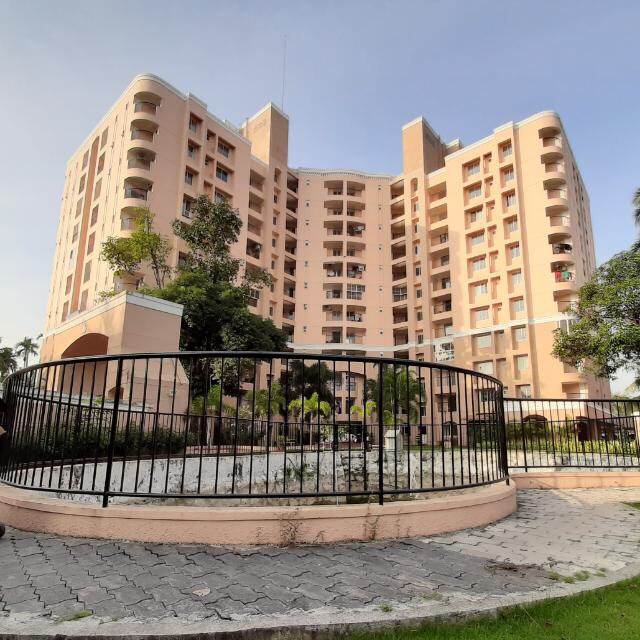
The story of the housing society that I briefed in the beginning is real, and it is my society, Westfort Gardens, in Cochin, Kerala, and the efficient secretary who is leading the fight against the virus is Ramesh Krishnan. In our WhatsApp group, someone had used ‘my wish list’ when he/she was putting the list of vegetables and fruits needed. Till the recent past, our wish-list included iPhones and gadgets, the latest designer wear etc. Our priorities have changed and rightly so. The difficulty in procuring vegetables and fruits have also heightened our awareness of its importance. We wouldn’t spare a thought when we picked and chose veggies and fruits at supermarkets.


One day, we will be free of COVID-19. Then, will the society’s WhatsApp group hear something like this? I plan to drive to the city centre tomorrow and that there is space for three people in my car, please let me know who wishes to carpool with me. Hope we would!

Westfort Gardens

COVID-19 Fight – The Kerala Model

The ongoing fight against COVID-19 by Kerala is, in all probability, the best in the world. Most of you could possibly know that as a country, it is Singapore that is waging the best war against the virus, with 1114 infected cases and a mortality rate of 0.45% as on April 3, 2020. But one place, which has a population that is 6 times more than that of Singapore, that is bettering the best-Singapore in the fight against the virus is Kerala. Before going into the metrics, let me list out a few ubiquitousness which accentuate the COVID-18 menace of Kerala.

Kerala has a population of 38 million people, of which 10% is working abroad. That means a whopping 3.8 million Keralites are scattered all over the globe. You will find the Malayalees anywhere and everywhere, be it the landlocked countries like Burundi and Rwanda in Africa; Caribbean countries like Haiti; Europe; the USA; Middle East; and anywhere and everywhere in the world. Besides, hundreds of thousands of students from Kerala are pursuing their studies abroad, including at the COVID-19’s birth place: Wuhan. Kerala lives across the globe, so any global shock, whether epidemiological or economical — around 35% of the Kerala’s GDP is contributed by the foreign remittance — the reverberations will be felt in Kerala, so did COVID-19 immediately after the outbreak in Wuhan at almost the same time as it was felt in Singapore.

Kerala had the first COVID-19 case reported on January 30, India’s first, from the students returned from Wuhan. From that day, Kerala reported 295 cases with 2 deaths and 25 recoveries as on April 3, 2020. Out of this, 206 cases are returnees from abroad, 7 foreigners and the remaining cases are their relatives and those who came in direct contact with the infected. With no case of community spread and a mortality rate of 0.68% — both the patients who died were aged above 65 years and had underlying severe health problems — Kerala’s fight against the virus exemplifies what humanly possible to keep the virus at bay. And it can be an enviable model even for the best-fighting Singapore! What is that model? Any model to fight the virus should have the following elements: Quarantine, Source-tracing, Testing for the virus, Strength of healthcare system, Proactive establishment and solidarity among people. Let’s look how Kerala is doing on these elements.

Quarantine: How long does Kerala quarantine suspected COVID-19 persons? For 28 days. Yes, you read it right. Not 14 days as other countries do. This is very important, but why? Do have a look at the following chart published by a Medical Association:

The chart shows that if a person gets infected with COVID-19, he/she will remain asymptomatic till 4th day, start to show symptoms from 5th day to 14th day and that with medicines and/or immunity, he/she will start recovering from 15th day and by the 28th day, the person will be fully recovered with long-term immunity. Now, the crucial question: Does the recovering person have the potential to spread the disease? I checked this with a doctor-friend who gave the answer: yes.

The World Health Organisation says lots of people show little symptoms to mild symptoms and get recovered with the help of their own good immunity, and in this process, sometimes the infected recovers without him or anyone knowing that he/she was infected. Now, imagine that someone is suspected to have virus, hence, quarantined but showed no symptoms till 14th day — no test was done as it was only a suspicion. Also, imagine that the person was infected; his/her strong immunity defeated the virus; and that he is recovering from the virus from the 15th day — mind that nobody knows whether person was infected by or recovering from the virus. If we leave that person from the quarantine, there is a possibility, as my doctor-friend answered, that he would spread the virus. Hence, Kerala’s decision taken in the very beginning to quarantine all the suspected persons for 28 days is foolproof and limited the virus-spread to a large extent.

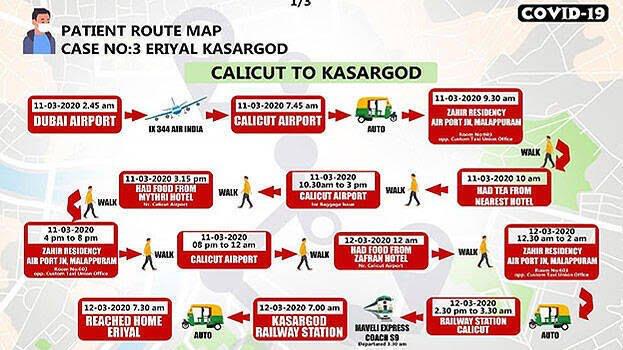
Source-tracing: Kerala is the first place in the world where, when a person is diagnosed with the virus, a route map of the person — detailing the travel history from his/her entry point to Kerala till he/she was diagnosed or from whom the person got the virus till the diagnosed time — is prepared and published to source-trace all the possible social contacts as well as to alert people who, in case came in contact with the infected person, can come forward to inform the healthcare authorities.

A Specimen copy of the route map of a patient:

Look at these numbers: As on April 3, 2020, Kerala has 169,000 people who were source-traced for possible social contacts with the confirmed 295 cases! Wow, it is an astronomical 57,288% of source-tracing against the known infected cases! And out of this 169,000 people, only 706 are at various hospitals, with the remaining home-quarantined.

Testing: Higher number of testings is how Singapore and South Korea contained the menace. For example, testing for COViID is around 6148 people per million in South Korea and 6800 people per million in Singapore. As these are developed countries — per capita income per annum is above USD 20000 — they were able to ramp up the testing rate quickly. It was 210 people per million for Kerala as on March 9. It is, however, noteworthy that Kerala, though having just 2.8% of India’s population, had done almost 18% of the total COVID-19 tests in India as on March 9. Kerala had, subsequently, ramped up testing by opening up more testing centers. Such a higher level of tests helped to identify the infected from amongst the suspected cases as early as possible. Another remarkable thing is that all those tested positive for the virus were from the already-quarantined ones — so none infected was roaming around undetected, hence, no community spread.

Strength of healthcare: Kerala is a 100% literate state with development and social indices like education, healthcare, life expectancy, low infant mortality, low birth rate, etc. comparable to those of the developed world — this is acknowledged by the international organizations like the UN. Also, Kerala is the only state in India that has palliative care included in its health policy, with more than 200 clinics established across the state for this purpose. Kerala’s palliative care is rated as one of the best in the world. All these healthy milestones are founded on the bricks of primary health centers present in each and every village in Kerala.

Proactive establishment: Kerala’s fight against the virus is led from the front by none other than the head of the government, Chief Minister Pinarayi Vijayan, and the Health Minister, Shailaja ma’am, whose enviable leadership during the Nipah virus outbreak in Kerala was exemplary. She, a retired High School teacher of Chemistry, was honored by the European country, Moldova, by appointing her as a lifetime visiting-faculty at its famed institute, National Medical University. The MOST IMPORTANT aspect of the government’s fight against the virus is that FULL COST OF TREATMENT for all the patients are BORNE BY THE KERALA GOVERNMENT.
The government prepared plan A, Plan B and Plan C to confront the virus. The plan A, which is in operation, involves quarantining all the suspected cases, providing the best possible healthcare to the infected persons — the recovered include foreigners and an elderly couple: Thomas aged 93 and 88-year old Mariamma. This is stupendous and does show the efficiency and effectiveness of the Kerala healthcare workers as well as the the healthcare system; strictly enforcing social distancing as well as the ongoing lockdown; opening community-kitchens in every village to provide food for those who went jobless, hence, can not feed themselves during the current lockdown — this includes around 2.50 million guest workers who are from other states in India and now provided with free food and accommodation; distribution of food-kits to almost 800,000 families; etc. As of now, there is no community spread in Kerala. But the government had prepared plan B and Plan C anticipating it. These plans are into action already and do involve preparing tens of thousands of hospital beds; taking over hotels and home-stays to covert them into hospitals as well as to accommodate the healthcare workers; further expanding testing among people with inclusion of rapid tests; etc.

Solidarity among people: You go anywhere in the world, and it is unlikely that you would not see a nurse from Kerala. All our healthcare workers are putting in their best — they are our front-line infantry fighting the battle everyday. Our police force is working round the clock to ensure the lockdown is enforced without causing any problems to movement of people for essential services. Kerala is the most politically charged state in India, with the neutrals forming only around 2.5% of the population. But all the political parties had come together to support the government in this unprecedented fight. Kerala is a multi-religious society with different faiths coexisting peacefully. During this difficult time, all the religious heads showed solidarity with the government and offered the hospitals under their guardianship for the virus treatments. Kerala is fighting the virus in unison.

It was reported that various states in India, the central government and different countries from across the world approached Kerala to share with them its model of the COVID-19 fight. This is an acknowledgement for one of the best healthcare fights ongoing against the virus. Like Singapore and South Korea , Kerala is fighting the virus in the best possible way!

COVIDian Reflections – Coexist

For the first time in the history of modern man, animals can roam around without the fear of being attacked by their big brother. Animals bear the brunt of man’s cruelty arising out of his ostentatious ways of living and false feeling of valor. But it is payback time today. He is being haunted – hunted? – by an invisible enemy and forced to confine himself within the four walls, with the fear for his life.

Hunting is a pastime for man but a matter of survival for the hunted down animals. These hapless creatures are attacked for satisfying man’s adventurous hobby of hunting. Animals are hunted down in their own wild-homes even when they do not cause any harm to man. The home of a famous Malayalam film actor was raided by the Income Tax Department sometime back, and they unearthed an ivory. In another incident, the muscle-man of Bollywood displayed his masculinity before his female co-artists by hunting down blackbucks. Examples of man’s cruel pastimes like these are many. All the ivories and animal-hides that are proudly displayed in the showcases might be grinning at men who are locked-down inside their homes, deservedly. Who has given man the right to hunt animals? Of course, nature did not.

There are many people whose ostentatious ways of living have telltale stories of animal slaughters. Shoes costing USD 2000 to USD 5000, made with hides of snakes and alligator! Branded handbags fetching anything above USD 1000, made of animal hides! I saw a report that Vietnam had alligator farms to produce hides for making shoes and handbags for a famous brand. I once met someone in Bolivia who owned an alligator farm that reared alligators solely for the purpose of supplying their hides for shoe-making by luxury brands. What a pity that all those shoes with blood-dried hides of animals are resting peacefully on shoe-stands and grimacing at man who is sitting locked-down with his barefoot. Who has given man the right to kill animals for his extravagant ways of living? Of course, nature did not.

Seventy percent of the earth is water, so I take the liberty to deduce that 70% of all the animals live in the waters. Humans form only small percentage, say, 5 of all the living organisms. It is estimated that man dumps more than 8 million tonnes of plastics into oceans every year!!The scenes of marine animals like turtles, whales, etc. getting killed and washed ashore from the plastic pollution are heartbreaking! How long this cruelty can be continued? Well, a study by an American institute across the globe shows that more than 80% of table salts have micro plastics. Leave this aside and look at the life-threatening impact of plastic use by humans on marine animals. Incidentally, a study by American scientists show that COVID-19 can stay alive on copper for 3 hours; cardboard for 24 hours; and PLASTICS for 3 DAYS! Why more time on plastics? Isn’t it a clear and dire warning from nature to man about the plastic-pollution arising from his unbridled and mindless use of plastics? It is, indeed!

Man is restless and complaining about being asked to stay indoors for 21 days! What about the animals who are permanently incarcerated at zoos?  Why do we need zoos? Zoos are the places for man to roam around to kill his free time. In this process, he had killed many animals’ freedom of movement and the right to live at their natural habitat. Who has given man the right to incarcerate animals? Of course, nature did not.

How many animals had gone extinct due to human intervention! “Humans Caused 322 Animal Extinctions in Past 500 Years. Some 322 birds, mammals and reptiles all went extinct in just the past 500 years due to people, research shows,” according to Google. These species were made to permanently and irreversibly disappear from the face of earth by the greedy deeds of man. 

As of today, science has not succeeded in creating a living organism out of an inanimate substance. There are talks that COVID-19 was created by man. When such news are in the air, many people misunderstand that man is capable of creating a virus or a living organism on his own. He is not! What scientists do is that they try to create a new living organism by making hybrid of two or more living organisms. Barring this genetic tweaking, creation is out of man’s space. So let us be clear that man is not capable of producing a living organism out of an inanimate thing though he can kill a living organism to make it inanimate. If man cannot create a living organism, how can he justify making animals go extinct? Nature is watching these injustices being meted out by man to the fellow creatures!

I think COVID-19 is a warning to man by nature. I have unleashed a virus, nature says, that is less fatal though highly contagious to convey a message that man needs to coexist with other creatures of mine. I made you superior, nature continues, to other creatures not to dominate them but to coexist with them without being inferior. And if you continue to abuse the natural food cycle and kill my creatures for hobbies and ostentatious ways of living, I will unleash even more deadly virus that will be not only highly contagious but also unimaginably fatal!

We need to listen to this warning from nature. Governments across the globe must ban hunting, make it illegal to use animal parts for making human dresses and fashion accessories, close down zoos, ban plastics that can not be recycled and limit human excesses resulting in extinction of animals. It looks like COVID-19 is the last warning from the nature. And we better heed it, or nature will weed us out.

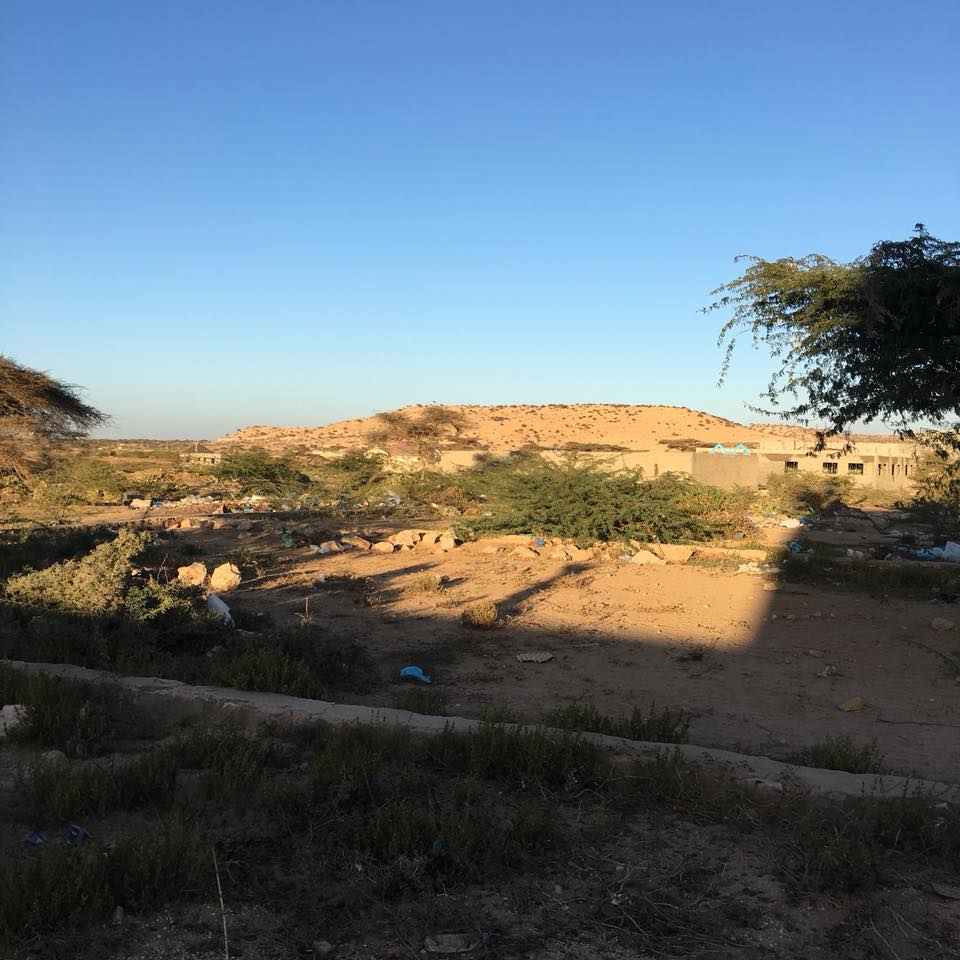
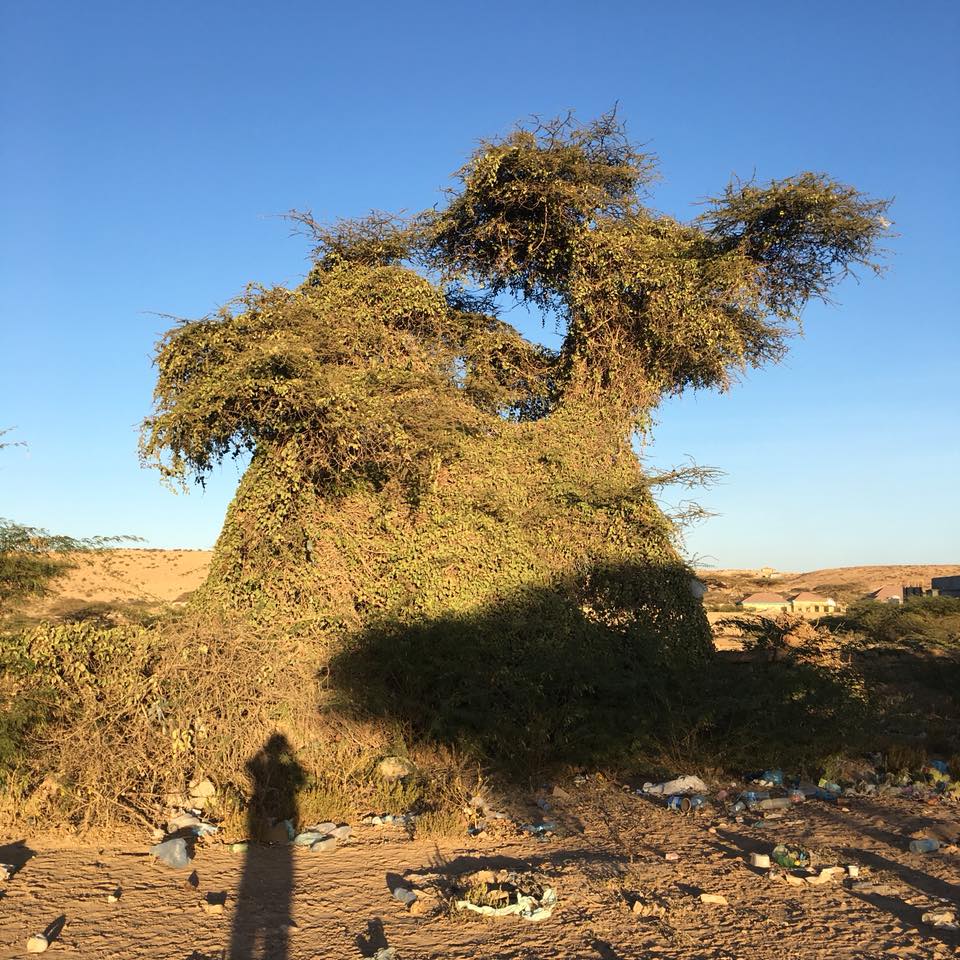
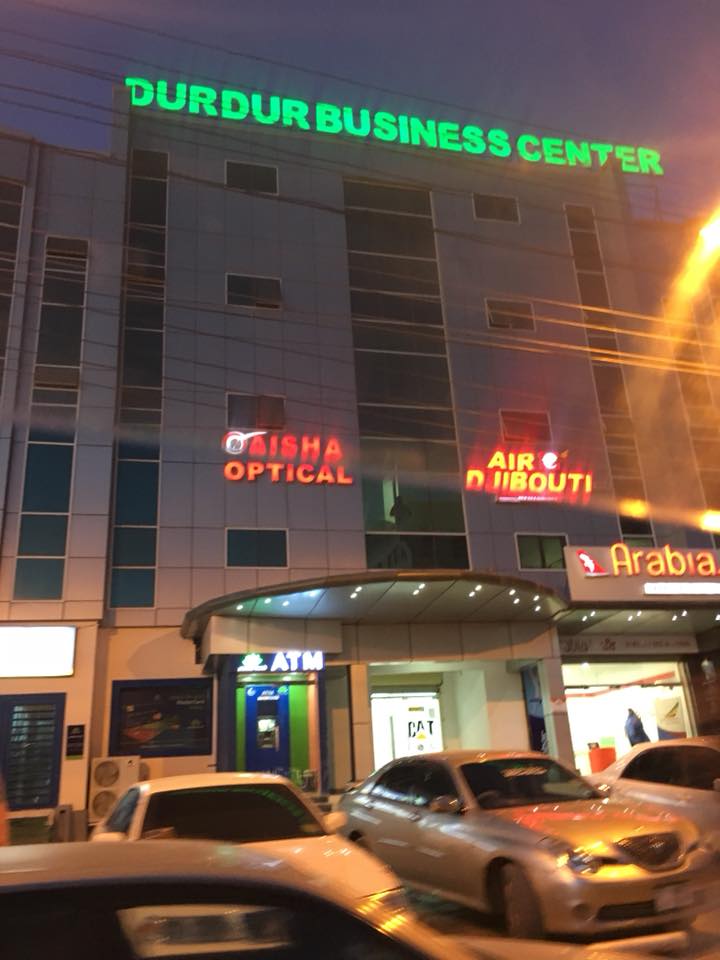
Somaliland

Most of you would have heard about Somalia. But, how many of you know about a country called Somaliland? It must be very few because this country does not exist on the roaster maintained by the United Nations or foreign governments. There are 9 self-declared countries, including Somaliland, that are not recognized by the UN or the international community. 

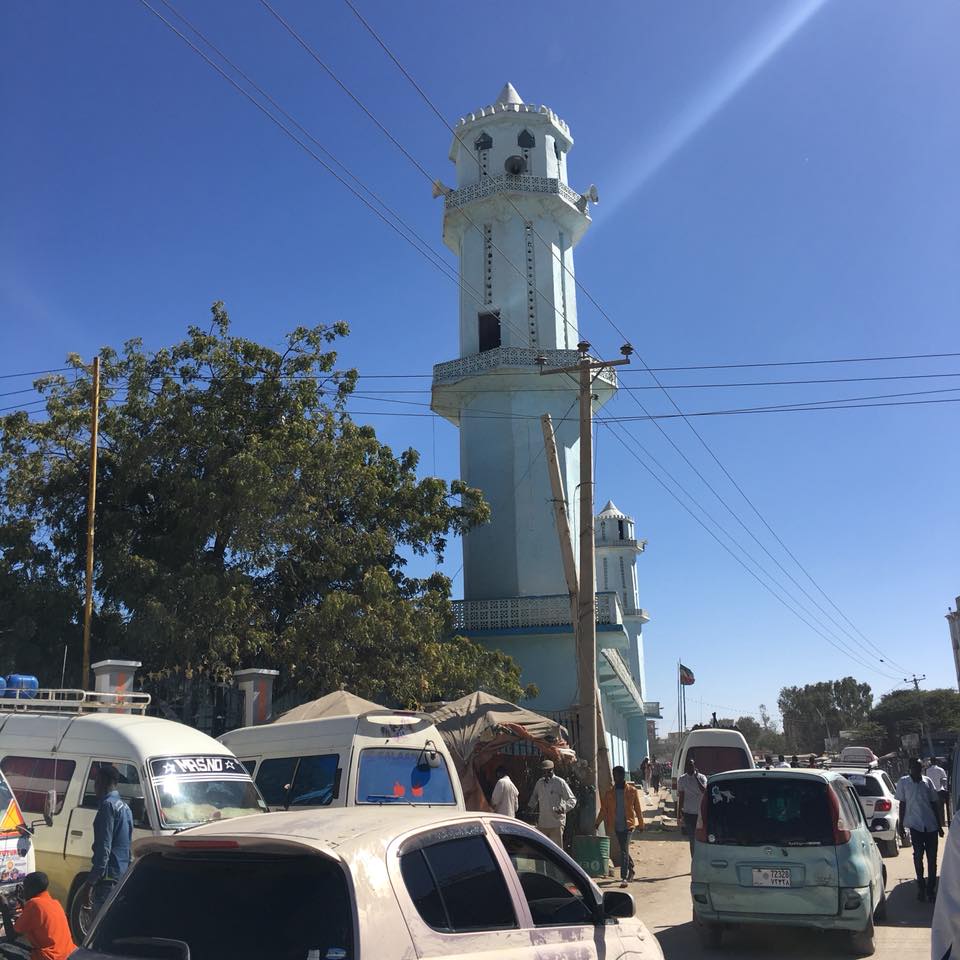
The Republic of Somaliland enjoyed a short stint — after the British colonial past — as an independent country till it was merged with Somalia in 1960. It broke away from Somalia in 1991 and declared as an independent country. Though, the international community considers Somaliland as an autonomous region of Somalia, many countries have trade missions in the country. Besides, Turkey had opened its embassy in Hargeisa, the capital city, a few years back.  Somaliland has a population of 4 million residing in a land of 176,120 square kilometers and is located in East Africa. 

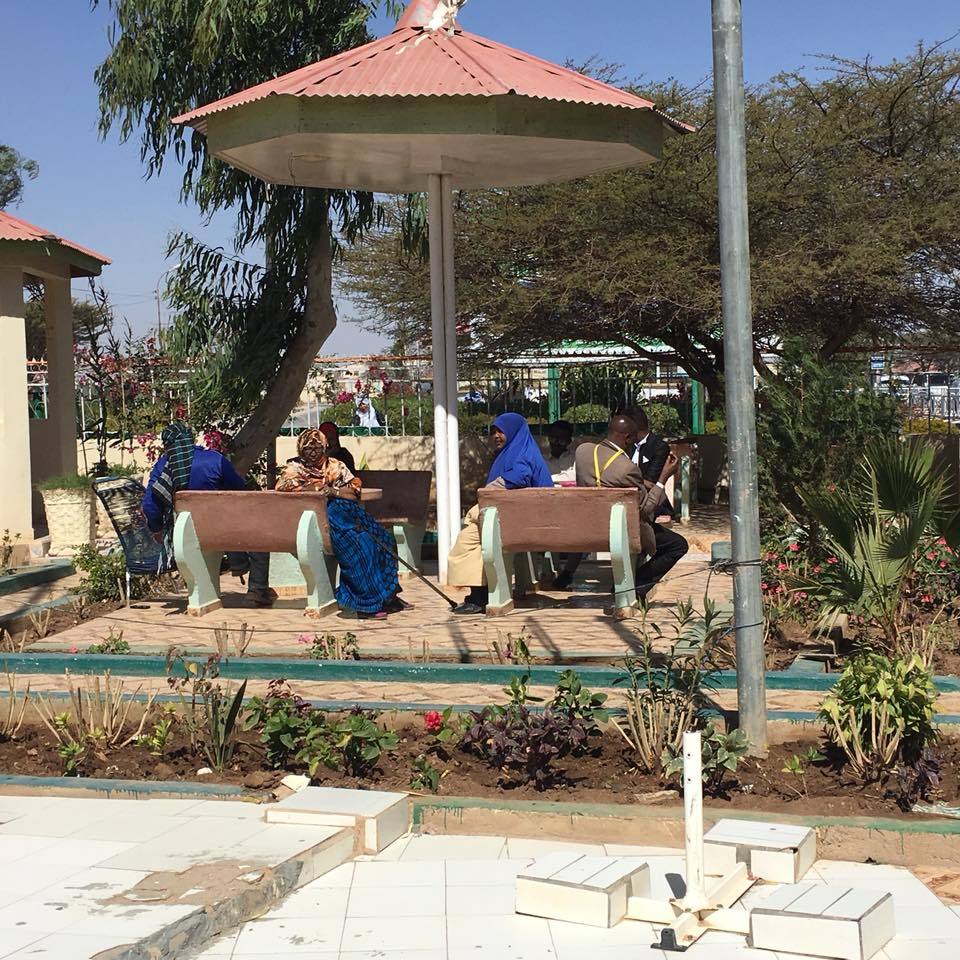
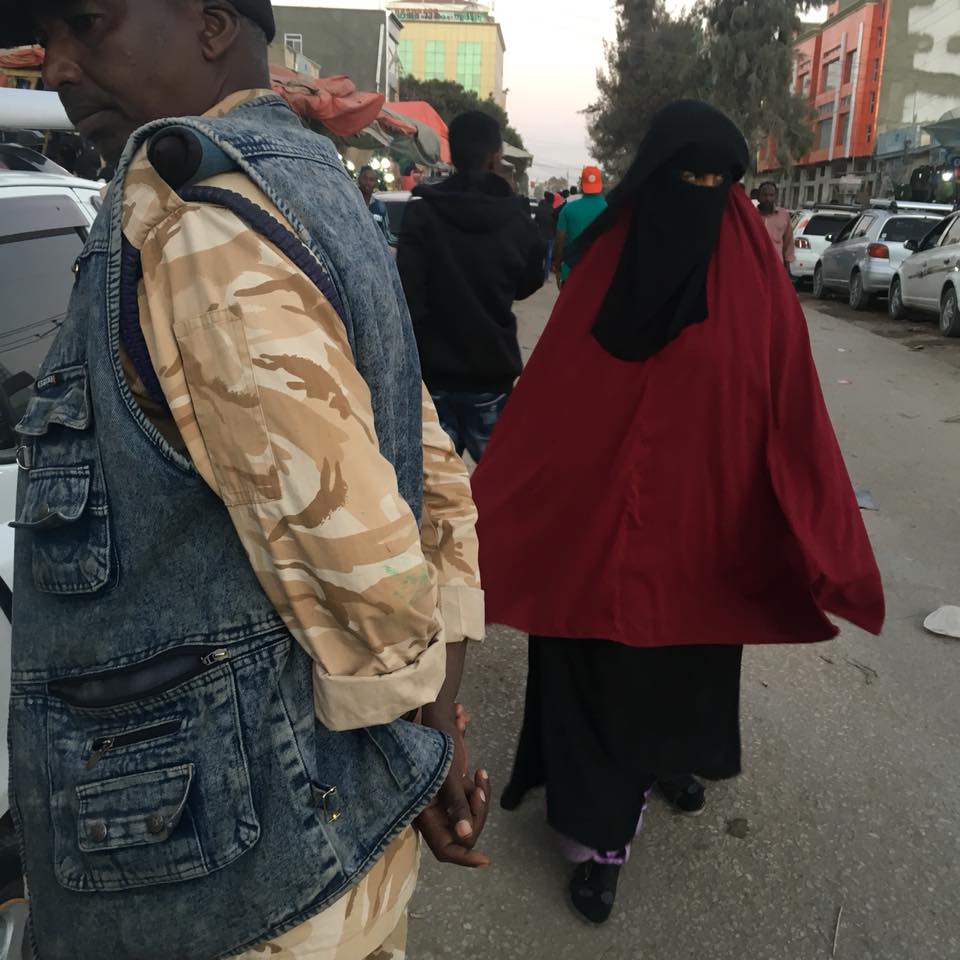
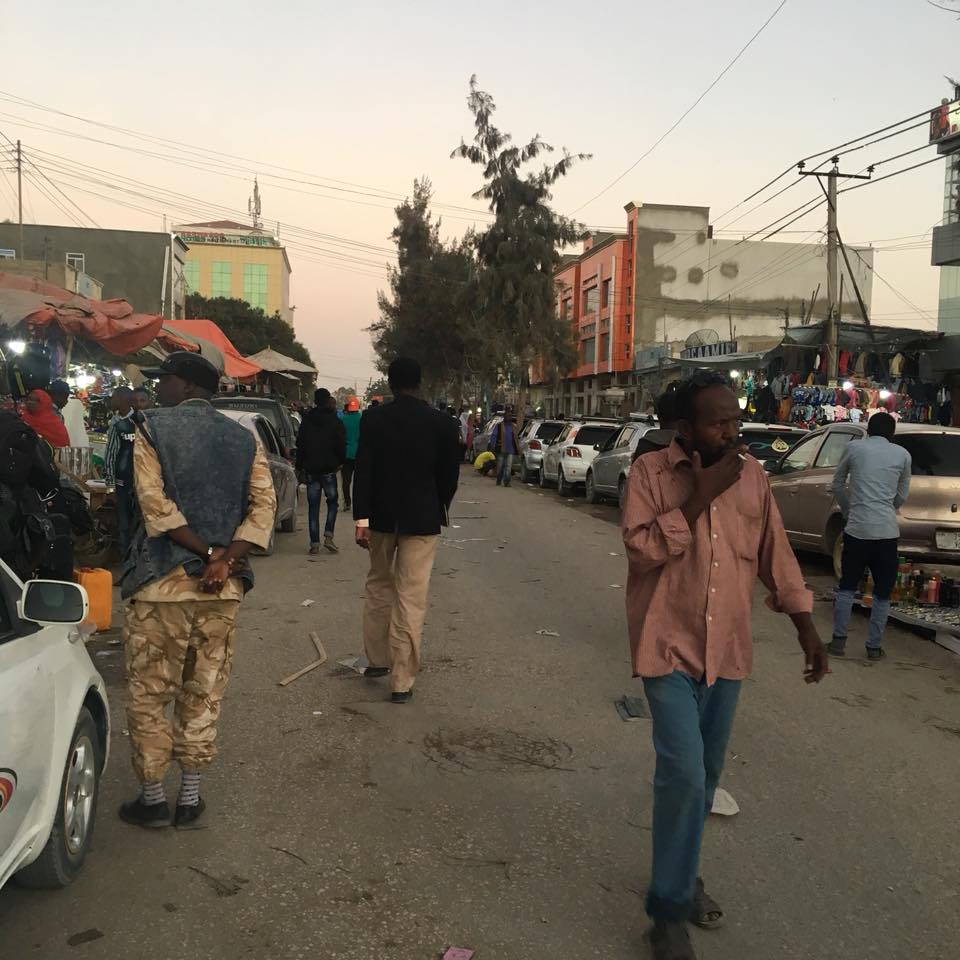
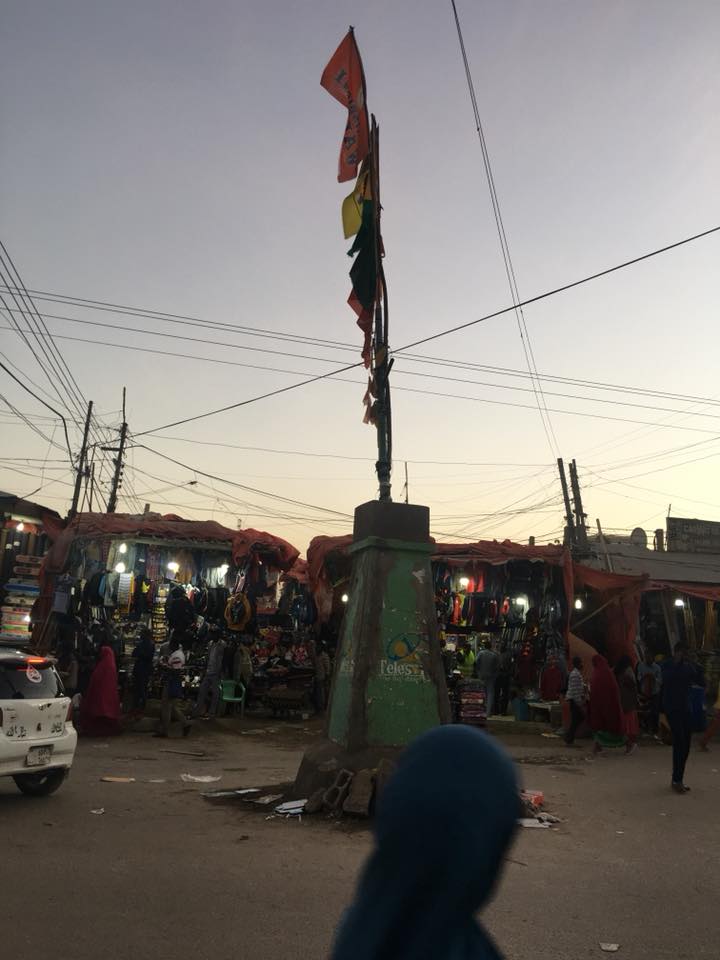
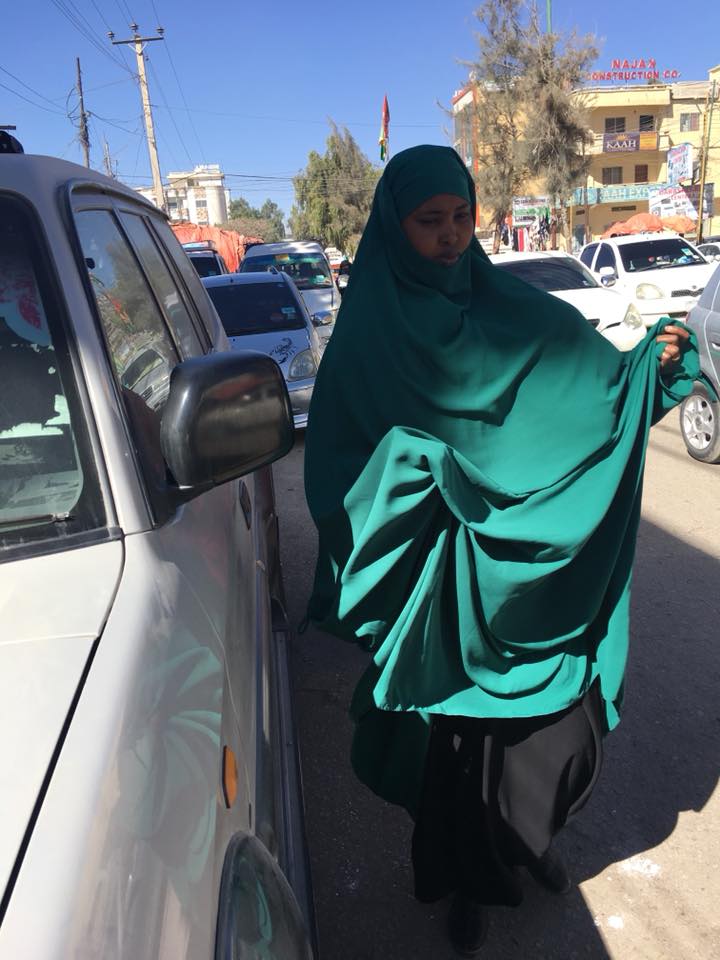
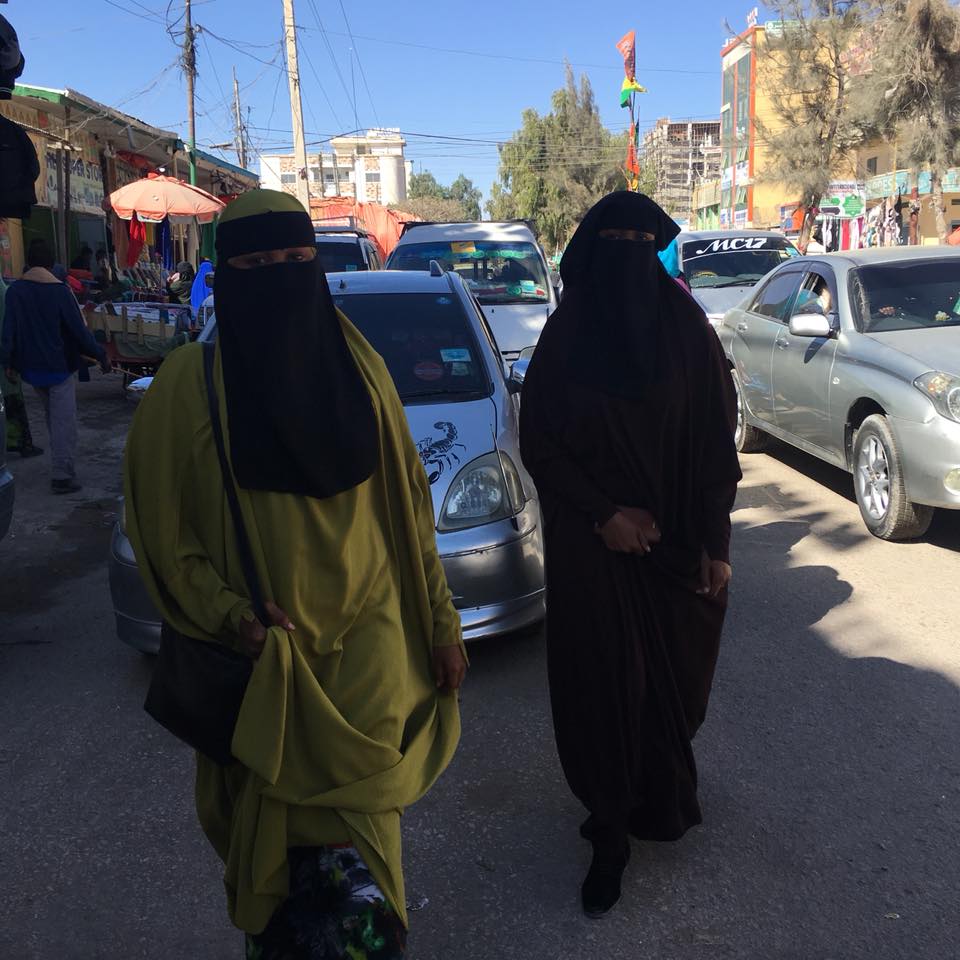
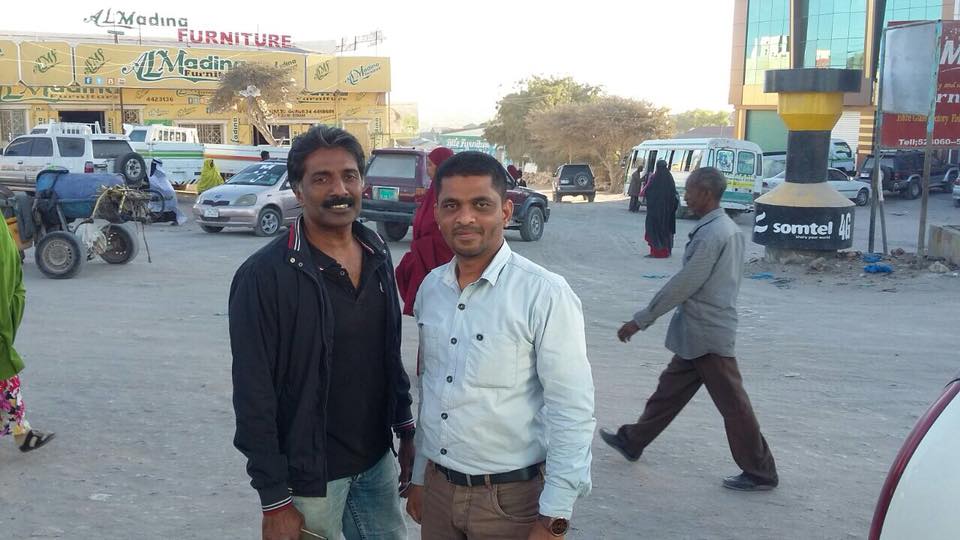
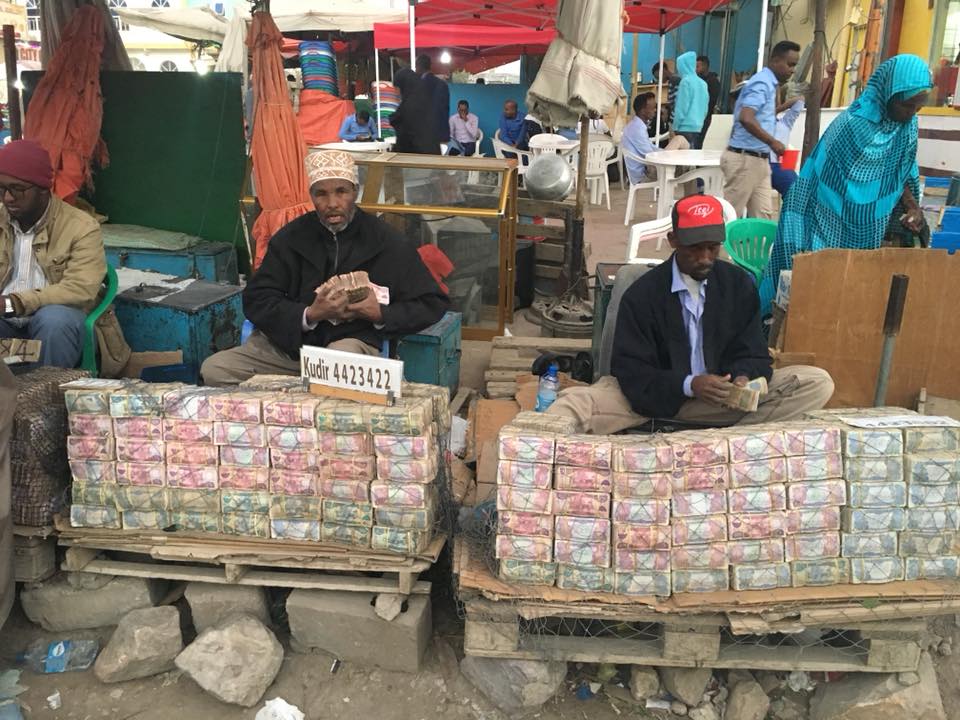
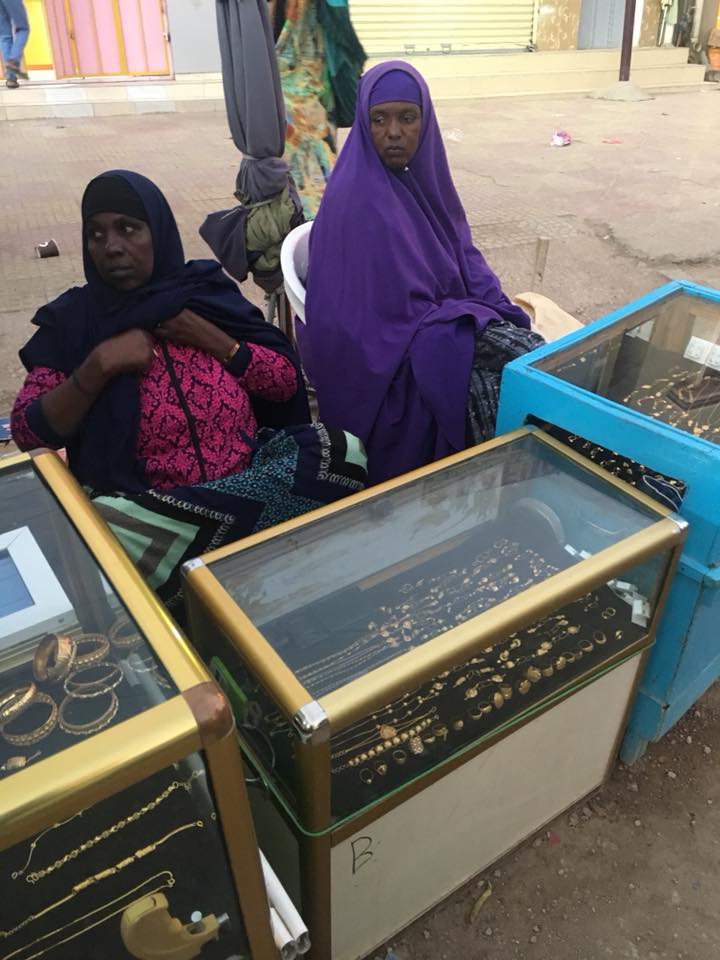
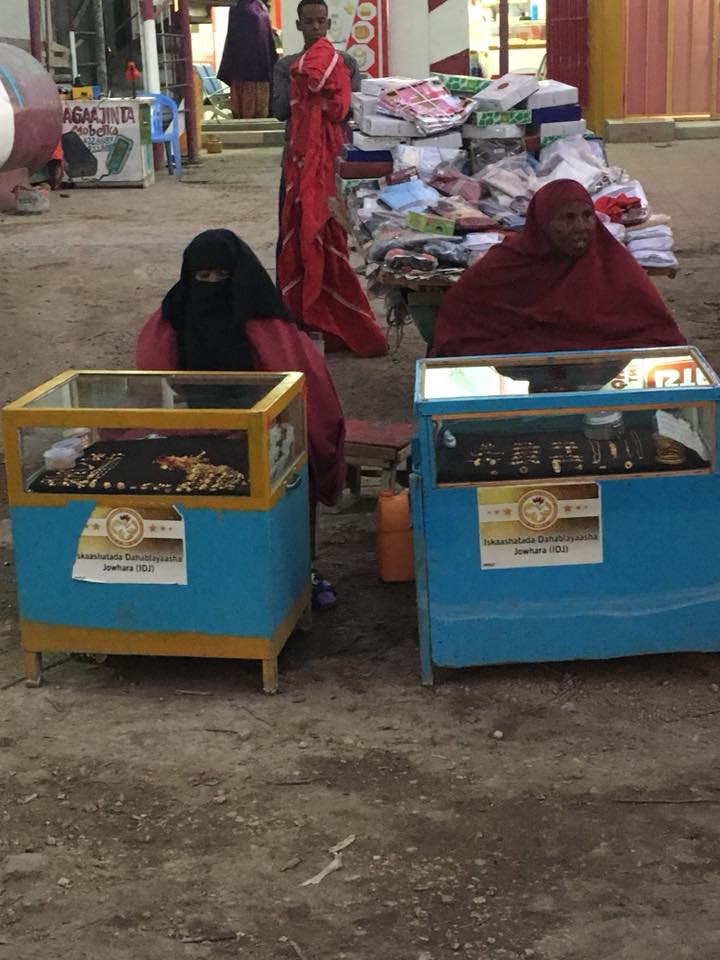
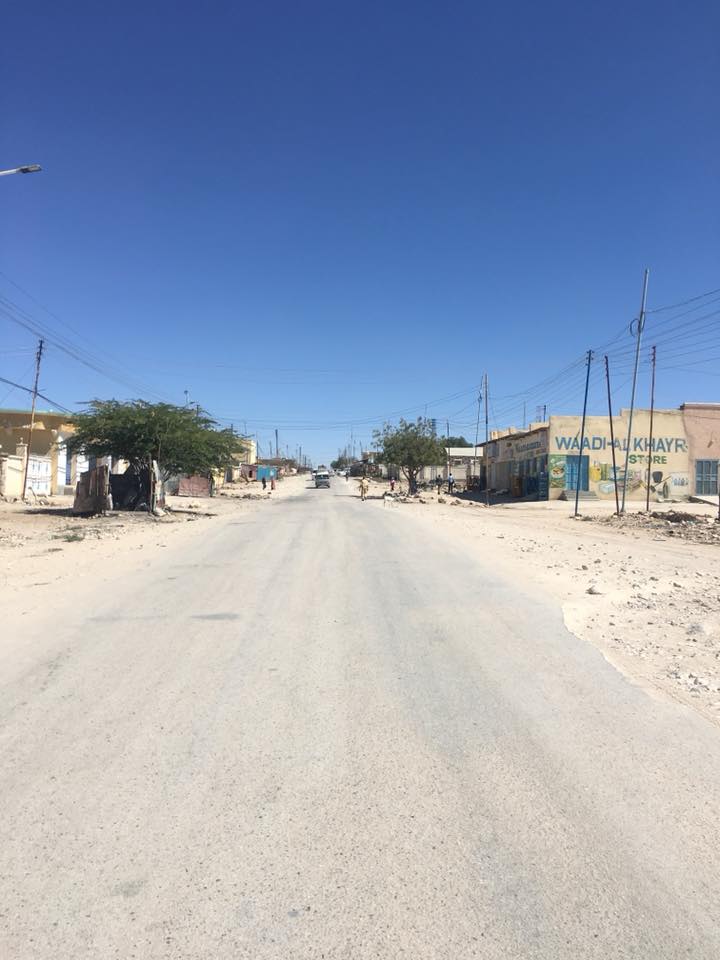
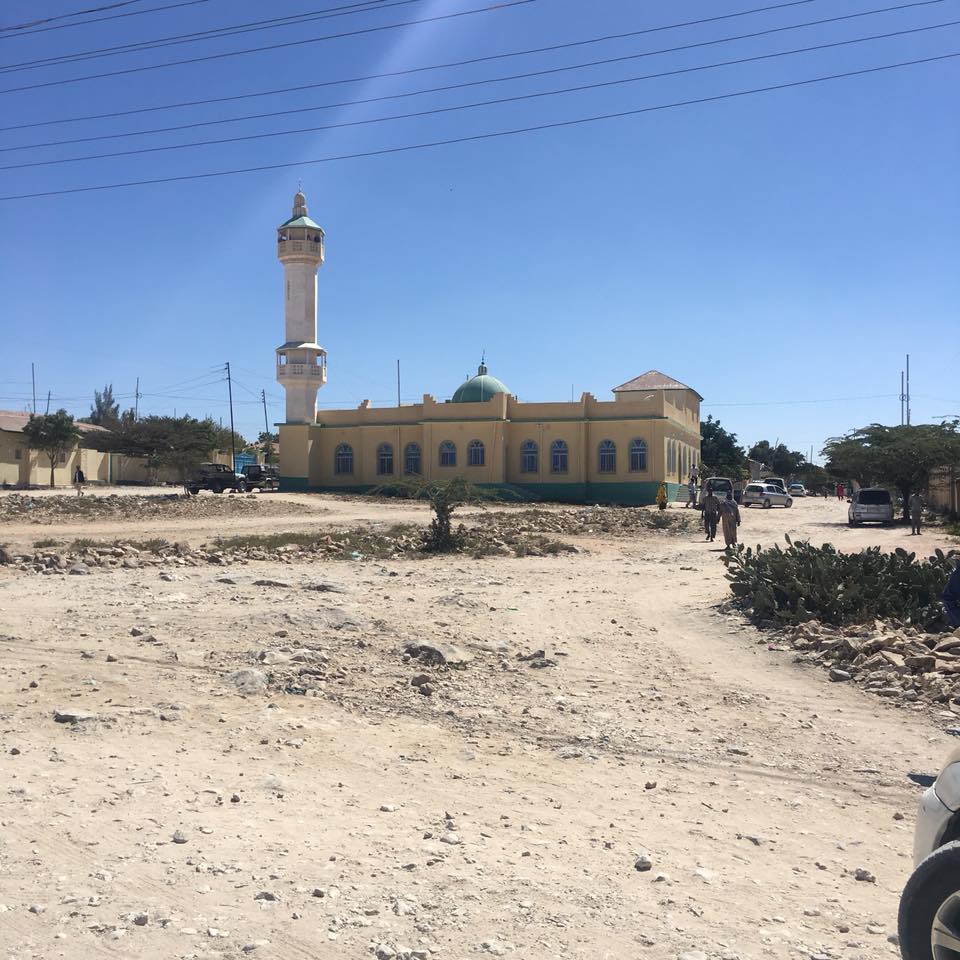
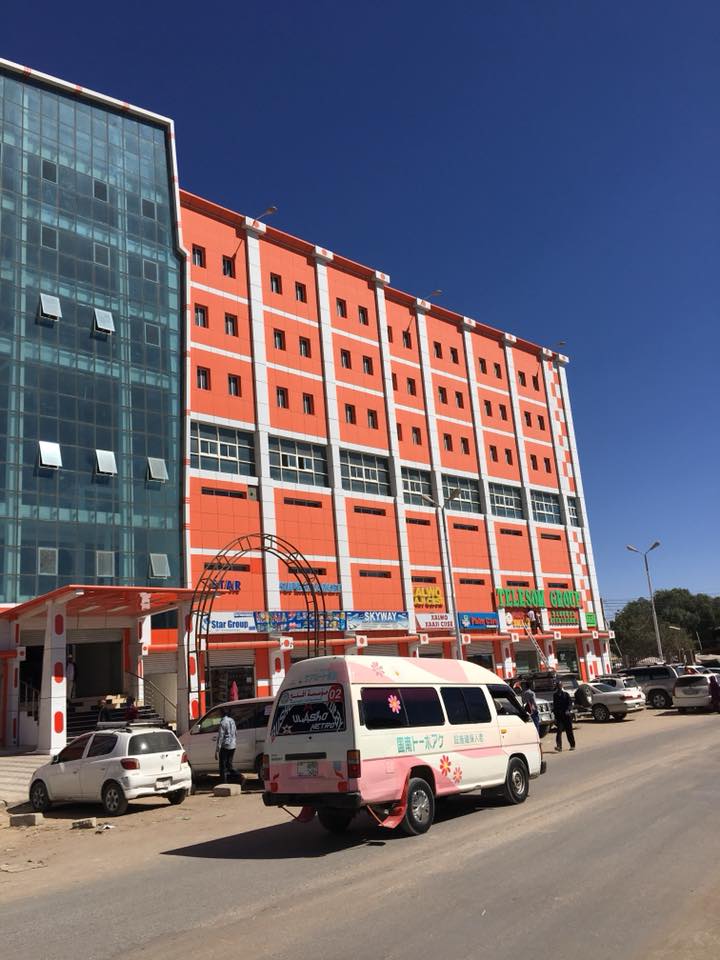
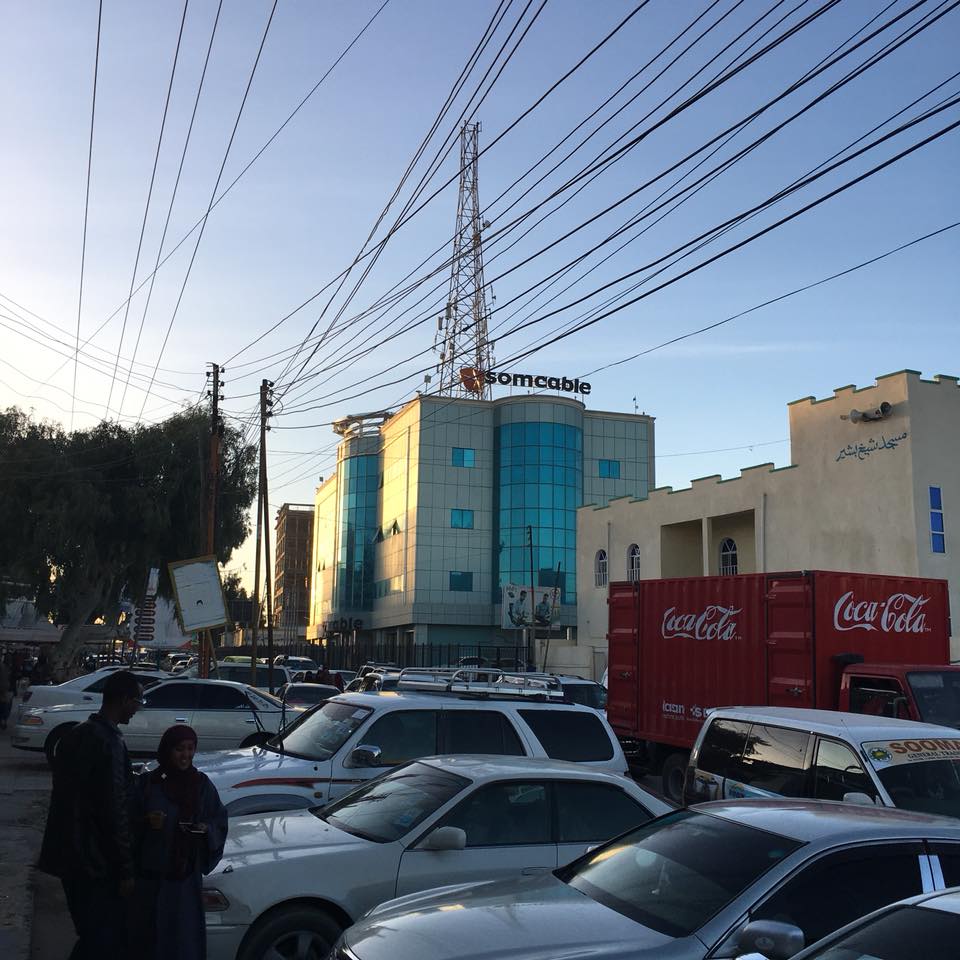
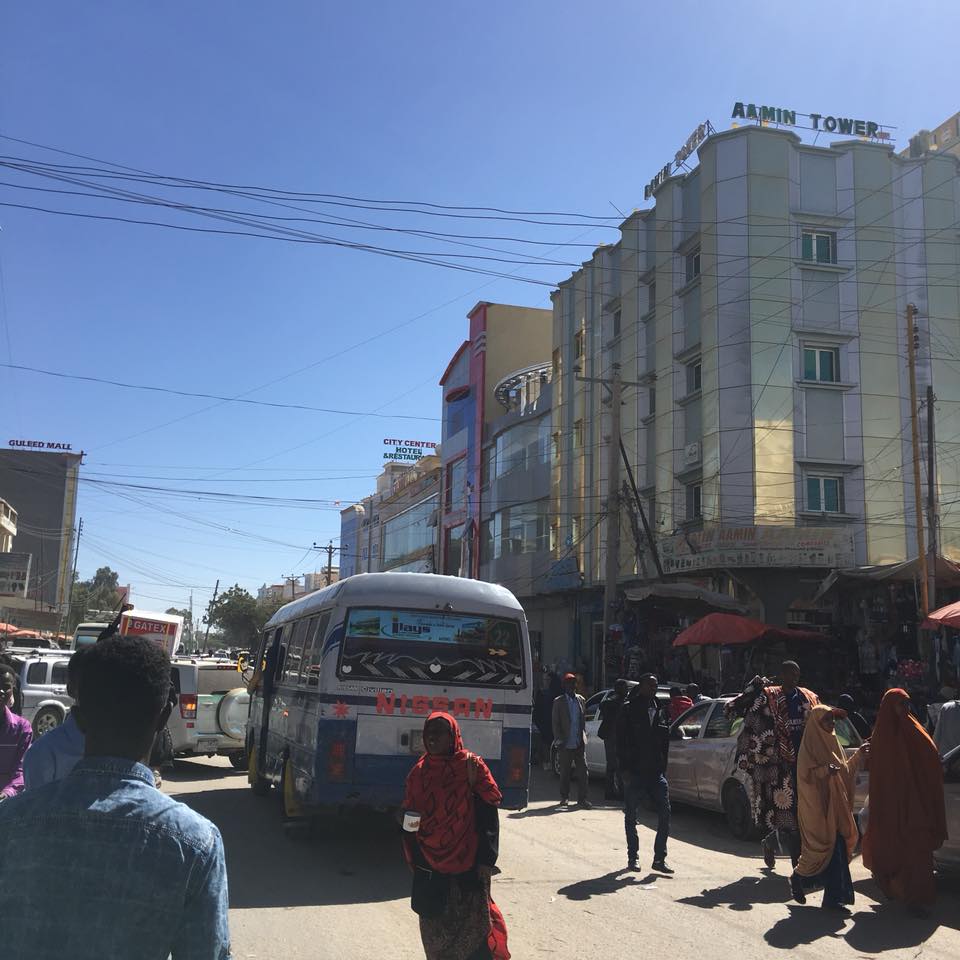
I visited Hargeisa, in December 2017 for business. Somalia is still in the midst of militancy, but Somaliland is a peaceful place, and the people are very friendly. We can see money-exchangers sitting with huge bundles of currency notes at the roadsides. Many women selling gold ornaments can also be seen at open markets in the downtown, with their small portable glass-shelves carrying gold ornaments but without any security staff guarding them — signs of social security and safety.

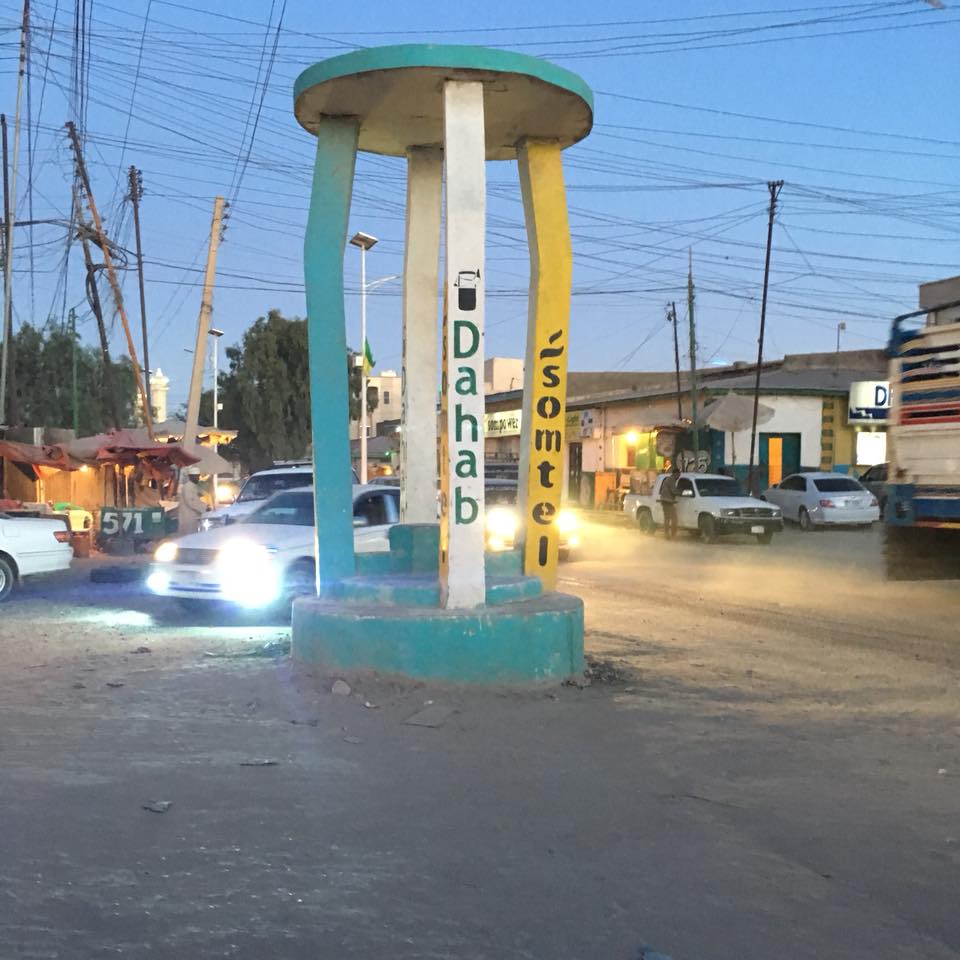
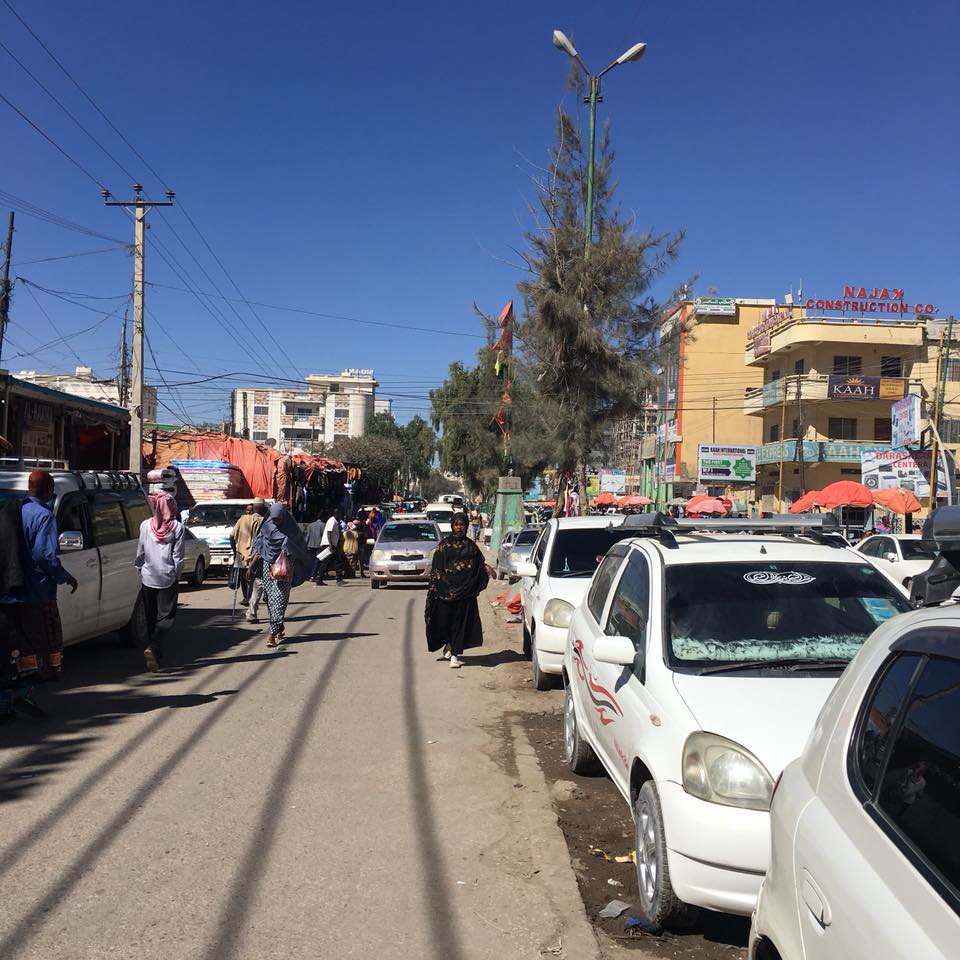
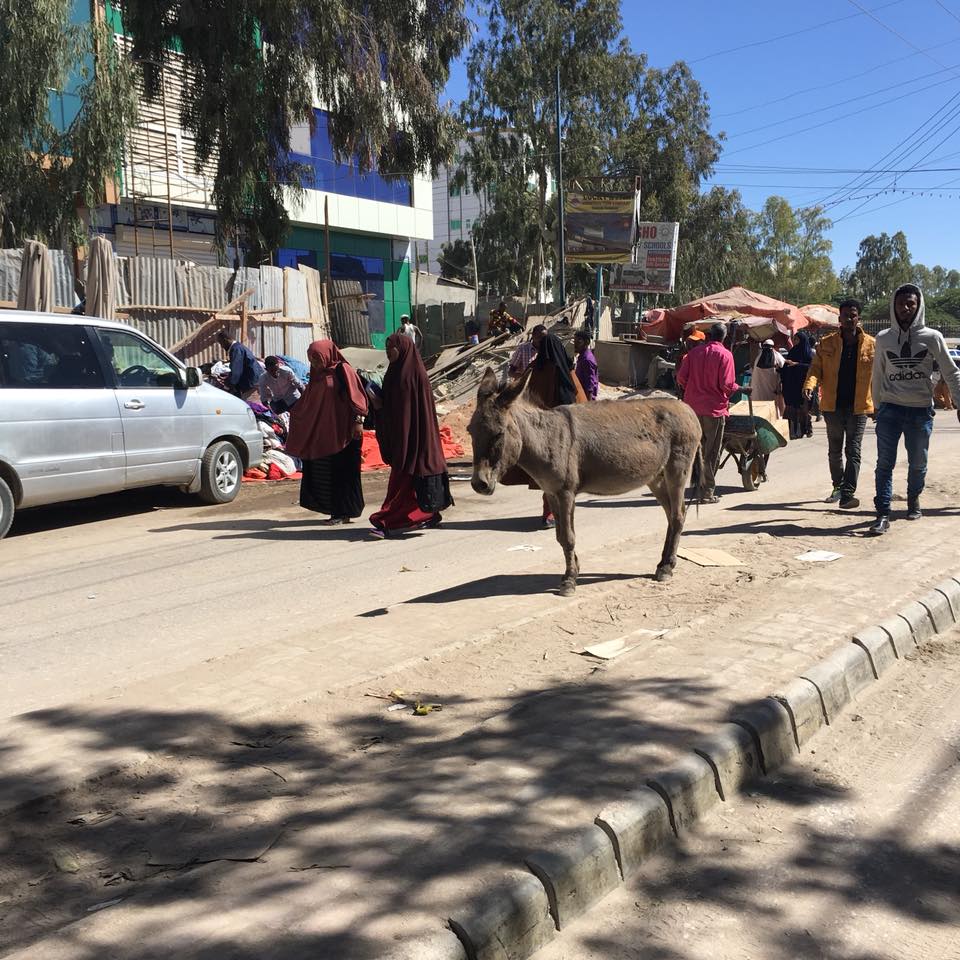
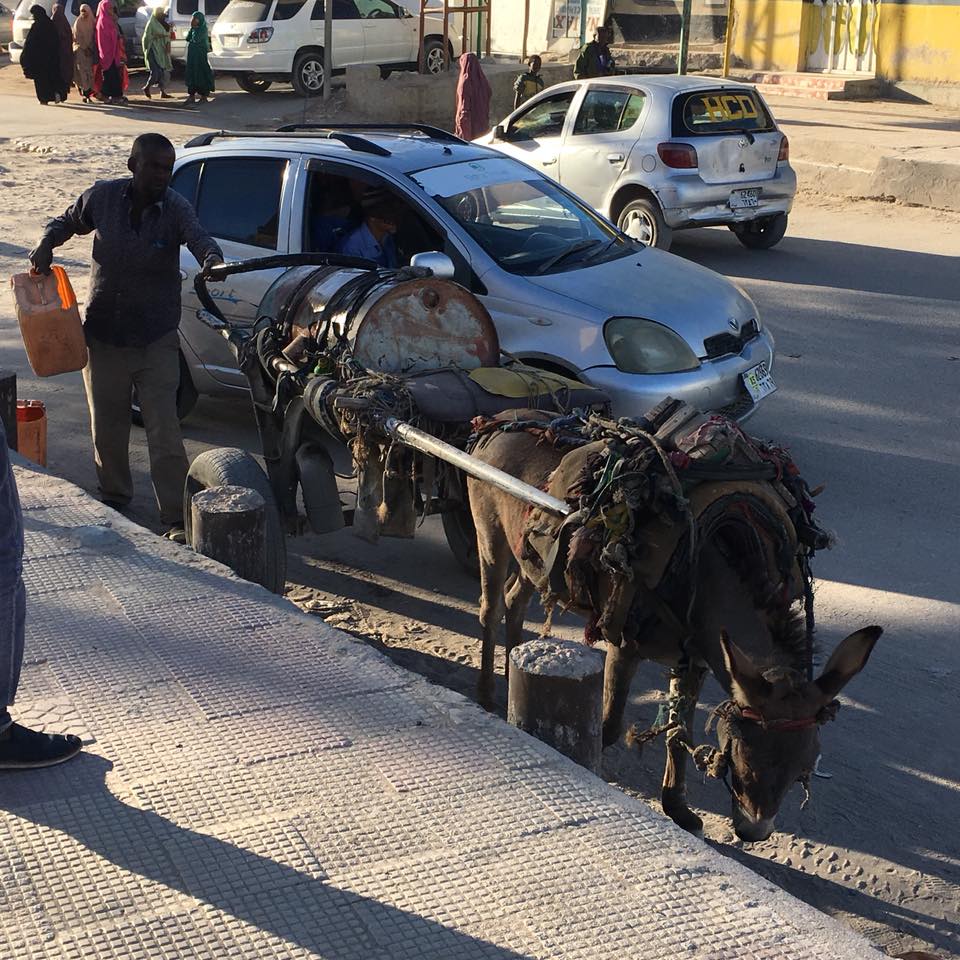
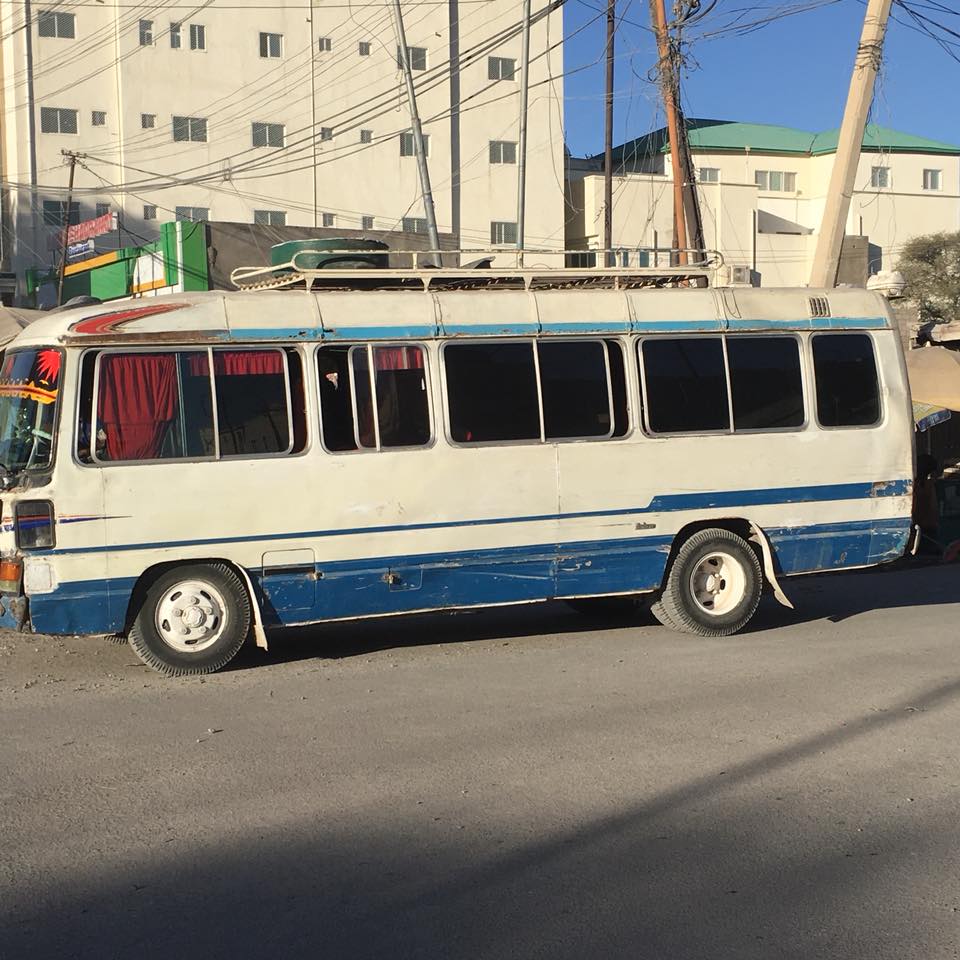
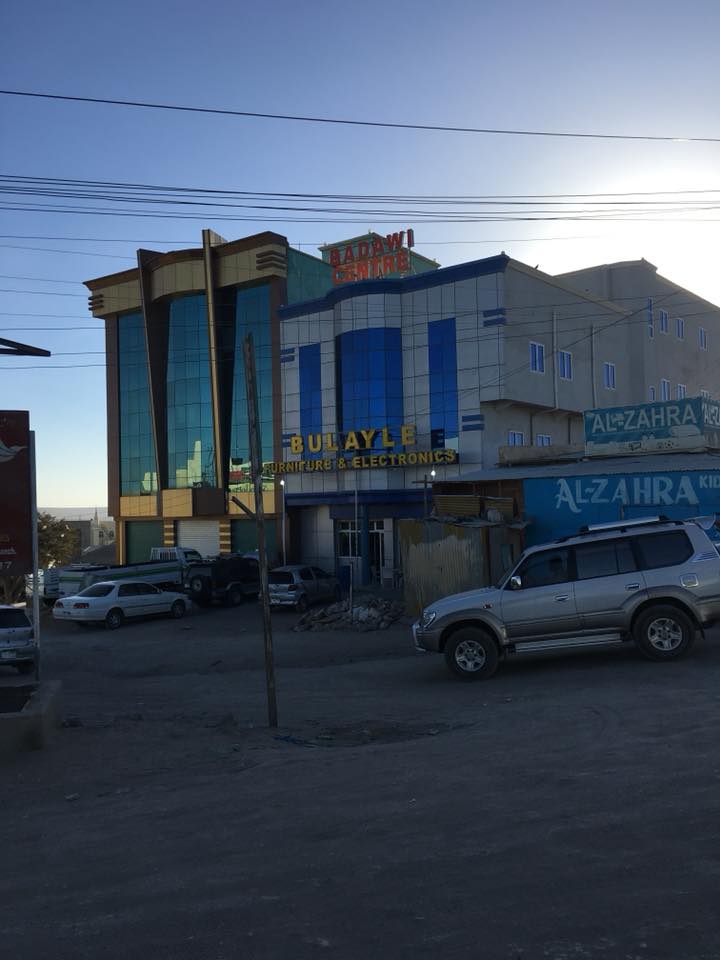
Most part of Hargeisa still looks like a village. The roads are a mix of paved and unpaved tracks, with all kinds of vehicles, including donkey-carts, plying.

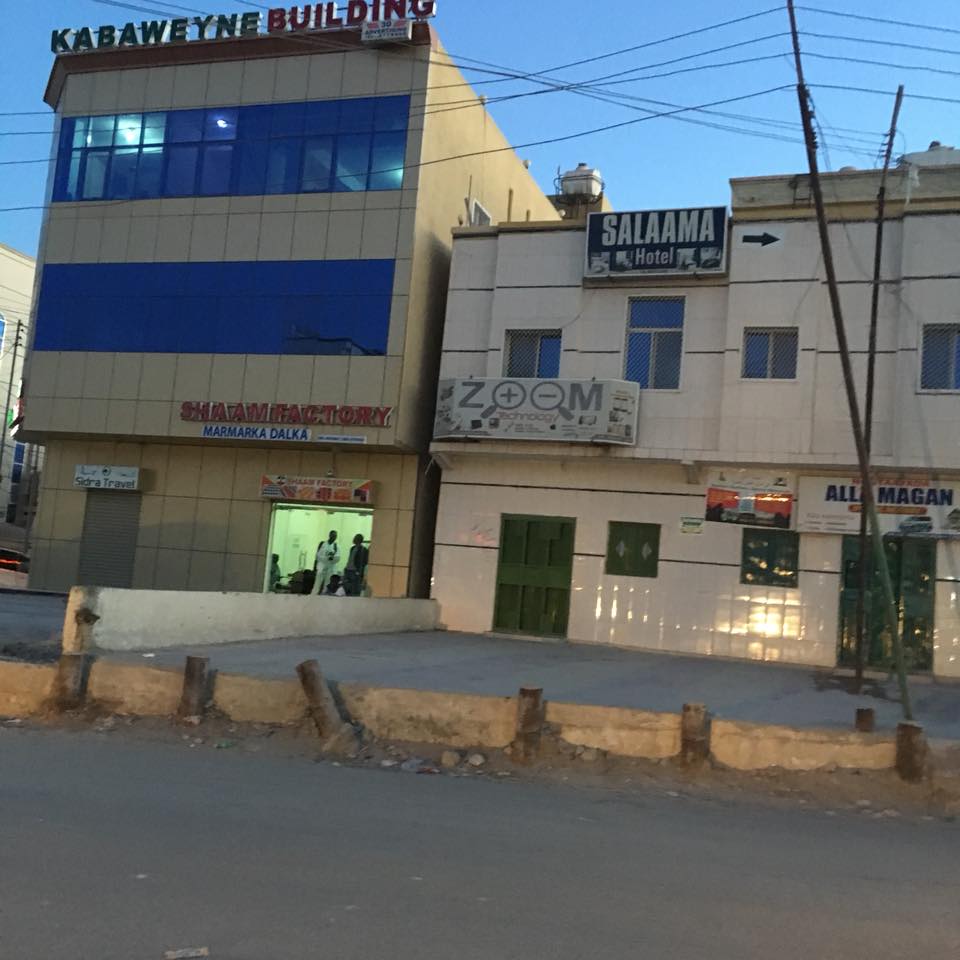
A night-walk in Hargeisa is safe. It is a poor country but coming up well.  Somaliland has started its journey to progress. Hargeisa has very few multi-storey buildings.

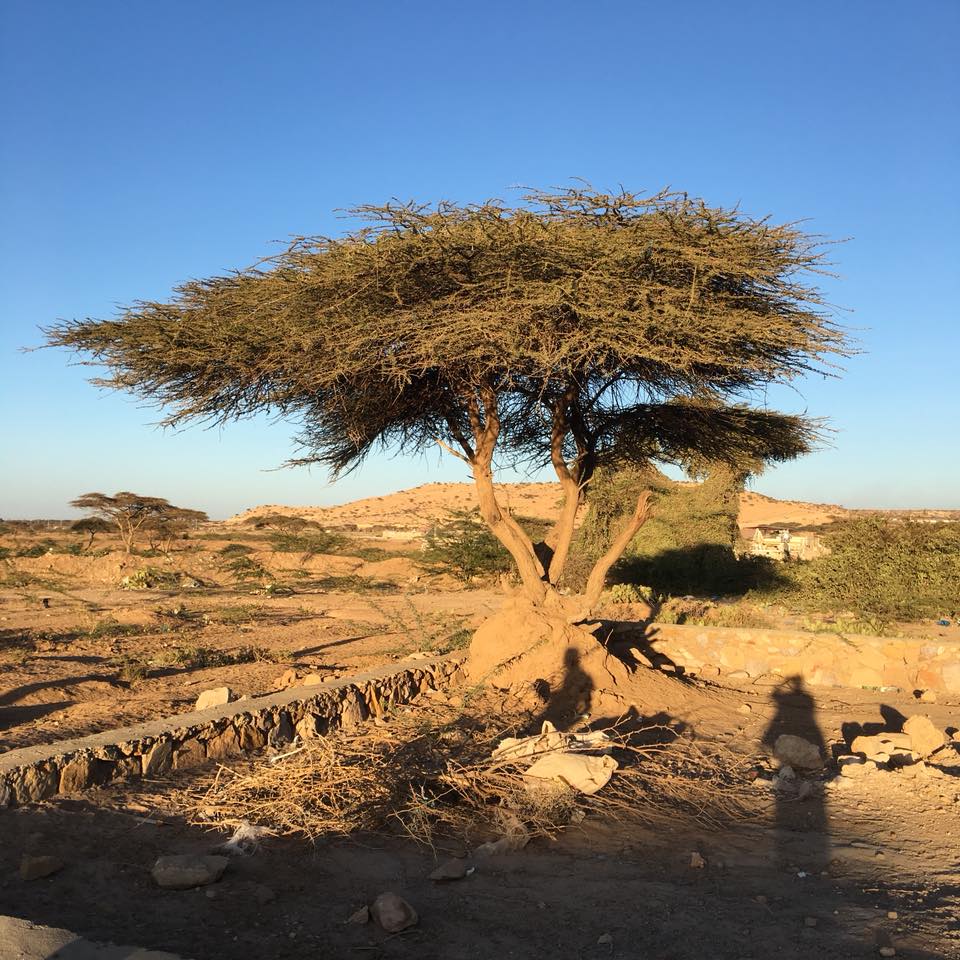
There are only a few hotels to put up in Hargeisa. The city away from the thoroughfare looks like countryside. Many lanes that connect to the thoroughfare are unpaved ones, and a few meters away from the thoroughfare looks like country side. In other words, Hargeisa is still in the initial stage of its birth, and urbanization has just begun. But the winds of change are sweeping across this nascent nation with many foreign companies setting up shops in its peaceful environs, away from the tumultuous Somalia.

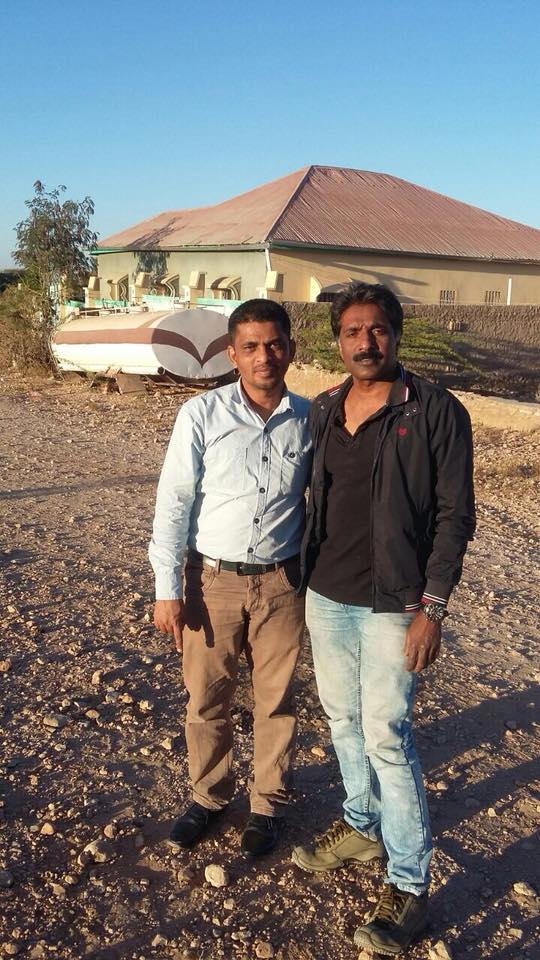
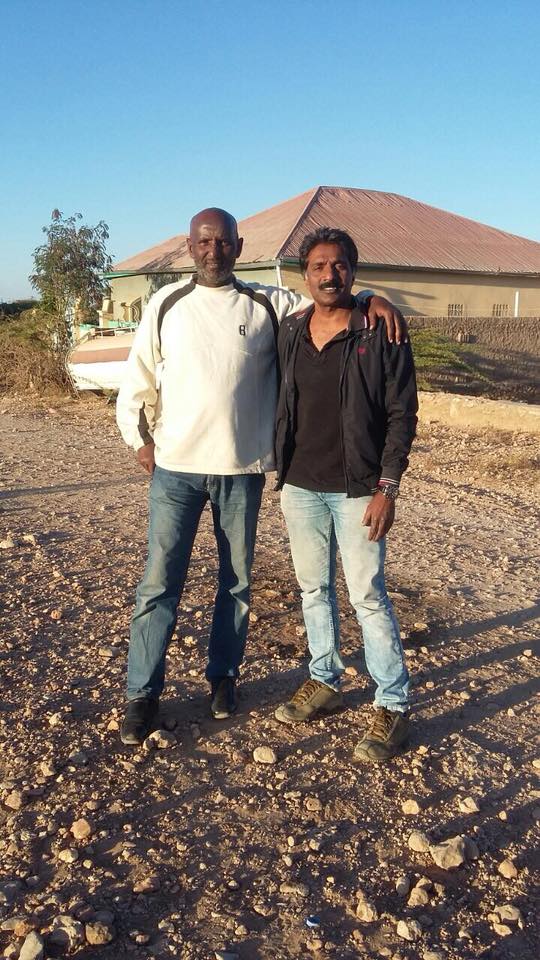
 I was fortunate to get to meet Mustafa, a Sri Lankan national, and he took good care of me during may stay. He works for the company that we are dealing with.

COVIDian Reflections: Slow Down, or I will Slow You Down

When the Dow Jones index surges by a few points, many in the world go richer and celebrate the northward journey of the index. There are millions around the world, tuned to their computer to check the daily fluctuations of their fortunes based on the movement of prices of commodities and shares. There are times when the yellow metal is capable of making people go red. Many await with bated breath to know if the median estimate projections of GDP growth by economists will be correct till countries like USA, China publish their quarterly GDP numbers! There are others around  the world who look toward and clamor for the Federal Reserve to cut interest by 0.25% Yes, you read it correct, 0.25%. Why this rush and anxiety?  Man is leveraging his excesses to generate jubilation at the cost of something that he is refusing to acknowledge or not bothered at all. I deliberately used the word: jubilation because this is not happiness but celebrating excesses through a feeling of triumph. Feeling of triumph over something! — over nature! 

Cosmetic industry is a case at hand to explain this celebration of excesses. Women use cucumber to cool down their eyes while resting to have other organic — vegetable mix — cosmetics to settle well on their faces at beauty salons. There are many women who use powder of green gram for bathing. Hasn’t the earth produced these vegetables and grams for human consumption, or for these obscene uses?  Men are not lagging behind in similar abuses of nature. Skyrocketing of men’s organic beauty products in the last few years is also taking a toll on nature. When women and men do these kinds of excesses, they are laughing at the fertility of soil and giving a smack in the face of the earth. Nature cannot bear these excesses anymore and will retaliate, or, has it already started to retaliate?

Men-grooming products is another example of how we mutilate nature with our excesses. Let’s take the case of shaving-razors. They gave us 2-blade razors first, then 3-blade, 4-blade, 5-blade, now, 6-blade razors and were telling each time that the additional blade made the shaving better and complete. Each time they add a blade to a razor, more mines have to be drilled for iron ore and carbon to make stainless steel that is used for making blades. For example, a 2-blade razor is enough for standard use, but in the place of 2X quantity of iron ore and carbon, they have to use 6X quantity to produce the steel for a 6-blade razor — 3 times more. What is the marginal rise in the utility value of a 6-blade razor as compared to that of a 2-blade razor? Nothing significant! We will throw away the 6-blade razor as at almost the same time as we do to a 2-blade razor. Won’t we? Mother Nature cannot bear this kind of excesses and will retaliate sooner than later. Or, has she already started to retaliate?

Albert Einstein once told, as mentioned in his biography, “Einstein: The Life and Times” by Ronald W. Clark, that he did not find any difference between using soap-lather and shaving cream and that he used soap-lather, instead of shaving cream, for shaving. We do not have to use shaving foam packed in an aluminum or tin can and marketed by greedy corporates. So many mines are blasted to take out Bauxite and Tin from the under belly of the Earth to produce those shiny cans. Do use soap-lather as shaving foam if possible and try to stop putting pressure on the earth. Just sharing that I have been using soap-lather as shaving foam for many years, and my shaving razor is a 2-blade one that costs only 0.50 USD. The maker, Gillette, says such a razor is for one-time use only, then, throw away, but I find it is useful for daily shaving for a month altogether. 

Sport shoes is another example of man’s excesses hitting the ceiling and causing pain to nature. Hadn’t we had times when we used the same shoe to run, walk and play different games? Yes, we had. Now, look at the scenario: one type of shoe for walking; another type for running; playing football has another type and so on. Imagine a person who does all these three things and that he/she is rich enough to buy one pair each or two pairs of each, resulting in him/her having 3 pairs or 6 pairs of shoes at one point of time. What is the implication of this excess? Three or six times more crude oil has to be pumped to generate plastics; three or six times cotton needed to be produced by the earth for the cotton laces and similar more-times’ production of other raw materials needed for the shoes’ manufacturing. Are these excesses justified?  Why do we need many pairs of shoes as we can wear only one pair of shoes at one point of time. Nature says it can no more bear these excesses and that it will retaliate soon. Or, has it already started to retaliate? 

Examples of human excesses are many: Building tourist and entertainment cottages on riversides by encroaching upon the riverbed when nature has given enough land to make such buildings, forcing the rivers to shrink. Through this, we are squeezing nature’s veins through which water-blood of nature flows to its heart of ocean that in turn pumps up water in the form of vapors which precipitate and come down as rains flowing back to oceans through the river-veins. Nature feels the pain of compressed veins and says if you shrink me, I will overflow and drown all that you built to suffocate me; well, you call it as flood, but for me, the nature says, it is decompressing my veins. Examples of man’s excesses having damaging impacts on the nature are myriad to list out.

Nature says: Let GDP grow organically but do not go overboard and take it out on me by blasting out more mines from under my belly; use the yellow metal as a means of wealth and as a way of security for rainy days but not for pageantry and adorning your daughters like caparisoned elephants during marriages; you do not need many pairs of shoes as you have only two legs; you do not have to have a large collection of watches to match with your daily dress because you can wear only one watch at a time. And nature tells these and many such things indirectly, but, do we listen to them?

Nature warned us through deluges, floods, storms, earthquakes and other natural calamities, but we did not listen. It made floods more often, but we called them flash floods; made storms violent, frequent and appearing in new places like the Arabian Sea, but we did not take it seriously, instead spent time on naming them. 

Genetics, parenting, education and there are many such factors that have significant impact on our character, but one overriding factor that is capable of regulating or restraining our character is the laws of nature. We can ignore the laws only at our own peril. The saying: “Charity begins at home.” implies that  responsibility begins at a personal level first. Every individual ought to take the responsibility to stop her/his excesses on nature and be reasonable in using nature’s resources. Nature is vast enough to absorb man’s needs, but it is man’s excesses that is making nature furious and retaliating.

Nature says: Enough is enough, and I can no more take man’s excesses!  Man, Slow Down or I will You Slow Down — is that what nature is telling us through COVID-19?

The Land of Smiles

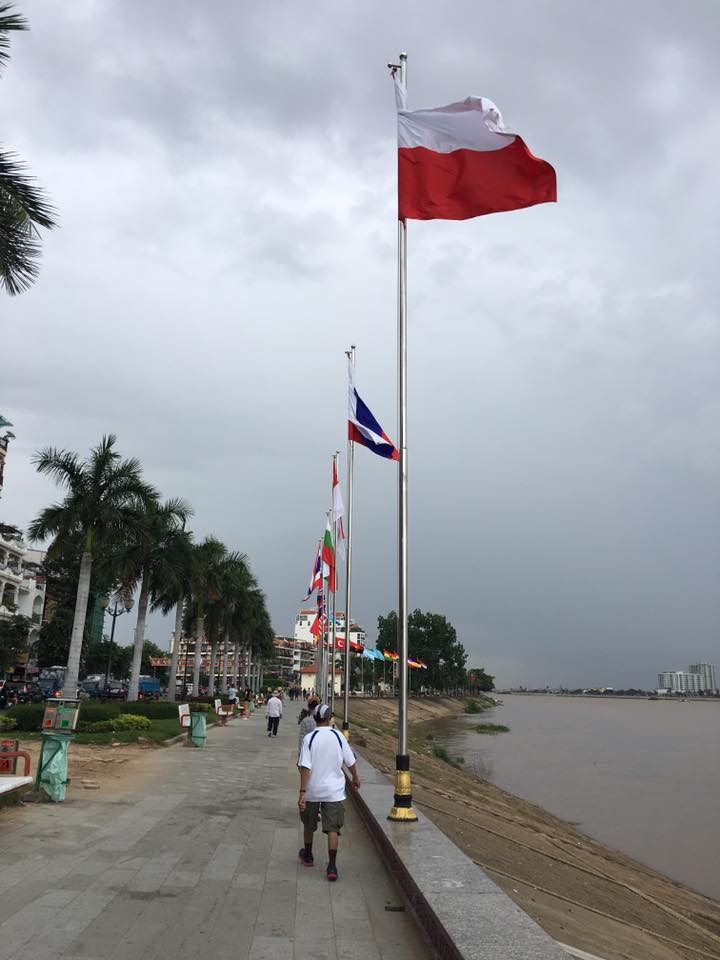
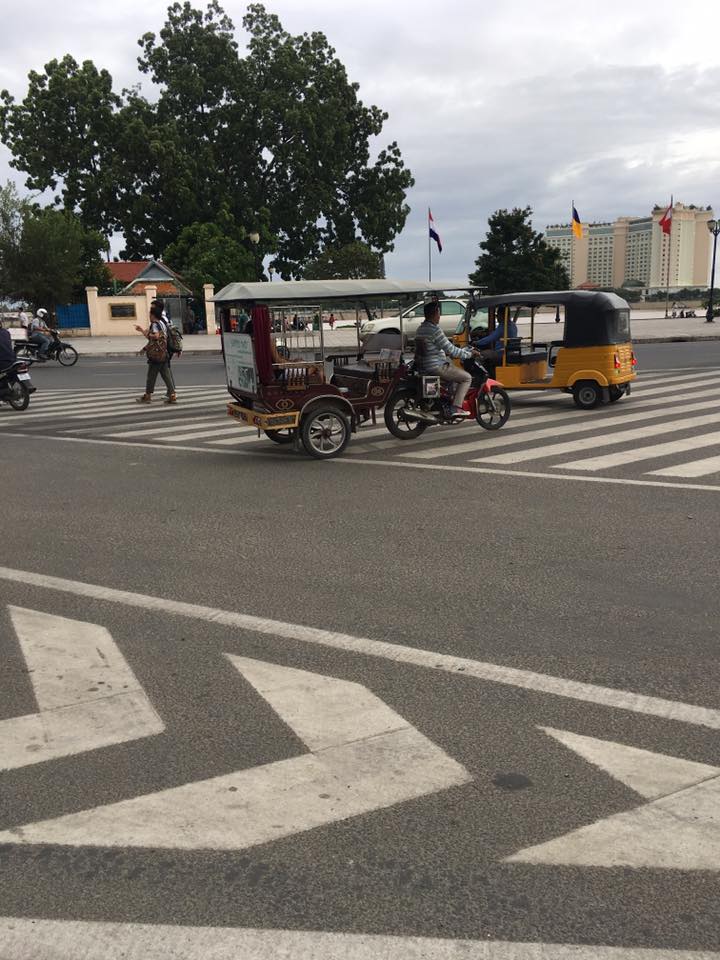
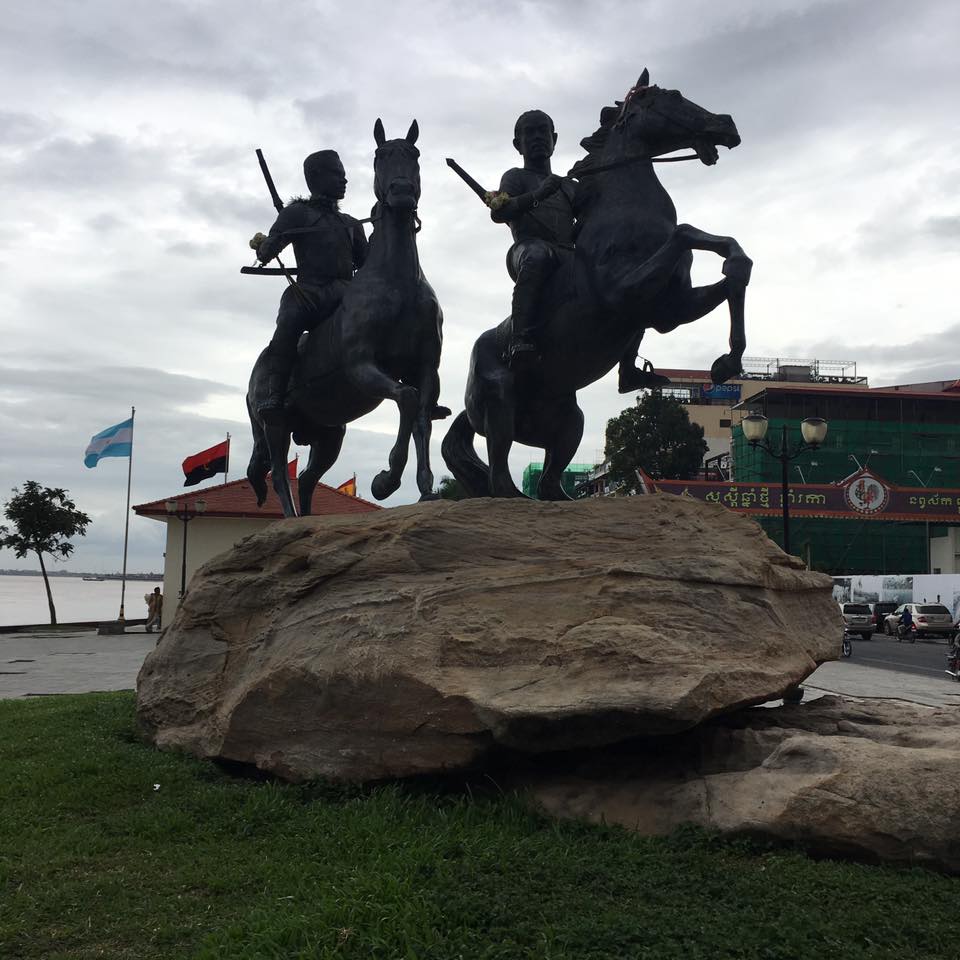
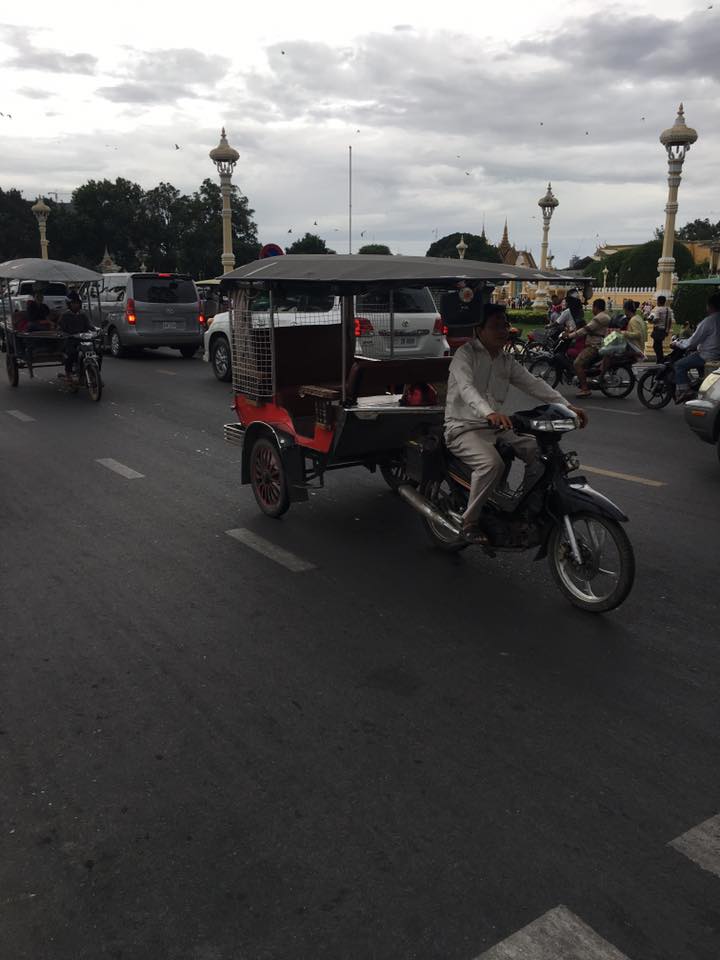
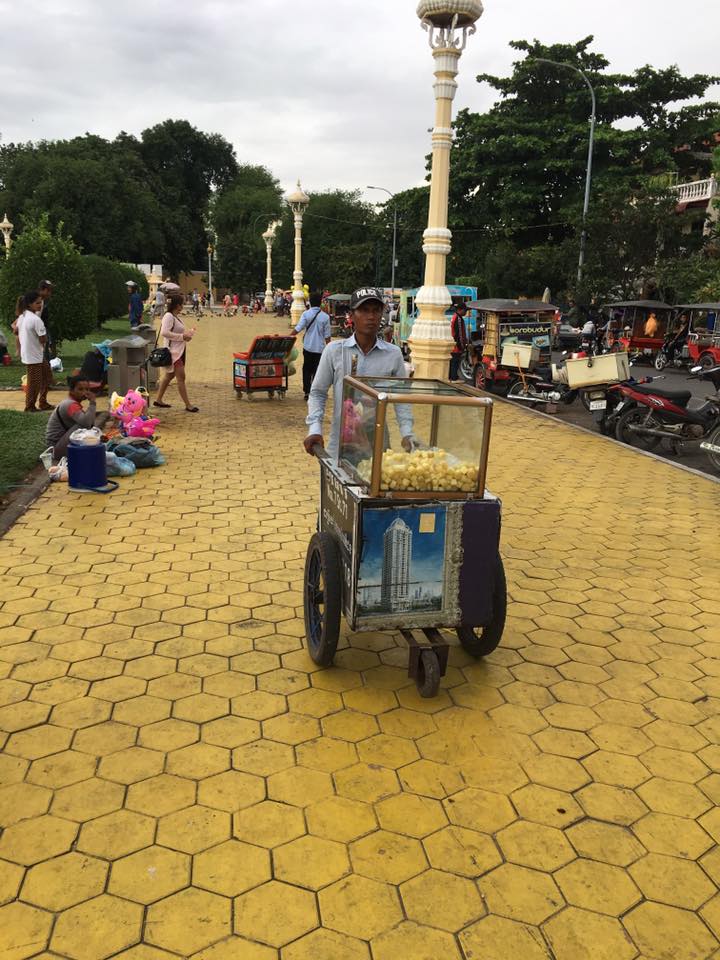
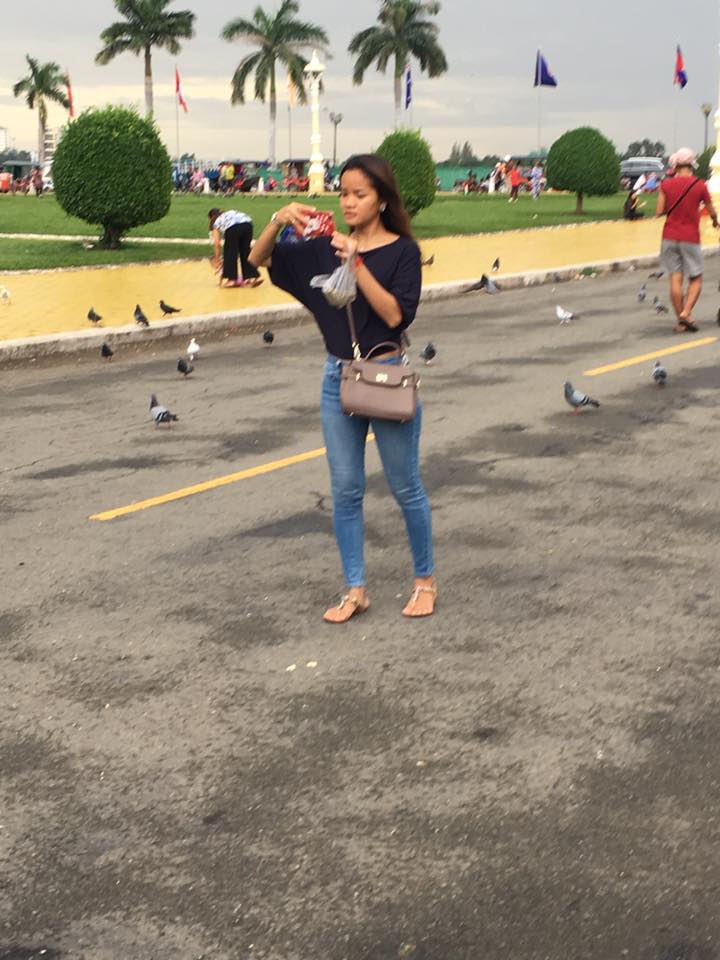
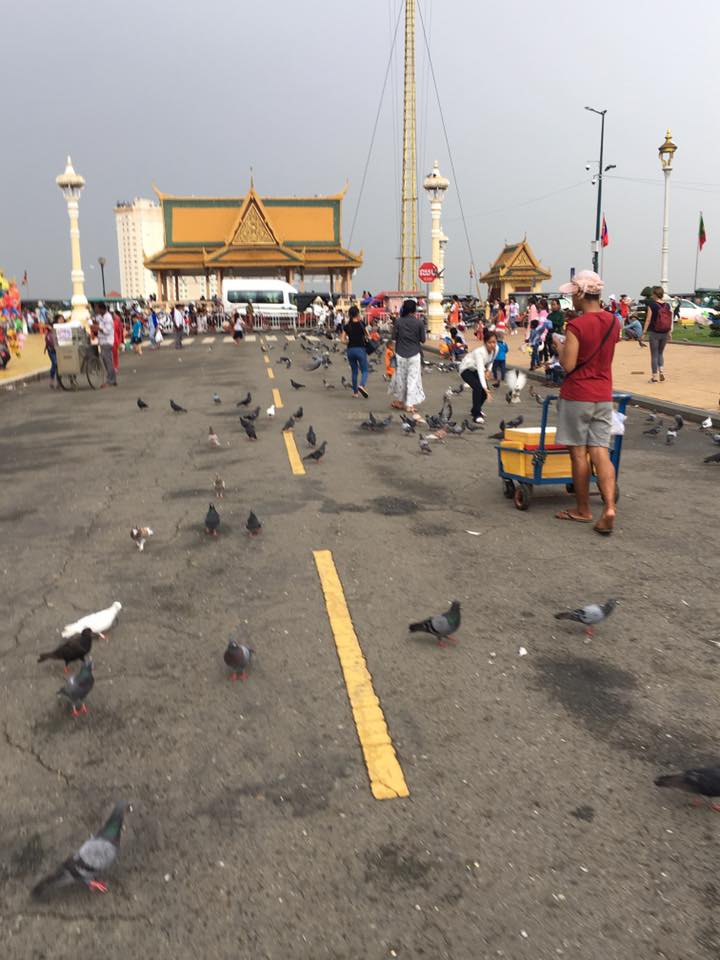
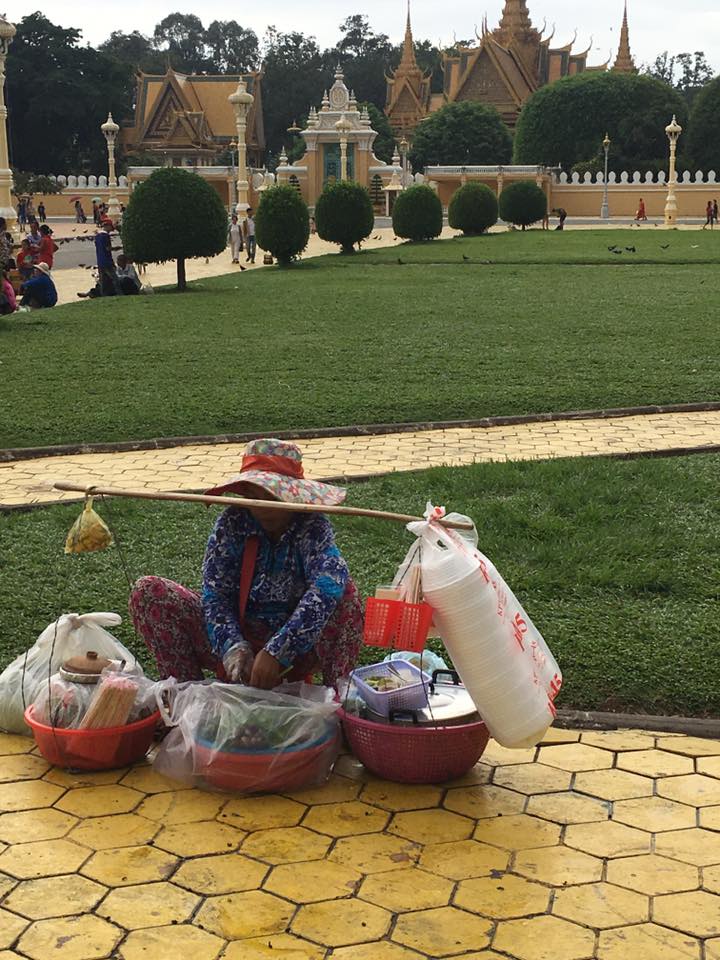
Cambodia, known as the Land of Smiles, has a special place on my mind as it was the country where I celebrated the Diamond milestone of my travel history — from the first country of Singapore to the 60th country of Cambodia. It is Cambodia for foreigners, but the country is fondly called as Compuchea, its erstwhile name, by the nationals. 

The local language is ‘Khmeo,’ but English is widely spoken. US Dollar bills are officially in circulation and do get accepted even at small tea shops. The River Side area is the tourist hotspot and the best place to stay in case you visit the capital city, Phnom Penh — pronounced as ‘Penumpen. The city is situated on the banks of the Mekong river that originates in the Tibetan plateau and runs through China, Myanmar, Thailand, Laos, Cambodia, and Vietnam, covering a distance of 4350 Km before emptying itself into the South China Sea. The Mekong river is a main trade route in Southeast Asia.

One important aspect of public health that I noticed in many countries is the availability of public parks for people to do physical exercises like jogging, cycling, etc; Such parks can be seen in sizable numbers in South American counties like Brazil, Peru, etc. Southeast Asian countries like Vietnam, Cambodia. had gone one step ahead by installing fitness-equipment at public parks. In the following album you can see people — children, youths, adults and elderly — exercising with such equipment in Phenom Penh. Such parks are definitely a good step toward public health!!

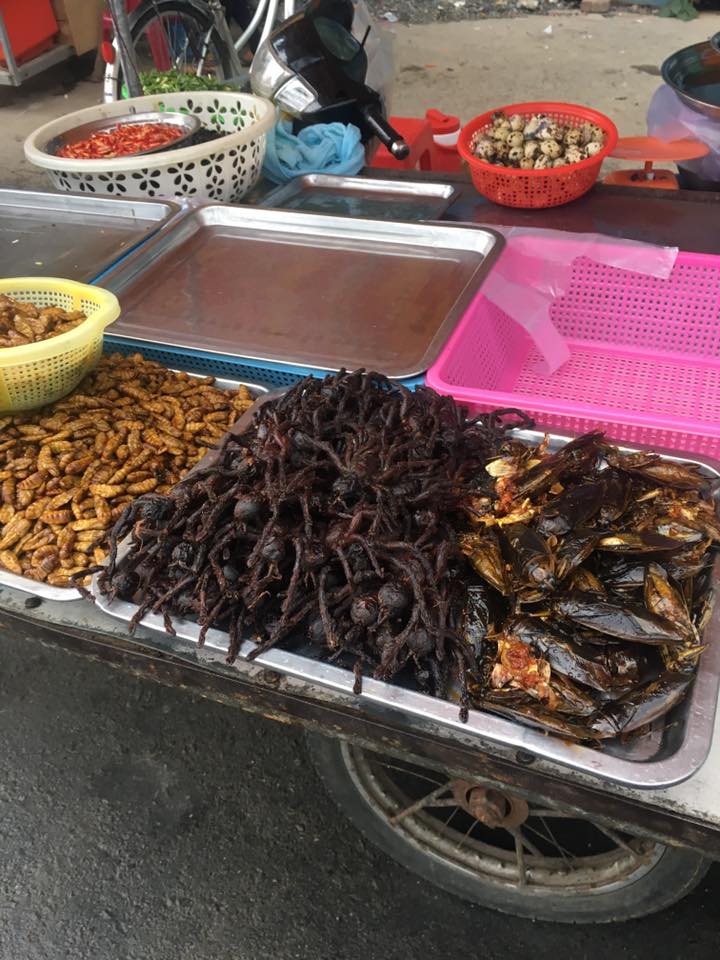
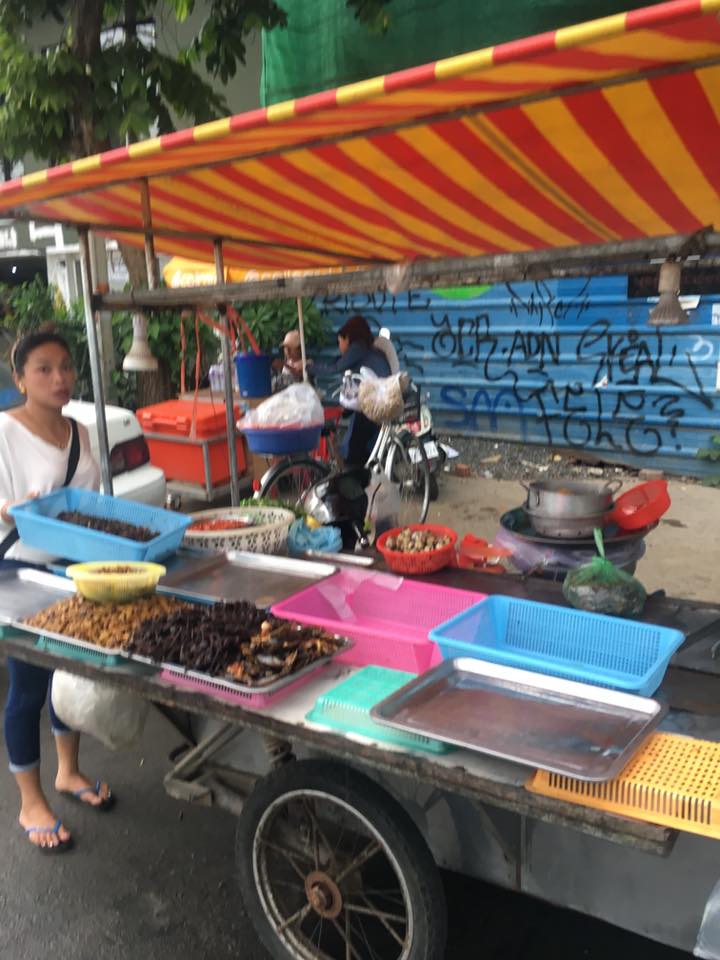
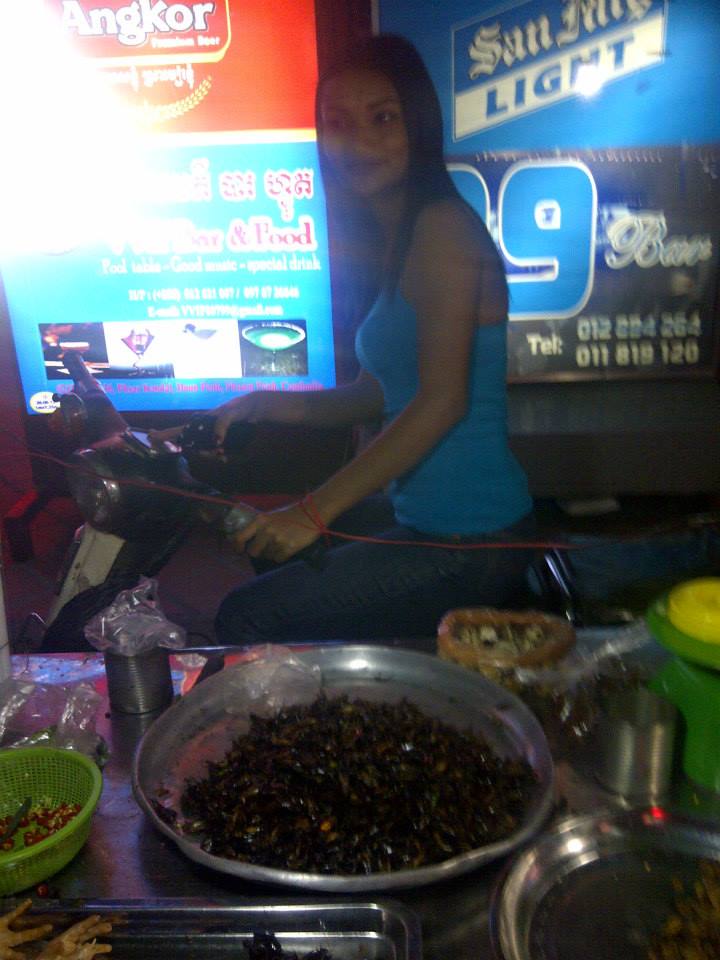
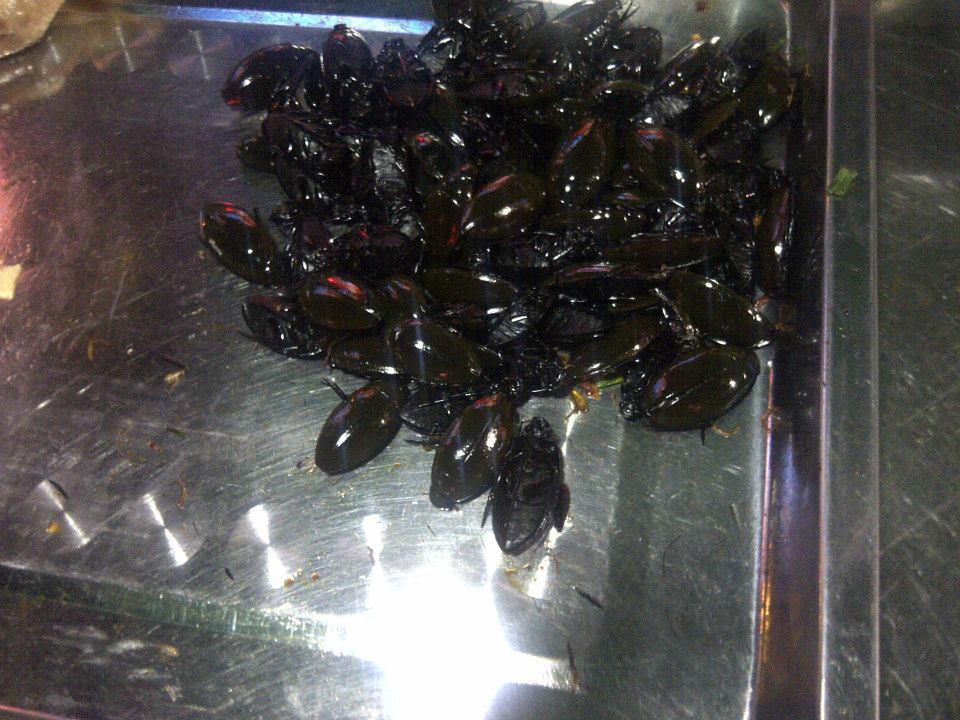
Cambodian food is closer to the Chinese flavor, but I could find a few dishes which were close to Indian food. Local food also includes locusts, cockroaches and beetles. If you feel an irresistible urge to taste these local delicacies, they are readily available at roadside mobile-restaurants. Take a look at these ready-to-eat roasted beetles and locusts.

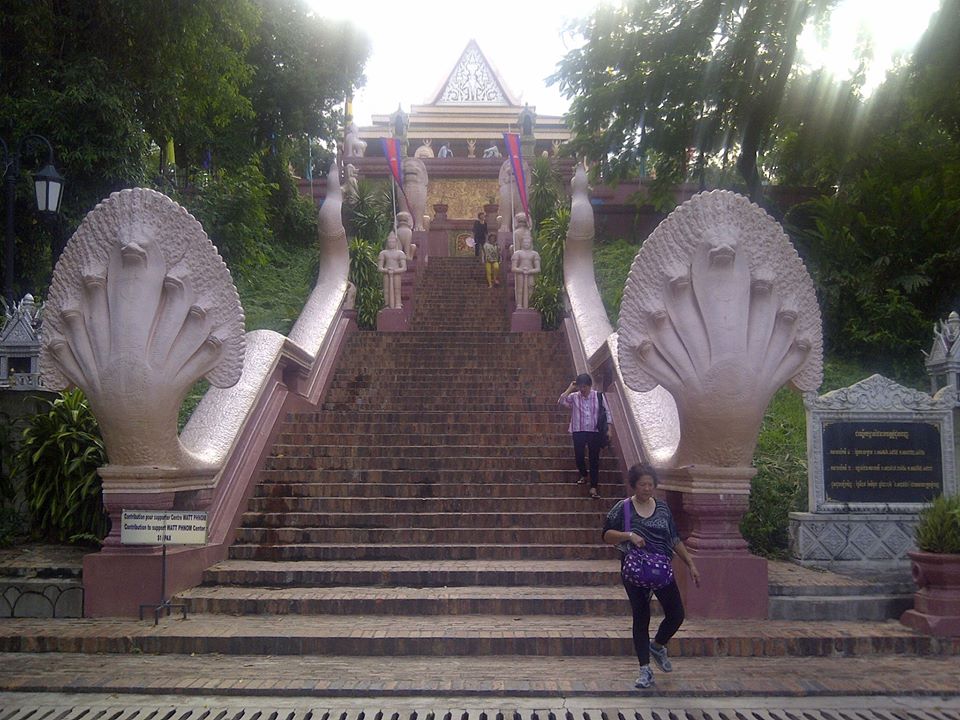
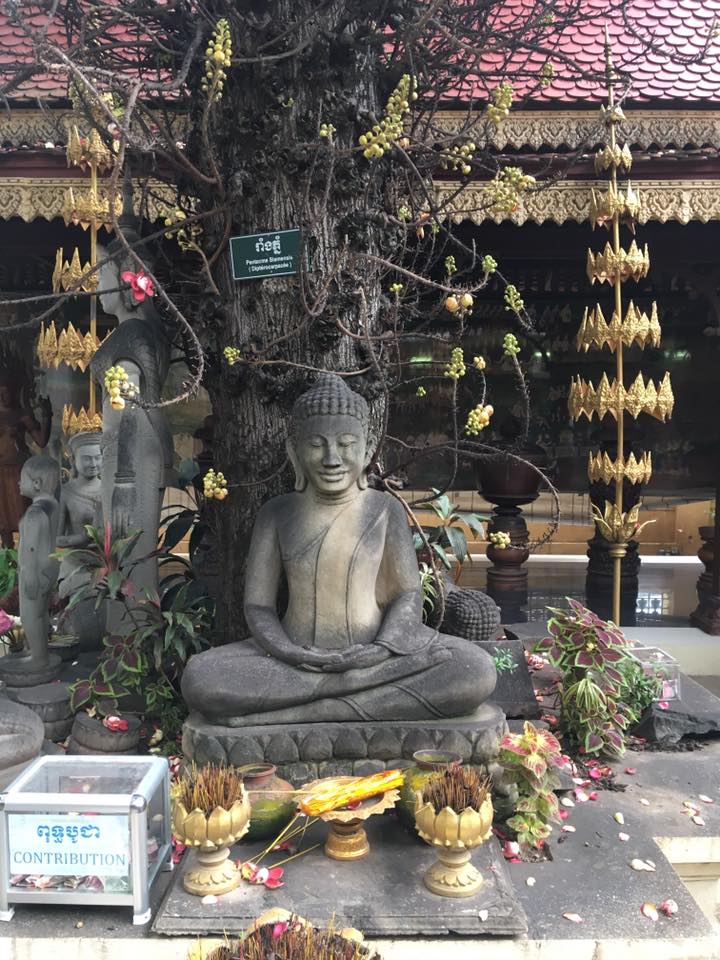
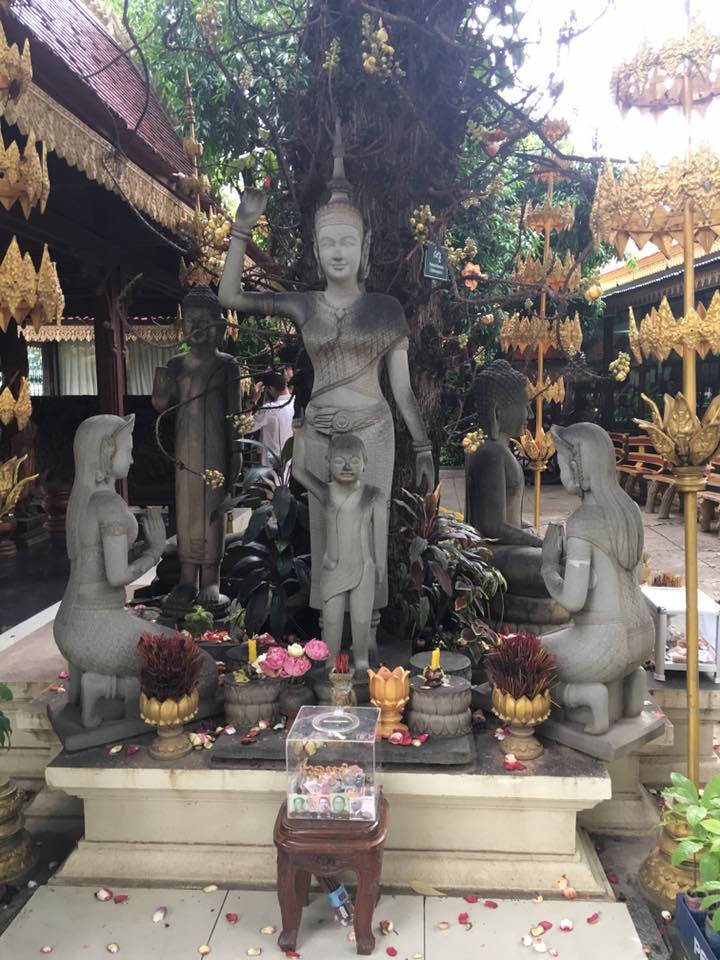
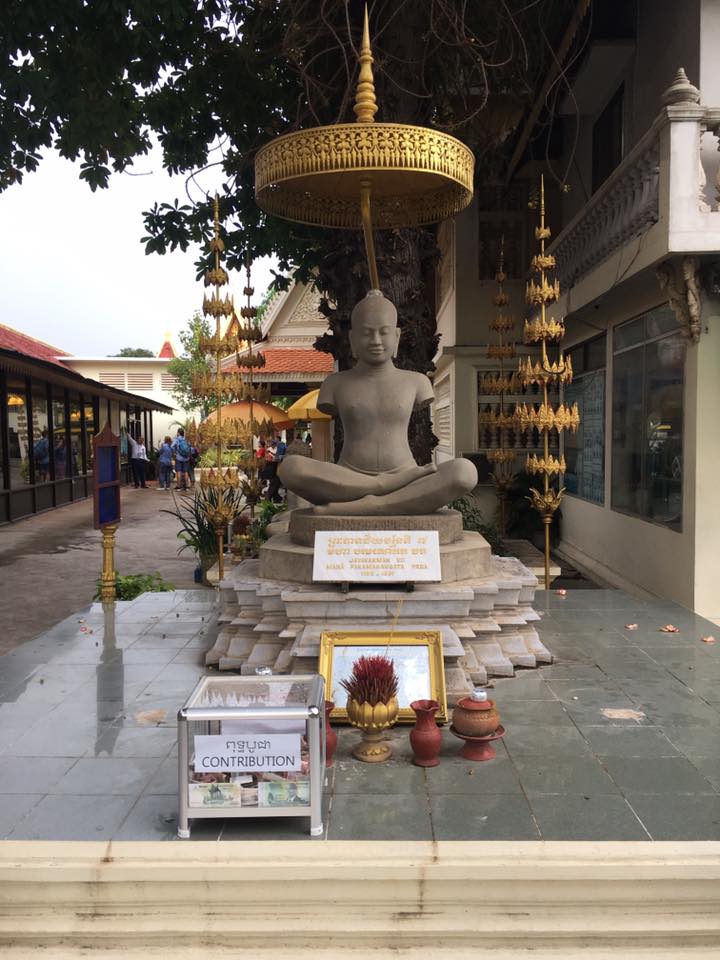
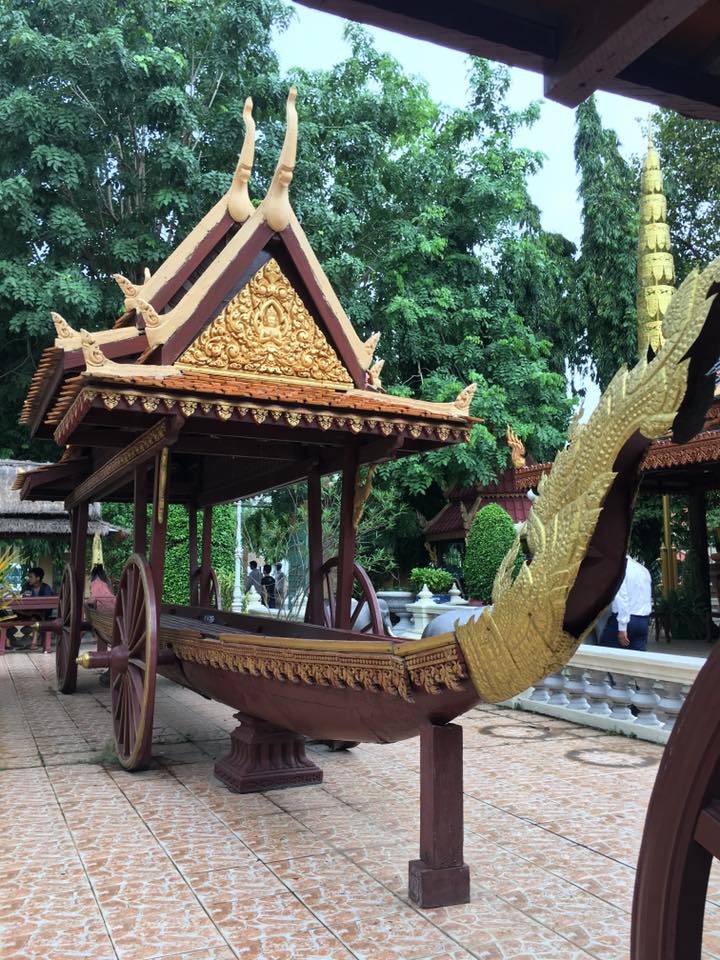
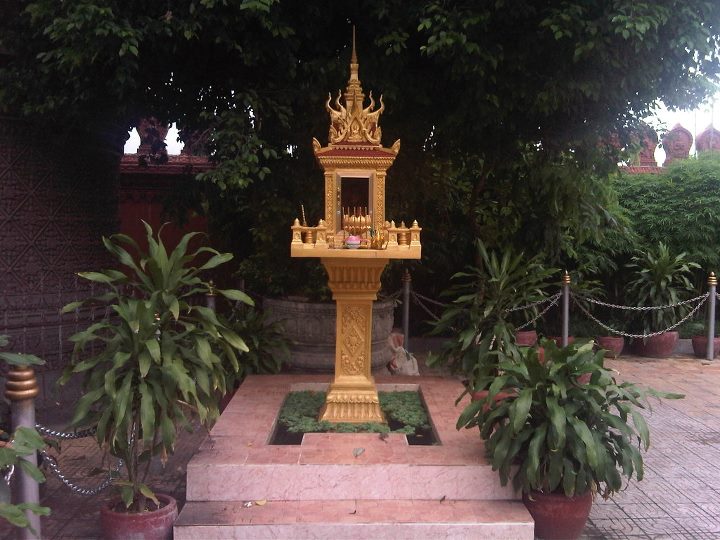
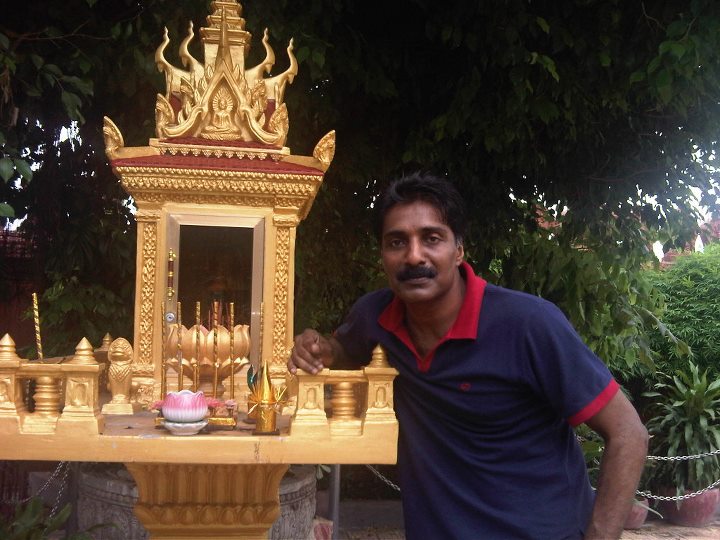
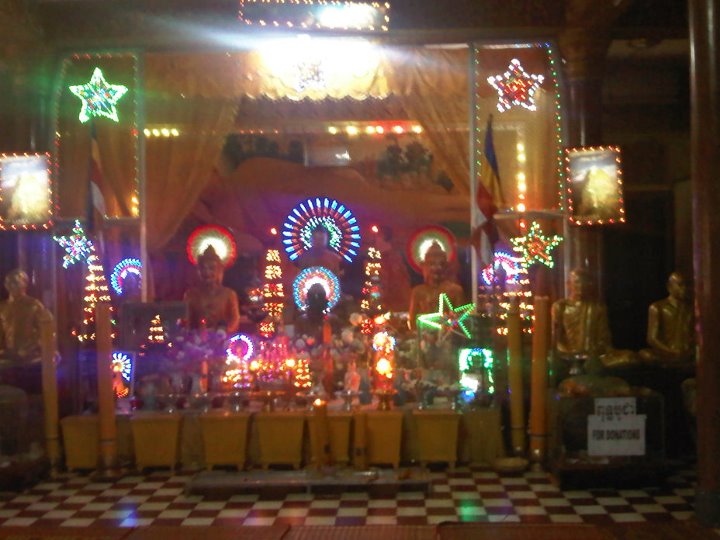
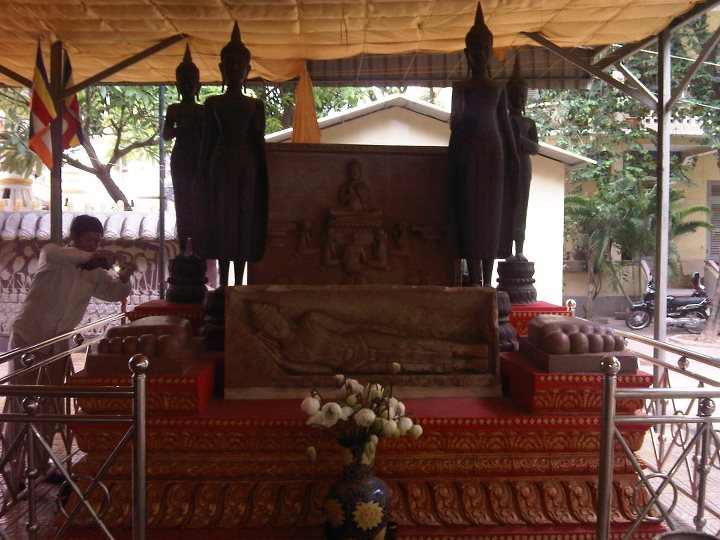
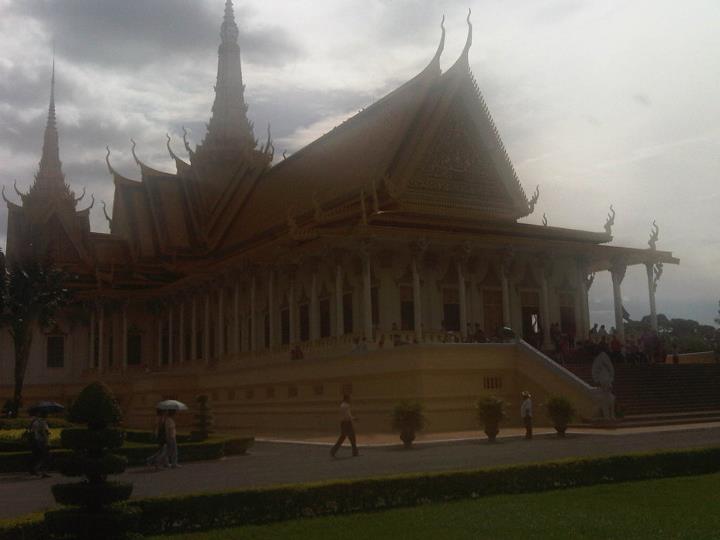
Cambodia is predominantly a Buddhist country though I could see Christian churches in the capital city. There are many pagodas in the country. Wat Phnom is one of the largest pagodas in the heart of Phnom Penh, and it is also called “Monkey Temple” as there are plenty of monkeys in and around the temple.

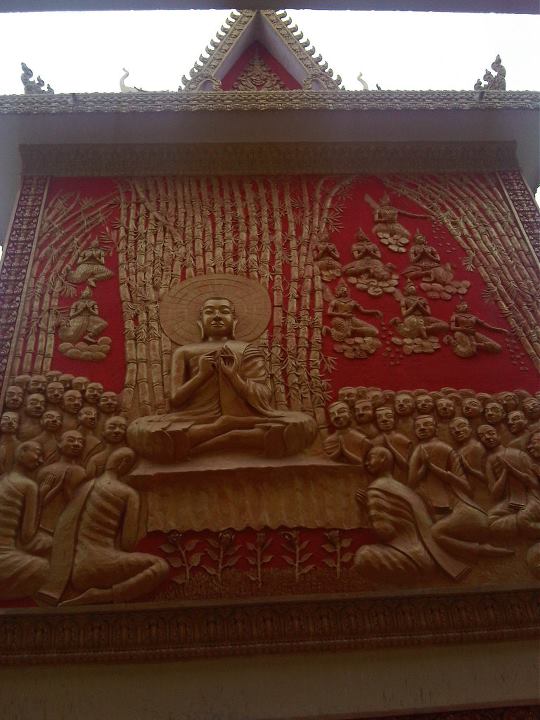
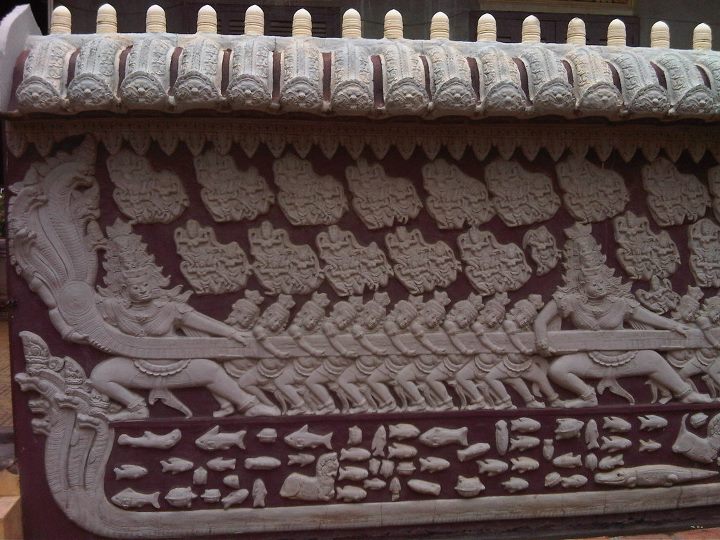
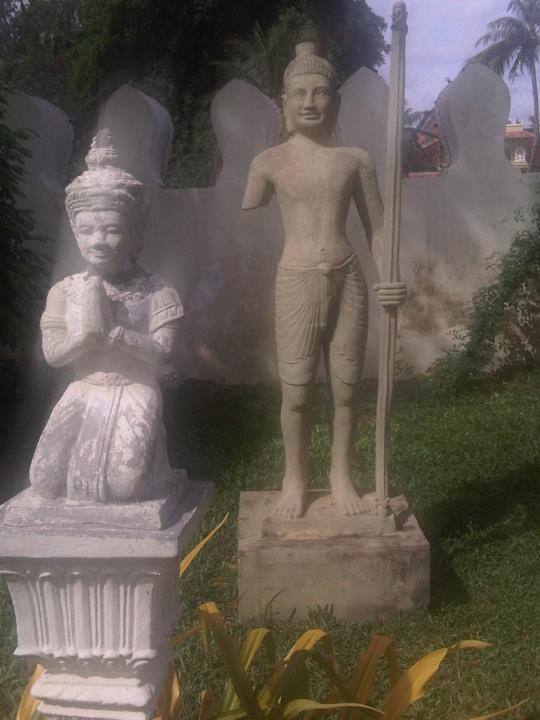
The pagodas welcome one and all without any discrimination. Going around inside a pagoda offers virtual moments of absenteeism from the outside word as the carefully crafted statutes, painstakingly engraved walls and beautifully portrayed scriptural paintings steal your attention without attrition.

Inside a Pagoda:

The Diamond Island city, locally called Koh Pich, is very near to the Central Phnom Penh and is a residential-cum-business and entertainment place. It was a swamp till 2000 but had been developed as an artificial island. This island is the most opulent place in the capital.

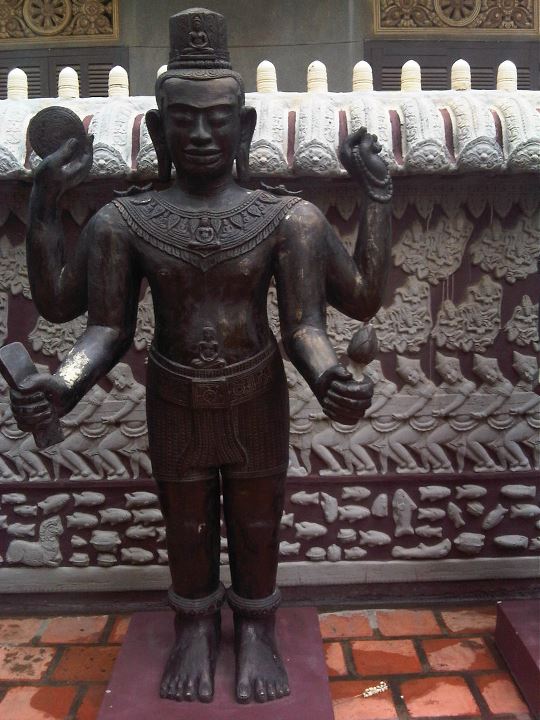
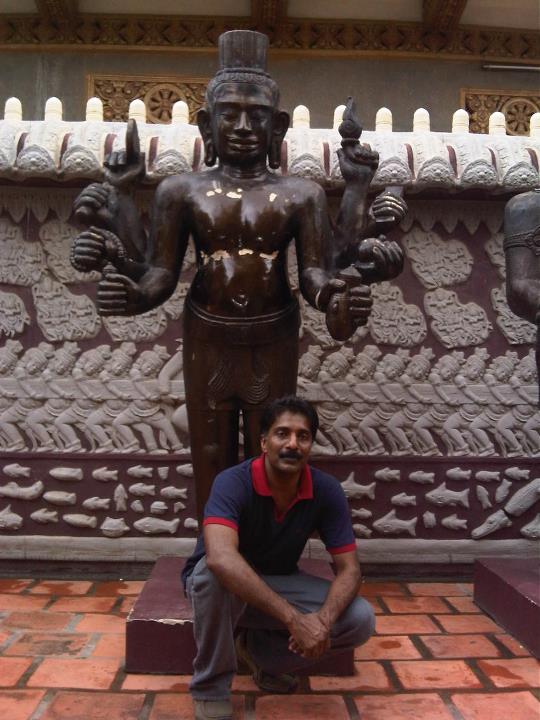
There are many museums in Phenom Penh, and the following one I visited.

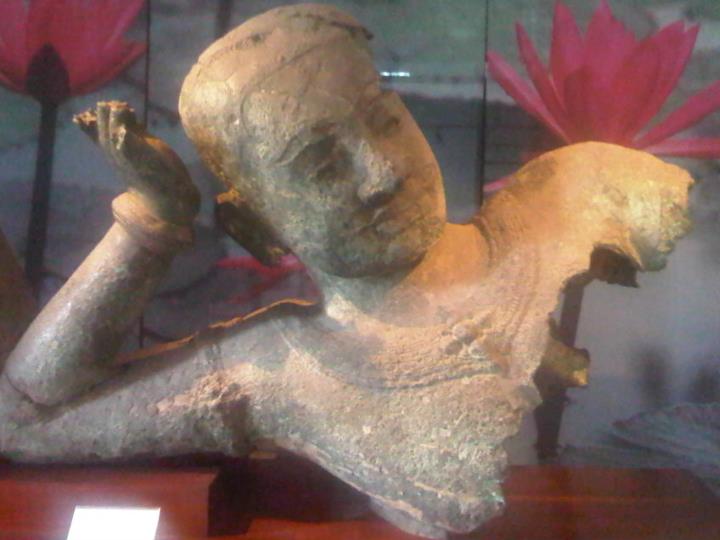
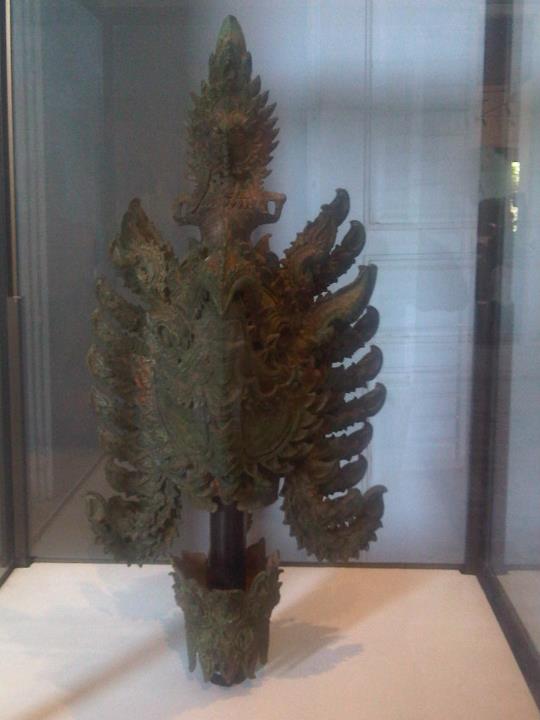
Vaishnava’, a Hindu deity, as exhibited at the museum:

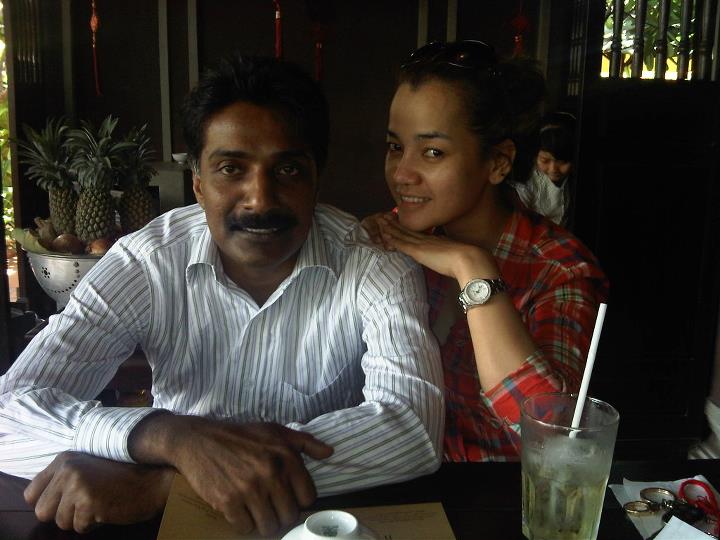
Chann Thon is a famous Cambodian model who mostly does commercials connected with cosmetics. She is a friend of my acquaintance in Cambodia, and we all had lunch together.

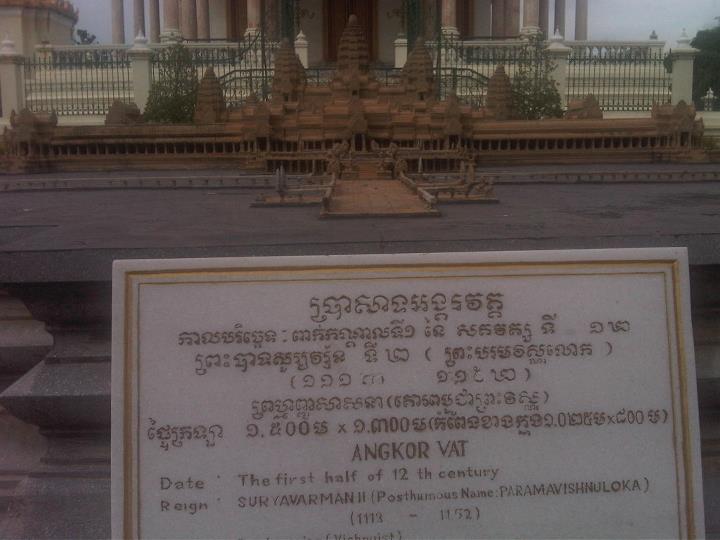
Hinduism was the predominate religion before Buddhism reached Cambodia. The following is the replica of a 12th century Hindu temple. Surface: First level = 1500 m x 1300 m, second level = 1025 m x 800 m.

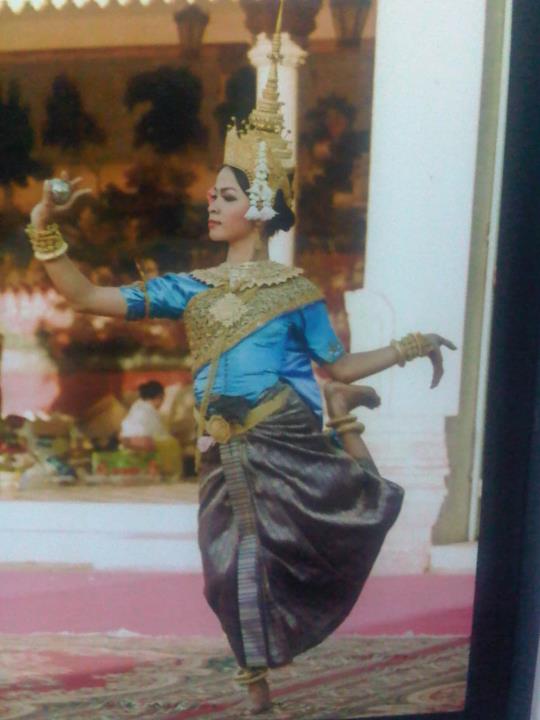
A woman in action on Cambodian folk dance:

Cambodia is famous for the 12th century Angkor Wat temple, which is located in Siem Reap, a province that is 314 Km south off Phnom Penh. I visited Siem Reap and would write a separate blog on Angkor Wat and the floating villages in Siem Reap.

COVIDian Reflections: Fear

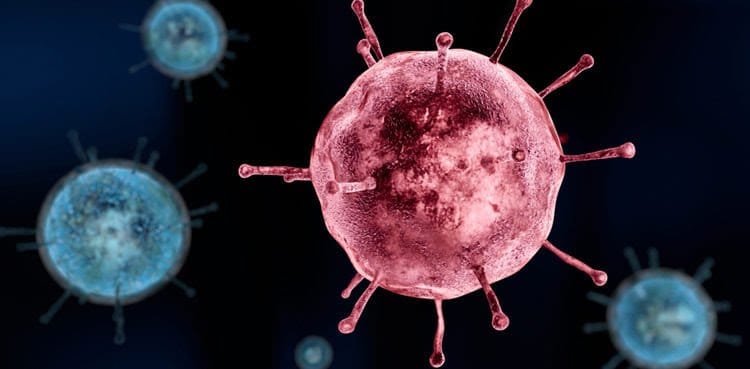
Fear is the first and the last insurmountable that man can not overcome. The world is gripped by the fear of a virus that is only 1/164 millionth size of a man. What is this fear? It is the fear of death. Fear is the feeling that directly or indirectly reminds us of a disaster-in-waiting, and barring a few exceptions, origin of that feeling can ultimately be extended to death. Exceptions like a child being afraid of its parents; a student being fearful of his/her teacher, etc. We go through fear of unknown as well as of known. And both ultimately boils down to fear of death. 

Fear is better explained by looking at the opposite of fear, which is love. When I looked for antonyms of fear, there were many, and among them I chose ‘love.’ It is phobia versus philic, isn’t it? Fear of death is diametrically opposite of love for life. Anything that creates fear does not have space for love though love does not fully take fear out.

Fear immobilizes a man mentally, hence, has its impact on his physical-being, too. How does it immobilize? By unsettling the orderly thinking pattern, and this unsettling can even make temporarily inroads into our proven knowledge-based strength. For example, even when we know that man has only another man as his enemy, hearing any noise from a cemetery, while walking beside it, can scare us to walk faster and get out of the place. 

Ignorance is the root cause of the fear of unknown while knowledge can take out the ignorance and obliterate the fear of unknown. However, knowledge can also create fear. It is an irony that fear caused by ignorance can be removed by knowledge and at the same time the same knowledge itself can generate fear at least temporarily. The perfect example of this irony is the COVID-19. In the beginning of the outbreak, ignorance about the virus kept the world on the tailspin of fear. As scientists studied the virus and understood its genome, more educated-information about it came out, creating further fear, especially on its highly contagious nature, at least temporarily. 

In genetics, length of RNA and DNA is measured in Kilo-base pair, or kb. 1 kb is 1000 nucleotides or base pairs. A megabase pair, or Mbp, is 1 million base pairs. 1 Mbp is 1/3rd of a millimeter. It means 3 Mbp is approximately 1 millimeter. COVID-19 2019 is 30 kb in length. A 6-feet man is 1828.80 millimeters (1 foot = 304.80 millimeters). If we scale down man to Novel Coronavirus 2019’ size,  the calculation goes this way: 6-feet man = 1828.8x3x((1000000/1000)x30) = 164,592,000 Novel Coronaviruses’ length. Alas, man who sits at the top of the animal kingdom is in fear of a bio-being which is only 1/164 millionth of his size. 

From time immemorial, it is man’s ability to ask WHY that gave answers to conquer fear. This time, too, science will give answers soon to conquer the fear of COVID-19. A good news is, as reported by BBC, that vaccine trial for the COVID-19 had begun in Seattle, the United States, yesterday. However, it will take 1 year to 18 months to fully validate the vaccine as per experts. As of now, the ability of the virus to create fear will continue unless it disappears on its own or an expected breakthrough occurs. Till then, the virus lingers, so does the fear.

São Paulo

In September 2007, a bonanza came my way that I never dreamt of, and it was an opportunity to represent our company at a trade fair in Sao Paulo, thanks to the inability of someone from our office to attend the fair. Till then, Brazil meant only football for me, but that fortune opened the gates not only to Sao Paulo but also to a few other cities in Brazil, besides, another eight countries in South America. I had been fortunate to visit Sao Paulo around 10 times since then.

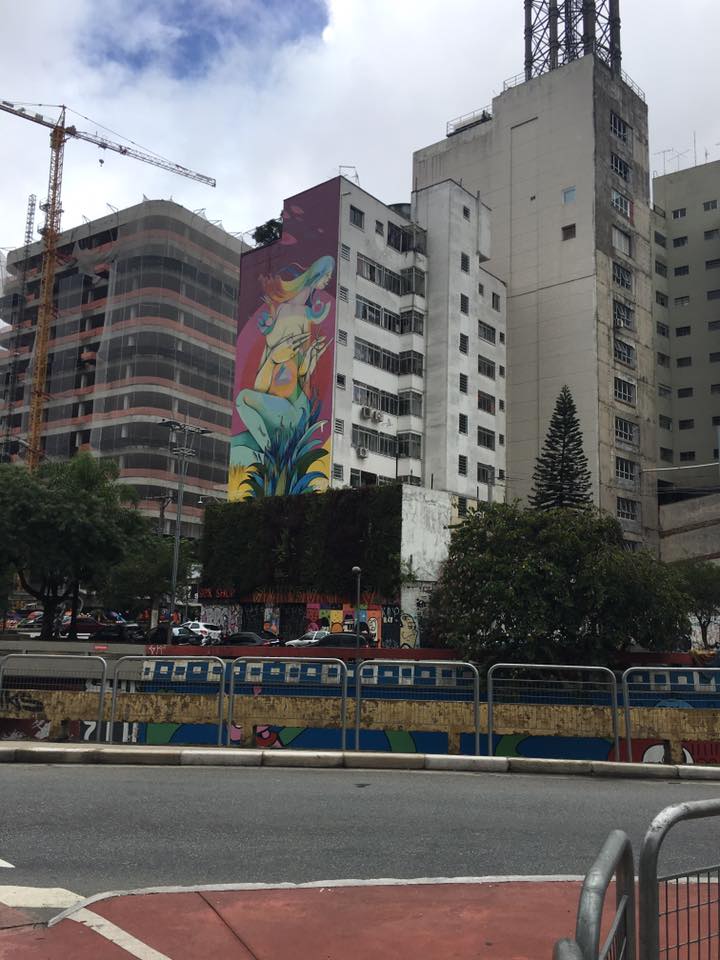
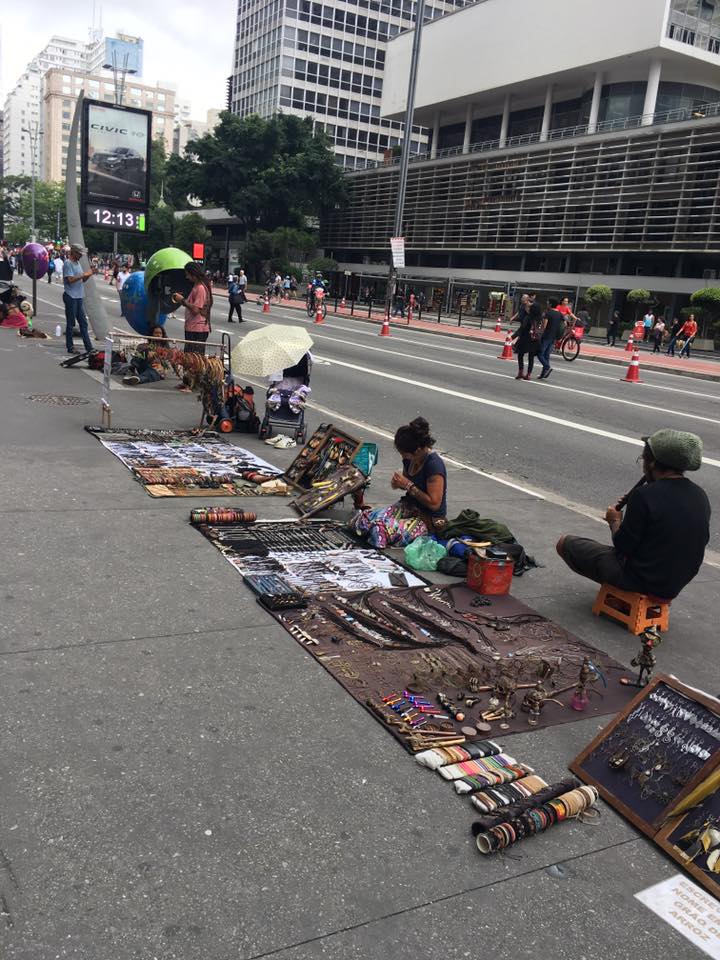
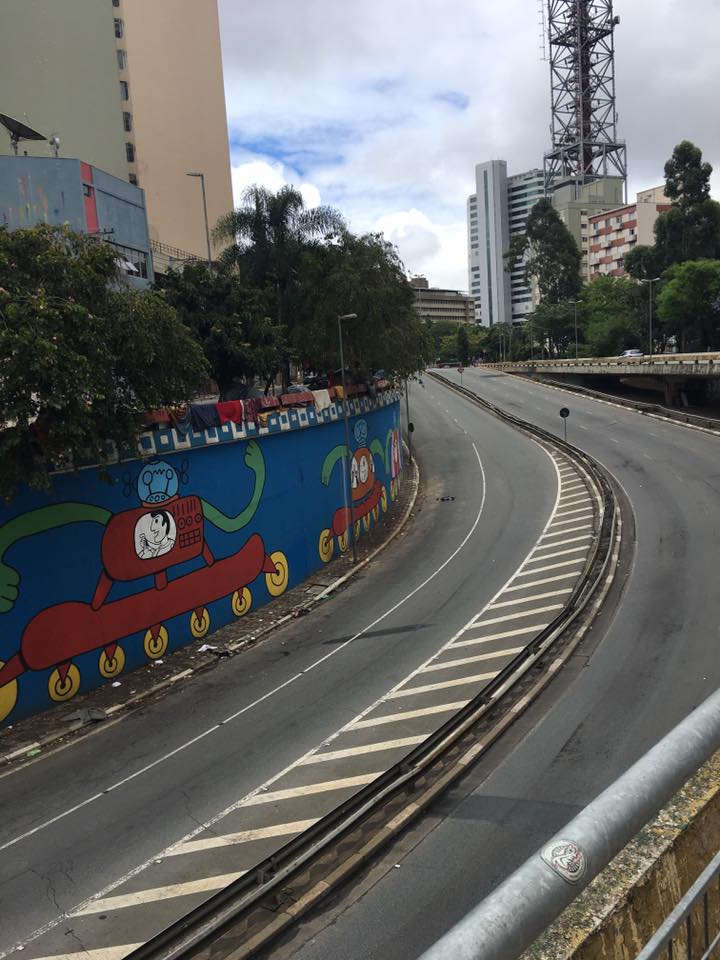
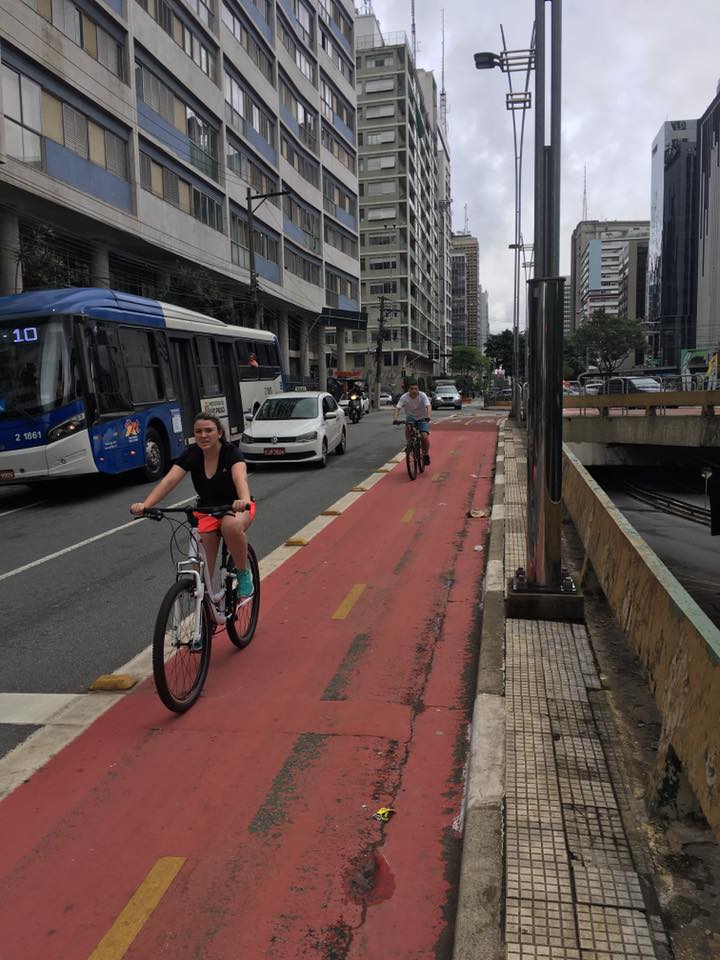
From Dubai, it was a long haul journey to Sao Paulo, almost 21 hours between the doors — from my room to the hotel room — with 15:30 hours non-stop flying time. Sao Paulo is a clean city with wide thoroughfares that are well connected to the link roads at frequent intervals. Avenida Paulista is the best, safest place to put up in the city, and it is easier to move around from this place as it has metro trains, frequent buses and enough taxis plying around. All metro trains in the city run underground, and one can travel from anywhere to any other place at a cost of Real 2 (USD 0.42). If you ask me whether São Paulo is a safe place or not, well, I will say that I never faced any security issues. However, one needs to be careful while going out, particularly at night.

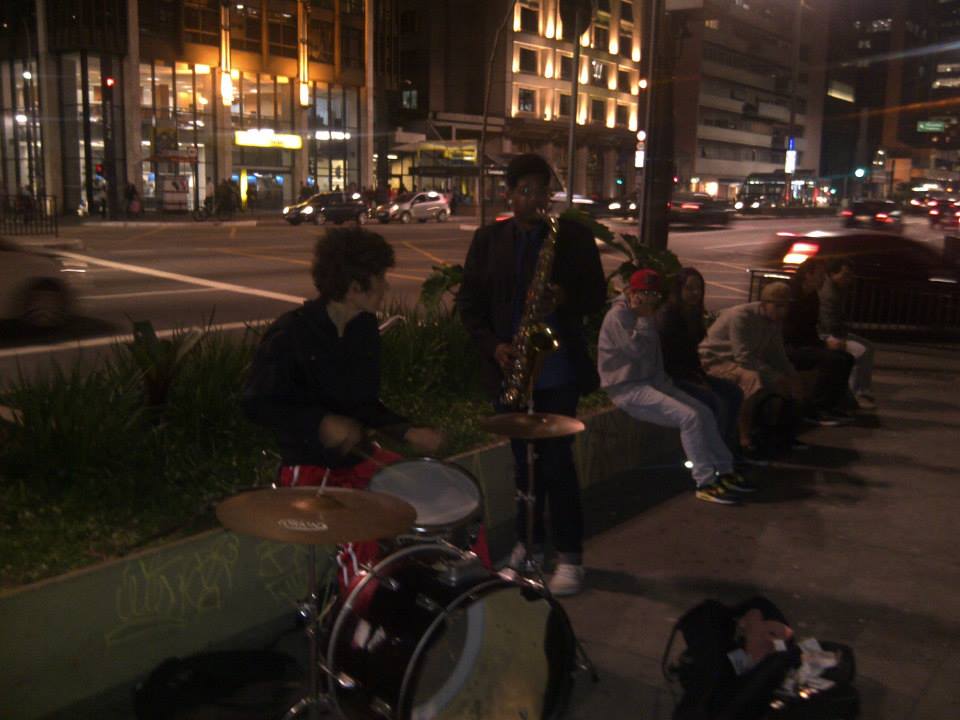
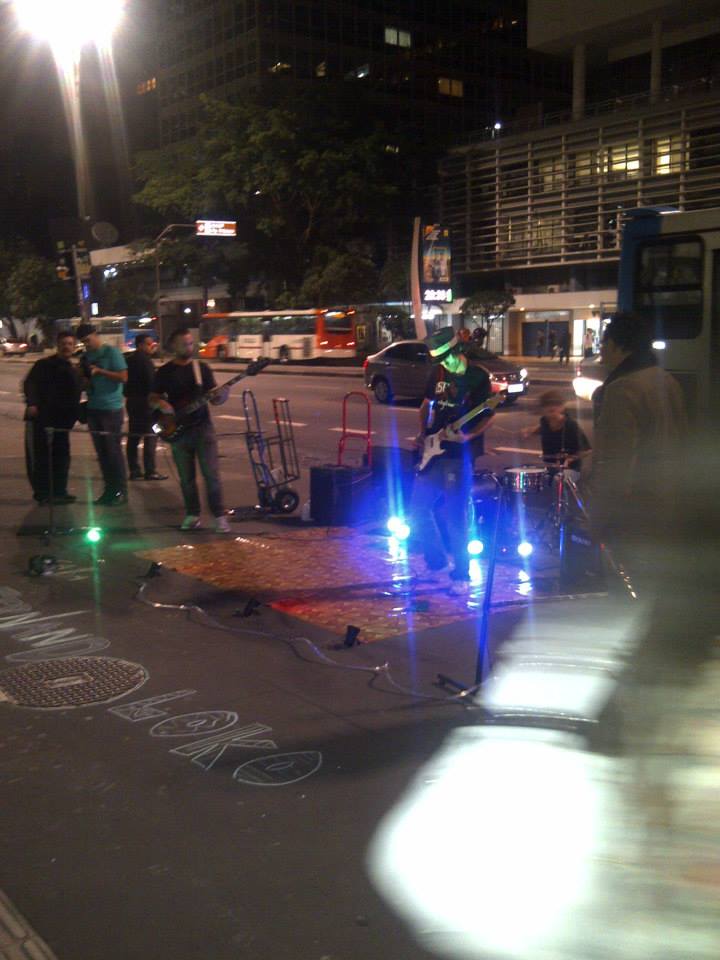
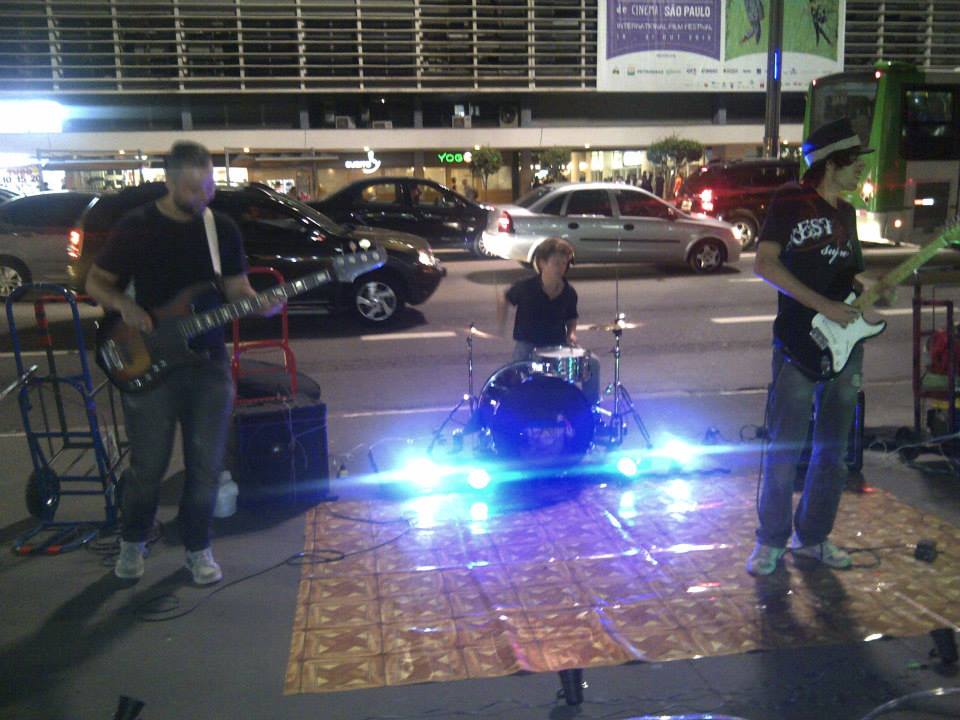
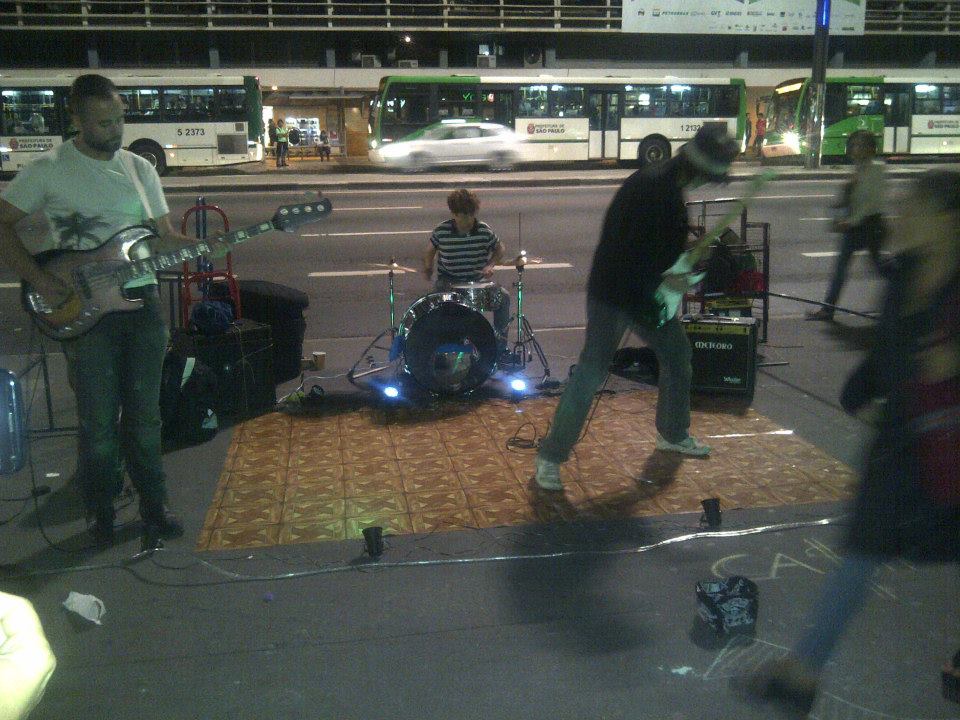
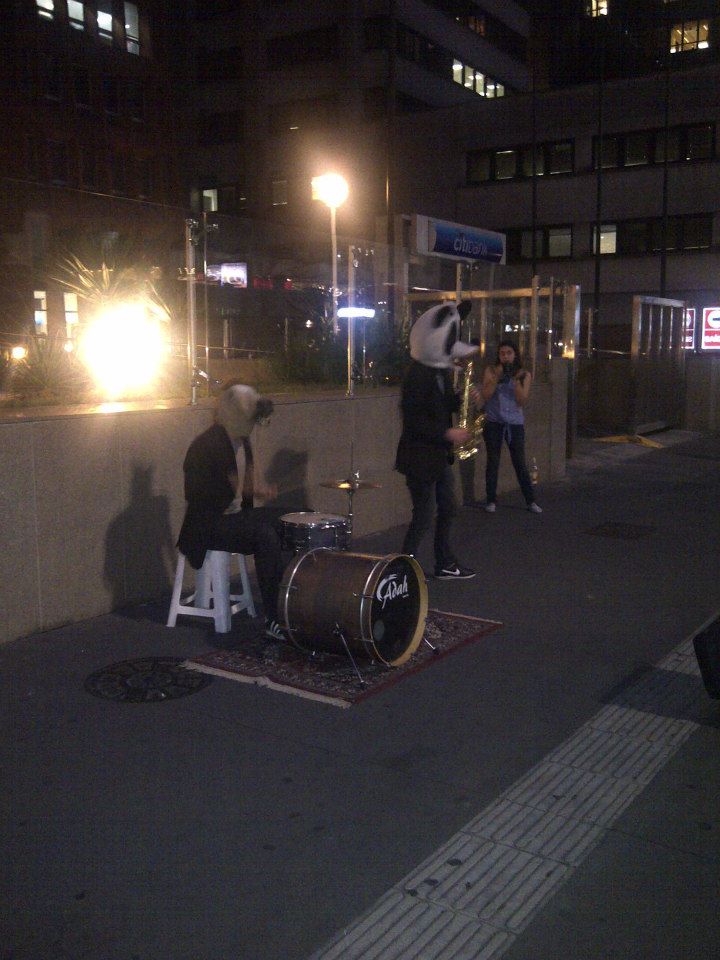
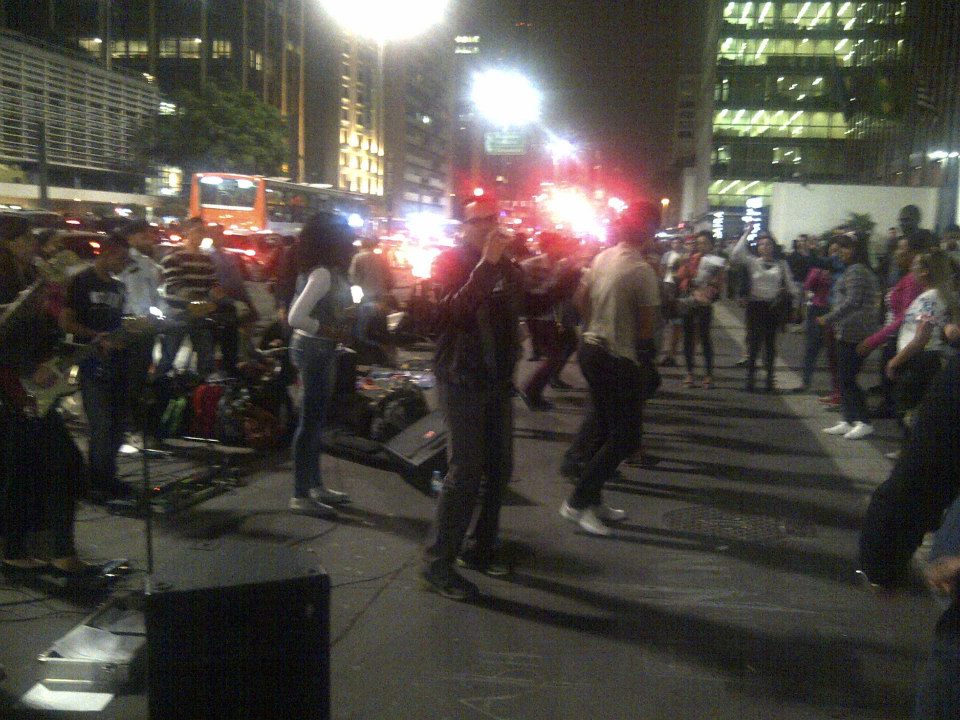
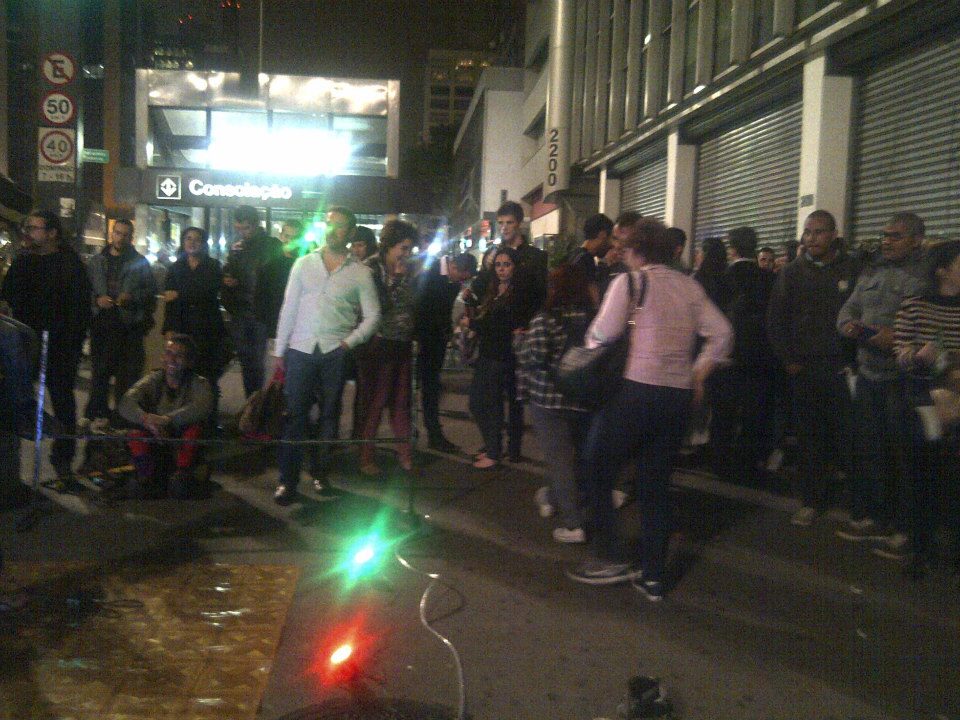
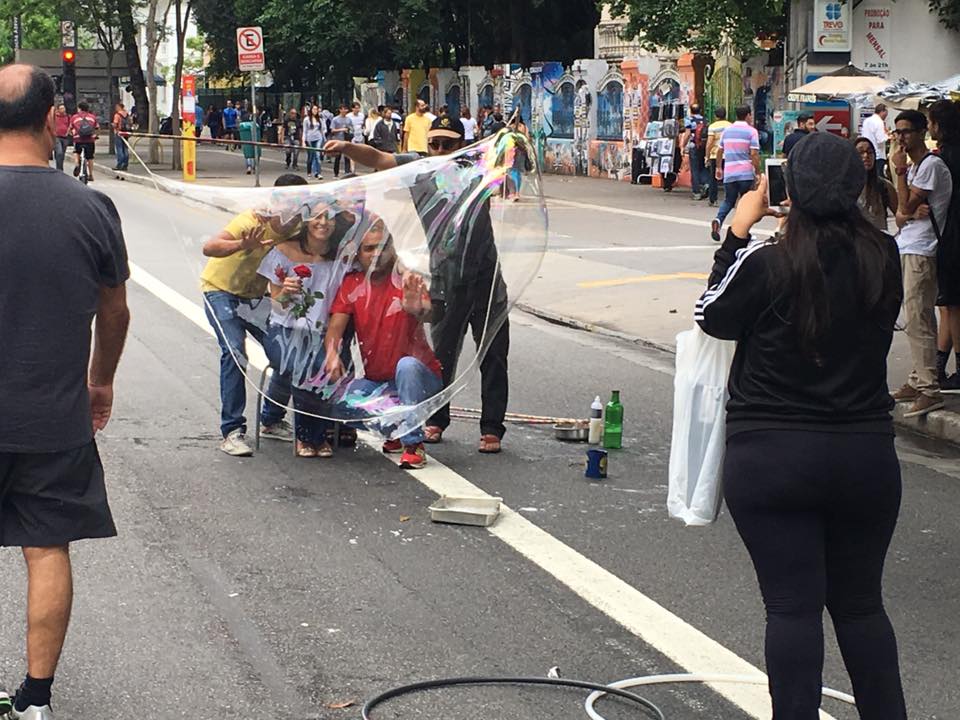
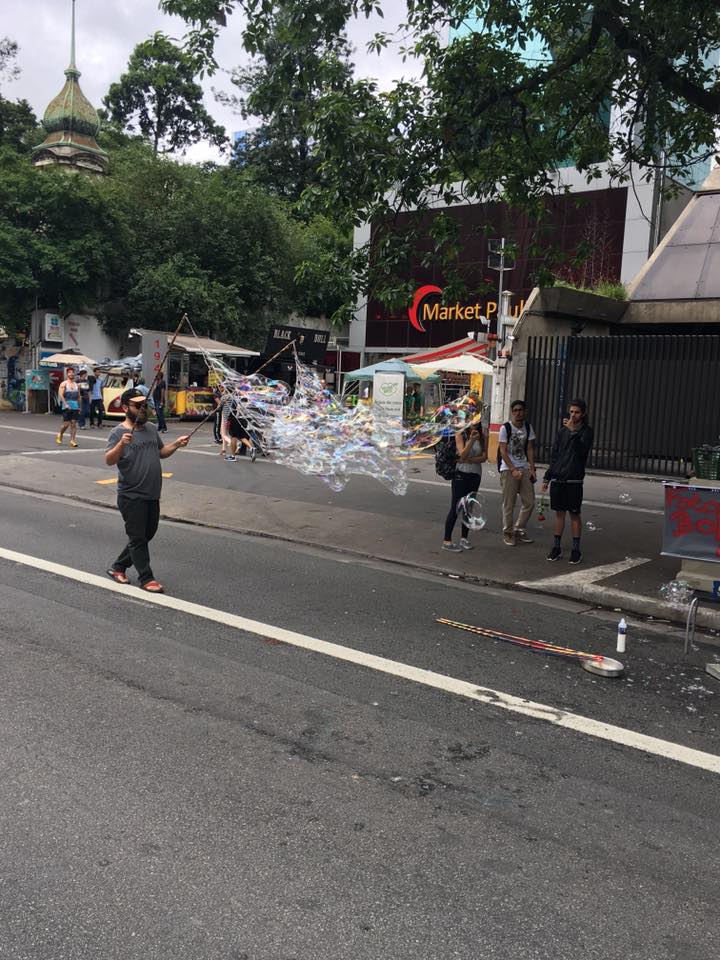
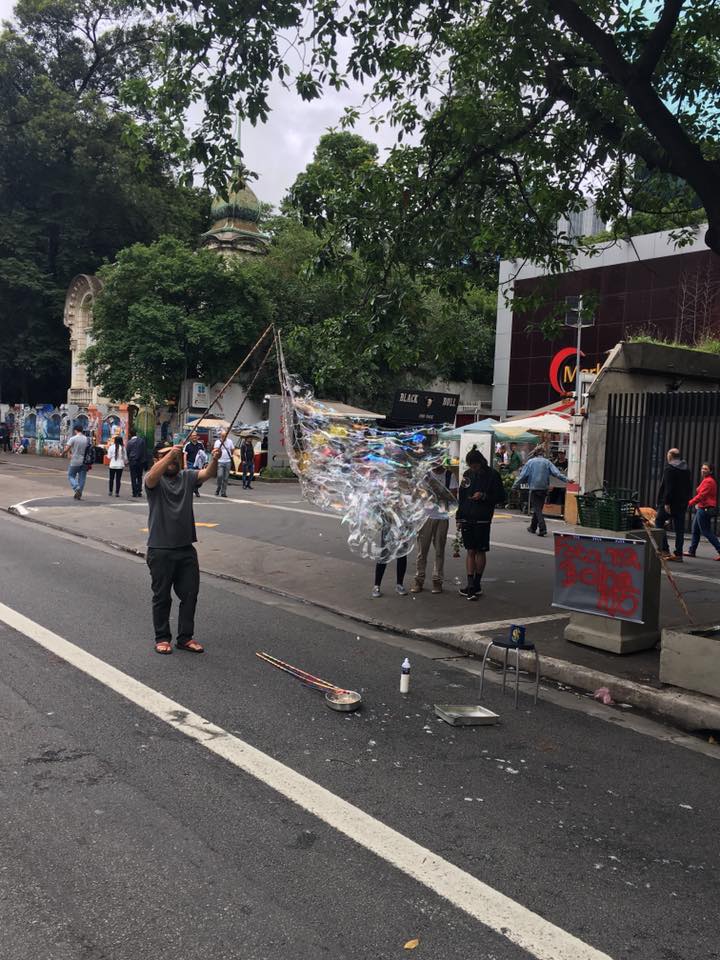
The Brazilians are the most jovial and go-lucky people I had come across. There is always that ‘carnival spirit’ in them! Anger-management gurus will have a tough time finding a job in Brazil 🙂 Weekends throw up roadside performances in the evenings in São Paulo. The sights of a Saturday evening from São Paulo are captured in the following video:

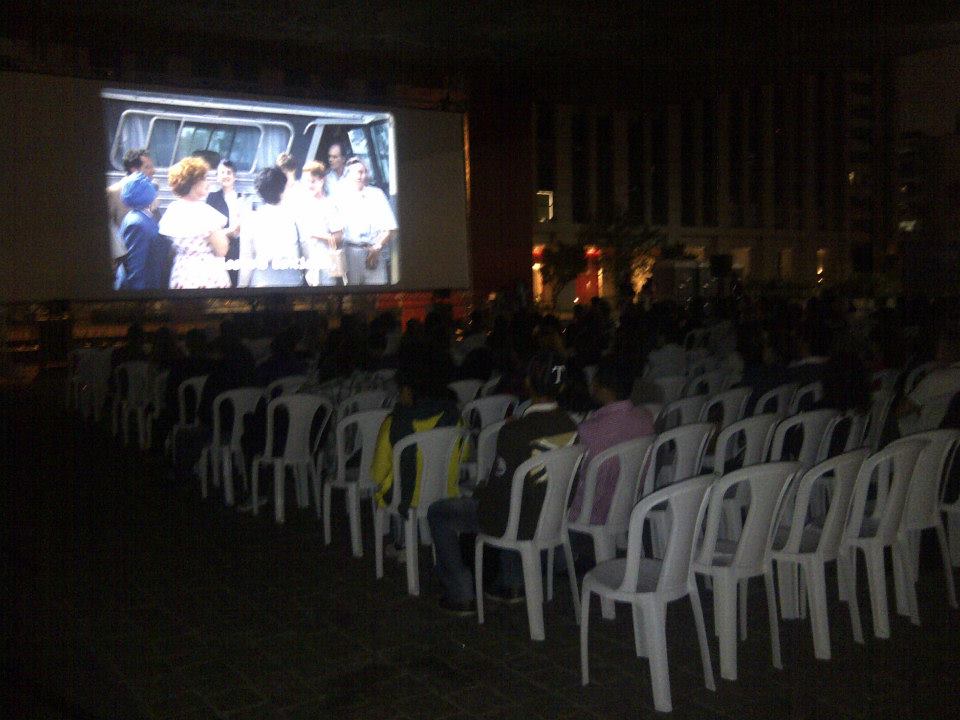
An open-air movie theater at Paulista Avenue. 

Some restaurants in Brazil have a peculiar system of billing. One can choose food from buffet menu, get it weighed and pay according to the weight. It is a good system as there is no wastage of food, and one has to pay only for what one wants to eat. Rice is  a staple food in Brazil. However, they eat only small quantity of a bowl size for lunch or dinner but along with an array of vegetables, both fresh as well as cooked, and fish or chicken. At buffet or during regular lunch, Brazilian plates will have a variety of vegetable dishes with only small quantity of rice. Even the Chinese and many other peoples from different countries, I had seen them taking only a bowl of rice around 100 gm at a time. Incidentally, our Indian doctors say we have to take only 100 gm rice in a day  as a source of carbohydrate. Barring spiciness, Brazilian foods are closer to Indian food. 

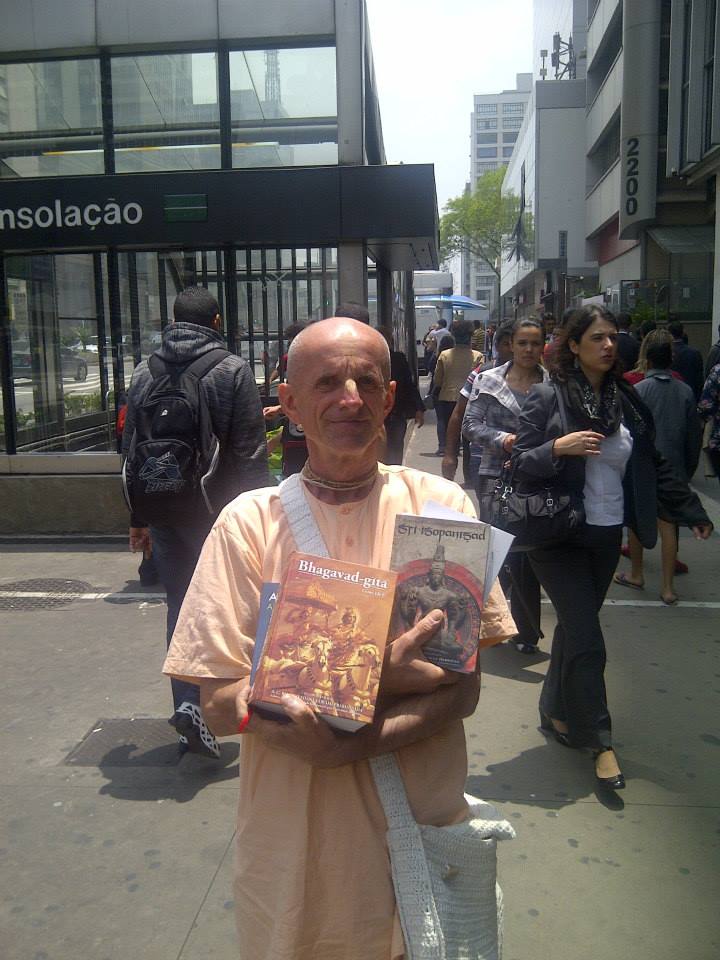
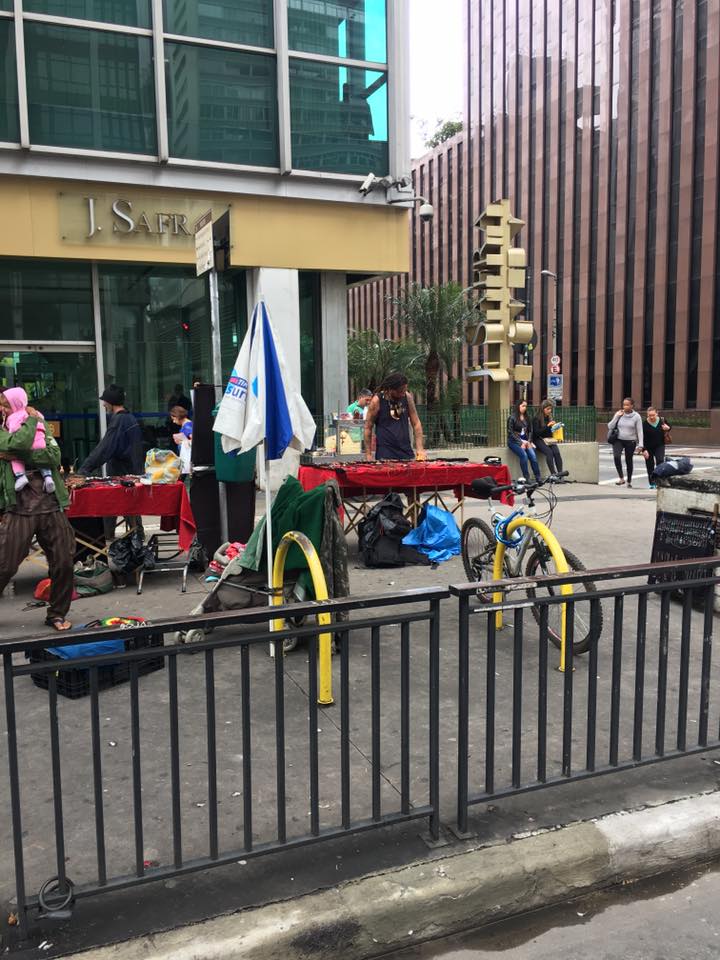
I was delighted to see a Brazilian man wearing traditional Indian dress and selling Indian ancient books like Bhagavad Gita, Upanishad, etc. at Avenue Paulista in Sao Paulo. What more needed as he greeted me with “Hare Krishna!” I had a chat with him. He is a member of ” Centro Goura Ntai,” which has the mission of spreading Indian spiritual values in Brazil. To know more on this, visit www.centrogouranitai.com.br and harekrishnafranco.com.br

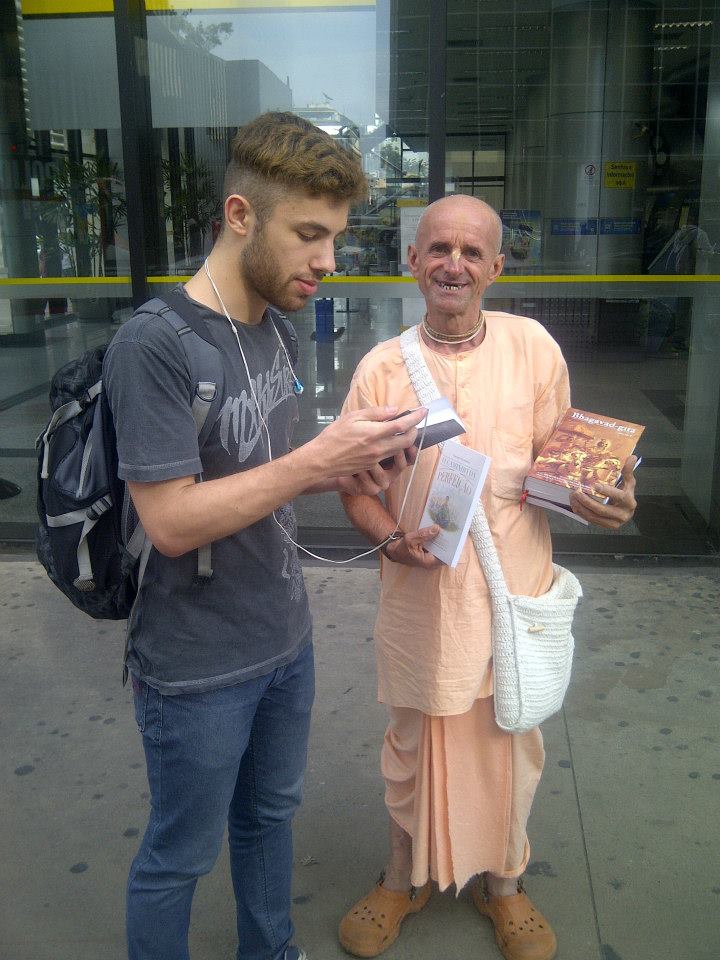
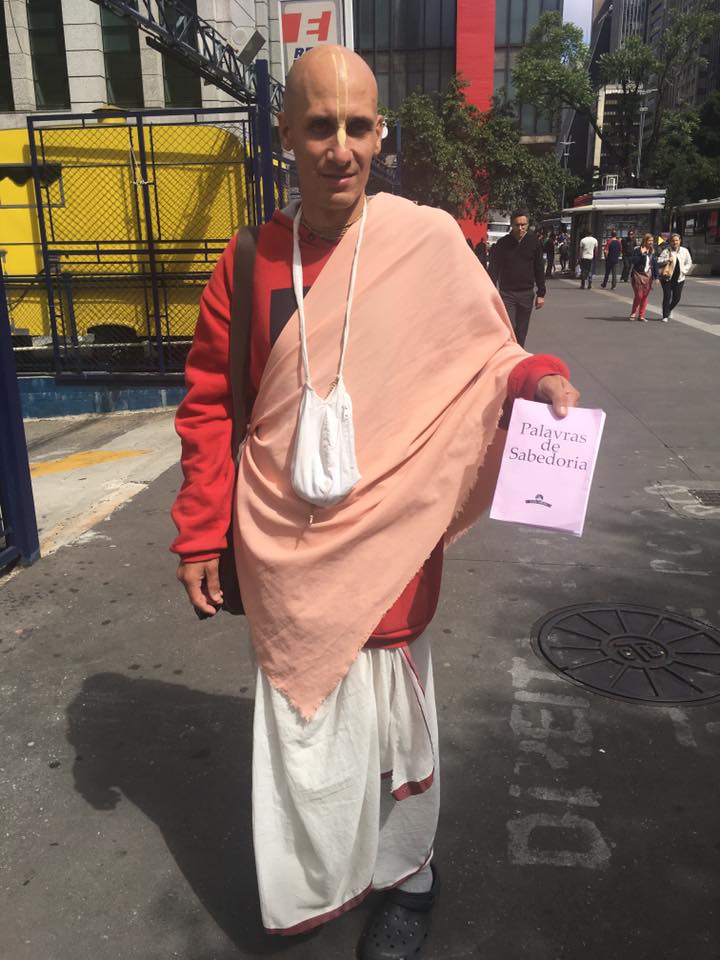
During another visit in 2011, I met another man, Ujwala Das, a Brazilian, in the streets of Avenue Paulista, selling books on Hinduism. The book featured in the picture below is titled, as translated, “Words of Wisdom,” a manuscript on various Hindu books. He, too, greeted me with ‘Namaste,’ so did I elatedly. I spoke to him and learnt that he had visited India many times. He conversed well in Hindi. There are two mediation centers and a Hindu temple in São Paulo. 

 If you want to experience and enjoy sunny times, winter chills and a little bit of rain within the same day, then go to São Paulo as this is the way the climate loves to frequent the city diurnally. And these three phases come after one another during a day at short intervals!

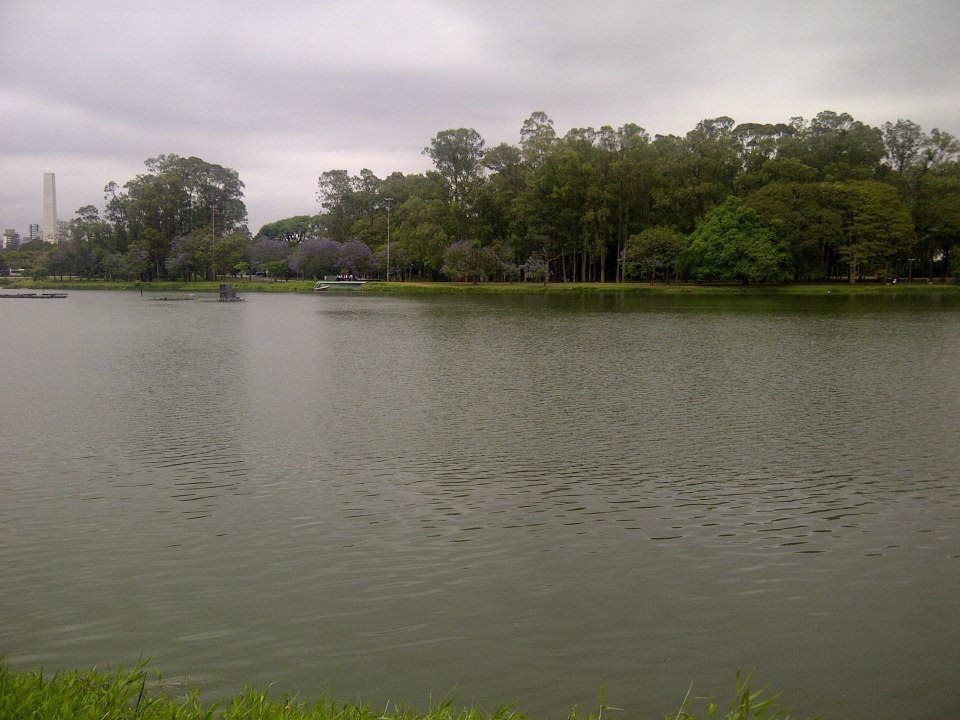
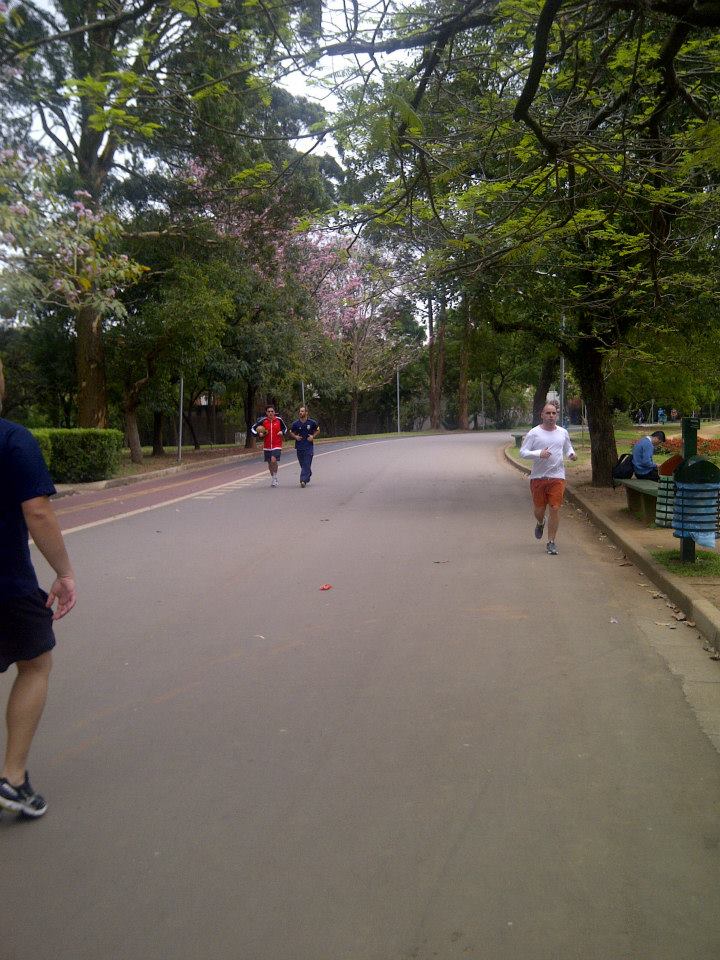
Parque Do Ibirapuera is a good tourist spot to visit in the city. It is the most visited and the largest park in South America, with a spread of 158 hectares. The park is a venue for leisure, jogging, walking, cycling, etc. It has a few cultural monuments as well as a museum housed at its premise. I saw a lot of people jogging and working out at the park

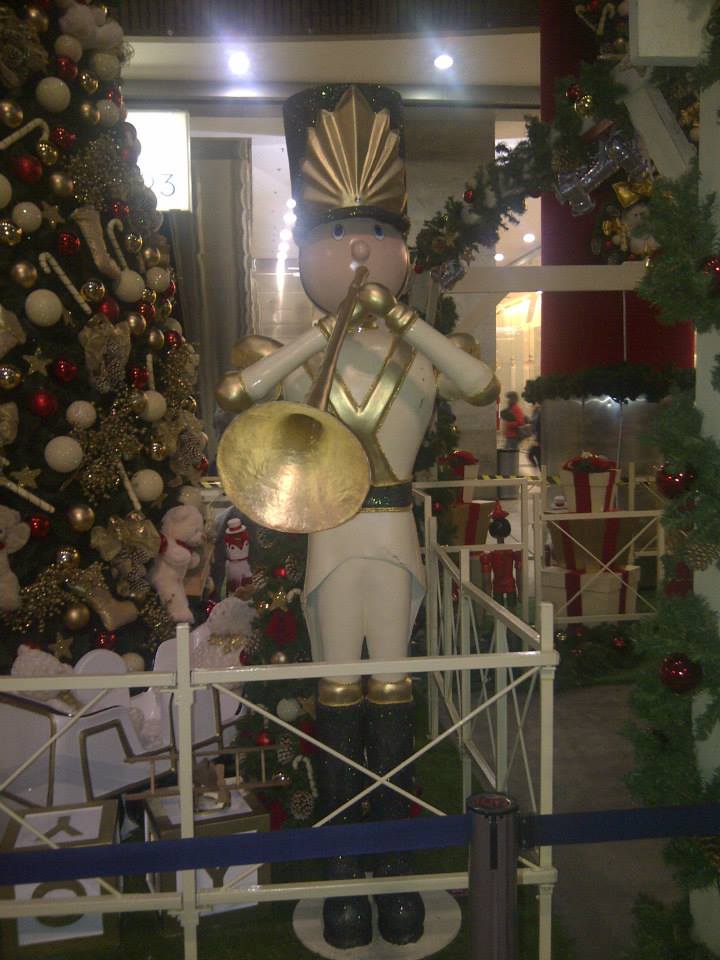
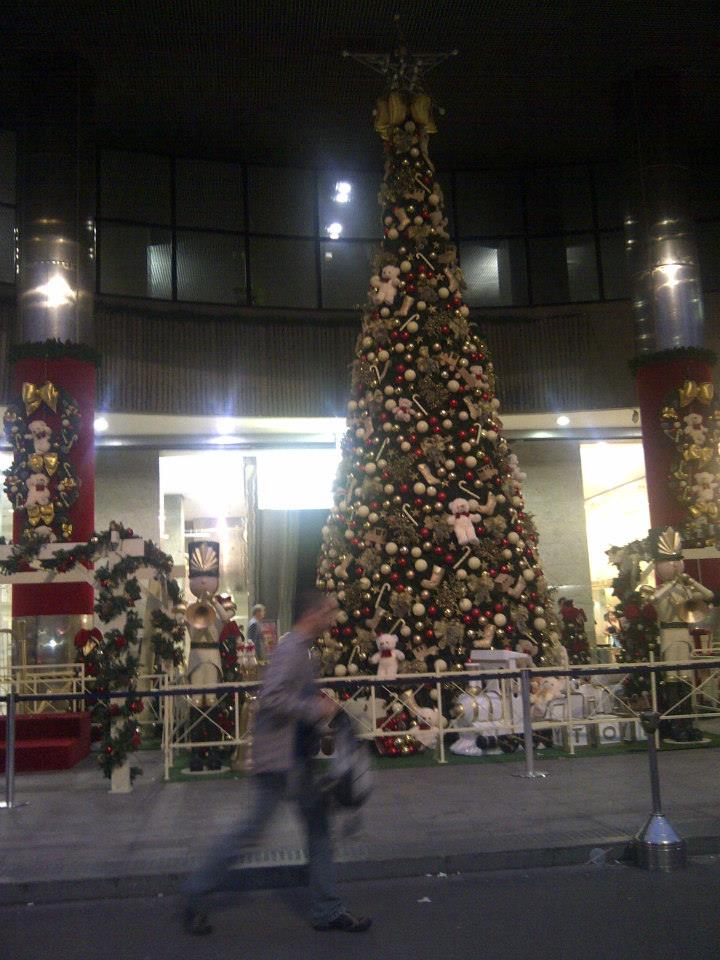
 Once I was in the city in the run up to Christmas. The city gets decked up well to celebrate Christmas. A Christmas Carol video from the city:

I had a chance-visit to “Frei Caneca Shopping Mall,” which was mainly for gays and lesbians though it was open to all. I never saw such a dedicated shopping mall or similar place for the LGBT community in any other country. It is a 3-storey building with lots of shops, and I could see good-enough crowd.

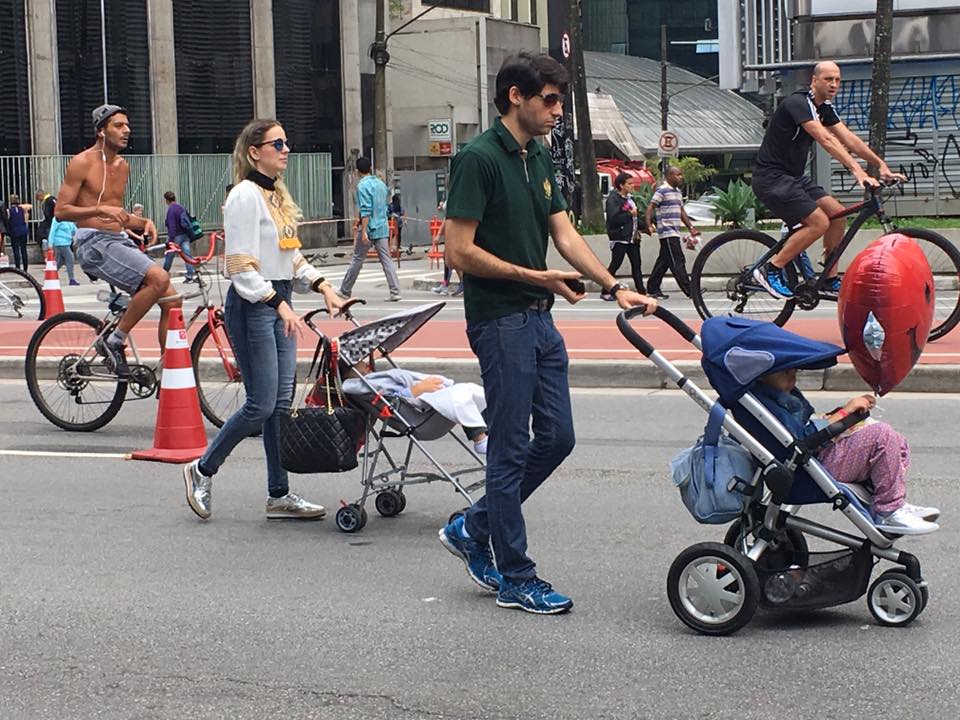
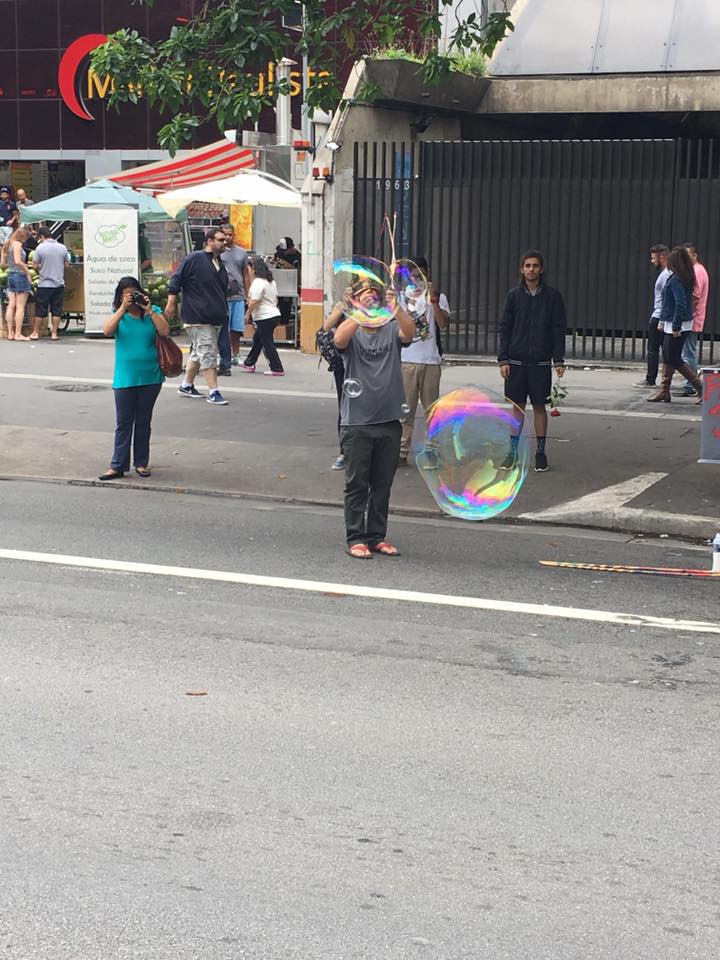
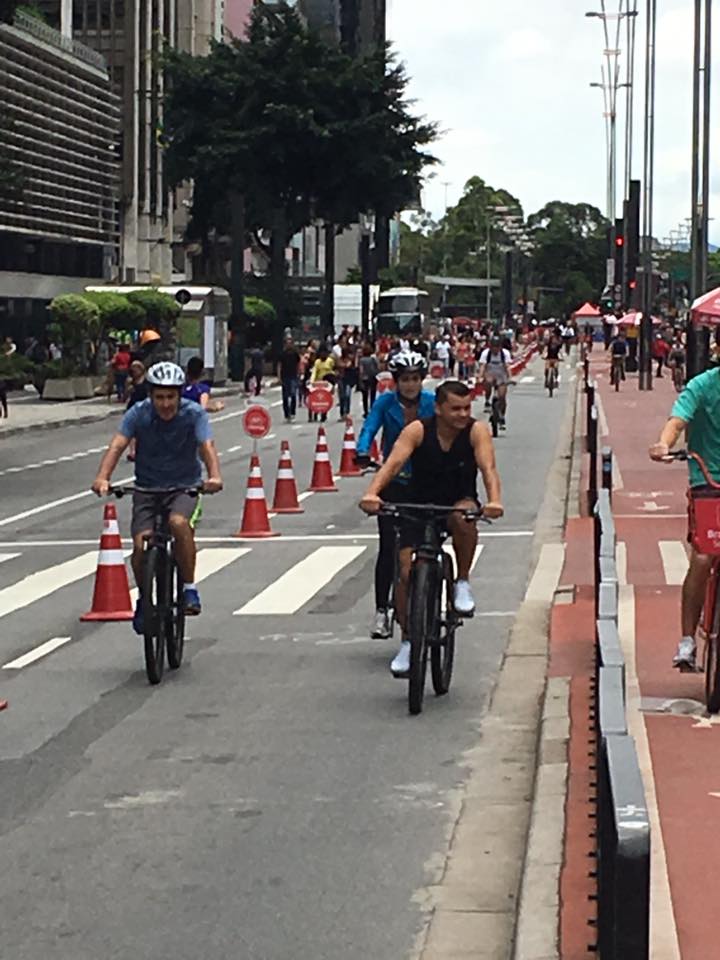
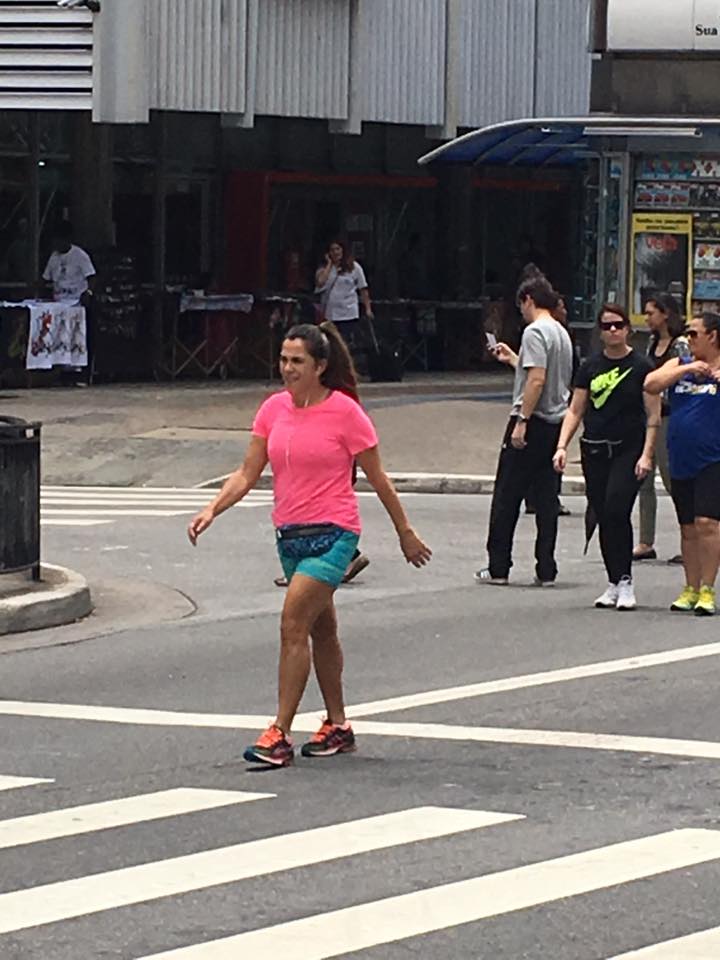
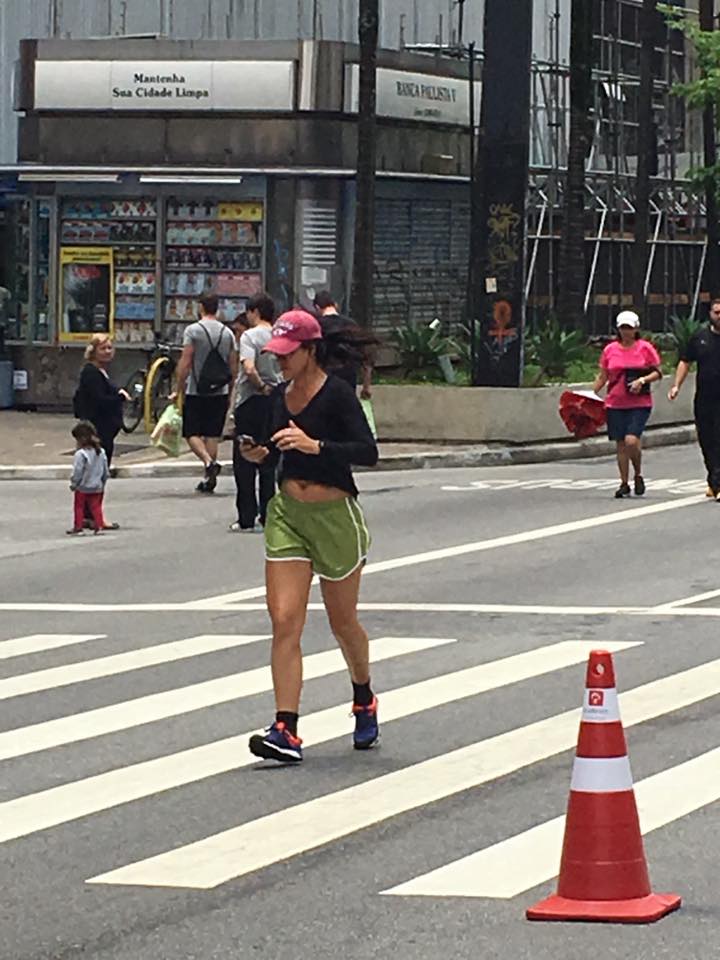
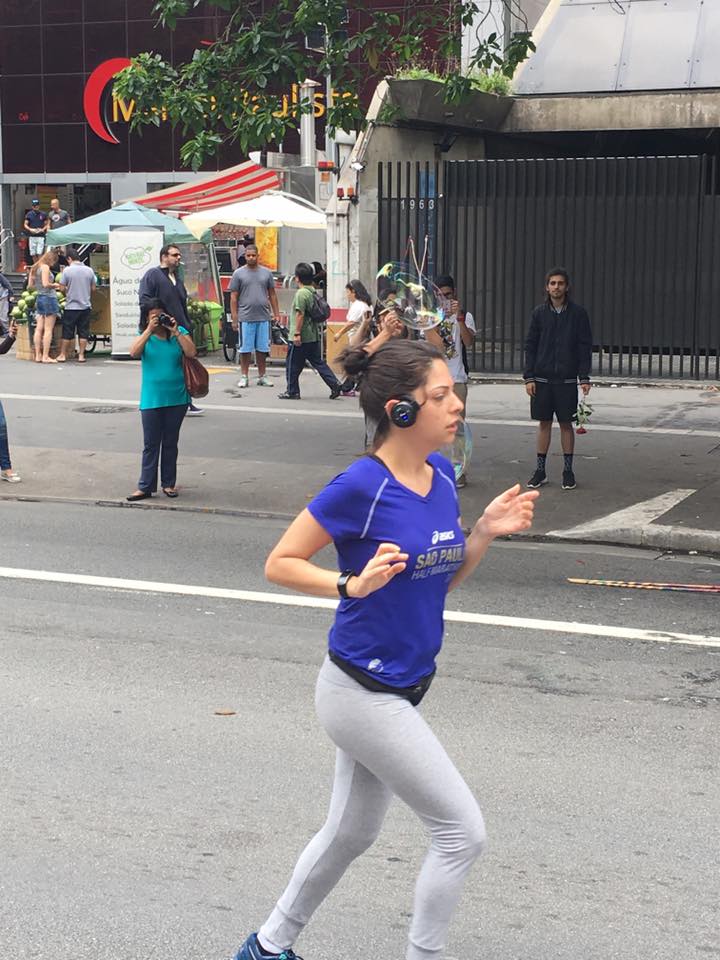
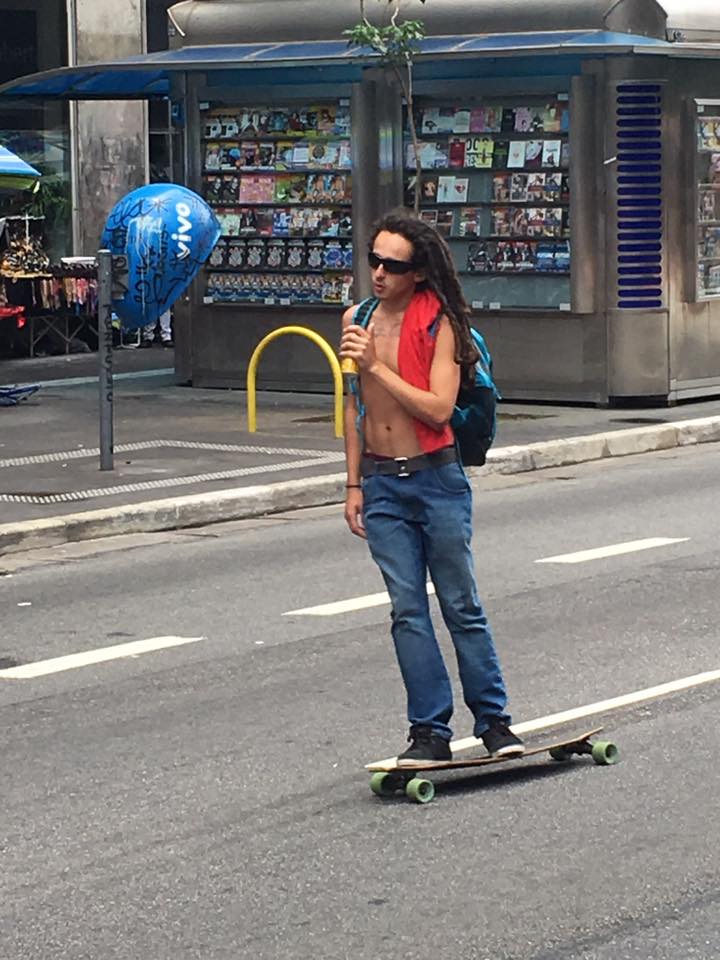
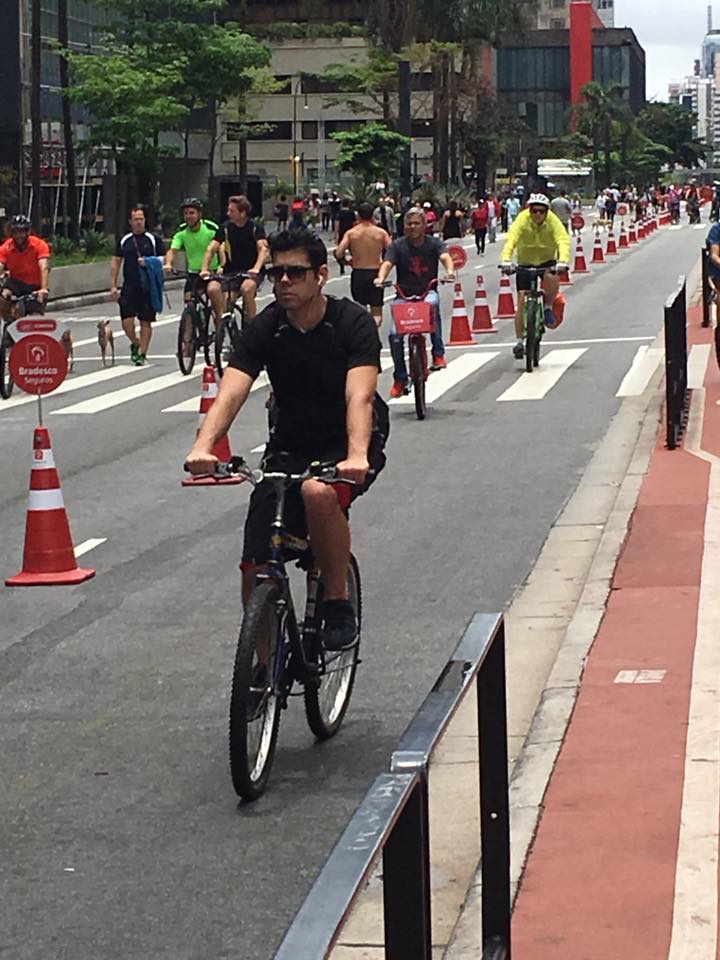
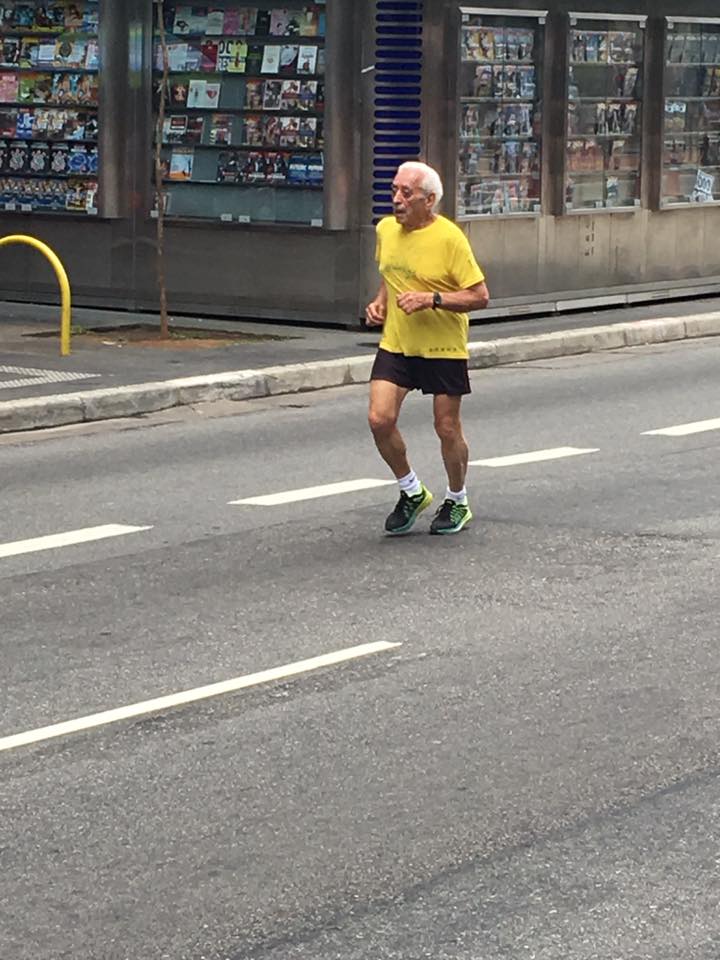
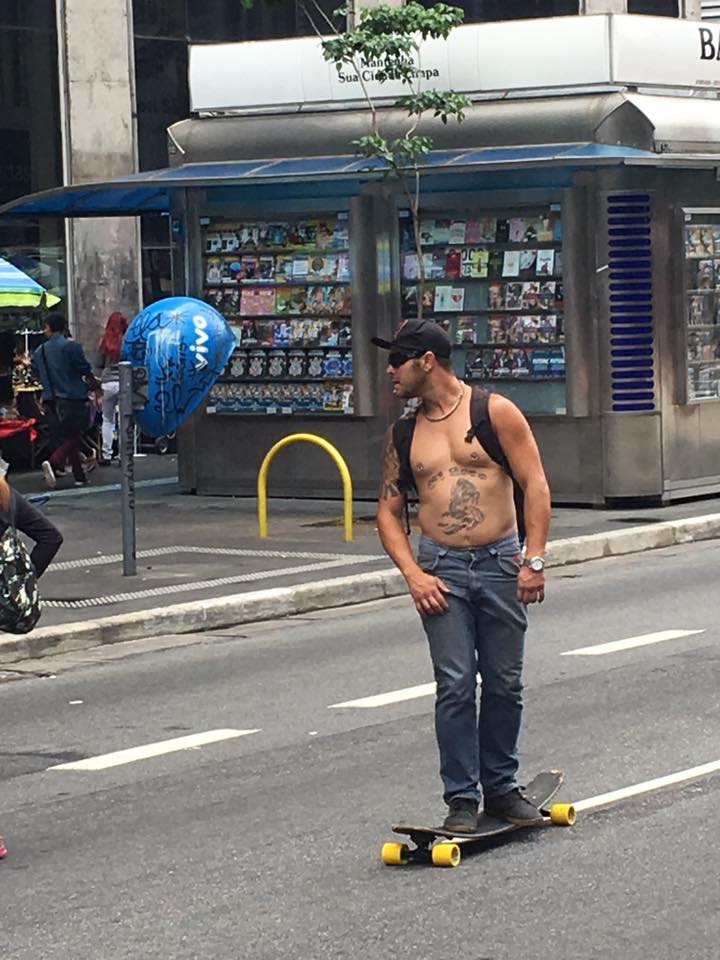
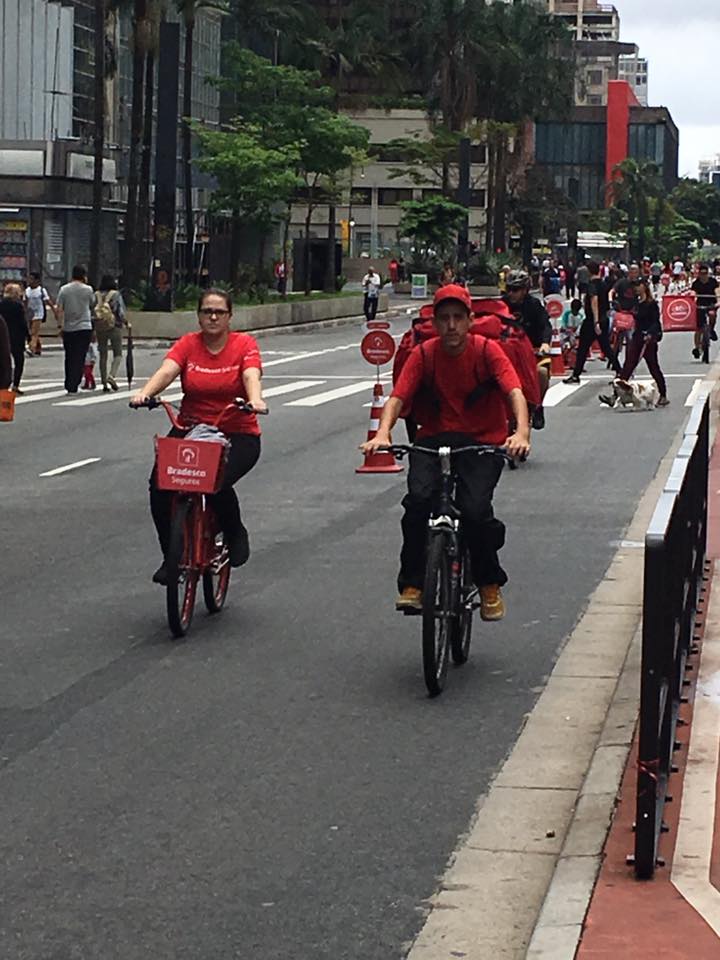
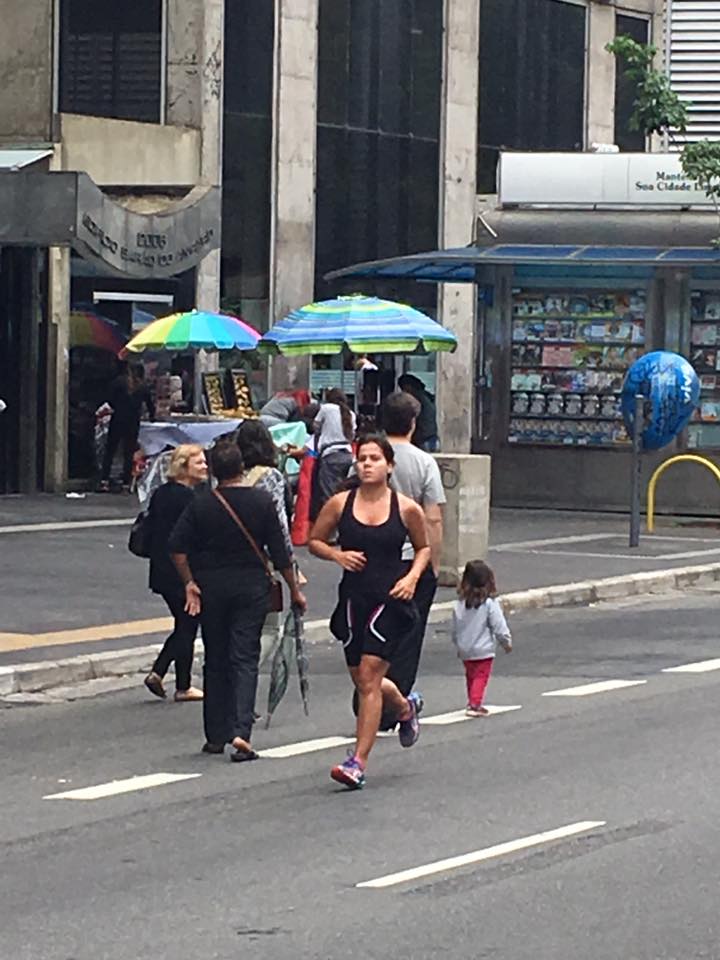
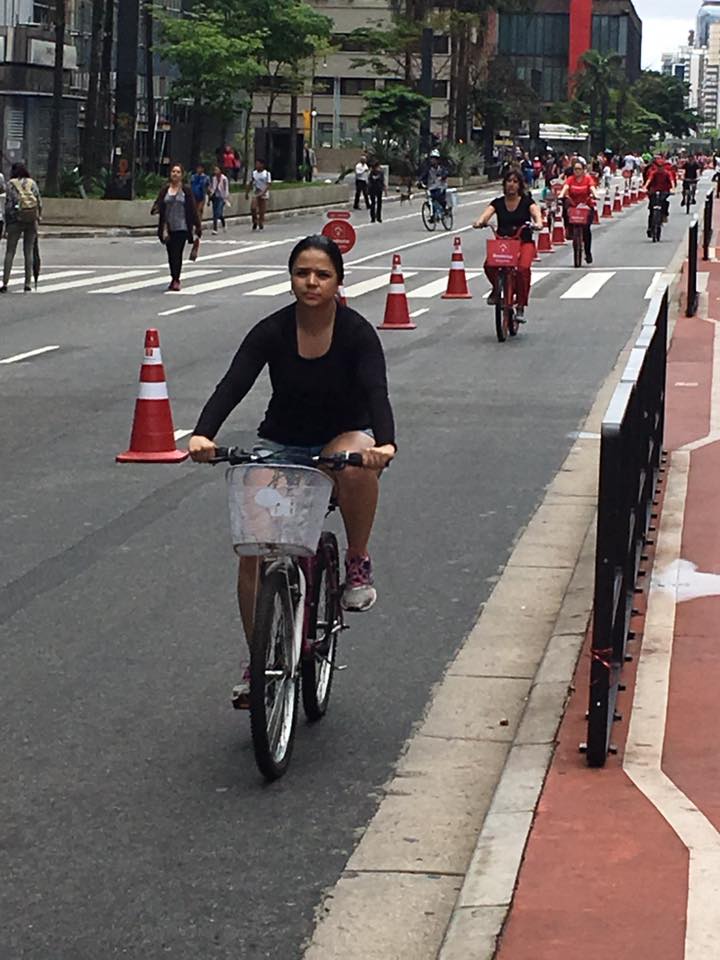
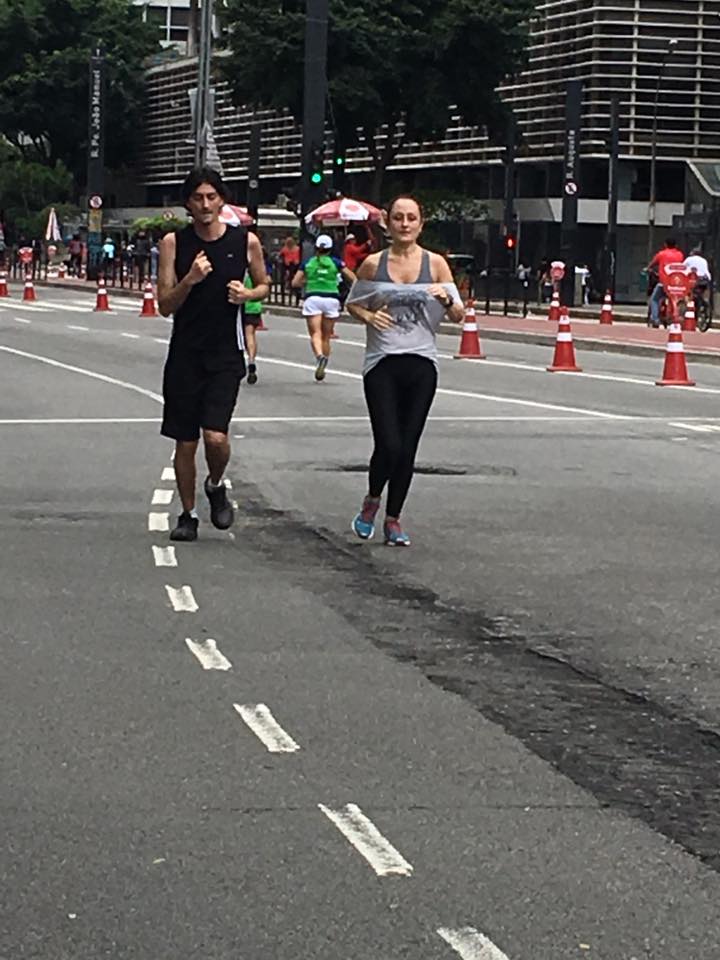
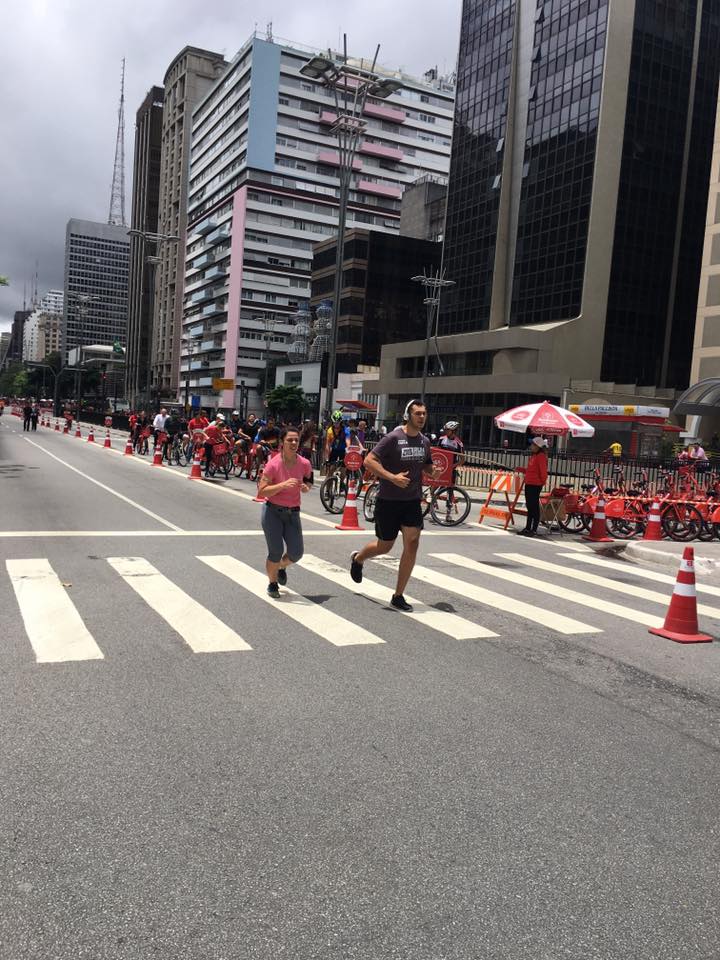
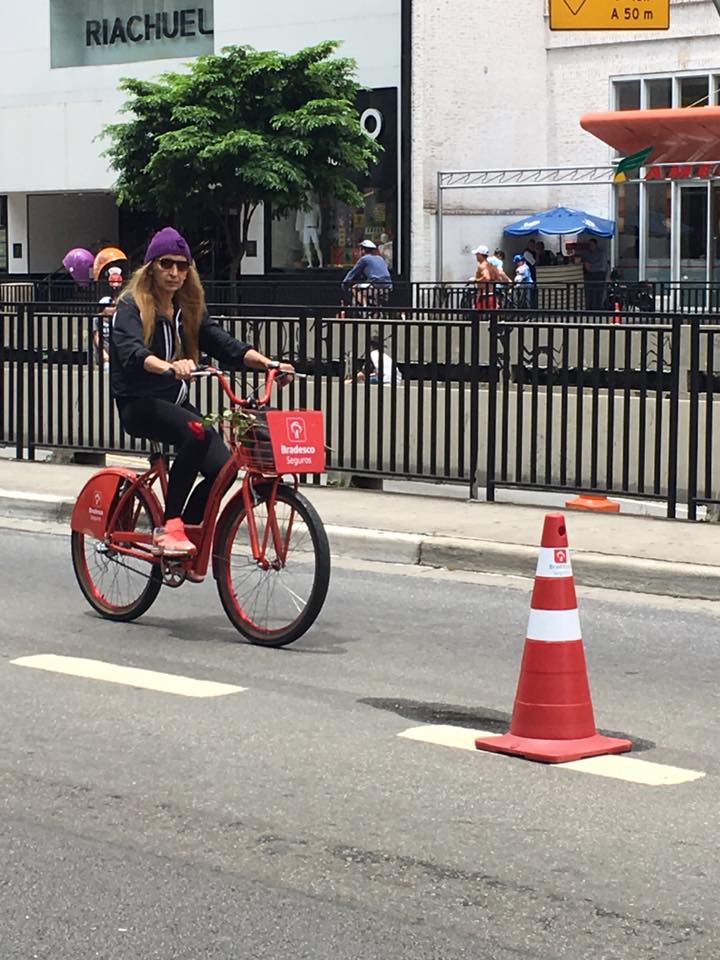
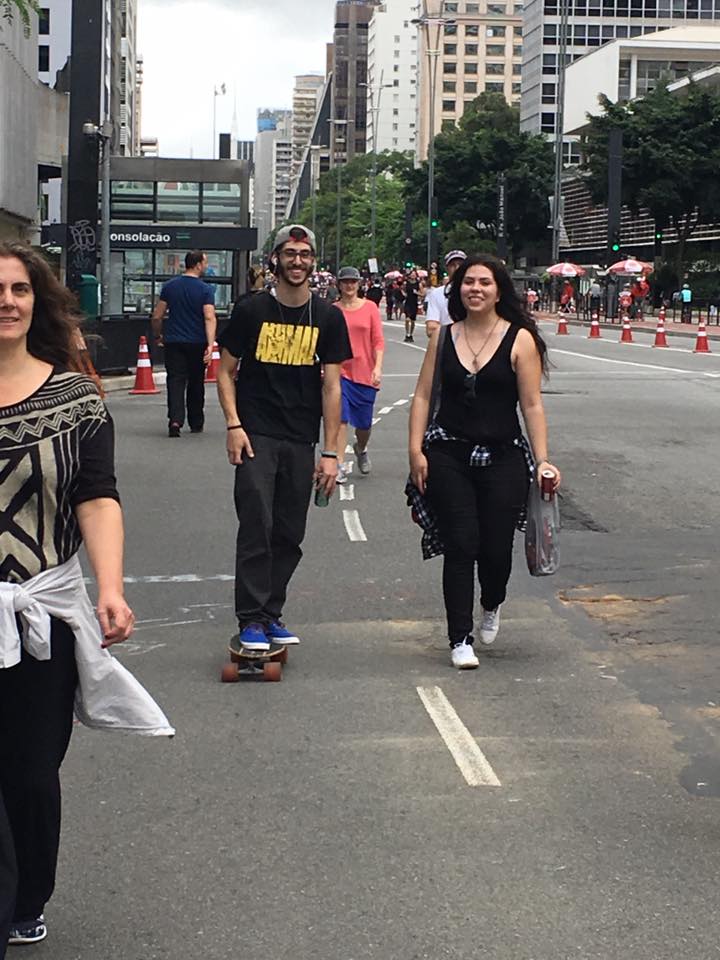
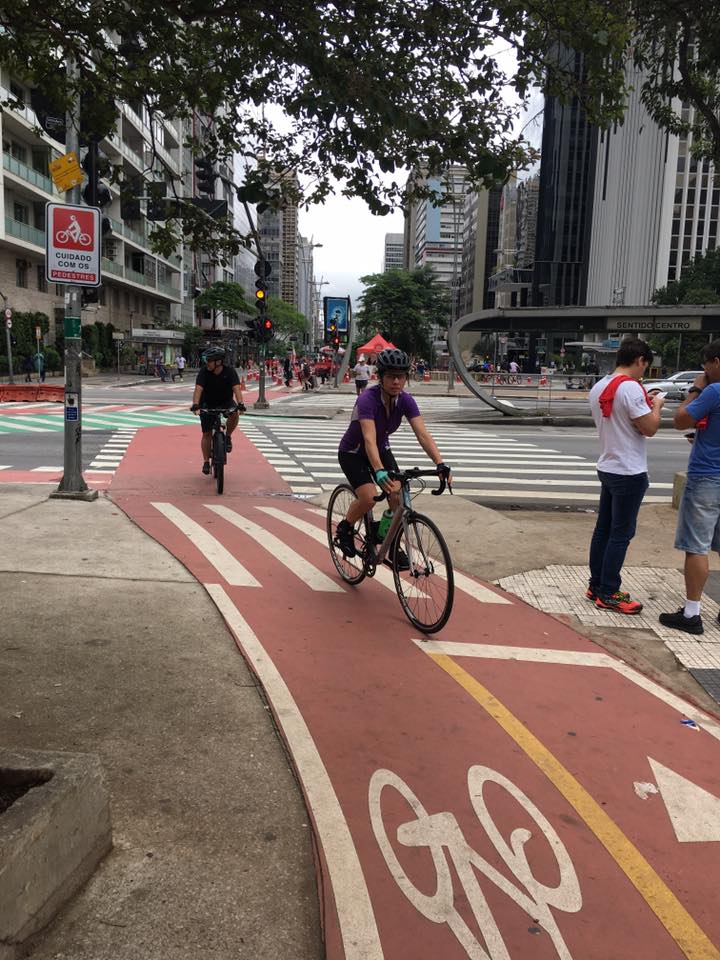
The Republic Day of Brazil is on November 15. I was in the city on such an occasion, a holiday. Avenida Paulista thoroughfare was blocked for traffic in order to allow people to have the space to spend the holiday. I saw them celebrating the holiday in a sportive way as men, women, boys, girls, children, youngsters and elders alike were seen cycling, jogging, walking , skating, strolling, etc. The Brazilians spend enough time to sweat out outdoors, little wonder then that they have enviable physique! 

I visited other cities like Rio de Janeiro, Belo Horizonte, etc. Visit to each of these places has enough loads of memories to write separate blogs. So stay tuned for them soon 🙂 

Thank you for the visit to my blog, and I wish a good day to all!

Knowing Oneself, Knowing Others and Spirituality – A Look Through the Window

Friction, fruition and neither of these are the outputs in interpersonal relations. In other words, we do agree to or disagree with or are non-responsive to others while interacting with them. Also, a person goes through these responses within himself/herself. So these responses happen not only in interpersonal and social interactions but also at an intra-personal level. Fruition is seamless, unobtrusive outcome where both parties are happy with each other as there is agreement on whatever topic discussed or issue occurred between them. Friction happens when there are disagreements or when one party behaves in a way that is diametrically or partially opposite of what the other expected. 

Friction in relationships brings out many wrong opinions being made by us. For example, when disagreements happen, the following kinds of statements are quite common: “I know you well and did expect this to be done by you;” “You are incorrigible and expected to behave this way;” “I am not surprised as I knew you would do this;” etc. All these statements have one underlying assumption: The person who makes such statements thinks that she/he knows the other person fully.

Is it possible for anyone to know anyone else completely? Is it possible to predict  someone’s behavior accurately even if you have a complete set of data of his/her past behavioral pattern? The answers to both these questions are No. Is it possible one to know oneself completely? Is it possible for one to predict one’s own behavior accurately? The answers to both these questions are, too, No.  Haven’t you exclaimed like this at least once in life?: “I never knew I could do this!” You do not even know yourself fully, and that is why you do not say: “I am what I am,” instead, say: “I am X  or Y” when someone asks who you are. There is only one incident when someone said, “I am what I am” when asked, “Who are you?  

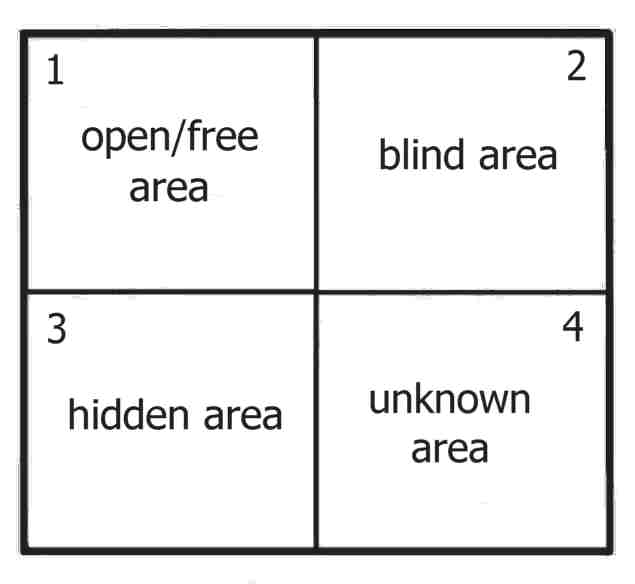
It is impossible for one to fully know oneself, leave alone fully knowing another person. I will explain this with an illustration of the Johari window, a technique developed by the psychologists, Jospeh Luft and Harrington Ingram in 1955, which helps people to understand their relationship with themselves and others.

Suppose that I am trying to understand my relationship with myself as well as others. There are four quadrants in this process as detailed below:

Open: That part of me which my peers and I know about.

Blind: That part of me which I do not know but my peers know.

Hidden: That part of me which I know but my peers do not know.

Unknown: That of me which neither my peers nor me know.

The quadrant sizes of the window are not fixed. It means that as we know more about others or ourselves, the space of one quadrant increases while that of another decreases. For example, one day I realized that I could write reasonably well, but my peers knew it for a long time that I had had this ability. In this case, the space of the Open quadrant gets increased while that of the Blind quadrant gets decreased. Another example: A person was known to be honest, though he was not, to his friends, but one day he was caught for lying by them. And in this case, Hidden quadrant shrinks and the space of Open quadrant increases.

As the Johari window illustrates, it is not possible for anyone to know anyone else completely. Hence, there is room for us to go patently wrong while making opinions about others based on their past behavior — baring of facts from our Hidden truths can hold us in a good or bad way before others; similarly, disclosures from Blind quadrant can pleasantly or unpleasantly surprise us. The very fact that each person has this window of 4 quadrants illustrates that it is not possible for one to know oneself completely. So Homo sapiens cannot answer, “I am what I am” to the question, “Who are you?”  Then, what is the exception that I mentioned in the beginning? In the Old Testament of the Bible, there is an incident when God appears before Moses. Then, Moses asked God, “Who are you?” And God replied, “I am what I am.” Only can God answer like this because His Johari window has only TWO quadrants: Open and Hidden. 

Is it possible to look at spirituality through the Johari window? Let me make an attempt. The most difficult part in this task is to define what spirituality is. If we break up the word, spirituality, we get something like this: spirit + u + ality. Ality means quality of being, so, quality of being in spirit by (yo)u. Spirit means soul. Hence, spirituality means quality of being in your soul. In other words, spirituality is the journey by you to your soul through your soul by being qualitatively in your soul. So in spirituality, the journey and the destination are one and the same. What is soul?  We cannot embark on a journey to a destination unless we know what the destination is.

A few years back, I attended a religious retreat at Divine Retreat Center, Thrissur in Kerala, India. I am paraphrasing  what a speaker said during the retreat: “Only matter is real,” Karl Max said, the speaker quoted. When the preacher’s father died, he noticed that the physical matter of the dead body was the same as the physical matter of the body of his father when he was alive, but SOMETHING was missing in the dead body. The speaker concluded by saying that Max was wrong because there was something “really” missing from his father’s body though there was no difference in the body-matter of his father before and after the death. So matter is not the only real thing in life. That something of inanimate, invisible nature is the spirit or the soul that a man carries, that on which his-being is intangibly hooked up and that which he loses when he dies. Modern medical science also shows how our brain struggles to retain life(spirit/soul?) even after heart stops pumping, finally, giving up and grinding to a halt. Giving up what? 

In simple terms, spirituality is a journey by a person to find his soul by travelling to himself/herself. If one considers one’s soul as a part of Oneness, then spirituality is a journey by oneself through oneself into oneself to reach to or to get closer to the divinity within oneself. As spirituality is a journey into oneself, let’s assume you stand at the Open quadrant of the Johari window, and as you start and continue the journey, all those parts of you, which were Blind to you but known to your friends, will start to unravel before you. So your Blind quadrant gets merged with the Open quadrant. But, how does this happen? You need to completely give up your ego, hatred, jealousy and all such negative feelings that you harbor, and once you do that, there will be nothing that stops your friends and acquaintances from telling things about you that you were oblivious of.

As you continue this journey of soul-searching, you will realize the necessity of being truthful not only to yourself but also to the outside world in order to reach a state where you have nothing to hide about you from others as well as from yourself. Truth is the only absolute thing in this world, hence, the uninhibited happiness it gives to one is also absolute. By being truthful to yourself and to the outside world, you had eliminated the Hidden quadrant from your Johari window. 

Eliminating the Blind and Hidden quadrants is easier said than done. Buddha traveled across geographies in his spiritual journey before he sat down under the tree; Swami Vivekananda traveled across India before he sat down on the rock in Kanyakumari; and all those great souls who discovered their Unknown quadrant made such soul-searching journeys to eliminate their Blind and Hidden quadrants, for such elimination is a prerequisite to explore the treasures lying inside the Unknown quadrant. Such journeys give opportunities to meet peoples from different cultures, countries and ethnic groups; to learn from them; to reflect on such learning in order to unlearn and relearn; to sit alone and talk to the nature in order to learn from it; and many such things to detoxify oneself from all the negative energy and fill oneself with truth and only truth  Now, your window has only two quadrants: Open and Unknown.

The last and the most crucial part of your spiritual journey is to discover that part of you that resides inside the Unknown quadrant. It is the existence of you that carries the treasure of all those things, which neither you nor your friends are a party to. It is the seat of all the secrets about humanity unknown to you; of universal truths unknown to you; and of all that resides outside human intellectual vicinity. Your friends can not help you to discover it as they do not know about it, as well as you cannot help yourself as you do not know about it. So, who can help you?  None other than your creator! Only can He help you because Unknown is known to Him only. Now, it is between you and your creator! Time for you to sit under a tree or on a rock or anywhere alone to converse with Him!  It may take months or years for you to reach the stage where you can converse with your creator in a two-way fashion. But it is bound to happen because when a man who has nothing to hide and is overflowing ONLY with the ONLY absolute thing in the world called TRUTH, the gates of your Unknown quadrant will be opened to you by your creator, and you will reach a state of enlightenment or Nirvana as showed to us by Buddha. And that will complete a man’s spiritual journey.

A Rendezvous with the Dragon

“When America sneezes, the world catches a cold,” a common phrase that has nothing to do with health of people  but the financial health of the world. Though China is yet to grow to that level, it is definitely growing to that level. The post-globalization world is so interconnected demographically that a contagion in a small country can quickly spread to the world. Then, imagine how the world can be impacted when a significant part of a bigger country sneezes together! China has the Coronavirus, so has the world!

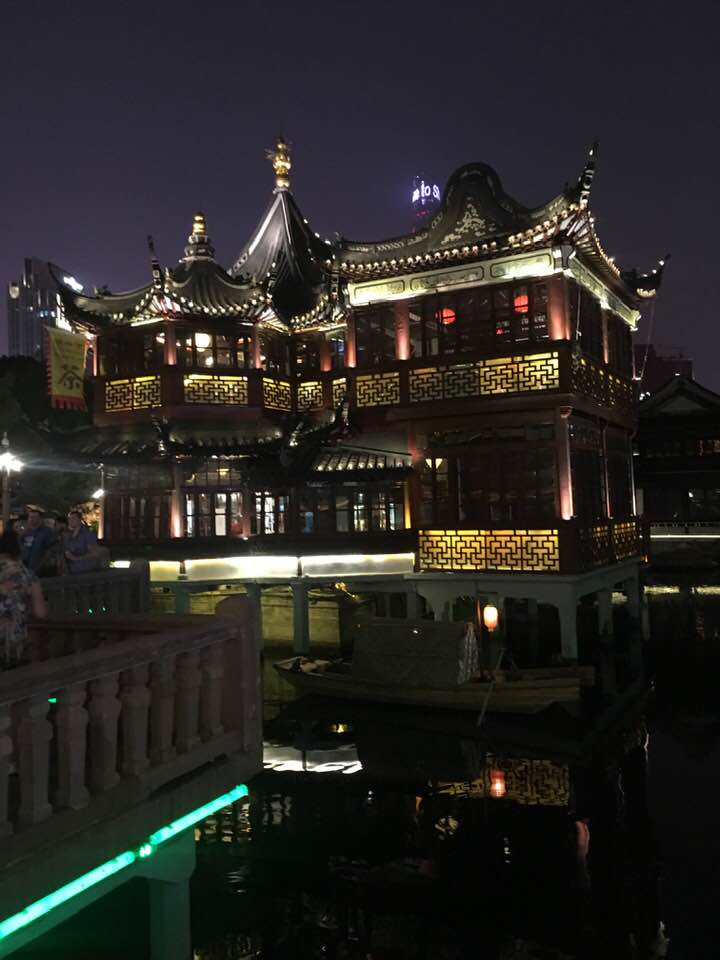
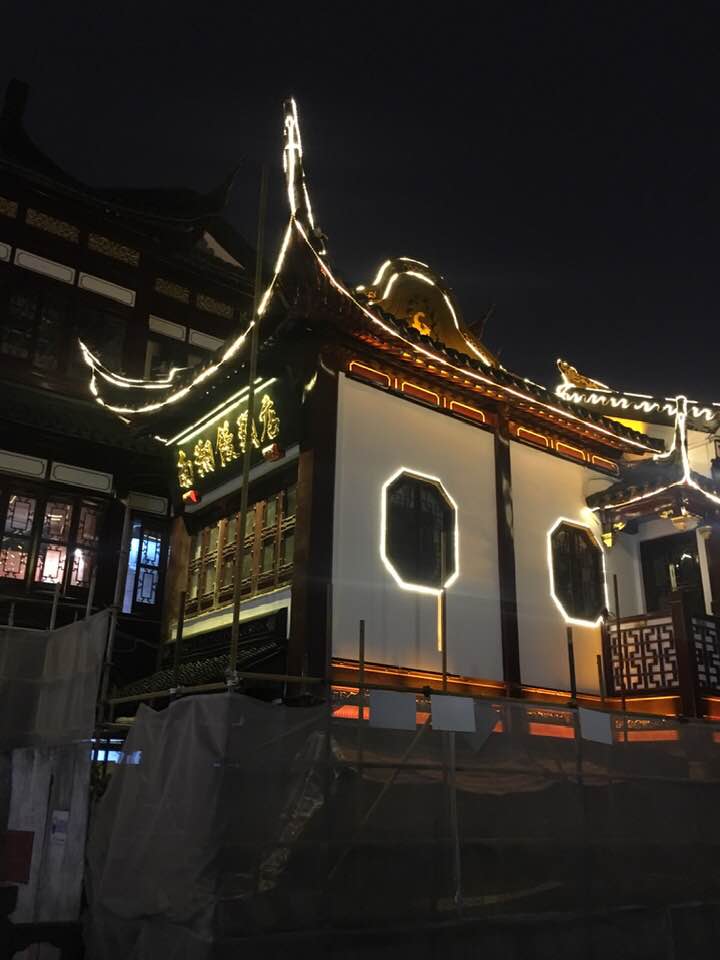
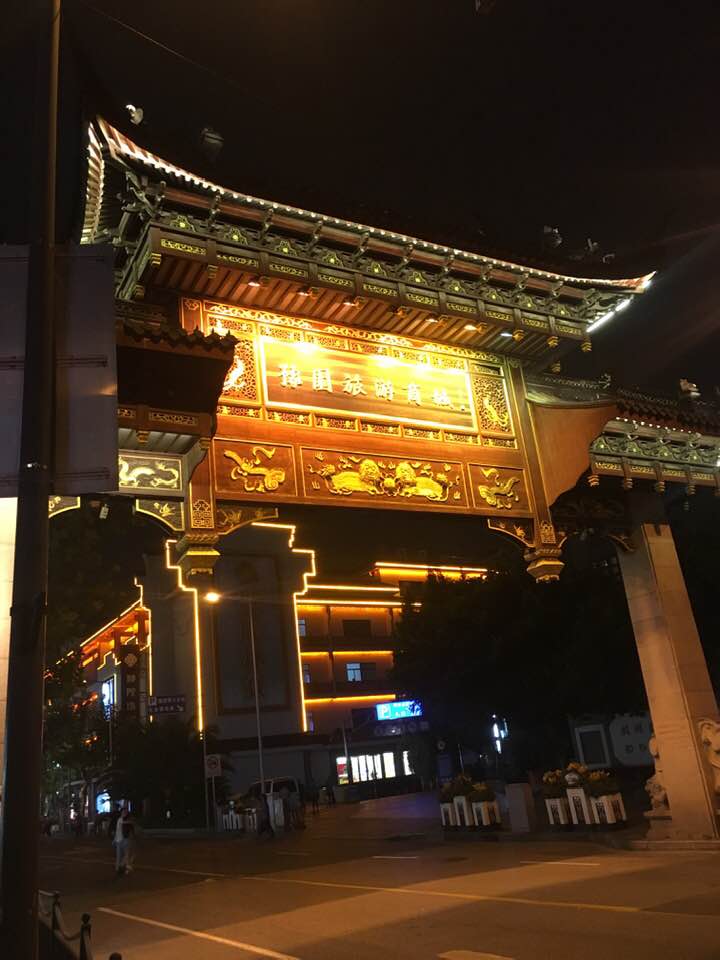
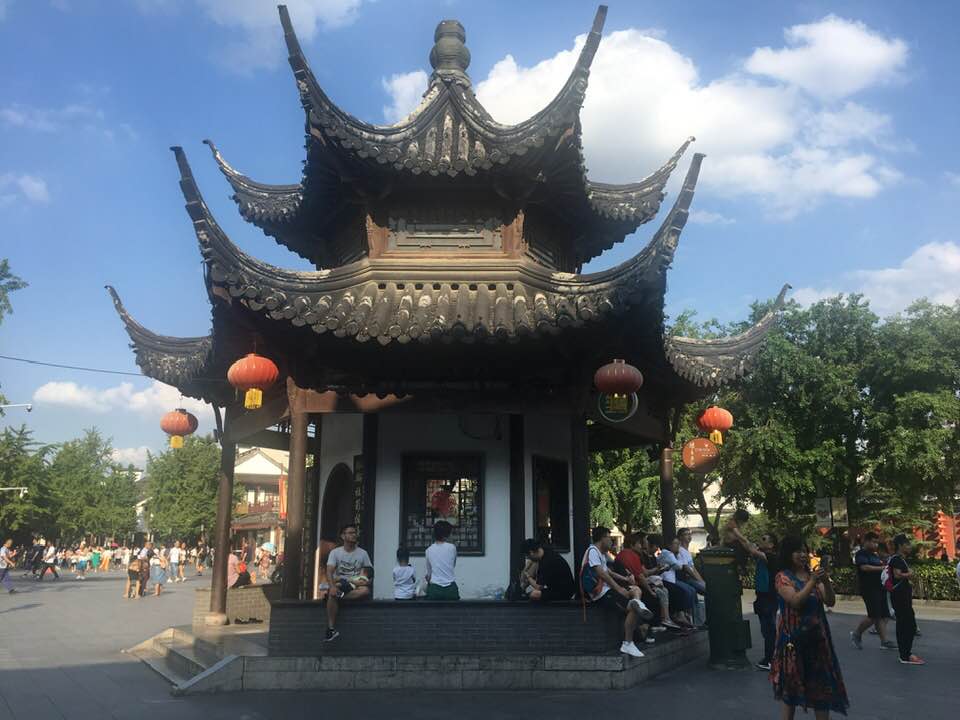
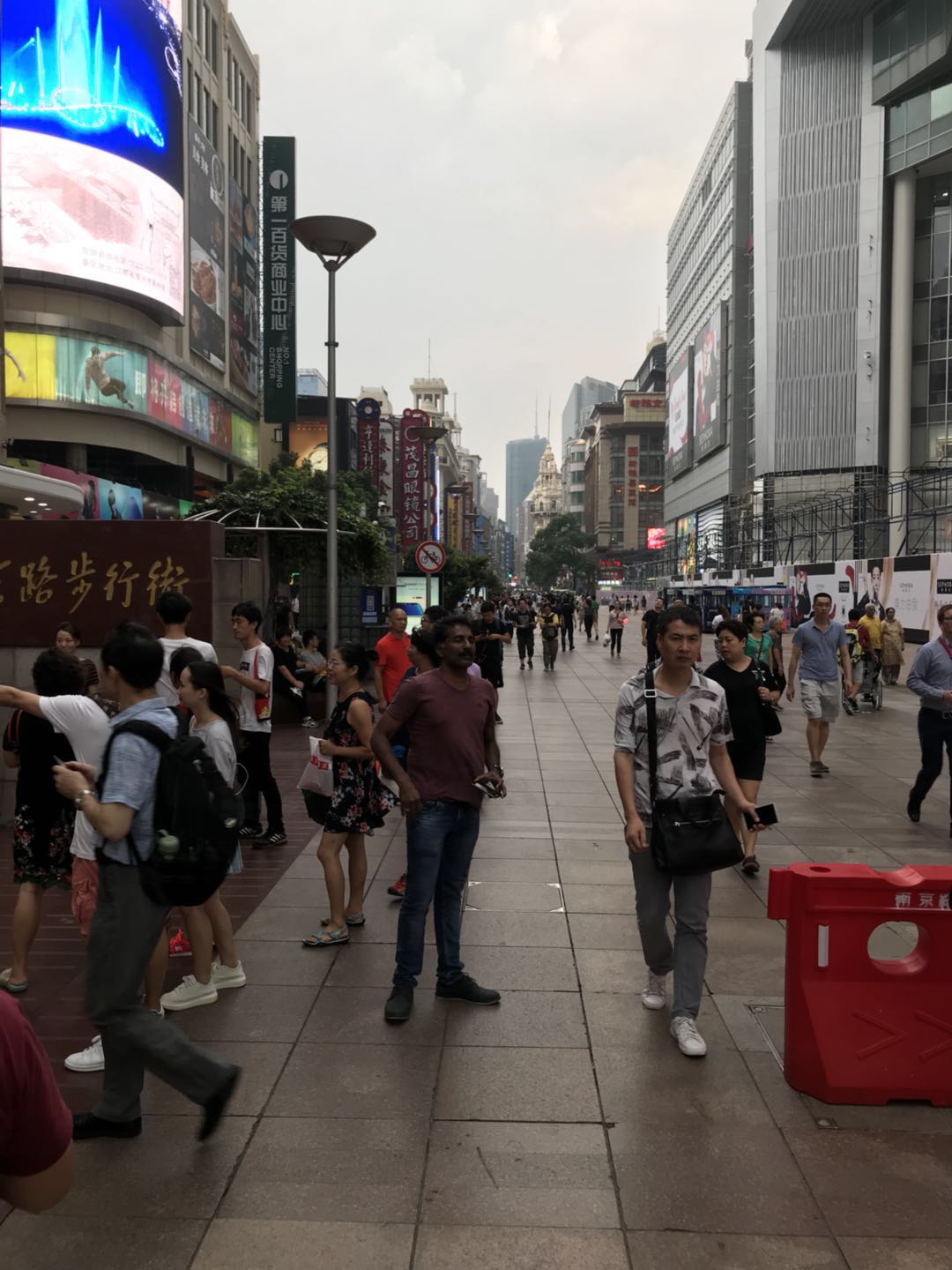
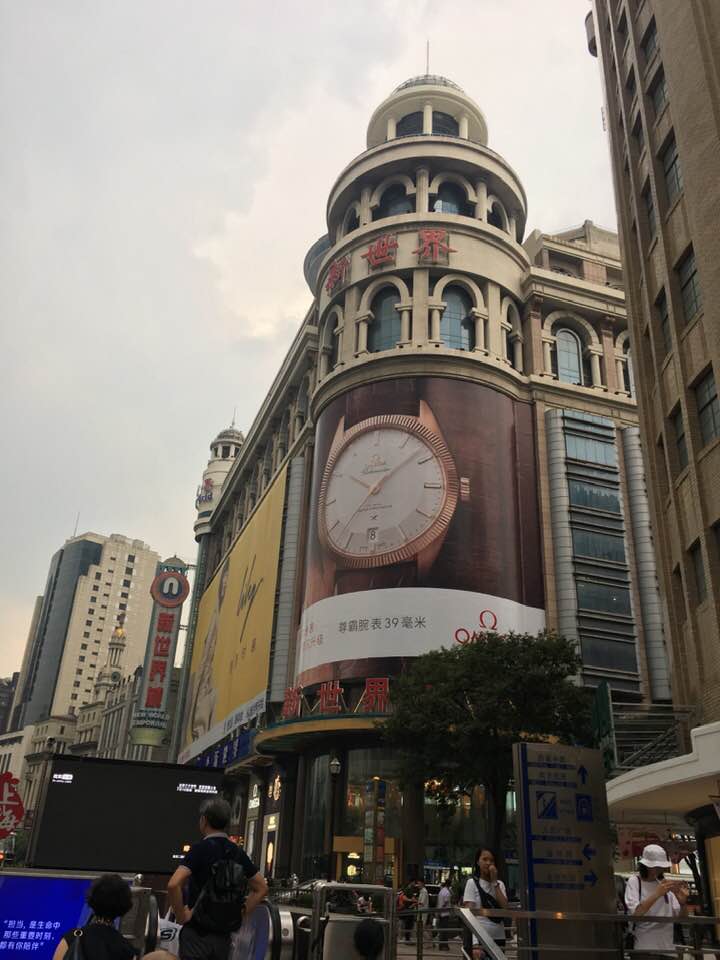
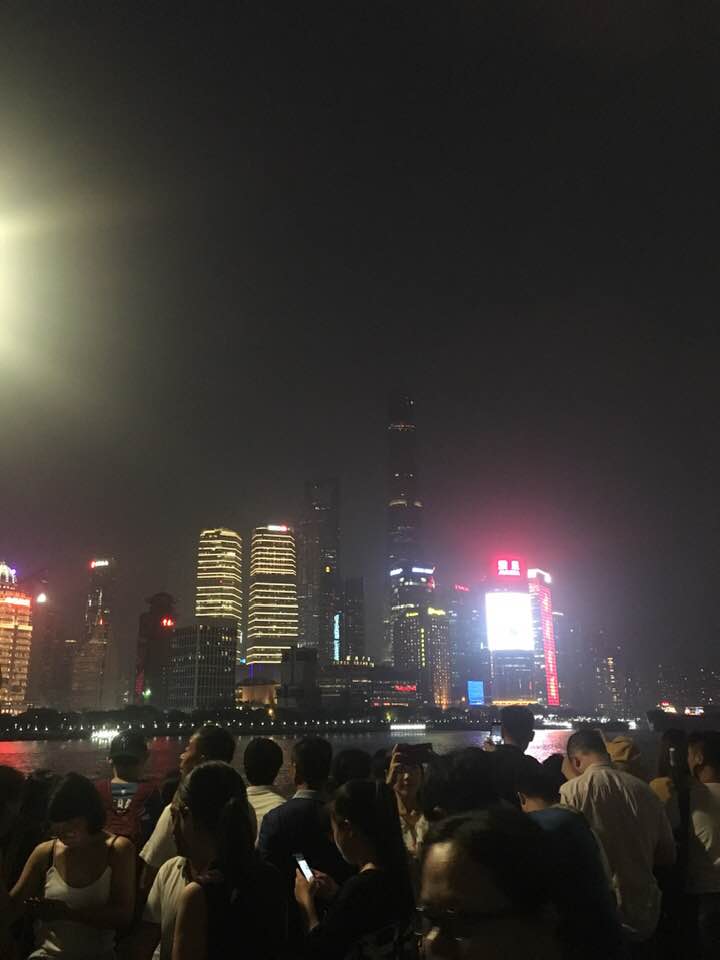
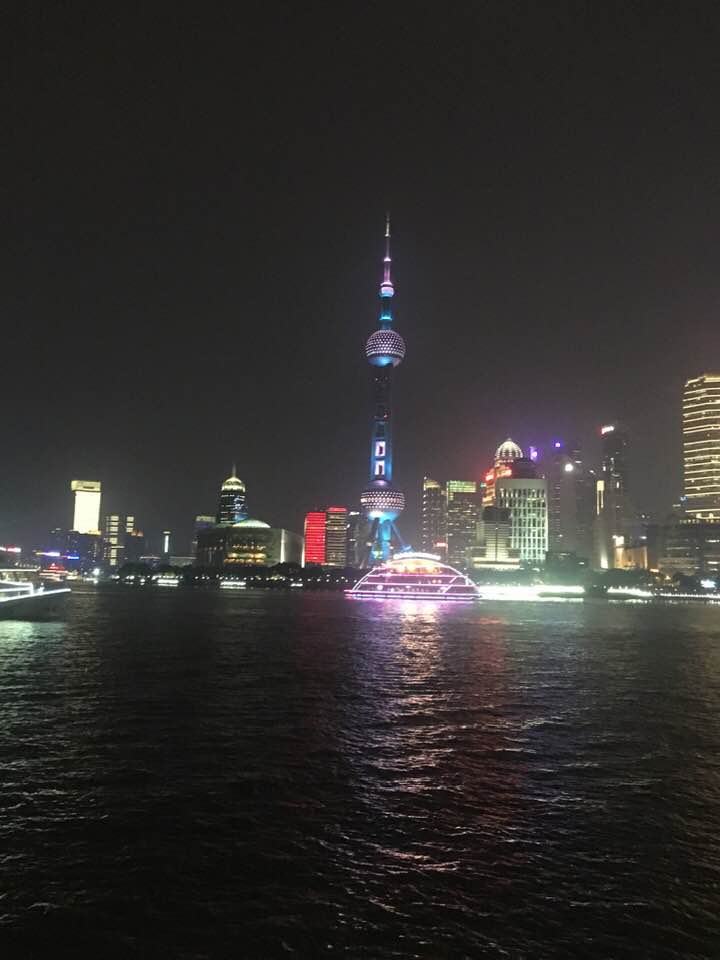
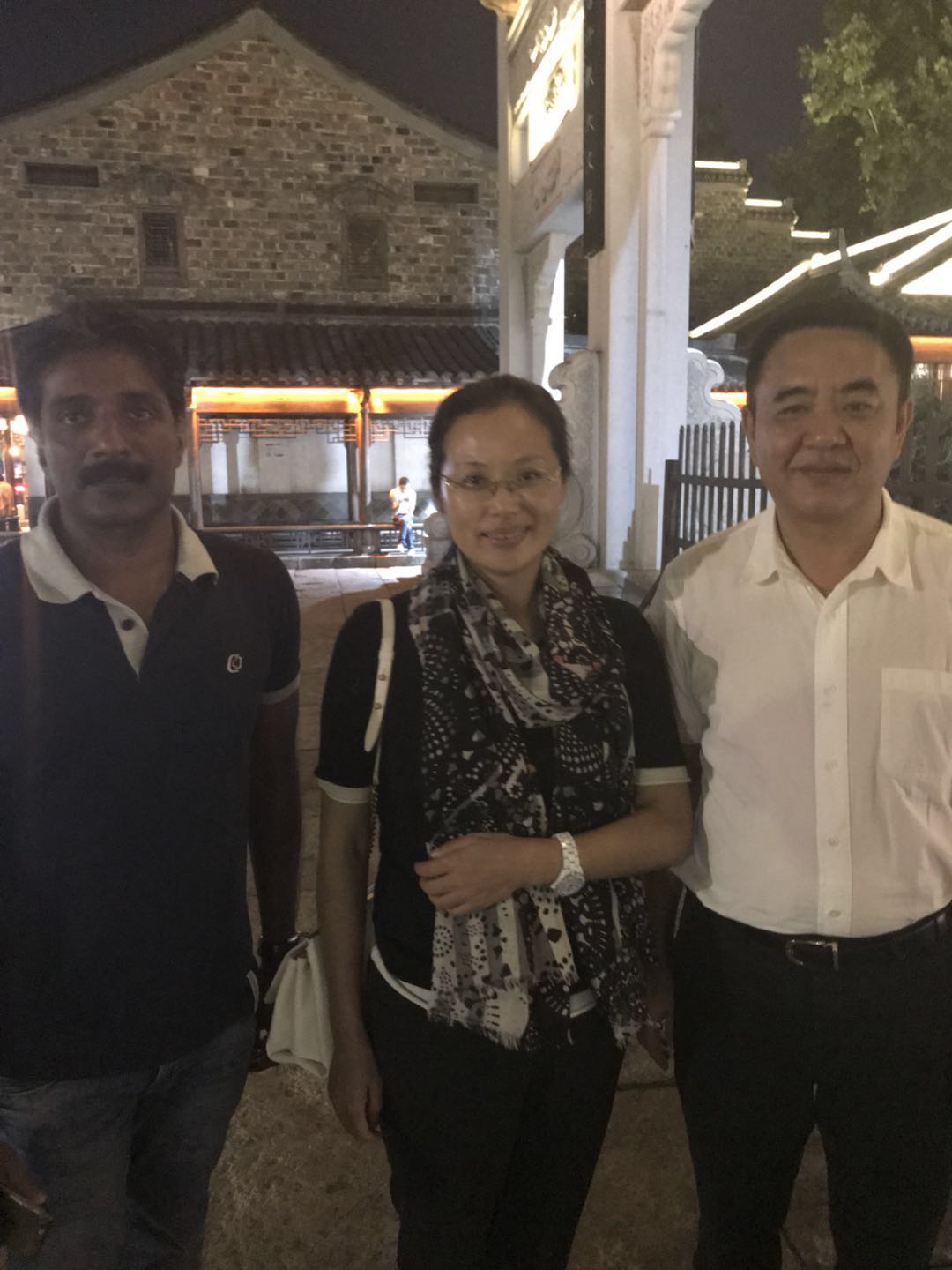
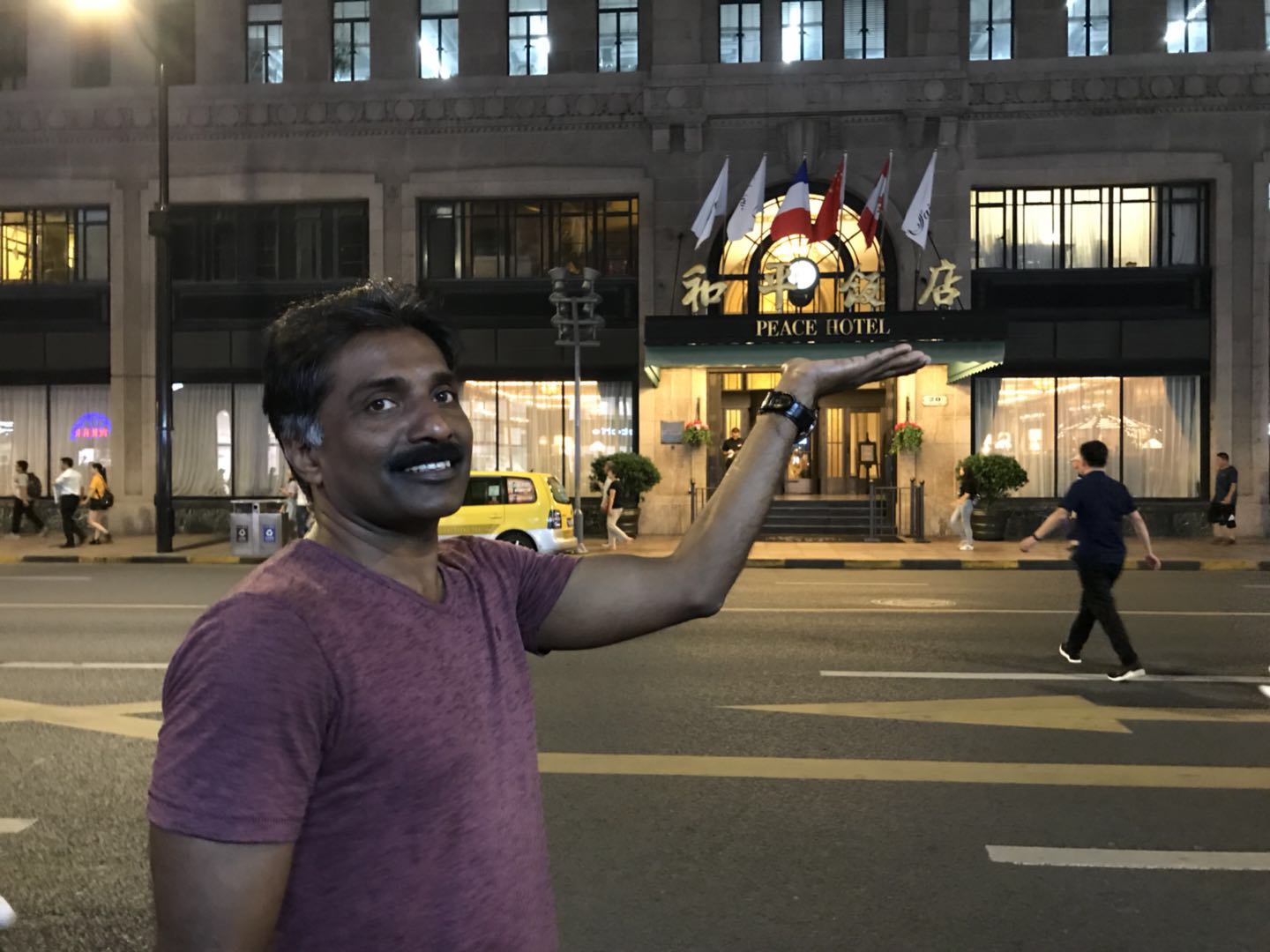
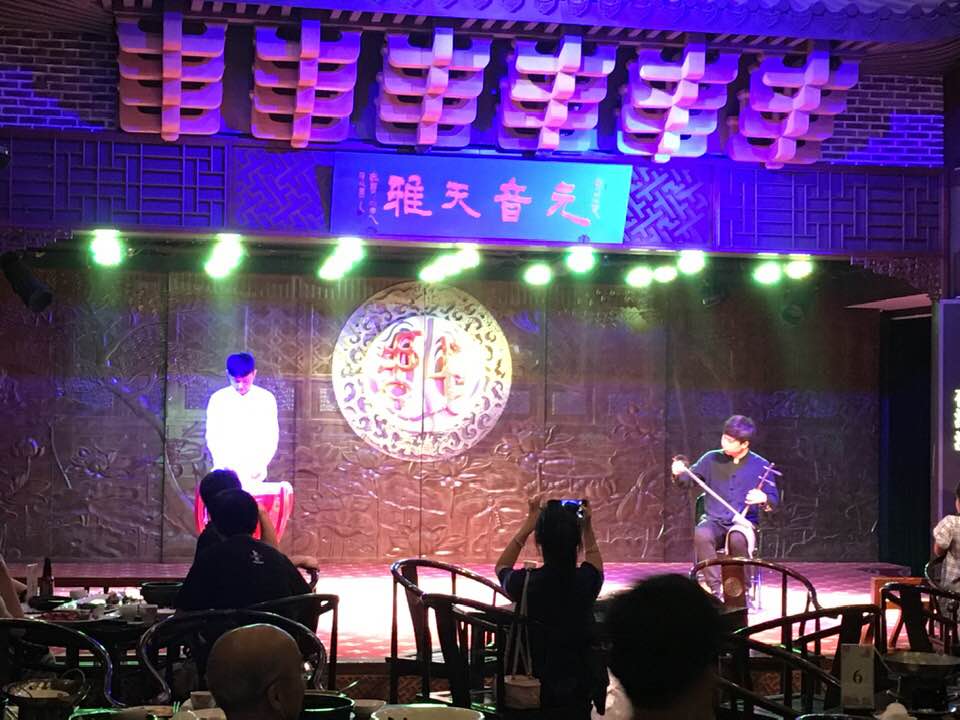
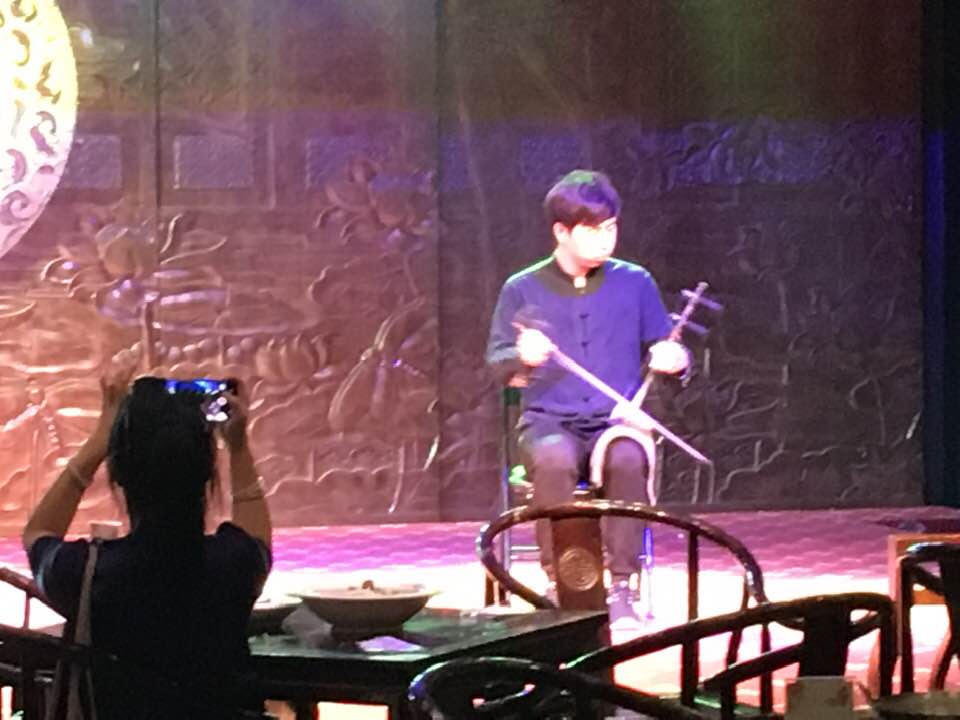
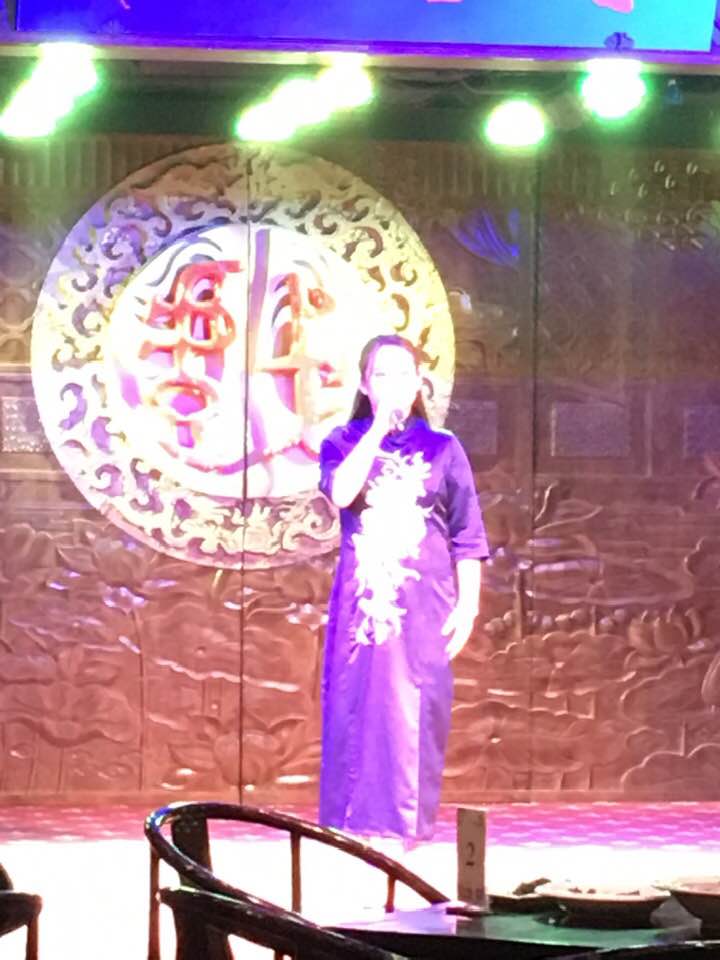
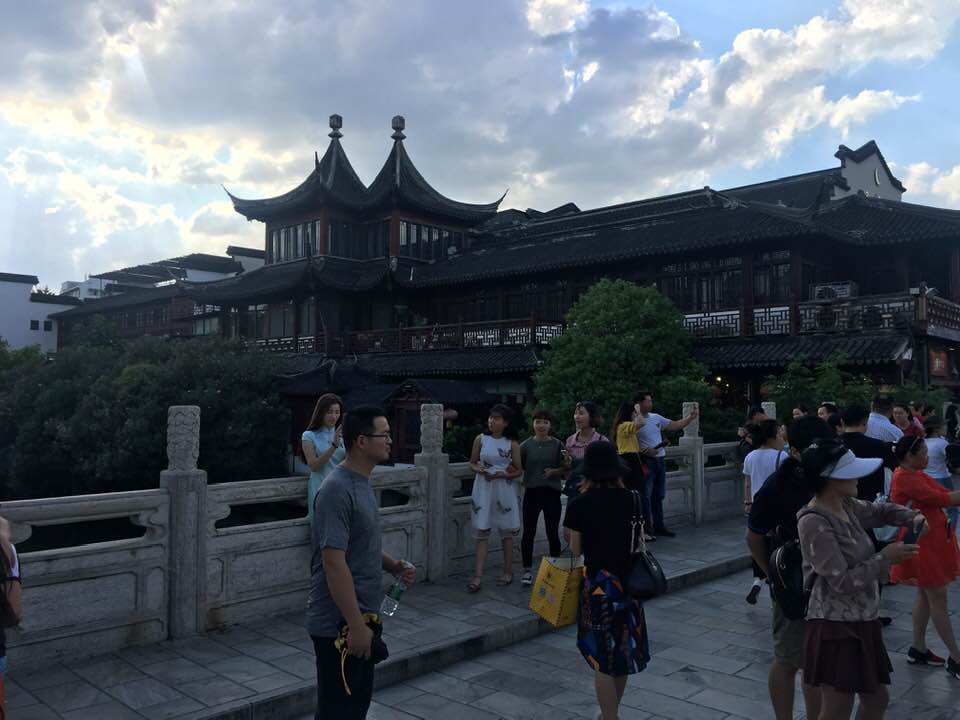
I made one visit to China in October 2019 and covered four cities: Guangzhou — pronounced as Gonchu — Shenzhen — pronounced as Shenchen — Shanghai and Nanjing. The visit was a business trip, and I was fortunate to have a host who did everything possible to ensure that I had the best times in China. Ten days and four cities, and I had not seen a single uniformed-policeman on the public space. Number of police on the roads is a sign that I successfully used to cue on the public safety in the countries I visited. And China is placed high on this ladder.

A couple of interesting customs in China: when you toast a drink with an elderly person or anyone who is from a higher social or economic pedestal, you ought to show respect by touching your glass below the top level of his/her glass. Another one: if host takes extra care to serve you food occasionally even when all are having food together around a buffet table, it means that host considers you as a VIP guest. A praiseworthy thing that could not miss my eyes: No littering of skyscapes — the roadways and public spaces are devoid of any hoardings.This is particularly interesting that the Chinese Communist Party, the sole soul in the political space, could have easily put up hoardings of it and of its leaders to season the people but did not do so.

There are eight types of foods in China: Chuang, Yue,, Xiang, Lu, Su, Zhe, Hui and Ming. These cuisines are the culinary bouquets from eight regions of China, and each one tables a big menu. During my visit, I tried three types, with all giving plenty to relish; still, my Chinese host told me that I savored less than 5% of the Chinese cuisines. A visit to China will be a great going for a gastronome!

There is a saying that roads are the arteries of a country. These arteries are the channels through which the protagonists — people and goods — of economic development flow. As we know, for this to happen, the arteries need to be wider and free of potholes to avoid blocks of traffic jams. Good roads are part of a developed county, but having them in a developing country is definitively a sign of determination to develop. While in China, I traveled by road from Guangzhou to Shenzhen — 2 hrs. The roads were of top-class build, wide and free of potholes. I could see such good roads at all the places I visited in China.

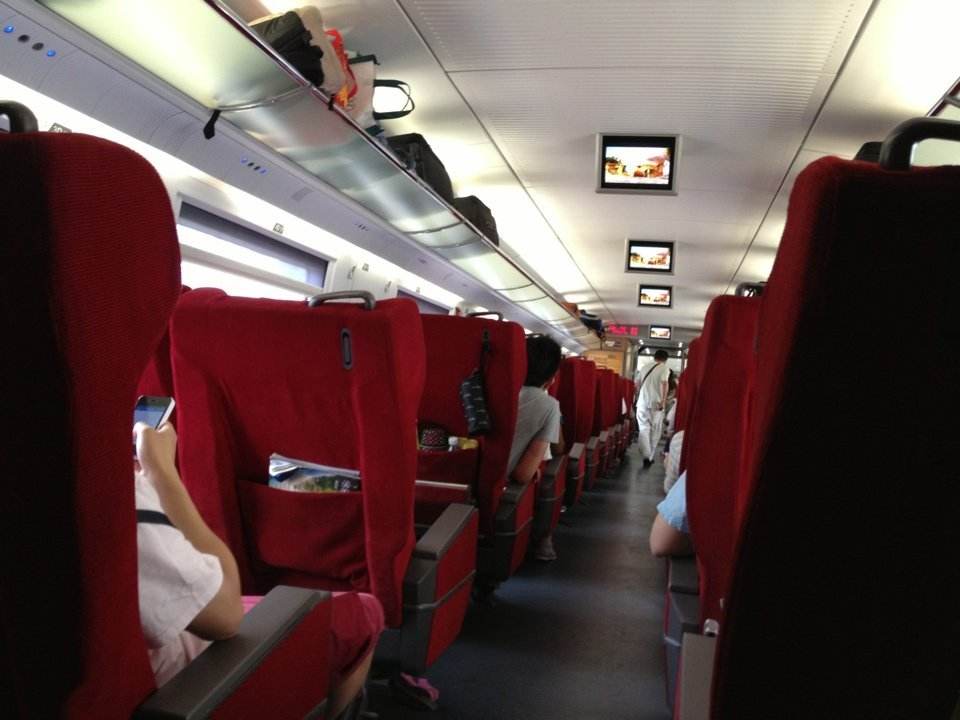
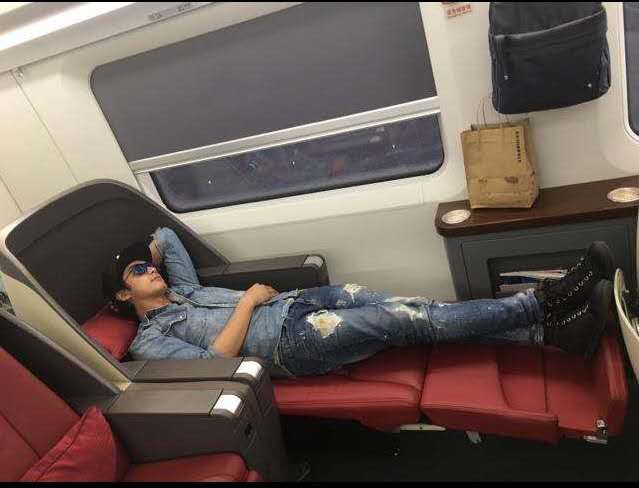
From Shanghai to Nanjing, I travelled by bullet train. It was a 4-hour journey. China had done exceptionally well in connecting different parts of the country by bullet trains which are clean and do provide top-class services. The make and facilities at the bullet train stations, which I saw, are of sterling quality and better than those we find at airports in many countries. The travel was a smooth ride through the urban, suburban and rural areas. China has got beautiful country sides, and the journey gave me an opportunity to scan this scenic and rustic canvas. The train traveled through populated areas, and in order to protect the people residing near the railway tracks from the sound nuisance, sonic-barriers were erected on either side of the track. Wow, I was delighted to learn this from my host that such care was being taken by the government.

A country develops when the whole country, including cities and towns, develops in a similar, uniform way. Shanghai is the commercial capital, has bigger buildings and other civil structures befitting its economic importance. However, the quality of civic infrastructures like roads — covering all: thoroughfares, link-roads and pathways — public parks and other urban management systems that I saw in Shanghai were also present in cities like Guangzhou, a manufacturing hub; Shenzhen, known for fish-processing; and Nanjing, a cultural and historical city. The ratio of luxury cars to non-luxury cars, a sign of economic health, is higher in China as compared to many other countries, and this was also almost similar at the four cities as I could observe.

The economic development in China seems to have given economic and social freedom to many of its women, which was not so decades ago. As I understood from my interactions with a few people during my visit, economic development took the women along with it, resulting in the breaking of glass ceilings that once stopped women from venturing out to make career and personal choices. Now, many more women are economically independent as they are educated, employed or entrepreneurs. A commendable achievement in empowering women! And this is a great achievement for the humanity! My host was such an enterprising woman who started her business 20 years back, faced and overcame social barriers, now, a successful entrepreneur.

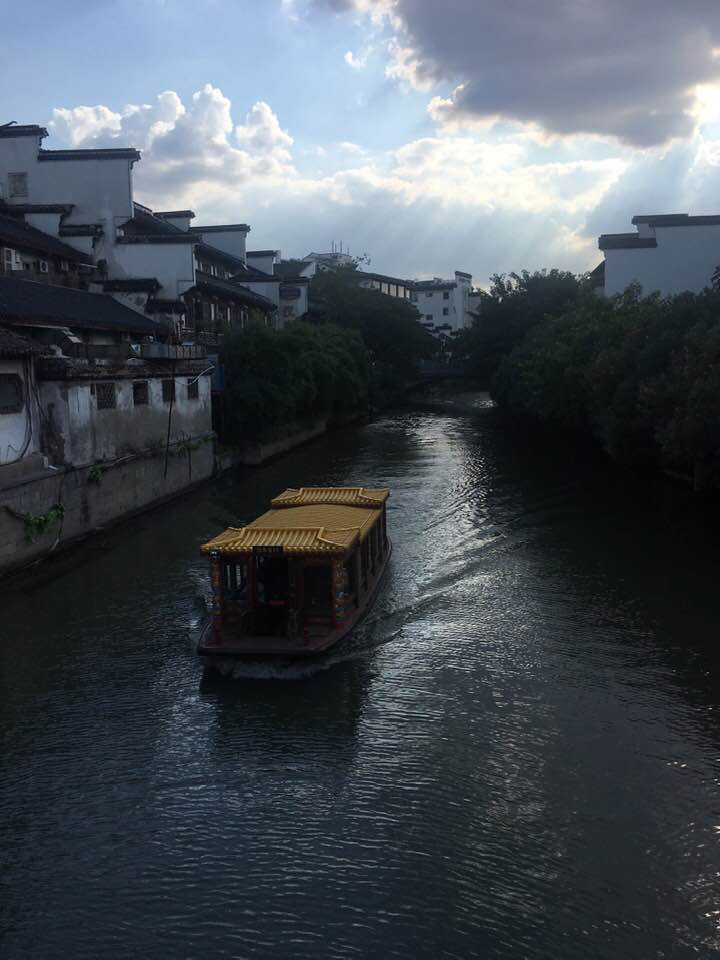
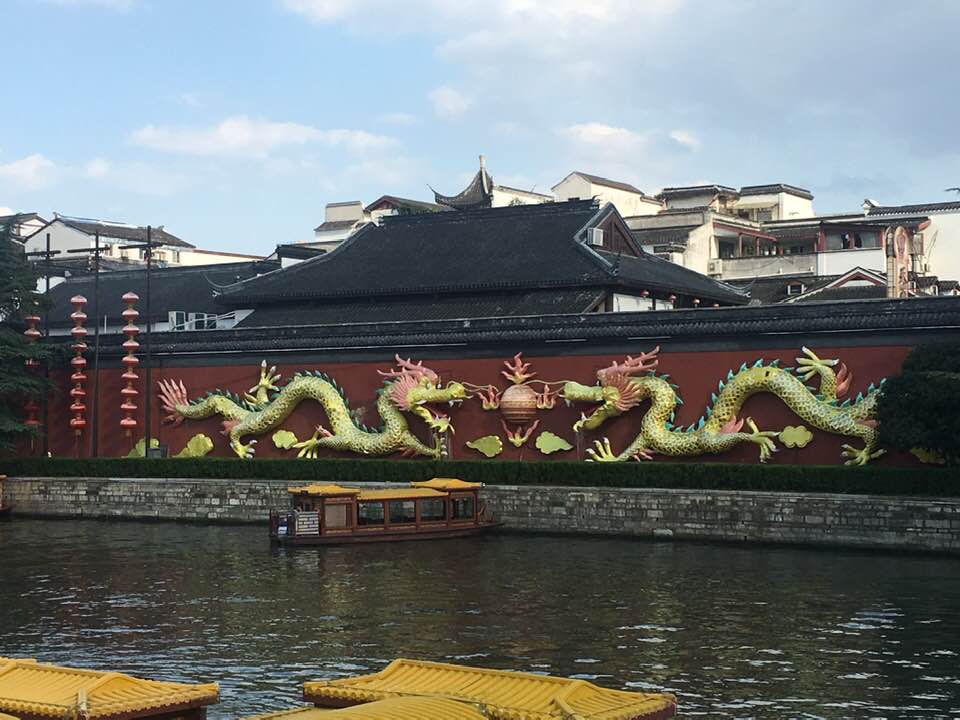
Nanjing is a cultural city. 

In Nanjing, I visited Sun yat-sen’s Mausoleum. Dr. Sun is considered as the Father of the Modern China, who fought against and ended the imperial Qing monarchy and established the Republic of China.

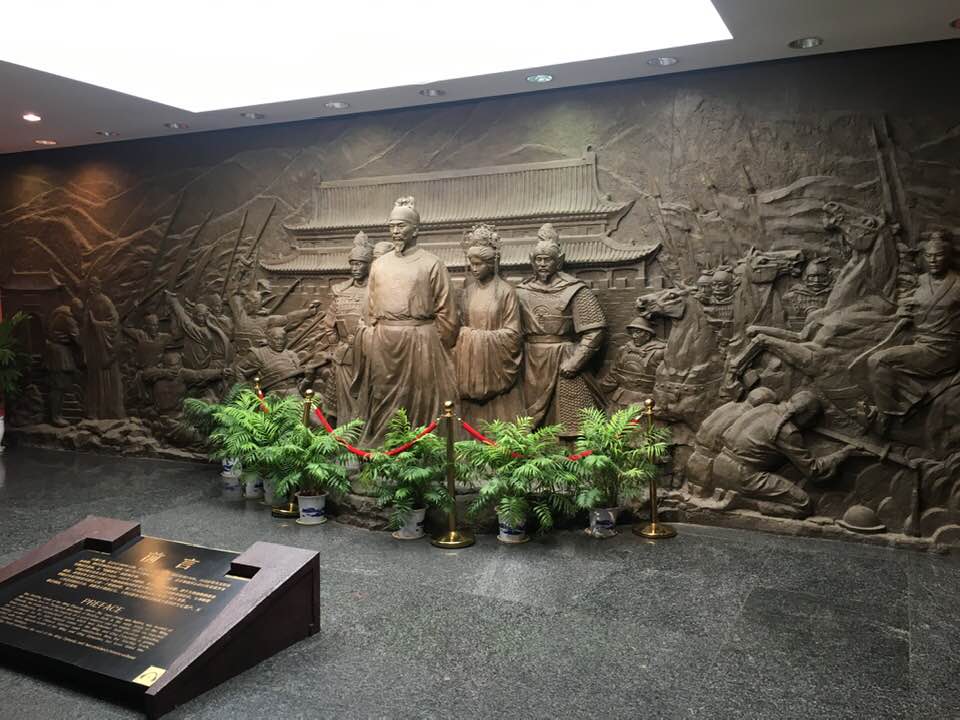
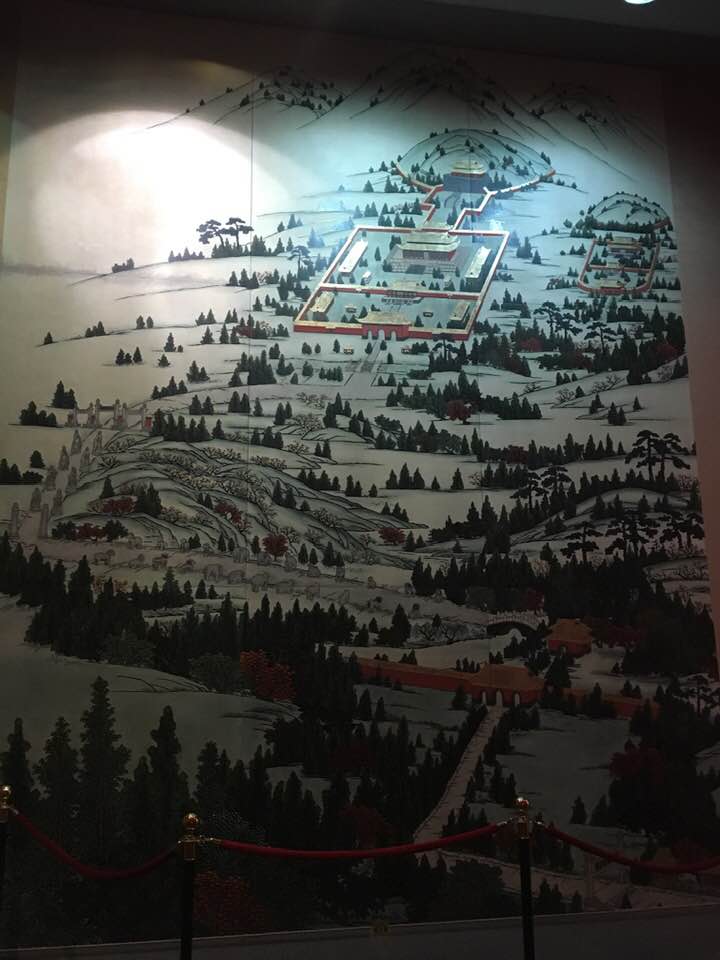
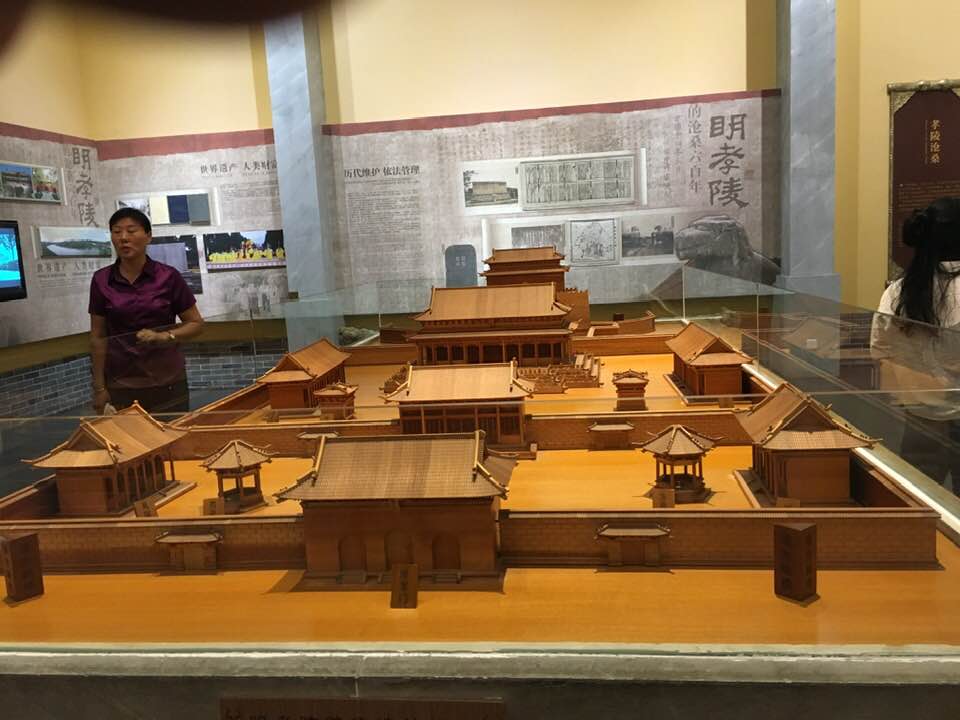
I also visited Ming Tomb Museum in Nanjing.


I was impressed with the progress China had made so far. Political correctness of observing only social and economic aspects but missing out factors like political freedom and human rights is questionable, I agree. 

I visited many countries, and the hospitality I received in those countries were always good. Many hosts that I came across took extra care to make me feel at home. With due respect to all these countries and the hosts, let me take the liberty to tell that my Chinese hosts — the entrepreneur-woman, her husband, her son and her staff — outdid others to give me memories galore to relish. I returned to Dubai after having a satisfying and stupendous time in China. May God bless China and its people!

Parenting — The Most Rewarding Act in the World

The first thing that comes to my mind while thinking about parenting is safety and security that parents are duty-bound to instill in their children, followed by teaching children to be honest, responsible, independent and to have balanced use of heart and mind. Let’s look at these elements in detail.

Should we fear or respect God? I am not at all comfortable with the phrase: God-fearing. I prefer God-respecting to God-fearing because there is no love where there is fear. As our children grow up, the first thing we usually do is to instill fear in them by telling them to be God-fearing. If children are to fear God, whom else should they not be fearful of? As a parent who wants to instill  safety and security in his/her children, the parent’s first priority should be to teach children to not fear God but respect Him. God-respecting should give way to God-fearing. Once this holy-fear is replaced by holy-respect in the ecosystem of upbringing, children will be respectfully daring to question and learn without fear.

As a parent, what feeling should I be able to evoke in my children? The answer is obviously not fear but safety and security. How do I do it? By dealing them with love and respect. 

Children will be grown up with the virtue of honesty inherent in their character provided that they do not learn dishonesty from their parents. It is almost but impossible to preach honesty to children when we show dishonesty or lie in their presence. For example, if you understate the age of your children to avoid spending on entry pass for a park and that your children witness this blatant lying by you, then you are unknowingly teaching your children dishonesty — a few bucks are saved but a BIG damage is done. A cloth that we use to remove dirt from a place should be dirt-free and clean; otherwise, we shall be inadvertently adding some dirt from the cleaning cloth to the place to be cleaned while removing the targeted dirt. A parent should have a clean hand like this cloth to mould up children who will be honest.

With social media having one of the biggest influences on how people think, hence, react, modern-day parenting faces a very difficult challenge: how to prepare our children to differentiate between fake and real information? The unabated flow of realistic-sounding fake information streaming down on social media unknowingly makes even an adult to take them as real. However, a conscious second-look at them reveals their fictitious identity. Teach children to have a second-look at information before reacting to them.

Being responsible and independent are two quality attributes that are closely inter-linked and mutually inclusive. After I stopped having mother’s milk, my mother started to spoon-feed me. And she stopped spoon-feeding me when I was grown enough to hold a spoon — I remember me, from the age of 11 years, washing and ironing my own cloths; helping my sisters in the household works; cleaning the plates after food; etc. I fondly and richly pay homage to my parents for allowing me to hold the spoon when I was ready to do so, and because of this upbringing, I was able to negotiate the difficult paths in my life and reach where I am now.

In order to make children independent and responsible, parents ought to stop spoon-feeding once children are grown enough to hold the spoons — grown enough to be independent and responsible. Independent is in-dependent, i.e., being independent means one is relying or depending on the abilities and capabilities present WITHIN oneself. Let me dwell a bit on being independent and responsible

In his best selling book, “The 7 Habits of Highly Effective People,” late Stephen Richards Covey, one of the finest writers of motivational books, talks about three things: dependent, independent and interdependent. He explains that a dependent person does not use his/her skills but banks on others for fulfilling own needs; and an independent person uses abilities and capabilities to navigate through life. He suggests that an interdependent world is better than a dependent or independent one. Interdependent is a mutually beneficial relation between two independent people as either benefits from it, and it is not possible to have an effective interdependent relation between two dependent-natured persons or between a dependent and an independent person as being interdependent is a two-way relation. He summaries by saying that be independent to effectively present in an interdependent world.

When we break down responsible into two words, we get response and able — able to respond. Responsibility is the ability to respond to problems and issues that come up in life. Parents should not respond for the problems that children ought to be responded by themselves once they are able to hold ‘the spoon’ by themselves, rather parents should assist and train them to respond in the correct way. A parent doing homework for the child is spoon-feeding while a parent sitting with and assisting the child to learn the way to solve the homework is making the child to hold and wield the spoon. It is disturbing to note that modern-day parenting is more of spoon-feeding than letting child to hold the spoon. 

The world does not have much patience to give space and time to your children to train spoon-holding. Home is the best place for a child to get ample opportunities to train itself to master holding the spoon. Mastering of holding the spoon means child having ample opportunities to be independent— to depend on herself/himself through usage of its inherent and acquired skills — and responsible — ability and courage to respond to various problems and issues. This courage is drawn by a child from its faith to depend on its own abilities. You can not make your child responsible without allowing it to be independent as they are mutually inclusive. And if you deny this opportunity to your child by keeping on spoon-feeding, you are preparing your child to fail in the wild, wide world.

A dilemma many face while taking decisions is whether to use heart or mind. Well, it depends on the situation and the role one plays. However, we need to teach our children to not lose their heart to mind but to mind their heart, too. 

Parenting is like training someone to become captain of a boat inside a comfort zone, which also involves controlling the rudder that decides direction of sailing, with the trainee on the captain’s seat. The comfort zone is the home, and parents’ presence during “the training” gives sense of safety and security to handle the rudder. Controlling the rudder means channelizing child’s energy and attention to the right, fertile ecosystem of growing up, which includes exposing child to the world of science and books that build up knowledge — a prerequisite to be independent and responsible; teach them to be courteous and sensitive to human sufferings; sensitizing about virtues and vices; and imbibing the importance of physical fitness because a healthy mind resides in a healthy body.

Absence of such shepherding/training called upbringing from parents may lead child to sail the boat through uncharted territories, possibly resulting in mishaps, sometimes in shipwreck. It is equally imperative and important  that we should hand the control of rudder over to child once she/he is grown enough — independent and responsible — to handle the rudder by herself/himself.

El Salvador

A career in International Sales throws up a lot of challenges and difficulties: Jet lag from a long haul flight; body dynamics vis-a-vis different climatic and time zones; introduction to unfamiliar foods; new languages; getting ready in wee hours to catch a flight; and so on. And the most challenging part is the inexplicable mix of thrill and anxiety while visiting a country for the first time. I was engulfed with such a feeling on April 6, 2014,  when I boarded the flight from Mexico City to San Salvador, the capital city of El Salvador.

El Salvador is a small Central American county with a population of 6.40 million. A 6-hour drive can cover the distance between the western and the eastern regions of the country. It is the smallest and the most densely populated Central American country. However, I found that San Salvador was sparsely populated, with traffic snarls, a bane of the most cities, absent here. The city has very few high-rise buildings,

I found that the people  were friendly and helpful. It is a Spanish-speaking country. Security is an issue, I was told, but I did not confront any safety problem in San Salvador. However, one needs to be careful while visiting the downtown, and it is better to have a local person accompanying you while visiting this area. For business travelers, a visit to this place is unavoidable, for it is the business hub of the capital. If you happen to visit San Salvador, do stay at Santa Elena or Zona Rosa as these areas are safer. American visa holders can get visa on arrival in El Salvador.

I visited two tourist spots in the city. Puerta del diablo meaning “Gate of Devil” is a popular hill station for tourism, especially weekend tourism, for the nationals as well as tourists in San Salvador. It has got such a devilish name, for it was the place to torture people during the civil wars . From the city center, it is 2-hour drive to the hill station. I was motivated to climb the mountain after seeing children and elders alike climbing up to the hilltop with enthusiasm. The hill top is a fantastic place with stunning views of mountains. Watching sunset from the hilltop is an enchanting experience.  

Another tourist place of archaeological importance is “Ruinas de Tazumal,” a complex formed by pyramids which are placed one on top of another, with the top-most one being 23 meters high. It is located at 720 meters above the Mean Sea Level. This architectural group refers to two time periods: Late Classic period (600 A.D to 900 A.D.) and Post Classic Period (800 A.D. to 1200 A.D.). The structure is a ruin of the Mayan civilization, and it is believed to have functioned as a ceremonial place. The monument is situated at “Chalchuapa,” a place away from San Salvador by an hour’s drive.

Foresight

‘I knew it was going to happen;’ ‘I did not expect it;’ I knew we were wasting our time.’ We come across these kinds of retorts more often than not, and they are symptomatic of the presence or absence of one crucial factor: Foresight. There are two components in making judgments leading to decision:  Analytical look at facts and foresight. And in this blog, I will try to take a look only at foresight as I already dealt with the former in the blog titled, “What is the most difficult thing in life?”

Ability is the sum total of doable and potentially doable possessions that are naturally present in a person while capability is the set of skills that one acquires as she/he courses through life. We say “differently-abled person,” not differently-capable person. Right? This clarifies natural nature of ability and acquired origin of capability. Basic intelligence, talents, and wisdom come under abilities while skills, knowledge and experience are capabilities. Capabilities sharpen abilities. Foresight is the ability to see now every relevant factors from future, which will have a definite bearing on one’s capability to make judgments. The operative word here is ‘relevant.’  How do we develop foresight? There are two prerequisites to foresight: common sense and peripheral awareness.

It is difficult to explain what common sense is. Let me explain it with an example. Why do teachers, while examining answer sheets, use pens that have ink whose color is different from the ink color used by students? It is because, though not meritoriously relevant, same color ink will make teachers’ notes and markings visibly irrelevant. Thus, in order to make their markings and notes visibly relevant on answer sheets, teachers choose pens with different ink color. So we can say that common sense is the ability to differentiate relevance from irrelevance in order to choose relevance.

Analytical look is reasonably filtering through facts available in the immediate arena of a subject on which decision has to be taken. And you need a bridge from facts to reach foresight, and that connecting link is peripheral awareness. Peripheral awareness is the ability to comprehend the extended reach of facts-of-the-matter without losing focus on the facts itself. It largely depends on the faculties of decision-maker to conjure up that reach. Let me bring in the game of cricket to illustrate what peripheral awareness is meant by in decision making.

The Time Magazine, while featuring the cricketing legend, Sachin Tendulkar, on its cover page titled “Cover Drive,” mentioned ‘Peripheral Awareness’ as one of the qualities which enabled Sachin to emerge as the most successful cricket player that the contemporary times had seen. The magazine further explained that while batting, including while facing the toughest ball from the fiercest bowler, Sachin had the entire ground, especially positioning of fielders, on his frame of mind so as to adjust his batting to find gaps and score though he did not look around frequently. In an abstract, peripheral awareness, as also explained by the magazine, is the ability to factor in facts from all the possible extended reach without overreaching.

Subtle clues — that can be verbal and/or non-verbal —  which we usually fail to notice during social and interpersonal interactions are the food for foresight. Noticing and deciphering them reveal general contour and portends of things to come. There are people who have the ability to see the appropriateness or inappropriateness; and relevance or irrelevance of these subtle clues as they flash before them although present utility value of these clues is negligible or naught. As a corollary, they visualize and judge the future ramifications of these subtleties, filter out irrelevant things, arrive at educated inferences and keep them on a ready-to-use mode as and when required. It is to be noted that you can not catapult yourself to this deliberate sight-in-advance from facts but have to cross the bridge of peripheral awareness to reach there because you also need the help of the extended reach of facts to decipher subtle clues.

A piece on foresight is incomplete without touching on hindsight and farsightedness. Hindsight is post-mortem analysis to understand something after it happened. Foresight is an intangible asset with future value while hindsight does not qualify to call itself as an asset though it may offer a few pointers for future. 

Farsightedness is a medical condition in which one can see distant objects clearly but nearby objects blurry. So figuratively, farsightedness also means ability to see distant physical objects. Furthermore,  farsightedness is a synonym of foresight, and both can be used interchangeably barring one context. Let me explain this usage difference with an example. A good driver is said to have long and much-beyond visibility, making the drive as careful as he/she otherwise does even when there is good distance between the driver and the vehicle just ahead. In this case, we can say that driver has farsightedness, not foresight. Barring this exception, farsightedness and foresight are interchangeably used. 

Analyse facts, build a bridge of the extended reach of the facts called peripheral awareness, cross it and bring home relevant insights from subtle clues. And thus allow foresight to add value to correctness in decisions you take in life.

The Land of The Highest

The Kingdom of Nepal was the only nation in the world that had Hinduism as the state religion. It was till 2007 when the elected representatives of the new parliament in Nepal abolished the monarchy and pronounced the country as a secular nation which was renamed as the Federal Democratic Republic of Nepal. Nepal is a tourist destination, especially for the Westerners, who wish to learn and experience the rich oriental heritage.

The capital, Kathmandu, is a quiet city placed in a valley, surrounded by a circle of mountains. An aerial view of Kathmandu:

There are many tourist attractions in Kathmandu, among them the most famed one is the Mount Everest, the 8848-meter high rooftop of the world. Thanks to a mountain flight, I went to the marvel as close as a few kilometers. The sky was clear, so the mesmerizing views of the peak and of the snow-capped adjacent mountains were clearly visible. There are tour operators in Kathmandu, offering flights to the mount at a cost of USD 200. The flight is an hour’s outing in the early morning hours when the likelihood of clear sky will be higher.

Visa is available on arrival for most of the nationalities, including the Indians. As a people, the Nepalese is closer to the Indians in terms of culture, food habits, lifestyles, etc. There are historical as well as clannish linkages between the peoples of India and Nepal. English and Hindi are the common languages spoken in Nepal, with the Nepalese language, Gorkhali, being the most spoken among the natives. There are many Indian restaurants in Kathmandu, and the Indian currency is accepted in Nepal. The economies of the two countries are also interlinked, with the Nepalese currency, also called Rupee, being pegged to the Indian Rupee. 

Another must-see tourist attraction is the 5th century built Pashupatinath temple. It is one of the most significant Hindu temples of Lord Shiva in the world, housed on the bank of the Bagmati River. The temple is considered as the seat of the national deity, Lord Siva. The temple complex has a string of temples and ashrams that have well-carved portraits of different Hindu deities and other important Hindu cultures. The temple is named in the UNESCO World Heritage Sites list. During my visit, I had seen a cremation along the bank of the river which runs beside the temple.

The Budha Stupa, a world heritage listed site, is another attraction in the city. Boudhanath Stupa, or Bodnath Stupa, is the largest stupa in Nepal and the holiest Tibetan Buddhist temple outside Tibet. It houses relics of Buddhist monks and nuns from centuries-old times. It is situated in the town of Boudha and is a centre of Tibetan culture in Kathmandu. Of late, the Tibetan people settled in Nepal came under severe restrictions thanks to the Chinese government pumping in millions of USD for developmental works in Nepal. India made a few foreign policy blunders in the recent times vis-a-vis Nepal, and that drove Nepal closer to China. But, will Nepal go the Sri Lanka way of a well-laid debt trap by the Chinese? Only time will tell.

If you visit Kathmandu, do take a trip to Bhaktapur cultural city — a place of century-old architectural wisdom. Bhaktapur when translated to English reads, “city of devotees.” It is located in Bhaktapur District in the Bagmati Zone. It is listed in the UNESCO’s World Heritage roster. Bhaktapur, established in 12th century, is famous for its art and architecture. It is a city steeped in culture that survived natural disasters such as earth quakes and invasion attempts over the centuries. 

Basantpur city houses many immaculate temples of Hinduism. I visited the the Mahabudha temple in Basntpur.

The Rudravarna Mahavir temple in Patan city, a city of fine arts, is another tourist attraction.

If you wish to capture the beauty of a sunset in the backdrop of oranging mountains, go uphill to Nagarkot, a sleepy village in Kathmandu, which is 7200 feet above the Mean Sea Level. Naagarkot is well equipped to receive tourists, with the place bustling with throngs of tourists. The overlooking view of the snow-covered Langtang range of mountains, which with an elevation of 7205 meters is the 106th highest peak,  is fantastic. A view downward from the place is another wonder — cascading views of houses on the hills.

A holiday in Nepal will be worth taking out. And Kathmandu assures that a part of your holidays will be holy-days.

The worlds of Our World

Quite often we come across the following kinds of pop-ups in our social interactions: be practical, be realistic, you are living in an idealistic world, etc. We unavoidably traverse through three different worlds in our life. ideal world, practical world and real world. 

Ideal world is that part of our daily dwelling where we wish to have our ideals to drive us while dealing with various issues that come up in life. Ideal is a principle or a set of principles that you keep close to your heart and consider them as the guiding spirit of your life. Ideal can also be read as I-deal. Hence, an Ideal world is that which has value systems with which you can identify yourself through your principles. It is extremely difficult to live through our idealistic world because the dynamics of the bigger world do not give enough space for it. Let’s not confuse ideal with ideological. Ideological is being wedded to an ideology whose aim has a broader, worldly cause and appeal. Ideals are intrinsic to a person, so it is personal while ideological has linkage to external so is social. 

Practical world demands us to behave in a certain way which has a precedent but with our volition. It is the world that has set norms and standards to do things in a ‘certain way,’ and these norms and standards are indicators of the practicality as shaped by the society over the years. Living in a practical world can be a bane as well as a boon. It can be a bane as it limits you to a comfort zone of set dos and don’ts,hence, highly likely inhibits you from branching out and finding new, efficient ways of doing things. It is a boon, for it gives a proven and successful but not necessarily efficient way of doing things.

Real world offers freedom to tailor-make the way we want to deal with various issues in life without the need to tread the historical paths. In other words, real world offers unconditional freedom to an individual to use his/her intelligence and wisdom to navigate through life. However, operational part of this freedom can be subjected to influence by external forces that can be either innocuous or inimical. Let’s  look at these forces in detail.

Our decisions ought to be based on reasoning, thus, not putting our volition, the willingness to act, to undue test. But our volition will be severely tested when real world gets spiced up with vested interests and spin-doctors whose deceptively convincing explanations can influence our thoughts to the extent that our views and perceptions — contributors to volition — get changed without our conscious reckoning. We all can probably take correct decisions if enough lead time is given to act when an issue or problem pops up in our life  However, when put to an impromptu situation, many fail to respond with correct decisions. This is where it is easier for spin-doctors and vested interests to play their games to manipulate our thinking, thereby putting huge pressure on our volition. 

How do we cordon ourselves from such inimical forces?  We need to realize that except against truth, there is a shadow running parallel to anything and everything in life. Vested interests play in this shadow and try to make us believe that the shadow is the real thing. How far we are capable of succumbing to or successfully resisting such shadowy-manipulation depends on our ability to see the fact of the matter. 

But we also come across good people in real world. How do we identify them? In  a discussion, if a person unknowingly loses his/her diplomatic cover and starts to talk from the heart, then pay good attention to that person’s words as those words will possibly have the truths and facts that you are looking for.

Life  is more realistic than practical though we wish to have an idealistic life. It is all but possible to have an idealistic life as most part of our life goes through either practical or real worlds or both, out of which real world is the one that we confront more often. Hence, in order to survive in this world, we need to be not only practical but also sensitized to the merits and demerits of real world. 

A life without ideals is a life not worth living. “For what profits a man if he gains the whole world but loses his own soul,” the Holy Bible says. So we ought to make our ideals a part of our real world as much as possible even when we are not able to fully do justice to our ideals. A day without learning something is a day less lived. And our ideals are the foundation on which this learning accrues on. Live a life not succumbing to the norms and standards set by the society, branch out and create your own world by fighting it out in the real wold without losing your ideals. “Do not follow the footsteps, create your own milestones.” ~ Steve Jobs

The Land of A Thousand Hills

If you ask me, “Which is the cleanest city in sub-Saharan Africa?,  I will answer, “Kigali.” Safety being the primary criterion involved in deciding your tourist destination, you, I am sure, will ask one more question: “Which is the safest city in sub-Saharan Africa.?  I will add Accra, the capital of Ghana, to Kigali to answer your question. My answers are based on me visiting 33 countries in Africa, spanning 15 years. Kigali, the capital of Rwanda, is the safest and cleanest city I had come across in sub-Saharan Africa. I visited Kigali many a time from 2007. One can venture out in the night without the fear of unknown. I did never face safety issues in Kigali though I used to go out in the nights. Plastic bags were banned in Rwanda from 2008. It is a practice here that people come out in large numbers and clean the city once in a month on the last Saturday when the entire city shuts, with no vehicles plying and no offices opened for a few hours in the morning. Also, to reduce carbon footprint,  the city observes car-free time till noon on the first and third Sundays on every month.

Rwanda is known as “The land of a thousand hills.” It sets itself in valleys and hills, so you can go as much uphill as downhill if you wish to take a walk along the city. The country has numerous hills in the backdrop of a green topography, and that is why Rwanda got the hilly pet name. In the night, Kigali looks wonderful with the houses and commercial establishments on the hills and in the valleys well lit that reflect like waves of lights in no-motion. There are plenty of motorcycle-taxis plying around for those who want to pillion-ride. Due this unique terrain , people pillion-ride on motorbikes even for short distance. Indian motorcycle brands like Bajaj and TVS are the most popular ones.

The people are very friendly and cooperative. I found them very helpful, too. I have a long list of customers from this country. Rwanda is a land-locked country which relies on Tanzanian and Kenyan seaports for cargo movement in and out of the country. Dubai is a favorite trade destination for the Rwandans to come in, purchase a multitude of products and take them home for making a living. Almost all of my customers are women, and I had seen women running many enterprises in Rwanda, a country where women power is in full play. More than 60% of the elected representatives of the Rwandan parliament are women. Great, isn’t it? 

A few of my Rwandan customers when they visited our office:

Historically, Rwanda was a Francophone country, thanks to the colonization of the country by Belgium for 46 years. The country got independence from Belgium on July 1, 1972. Rwanda has two prominent tribes. The people of one tribe, the minority totaling around 20%, are more than 6-feet tall and have facial features closer to the Europeans. The Germans, who colonized Rwanda from 1884, considered this tribe as the forefathers of the Caucasians, hence, gave prominence to them in administration of the country. The Belgians, too, followed this tradition. The people of the other tribe, which is close to 80%, are not as tall as the minority tribe but closer to other sub-Saharan peoples, felt alienated for centuries. All these pent up feelings took a bloody turn in April 1991 when the majority tribe came to the power, leading to a genocide in 1994. More than a million people were butchered in this internecine war in 1994. The United Nations and all the world powers remained as mute spectators to the worst genocide that mankind witnessed in the recent history. 

As a realization and respect for the people who were killed, Rwanda stopped identifying and naming the people based on their tribal ethnicity. I refrained from naming the tribes in this blog as a mark of respect to this heartening new tradition. The Rwandan government also encourages inter-ethnic marriages. An aftereffect of the genocide is that the country had moved from Francophone to Anglophone. It is alleged that besides not doing anything to stop the genocide, France provided weapons to the government that orchestrated the genocide against its own people. The new government that came to power after genocide decided to move from French to English as the official language. Now, you can see as many people as you want who speak English in Rwanda.

I visited the Saint Andre Church and the accompanying complex in Kabayi. This church is more than 100 years old. This venerable monument played a monumental role in saving thousands during the genocide.

There are about 200 genocide memorials in the country, and the one I visited had 250,000 souls Resting in Peace. When I walked beside the tell-tale pictures and narrations at the museum, I went completely silent. A pall of gloom was visible on the faces of visitors around, and I saw everyone silent as he/she moved along. At the end of exhibits, there are posters/portraits and photos of peace and forgiveness by the survivors as well as perpetrators. No cameras are allowed inside the museum.

The visitors were stunned into silence at the unquenchable hatred that the human mind was capable of and the havoc it could wreck. The genocidal memorial is a must-visit, for it is a powerful reminder of the viciousness of hatred. A stark reminder that there should never be another catastrophe like this! What I saw at the genocide memorial still lingers in me.

A few pictures form the museum:

Rwanda walked past its bloody future, and the county is one of the fastest developing economies in Africa. The country is also progressing well. From 2010, when I visited Kigali for the first time, to 2019 when I last visited the city, I could see massive development in the city. Many high-rise residential and commercial buildings adorn the skyline of the city. There exists an unusual camaraderie among the people, possibly as a repentance. Forgiveness and reconciliation as the national themes after the war helped to develop such a feeling of belonging-to-each-other among the people. I love Rwanda and the Rwandans and my prayers and well wishes are always with Rwanda.

Success Ingredients

Google says success means accomplishment of aim, and I borrow this definition to begin this blog. There is no one-shot formula for success; in other words, there is not any particular model to pinpoint that if you follow that model you will become successful. Nonetheless, there are certain ingredients that are common in any formula that makes a person successful in life. Let me list a few of them: goal, determination, passion, hard work, perseverance, discipline, humility, attitude of positivity and receptiveness. These ingredients are common terms as there are enough literature talking about them. Through this blog, I will make an attempt to define them. 

Goal is the output that one sets as the final destination before one begins the journey toward success. We have no goal but goals in life, and at the same time, goals are parts of a bigger GOAL of, say , progress or happiness, or whatever you choose.

Determination is the consequent-resolve arising from the realization that any shortfall in our capabilities vis-a-vis what the goal demands needs deliberate efforts to work on all possibilities to shorten the shortfall. The cumulative sum of our capabilities to reach a goal can not be taken for granted. Our capabilities need either sharpening or adding up or both, and it does not happen naturally but with deliberate efforts.

Hard work is putting in effort on mission-mode, devoid of laziness and procrastination. Laziness is overt aversion to do a work, with individual not necessarily knowing about such self-limiting trait. Procrastination is an act that gives momentous feel-good but false hope to a person that he/she will do the-task-on-hand later. Thus, laziness is remaining knowingly or unknowingly inoperative while procrastination is knowingly going to an inoperative state with uncertainty of when. Hardworking people hardly have laziness and procrastination in their character repertoire.

Perseverance is the non-competing edge of hope over faith without faith getting relegated. Faith is the present while hope sands for the future, and both are mutually inclusive. Hope is the energy that enables us to visualize a better-than-present future, and the strength of this energy is a manifestation of our intrinsic confidence — faith — in our capabilities.

Discipline is the ability to successfully negotiate the ambivalence between willingness and laziness in favor of the former, and intrinsic to this successful negotiation is the respectful adherence to self-established norms and rules.

Humility: When knowledge conquers us we become arrogant, but arrogance is replaced by humility when we conquer knowledge. Arrogance is “I-with-extra” feeling resulting from accumulation of knowledge or wealth or both, and most of us are prone to it. And if we can take that extra out, we can remain humble. How do we do it? Instate and reinstate the following thought into your character: I am NOT more or less with the knowledge acquired and/or wealth accumulated though I possess both knowledge and wealth.

Positivity: Everything has got pleasant and unpleasant sides. Attitude of positivity is the ability to absorb and reflect only the pleasant side. Merits of being in a positive mindset can be highlighted by looking at the deadly nature of the way negativity works in a person.

Unabated state of being in bitterness makes bitterness no more bitter, and this state is broken only when we get exposed to sweetness. This is exactly how negativity works in us; a person with a fixed negative mindset will continue to see everything only in a negative way until the person himself/herself realizes the state that she/he is in, and this realization comes from an eye-opening incident which can be a pleasant one or a tragedy.

It is important to keep ourselves away from negative people. We should cut such people off from our thoughts and daily life. Let me explain it with an example. Sometimes, we come across this: “The link is not available,” when we search for something or someone on the web, and even the repeated search attempts gives the same result. There is a lesson for us in it: in life, we come across many people — some masquerading as our friends and relatives — who are breeding grounds of negative thoughts and actions like jealousy, hatred, back-talking, etc. They knowingly or unknowingly make these toxic assets contagious to our lives and pollute us, many a time without our conscious reckoning. Just avoiding them is not enough to insulate us but complete erasing, like the web does, of such people from our lives is the best way to prevent their negativism deviating us from our journey of success.

Receptive to new ideas: I happened to read this somewhere: ‘We are students till the last day of our life.” Receptiveness can not be explained in a better way than this. The biggest hindrance to being receptive to new ideas is our false feeling of being perfect. Perfection is the progression from the accepted-norm to a point where you find a way to improvise the variable for which the norm is set, and the moment you find one way to improvise, door opens for another way. These openings happen only if we are open to embrace new ideas and knowledge that show up before us, irrespective of whether they are coming from our friends or foes.

So we are here. Success is a journey to a goal through hard work combined with determination, perseverance, discipline, humility, positivity and receptiveness. That’s it. No. Isn’t something missing? Determination, but, how do we remain determined till we reach our goal? Hardworking, but, how do we maintain ourselves on that hardworking-mode till we succeed? Similarly, for other variables like discipline, perseverance, etc. Yes, something is missing. And it is passion.

Passion is the fuel that energizes you to remain determined; to remain hardworking; not to give up but to persevere; be disciplined; be grounded; be positive; and be receptive. Where does this fuel of energy come from? From the present-value of the future satisfaction of accomplishment of goal. So let me define success as a passionate journey to a set-goal through hard work reminded by determination and aided and guided by perseverance, discipline, humility, positivity and receptiveness.

South America

Many people think Latin America is the same as South America, but it is not correct though South America is Latin America. Latin America is a broader term covering South America, Central America, Mexico and a part of the Caribbean islands that predominantly speak Spanish.There are 20 countries and 14 dependent territories in Latin America while South America has 13 countries, out of which I was fortunate to visit 9. In this blog, I will write about the Latinos of South America. My first visit to the continent was in 2007, with a trip to São Paulo, Brazil, and the last one I did was in 2019 to Peru and Paraguay. 

The most fascinating aspect about the South Americans is that they love their lives. Well, all the peoples of the world ought to love their lives. But there is something special when I say the South Americans love their lives. Here, people do not throw away their lives just for any cause. Have we ever heard of self-immolation or people blowing themselves up for any cause in South Africa? No. We see these kinds of self-destruction in Asia as a mark of protests for the causes people support. This love for life is also manifested in their lifestyles: the carnival spirit of the Brazilians; easy-going nature of the Ecuadorians; warm and good-heartedness of the Peruvians and liveliness of the Bolivians are some examples of this passionate love for life.

There are many definitions for honesty, and the one I like: Honesty is the principle of telling truth. The South Americans are straight and honest people. I experienced this both in my personal  and professional interactions with them. Even when I sent a commercial offer titled as the best offer, I used to keep 5% as a negotiation element. Later on, I learnt from my South American customers that when they saw the best offer, they logically interpreted it as the best one they could get from me. But I was not honest when I said the offer was the best offer. It was an eye-opening incident for me, and I learnt the lesson that honesty does not have space to pad truth. 

Honesty is not only telling truth but also not selectively hiding part of truth. I was floored by awe to experience the innate willingness of my South American customers to share all details of their business, including profitability, though I did not demand such details. Personally also, I experienced their honesty and forthright character. I will explain this with an example. I had noticed many Asians, including the Indians, have a habit of telling someone, who is waiting for them, that they will arrive in, say, 10 minutes even when they knew very well that they would not be able to reach in 10 minutes. But the South Americans do not do this, they are punctual to what they promised to be punctual, a sign of honesty. They are also straight in their dealings, and we do not have to do any kind of discounting or scaling up to arrive at correct judgment about what they say — no hoodwinking or lying or padding up of what they say.

The peoples of South America are friendly and do welcome visitors with a warm hug and pecks on the cheeks – in Paraguay it is only one peck. A very noticeable aspect is that there exists a heartening, seamless bond among the peoples of the continent, who hold goodwill for neighbors — the Chileans talk good about the Brazilians or the Peruvians saying nice things about the Colombians. In each country, there are roads or city centers named after neighboring countries — an Avenida Brazil in Lima, Peru; an Avenida Lima in Sao Paulo, Brazil. 

Food is South America has a wider plate, with the Peruvian cuisines being the best one. One interesting aspect about food of this region is that it, unlike Indian food, hardly uses oil in its making, resulting that we can savor the taste of dishes with their ingredients in their natural flavors. In India, we use much oil in food, and in that process, we miss out the natural flavors of many ingredients — oil partially takes ingredients off their natural flavors and gives different taste — as well as it makes us more prone to high rate of heart ailments. Recently, I read the Indians are genetically prone to heart-attacks, it might be because of our food habits over thousands of years.

Most counties in South America have re-planned their city-roads to provide cycle-tracks, thereby reducing carbon footprints! Life seems to be happy and eventful — in Brazilian terms: carnival spirit — with a hard-working week and a partying weekend. Discotheques will be packed on weekends, and they dance well with rhythmic movements; it is a visual treat to watch them dancing – the Peruvians and the Ecuadorians are the best on dancer floors. In all these countries, there are public squares and parks at the city centers where people throng during weekends, with festivities like music extravaganza, dance performances, painting exhibitions, makeshift eateries, etc. In many cases, respective municipalities organize such events as a part of giving people feel-good weekends. If you happen to visit any South American city like Lima, which has the Kennedy Park as the public square for weekend festivities; or Santa Cruz, Bolivia, where Plaza 24 de Septiembre is the city square, plan your trip in such a way that you will be in the city during weekend.

Weather patterns have moderate thresholds: winter and summer do not go extreme. I have been traveling to South America for the last 12 years and had never  experienced any safety and security problem. Many a time, I ventured out at night without having any problems. Try to stay at the city centers which are safer and lively. Well, almost all the cites have  got certain pockets where one should not go to at night. Apart from this common narrative, I found the South American cities safe and secure. In your lifetime if you have time and money, you should make a trip to South America, a world of different life, culture, lifestyles, peoples, food and wholesomeness. Two out of the New 7 Wonders of the world are in South America: Machu Picchu in Cusco, Peru, and Christ the Redeemer in Rio de Janeiro Brazil – I was fortunate to visit both. Colombia has got beautiful mountains; Rio’s Copacabana beach; seaside Guayaquil city of Ecuador; and many such beautiful places you will love to be in.

Notwithstanding the work, I enjoyed the days whenever I visited South America. I have only pleasant memories of South America! If I were given an option of rebirth, I would ask God to give me a berth for my birth in South America.

Why Do We Do What We Do in Life?

Why do we do what we do in life? Let me make the question easier: what is the purpose of what we do in life? I asked this question in an informal discussion with my friends. There were many answers: for happiness: to progress; to succeed; to help oneself and others; and so on. All these answers can be captured in one word: fulfillment. We do what we do to fulfill our needs and wishes.

Life is a journey to fulfill. Irrespective of the causes we support and priorities we set up, living inherently traverses on fulfillment. Satisfaction from accomplishment and consequent happiness derived are the norms based on which fulfillment is measured. Conversely, we are left with a feeling of unfulfillment when we do not achieve what we set our sights on.  Fulfillment is an end in itself, with the means — causes and priorities — getting changed as we course through various stages of life.

Fulfillment is two-dimensional: self-fulfilling and selfless-fulfilling. Self-fulfilling is all that you do for yourself while selfless-fulfillment is all that you do for your fellow beings and society. It is important that one keeps one’s fulfillment-basket filled with causes and priorities of both self – personal — and selfless – societal — elements. To what extent a person is acceding to his/her self-fulfilling wishes differentiates an autocrat from an accommodating person. An autocrat believes in personal aggrandizement and does everything possible in that direction, and in this process, his/her fulfillment basket has only personal causes and priorities. On the other hand, an accommodating-person’s self-fulling wishes are open to house others’ needs.

Personal-element brings in a mix of success and failure as we know. In other words, sense of fulfillment from personal milestones can be complete or incomplete. Even if you manage to have success and feel self-fulfilled, the most important  lesson that success teaches is that it is plain at the peak. So fulfillment from personal achievement can get plateaued as you stand more and more on the pedestal of success. There are many people around us who achieved everything that they wished for, still, feel empty and happiness-plateaued. And this is because their basket of fulfillment had only self-fulfilling wishes and was devoid of self-less fulfillment elements. 

On the other hand, societal-elements like charity give satisfaction and happiness unconditionally, for GIVING itself is happiness — there are no expectations of any tangible returns. Hence, societal-elements can make one’s fulfillment-basket significantly filled with and even capable of balancing out the incomplete feeling arising out of unaccomplished goals or fatigue from self-fulfillment plateau. Charity is intended to lessen human suffering. It is said that being sensitive to human suffering, a sign of goodness, is the underlying force behind charity. We can possibly interpret that such a mindset is an offshoot of the bigger goal of fulfillment. Social-element of being part of and contributing to charity opens up a way to satisfaction and happiness at individual level. In other words, selfless-fulfillment flows into and merges with self-fulfillment. 

Why we do what we do? Fulfillment. Include others also  in “your what.” A man who has social causes and priorities, along with personal causes and priorities, in his basket of fulfillment, is geared toward a more fulfilling life.

Gorgeous Georgia

Georgia, an erstwhile province of Soviet Russia, is one of the tourist attractions in Europe. It is a small but beautiful country of around 4 million people and a scenic attraction for a tourist who looks for an outing that will be easy on the purse. The capital city, Tbilisi, is set on the bank of Kura River, an eastward flowing river that connects the old city with the new district. The river is wide by only less than a kilometer, and that makes the riverine beauty more eye-catching from either side of the city. Georgia is in Eurasia and at the crossroads of Europe and Asia, hence, historically witnessed numerous power struggles by the global powers, And Tbilisi was the seat of such contentions. The city’s architectures — from medieval to modern era — are of priceless tourist value.

In Tbilisi, the most attractive tourist spot is the ‘Narikala Fortress,’ a 4th-century fort built as a defense of the city. There is a cable car running from the new district of  the city, over the river, to the fortress, and a trip through the cable gives a bird’s-eye view of the city. At the fortress, there is a castle, a church and a big statue of a woman. The name of the statue is ‘Kartlis Deda,’ meaning  ‘Mother of Georgia,’ and it was erected in 1958. When I visited the fortress, I was fortunate to witness the baptism of a child at the church. One the way back, do not take the cable car but walk downhill, for you can sense and feel the beauty of the city better than what you had witnessed from the cable car. There are a few bridges connecting the two sides of the city, and amongst them, the ‘Bridge of Peace’ is an exclusive footbridge built with steel and glass in 2010. It has got lot of illuminating LED lights, and the bridge is a sparkling marvel at night. If you are a boating enthusiast, take a boat ride at night on the Kura River. With all the lights on at the Peace Bridge; cable car running overhead; and with closer-lit river-banks on either side, you will enjoy the cruise to the fullest.

There are tuk-tuks to take you around the city, or you can take a walk in the city which is peaceful and safe. You will see a lot of roadside fruit vendors selling fresh fruits. They are tasty as I had tried a few items. Tbilisi is a small city with many places to exchange currencies. You can find many eateries selling local food, Indian cuisines, etc. Georgia is a country to where many people, especially Indians, come with a false hope of entry into European Union. There are agents who charge hefty sums to bring people to Georgia by saying that Georgia will soon join European Union so that they can be in EU by being in Georgia. Many unsuspecting people fall victim to these unscrupulous agents and end up in Georgia, doing menial work. I met a few Indians who landed here with EU hope.

The pictures of the fortress and the city that I clicked are there in the following link:

The beauty of Georgia lies in its mountains, so you need to go uphill once you are in Tbilisi. Going uphill is not an uphill task as there are many tour agents who arrange 1-day, 2-day trips to mountainous towns. I made a 1-day trip to Kazbegi, a hilltop town 160 km north off Tbilisi, with the Russian border hardly 10 km away. Kazbegi is a panoramic place that set itself 1990 meters above the Mean Sea Level and surrounded by beautiful mountains which are famous attractions for skiing enthusiasts. And tourists to this place wrap up their visits by driving up to a mountain top where an old church is situated. I could not go to this church because it was raining, and the tour-guide advised against going to the top due to possible landslides.

The way to Kazbegi is a 1.9 km uphill journey of beauty and wonder. You will be amazed at the virgin beauty of the nature at its best! As we climbed, our first stop was at the Zhinvali Water Reservoir, the lifeline of Tbilisi city as it single-handedly quenches the thirst of the 1.50 million residents of Tbilisi. I was impressed by its natural beauty — calm, clear water-mass overlooked by green-clad mountains. Further drive the way up, there is a 13th century historical place: the Ananuri castle. It was the seat of a local dynasty, and this fortress has the remnants: cave-to-a-riverside path for women and children to escape in case of an enemy attack; military meeting rooms; smoke tower which indicated to public — in those times — with white or black smoke if those crossing into the town were friends or foes respectively; and a church.

Further up, there is one place where the White Aragvi river meets the Black Aragvi river; they confluence without mixing and course away from each other after a few kilometer downstream. The river was starved, enabling us to go down to the basin to touch and feel the water. Traveling uphill from here, there is the Russia-Georgia Friendship Monument, a hemispherical concrete structure overlooking a valley in the backdrop of Caucasian mountains. And the structure has beautiful murals. When we went out of the bus, it was cold, not freezing cold, but suddenly there was a drizzle and wind with temperature going below zero degree – it was piercing cold, and my hands started to pain.

On our way back from Kazbergi to Tbilisi, we saw the Mountain of Natural Mineral Water. Mineral water keeps flowing out from the mountain day in and day out, and people drink this water directly without the need of any artificial purification. It flows down to the roads, and tourists halt here to click and taste the water, so did we. The water is orange in color and does taste a bit metallic. This natural mineral water is bottled and sold by a few companies, and in Europe, Georgian natural mineral water fetches a premium price. A pictorial tour of the trip is given in the following link:

The dawn-to-dusk outing gave a lot of beautiful memories to take away from Georgia 🙂 

Caution on Novel Coronavirus 2019

The world is gripped with fear of the new member of the Corona virus family: 2019 Novel Coronavirus (2019-nCoV). It has been so far reported in 18 countries, with major chunk coming from Wuhan, China, the epicenter of the outbreak. As of now, nobody is an authority to conclusively talk about this virus because the virus is a new strain and is under study. I am not all an expert on virus or virus biology. So the elements and issues I mention about this virus are learnt from the whatever news I could go through, and my inferences are from those news.


The dangerous and unique nature of this virus is that it can spread from an infected person to another person before the incubation period. In this context, incubation period is the time taken by virus to go full-blown after it infects a person, and the infected will start to show symptoms of disease only after the incubation period is over. If you take Ebola, SARS and similar viral diseases, all these diseases spread from an infected person only after the incubation period is over which is the time when the infected person starts to show symptoms of the disease. But 2019-nCoV defies this “usual gentleness” of the virus family. It spreads from an infected person possibly from the day one. The dangerous nature of this viral character is that we may deal closely with someone who has this disease but he/she does not know about it and end up in getting this disease from him/her. And by the time the initial infected person shows symptoms of the viral attack, he might have unknowingly given this disease to most of those with whom he/she closely interacted. That is why Xi Jinping, the Chinese President, told that 2019-nCoV was the most dangerous virus ever attacked China. See the following examples:

In three countries: Germany, Japan, and Vietnam, people who never traveled to China got 2019-nCoV virus. Let us look at couple of these specific cases. In Japan, an airport-bus driver, who picked up the people who came from China, got infected. An expert says this incident is very concerning if it stands up to scrutiny because it is possible that he got the virus from someone, who was infected and was in that bus, through air – read, air-conditioner in a bus — and the same thing may happen at a clinic or hospital, the expert opined. In Germany, a physical trainer, who trained with a Chinese who came from Wuhan, got the virus. The Chinese was healthy to do the gym training, still, carried the virus without showing any symptom. He completed the training and went back to China. But his trainer is now fighting for his life at a hospital. See the danger that the infected person was healthy, still, not showing any symptom but could infect another person with either of them not knowing the danger.


The above incidents throw up a lot of questions about this virus that are very relevant for our health. If an infected person – nobody knows that he/she is infected — is in a closed area like an office, aeroplane, house, and that he/she sneezes coughing out virus into the air, then, what happens? Will the virus be picked up by the air condition system and circulate the entire space? The above incident shows there is strong possibility for this. Even without air condition system, it may spread if there is small wind. What do we do if we are in such place? In China, one infected family was studied by the doctors and found this. One member of the family, who wore mask when they all visited a hospital to see someone who was down with 2019-nCoV, was not affected. All others of the family were affected and died. So wearing mask can possibly save you 2019-nCoV. Wear N95 grade surgical mask. I have started wearing this one.


The Chinese had figured out the genome of the virus and published it. And within hours, the Americans pointed out the part of the genetic code of the virus that can be used for making vaccine. Works already started in Germany and USA to develop a vaccine for 2019-nCoV. The CEO of Novartis says that it will take an year to develop a vaccine. As of now, there is no medicine or vaccine for 2019-nCoV. So prevention is the only way. There are a few steps you can take to protect yourself: Avoid crowded places; wear N95 mask: wash your hands with soaps quite often, especially before having meals: do not put your hands into your mouth and nose as hands can take the virus into your system; avoid body contacts, including handshakes: etc. Take care and stay safe.

What is The Most Difficult Thing in Life?

I asked a few of my friends this question: “What is the most difficult thing in your life?”  One replied, “I am not able to say no when I want to say no” Another friend replied that he could not make up his mind on what he wanted to become in life. One’s reply was: “I am not able to resist temptations on things that I decided to say no.” There is a common thread running through all these answers.

 The most difficult thing in our life is not anything that we consider as the most difficult thing but the decision to do that deemed-difficult thing, then, follow through that decision to get it done. So my answer to this question is “making judgment.”  Yes, making judgment is the most difficult thing in life because our life is a bundle of decisions, and each decision is supposed to be an outcome of judgment. I had come across many people saying that we should not judge others and that making judgment is a negative process. I, however, contend, that it is not possible to live meaningfully without making judgments because a life where decisions are taken without judgments is like a boat sailing without rudder – we will keep drifting directionless and under the influence and control of external factors. Psychologists call this as a life with “external locus of control.”  But a life based on decisions that have underlying judgments will be merit-based and within the amendable control of the person — “internal locus of control,” is the term psychologists coined for this. I definitely recommend a life with internal focus of control  because the person himself/herself will be the captain of his/her soul, hence, pilot the life based on own judgments.

 In a day, we make many decisions, so do many judgments. Some decisions have insignificant impact on the way our life progresses while some others have  long-term, direction-changing impact. As long as our judgments are correct, we take right decisions. But if our judgments go wrong, we will end up in making wrong decisions. How do we ensure that we make correct judgments?

Judgmental error or correctness is a measure of wisdom. And wisdom is an indication of intelligence. Why did King Solomon ask for wisdom, instead of intelligence, as the boon from God as mentioned in the Holy Bible? Because Solomon knew this fundamental fact: Intelligence is a prerequisite to wisdom and that once you have wisdom, you are already intelligent. All intelligent people are not wise, but all wise are intelligent. Intelligent shows the ways, and wisdom chooses the best one. This choosing is where the process of judgment happens. In other words, judgment is the bridge from intelligence to wisdom or blunder. If you take the right bridge – correct judgement – you will travel from intelligence to wisdom, and a wrong judgment of bridge lands you in blunder or foolishness. Everyone is bestowed with immense treasures of intelligence and wisdom! And the difference is only in their usage levels. Higher the intelligent a person is more the chances for him to be wiser because more intelligence shows more ways and means to a person to build the bridge of judgement to arrive at the destination of correct decision called wisdom.

We all know that it is not easy or possible to fool an intelligent person. Why? Intelligence is the power of the sum total of abilities, capabilities, skills, knowledge and experience. And this power enables a person to ask questions about and seek answers on topics on which he/she has to take a decision. In this process, individuals who bring forth these topics do not matter but the topics. Such an approach will open up a screen of relevant issues surrounding the topic visible to the person who has to take the decision. Bigger this power more will be the questions and answers, hence, clearer will be the pictures on the screen to make a judgement, preceding the decision. Sometimes, this screen tapers off, meaning the issues based on which we have to take a decision on a topic have external linkages. So, how do we factor in such external linkages in judgment-making? Have you heard about  the term: Beyond-Visual-Range, or B.V.R., which refers to the potency and power of missiles to engage and effectively destroy enemy weapons in the distant far-off that is beyond the vicinity range of the firing site? We need to have an inbuilt-B.V.R. technology to ensure correctness of our judgement about a topic that has external links beyond our judgmental-vicinity. In fact, all of us have such a B.V.R. technology called intuition – the mental faculty to knowledgeably-guesstimate the unknown.

Coming back to my friends, the common thread that runs through their problems is that they are not able to make decisions to solve their own  problems. This inability to take decisions is a manifestation of their inability to make judgments on various alternatives to choose the best course of action that can solve their problems.The friend  who is not able to choose his career option fails to make judgments on the various available career alternatives and choose the best one; the friend who can not resist temptations is not able to decide — failing to make judgments on the pros and cons of succumbing to or not succumbing to the temptations that he decided to not have in his life.

Do not shy away from making judgments and choose the best one — making decision. Make judgments in order to decide the direction and substance of your life.

A Ship’s Passage Through The Panama Canal

The Republic of Panama is a small country of 4 million people in Central America and is the geographical link between South America and North America through the 6-nation stretch of narrow Central America. When we talk about Panama, the first thing that comes to our mind is the Panama Canal, a quintessential engineering wonder that made the global logistics easier and faster for the last 105 years by artificially connecting the Atlantic Ocean with the Pacific Ocean. This tiny nation is also famous for the Colon Free Trade Zone, the second largest free port in the world, ranking below the Hong Kong Free Trade Zone. From Aeropuerto Internacional de Tocumen in Panama City, the capital city, an hour northward drive will take you to the Free Zone. I visited Panama a few times, with the maiden one being in 2009, and took this drive. The road is very good and does pass through reserve forest area at a few places. And the way is sparsely populated, with plenty of greenery on either side. The Free Trade Zone is a profitable place for shopping as many factories like Nike, etc, have outlets at the Zone, selling at highly discounted prices, besides, no duties. If you are making trip to Panama for business or shopping, then visiting the Zone is unavoidable. And if you are a tourist, then leave the Zone and be at the Panama City.

 In Panama City, the most attractive spot for a tourist is the Panama Canal, and witnessing passage of ship through the Canal is the height of that attraction. I was fortunate to visit the Canal and witness a passage. The Panama Canal is an engineering wonder that works based on gravity. The Canal was conceived by the French, and its constriction was started on January 1, 1881. But the French gave up the project in 1889 due to technological challenges. Then, the Americans took over the project and completed in 1914, with the fist passage of the ship, SS Ancon on August 15, 1914.

I will explain the passage process as I had witnessed during the passage of a ship. A sequential pictorial routing, along with explanations, of how the Canal works when a ship passed from the Atlantic Ocean to the Pacific Ocean is given in the following picture-link:

Most of the traders based out of the Colon Free Zone are Indians and Lebanese. Panama has a mixed population of the Blacks, the Whites, the Indians and the Lebanese, with the Blacks being the majority. As Panama has the largest free port in the Americas, it is the transit route for both legal and illegal movement of goods to the neighboring countries like Costa Rica, Venezuela, Colombia , etc. Also, Panama is a shopping place for many Caribbean countries. At the Zone, we can many traders from Cuba, Jamaica, Mexico, etc, who purchase goods from the Zone and take home for trading. Most of the Caribbean countries, even neighbors, are not connected by air except by transit through the Panama City airport by Copa Airlines, the official airline of Panama. This is also one of the reasons of Panama emerging as a trade link. If you are holding USA visa, you can get visa on arrival in Panama.

More pictures and a video on the following links:

Panama is decked up for Christmas! Pictures from Tocumen Airport.