Flying During COVID Times

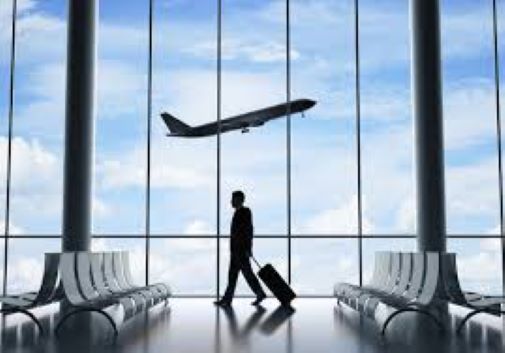
Who does not enjoy flying, albeit in an aircraft? Barring those who suffer from aviophobia, all get thrilled by a flying opportunity. That thrill is the harbinger of the actual joy that one will experience as one passes through various stages of a flying-journey, starting with preparations for trip, entering the cool confines of an airport, queuing for check in, being a part of the hustle and bustle at airport, popping in at duty free shops and actual flying that you enjoy – watching without fear but awe the objects on the ground going smaller and smaller as you climb up, finally, their disappearance as aircraft reaches its usual trajectory-altitude of around 40000 feet. And the cabin thrills like enjoying a good meal while watching your favorite movie on the front-screen. Wow, great going with many cheerful faces around you! Can you imagine flying without these fanfares? Yes, that is the way now! COVID-19 has changed the way the world does things, so did it change the way one flies!

When I got confirmation to fly in the next day’s chartered flight, I felt very happy that I was going home. But that feeling faded out soon as I realized that the day to reach home was another 16 days away though I would be flying the very next day. Furthermore, when I visualized the journey, I realized that the journey with just three and half hours flying time was going to be tedious, devoid of any fun of travel. My travel agent told me to report 5 hours before the flight departure, which I did. With a surgical mask, an N-95 mask and a shield fitted on the face, along with gloves on hands, I reached the airport at 11 a.m. for the flight leaving at 4:20 p.m. Everyone religiously followed social distancing while waiting for the antibody test for the virus, the result of which came within a couple of minutes. COVID-19 negative! Heartening news! Well, I heard a murmur from inside: you are COVID-19 only till the time the blood was taken for the testing and that you have a long way to go before you complete the trip!
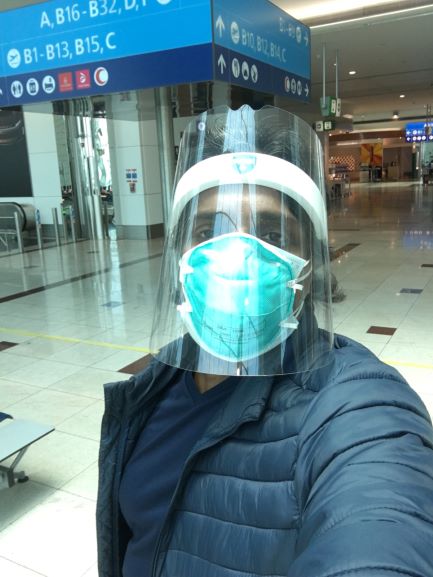
Airports throws a cool blanket around as one enters, but that was not so when I entered, for the airport was operating under-capacity. There were no long queues at the checking counters, with many of them remaining closed. The queues had social-distancing markings, and everyone followed them. A couple of kilograms of excessive weight in the check in baggage did not elicit any query or extra cost. The immigration procedure, with an addition of thermal scanning, was as usual, barring the usual busy queues. The boarding areas and its surrounding ambiance were always busy with duty free shops, coffee shops, lots of peoples, lights, sounds of frequent announcements about departing flights, etc. But all those hustle and bustle was absent. What I saw: one passenger here or another there sitting and enjoying social-distancing, many shops remained closed, and those which were open had scant business as I could see during my 4-hour stay at the boarding area. Mask-worn people shunned coffee shops although there were a few who took the risk and kept their masks away to sip coffee. I frequented many airports umpteen times but never saw such deserted look, nor did I ever imagine it. Times have changed beyond our imagination!

The passengers entered the flight observing the social distancing norms. All those norms, however, turned faux pas as the flight was full with almost all the seats occupied. After boarding, the flight was delayed for one and half hours due to some technical problem. Food was served during the flight, but many eschewed. However, it was bizarre to watch many others, some even wearing P.P.E., removing the mask and enjoying the meals. A few of them continued to remain unmasked after the meals, forcing the cabin crew to request to them to wear the masks. The airline has an excellent in-cabin visual entertainment system called ICE, which offers an array of movies from across the languages. But as per the COVID-19 protocol, ICE was too hot to be on in order to prevent contamination from the touch-screens. There were hardly anyone using washroom. People somehow want to complete the journey and get out of the aircraft – I felt so! With many mask-and-shield-ornate grim faces around, what else feeling can one get? There was no pulling up of window-shields to get a view of the sky! In between, display-screens were reminding passengers to drink enough water to avoid dehydration, but nobody seemed to be bothered about such reminders.

After landing at the Cochin International airport, it took an hour to get out of the aircraft, thanks to the deboarding of an aircraft that landed just before. Only 35 passengers were allowed to deboard at a time to maintain social distancing. Reception with sanitizer, thermal scanning, instructions to the arriving passengers by an airport staff through microphone were novel. As I arrived from the U.A.E., where the virus test was done prior to the boarding, no further test was carried at the Kochi airport. Other procedures at the airport included handing over of one of the two filled-forms – details about the test done, address in India, stay address, etc. – at the immigration counter, collecting the baggage as usual, giving the second filled-form to a counter and collecting exit-slip from there, showing the exit-slip at the exit gate to the police man – you are out of the airport. It all took around an hour. You can book taxi from the airport. The taxi that I hired had the passenger area separated from the driver’s place by transparent fiber-boards – COVID-19 protocol for airport taxi. It was amusing to see the big duty free shop at the airport turned to a kiosk.

It took fifteen and half hours for me to reach the room in Kochi from my room in Sharjah though the flying time was just 3 hours 30 minutes – 10 a.m. U.A.E. time to 3 a.m. Indian time. I did not have any food or water during this time period. I drank water after reaching the hotel where I am quarantining, that too after a shower and washing of the clothes worn during the travel. For the last 16 years, I have been travelling extensively as part of my job. I undertook long haul flights of more than 30 hours with flying times of 16 hrs direct, 22 hours mix, etc. and flew tens of thousands of miles. I always enjoyed all those travels. Though some of them were tiring, they were not dispiriting or dejecting because they were not burdens. I looked forward to and enjoyed every travel. But the trip – 15 hours and 30 minutes’ trip is not big for me – that I undertook a couple of days back was a burden and dispiriting. The new protocols and procedure that one has to undergo at airports and inside planes will mentally drain you – the joy of flying is taken out from you. Wearing mask and face-shield unabatedly for longer period puts strain on your head, sometimes making you feel like pulling them out and throwing them away. All these make flying a pain, not a happy experience.

If one has to endure such difficult times for a three and half hours flight, what will be the plight in a long overhaul flight having 10 or 15 hours flying time? The journey will likely to be of more than 30 to 40 hours between departure room and arrival room! Who can undertake such an ordeal, that too in a debilitating flying ambiance with fear of contamination by the virus? People go on overseas holidays as a break from work and familiar places they dwell. But if flying itself takes a toll on your physical and mental health, who will go for it? Similarly, for undertaking overseas business trips a lot of physical and mental strengths need to be conserved. But if flying itself drains that strength out of you, you will not be able to work to your potential after reaching destination country. It will be extremely difficult to undertake an international trip with these flying difficulties. With COVID-19 around, flying is looking to be a tedious affair. I loath to conclude a blog on pessimistic note but had to succumb to the reality. Unless a vaccine arrives or the virus disappears altogether, nonessential international travels seem to be off the table.

Problems and Issues

Many a time, we fail to differentiate between problems and issues and, mostly, respond in the same way to both. Problems and issues have characteristics which are diametrically opposite to each other. They, therefore, have to be dealt with differently. Problems, if left unsolved, have the potential to stop our progression in life, but issues can stop us only if we pay excessive attention to them. Problems are inevitable while issues are nonessential. Confront problems, but deal with issues only if they cannot be avoided. Let’s look at the inherent characters of the two.

How do we characterize something as a problem or an issue? Anything that critically stops you from progressing materially as well as intellectually – emotionally, mentally and spiritually — is a problem. Problem comes with three options: solve so that it is no more a hurdle in your way, allowing you to move forward with the knowledge and confidence acquired from the solution found; surrender to problem and live with it; and avoid problem by changing the course so that you evade the problem.

While dealing with problems, the biggest mistake we make is diagnosing symptoms of a problem as the problem itself, then, trying to solve the problem by focusing on symptoms. Let me make a simple illustration of this misgauge. My shirts’ collars always have more dirt than the rest part, making me to put extra soap to remove that dirt. Upon looking at this problem recently, I realized that the best way to solve this problem was to put that extra soap around my neck while bathing instead on the collars while washing clothes. I actualized my realization, and it solved the problem. Most problems in life have solutions within our reach provided that we do not synonymize symptoms with problems but look for and deal with the root cause(s) of problems.

Every problem is an opportunity, but an opportunity in disguise. Opportunity means that something is possible while problem is something that is apparently impossible. It is commonsensical that the solution to a problem opens up an opportunity. However, more important than finding solutions to problems is the realization that problems are opportunities, hence, have to be tackled, not procrastinated or avoided. Take a look at your life and see if you face more problems or opportunities. More problems. Right? Opportunities in plain, undisguised form visit you lesser in numbers compared to them coming veiled as problems. Quicker you take out opportunity from a problem faster the next opportunity knocks at you as another problem. Do not surrender to a problem and live with it nor take an evasion. Surrender option is dangerous because you are chaining yourself to the problem that will put a drag on you. That will make you to go on default mode to connect every irritant in your life to this unresolved problem. If you decide to avoid a problem by changing your course, it is not avoidance but evasion as the problem will resurface later in one form or another. Deal with your problems because they are your opportunities. I looked for easy ways in life only to find that they were trapped in difficulties called problems. More the problems you face happier be you.

How do we solve problems? Take problems to your mind which will give you solutions. Your subconscious mind has the solutions to all your problems provided that you make the problems to reside in your conscious mind. Reside means think deep about the problems and allow them to be in your active thought process. Never do take your problems to heart, for it will dispirit you as heart cannot think, hence, is not in a position to offer solutions. Knocking at the doors of heart for solutions will elicit no responses. Heart can only reject or accept what mind says, a process that involves tussle between emotion and discretion.

Issue is anything that diverts your attention from the path toward your goals. They defocus you. Issues are not critical to your success but have the potential to sabotage your way to success. Incidents that come up in your day-to-day dealings with friends or foes and acquaintances or strangers have no bearing on your future are issues. You should not pay undue attention to or spend much time on such non-critical things. Unnecessary and meaningless criticism, a grumbler friend, bickering couples in your neighborhood, noncompliant colleagues who have no work-interface with you, not scoring an A+ in every examination and in every subject, etc. are issues, not problems to bother about, and they should not have any lasting dwelling inside you. The word: shun is very relevant here, which means avoid deliberately. We may have to get involved in issues – that includes people and incidents – but no need to be accommodative to them. What about dealing with problems and issues connected with the society we live in? Well, classifying societal matters as a problem or an issue with respect to you is a personal call you have to take and deal with, accordingly. If it is a problem, confront it, otherwise, treat it as an issue.

It is quite human that we fail to differentiate between problem and issue. More often than not, we take issues as problems by failing to evaluate if such issues are critical to our intellectual and material growth. When you get diverted by issues and when you fail to unlock the opportunity in a problem, something called fate or bad-luck triumphs over you. On the other hand, when you are able to differentiate between problems and issues and brush aside issues but confront problems decisively, nothing can stop you from achieving your goals. A successful man who remains undeterred by issues but remains focused on dealing with his problems shows fate its due place instead of allowing fate to decide where he should be.

Emerald of the Equator

Indonesia is the largest archipelago in the world, consisting of 17,508 islands, out of which, 6000 are inhabited. Such a geographical grouping stretches Indonesia’s border to Singapore and Malaysia on its west at the Strait of Malacca, to Australia at the Timor Sea in the west, and to the South China Sea and the Indian Ocean on its northern and southern sides respectively. Among the islands, Sumatra, Java and Sulawesi are the main ones. The capital city of Jakarta is located in Java.

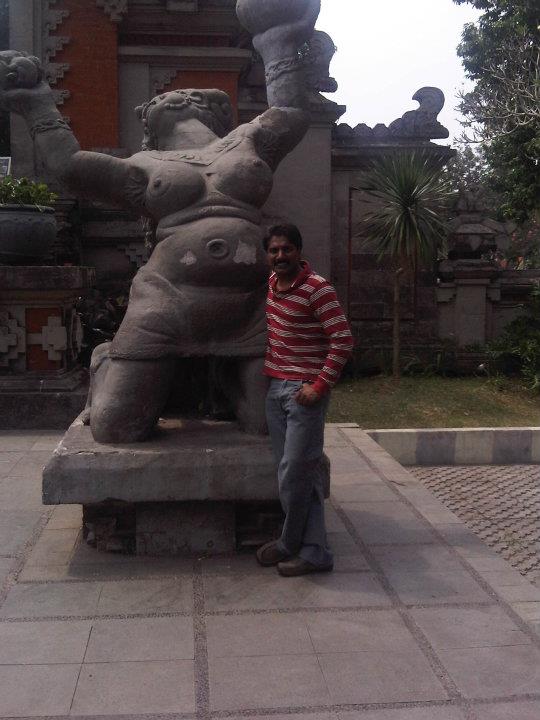
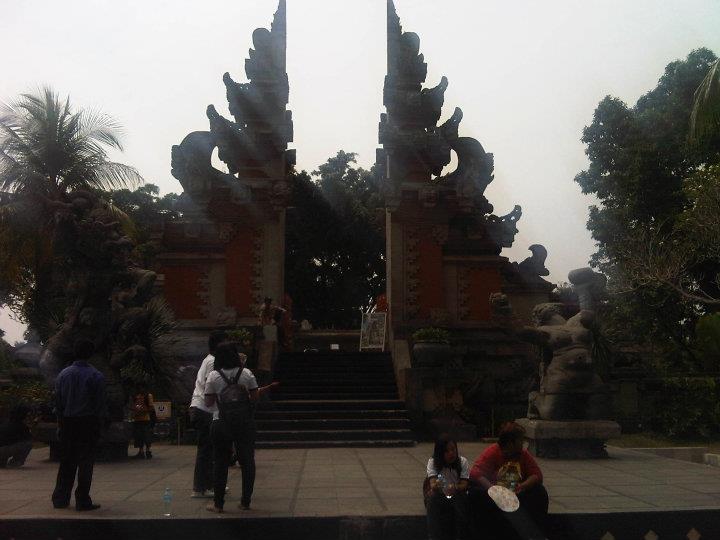
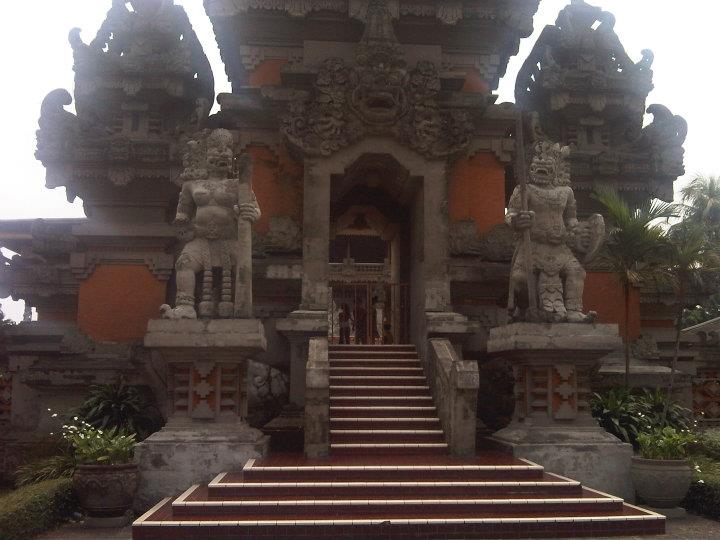
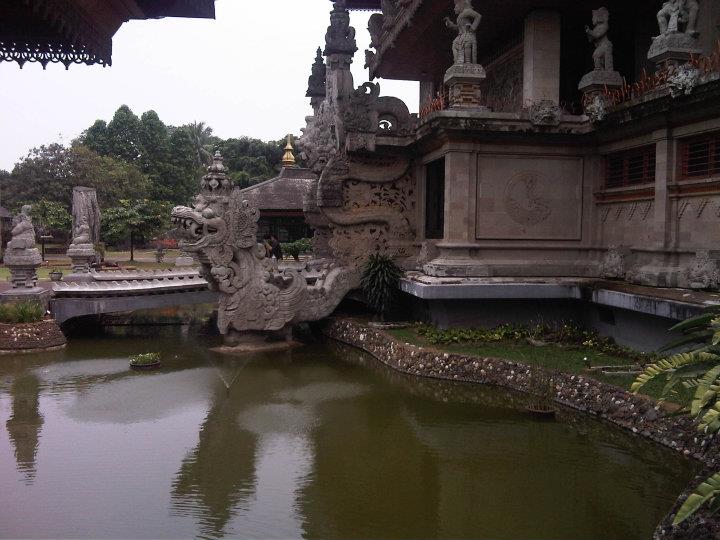
Bali, a beautiful island that is 1153 km away from the capital city Jakarta, is the most famous tourist attraction in Indonesia, but I did not get a chance to be there. My six visits spanning 2007 to 2019 to Indonesia were to Jakarta, thanks to the business nature of the visits. While visiting Jakarta, if you have one free day, then make a visit to Taman Mini Indonesia Indah, a theme park in Timur, East Jakarta. It is worth spending a day out there. The theme park is 18 km away from the central Jakarta. It houses ‘Museum Indonesia,’ a Pagoda and many modern amusement facilities. 

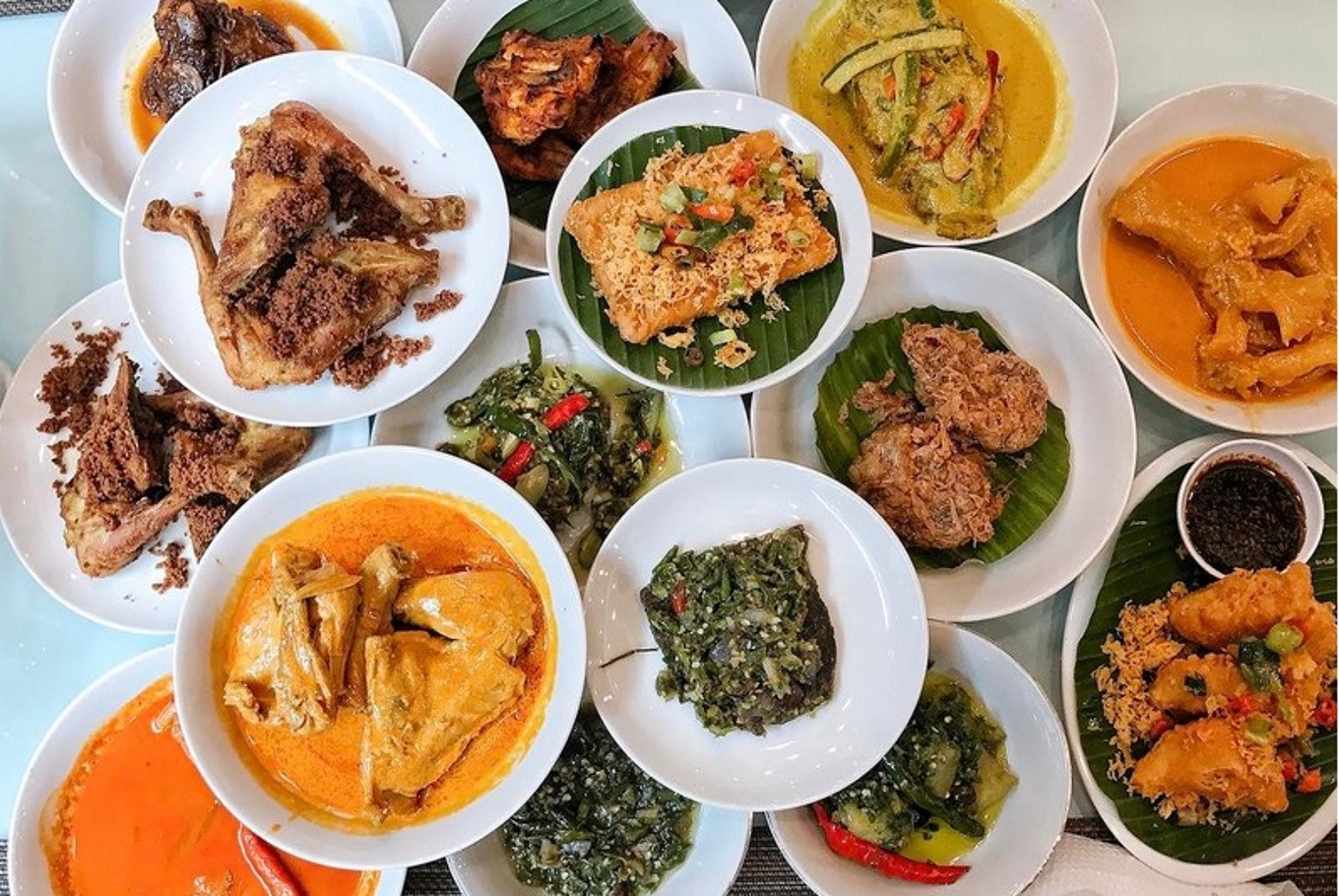
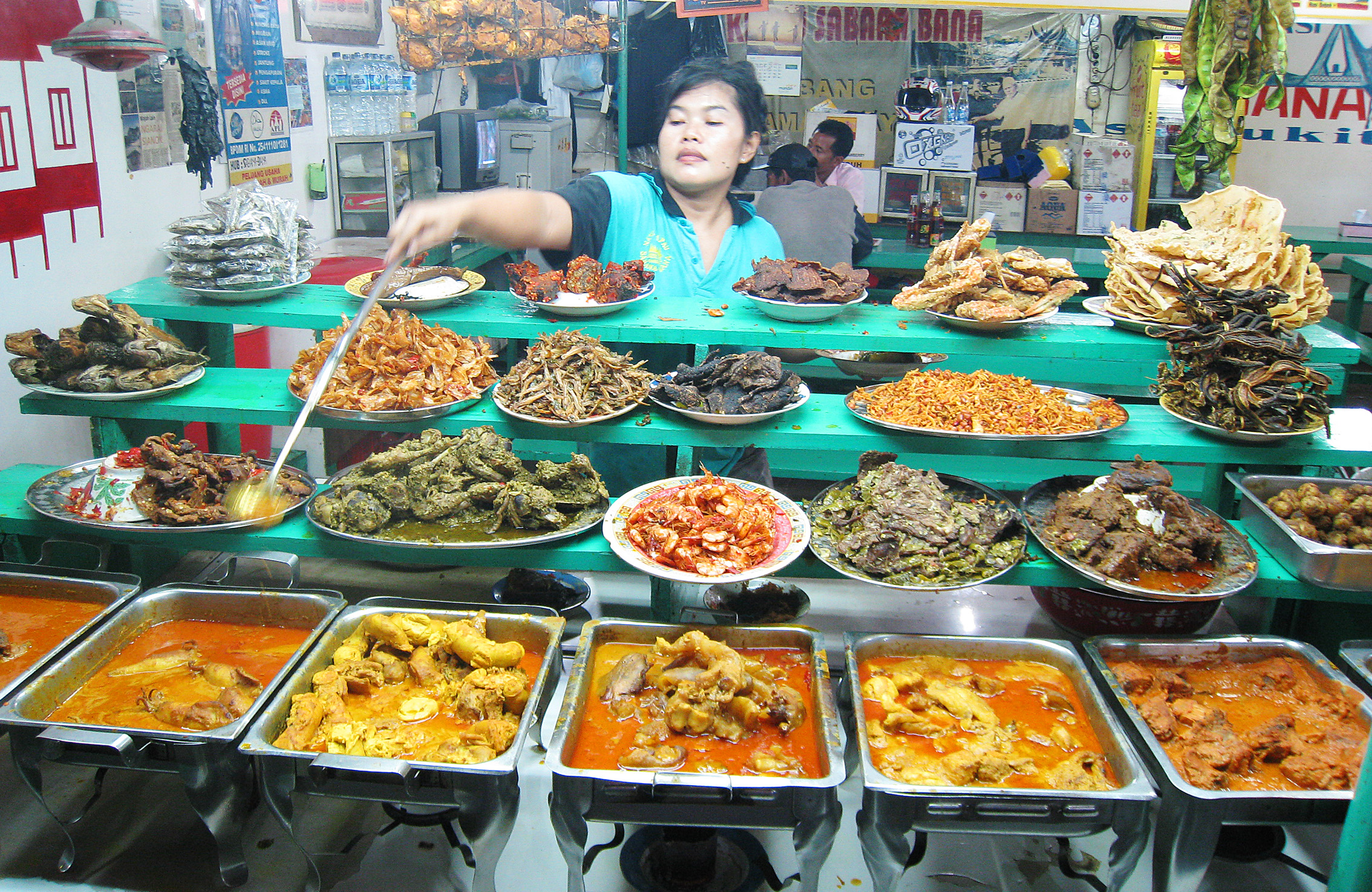
Besides having a part of India in its name, Indonesia, like other countries in South Asia, has many Indian cultural  similarities in its way of living. This is the leftover from the past when Hinduism was the predominant religion in the region. Buddhism replaced Hinduism in the countries of the region, with Islam doing the same in Indonesia, a few hundred years ago. A welcome with folded hands like in Namaste, spicy food named Padang – from Sumatra region of Indonesia – are some of these rudiments. 

Padang Food Plate:

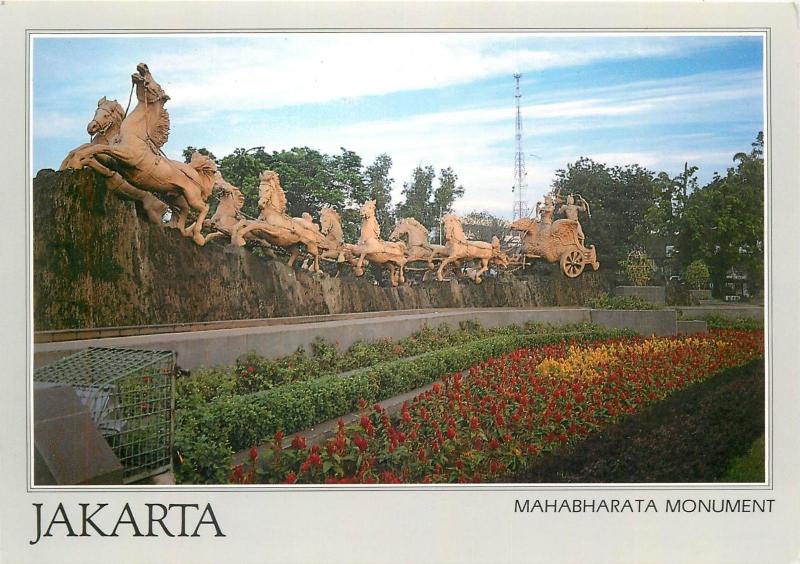
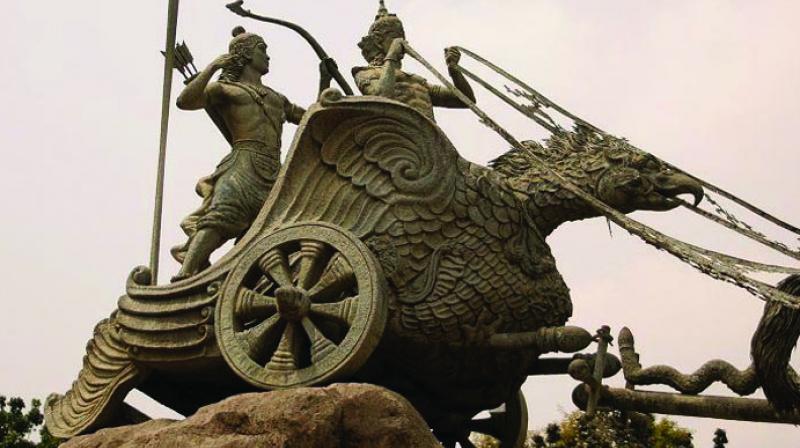
Bali, a predominantly Hindu region, is the living example of the Indian way of living in Indonesia Bollywood is very popular in Indonesia, with songs and dance numbers from Bollywood movies reproduced as video albums that are good choices for screening at popular eateries and pubs. And the Indonesian singers of such albums are very popular in the country. Ramayana and Mahabharatha serials telecast by the Indian television channels were hugely popular in Indonesia. There are statues of Hindu mythological figures erected at many places in Jakarta. There are many other Hindu customs that are being followed. All these show the Indonesians are a tolerant people and respectable to their past.

Mahabharatha monuments from Jakarta:

Coming back to he museum, it also showcases Hindu-era artifacts and sculptors.  

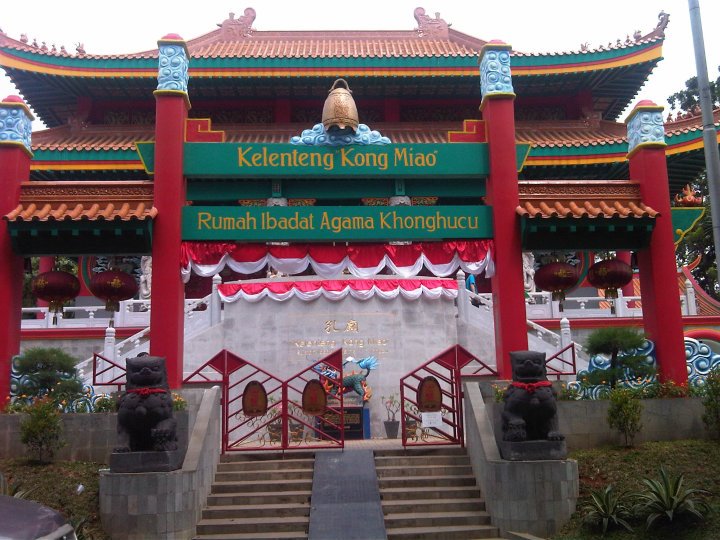
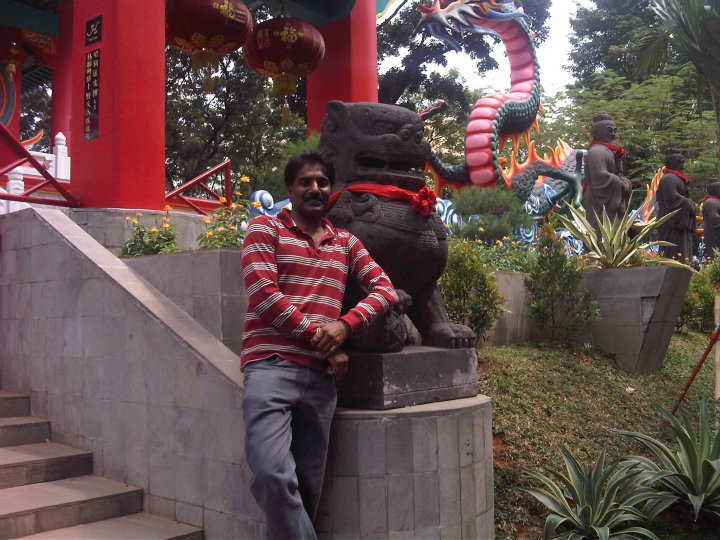
A Chinese monastery at the park:

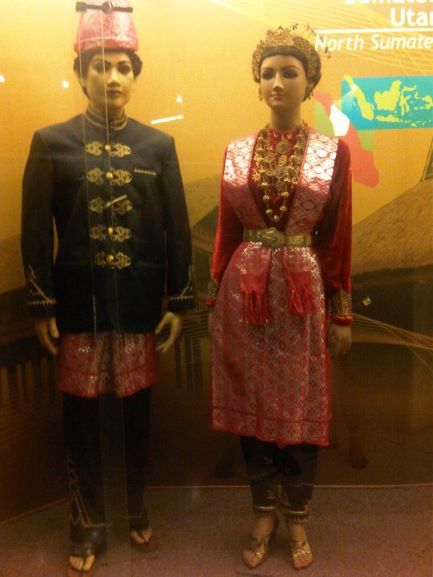
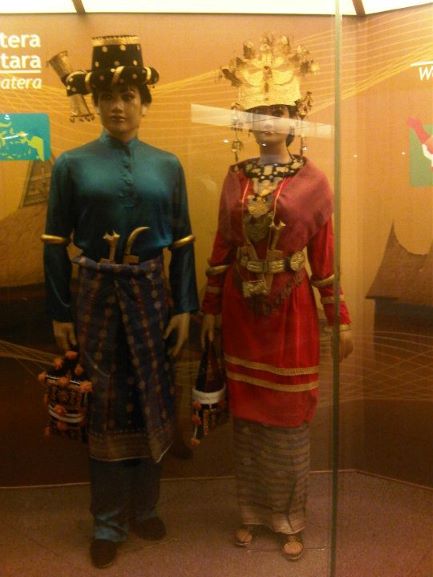
The museum also houses effigies of bride and groom of all the provinces of Indonesia. Every province of Indonesia has unique wedding attires for bride and groom.

Ache bride and groom:

Java bride and groom:

North Sumadra:

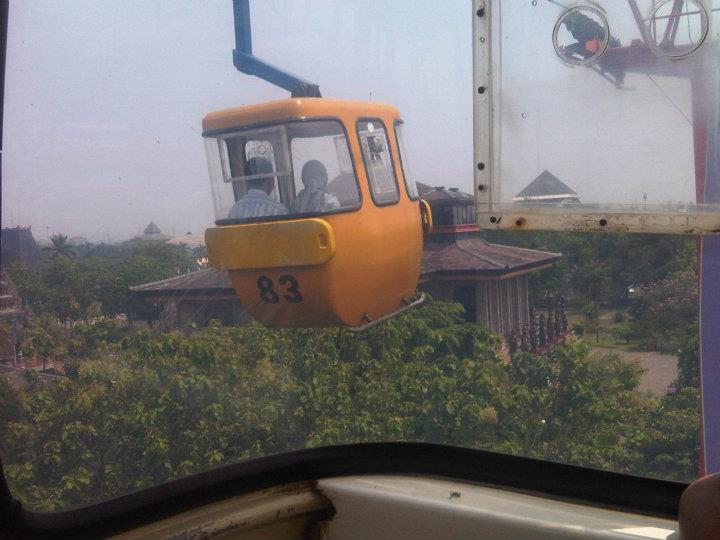
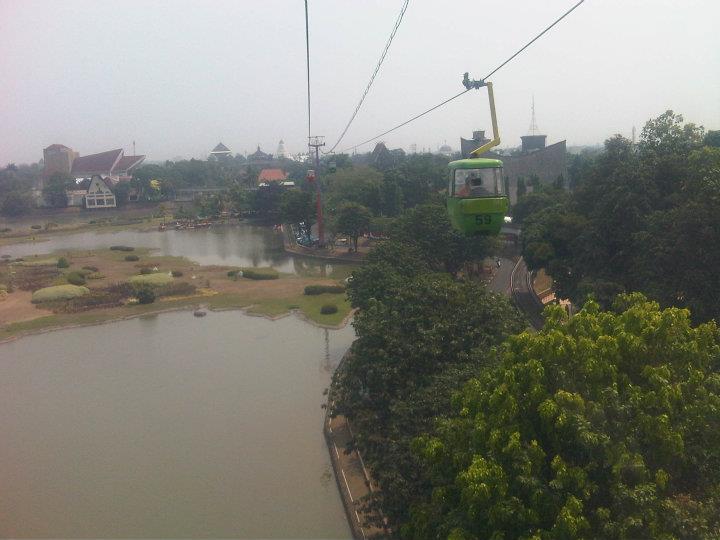
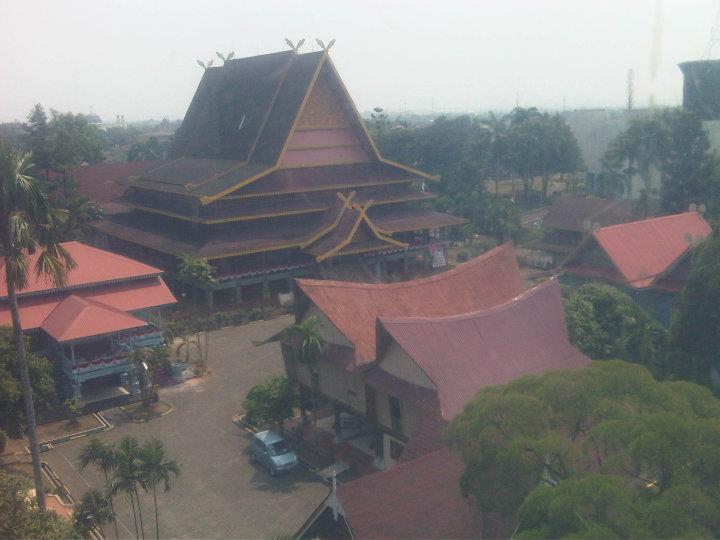
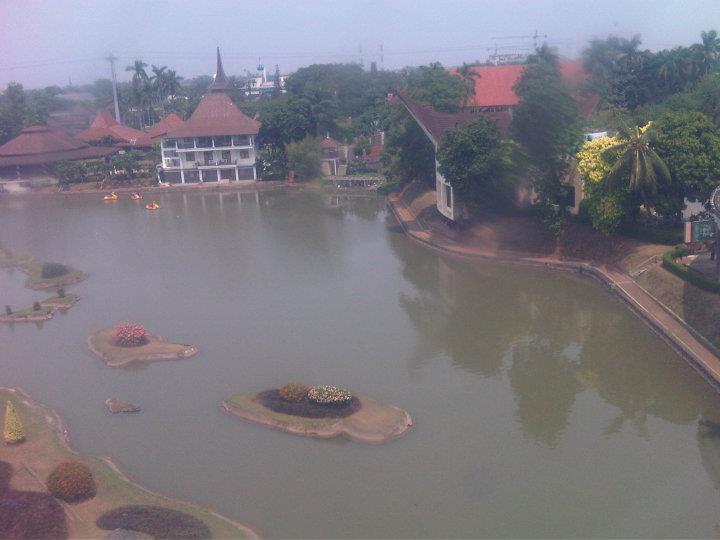
Taman Mini also has a cable-car tour offering sky-views of around.  

A church as seen from the cable-car:

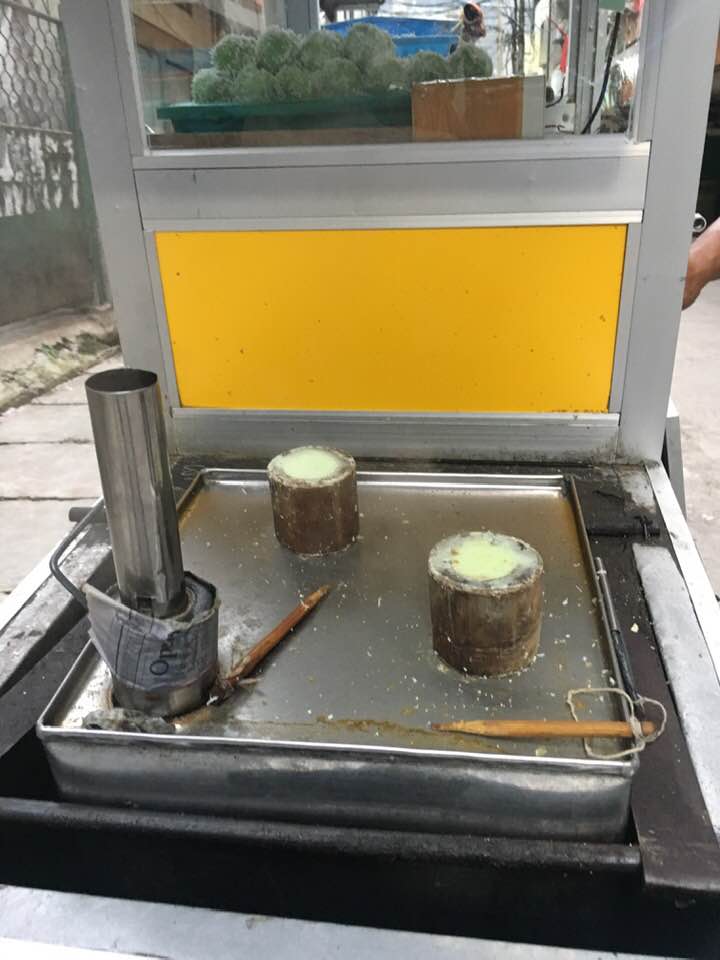
I was surprised to see a palate connection between Indonesia and the Indian state of Kerala. ‘Puttu’ or steam cake is a breakfast food of Kerala and is made by making steam to pass through a cylinder-shaped utensil filled with rice flour sprinkled with scraped coconut and water — hence, the Anglican name: steam cake. This is a unique food of Kerala and not endemic to even other states in India. But Puttu is present in Indonesia. It is also called Puttu here! A surprising link!

One difference in the making is that sprinkling with coconut chips is done on the steamed Puttu in Indonesia.

Besides, Kerala Puttu is longer.

Another Kerala connection: An off-meal delicacy known as ‘Naiappam’ in Kerala is also a delicacy in Indonesia, with almost the same in shape, color, and taste. It is called “Cucur,” pronounced as chuchur, locally. A tasty-connection between India and Indonesia for investigative gourmets!

Indian community comprising both Indonesians and the diaspora plays significant roles in the Indonesian society.  

With my friend and senior from College of Fisheries, Dilip Sathyanath, who has been living in Indonesia for more than 20 years.

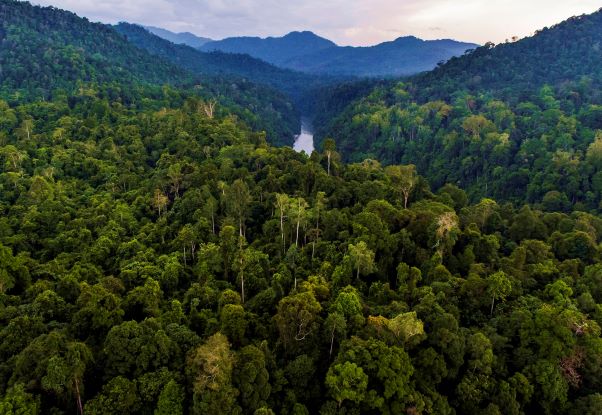
Indonesia, known as “Emerald of the Equator,” with its lush, green tropical rainforest as emeralds and the geographic position as the equator, is the country I found much closer to India than any other country. I always felt at home while I was in Indonesia.

International Sales – Preparations for a Business Trip

Travelling to abroad is an unavoidable part if you are in international business. It is possible that one can do international business without visiting foreign clients after establishing rapport with them over a period of time. However, to nurture client relationships as well as to keep oneself abreast with the emerging market trends, a marketer in international business needs to visit his/her markets. Nothing other than market visits give first-hand information on competition, consumer preferences, wholesale dynamics, new trends and other factors that influence sales. The keen observer in a marketer can gain immense insights into country-specific characteristics and global macroeconomic factors which affect the business during such a visit. First-hand experience brings home lasting lessons and learning, housing them inside you with or without your cognitive reckoning. Such in-housing creates the base for insightful solutions that come out of you when you face problems in your business arena.

I am into international sales for the last twenty years and had traveled extensively across the globe, selling products like furniture, beauty soaps, personal hygiene products, with the current portfolio being perfumes and cosmetics. The first part of a 3-edition series on international sales, this blog details preparations — both business and personal — that one is recommended to undertake before embarking on a maiden business trip to a country, with the aim of hunting and locating a business partner.

The first job in business preparation is to determine whether a country has the potential in terms of market size — population — and purchasing power in order to be considered as a market worth exploring or not. I consider minimum-a-million population as the population-yardstick to explore a market for perfumes — a luxury as well as a semi-luxury product. Fast Moving Consumer Goods, or FMCGs, like beauty soaps need a bigger population of a few millions to explore as a market. There are exceptions to this reasoning. For example, the Maldives has only 500,000 population, but I am able to do business there, thanks to the inflow of large number of tourists to the island-nation.

Another couple of exceptions. I did good sales of soaps to The Gambia, a West African country abutting Senegal, Guinea Bissau and Mauritania though its population was only 1.5 million in 2006. The reason was that it had very low import duties, besides, having free trade agreements with other countries, including the neighbors, in West Africa through the Economic Community for West African States, or ECOWAS, a free trade agreement among the West African states. Hence, traders from neighboring countries come in to The Gambia to buy in bulk. The Colon Free Zone in Panama, the second largest free zone in the world after the Hong Kong Free Zone, serves countries in South America, Central America and the Caribbean. Another example is Singapore being a gray market for the ASEAN countries. An international marketer should look at such exceptions while doing prospecting.

Once a country is zeroed in for exploration with the aim of getting your products marketed in that country through a local distributor, then the hunt for that prospective distributor begins right away, much before you set foot in that country. Online prospecting by filtering through import directories, trade and business directories, yellow pages, etc. by using multiple variables like trading companies, wholesalers, importers, distributors, etc. of the product or of similar products can get you list of prospects whom you can contact through emails given in those directories. You can approach, for example, a cosmetic importer-distributor if you are a marketer of perfumes; similarly, importer of electronic goods for white goods also; same client for different categories of essential commodities, etc.

There are paid directories that do not give contact details, but you can break such hurdles and get the details by intelligent-browsing. For example, a directory may give only name and address of a company, with no contact details like email and phone numbers. But you can scoop out such details of that company by trying different permutations and combinations of online searches that use company name as the constant against the search-variables: website email, phone number, contact details, etc.of that company from internet.

Every import to a country is cleared from port through shipping and forwarding companies. Hence, these companies will have the details of importers of the product you want to sell in a particular country. Suppose you sell building materials and want to start its sales to Ghana through a local importer-distributor. You can do online search for shipping and forwarding companies in Ghana. Then, approach them with a request for the details of the importers, along with a business proposition that you will use their shipping services if business opens up in Ghana — a win-win relation. If you write to, say, thirty companies, it is highly likely that you will get at least one reply. I experienced such cooperative hands from shipping companies even when a win-win relationship was not possible.

One can explore other pre-visit prospecting options like using online platforms viz: LinkedIn, facebook and other social media outlets, besides, through symbiotic sharing of customer details with friends who sell non-competing products.Through these online pre-visit prospecting, you may succeed to firm up a few business meetings even before your travel. It is also possible that you would receive few responses, making you to do all the heavy lifting of prospecting after reaching a country.

Physical energy adds to mental energy and vice versa. Maintaining good physical and mental energy levels during a business trip is very important to endure the trip. Irrespective of whether one is making an international trip as a tourist or a business person, one needs to make physical and mental preparations to carry on with the trip and complete it as per the schedule. The most important part of this is deciding where you will stay in the country of destination. It is better to stay at city center which usually have easier access to transport networks. Most wholesale markets, which you need to visit as a business traveler, are located in downtown areas. At the same time, offices are located at city centers. City centers, in addition to offering better transport facilities and locational access points, usually have more restaurants and other facilities offering evenings of non-business environs. Such an ambiance is needed for one to take a short break from business mindset and a quick refresh before winding down for the day.

Good sleeps and maintaining physical and mental well being in the immediate run up to the commencement of business trip have contributory benefits. Deliberately abstain from activities that will put unnecessary strain on health. When you head to the airport to board flight, you should feel physically and mentally strong as a soldier charged up and going to the battle ground. Suppose that your trip is of one month period and have four countries to cover, then, before embarking, visualize that you are completing the tasks in each country successfully, conducting yourself energetically as you pass through the countries and that you are sitting happily at the boarding gate for the return flight. Such visualizations just before the commencement of a business trip, indeed, will create a positive framework for your trip.

Day before you travel, visualize a smooth flight, clear sky and reaching the destination country trouble-free as it will help you to brush aside any fears of the unknown even if it is your maiden visit to an unfamiliar country. Many a time, I undertook long overhaul flights lasting 20+ hours from Dubai to the countries in the Americas. I always visualized reaching the hotel in the destination country enthusiastically and energetically. Barring very few occasions, I always ended up as I visualized.

If you have the habit of reading, do carry books as you will get enough time, especially at airports and inside flights, to read. As the adage goes, “Well begun is half done,” a well prepared international business travel opens up the road for the task at hand achievable.

Types of Communication

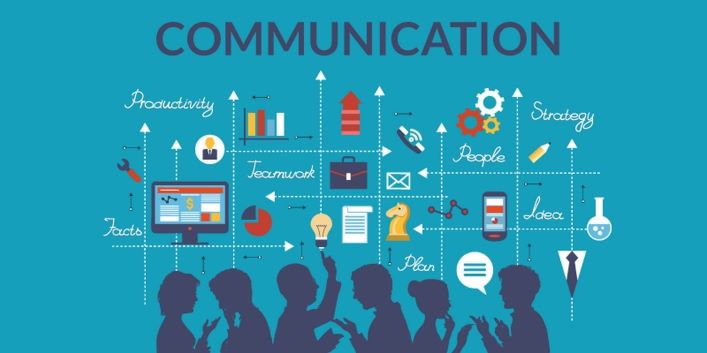
There is no dispute that what we think is that what we communicate. Hence, as communication goes in tandem with our thoughts, we cannot do anything to change the content of our communication unless our thoughts permit us to do so. All methods of communication underlines this fundamental fact. Therefore, the methods only teach how to present one’s thoughts. Communications are of verbal and non-verbal natures, and  I discuss only verbal communication on this blog. Knowingly or unknowingly, we engage in various types of communication, and they can be modeled into five: Routine: tell, ask, encourage; Diplomatic: call on, urge, cajole and coerce; Emotional: appeal, plead and request; Sarcasm; and Forceful: demand and order. Let us look at each one of them in detail.

Routine communication is habitual and regardless conveyances, and the most common form of it is ‘tell.’ This is the simplest form of communication yet can be a loaded one. It is the most innocuous one presenting facts as they are but can be turned to one alluding something  – what is told is heard; also, what is told is not fully heard. Encouragement is fortifying someone with courage to do something. So an encouraging communication builds up confidence in recipient of message. Motivational classes have this mode of communication as their bases. This is the most contributing form of communication yet the least common. We lose nothing while encouraging someone but create positive energy within us also, besides, powering up the person. Congratulations, kudos, well done and keep it up, I am proud of you and similar encouraging messages create immense positive energy in the recipient, powerful enough to create fillips to his/her momentum. One noticeable thing is that more encouraging words come from an ecosystem of dwelling which is independent of our antecedents. Conversely, many a time you shall see less encouraging words from people who know you for a longer period of time.

Diplomatic communication arises when communicator has something to gain from recipient of message. Diplomacy is a curved line, and its success depends on whether this line touches or is perceived to be touching the point where truth is established. So diplomatic communication is the most difficult form of communication. ‘Call on’ in diplomatic parlance is equivalent to tell in routine communication. We call on people, usually a group of people, when the message is of public importance. For example, the medical fraternity calls on people to maintain social distancing to fight the COVID-19 menace. When we add an element of persuasion to call on, it becomes urge. Communication form of urge is an indication of a distant urgency. Cajole and Coercion are two sides of the same coin. Cajole is used when recipient of message is prone to praises and compliments. When cajole fails, the next one ready to be followed is coercion which is communication spiced with a little bit of threat. Sometimes both cajole and coercion are used as a combination in varying proportions — carrot and stick policy is an example.

Appeal, plead and request are emotional communications. This mode of communication is deployed when recipient of message is the decider of the stake involved in the message. Appeal is the softest emotional communication when the nature of message is not urgent and that communicator has no serious sake in the massage. However, appeal gives way to pleading when the message is serious and communicator has significant stake in it. Request happens when message is almost synonymous with communicator. In other words, someone requests when he/she is left with no option but to expect a benevolence from the other person. Begging cannot be included as a way of communication, for it is devoid of self-respect. Begging is request sans self-respect.

Sarcasm is the output of a negative mind, so one should ignore it. Nonetheless, care needs to be taken to differentiate satire from sarcasm. Satire is the product of a brilliant mind to constructively criticize by baring stupidity within the ambit of humor while sarcasm emanates from a mind which is in the habit of perpetually belittling merits.

Demand is the right to obtain one’s dues. Demand demands compliance! People have right to protest in a democratic system, and they can demand it when governments try to stifle such freedom. Denial of rights can lead to demanding of the same, and denying of such demands can lead to violent reactions from people. All the revolutions that the mankind had seen happened due to the refusal of the establishments to meet people’s demands. Order is meant for maintaining discipline and does symbolize power and authority. Power is the ability to influence the outcome at individual capacity while when such ability to influence is derived out of the position one holds, it is authority.

Understand a person and his/her intentions from the words communicated. Closer you pay attention to the words better your understanding of the person.

Dealing with the Chinese Aggression

The world will be looking at how India deals with the Chinese military aggression on its border. India’s handling of the aggression is important not only for India but also for the world, especially East Asia, because over the last two decades, China had self-assumed an element of invincibility. Such a new metric is factored in by many nations in their security calculations, and this had happened without China even firing a single bullet or engaging and winning a war in its modern history. This fallacy or fact of invincibility had come into existence, thanks to the thumping success of the Chinese business model and the resultant accrual of massive wealth with the Chinese government. The Chinese are out to prove to the world this notion of its military dominance as a fact. How India handles the new-found military aggression by China will set precedents on how the larger world will deal with China. The current military standoff between India and China, which has been of a larger intensity since the neighbors fought a war in 1962, is a litmus test for India whether or not it can stand firm and show that the Chinese are not invincible and can be bloodied. In Asia, only India can do it, for its own peaceful existence as well as of others in the Indo-Pacific region. 

The South China Sea is an international water and does belong to the world. In 2018, China had tried to alter this fact by coming out with a map showing four spots, depicting four natural land formations in the South China Sea, which were hardly visible during low tides. It erected the formations further up with land-filling and made them into military sites. Subsequently, China declared these artificial islands as Chinese territory and barred all navigation within their 12 nautical miles. Besides, China declared almost the entire airspace of the South China Sea as its airspace, making mandatory for airlines seek prior admission to fly through. The United States of America is the only country that defied these aggressive behaviors of China by making its warships enter the 12 nautical miles thereby pronouncing that the South China Sea was available for freedom of navigation. Fighter jets from the U.S.A. also flew through the space without taking any permission. The Chinese military did confront neither these ships nor the jets. 

The Chinese expansionist ambitions in the South China Sea did not stop there. It staked claims on the Senkaku islands that were owned by a Japanese national. Seeing the threat, the Japanese Government bought the island from its citizen and formalized the land as its territory. China, however, does occasional bullying but never tried to forcefully occupy the Senkaku islands. Why? Because Japan is under the security umbrella of the U.S.A., and as per the terms of this security pact signed in the aftermath of the defeat of Japan in the Second World War, the U.S.A. will defend Japan any foreign adversaries. China knew it so stopped bullying Japan on this front. 

Claiming of Spratlys islets and islands of the Philippines and harassing its fishermen by the Chinese naval boats continue to be done by China. Vietnam is also facing the bullying by China in the South China Sea. The Chinese navy tried to stop oil drilling by Vietnam in its territorial waters and harassed Vietnamese fishermen many times and still continued to do so. South Korea, Indonesia, Taiwan, and Malaysia are also facing bullying by the Chinese Army in the South China Sea. All these evidences of the Chinese expansionist ambitions had come out in the open in the last 10 years.

China is an expansionist force that traditionally followed the expansion strategy of “inch by inch” –  gradual calming of and occupying others’ land over a period of time. However, with massive wealth accumulating, China went on the top gear of expansionism by force projection as well as by using force itself as suited it. In this game, China does not show respect for the weak. Its reluctance to confront the U.S..A in the South China Sea while turning predatory to other nations is a demonstration of this fact. India should not budge the Chinese aggression. South East Asian countries like Taiwan, Vietnam, the Philippines, Singapore and other nations in East Asia and larger Asia consider India as a counterweight to China. And this weight-index has security element, and if India fails to defend itself against the current Chinese aggression, it will send a wrong signal to these nations, making it easy for China to coerce and cave them in to the Chinese domination. On the other hand, if India defends itself and make the Chinese military to get a bloody nose for the aggression, then these nations will also stand up against the Chinese browbeating. Besides, India’s firm response will send the right signal to the Chinese leadership that India is not a pushover and that India is ready to fight.

India must give a befitting reply to the Chinese aggression. China is a bully which understands only the language of force. India should call the Chinese bluff. The myth of the invincibility of the Chinese military will have to be shattered for India to live peacefully within its borders. War is not a solution. And at the same time, peace is possible only if enemy understands the language of peace.

Iguazu Falls

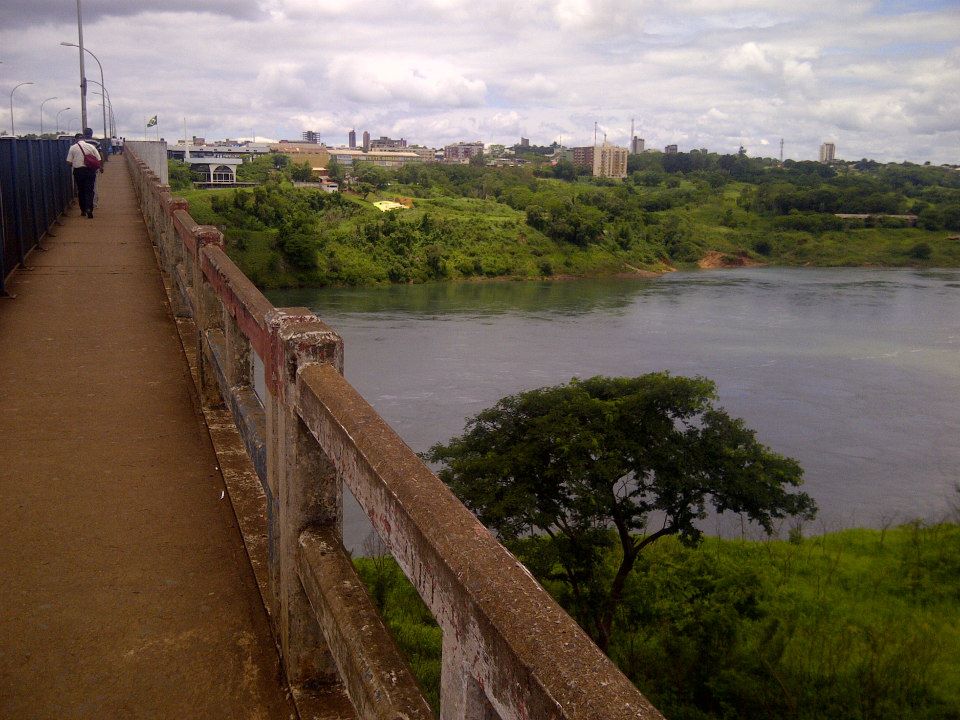
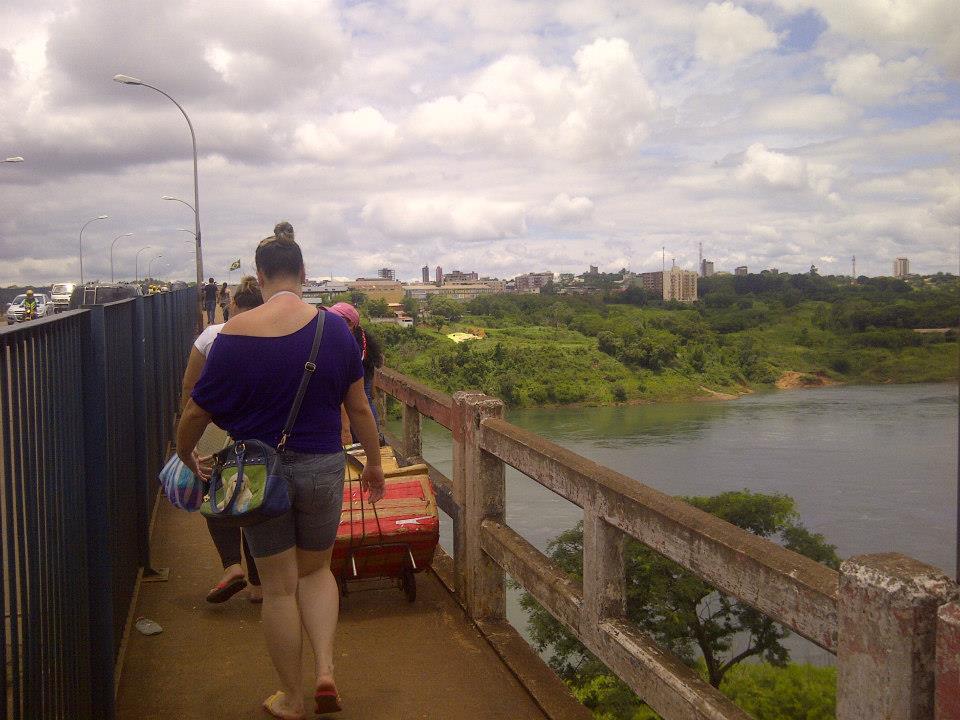
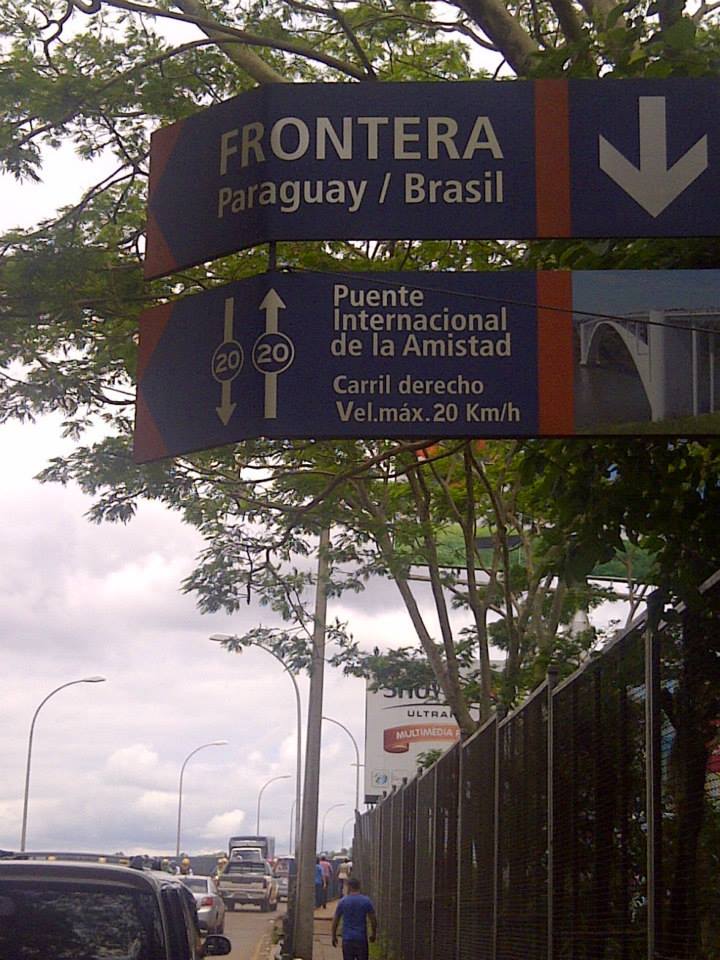
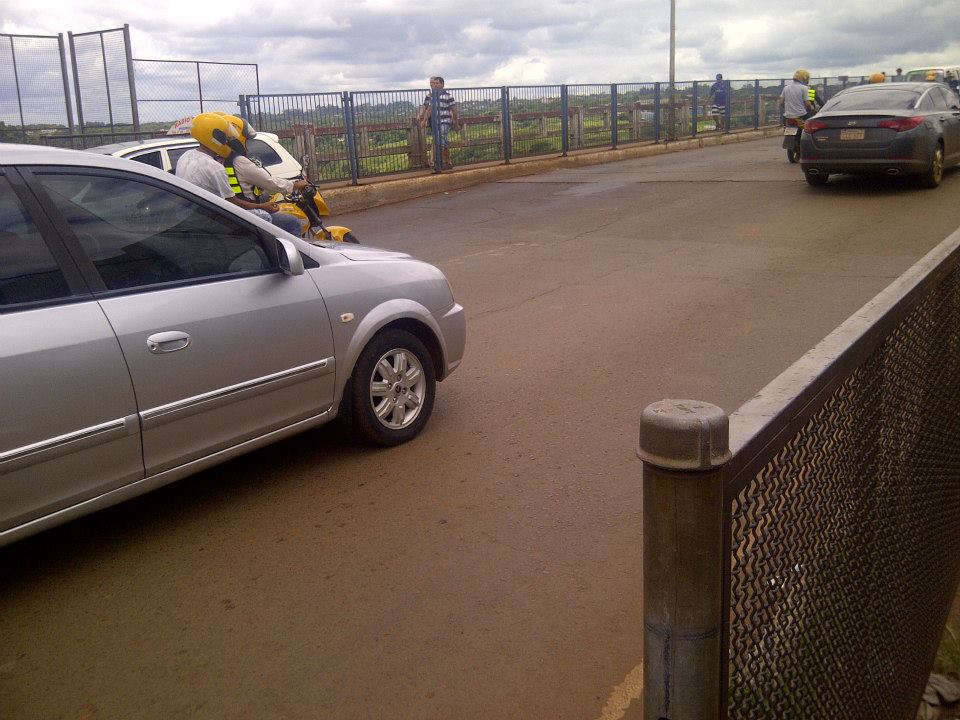
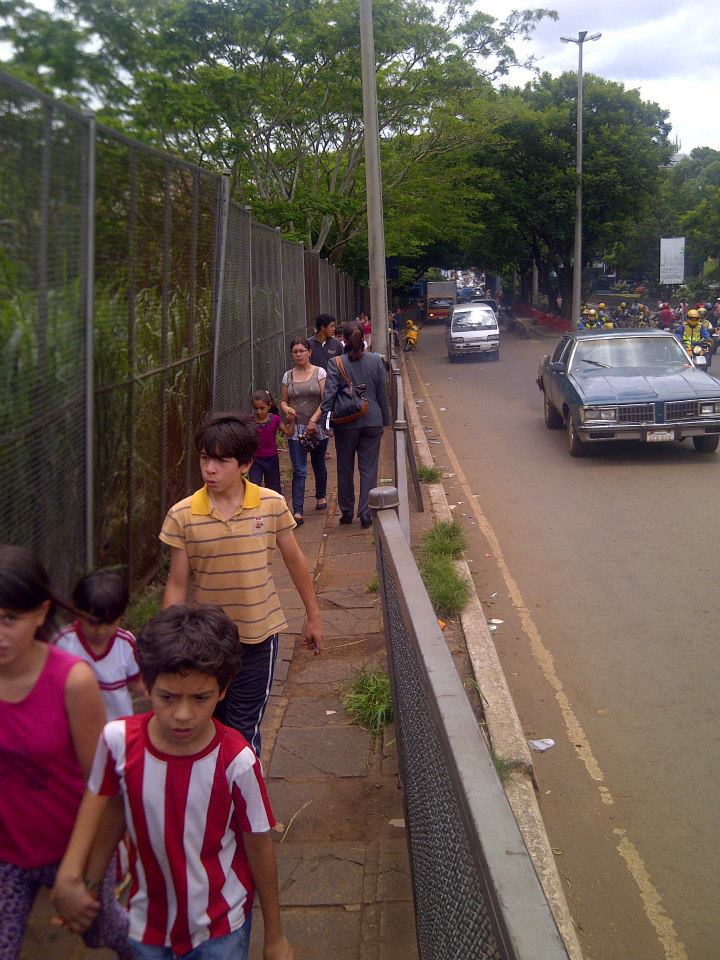
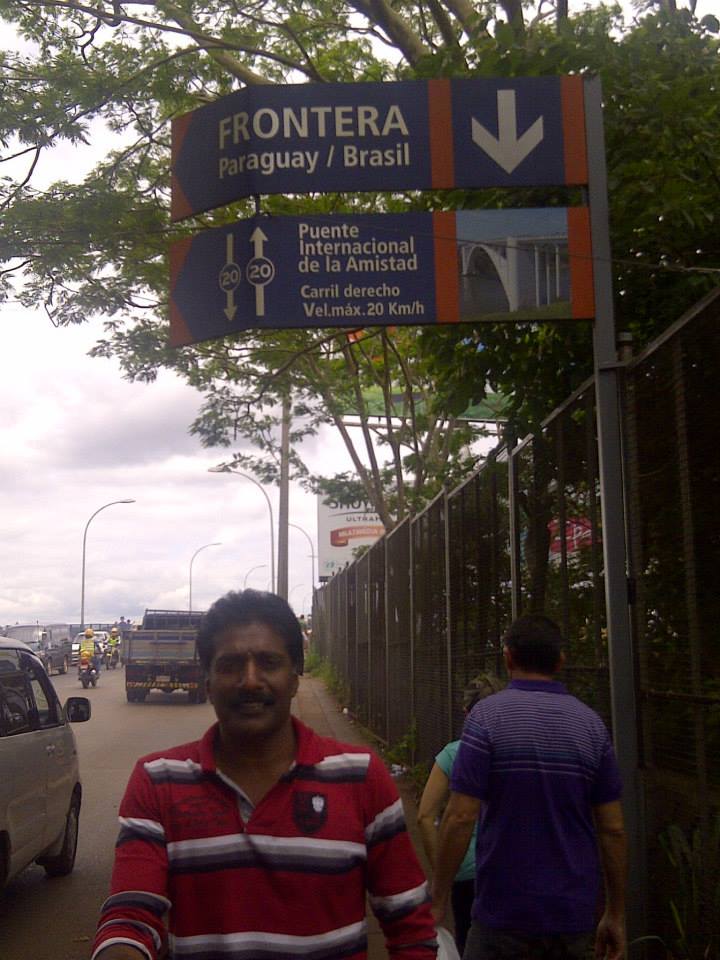
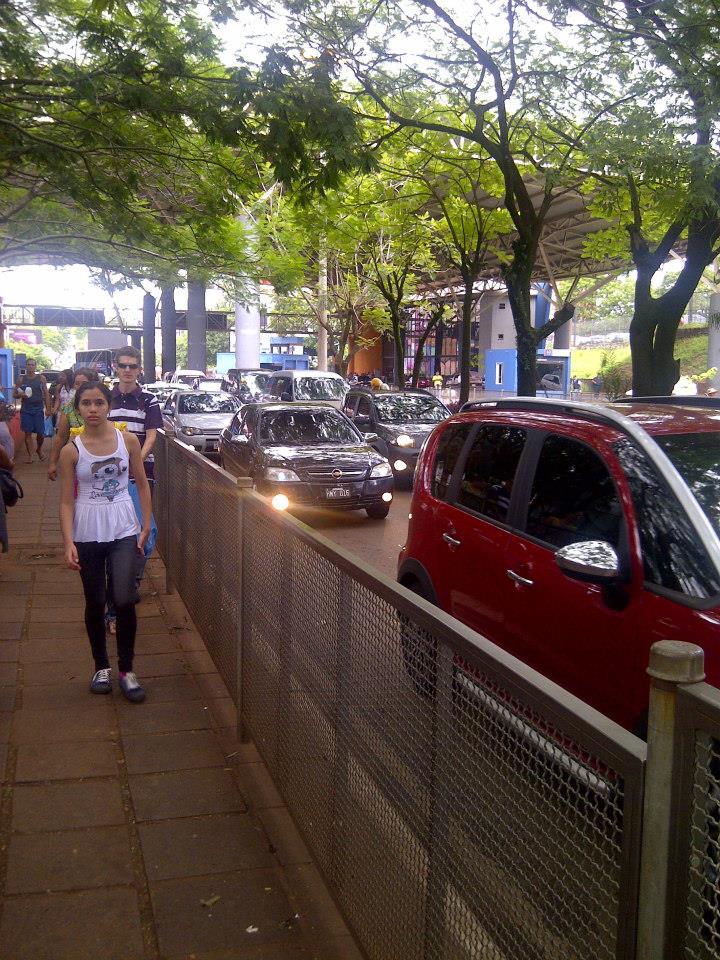
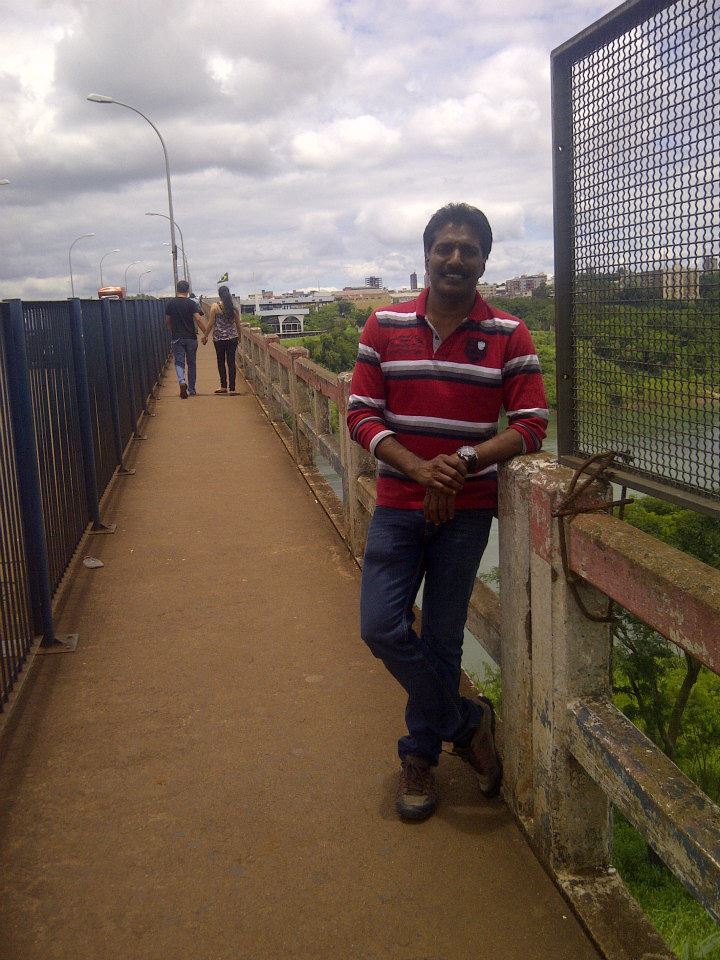
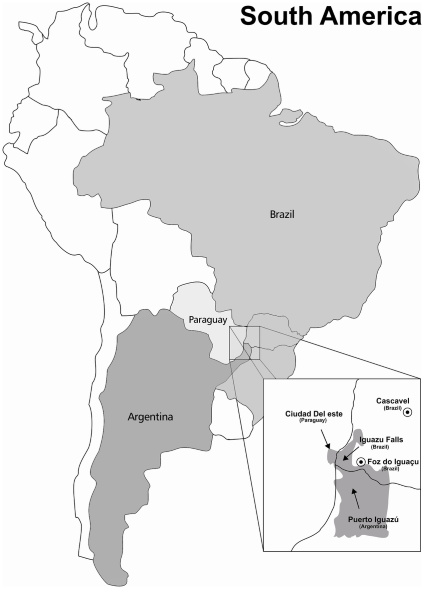
Ciudad del Este and Foz do Iguaçu are frontier towns in Paraguay and Brazil respectively, connected by Puente De La Amistad, meaning The Bridge of Friendship. The bridge is built over the Parana River that separates the border cities, and at this place, the river is hardly a kilometre in breadth. It was thrilling to be at the bridge and see Brazil on the other side. I made my first trip to Paraguay by visiting the capital city of Asuncion in December 2013. From Asuncion, I took an overnight 5-hr bus ride to reach Ciudad del Este.

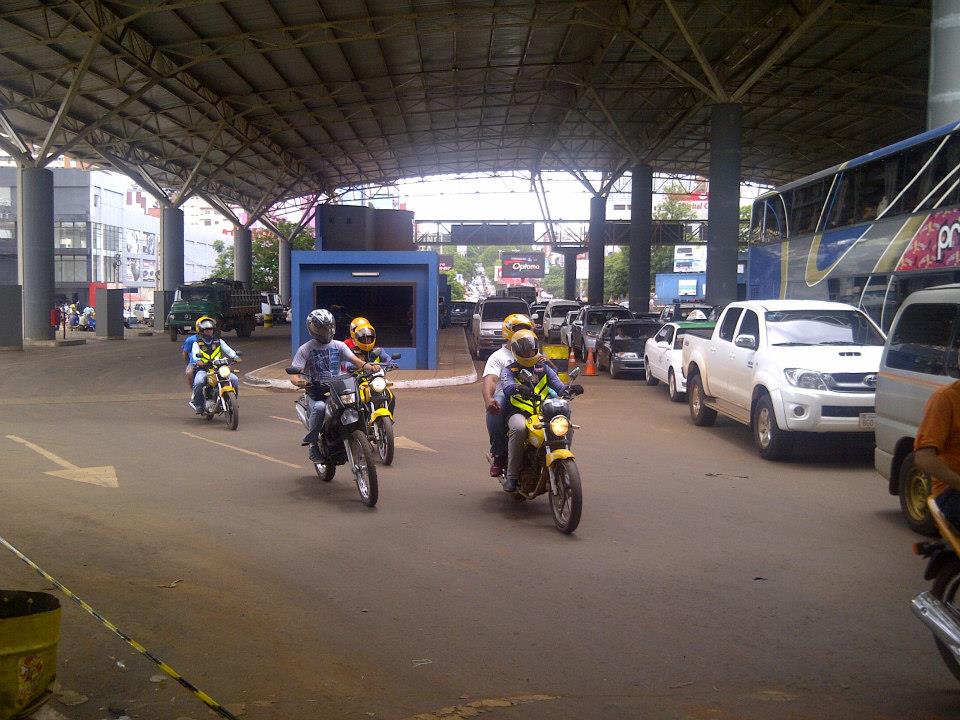
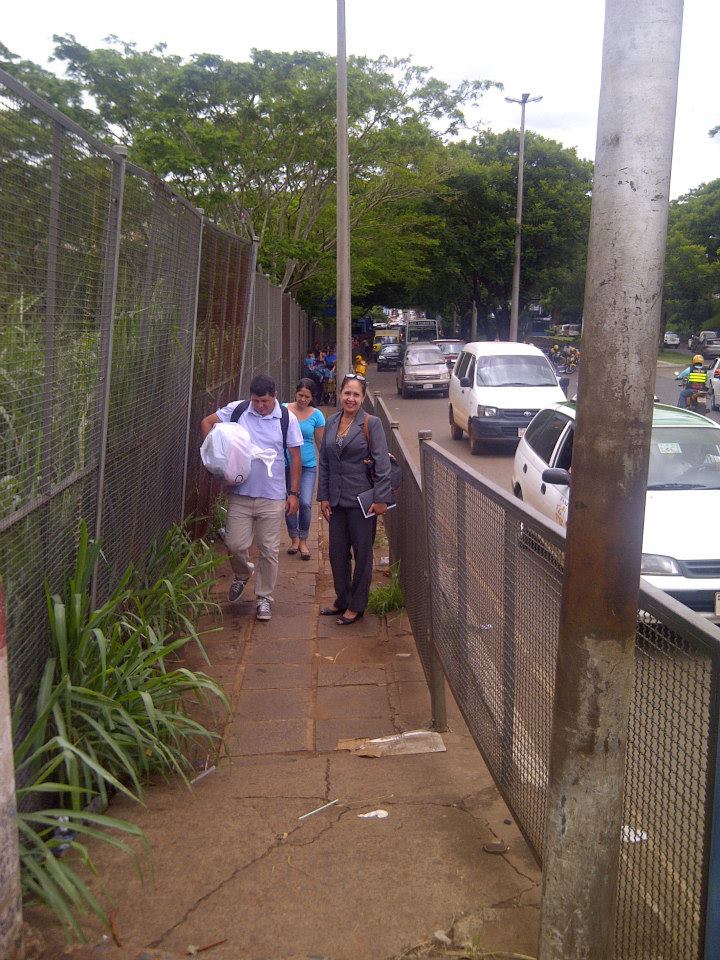
Brazil is one of the difficult countries to do business with if you want to sell your products there because of the cumbersome registration process and higher duties & taxes totaling more than 170%. Ciudad del Este is a free zone as well as one of the biggest wholesale markets in South America, which depends on the traders from Brazil. Both countries have a free trade agreement between them, enabling free flow of goods without having to undergo registration or payment of duties. On either side of the bridge, there are immigration checkpoints, but I found hardly any checking at these points. A non-Brazilian with Brazilian visa can get into Ciudad el Este through this entry point without having to undergo any checking. Foz do Iguaçu International Airport is the nearest airport which is hardly 30-minute drive from Ciudad del Este. I had traveled to Ciudad del Este through this route a couple of times without having Paraguay visa and faced no problems at the entry or exit point.

Ciudad del Est is a sleepy place that goes quiet quite early at nights. It is more a commercial city than a leisure one though a few casinos dot the city. The wholesale market opens as early as 8 a.m. and closes around 5 p.m. Past 6 p.m., the city is without any hustle bustle. People from Ciudad del este drive to Foz do Iguacu for dining and shopping. With my business partner, I made such an outing to the Brazilian city.

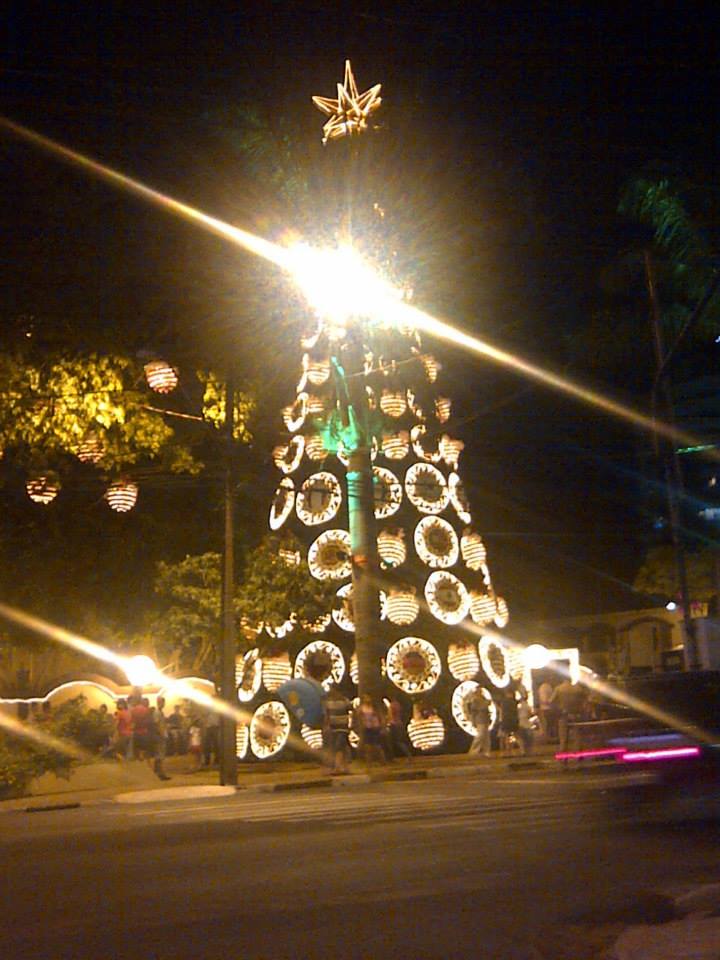
Foz do Iguacu decked up for Christmas:

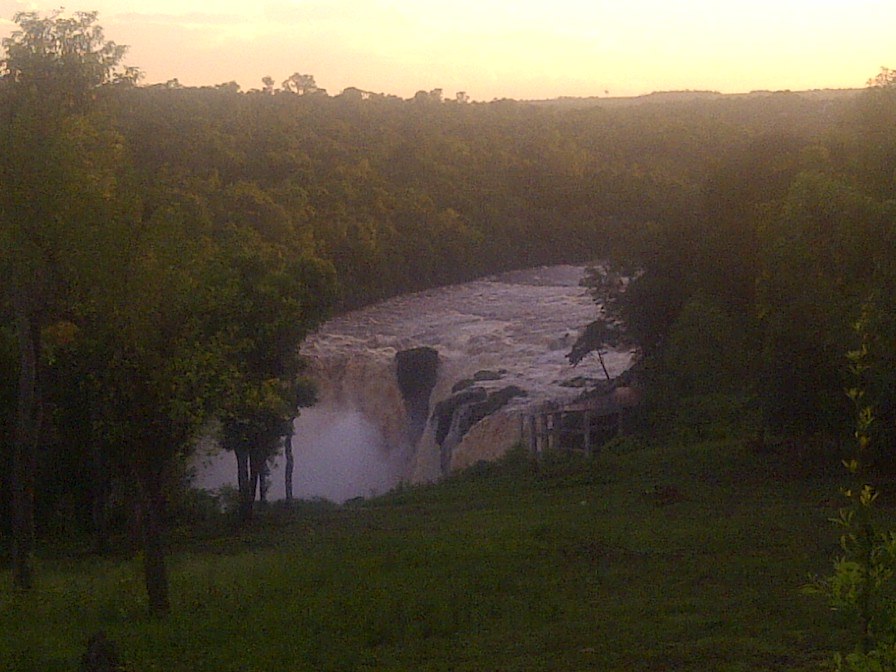
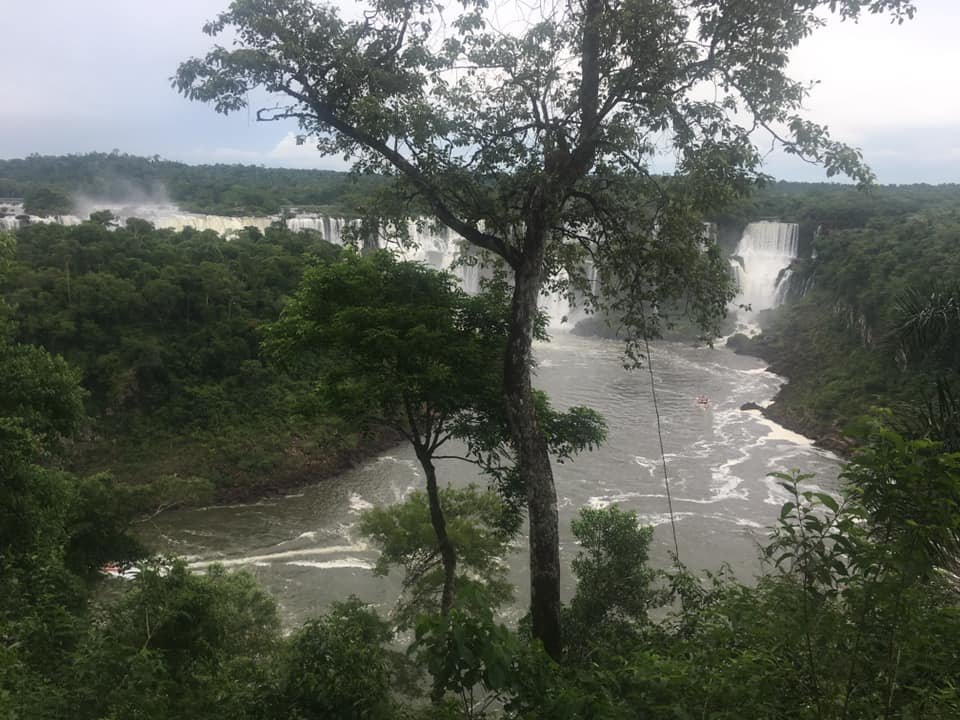
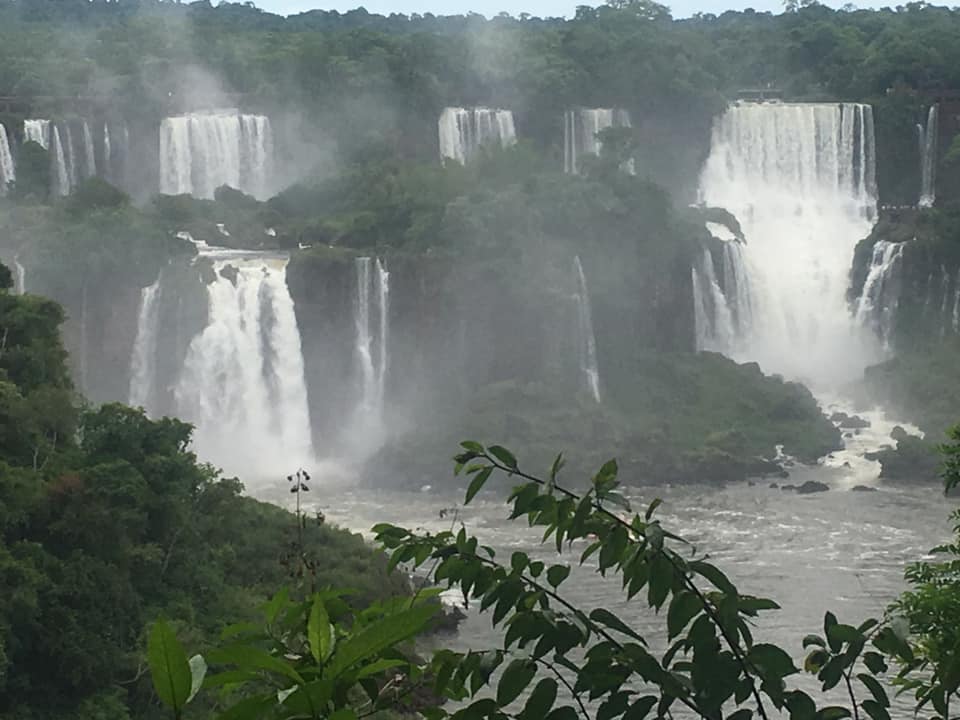
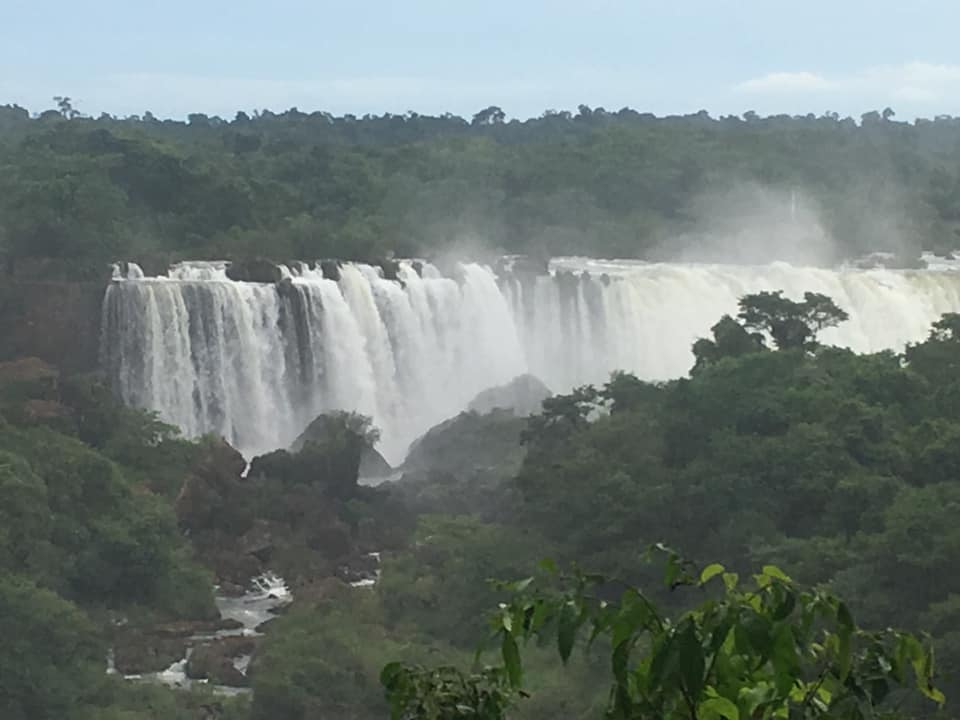
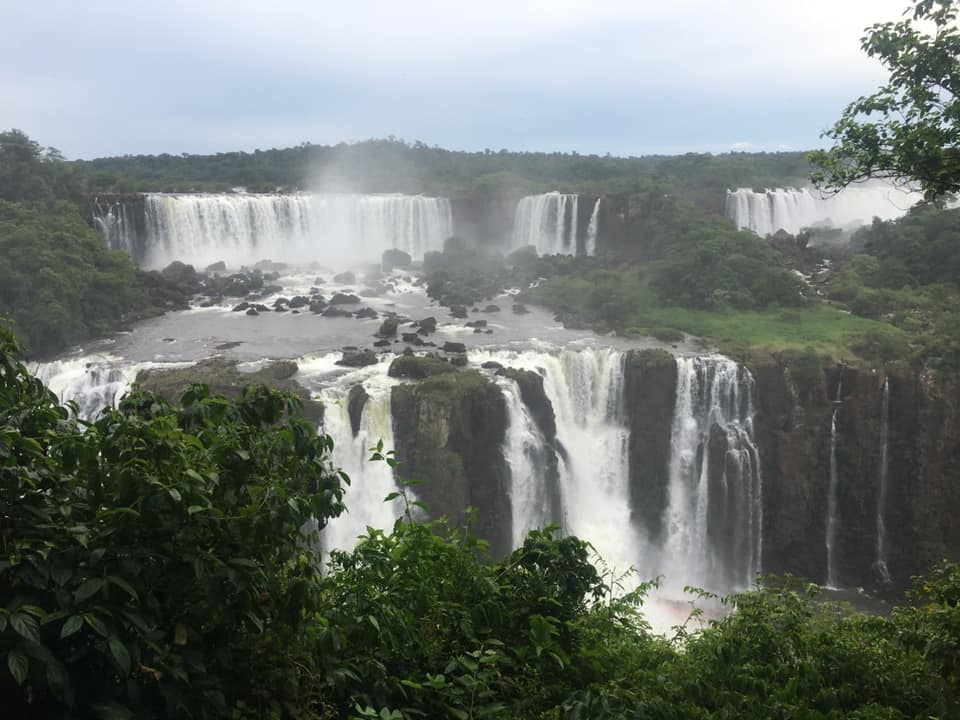
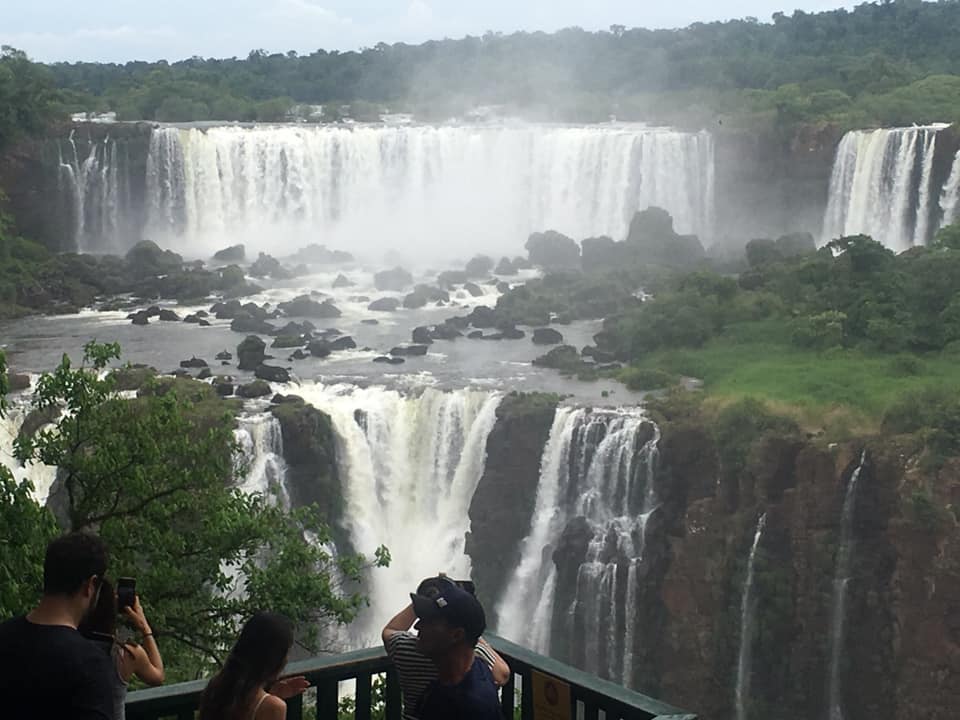
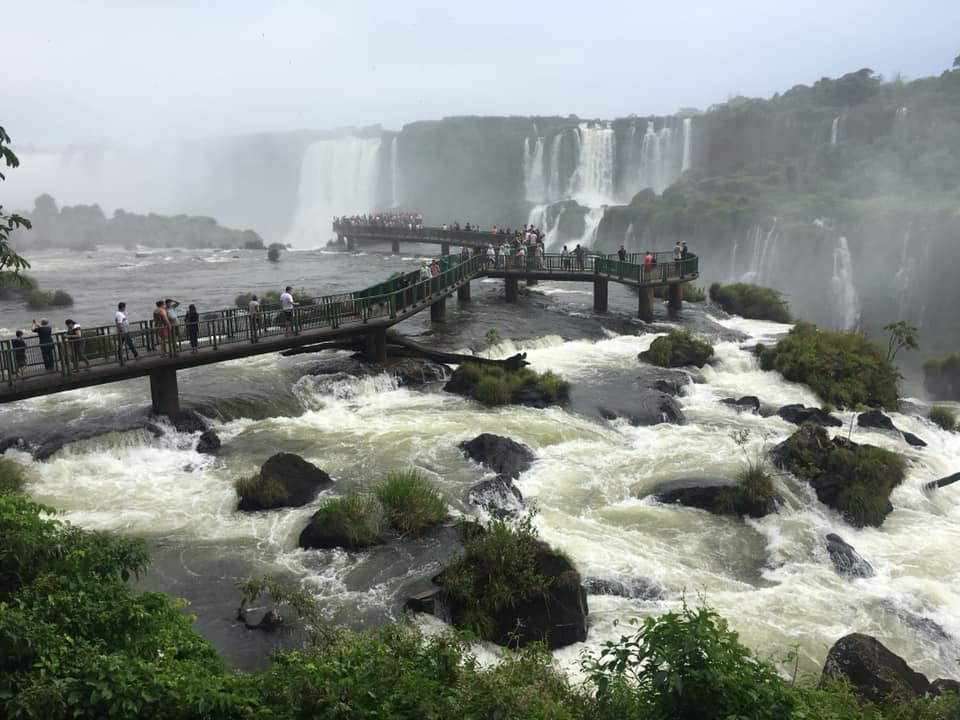
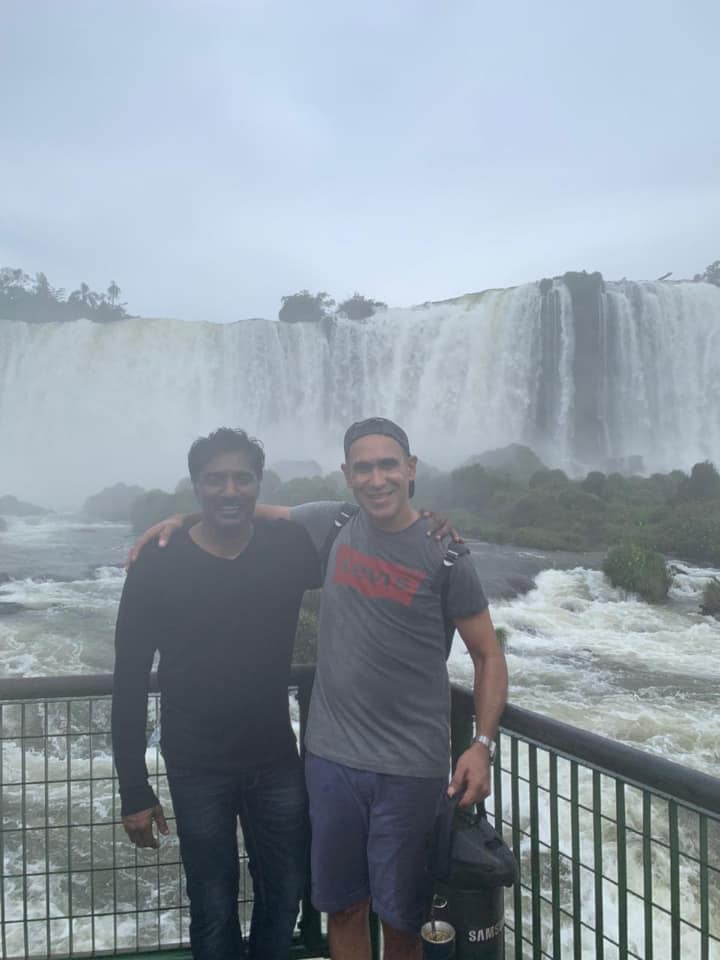
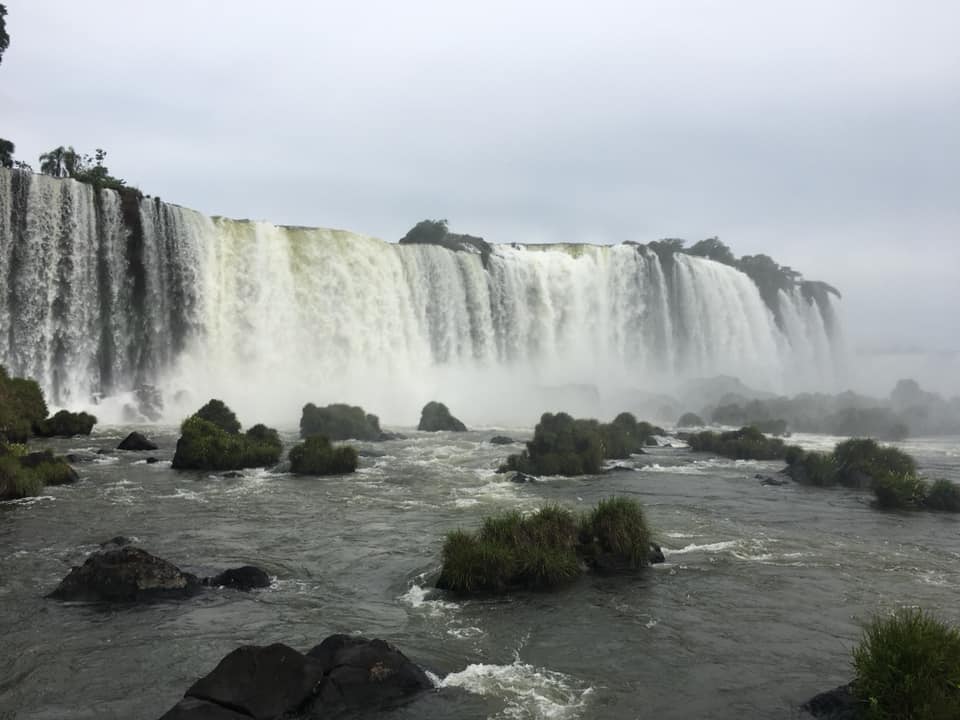
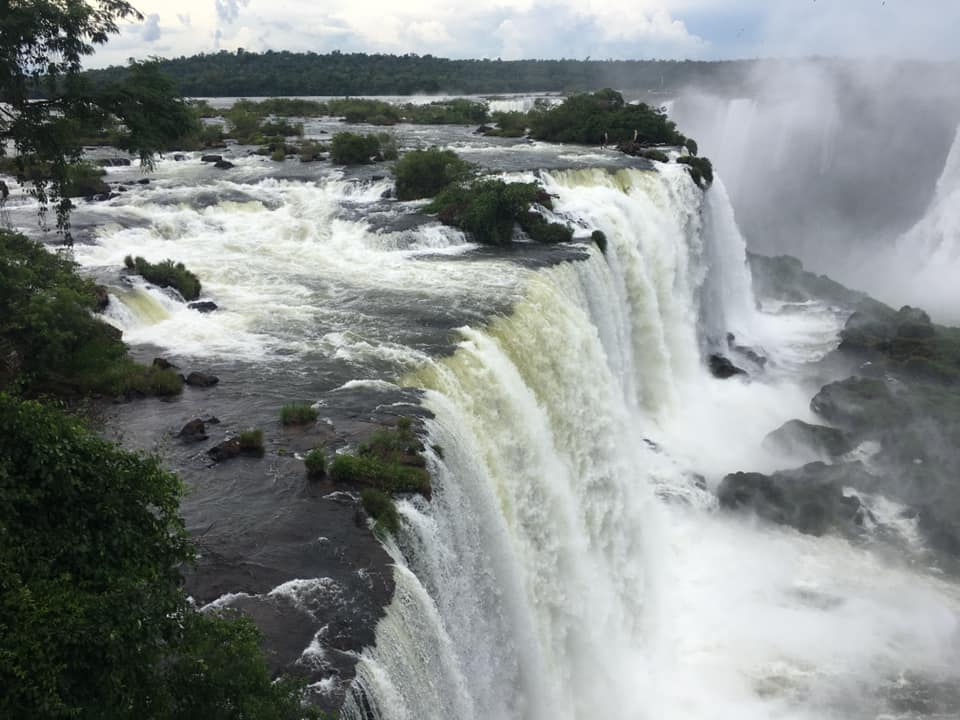
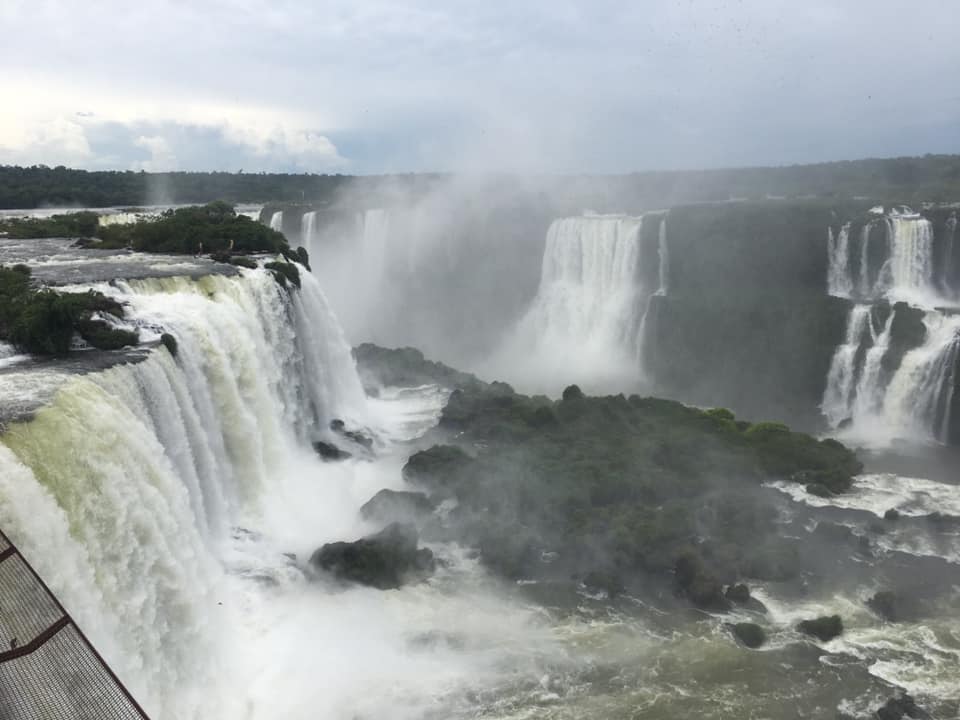
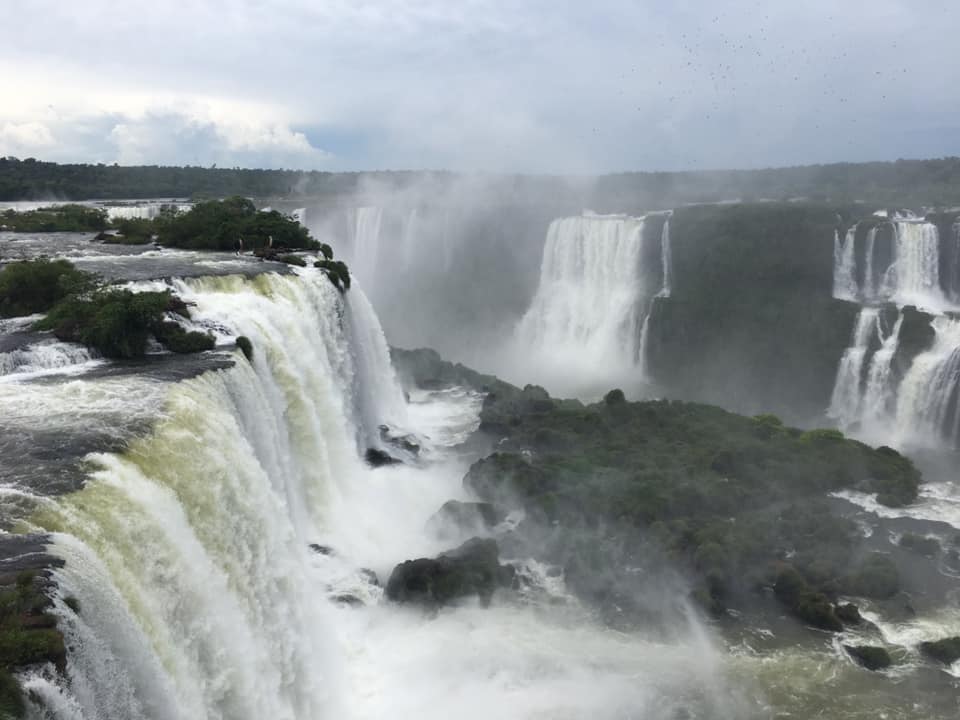
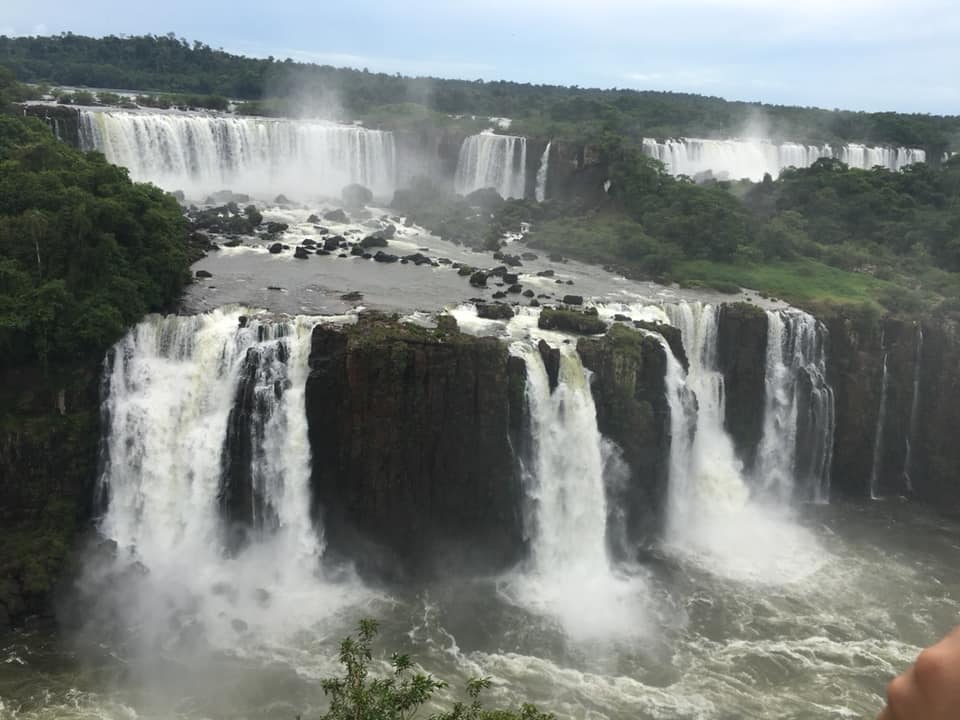
The most famous attraction in Foz do Iguacu is Iguazu Falls, the largest waterfall in the world, falling on the border of the Argentinian province of Misiones and the Brazilian state of Parana. I took a trip with my friend from Ciudad del Este to the Falls in December, 2019. The Iguazu River rises in the largest city, Curitiba, of Brazil and passes through the state of Parana in Brazil, later bordering with Argentina before the falls, More than 80% of the falls is situated on the Argentinian side while most of the river basin is in Brazil.

Around USD 25 is the entrance fee to the Falls. A bus ride through a neatly maintained forest-park for 10 minutes takes you to the Fall’s extended-basin side. Then, you have to take a walk uphill to the Falls, enjoying the Falls in its virgin beauty as you stream up and the falls wade down. Though it sounds oxymoron, one has to climb to reach falls.

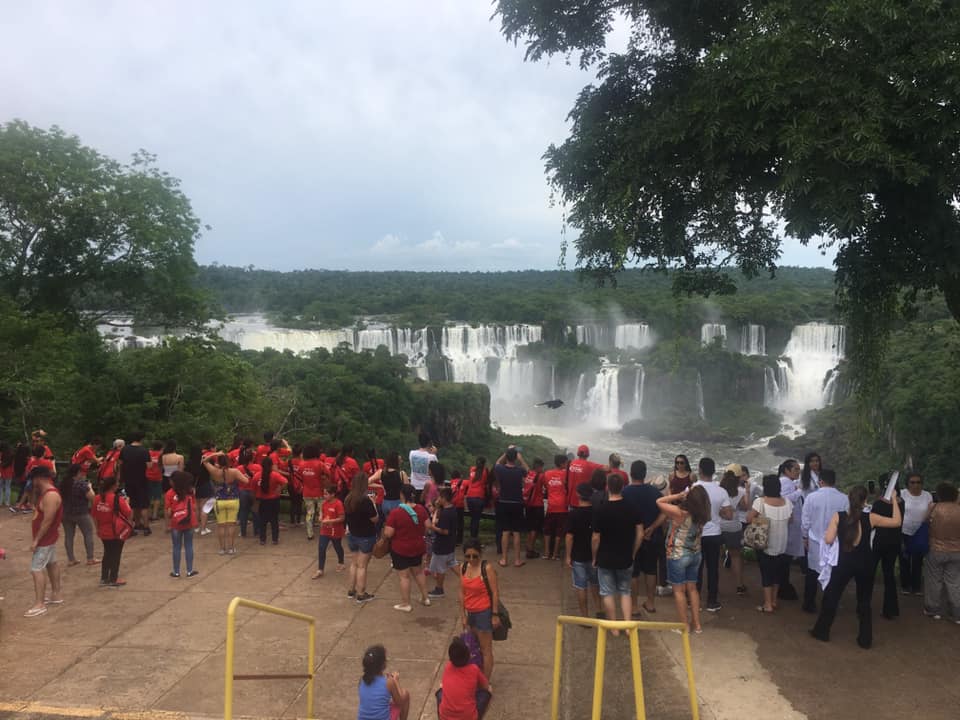
A picture from the spot where we were dropped by the bus:

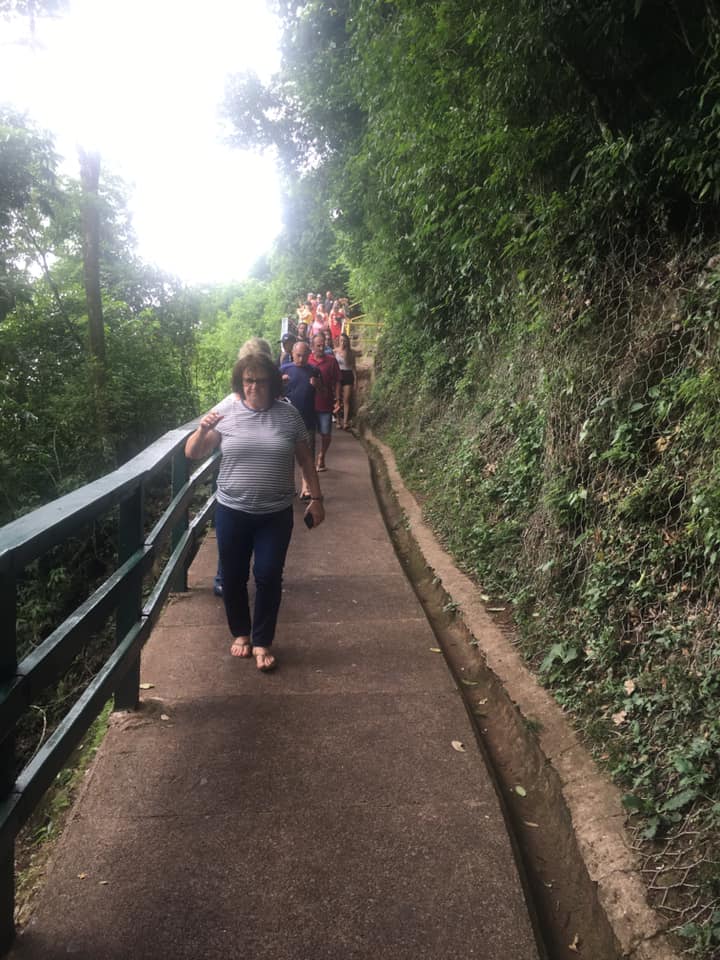
Walking up to the Falls.

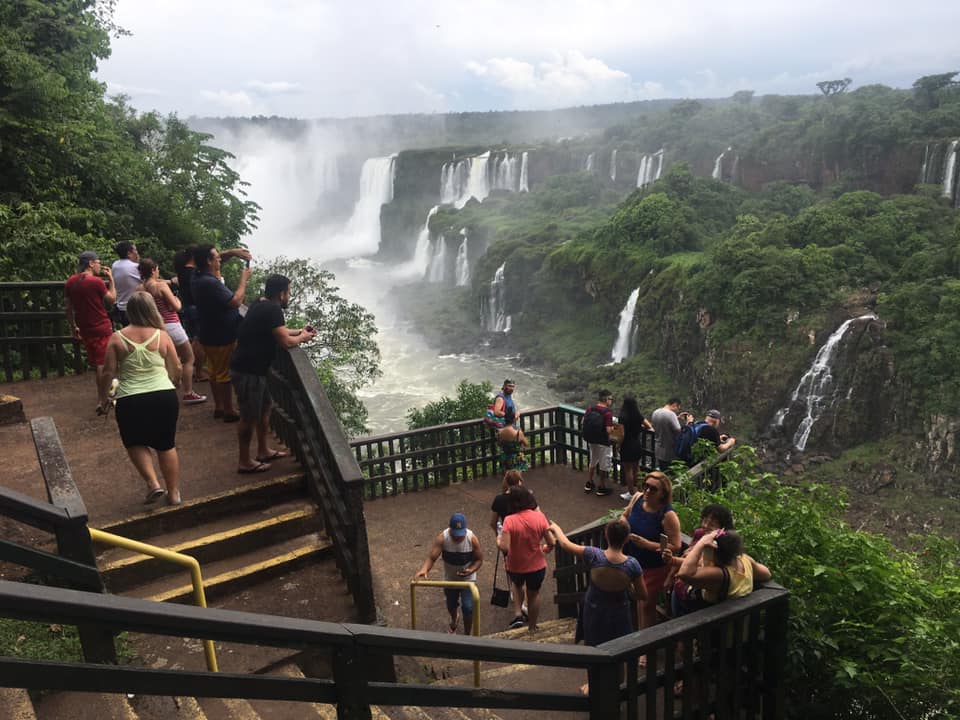
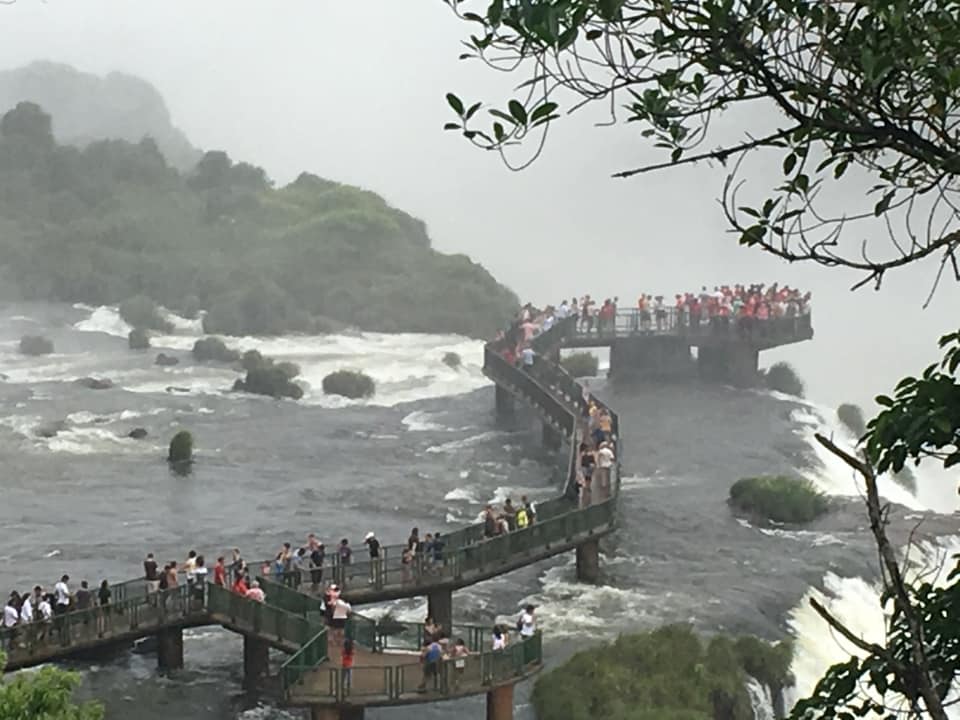
As we climbed, there were outreach-spots to view the falls as well as for photo ops.

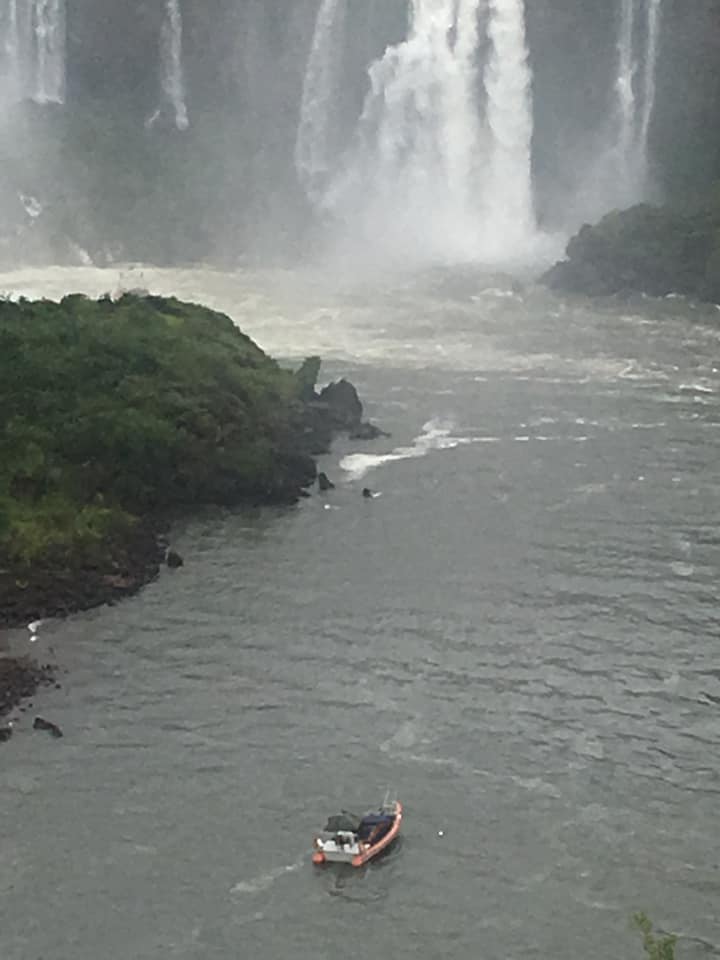
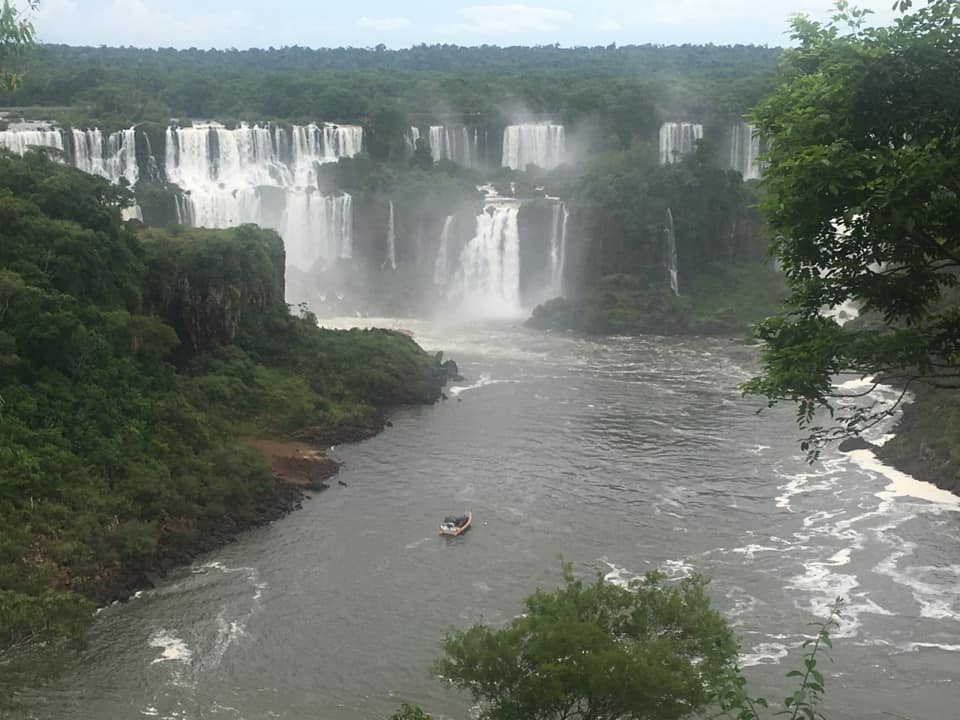
People taking boats to get closer to the Falls was a usual sight.

As we walked along the way to the Falls, enjoying its burbling sounds and awesome beauties.

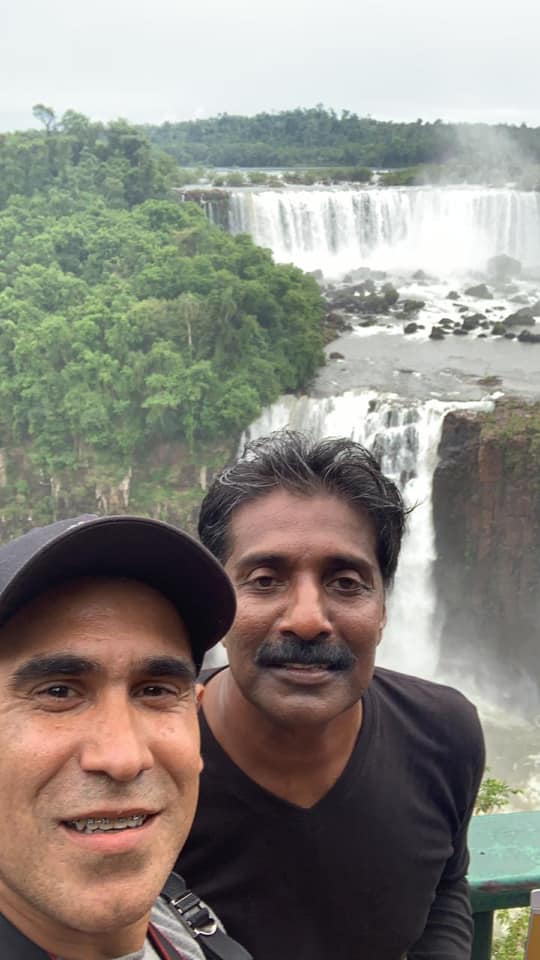
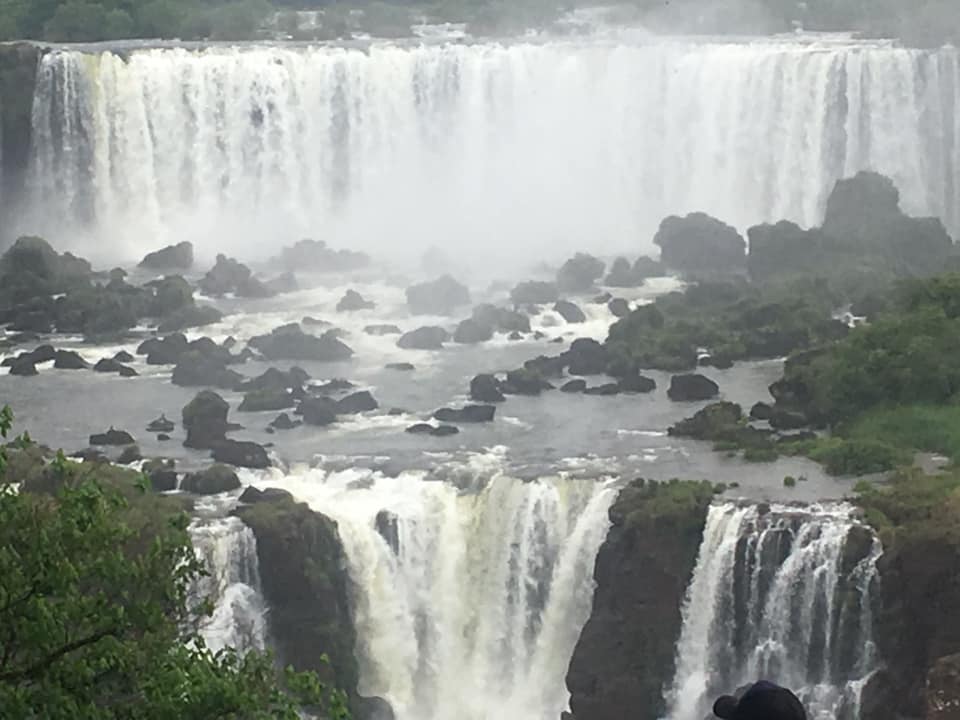
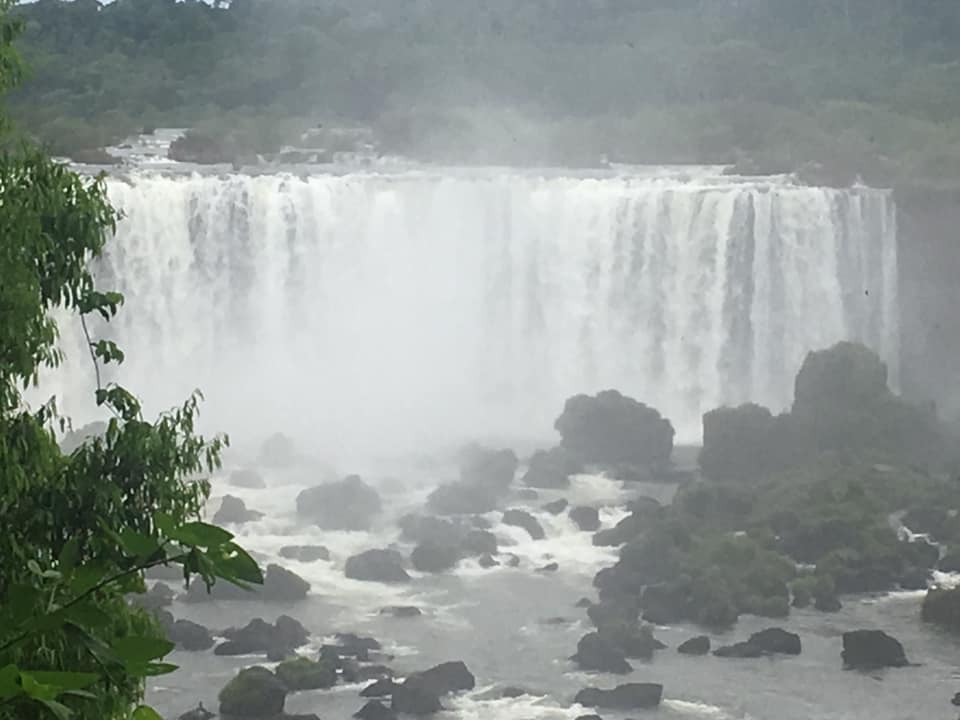
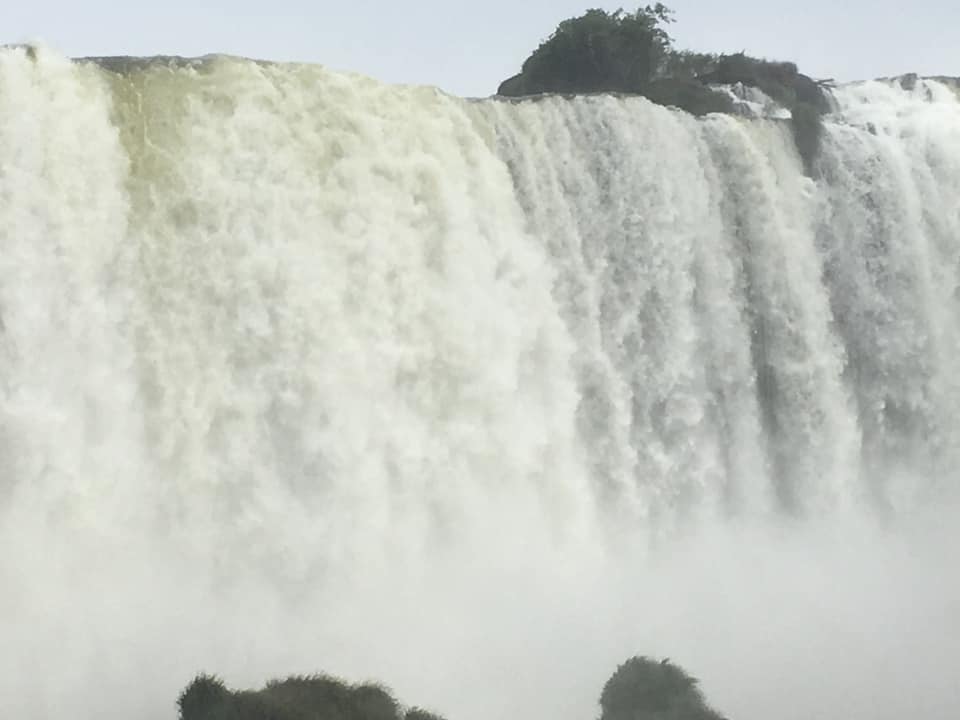
A closer look at the Falls:

Water looks at its best when it flows down as frothing white streams. And the beauty gets augmented when water columns are made to come together and jump in their pristine beauty:

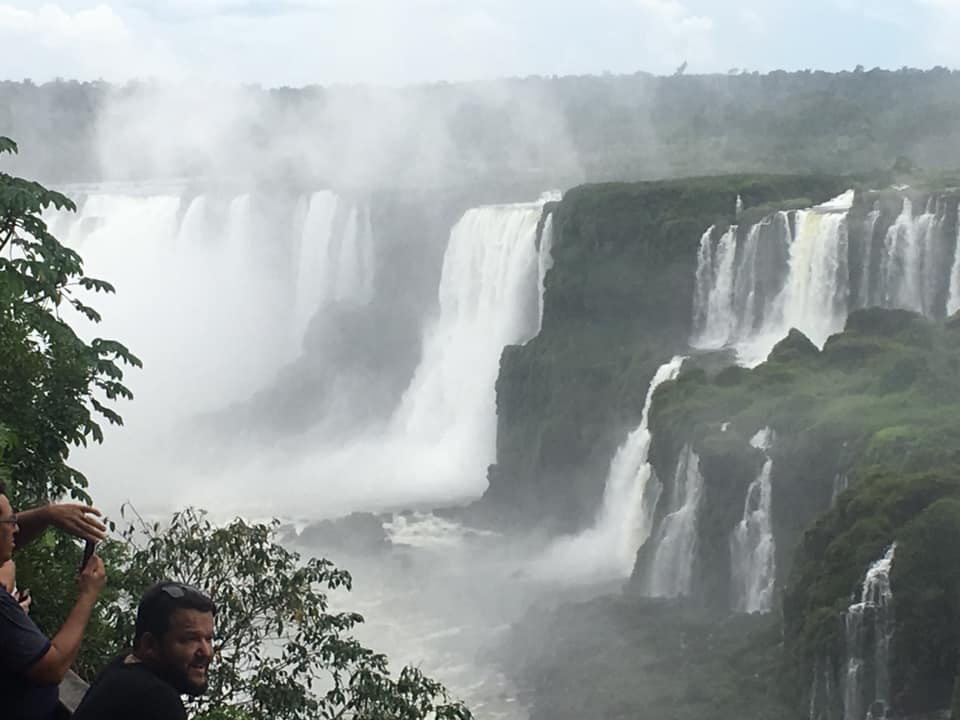
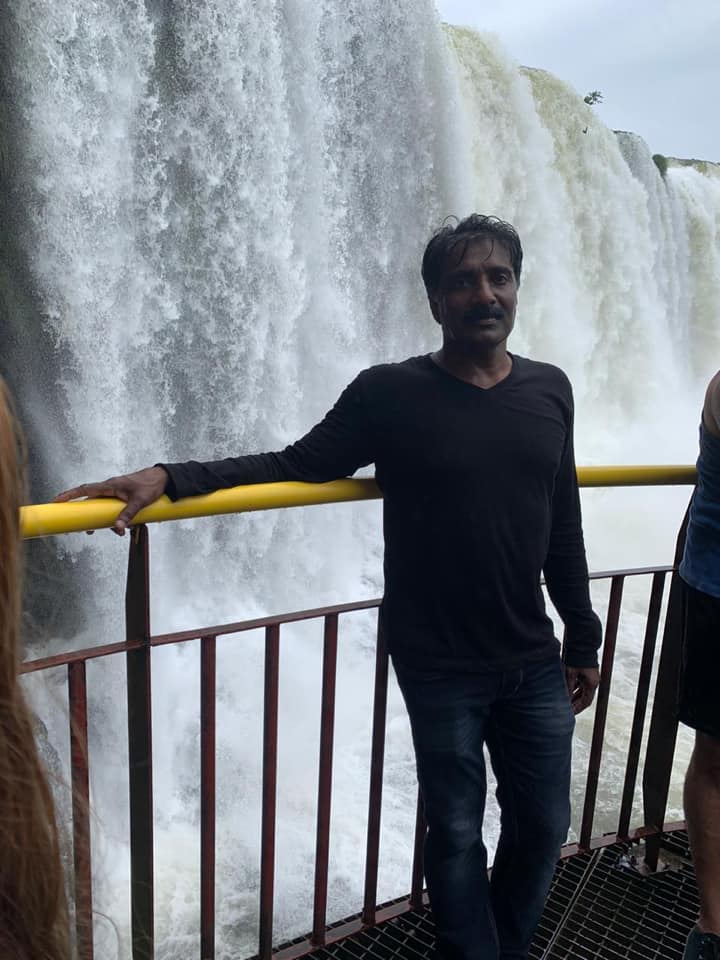
There is a 1-km long footbridge, a walkaway over the river’s widest stretch named the Devil’s Throat, and the bridge takes you closer to the Falls on the Argentinian side. The roam and spray is the most mighty here. One will get fully wet in the spray on the bridge.

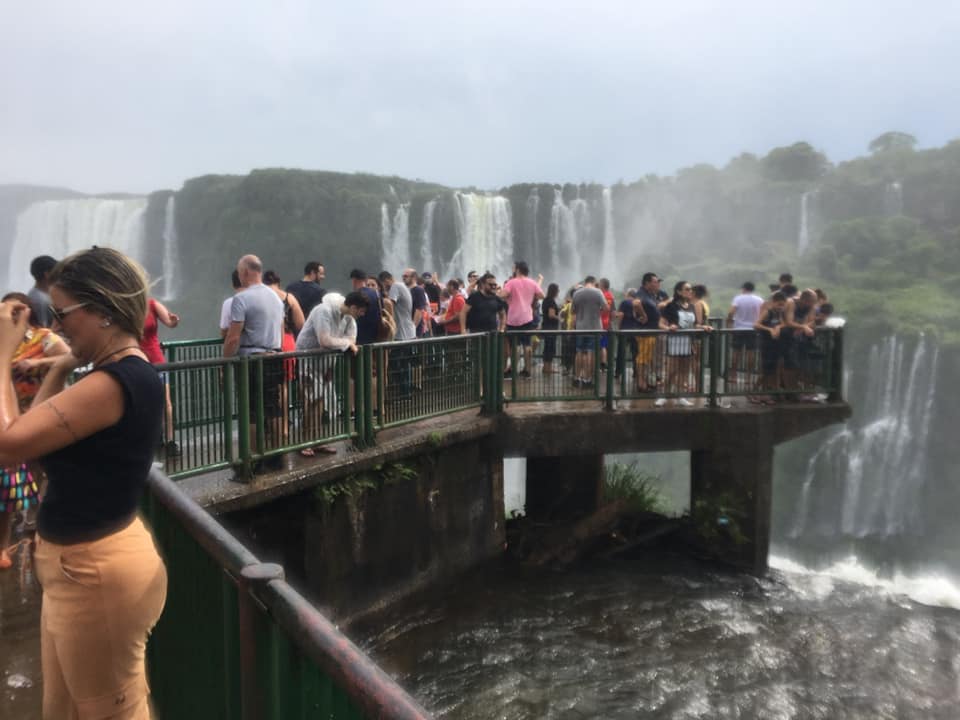
You can board a lift if you want to get a view of the Falls from the top. At the top, there are structures built to outreach to the Falls as close as possible. You can witness the mighty Fall from a few meters away and experience its fumy canopy, along with burbling sounds at its highest pitch.

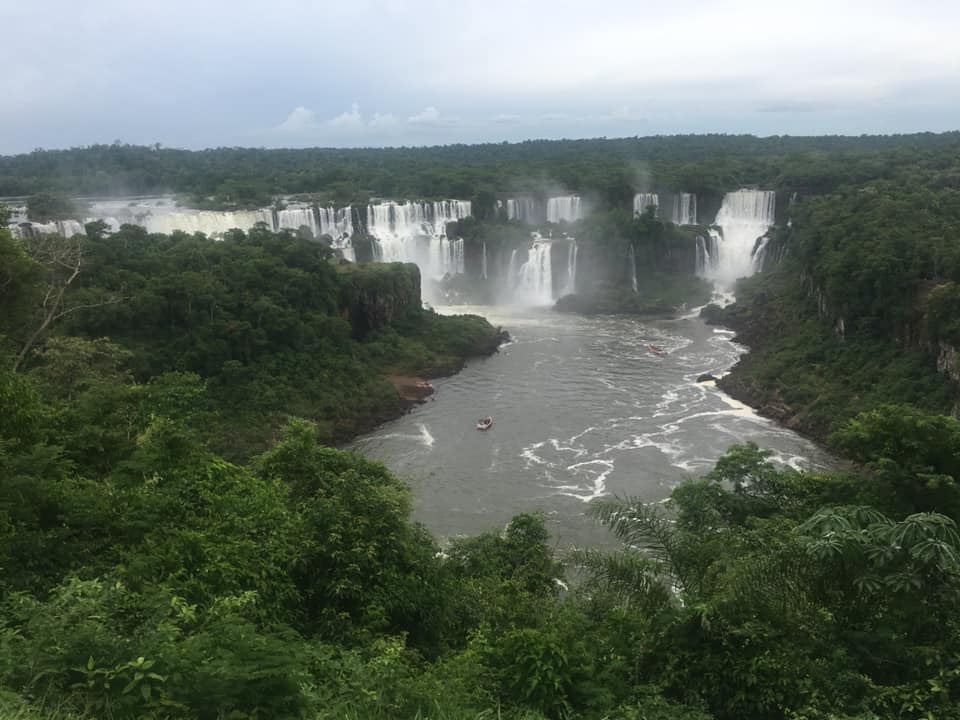
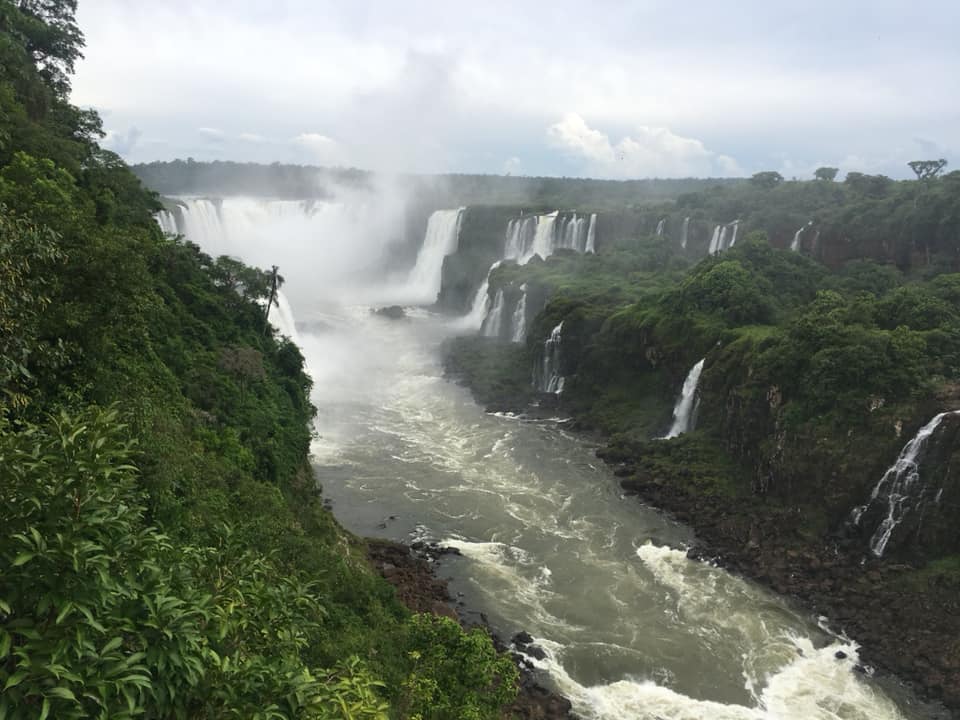
The following pictures cover both Brazilian and Argentinian sides of the Falls:

The lower Iguazu collects in a canyon that downstream into the Parana River.

This confluence-junction of the two rivers is called Tri Junction that marks the borders among Brazil, Argentina, and Paraguay. There is a land point of the Tri Junction that frontiers these three countries, with three roads heading to cities of Foz do Iguacu, Brazil; Puerto Iguazu, Argentina; and Ciuadad del Este, Paraguay. Tri Junction is a popular tourist attraction. One has to cross this point to go to Ciuadad del Este from Foz do Iguacu.

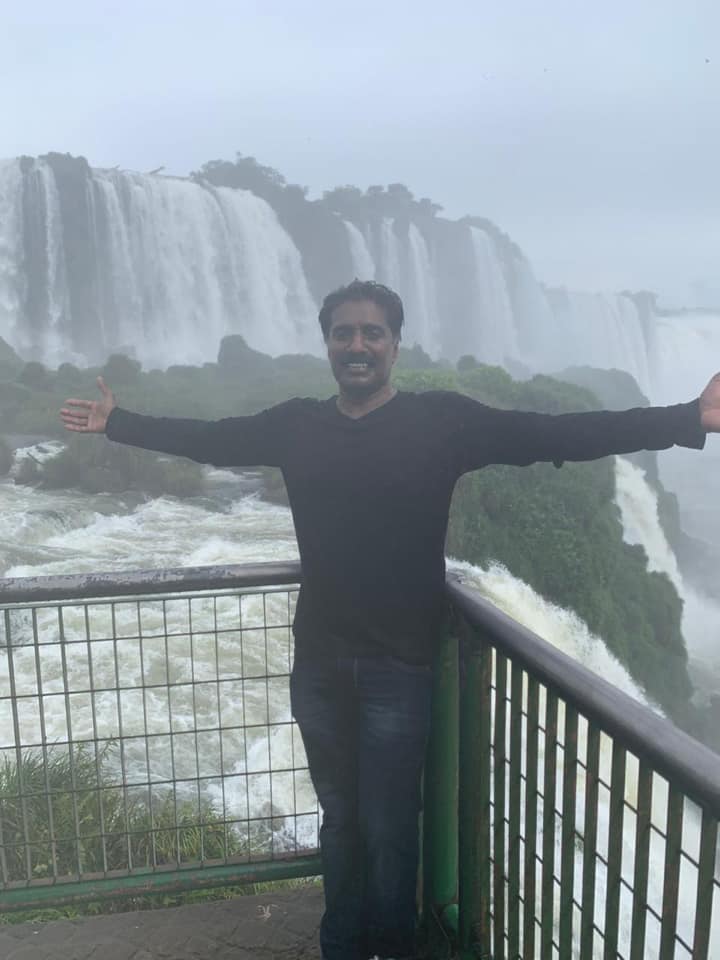
The visit was a sweat and shower experience. As I walked up to the Falls, I sweated profusely. But at the Devil’s Throat and near to the Fall’s top, the sweats were blown away by the spray-showers. It was a 5-hour extravaganza with nature’s wonder. At the end, I was tired but did take home the freshness of the Falls showered by the sprays, with the burbling sounds humming in the ears.

The Mirror In You

“The face is the mirror of the mind, and eyes without speaking confess the secrets of the heart.” ~ Saint Jerome. The first part of this quote is an adage in many languages. Every adage, including this one, was evolved over the years and had come into existence from the forge of human experiences. They are hammered into substance out of the attentive and elucidating chapters of human life. So they do carry messages of truth. Howsoever clever or deceptive a person is, she/he cannot paper over reflections of the mind. In the movie, Terminator 3: Rise of Machines, the Artificial Intelligence machine personified by Arnold Alois Schwarzenegger tells John Connor, who threatens to shoot himself, “Based on your pupil dilation, skin temperature and mode of functions, l calculate 83% probability that you will not pull a trigger.” The three metrics were reflecting John’s mind though he was telling otherwise. The adage of face being the mirror of mind is substance-fully correct.

Household mirrors do reflect, and they reflect because of back-silvering – the process of coating a non-conductive substrate surface like glass with a reflective material like silver. What about a household mirror that lost some of its back-silvering? It reflects from the area that is silver-coated and lets object-images pass through the area that had lost the silver-patch. A part of me was absent when I looked at the mirror in my dressing room. There was nothing wrong with me, but the mirror had lost some of its silver-coating, so it allowed a part of me to pass through while reflecting the rest. We should also be like such a mirror, absorbing and reflecting good things that come to us while allowing – like the silver-lost part does – bad things, negative thoughts and unfriendly and negativity-spreading people to pass through – let go – without them having any impact on us.

How many types of social interface do we get exposed to in our daily life? We come across two types of people and things: positive and negative. By using our basic intelligence, we can decide to reflect positive people and things and learn from whatever they bring to the table, as well as decide to direct the negativity-spreading people and things to the silver-lost part of our mind and let them pass through without having any impact on us. Negative people should be allowed to go, not to be reflected on, for they have nothing productive and positive to contribute to your progress and well-being and that they are mostly incorrigible with an inbuilt thought-machine that runs on the fuel of negative energy.

In the ultimate analysis, you are someone with either a positive or a negative mindset but not a neutral one. You can train yourself in and become a champion of neutral response, but neutral response itself is a suppressed state of negative or positive attitude. So, is that all? No, there are two more types, with one being dangerous and the other a miss. They are false-positive and false-negative respectively, and you need more than basic intelligence to handle these two.

U.S.A. doctors found something strange in the diagnosis of COVID-19 in both swab and serology test methods. In one study, of the 12 antibody tests that were studied by the COVID-19 Testing Project, one of the tests gave false-positives more than 15% of the time, or in about one out of seven samples. Three other tests gave false-positives more than 10% of the time. Some studies showed that the false-negative could be to the tune of 14.8%. False-positive is negative, so it is terrible to tell someone that she/he is COVID-19 positive though it is not so. Similarly, false-negative is positive, and it is very dangerous as the person is considered as virus-negative, though she/he is actually positive, and allowed to socialize with others. Doctors, finally, resorted to scanning machines to check if the lungs were infected or not to reconfirm the test results.

False-positive — the hidden personality — individuals are the most dangerous persons to deal with. Like COVID-19 giving false-positive test results, these deceptive people succeed in hoodwinking our basic intelligence to make us understand them incorrectly – we will be unknowingly made to think that they are attitudinally positive. Similarly, it will be a irretrievable loss if we identify someone as false-negative and let her/him pass through the silver-lost part of our mind. We lose a chance to learn from them, to get kindled by their positive energy and enthusiasms that could have motivated us to climb the heights with added vigor. How do we identify false-negative and false positive people? We need something, like the scanners used by the doctors, to see through the intentions of people to know if they are charged positively or negatively.

There is no specific tool or method that can be deployed to read if a person is behaviorally false-positive or false-negative. We have to employ our Deep Intelligence to diagnose whether people have virulent intentions hidden deep inside or are carrying benign and productive frame of mind by swabbing deep beyond the facade put up by them. Arnold Schwarzenegger had a built-in supercomputer within him, which enabled him to look for and decipher nuances like the eye-pupil movements and understand if John Connor was telling truth or not. Like Arnold used his supercomputer-intelligence, we should use our Deep Intelligence, which is the retrofit of basic intelligence with knowledge and experience. By a certain age, you would acquire certain level of knowledge and a unique level of learning from your experience. Knowledge and experience, the crucial semiconductors added to your integrated circuit called basic intelligence, convert basic intelligence to Deep Intelligence. We need to scan through histrionics and other body languages of people using our Deep Intelligence to gauge and judge if they are matching with what they say – what they think. Deep Intelligence should be used ruthlessly, unbiased and unemotionally to identify false-negative and false-positive people.

Prepare your mind like a mirror that has patches of silver-lost area. Deploy your Deep Intelligence to identify negative and positive people, including false-negative and false-positive. Reflect positive people and things while you let go negative people and things without them having any impact on you.

Machu Picchu

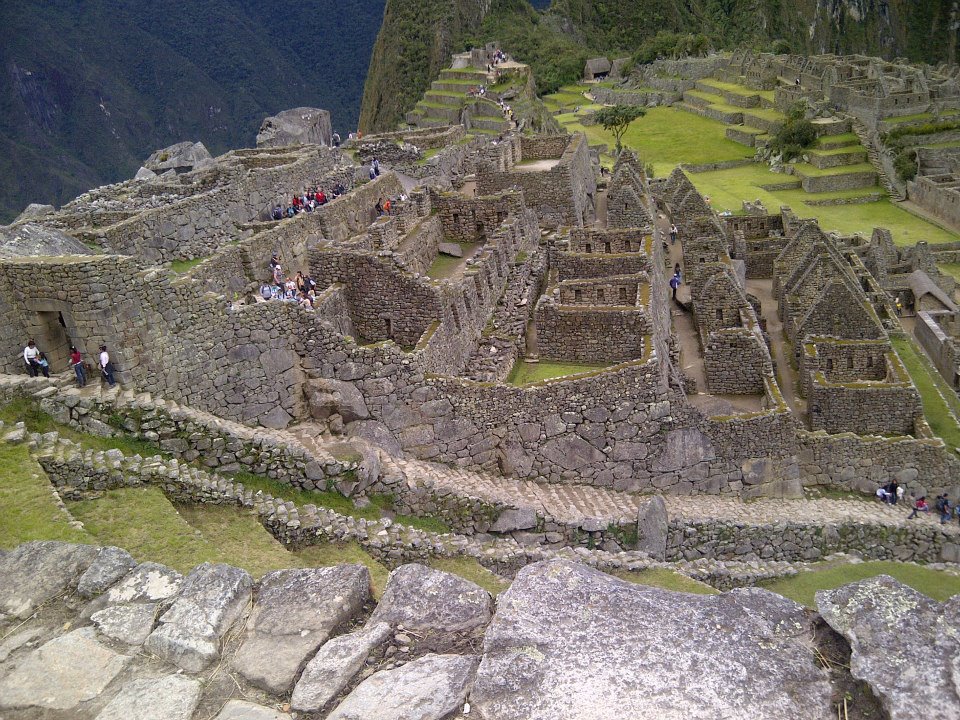
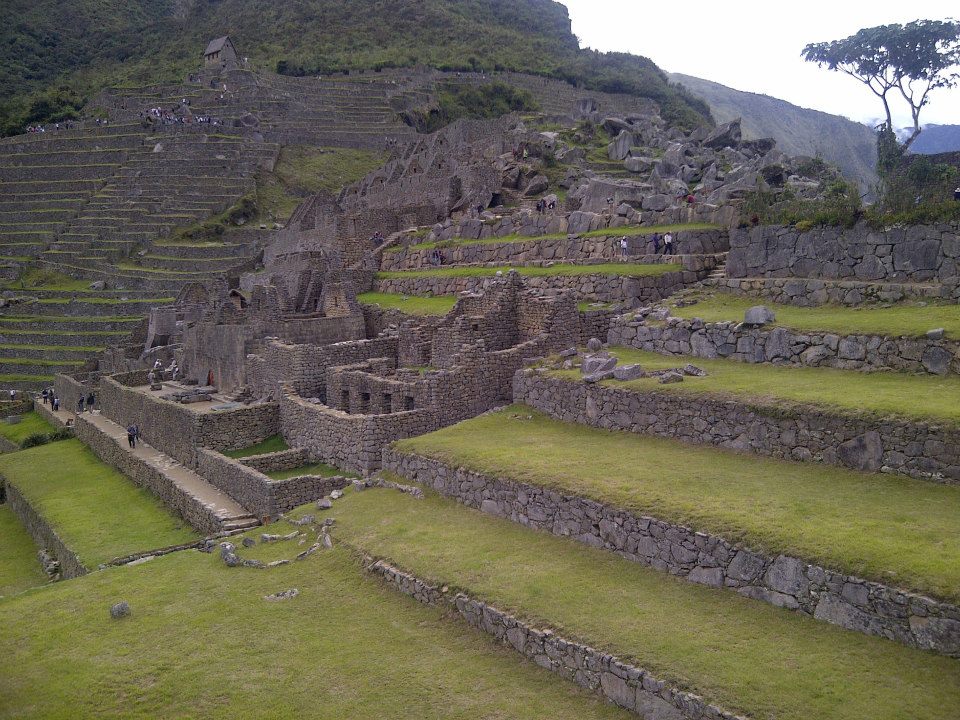
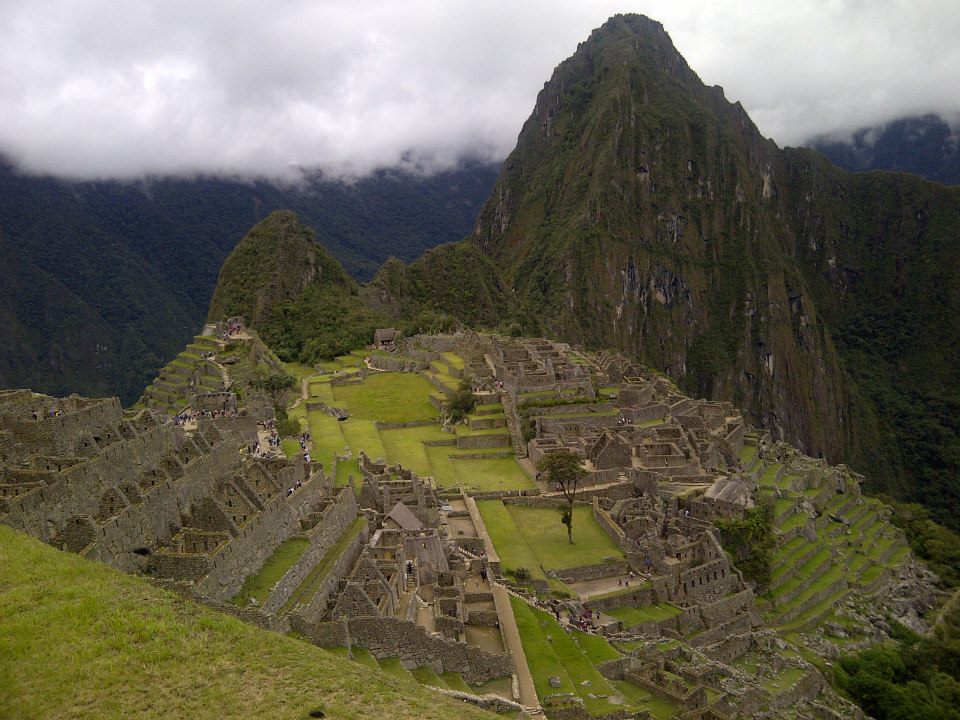
Machu Picchu is one of the New 7 Wonders of the World! Rising majestically 7970 feet above the mean sea level from the Sacred Valley that is situated 80 kilometres northwest of Cuzco, Peru, Machu Picchu is considered as the lost city of the Incas, the most prominent tribe that ruled large swathes of South America before the arrival of the Spanish. Built in the 15th century, the wonder was oblivious to the world until it was discovered in 1911 by Hiram Bingham, an American historian. There is no unanimity on the nature of this wonder. Archaeologists have divergent opinions on what Machu Picchu is, and the most accepted one is that it was an estate built for the Inca emperor, Pachacuti.

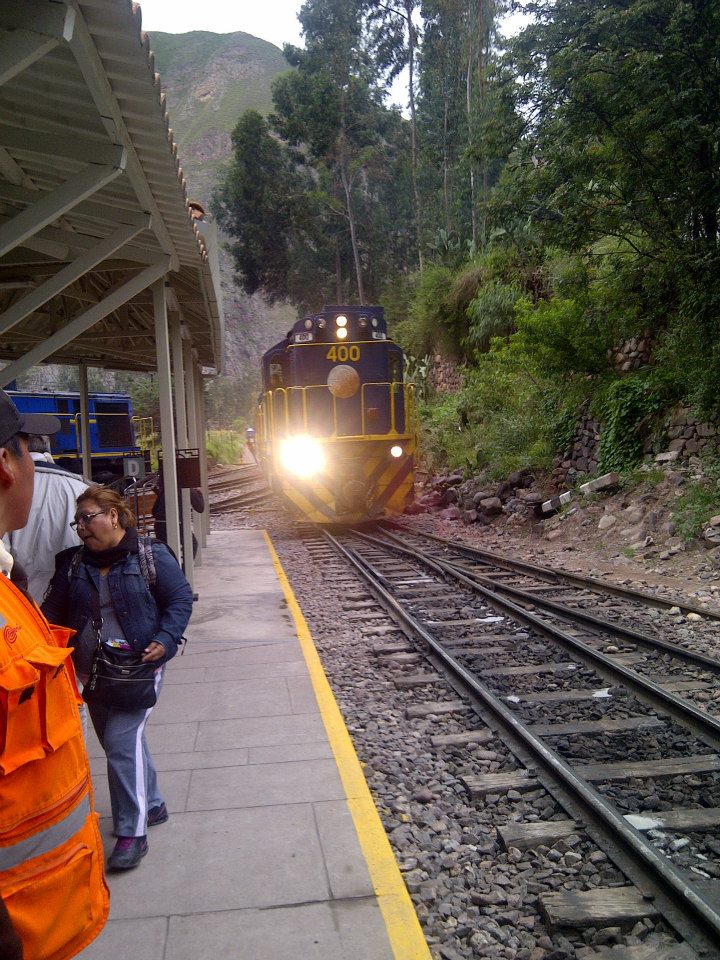
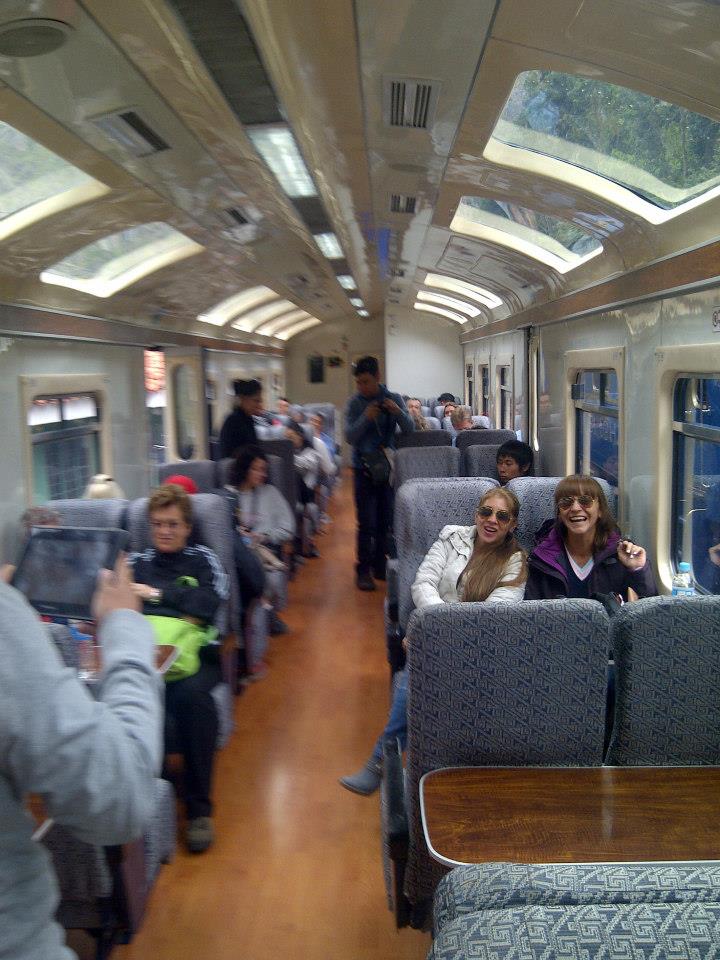
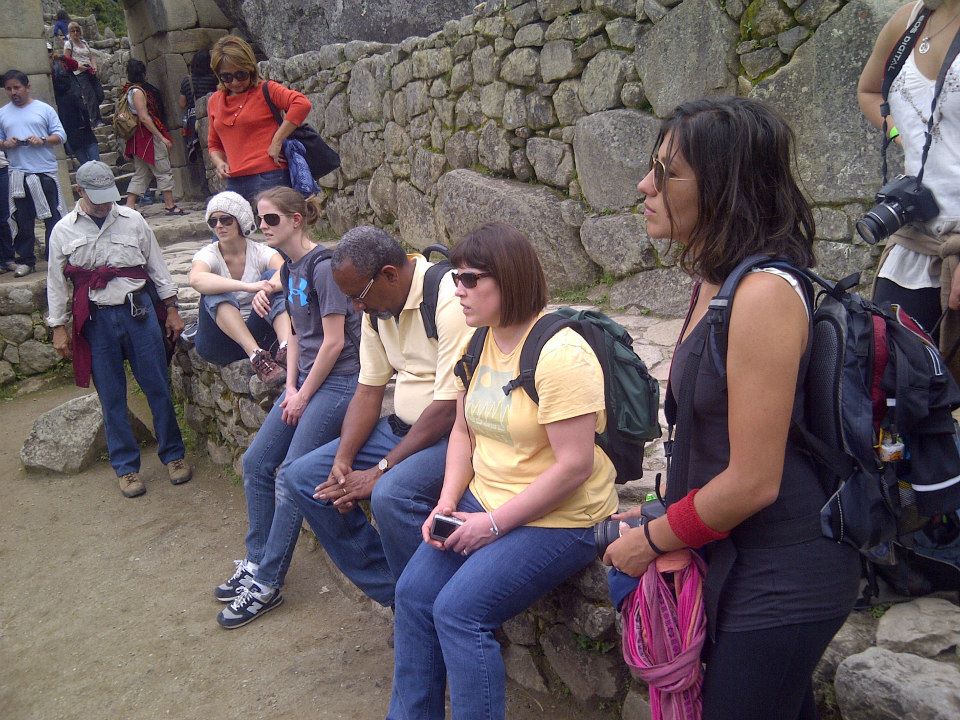
The first day of my visit to Cusco in March 2013 was spent on sightseeing in the city – detailed in the blog: https://nowhereperspectives.com/2020/05/06/cusco-and-the-incas/?fbclid=IwAR0zf_uaJCzw_LK8qXEDf-KiqFY9DbG30wrlTGkPH7A8eS6hZS4Rap_vrjY. The trip to the mountainous marvel was on the next day. Cusco city is set itself in a valley, so one has to go uphill to reach the Inca citadel. I was on a package tour, and we started the journey in the early morning by boarding a bus. A 30-minute bus ride through the serpentine mountain roads took us to Poroy railway station. The beauty of the journey began from the very boarding of the train that climbed through the hilly terrains to Aguas Calientes railway station in a 3 hour 15 minutes of wheeling, covering a 69 km mesmerizing stretch of unadulterated nature.

The uphill journey was through a panoramic-carpet rolled out by nature, with the train and passengers being the only human interventions in the abutting natural ambiance. The train passed through different backdrops of mountains, valleys, etc., with a stream, which was so white in color that it looked as if snow were rolling down, being beside us most of the time though the train was travelling in the opposite direction. Although the trip was done 7 years back, I still remember a few things like the train running through the ravines, with mountainous walls on either side being very close to the train.

From Aguas Calientes station, we took a bus – I remember so – to reach the mountain base to start the climb to the site.  

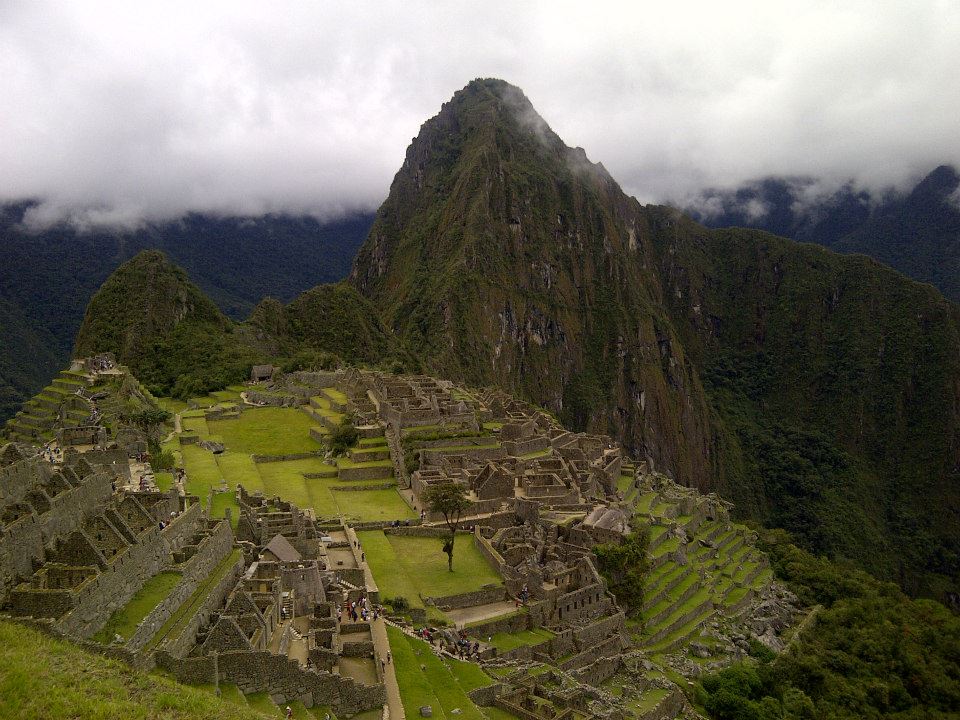
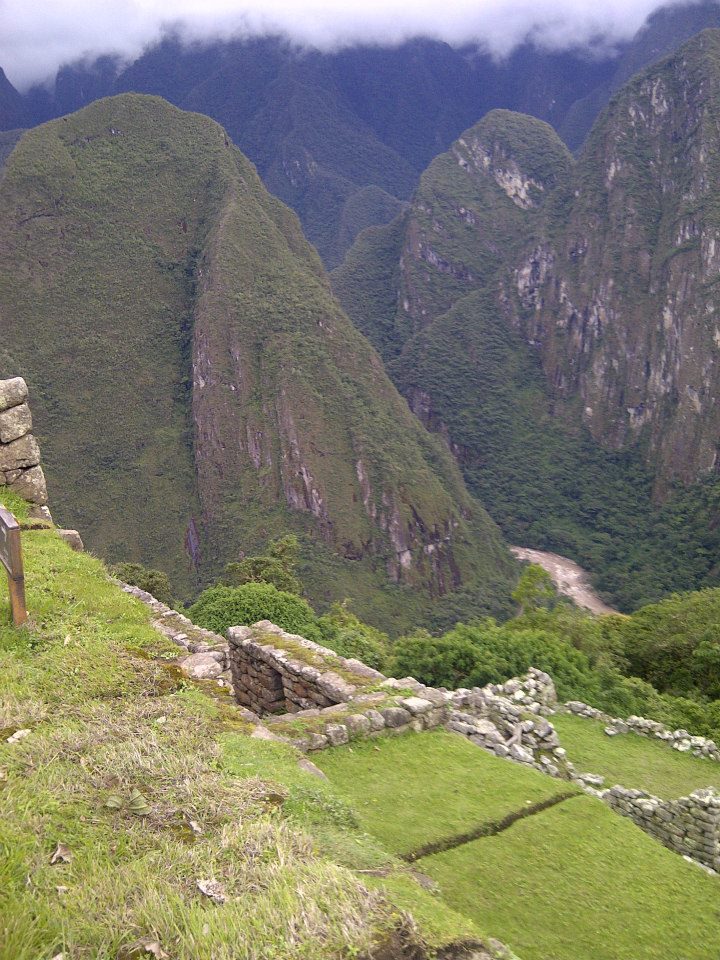
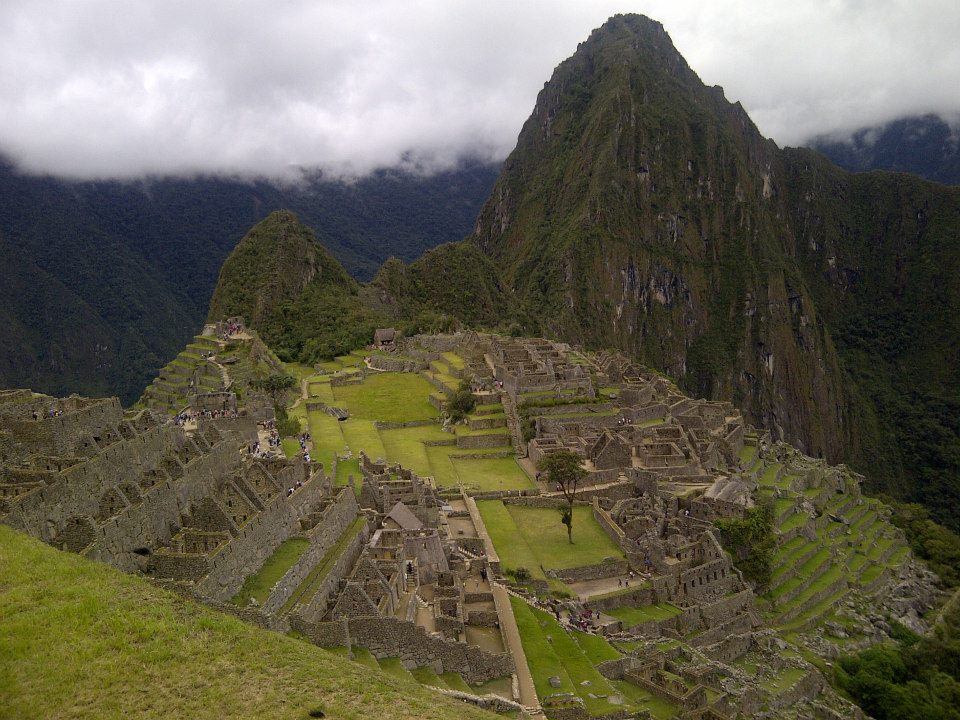
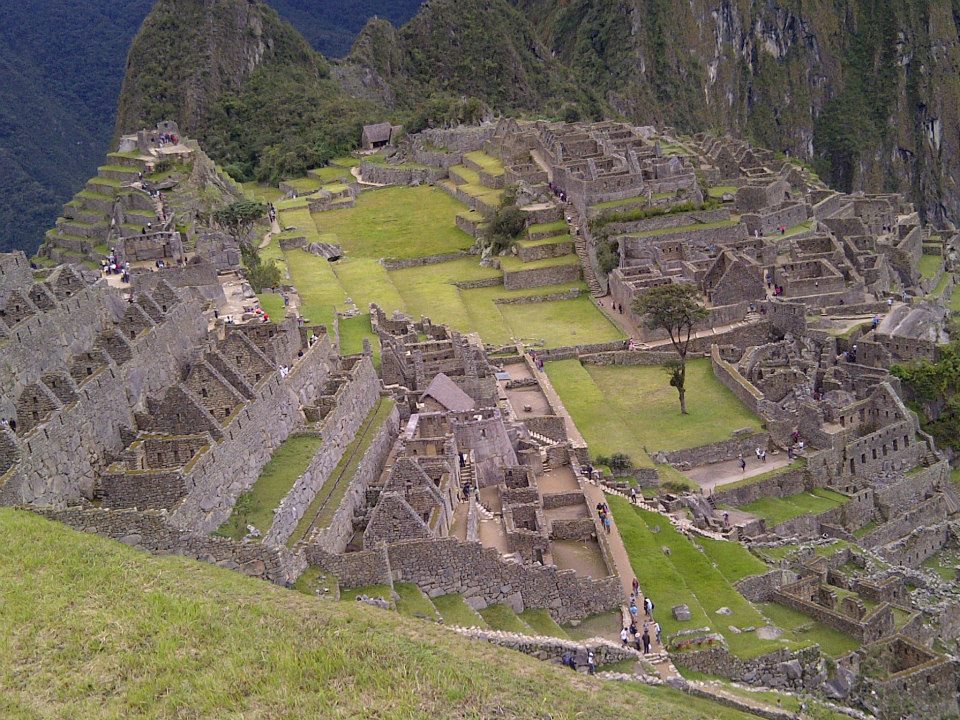
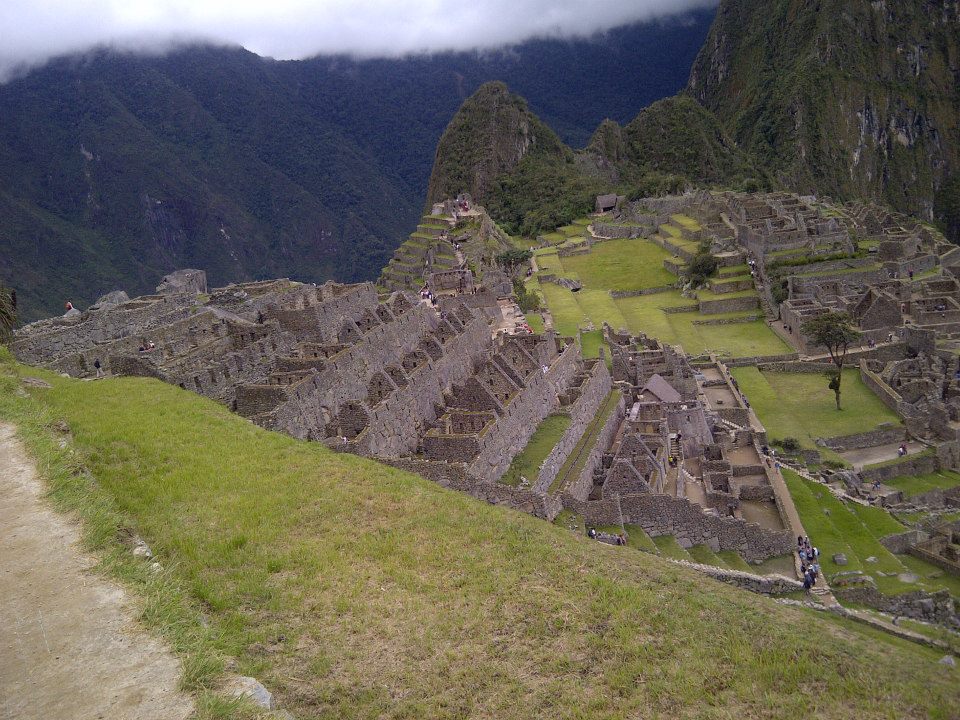
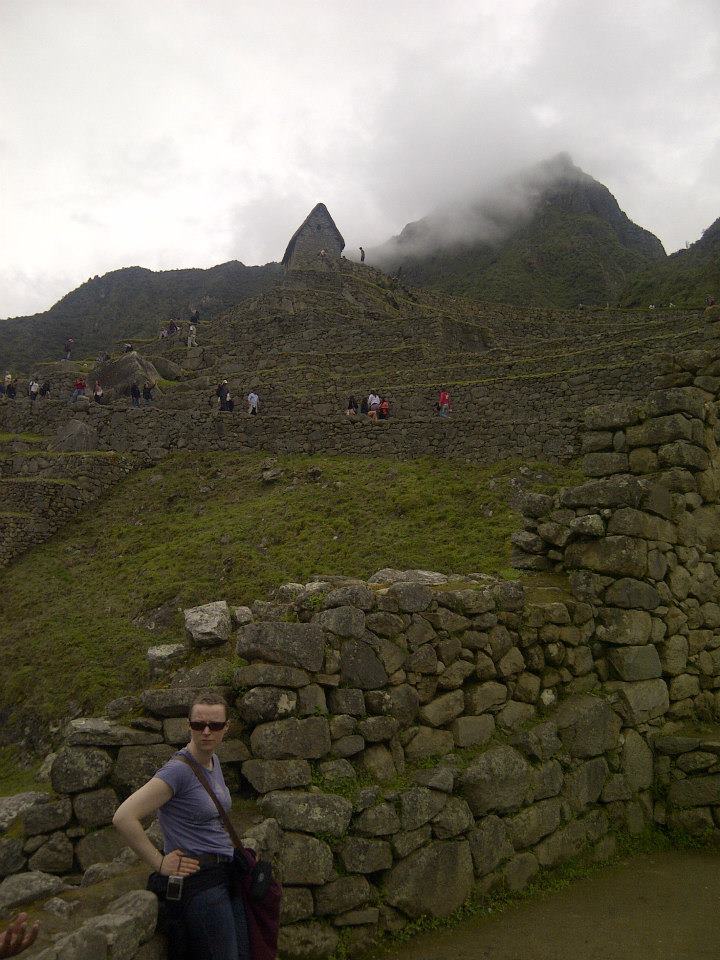
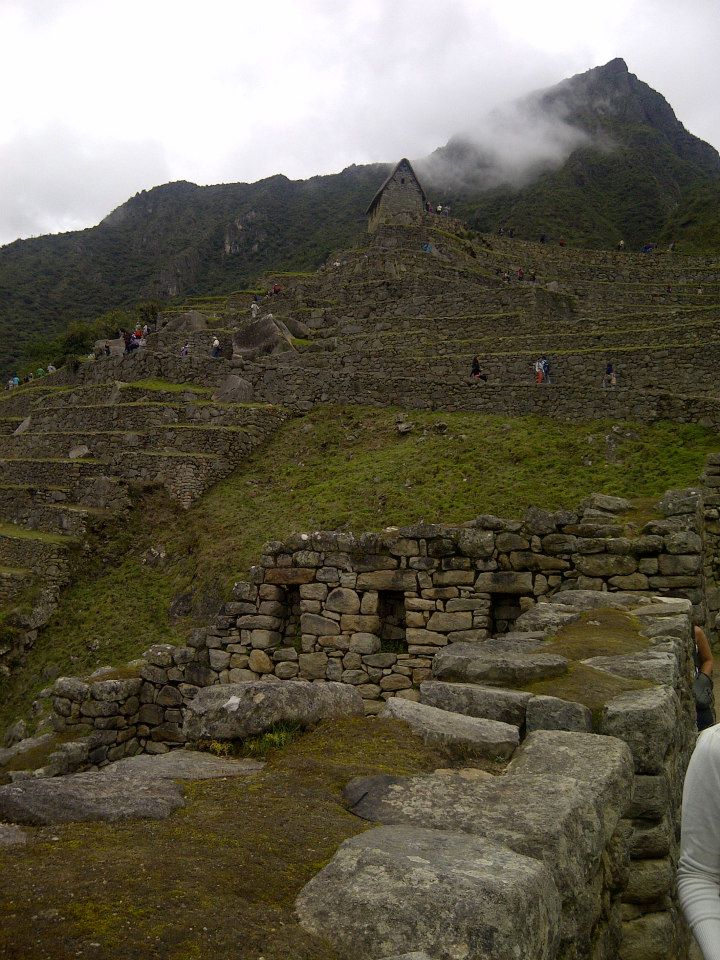
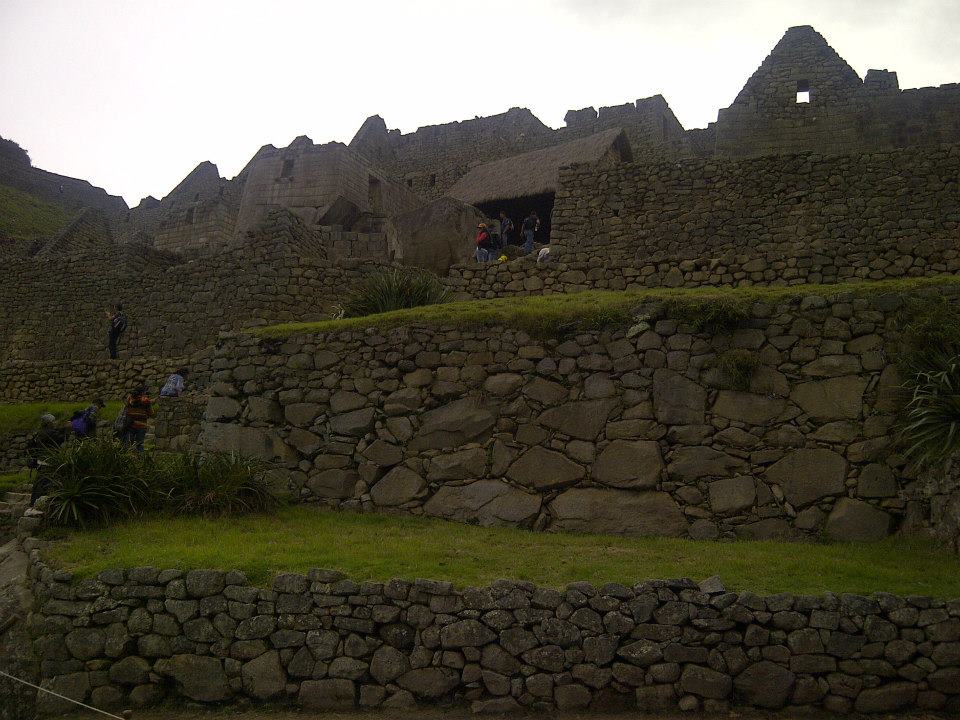
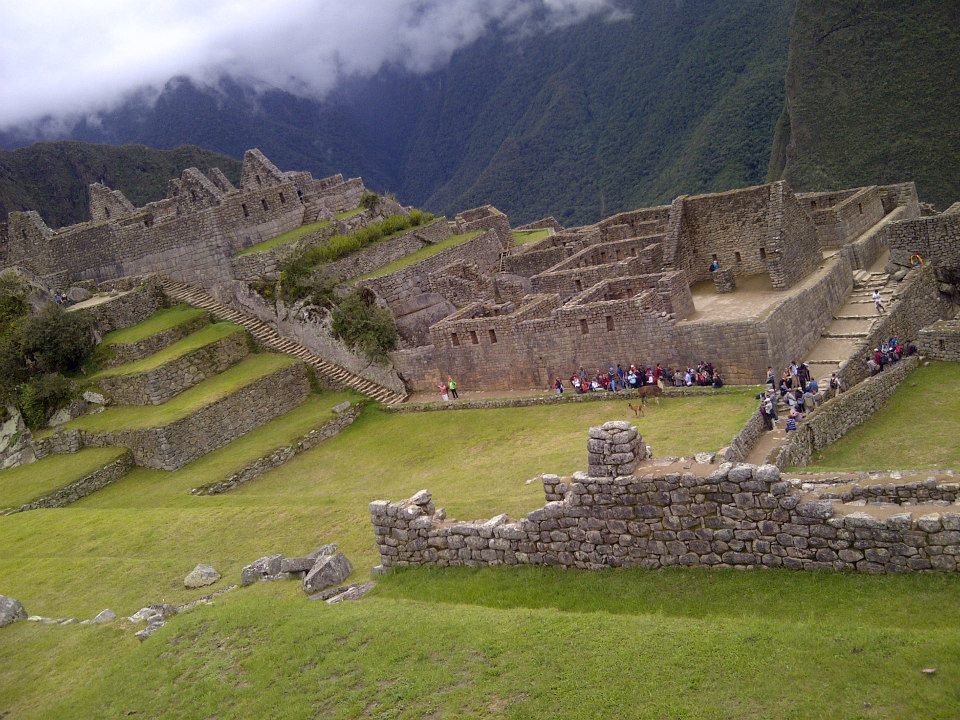
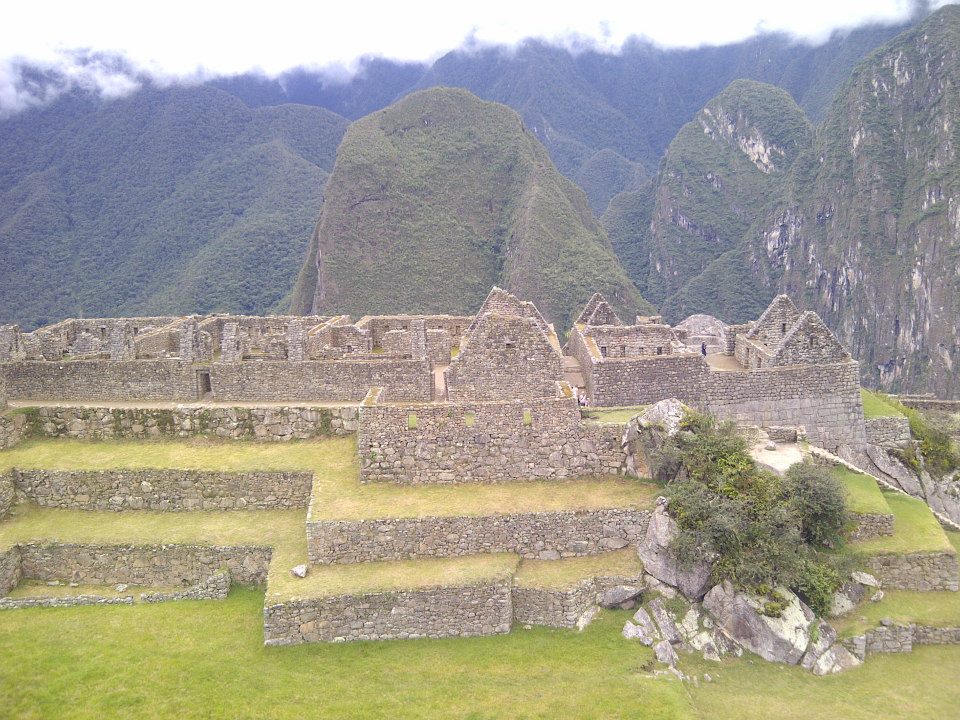
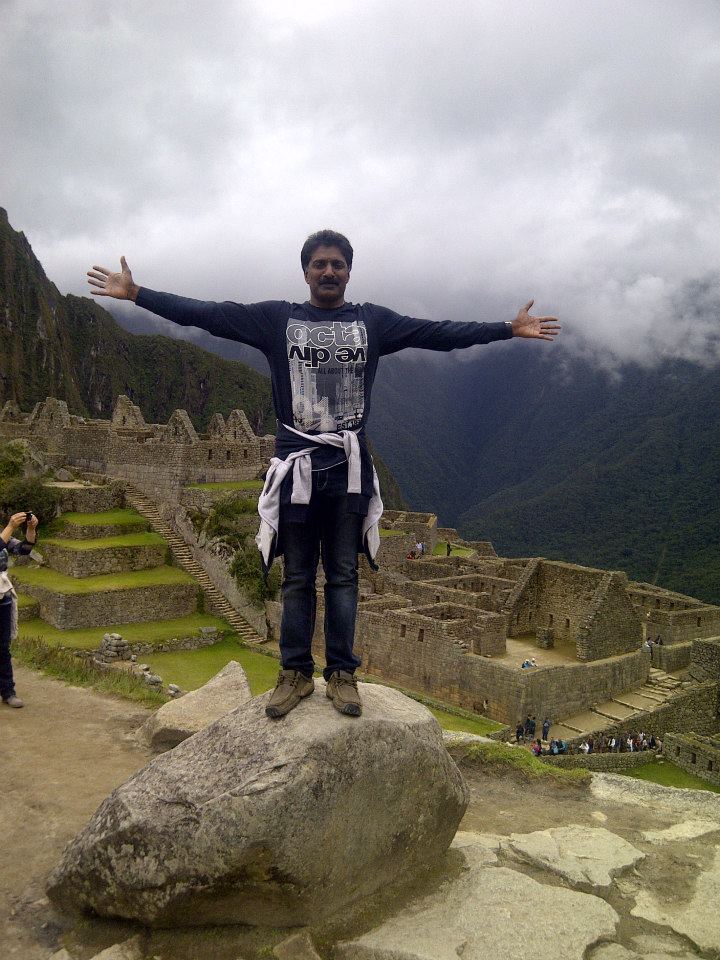
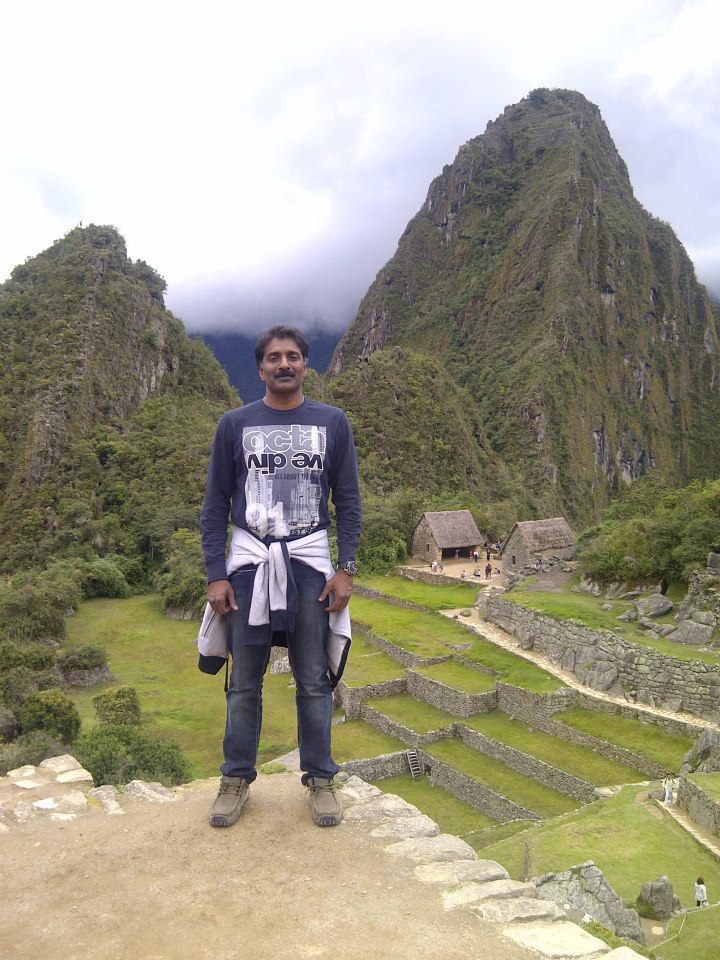
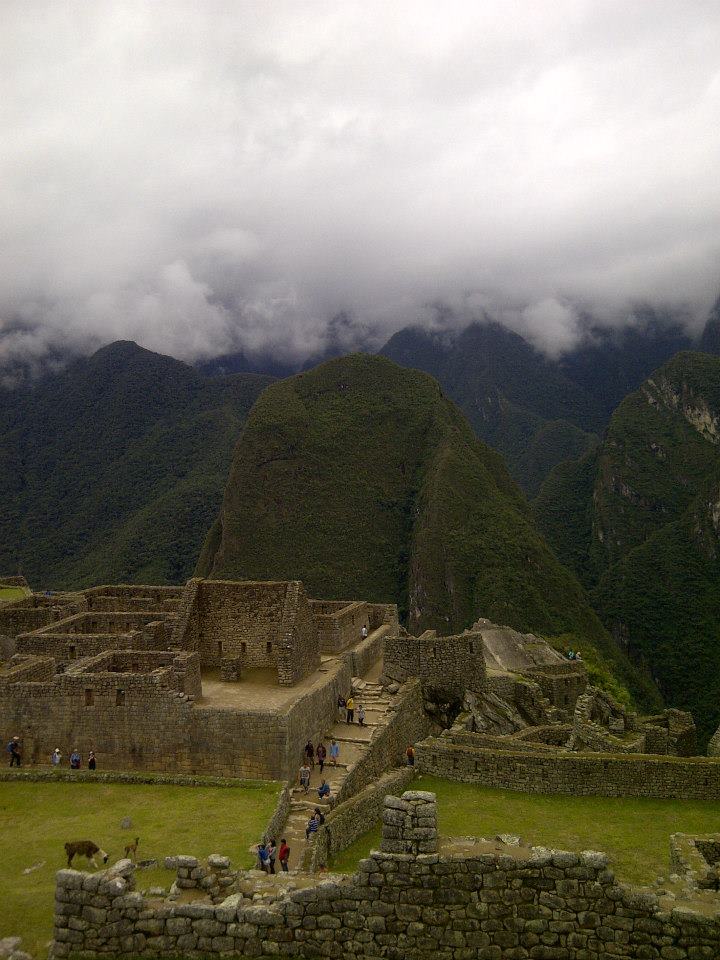
As we reached the site, I took an aerial view around and was amazed at the beauty of the magnificent mountains encircling the site. The mountains were cloud-blanketed on that day.

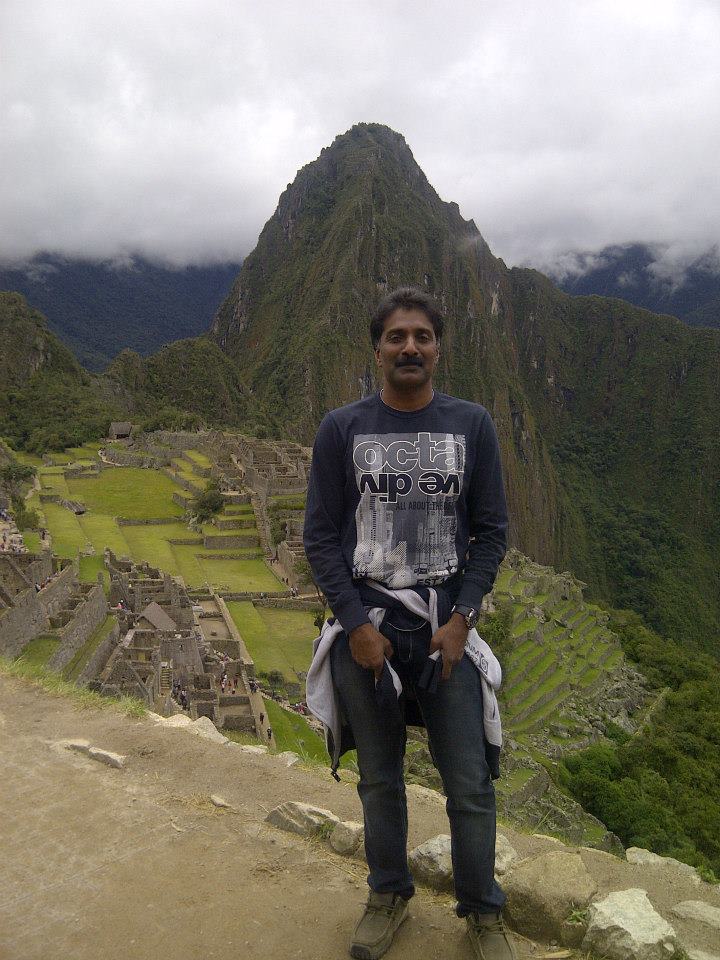
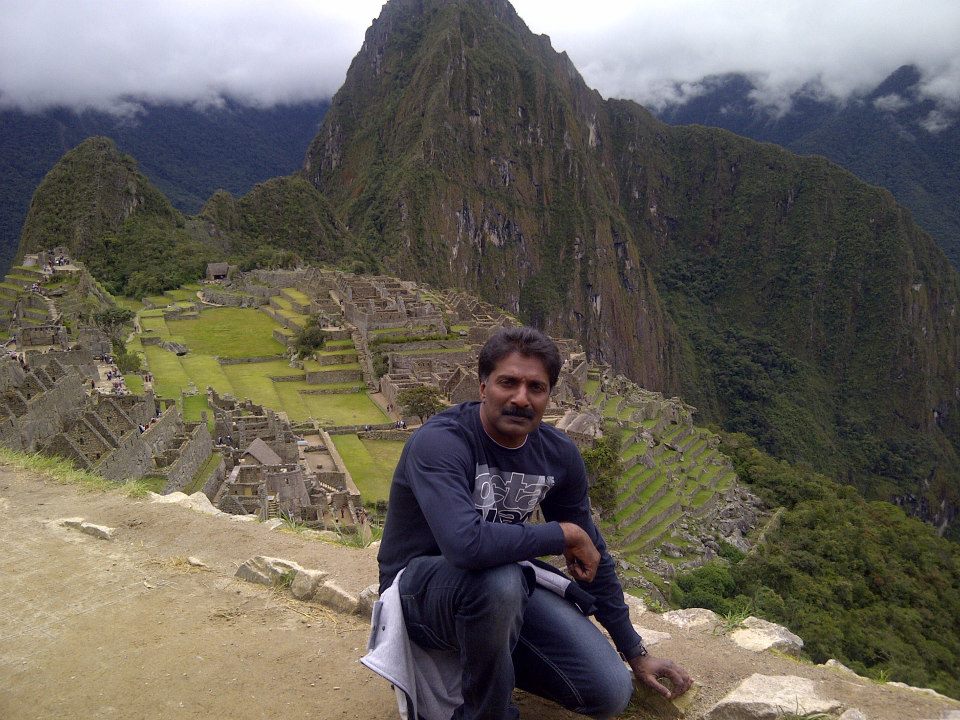
Breathtaking views of Machu Picchu:

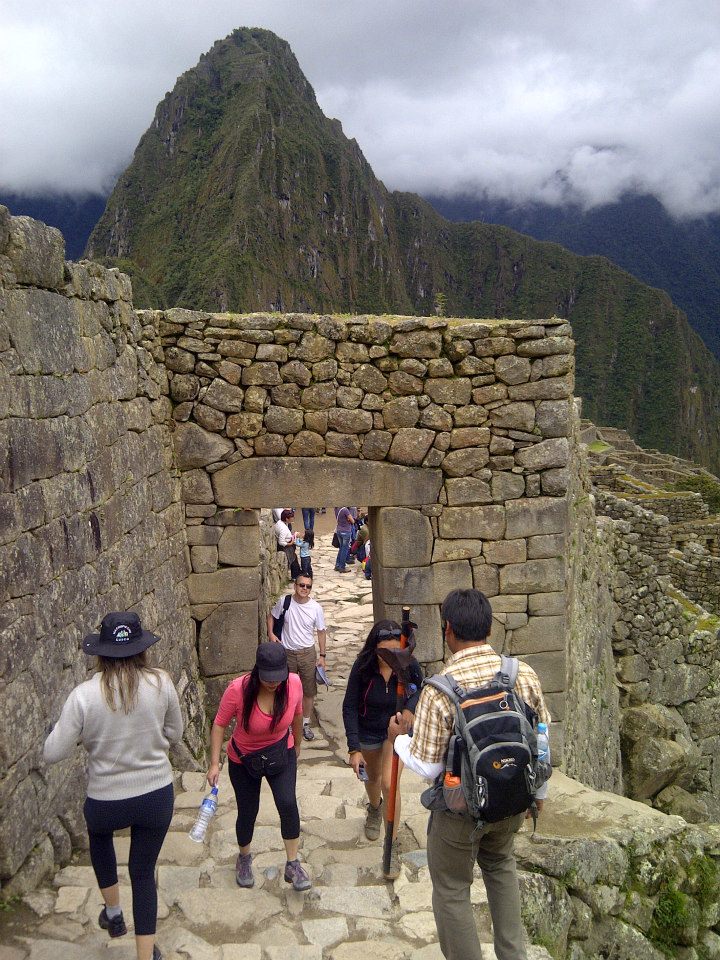
The big mountain, as seen in the picture below, in the backdrop of the Machu Picchu is the Huayna Picchu mountain, which has an elevation of 8,920 feet. This mountain is steeper and has lesser flat summit compared to the Machu Picchu mountain.

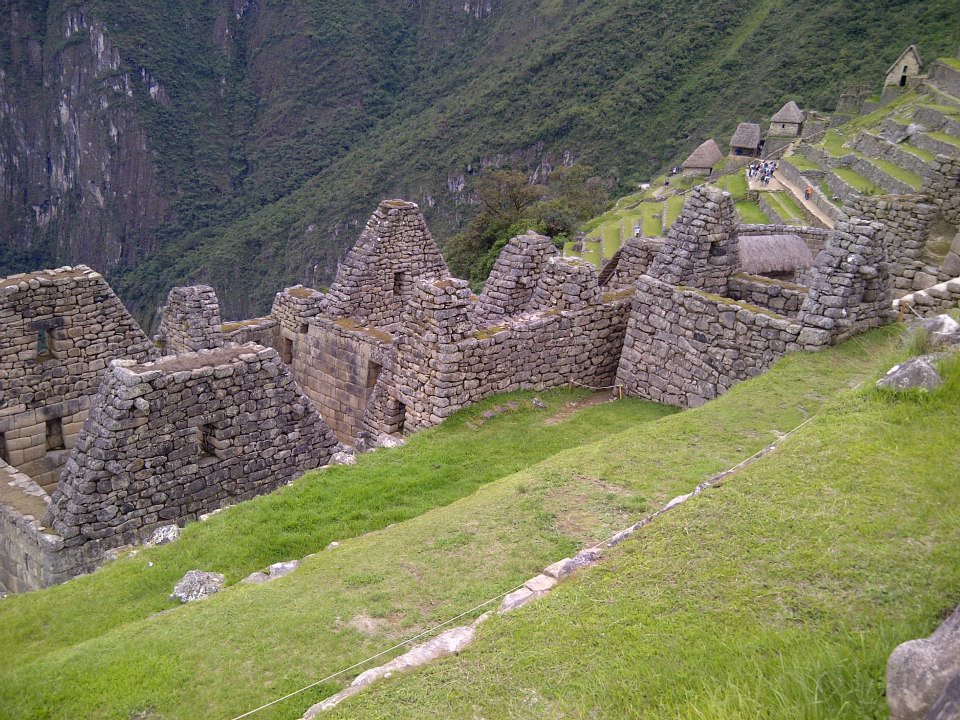
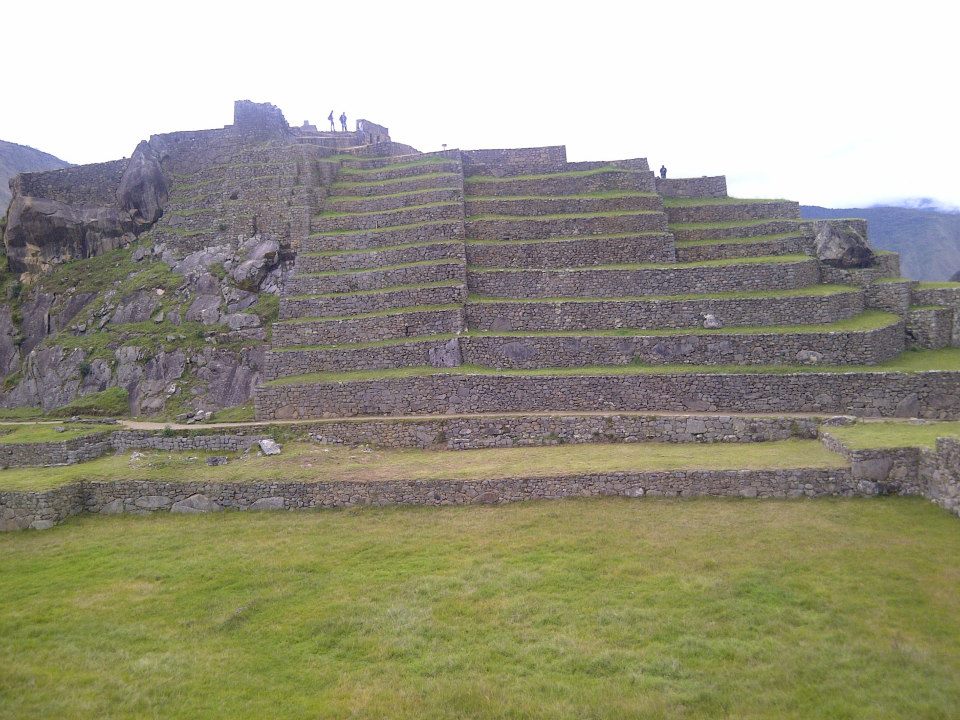
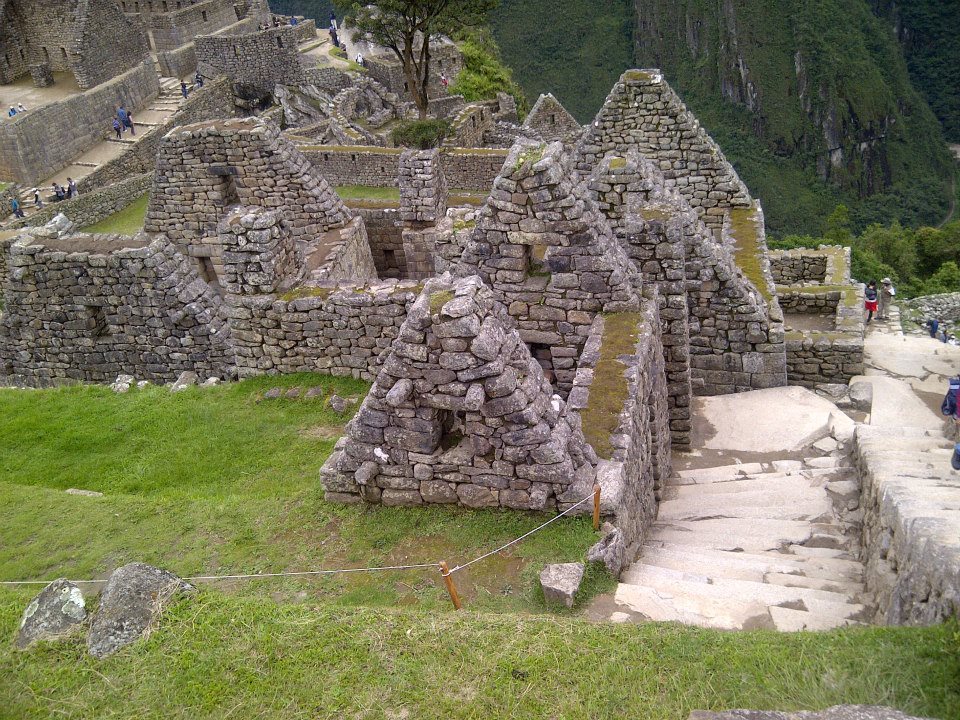
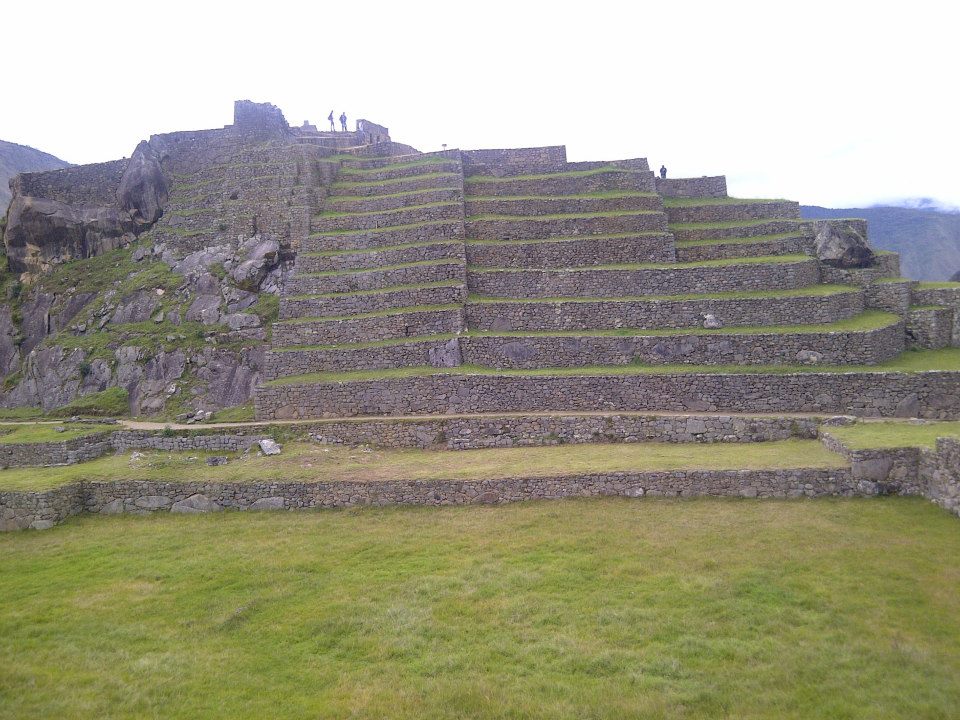
Machu Picchu was built in the classical Inca style of Dry Stone method, a building method where no mortars were used, instead, interlocking of stones that lie one above the other was done. Cusco  and Peru are located in the Pacific Ring of Fire – the global seismic fault line – and had experienced many seismic shocks in the past. But no earthquakes affected the Inca-built structures, including Machu Picchu, due to this building method. I had explained this technique in detail in the blog: https://nowhereperspectives.com/2020/05/06/cusco-and-the-incas/?fbclid=IwAR0zf_uaJCzw_LK8qXEDf-KiqFY9DbG30wrlTGkPH7A8eS6hZS4Rap_vrjY. Machu Picchu remains as the most popular icon of the Incas. How did the Incas bring boulders and other building materials to the mountain summits? Were the stones carved out of the mountains? Many such secrets continue to remain shrouded in mystery. The artistry of the Incas draws awe.

Many archaeologists are of the view that Machu Picchu was not completely built. They believe that the construction got stopped around 70% level due to the collapse of the Inca Kingdom from the Spanish invasion.

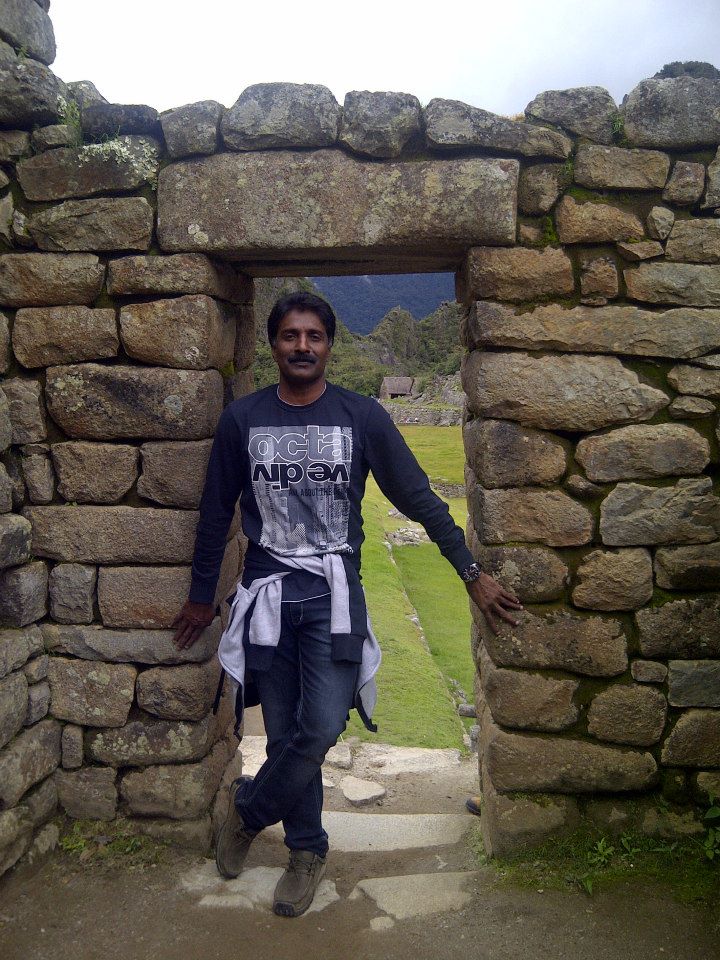
Let’s take a tour of the site. Small door! Were the Incas short?

As we walk into structure:

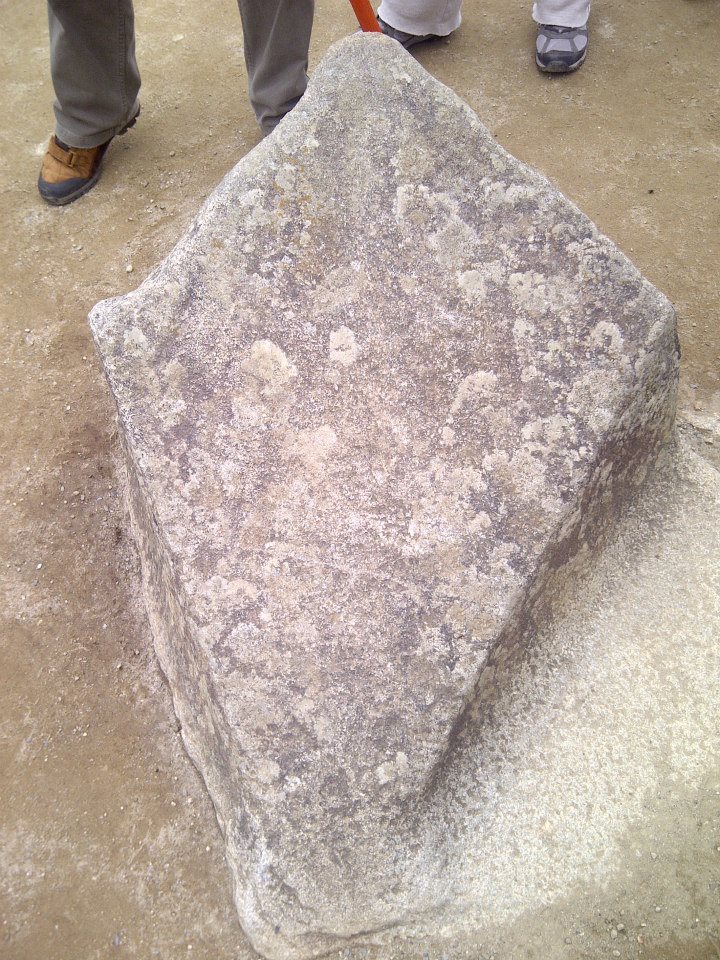
Machu Picchu is a treasure of surprises. There is one rock which defies the dynamics of compass. In normal case, north comes on top and south at the bottom in directional compass. But on this, it comes in the opposite way! Our guide demonstrated it by keeping a compass on it, and it showed the north at the bottom and the south on top!! This piece of rock is curious!!

The Temple of the Three Windows is another treasure! It is located at the Sacred Plaza of Machu Picchu. There are many theories about the Three Windows. One says it represents three worlds: the underground, the heaven and the present world. It represents sunrise, another theory says.

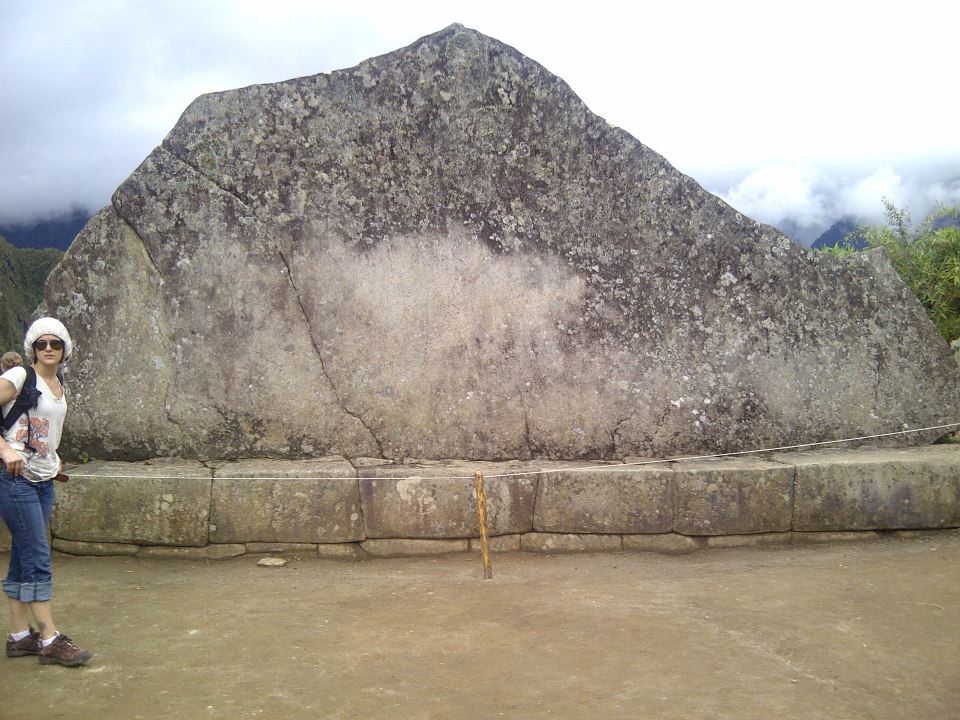
A replica of a mountain, located near to the Three Window, built by Incas:

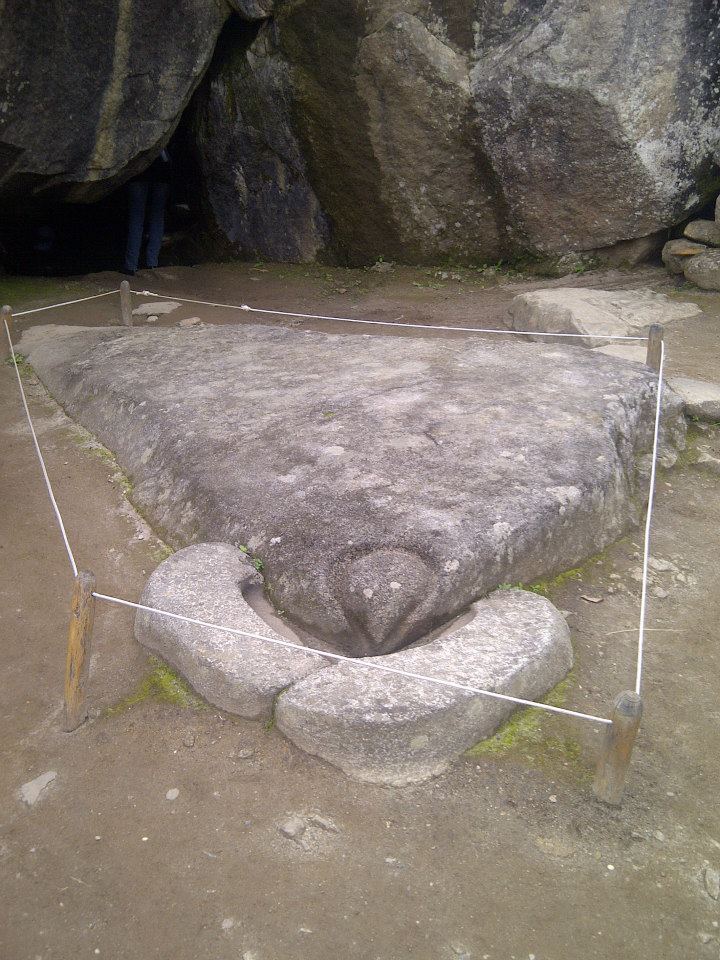
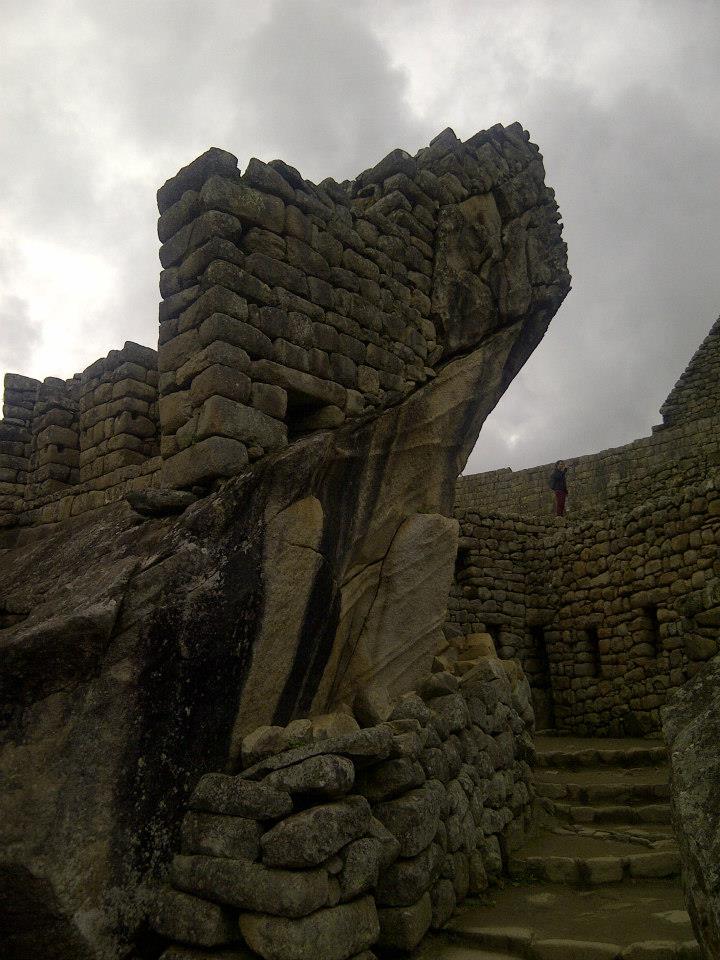
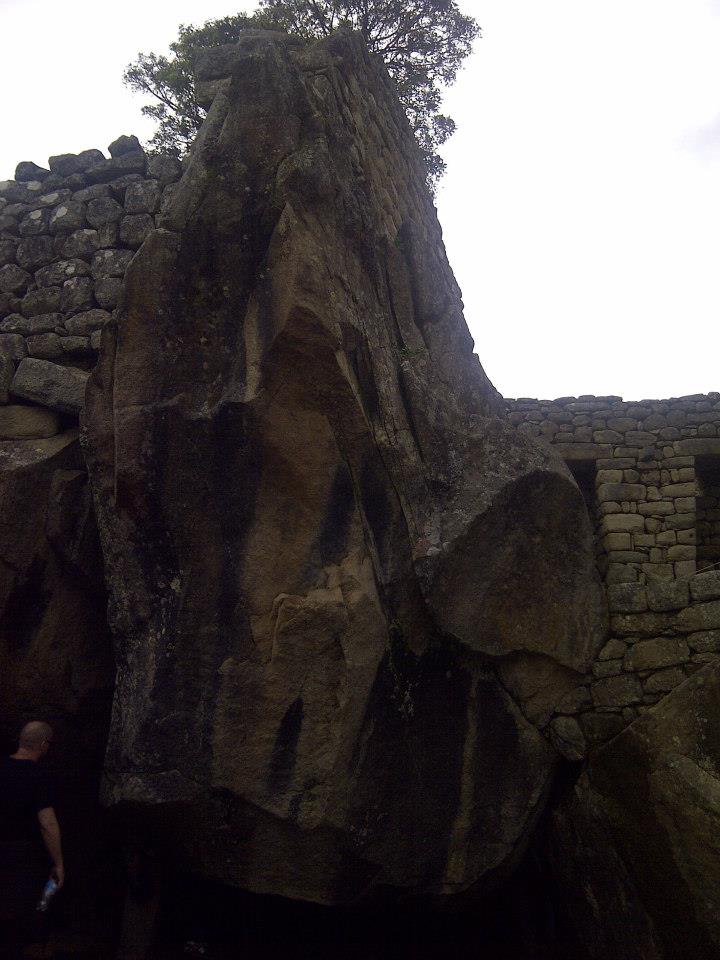
The following three structures depict a bird: the first picture is the head of a bird, with the next two pictures being its wings. Behind the head, the body is in the form of a cave that has platforms for human sacrifice – we passed through the cave – and the wings are structured out from the pelvic of the cave. Archaeologists unearthed human remains of children from this spot, suggesting that they were offered to Gods. Twelfth Inca King abolished the human sacrifice system prevalent in the kingdom.

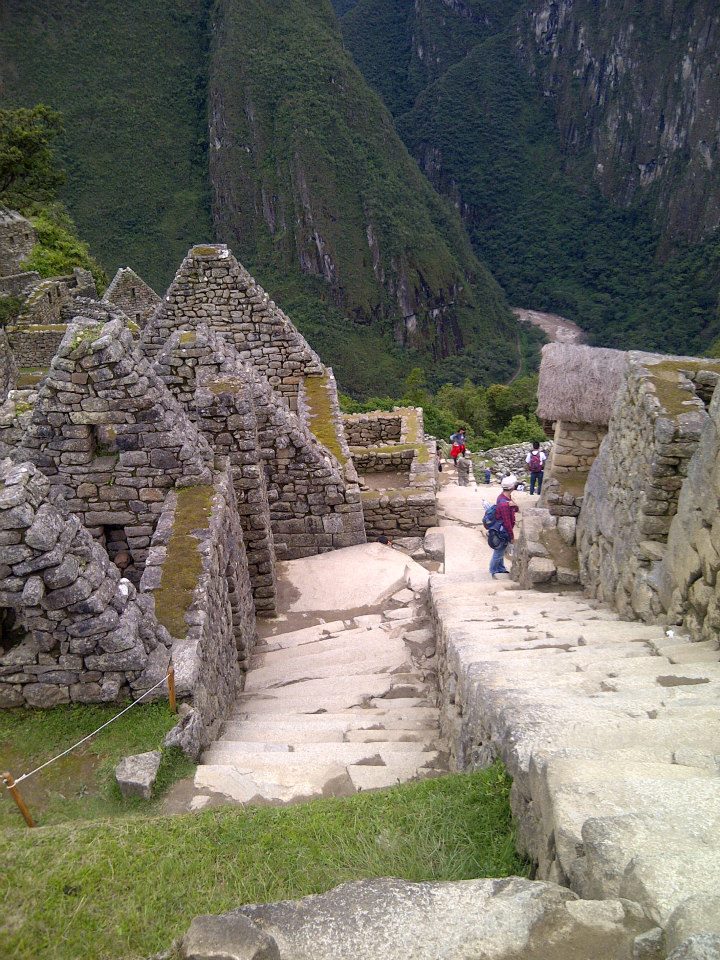
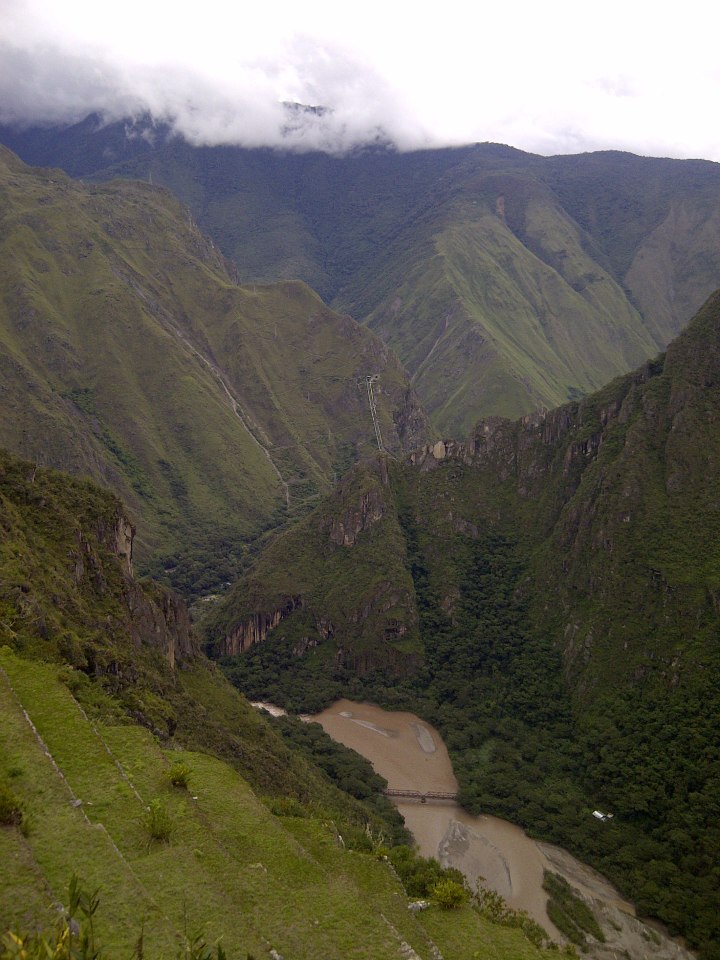
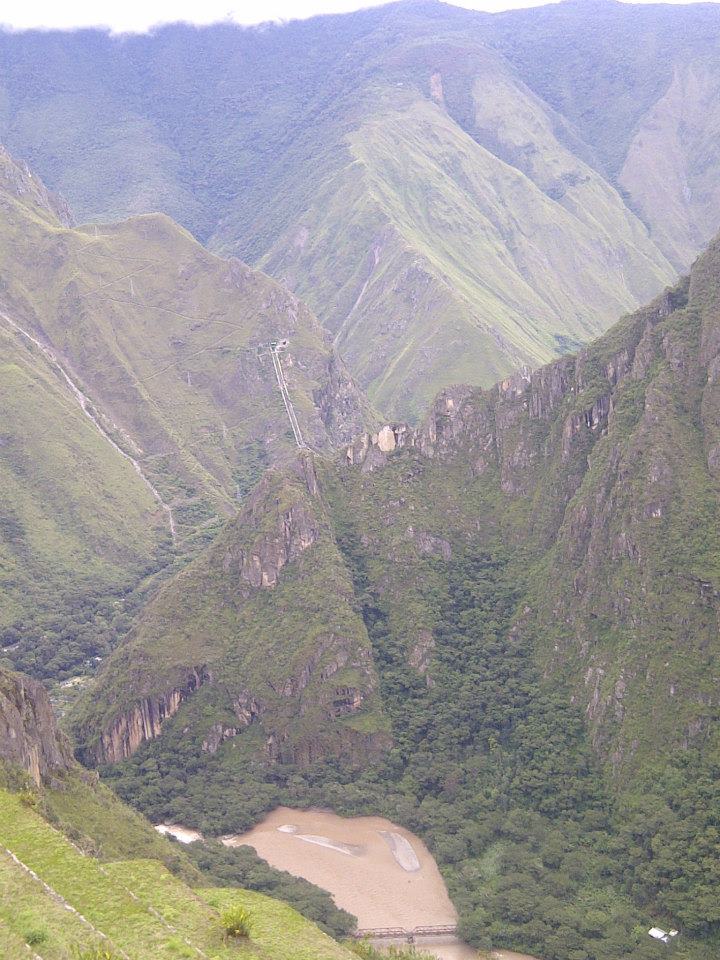
A downward view from the site gives spiraling sights of the Urubamba River that encircles the mountains. There is a hydroelectric power project, the only source of electricity in Machu Picchu, built up in the river.

The Happy Mountain is one of the three main mountains of Machu Picchu, with the other two being the Huayna Picchu mountain and the Machu Picchu mountain.

The Happy Mountain:

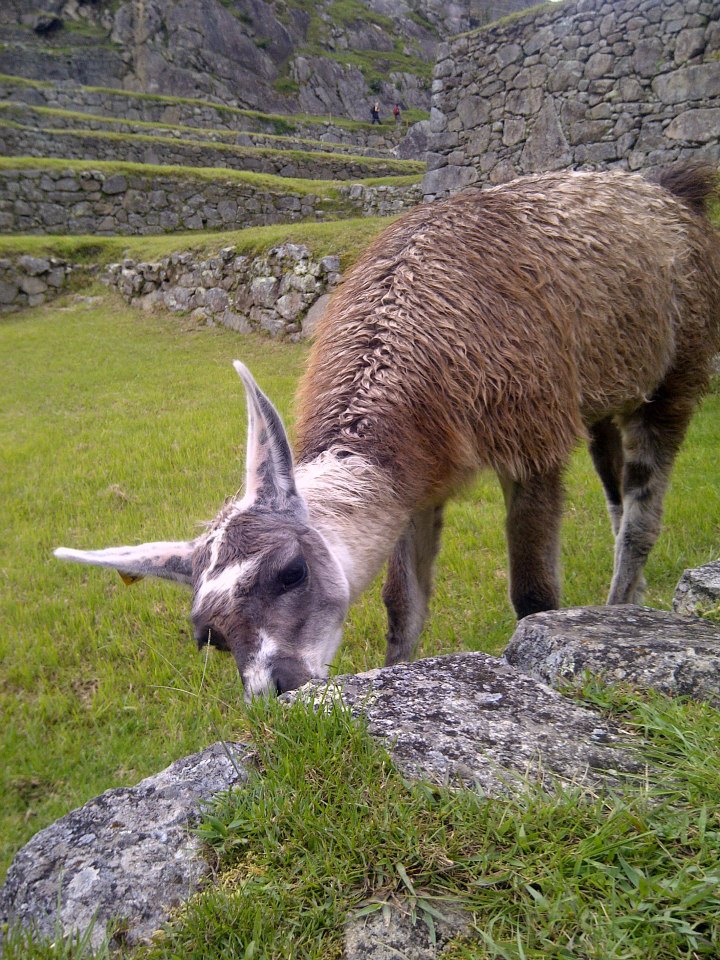
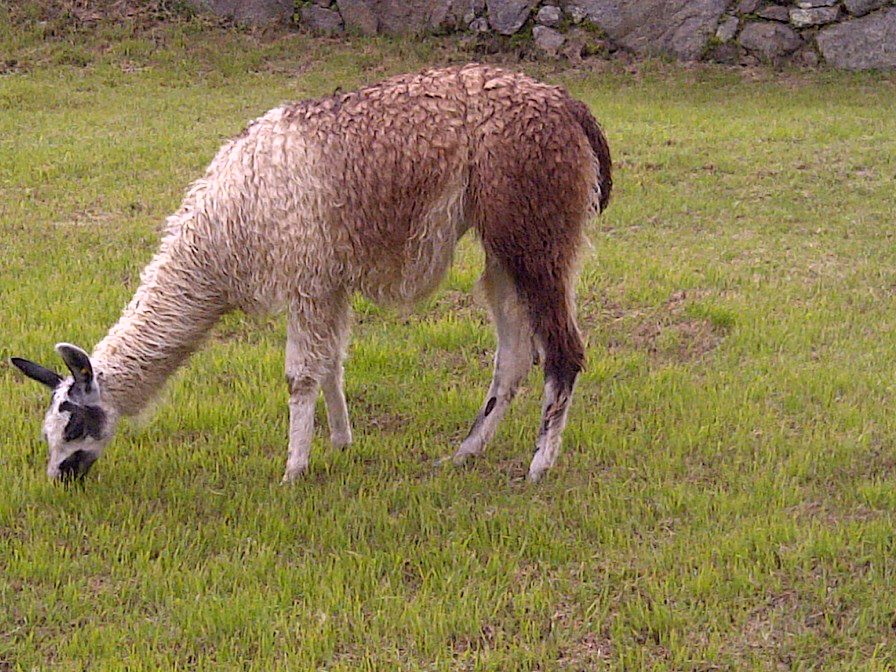
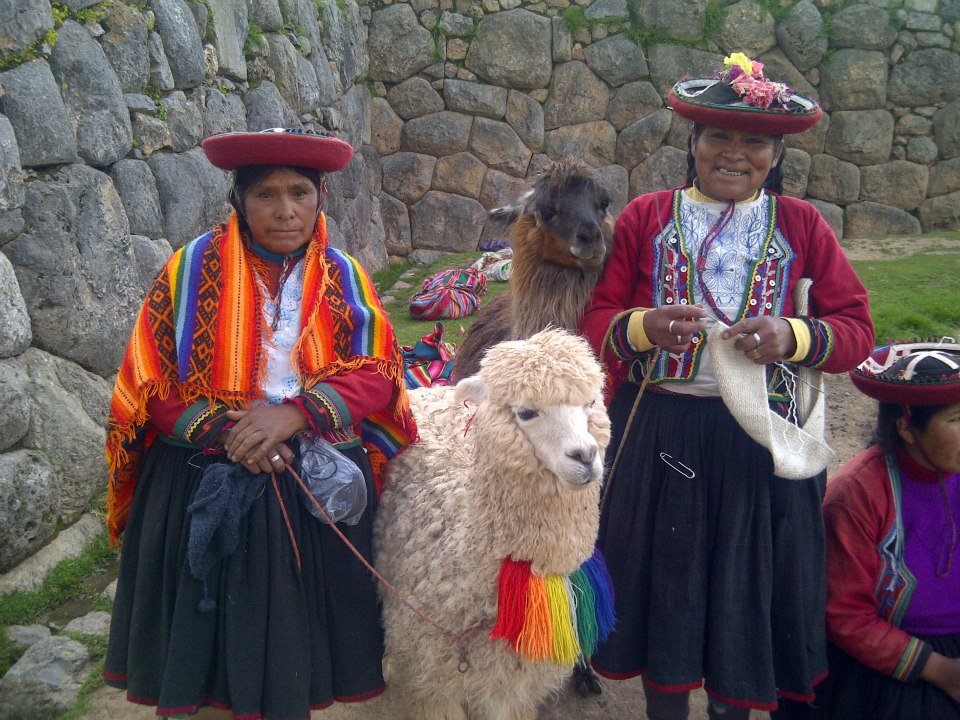
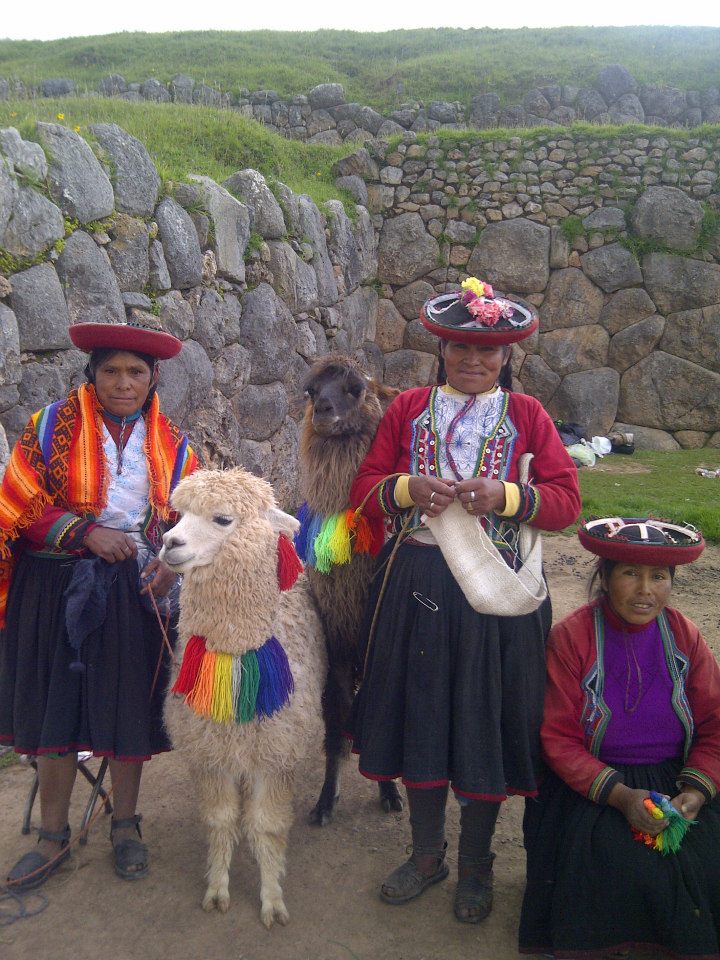
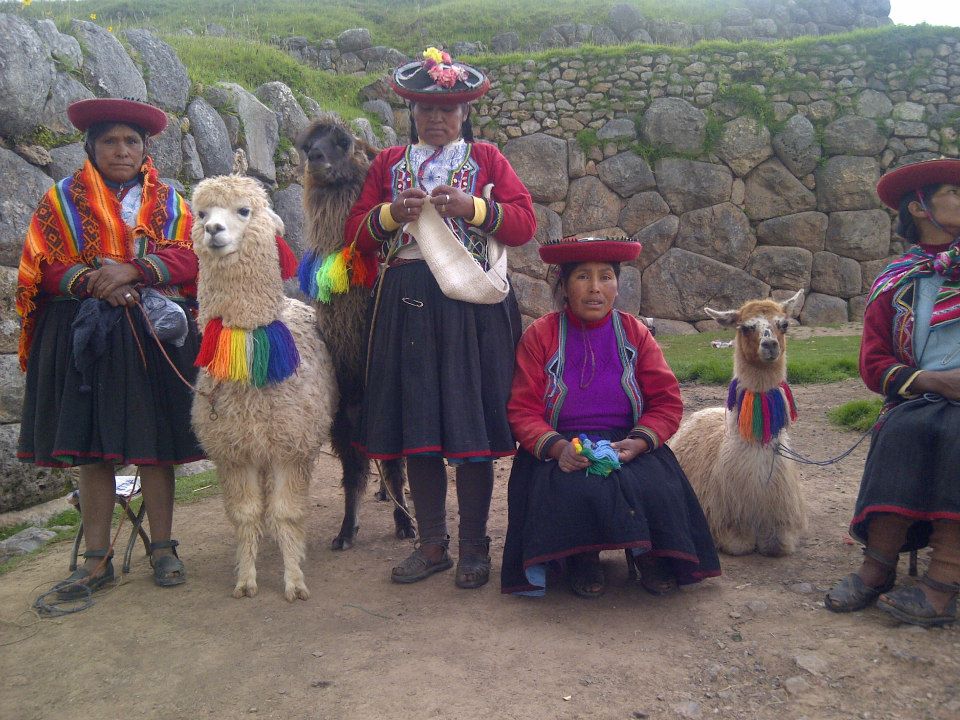
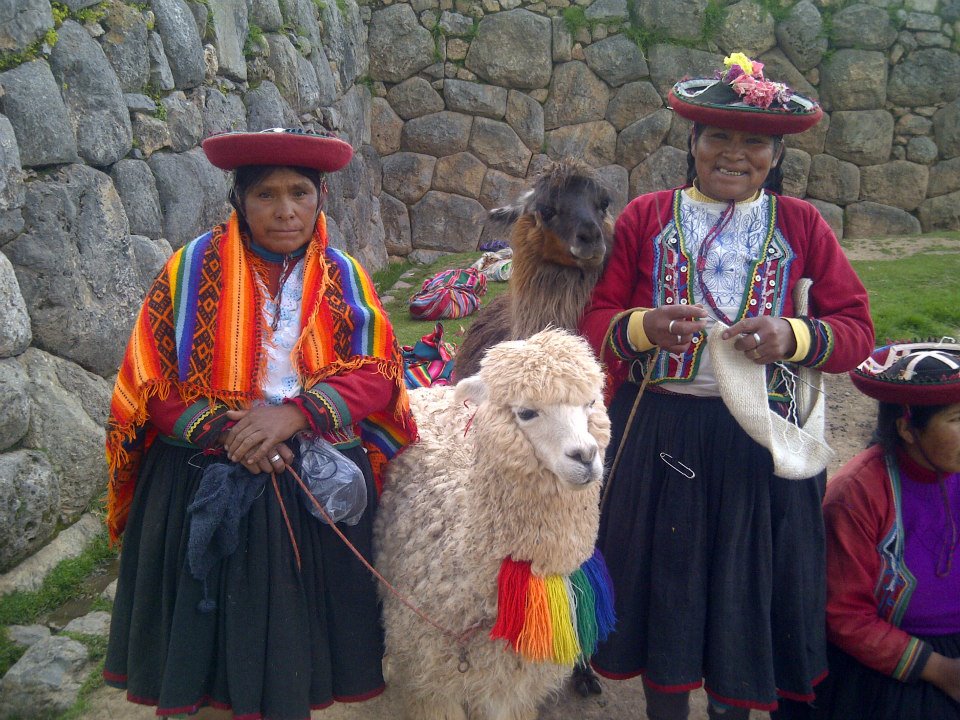
Words about Machu Picchu are incomplete without mentioning Lamas and Alpacas, the domesticated animals of the Incas, which were sources of meat and woolen cloths.

Lama:

Incas with Alpacas:

Beauty, peace, serenity, and I am short of superlatives to explain the goodness that nature had showered on this place in their most pristine forms. As a visitor, one will feel these blessings of nature at Machu Picchu. I spent around 4 hours at the site, and many moments of that short-stay are still afresh in me. A memorable day out!!

Another blog on Peru: https://nowhereperspectives.com/2019/12/11/peruvian-pages/?fbclid=IwAR0sUjmIoDM23Bz44ikJElUSaO7y5WGdKW2iIebvZS9N3SzsDfchjrorDXk

Is Blood Thicker than Water?

Is blood thicker than water? Or, is it as good as or worse than water? In other words, is one’s relation with one’s own family members more valuable than that with non-family members? I had a flash of these thoughts when I came across a few disturbing news reports: children abandoning their elderly parents at hospitals and running away after giving false address; many deliberately leave mentally deranged parents at crowded places like temples and festival sites, with these poor souls not being able to remember their way back to their homes and ending up at old age homes; etc. I do visit an old age home every year as a part of remembering my parents. I learnt from the caretakers of the home that more than half of the inmates was mentally ill, who arrived from outside Kerala  — they were packed off by their relatives without their consent in trains heading to Kerala.  

I came across many cases where money reigns supreme in relations involving siblings. At the same time, there are people who act benevolently and keep the influence of money outside the perimeter of their relationship with the siblings. There are many others who are indifferent to the sufferings of their fellow beings and friends while stories of magnanimity being shown by someone to someone else are aplenty – this someone can be a friend or acquaintance of or a stranger to the someone else. These four cases make the title of this blog irrelevant. So it is neither blood nor water that really matters in human relations, including the one among siblings, but something else. What is it?

What makes a person to rise above the narrow confines of self and open himself/herself for the wider canvass of humanity? For this to happen, one needs to possess three fundamental traits: righteousness, truthfulness and compassion. These three together forms the foundation stone called basic goodness. How do we identify people with basic goodness? Basic goodness or the lack of it, like the tip of the iceberg, cannot be hidden but comes out in the open as man’s behavior is a demonstration of what is on his mind. Do observe relatives, friends, acquaintances and strangers during your interactions with them to get clues on the elements of basic goodness. Let me explain these traits a bit in detail.

Righteousness is a decision to be on the side of justice unconditionally. Justice is the state of being in harmony with the nature’s fundamental principles that govern us. It is not justified for a student to expect good marks in examination by being in the good books of his/her teacher because thinking so is not in harmony with the principle that being good with books only can result in good grades. It is not justified for a man to expect prosperity without working his ways toward it, for it is against the fundamental principle that you need to sow to reap. Something that is in harmony with nature’s rules does only carry justice. Do not hesitate to ask this question: is it justified?

Truth is the only thing that is absolute in the world. Everything else is relative – a reason for us to call our relatives as relatives? Oxford dictionary defines truth: something that is indisputable. Attempts to mention something as half-truth or partially-true are untenable, for truth is a fully baked product. Truth is unipolar as it is either .. or – either true or untrue. Truth is also naked because it is brave enough to stand firm on its own without any padding. The relation between truth and righteousness is straight – truth comes out only when justice is the arbitrator; otherwise, it is opinion that supplants truth.
Tenzin Gyatso, the Dalai Lama of Tibet, passionately propounds compassion as the panacea for solving all human sufferings. Conventional wisdom says compassion is sympathetic feeling for the sufferings of others. It is a common saying that sympathy is a cheap feeling which anyone can show without putting in any extra effort or cost and that what needed is not sympathy but empathy. But, how could something propounded by Dalai Lama, a great soul of immense learning, be shallow? Let us have a look at what Dalai Lama meant by compassion. According to him, compassion connotes love, affection, kindness, gentleness, generosity of spirit and warm-heartedness. The operative word is connote, and it means that Dalai Lama had gone beyond the primary meaning of compassion as defined by the conventional wisdom.

Compassion, as defined by Dalai Lama, is what I mentioned earlier as a part of the foundation stone called basic goodness. Empathy is the trait of being able to think from the point of view of another person. One needs to be empathetic to be loving and lovable, to be affectionate, to be sensitive to human sufferings and to be gentle to others in the same way one does to oneself. Generosity of spirit is the output of the realization that giving, not receiving, gives boundless happiness. Warm-heartedness is having heart, instead of mind, as your frontage. That brings compassion as a mix of empathy, realization of giving and allowing heart to be your frontage. Though righteousness and truth are mutually inclusive, you may face a dilemma to negotiate your way out of confrontation between righteousness and compassion.

Basic goodness should be the main criterion in evaluating relationships, and a person with such a trait is highly unlikely to subvert others. It is not possible for a person to establish dearly and respectable relationship with another person without being wary of. Fear is taken out and respect gets mushroomed in a relationship when both parties are convinced of each other’s basic goodness. Over a period of time, such a relationship gets tested and acquires sustainability leading to bonding between the two persons. This bondage, as a matter of fact, is between two souls. Such soul-bonding can happen between any two human beings: two friends; a son/daughter and his/her parent; between two siblings, wife and husband, a son-in-law and a father-in-law, etc. This invisible bonding between two souls built on the foundation of basic goodness, not blood connection, is the overriding factor that decides the strength of a relation. Children will not abandon their parents if bonding of souls exists between them and their parents.

The Land of a Million Elephants

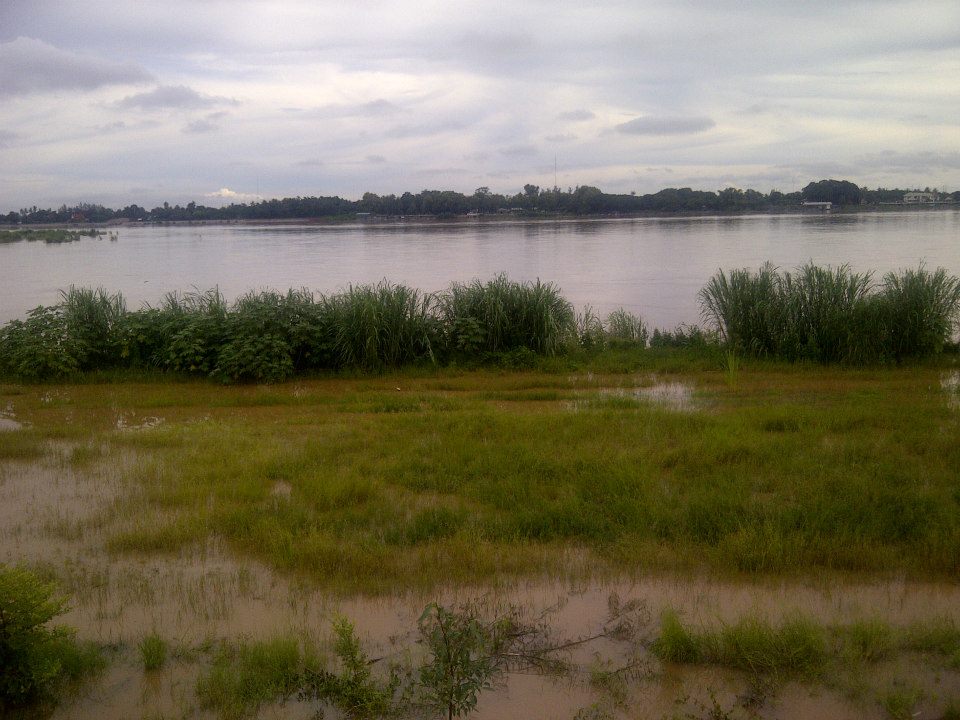
Laos — pronounced with ‘s’ silent — is sandwiched among buzzing tourist destinations in Southeast Asia like Thailand, Vietnam, Cambodia and Myanmar. Therefore, the attention it commands from a global traveler is predictably dwarfed. Yet any tourist who chooses to put this country on his/her itinerary is sure to be enthralled by this picturesque place. Juxtaposed by the aforesaid countries, along with China, the Lao People’s Democratic Republic sits landlocked from all the sides, with the lifeline provided by the 4350 km long Mekong river that originates in China. Besides providing  drinking water, irrigation and fishing avenues, the river is also a main source of income for the country from the production of electricity and its sales to the neighboring countries.

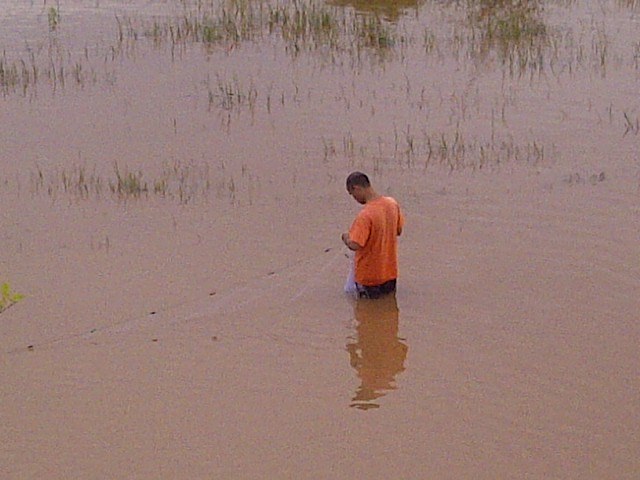
A fisherman operating gill-net in the Mekong River:

Symbolic of the ancient kingdom of Lan Xang, the people of Laos consider the elephant to be sacred in that it stands for wisdom and brings prosperity to the country. It once abounded in elephants though it’s rapidly dwindling now. Laos is a small country with a population of 7 million. Formerly a French colony, Laos became independent in 1953. The French sourced cheap labor from Vietnam and settled them in Laos during the colonial era. This explains why 40% of Laos’ population is of Vietnamese ethnicity.

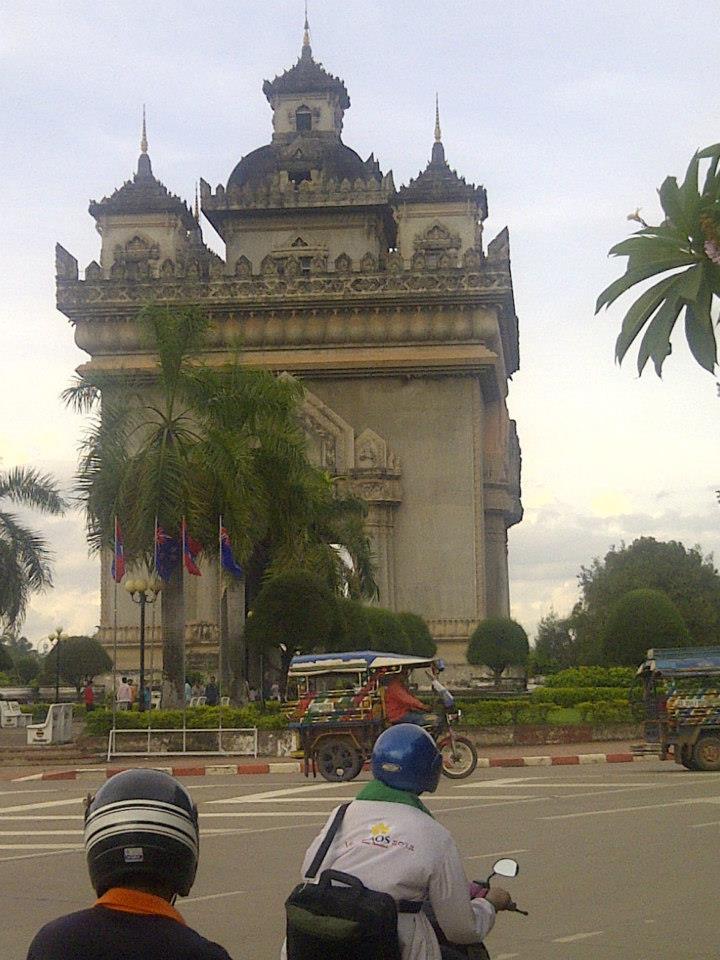
I visited its capital city Vientiane – pronounced as Vindhian – in September 2013. It is a small, less populated city and is safe for a visitor at anytime of the day or at night. Tuk-tuks are omnipresent and fairly light on the pocket. If one wants to soak in the ambiance of the place taking in the sights and sounds, walking is the best option.
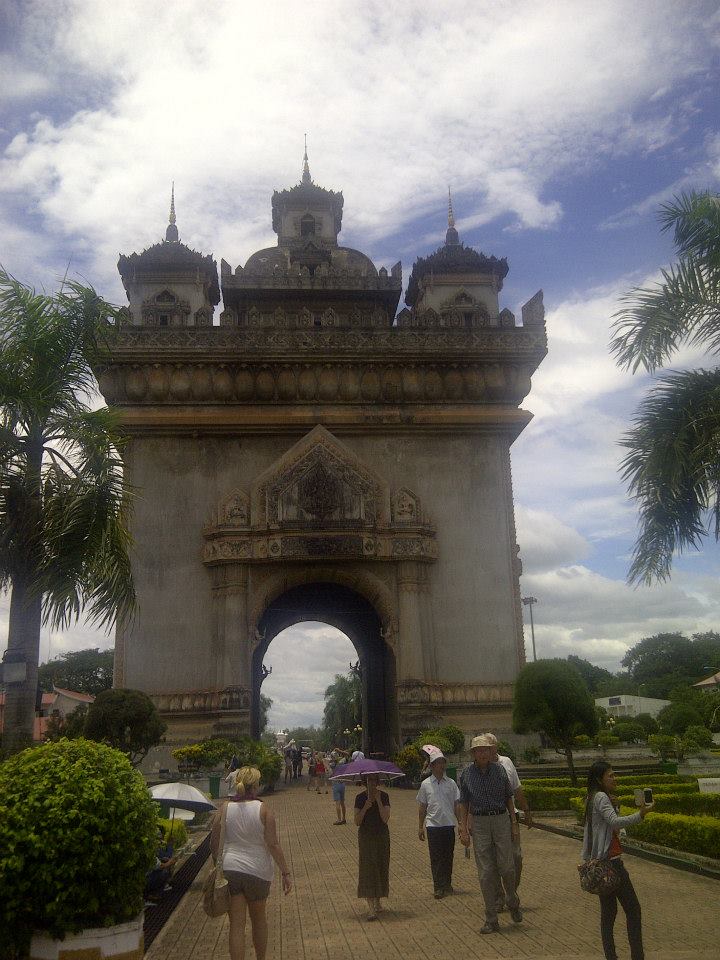
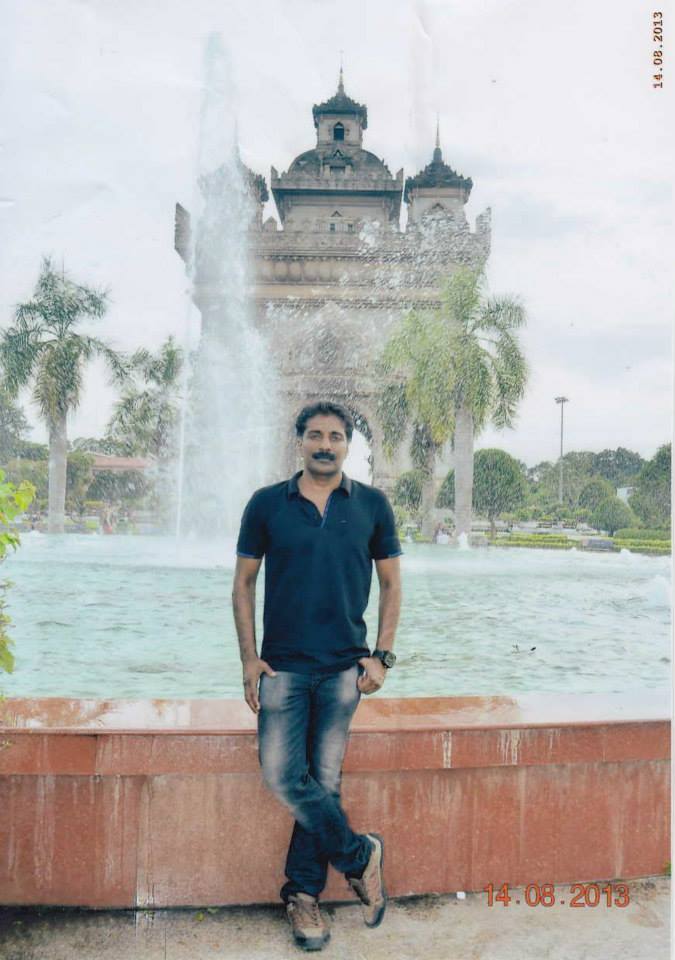
The iconic “Victory Gate of Vientiane,” known as ‘Patuxai’ in the Laotian language, is a tourist-magnet. Architecturally magnificent, this magnificent seven-storey structure was built as a war monument in the center of the city. The construction lasted for eleven years and was completed in 1968. The Patuxai commemorates the memory of the brave soldiers who made the ultimate sacrifice for the nation’s independence from the French colonial masters.

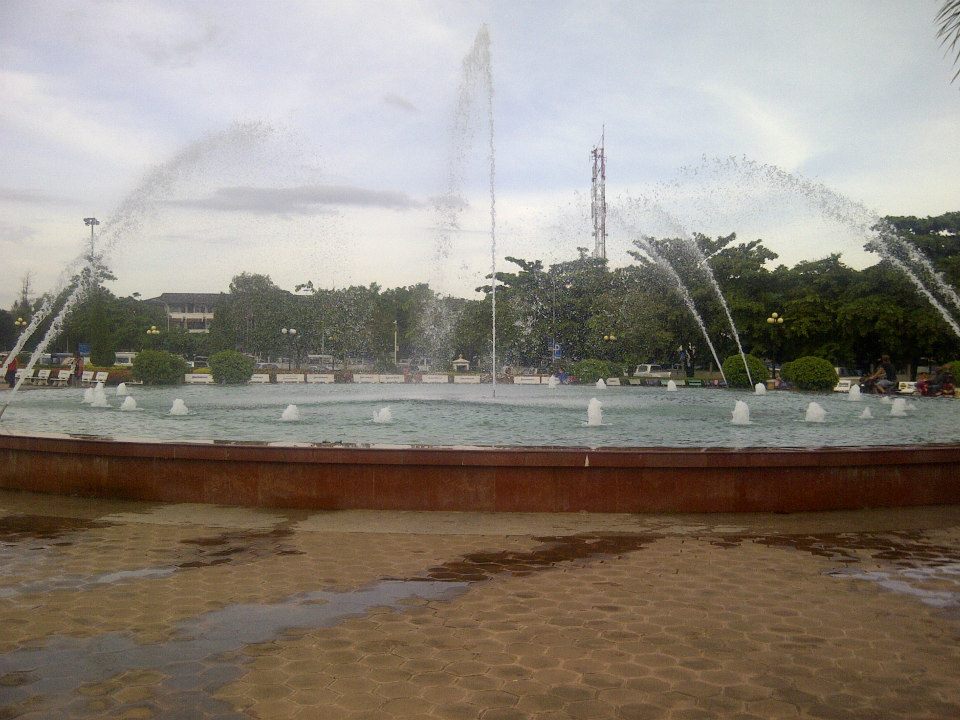
There is a water fountain beside the edifice, and the surrounding area is a recreational place for the nationals as well as tourists.

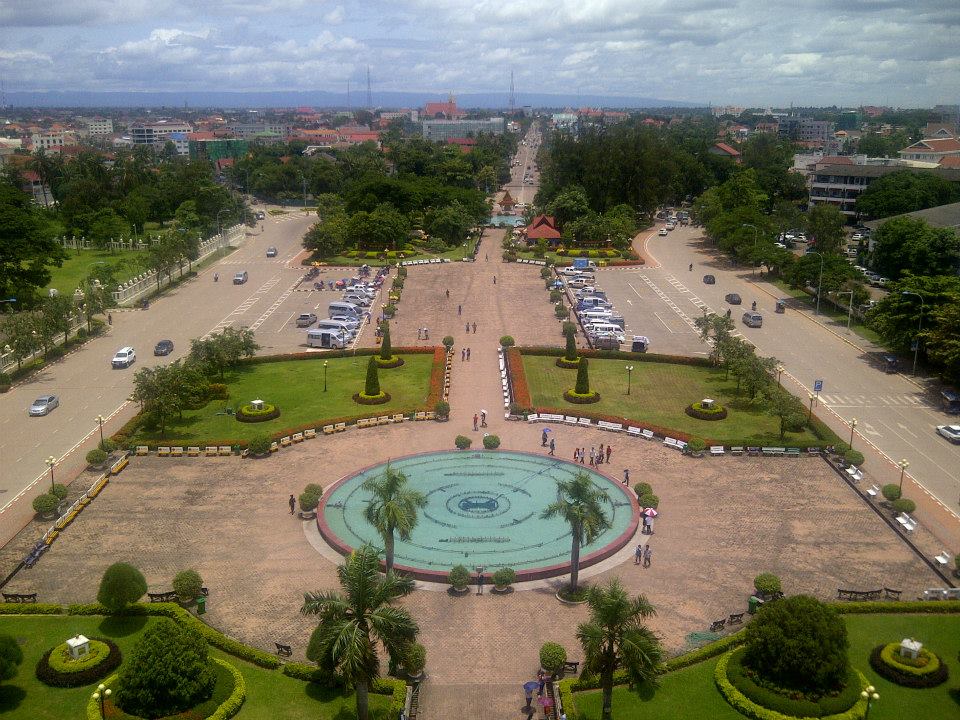
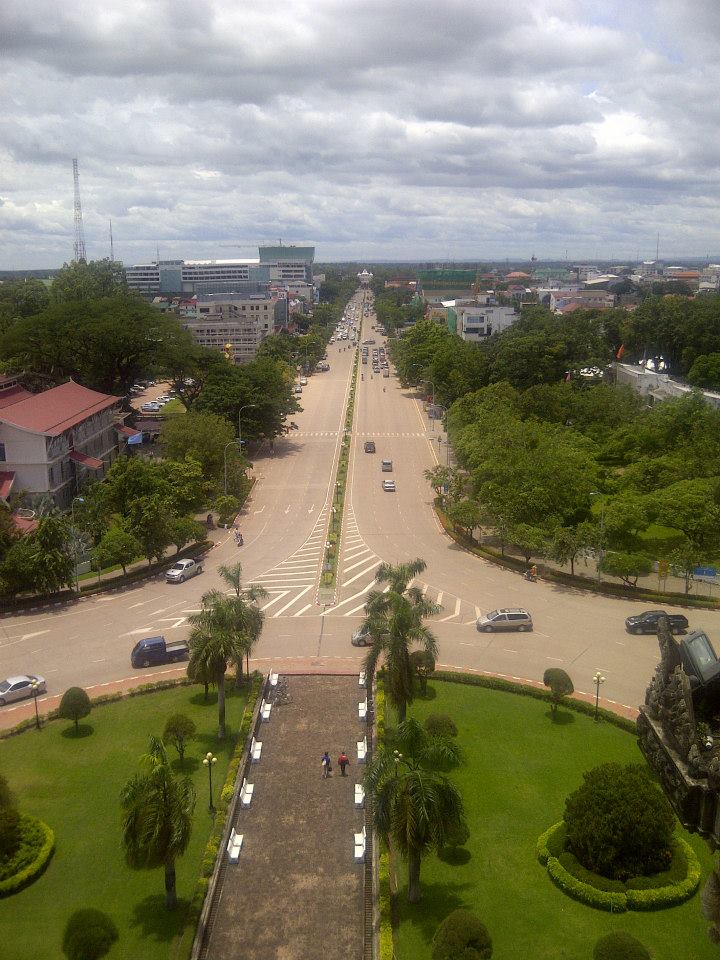
One can take the steps built inside the pillars to climb to the top of this edifice and savor a birds-eye view of the city.

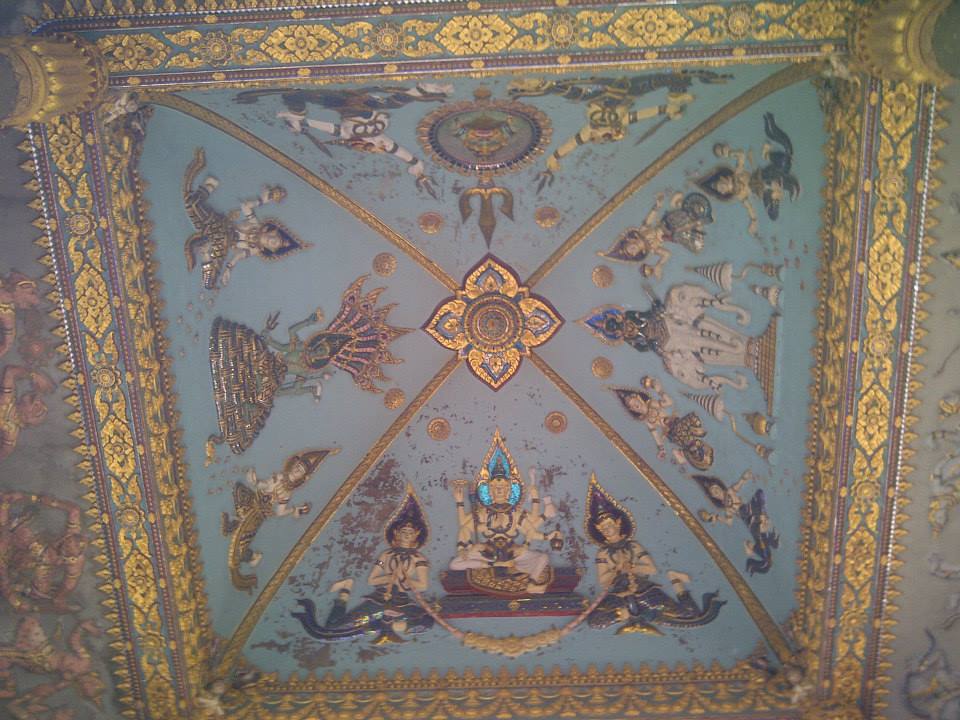
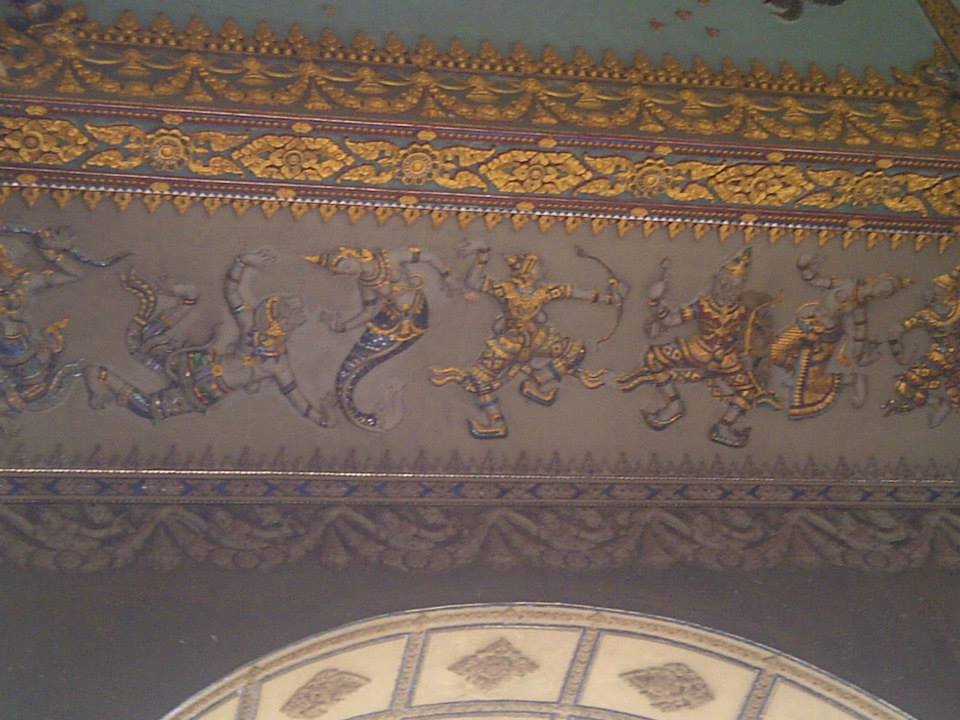
The entire Southeast Asia was practicing Hinduism before Buddhism arrived in 250 BC. In Thailand, I had seen Buddhists actively participating in Hindu functions. Angkor Wat temple in Cambodia, built in the 12th century, was initially a Hindu temple which was later converted into a Buddhist complex. Scriptures of Hindu Gods adorn this temple. Similarly, Patuxai’s scriptural drawings and sculptures offer a rich tribute to a pantheon of Hindu gods and goddesses.

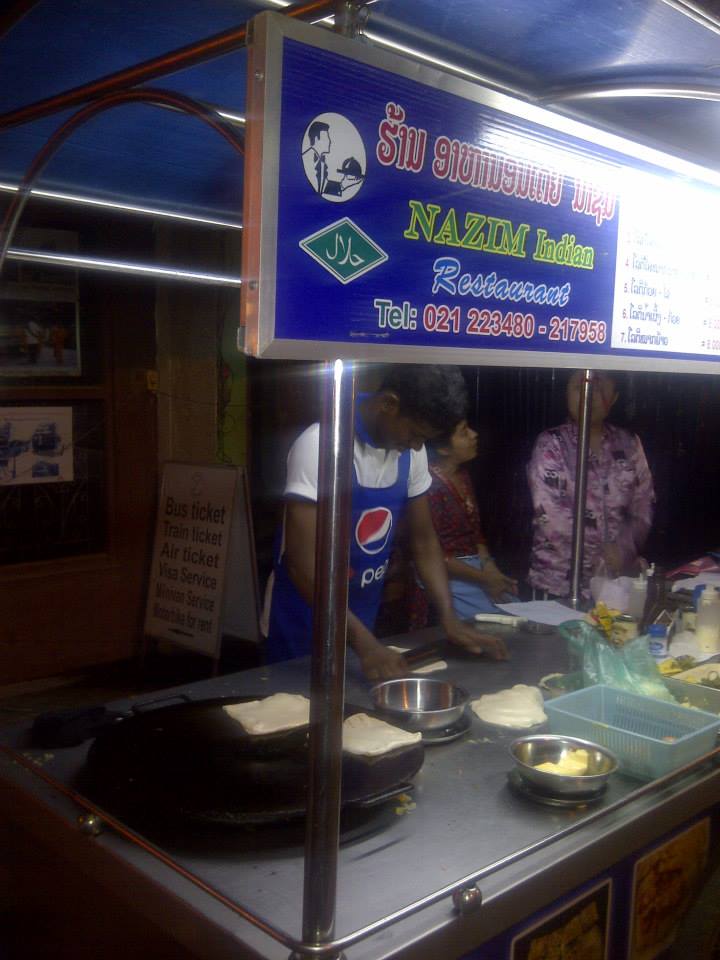
In the evenings, the city‘s street-side food scene is reminiscent of the same in some Indian cities with roadside mobile-eateries and other restaurants selling Indian cuisines. I had food from one such roadside shop run by an youngster from Chennai, India. It is a version of “Thattukada” as we call it in Kerala. I had very delicious “Parattas” from the eatery.

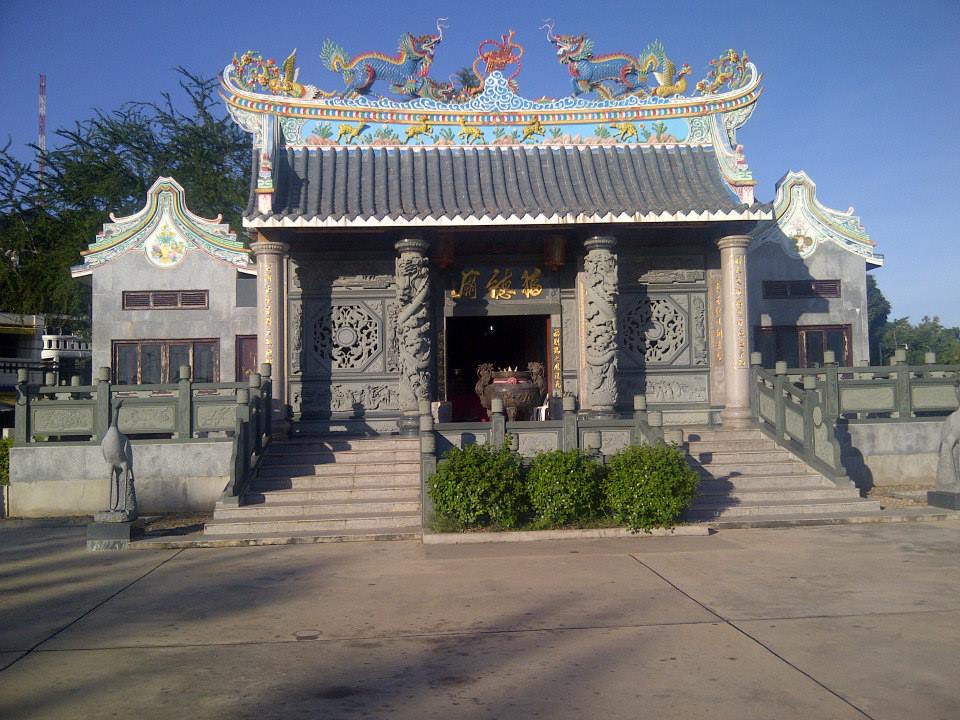
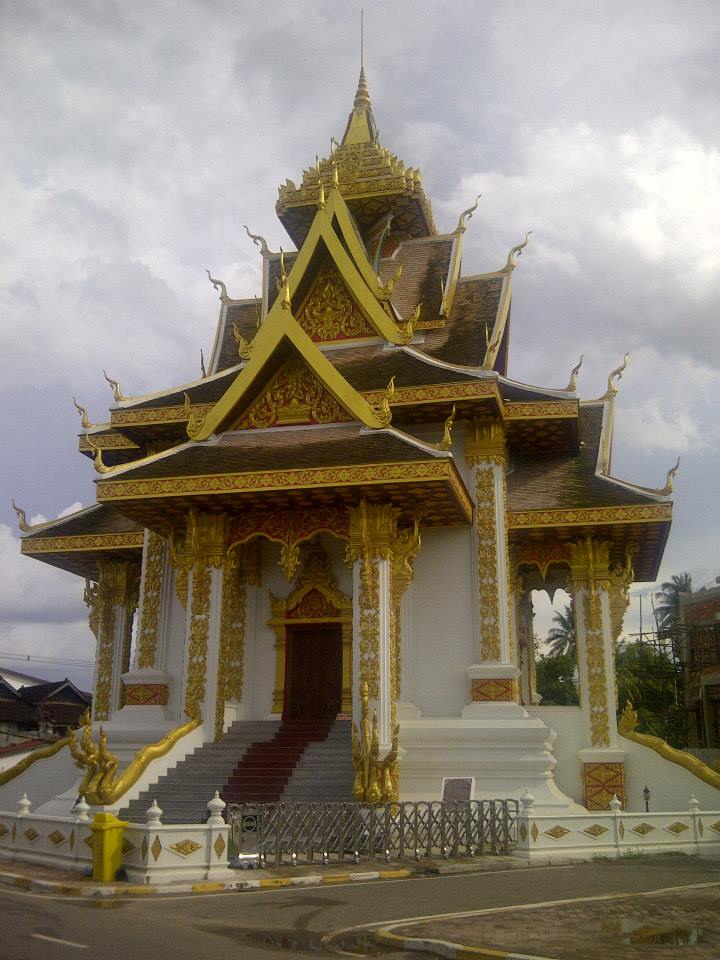
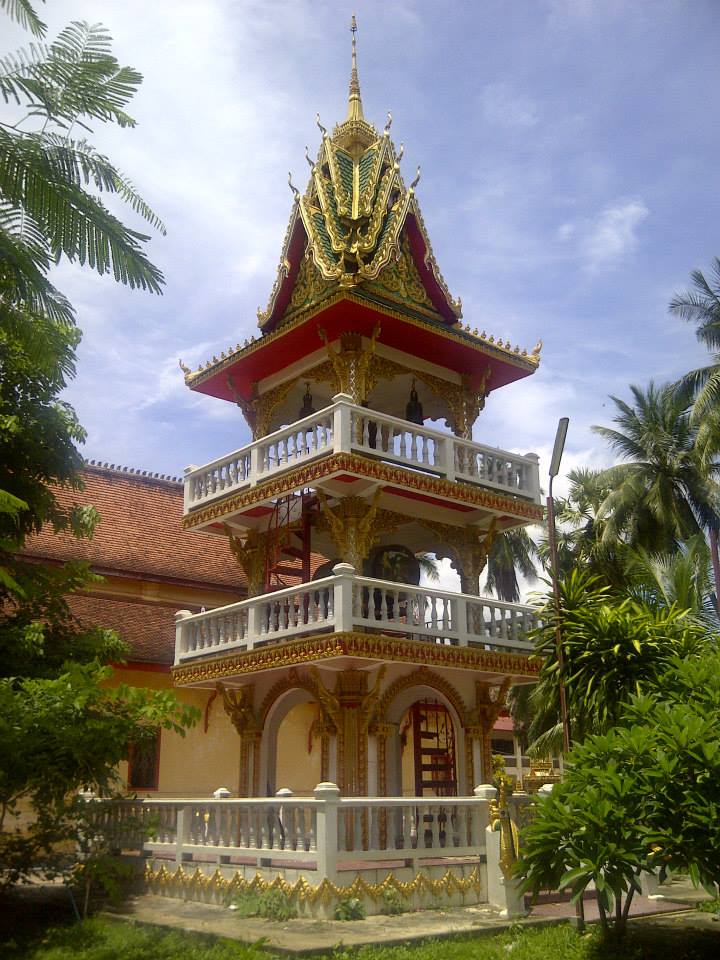
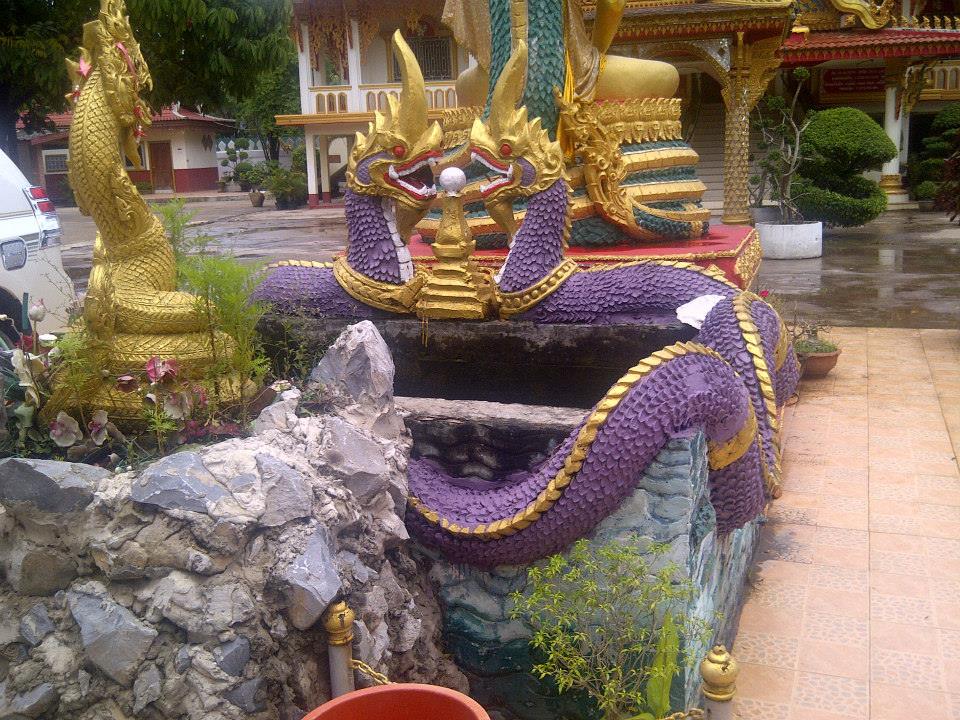
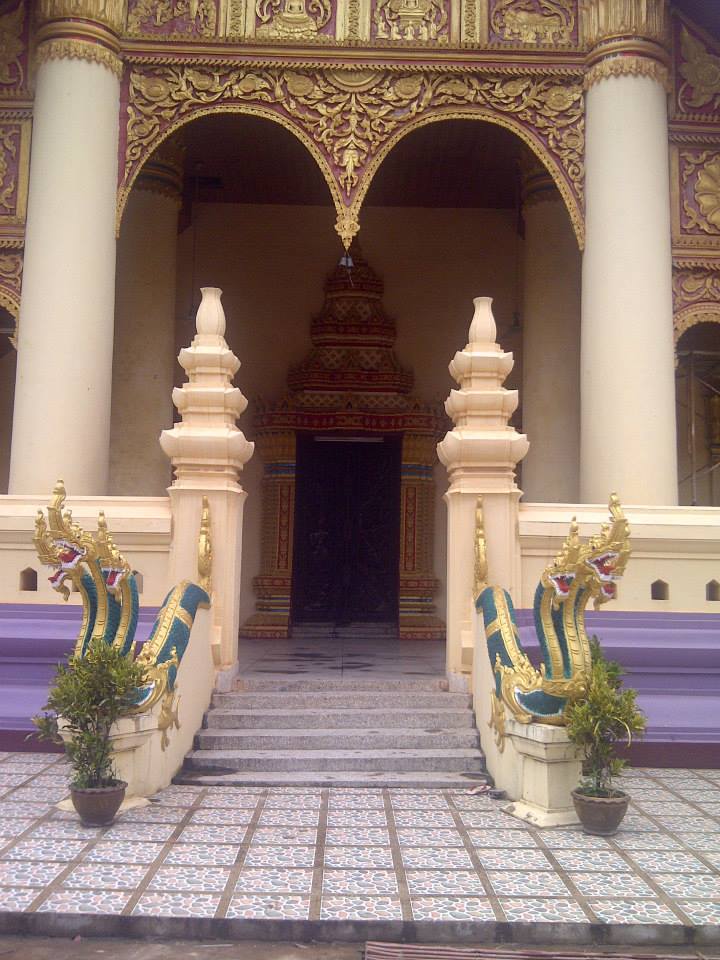
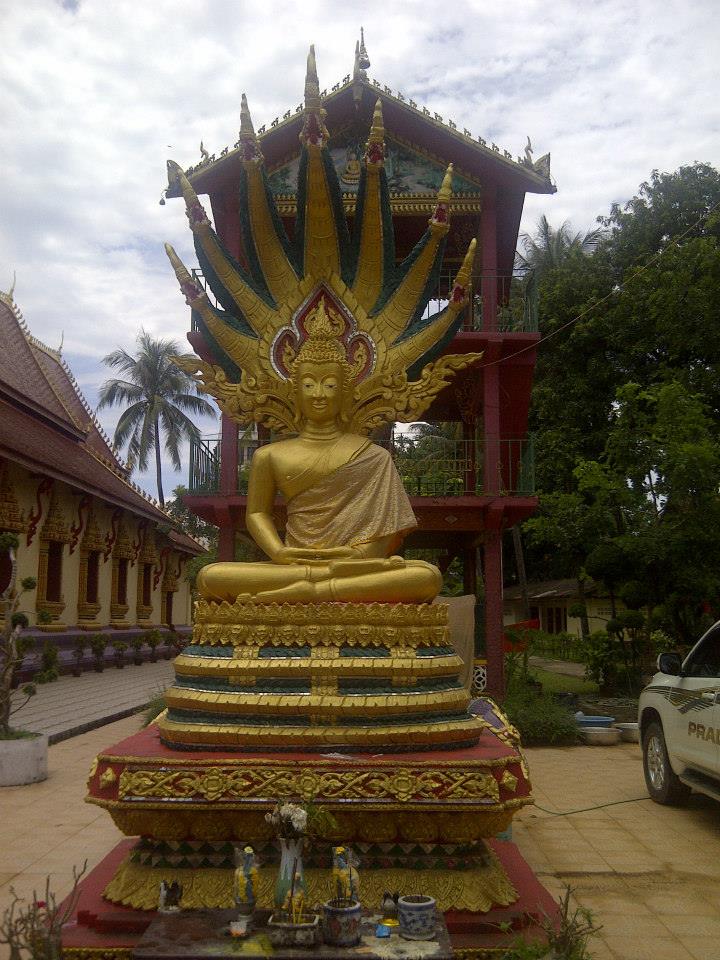
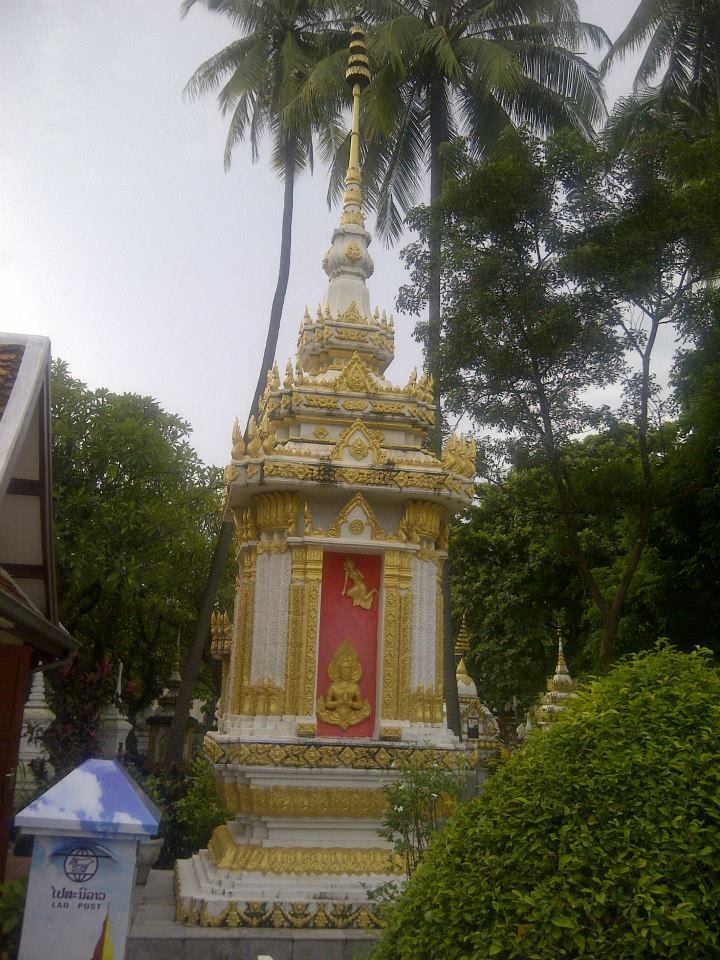
Buddhism is the predominant religion of Laos. The cityscape is peppered with lots of regal Pagodas. It feels like a world conjured up by a magician armed with a pot of gold and a paint brush. These pagodas spell resplendence in every frame.

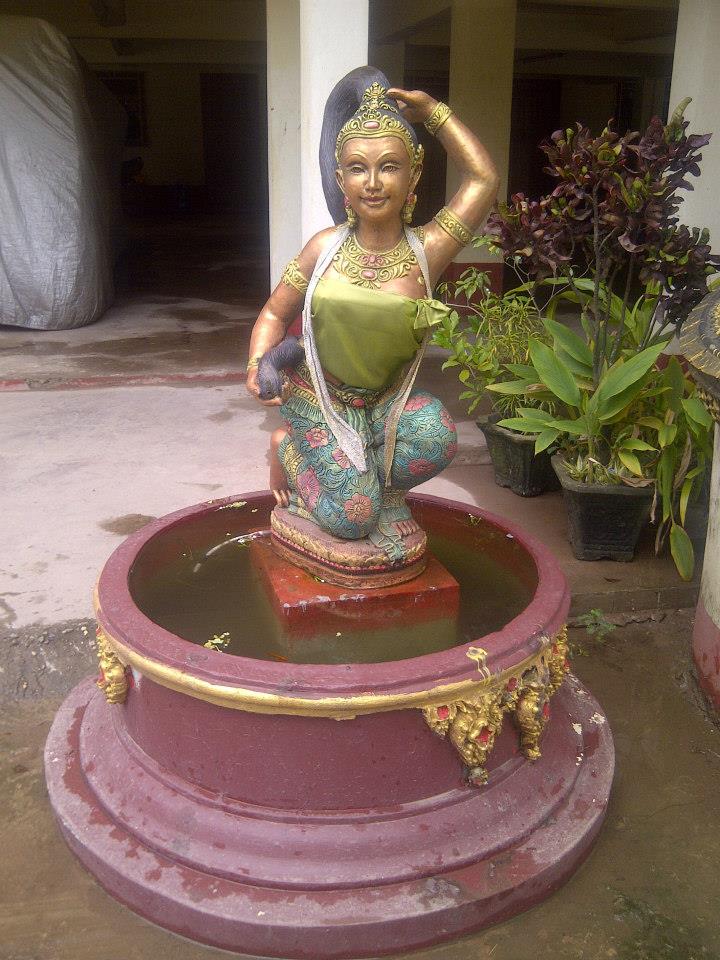
Statues of stunning Apsaras and Gandharvans adorn the premises of the pagodas:

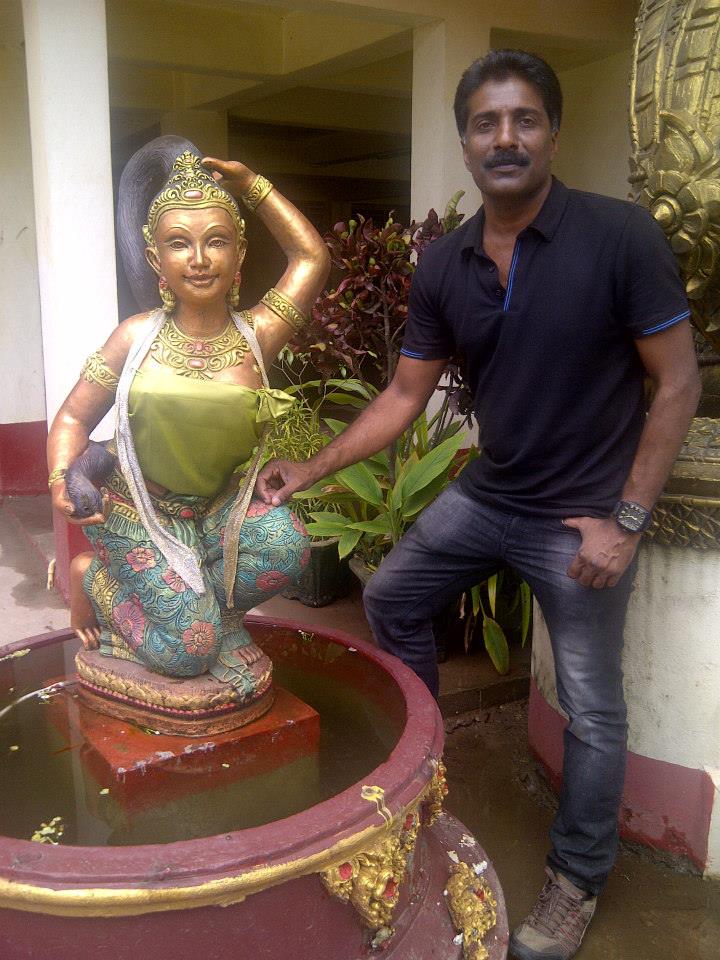
A real “Apsara;”

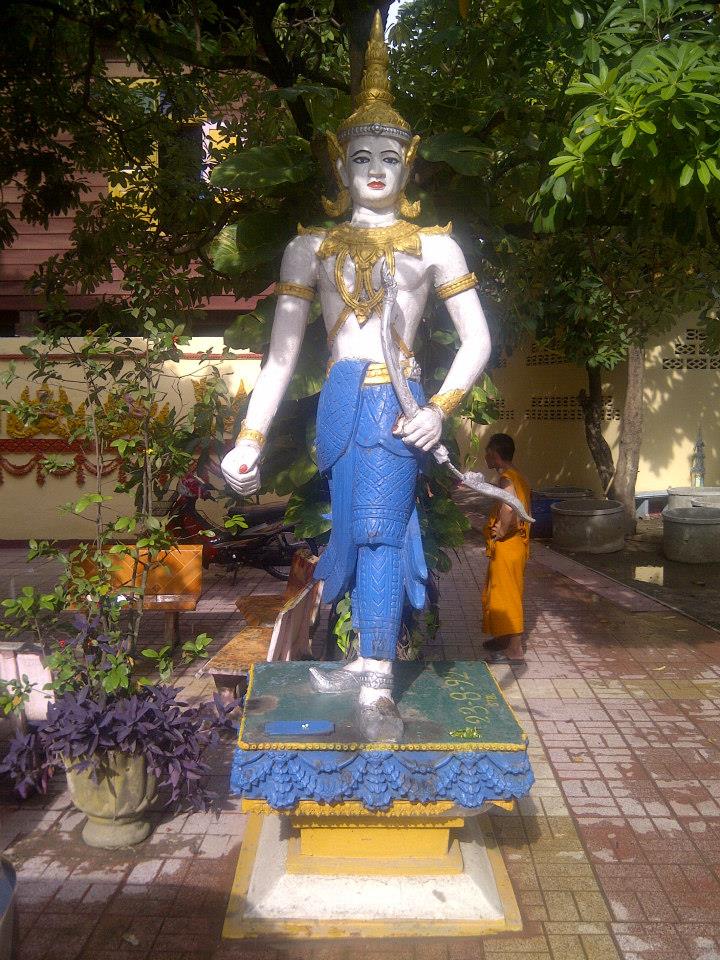
Statue of a sentinel at the entrance of a pagoda.

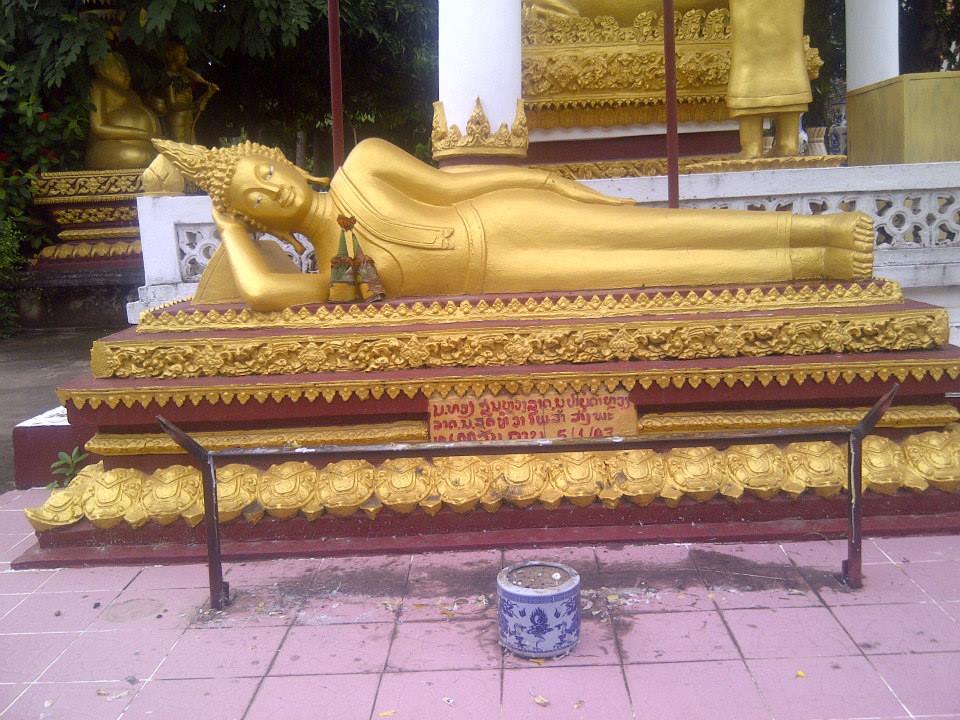
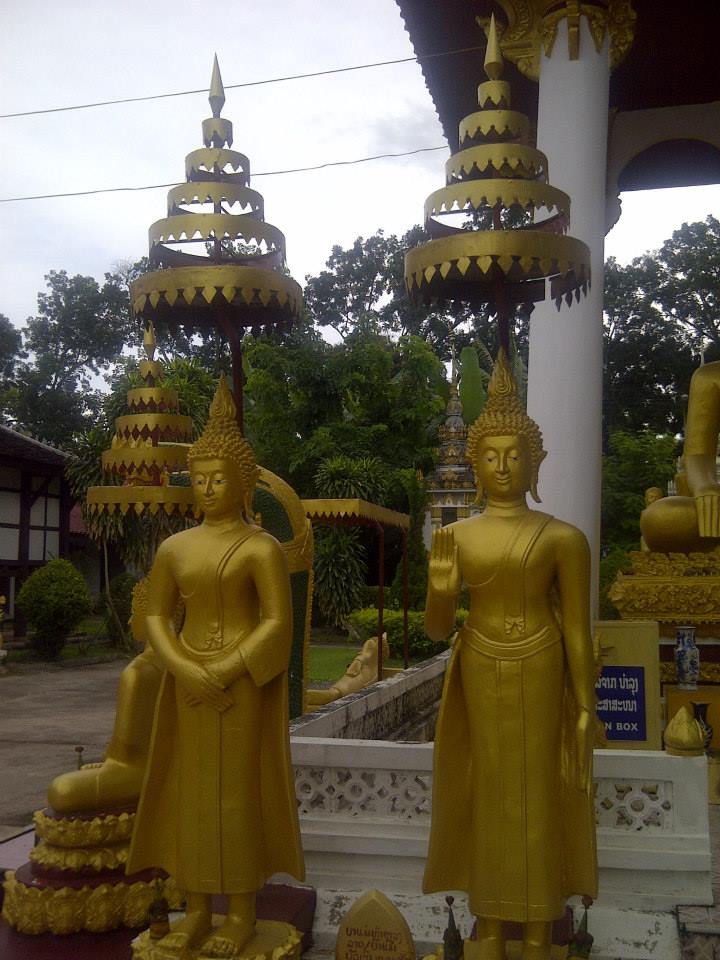
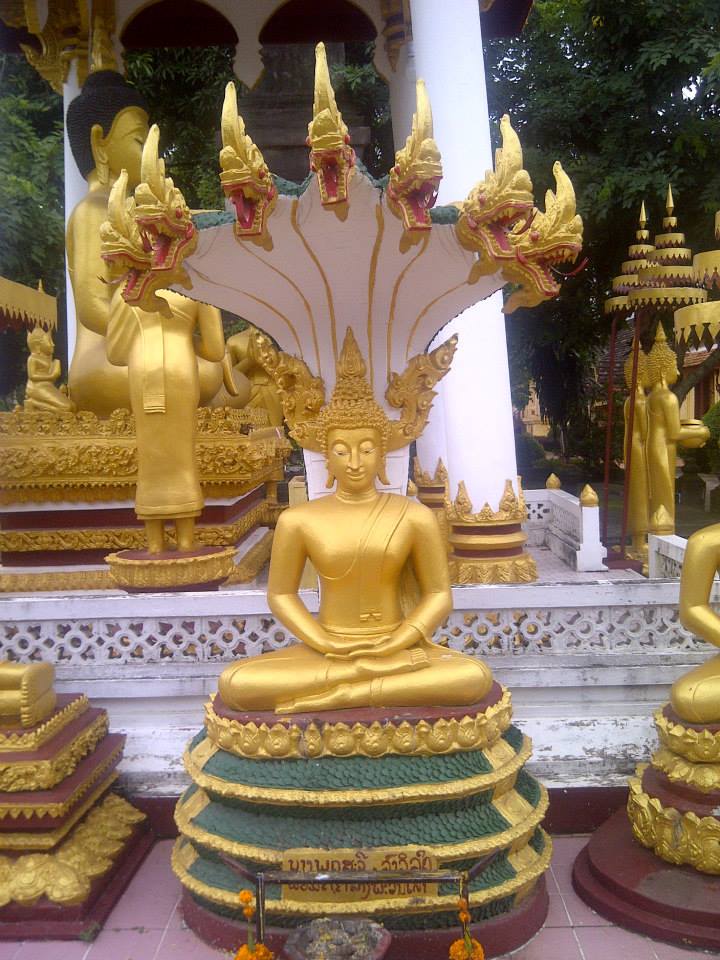
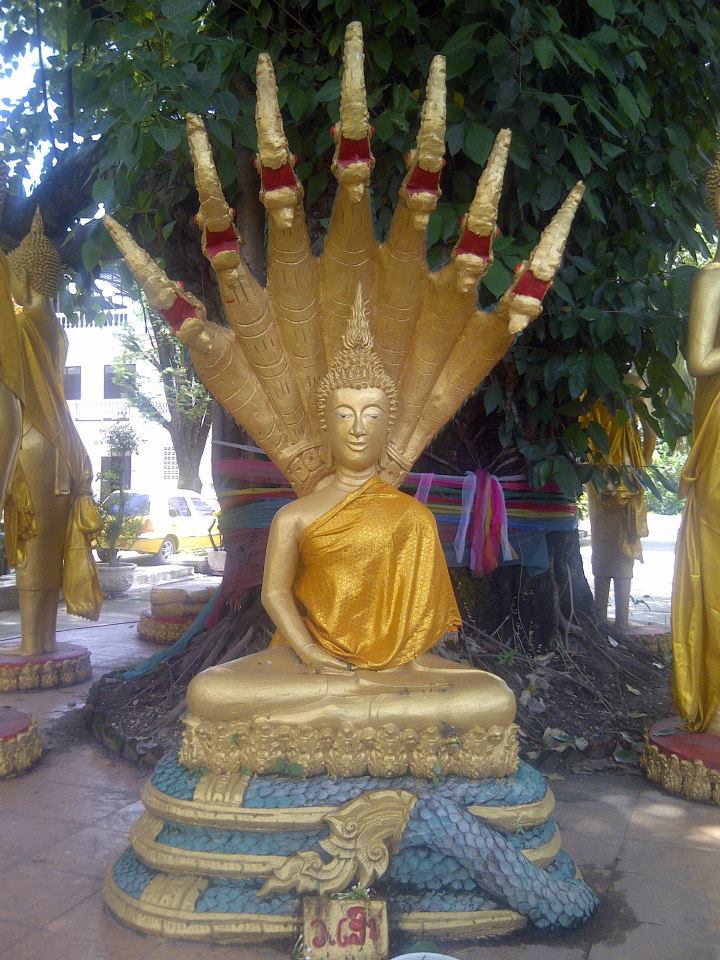
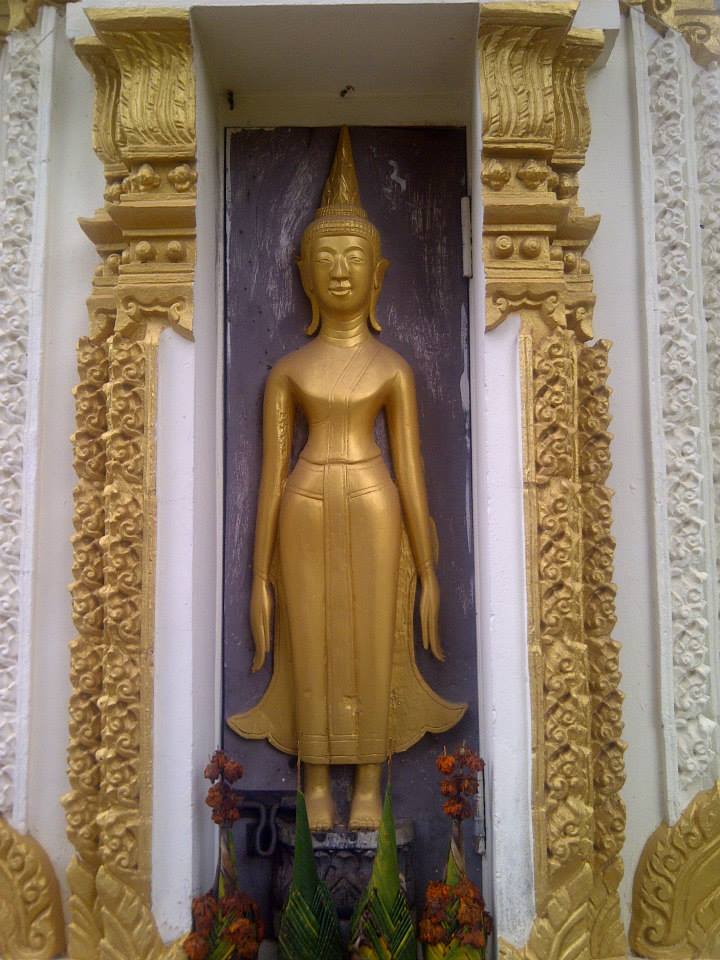
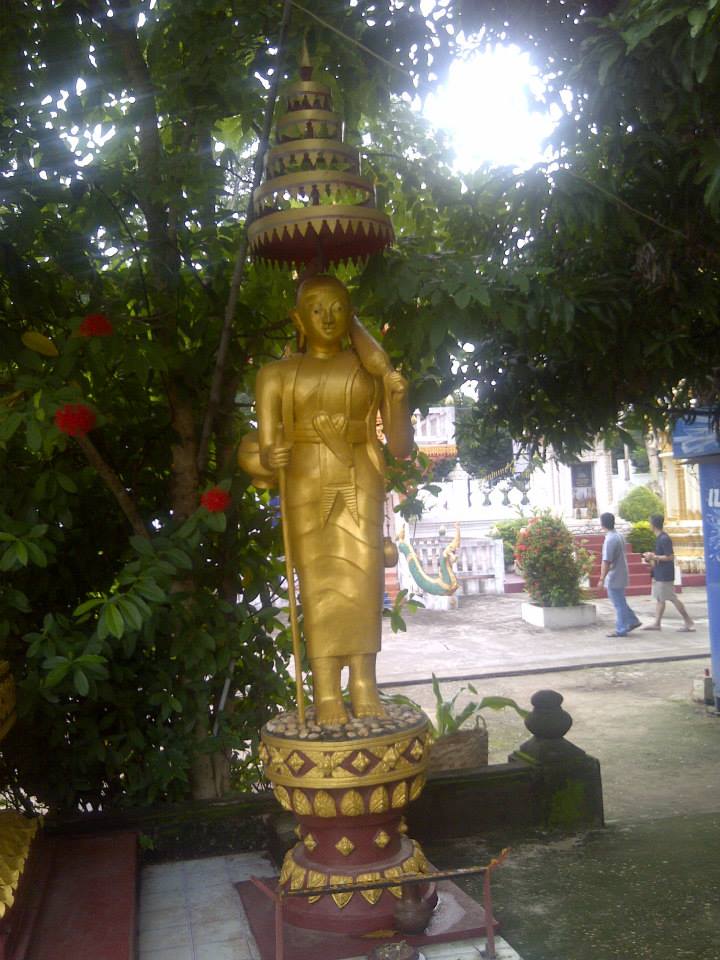
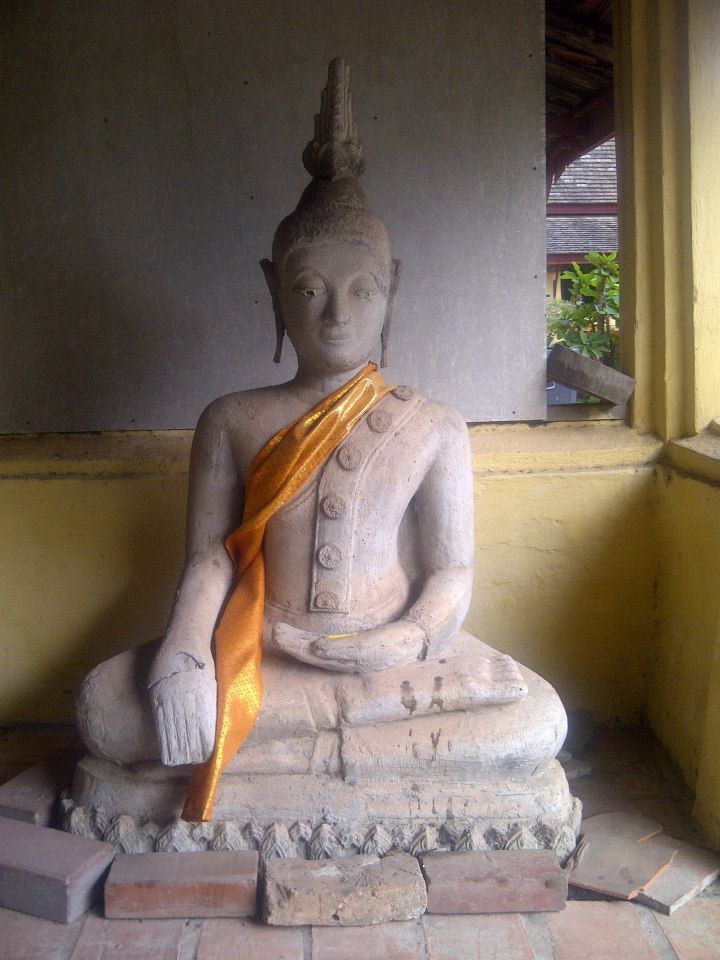
The Buddha in various postures from meditative to relaxed and sleeping postures  and other pious souls etched in golden splendor. They radiate an aura of tranquility.

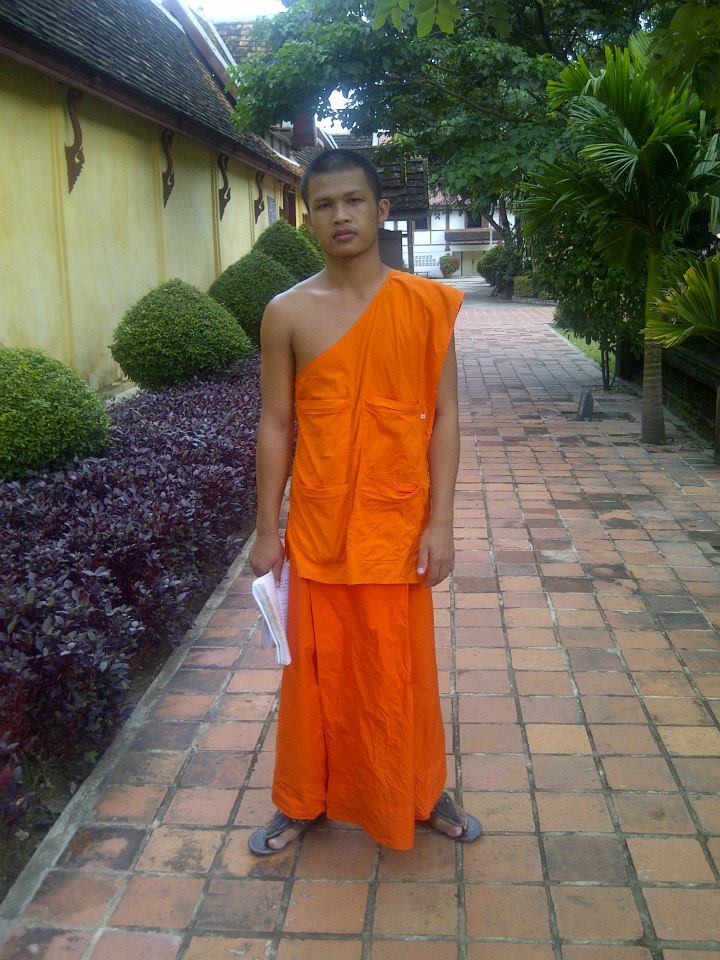
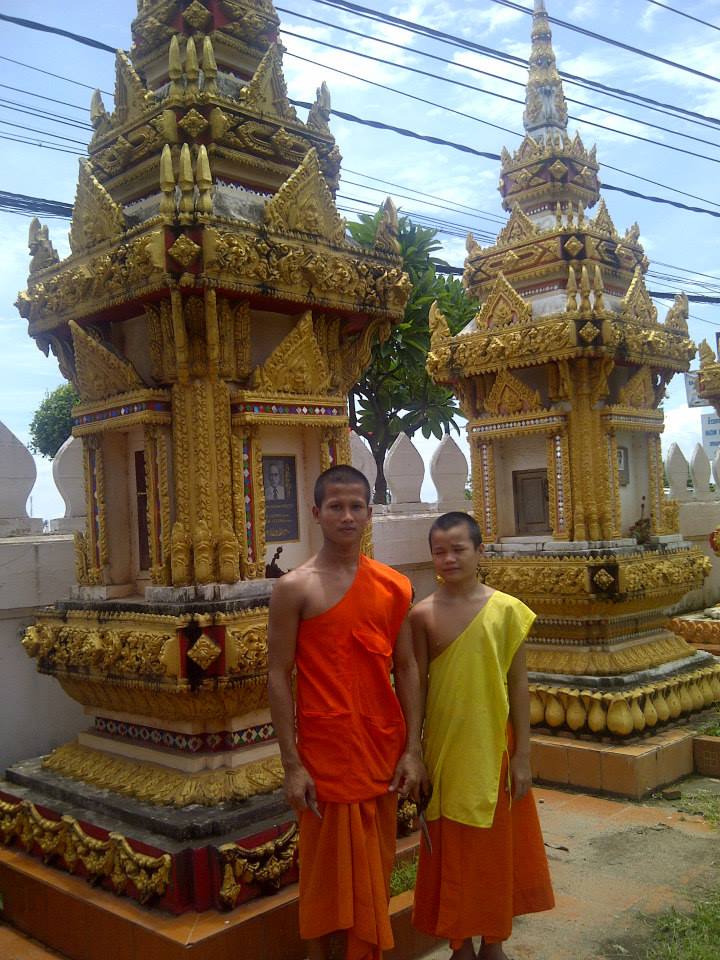
Buddhist monasteries offer five-year ascetic programs/courses for an aspirant to become a monk. Many Pagodas have monasteries adjacent to them.

Monks at the premise of  a monastery:

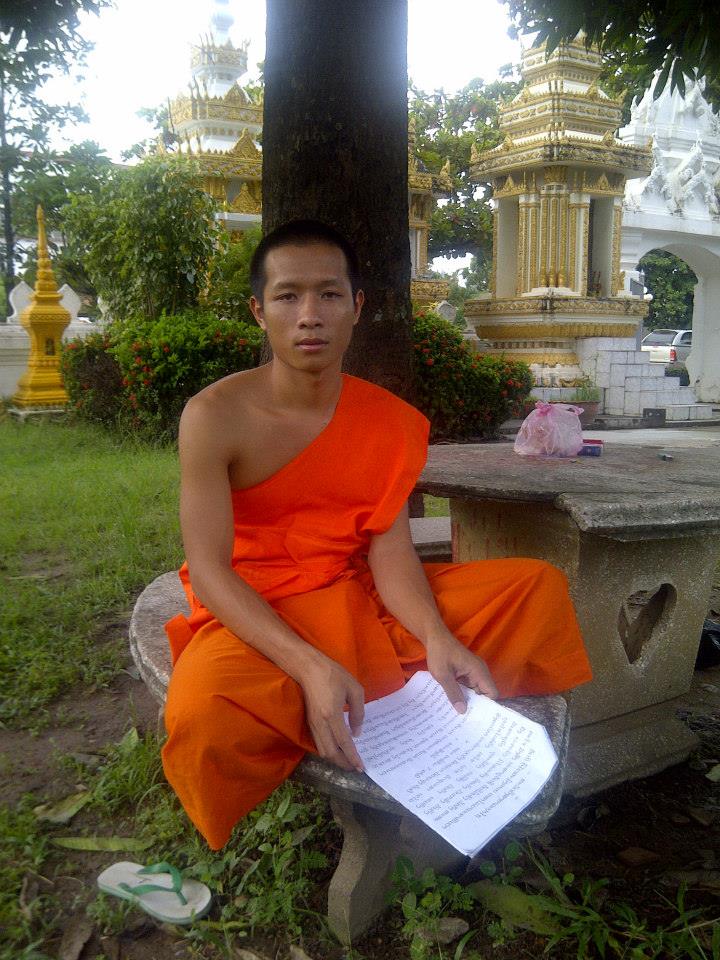
A monk preparing for the examination:

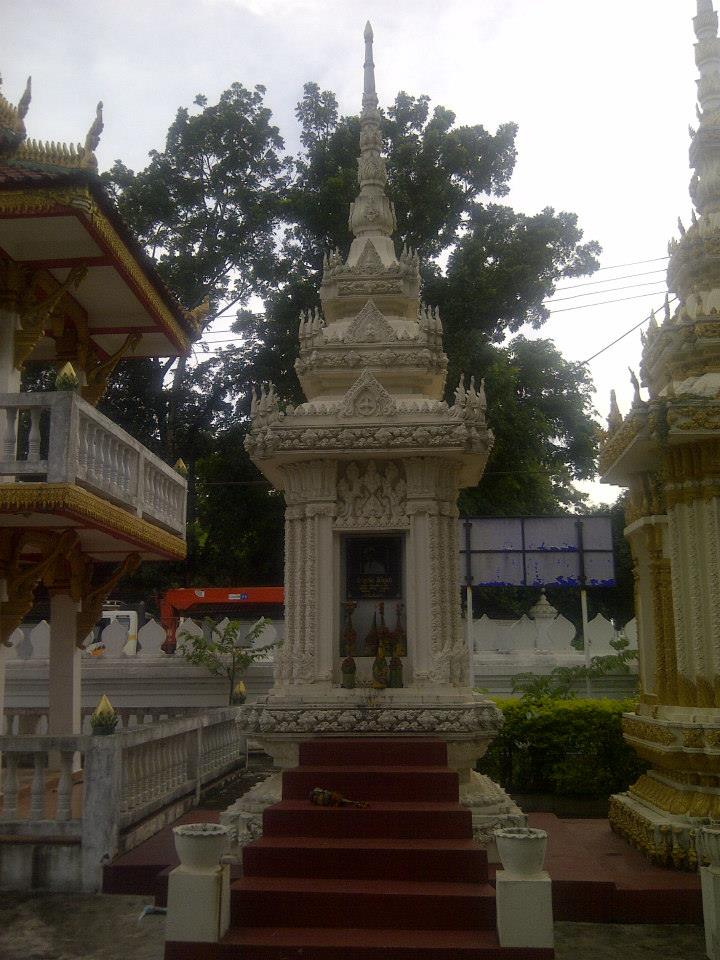
Big pagodas have tombs built at their premises. Mortal remains of not just monks but any Buddhist can be cremated or buried here. Buddhism permits both mummification and cremation.

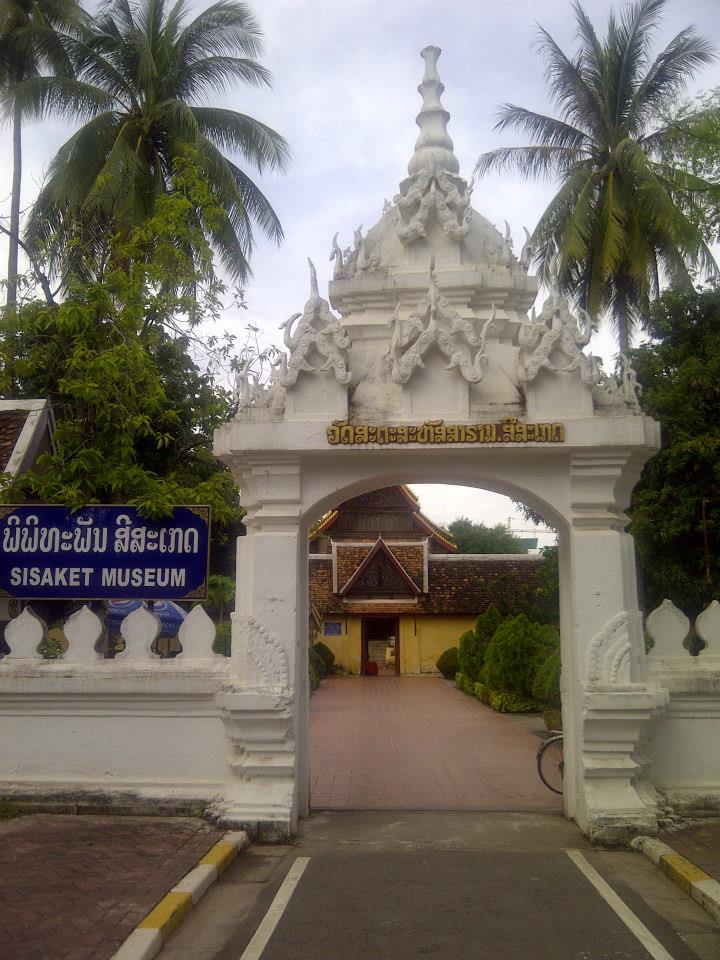
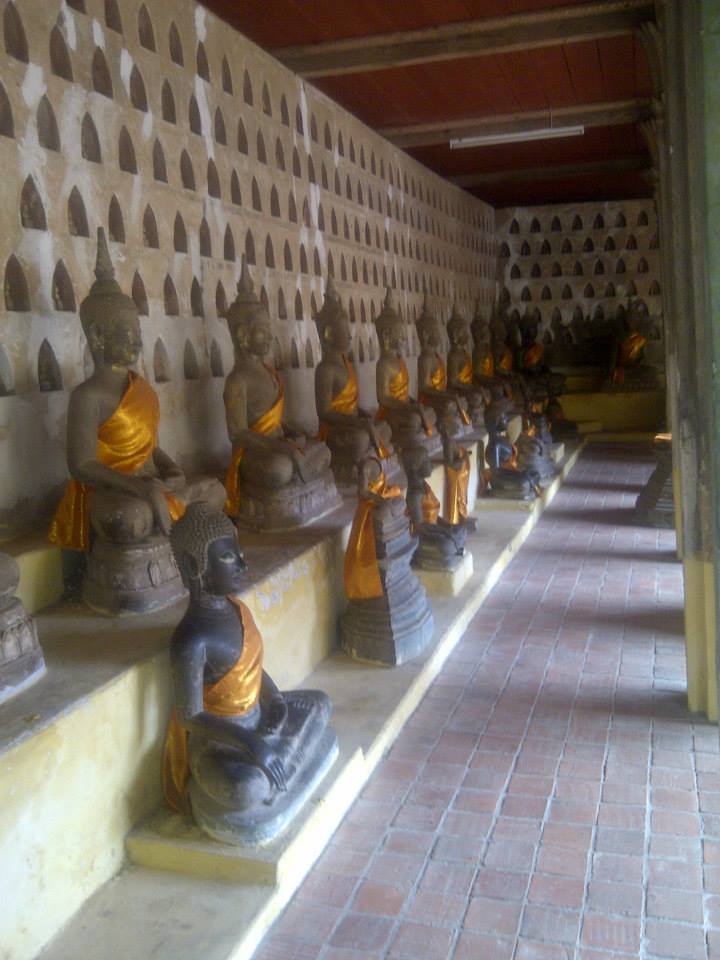
This is a city that treasures it’s past and takes pride in preserving and showcasing them to the world. Vientiane has more than ten museums. I visited the Wat Sisaket museum which has maintained the original structure without doing any modifications. It is famous for a wall marked with thousands of niches, each containing an image of Buddha in various mudras, crafted in wood, ranging from the 16th to the 19th centuries.

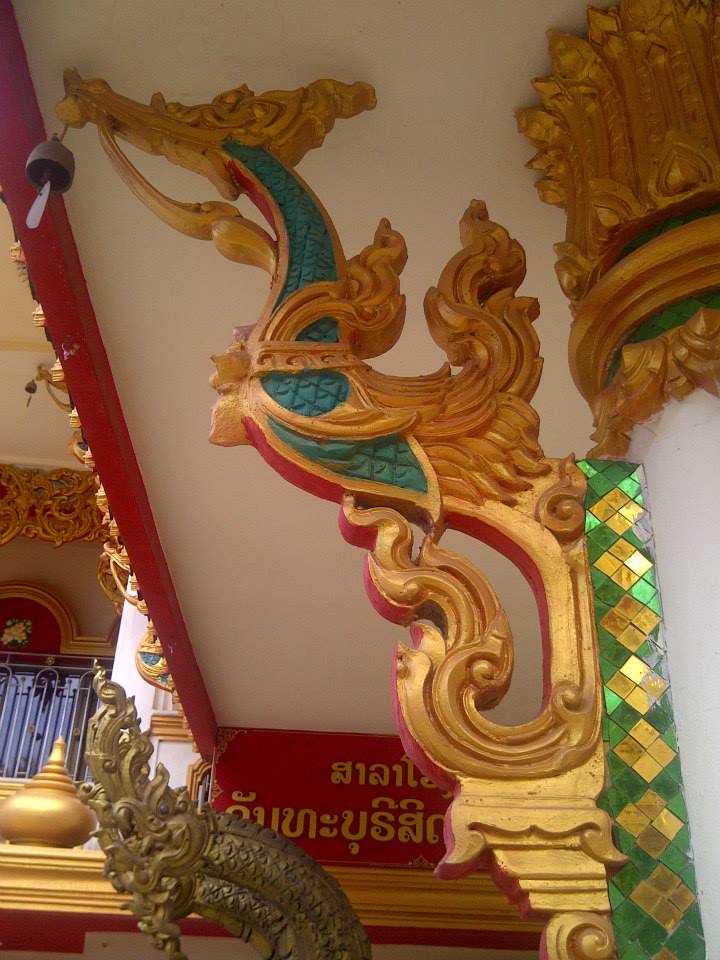
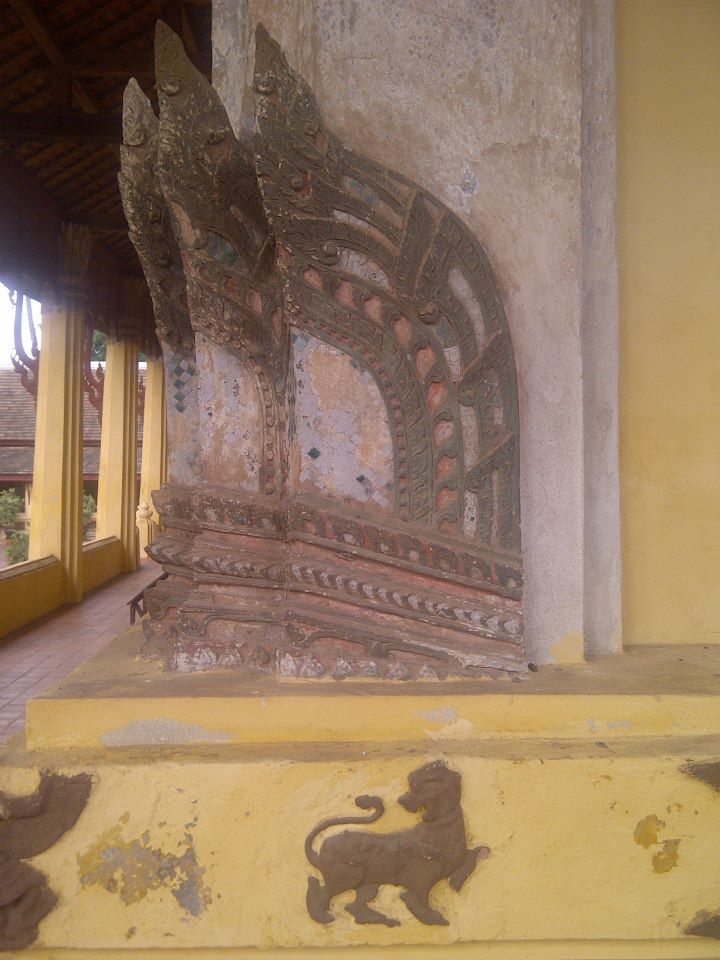
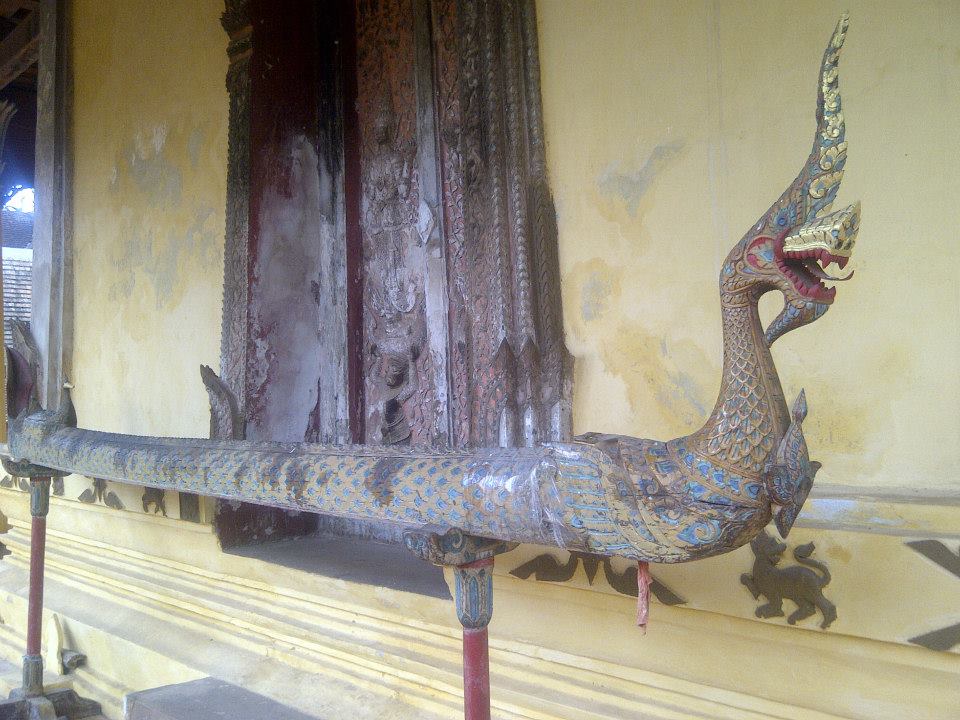
An intricately carved wooden-snake that looks like a snake-boat from the museum:

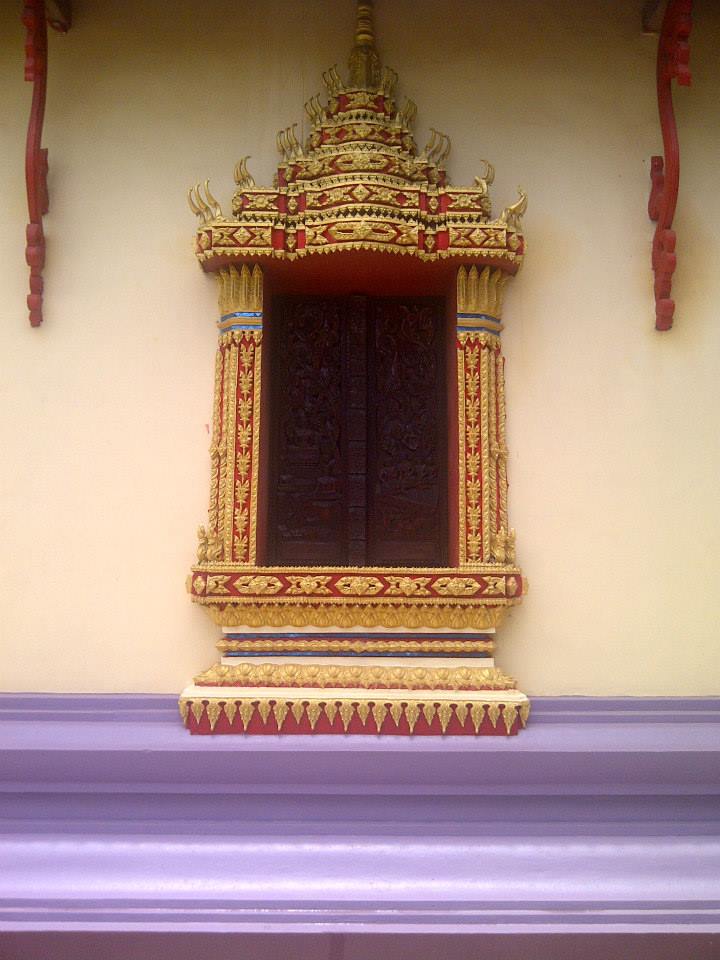
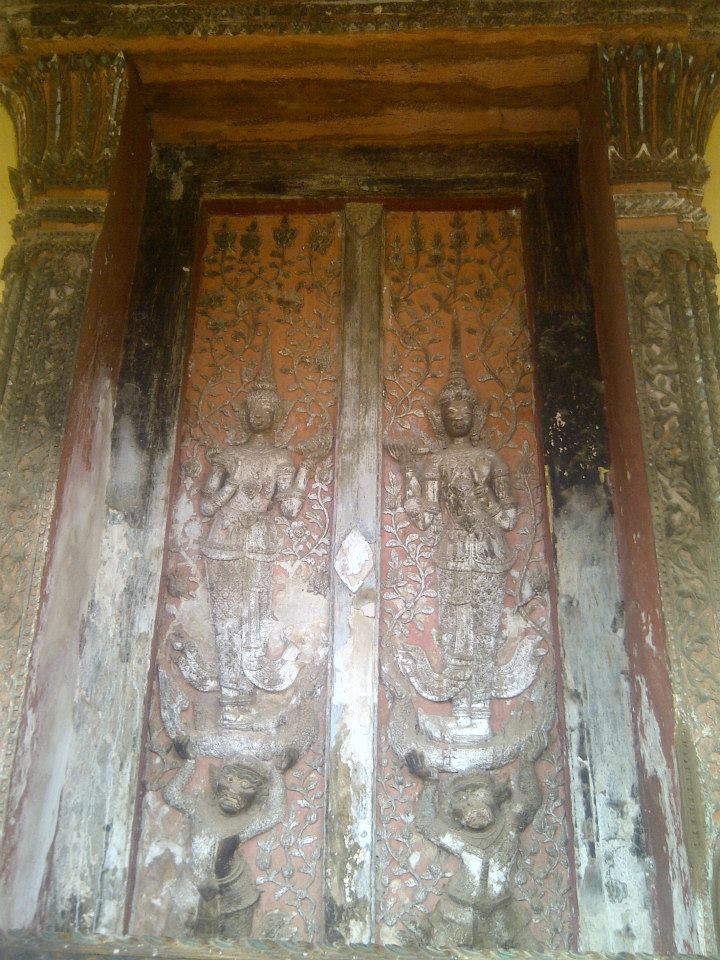
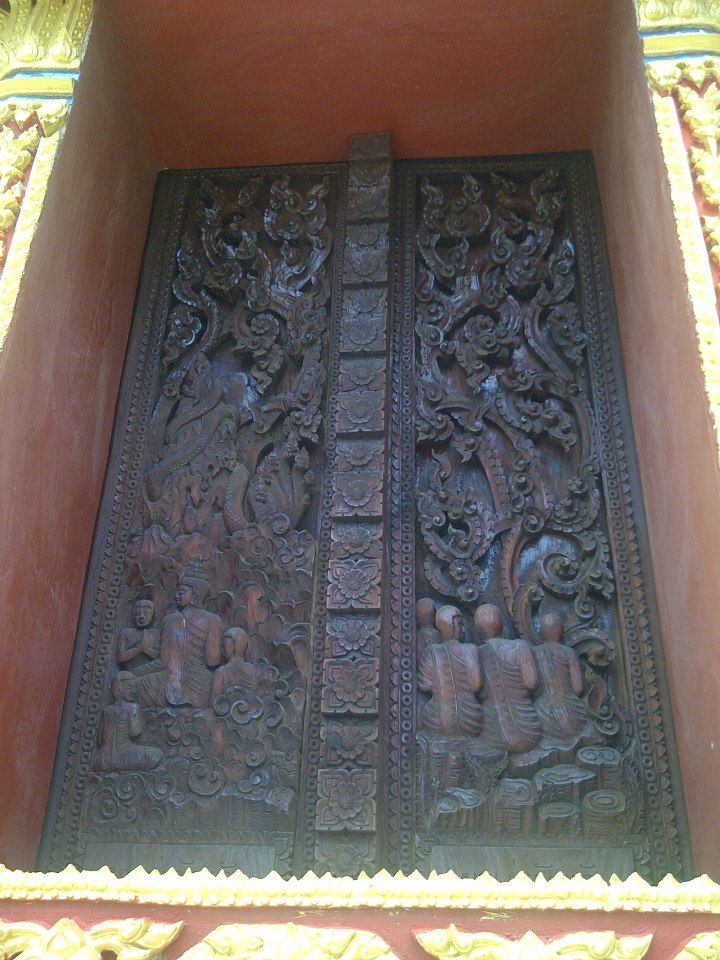
An elegantly etched wooden door at the museum:

Laos is a synergy of the urban and the bucolic; the ancient and the modern carry on a peaceful coexistence here. It offers pockets of quietude and hums a soothing melody of the rhythms of life.

The blog is authored by Linet Placid.

Why This Pandemic?

This is my thirteenth blog related to the COVID-19 pandemic, and a few of the previous blogs had an underlying theme that the pandemic was a warning, possibly the last one before an all-out attack, of Mother Nature, telling man to stop its overexploration and start to live within his means. Why does man overexploit nature? A couple of days back, I read an article which stated that Jeff Bezos, the mercurial founder of amazon.com and the richest man in the world, would become the first-ever Dollar trillionaire — USD 1000,000,000,000 — of the world in 2026. Not leaving behind, other billionaires like Jack Ma and Mukesh Ambani are on track to achieve the trillion-dollar status in 2030 and 2033 respectively. In the Indian currency, it will be ₹76 lakh crores. The article pushed me to think a bit deep to find out the answer for the question: why does man overexploit nature?

There are many other manifestations of this question. Why does man need two mobile phones when he can use only one phone at a time? Why does man have an array of pairs of shoes when he can wear only one pair at a time? Why a collection of watches when a pair of hands can carry one ? Why many cars when only one can be driven at a time? Though the seemingly-right answer to these questions is money, it is not because all rich people do not have the habit of having these extra possessions marking extravagant lifestyles. And that line of thinking brings us to the correct answer of greed. Yes, man’s greed, which is the irrepressible trait of longing for ostentatious living that defies the law of Diminishing Marginal Utility, is the culprit. Greed, however, is immobile unless gets bankrolled, and barring a few exceptions, this financing is done by something called speculative demand.

It is very difficult for a layperson to understand the concept called speculative demand and its monstrous stranglehold on the way we live. Let me explain it with a few examples. Imagine that you want to buy a plot to build a house in Kochi in Kerala, India. The transaction is supposed to have only two players: you, the buyer, and land-owners who have plots to sell. Nonetheless, in the corporatized and highly leveraged real(estate) world of commerce, a third player creeps in many a time with or without your conscious reckoning. It is speculators. Unnatural demand — speculative demand — created by them generates lots of extra money to finance man’s greed. How does it work? Real estate companies, the speculators, temporarily buy plots, hold and resell them when market conditions are favorable to make a killing on the price-front. These companies do not buy plots for end user purpose but to create an artificial demand. In this process, they stand between original sellers and end user buyers thereby blocking the view — manipulating the understanding — of buyers to know the actual strength of supply. The speculative demand thus created, along with end user demand, spikes up land price, forcing end users to dish out extra money for the plots they wish to buy. As prices go up due to the artificial scarcity created by speculative demand, speculators sell to make quick profits. For example, instead of, say, ₹50 lakhs — USD 65,000 — for a 10-cent — 4356 square feet — plot, you may end up in paying, say, ₹65 lakhs to either an original seller or a speculator who temporarily holds the plot. An extra ₹15 lakhs is generated.

Millions of such speculation-induced steroid-transactions create billions of dollars of extra money for both original sellers as well as speculative sellers across the world in a day. This happens in almost every segment of the global economy, making millions of people sitting with fat bank accounts. What do they do with this extra money? Buy an extra phone, load their shoe racks with many shoes, many collections of watches to wear with matching attires and so on. 

The best example of speculative demand’s power play is the share market. Let us consider an imaginary situation: you bought 10,000 shares of ExxonMobil @ USD45 per share. Subsequently, the company discovers a crude oil deposit of 2 billion barrels in the Gulf of Mexico. The share price surges to, say, USD50 on hearing the news, so your shares are worth USD500,000. You sell the shares and make a profit of USD50,000. But a cyclone in the Gulf of Mexico or a skirmish in the geopolitical fault lines of oil producing counties can bring down the share price the very next day. But thousands, including you, already made extra money out of the hype made on an asset that is still a still-asset! Share markets across the borders create such unnatural wealth based on speculative hypes and fill the pockets of many. What do they do with this extra money? Go on a spending spree and buy more and more than they can consume.

The most recent example of speculative demand creating unnatural wealth is the trading of the shares of Moderna, the American biotech company that reported encouraging results of the vaccine trails for COVID-19. On May 18, 2020, its share value jumped by as much as 30%, taking the share price to USD87 — swelling its market value to USD29 billion  — before settling at USD70 by the end of the trading week as experts downplayed the significance of the early trail results. But during the 5-day trading week, speculators created a hype and made millions of dollars. The most notable among those who gained are the company’s Chief Financial Officer and Chief Medical Officer who executed their stock options and sold nearly $30 million of shares, making a combined profit of USD25 million. The best joke is that Moderna has no marketed products as of now. The vaccine trials may or may not succeed, but the speculative hype already created artificial wealth for many, including the two executives of the company. What do they do with this extra money? They will use this bonanza to finance their greed —  extra cars, additional farmhouses, private jets, cruise tourism and many such extravagant purchases and outings. 

These are only a few examples of how speculative demand creates unnatural wealth that does not have any realistic moorings. Such wealth powers man’s most insatiable trait of greed to fly in breadth and depth, actualizing its manifestations in extra and over-extra possessions that overexploit nature. Every extra phone, additional car, added pairs of shoes and extension of living into extravagant living are equivalent to overexploitation of nature’s resources like clean water, soil, clean air, carbon sequestration, etc., thanks to the extra pollution created during their production.

Mother Nature teaches us many things, and the most powerful and pervasive one among them is the lesson of counterbalancing — every force is neutralized by a counterbalancing force. For centrifugal force, there is centripetal force; positives have negatives to counter; protons for electrons; intuitive thinking and counterintuitive thinking; friction to motion; alkalinity for acidity; and so on. This fundamental counterbalancing act by nature is not just-avoidable but inevitable. So when man’s greed, fueled by the unnatural money from speculative demand, overexploits nature, nature ought to counter it for its own existence. How does it do it? By bringing in measures to debilitate man from rampaging nature, cooping him at his home and making him leery of even doing little things like going out to enjoy fresh air and sunlight. 

Will Jeff Bezo and other billionaires become trillionaires at those timelines? Well, I do not know if the author of that article contemplated nature’s counterbalancing principle while fixing the timelines? But one thing is certain that nature is determined to stop man from overexploiting it by denying opportunities to spend the EXTRA money to satisfy his greed. A pandemic like COVID-19 had brought the share markets down, real estate and property sales crashing and almost all economic sectors facing bleak futures. No room for speculators to hype, forcing them to lie low. Hence, end users will be able to see supply strength without speculators standing in between, resulting in prices curving to their natural value, not market value. Natural value gives you money to have one phone, not two; one house, not an extra holiday home; one car, not an additional sport car to relish speeding; and so on. Stability is nothing but controlled instability. If man lets loose his uncontrolled greed to destabilize nature, then nature will counteract to bring the balance back. 

Floating Villages of Siem Reap

How long have you stayed in water at a stretch? A pool-goer will answer: a couple of hours while the answer could be a whole day by a sea-surfer. Fishermen spend days, even months at sea, so do sailors. None of them, however, spend their whole life in water. But there are people who live their entire life in water — they are born, do live and die in water. You would have visited wonders of water-worlds which are an unavoidable element of theme parks, a top-end entertainment-product of consumerism, but that had been only to the extent of a few hours during an occasional outing. But imagine a community that spends its whole lifetime in water!  Welcome to Floating Villages — the surprising  water-worlds that many of you might not have heard about!

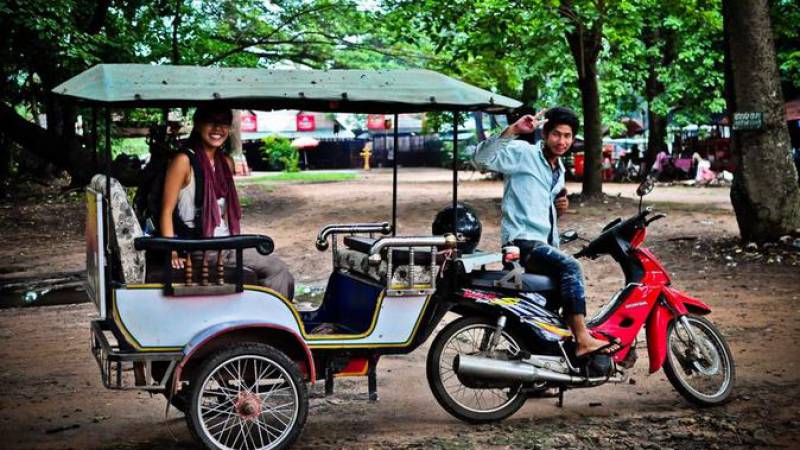
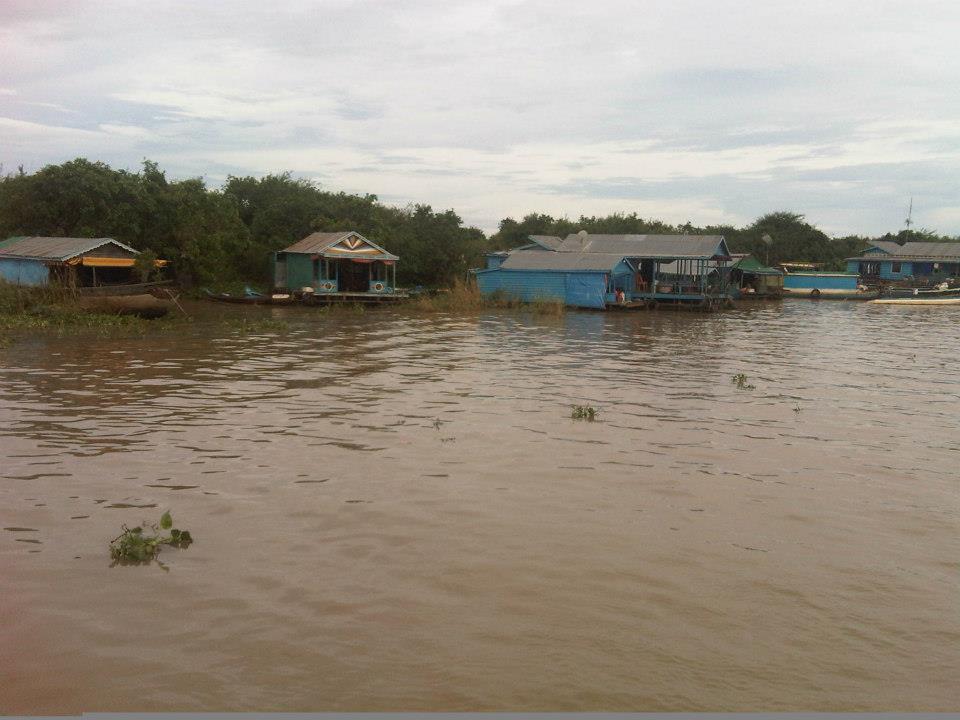
Siem Reap, a province in Cambodia, is located on the northwestern part of the country. The province and its capital has the same name: Siem Reap, which is a sought after destination by tourists due to the attractions like Angkor Wat, Bayon,  Bahuon, Floating Villages, etc. I took a bus — 6-hour journey — from Phnom Penh, Cambodia’s capital city, to Siem Reap, on September 23, 2012, looking forward to visit these tourist spots. Tuk-tuk is a mode of transport in the city, and I hired one for my 3-day visit. One the day of arrival, I had the afternoon left to spend as the next day was reserved for Angkor Wat, so the driver of the tuk-tuk told me to capitalize the half-day by making a trip to a floating village — it is called floating village because all the dwellings of the village are in a state of floating-but-still in water. They remain still with temporary anchoring. There are four such villages around Siem Reap.

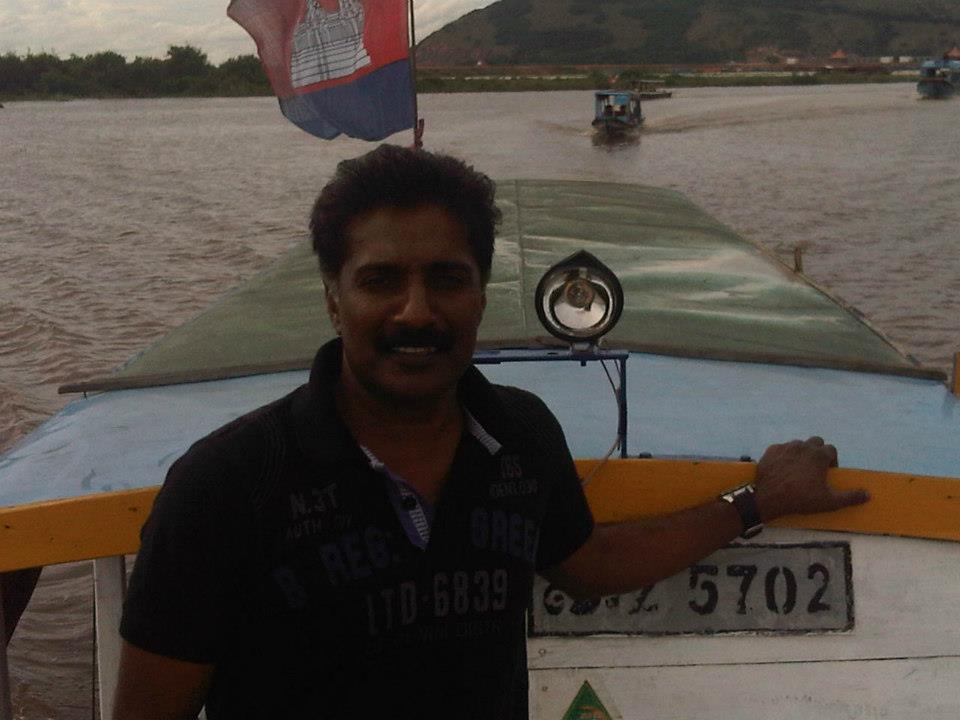
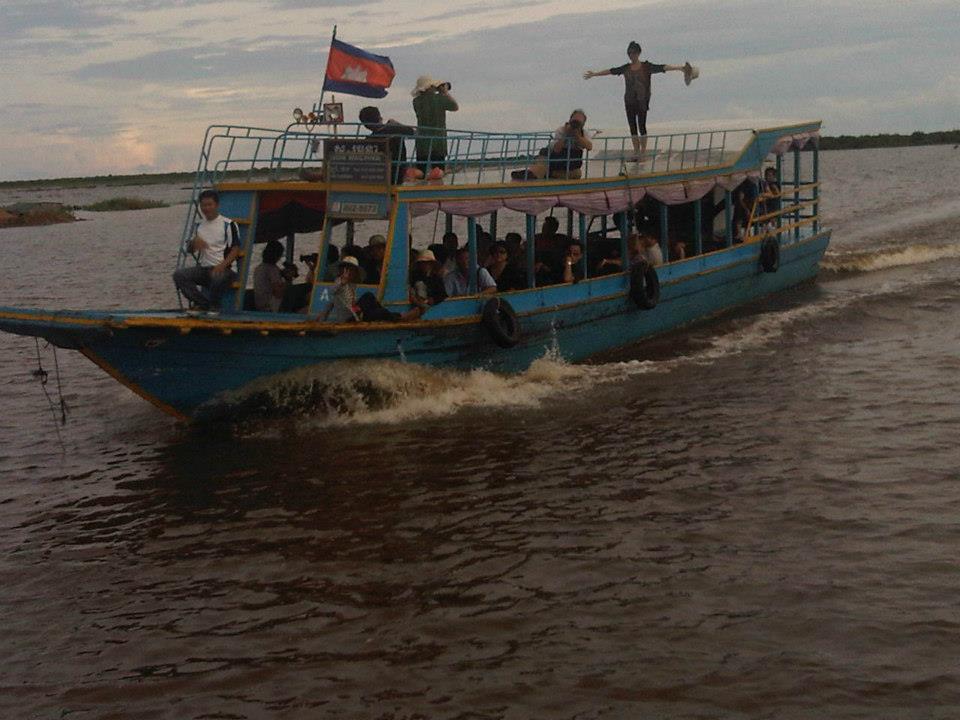
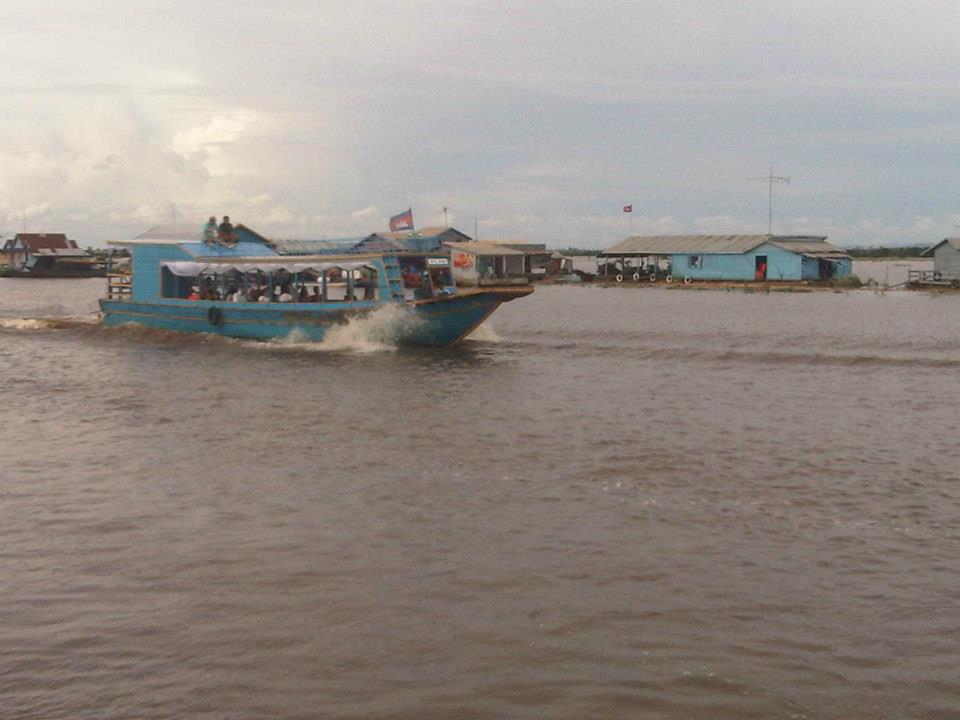
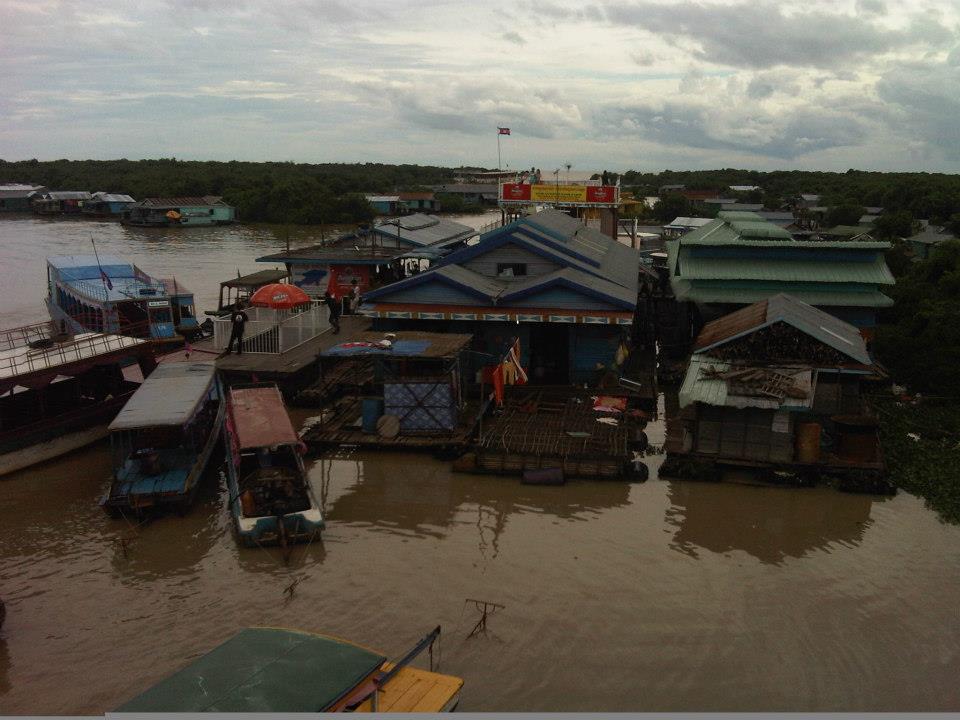
I reached the the jetty around 3 p.m. and hired a boat for the cruise to the nearest floating village, Chong Khneas, situated in the Tonle Sap Lake. It was a 3-hour visit that gave me pleasant surprises and showed hard realities which were beyond what I expected before I began the cruise.

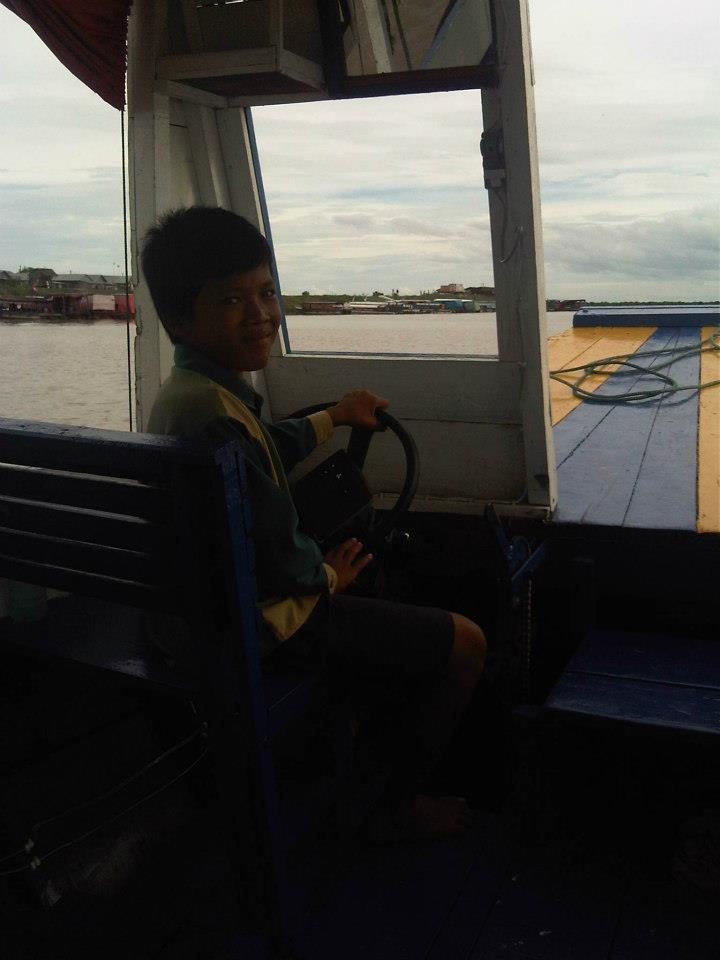
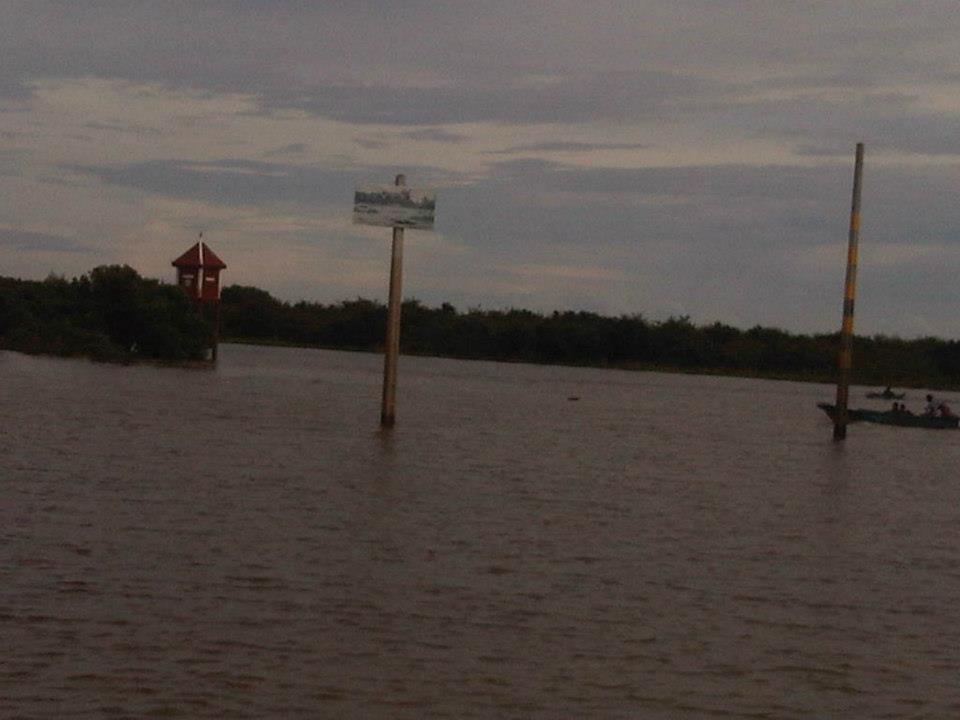
It saddened me to find an young boy behind the steering wheel assisting the driver. He is a trainee, I was told. The water-road to and from the village was clearly-invisibly marked, with ‘the open thoroughfare’ having disciplined two-way traffic. Such traffic discipline was needed to avoid any potential accident in the water.

A billboard on the ‘roadside.’

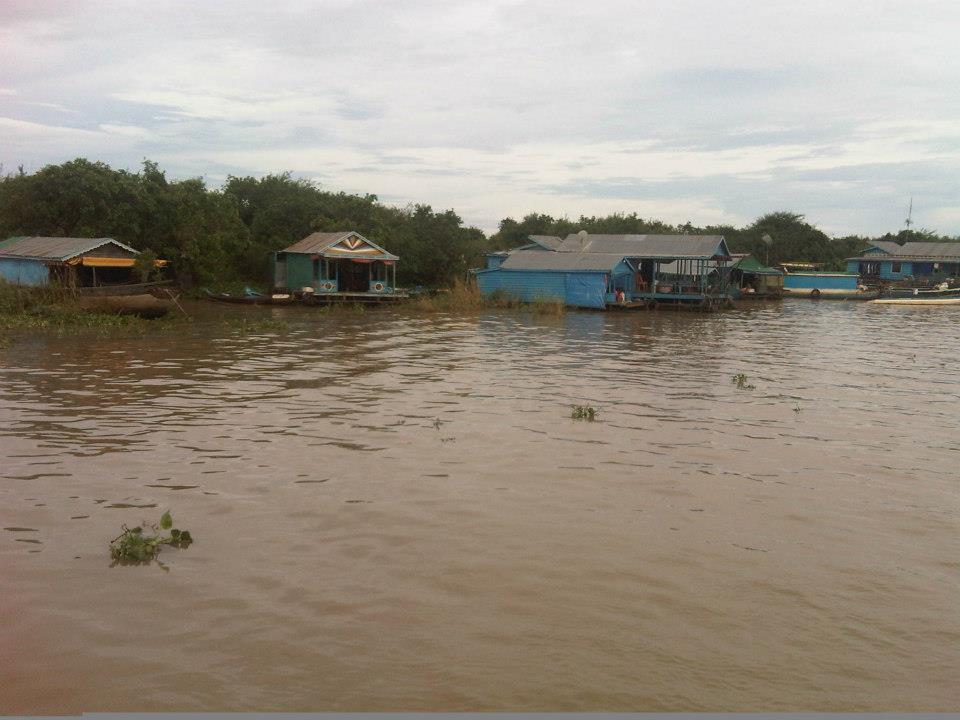
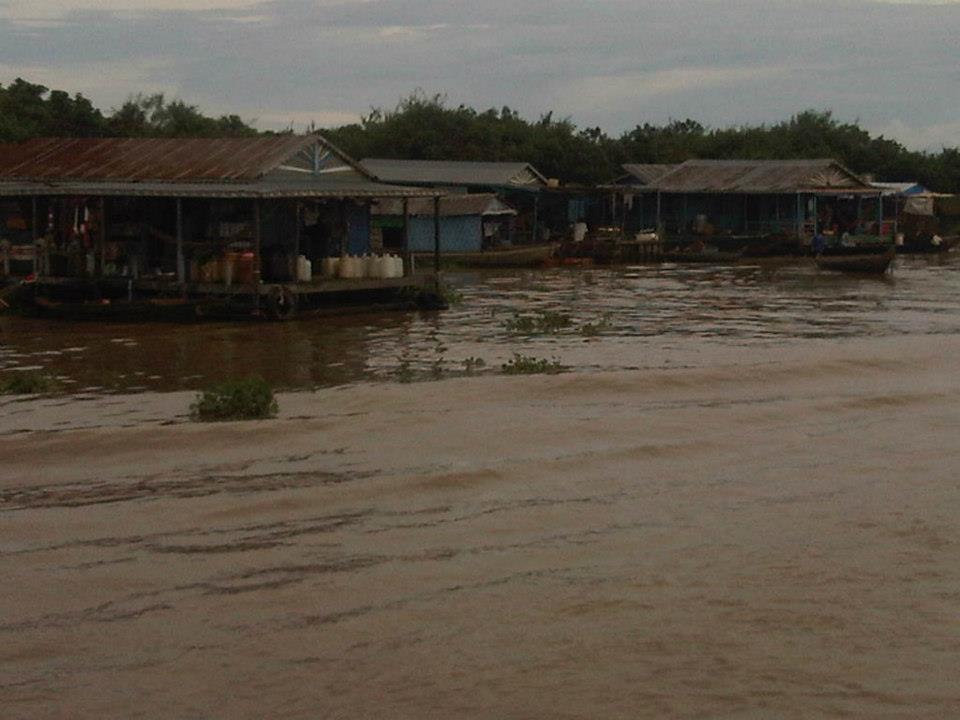
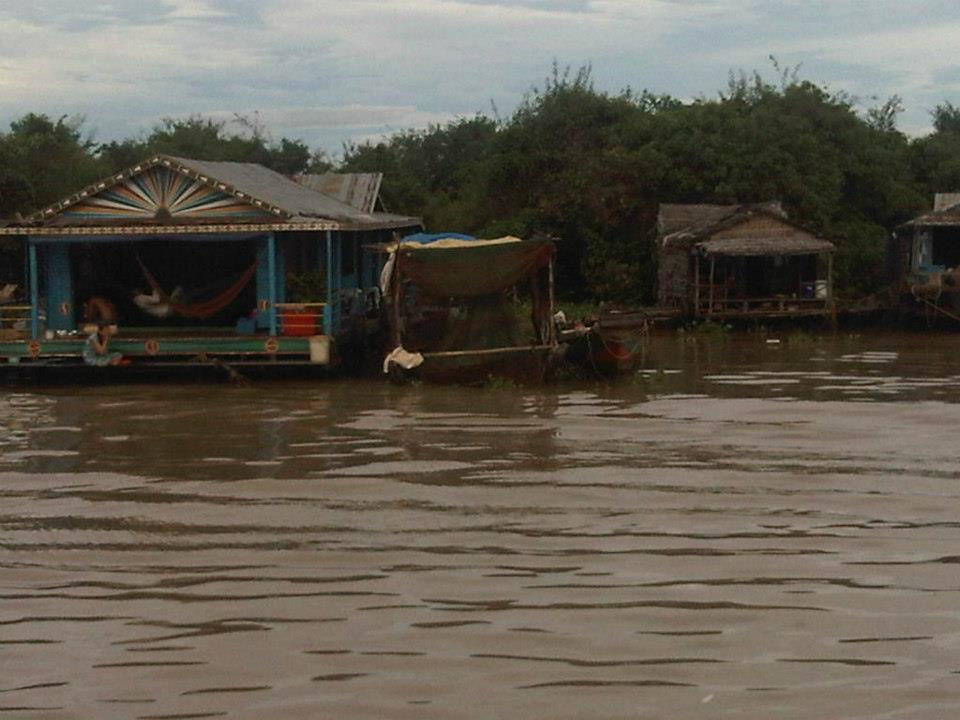
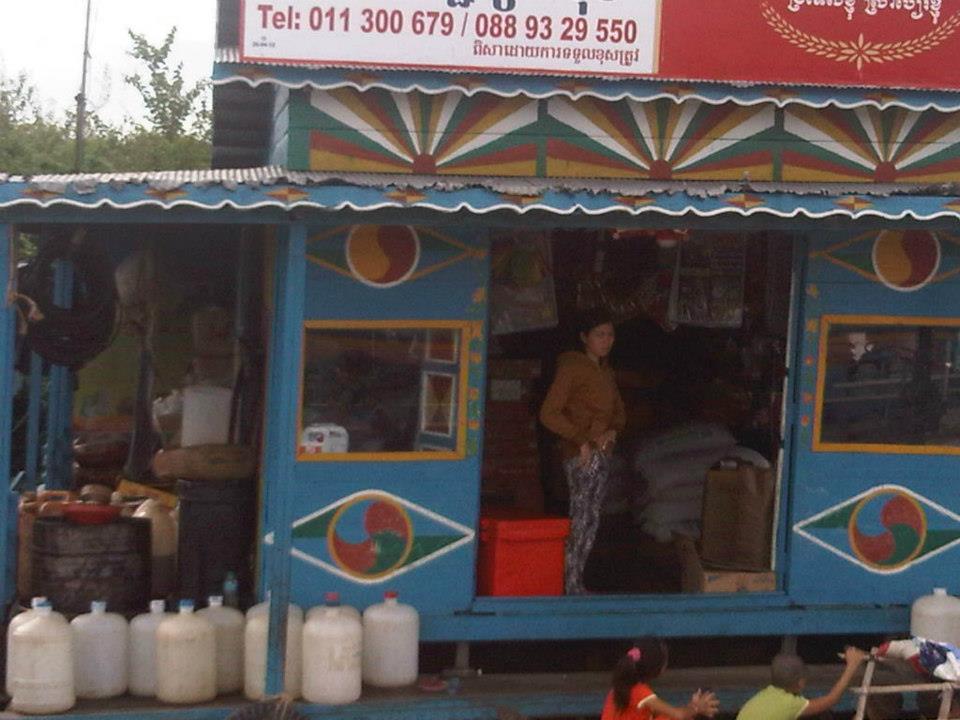
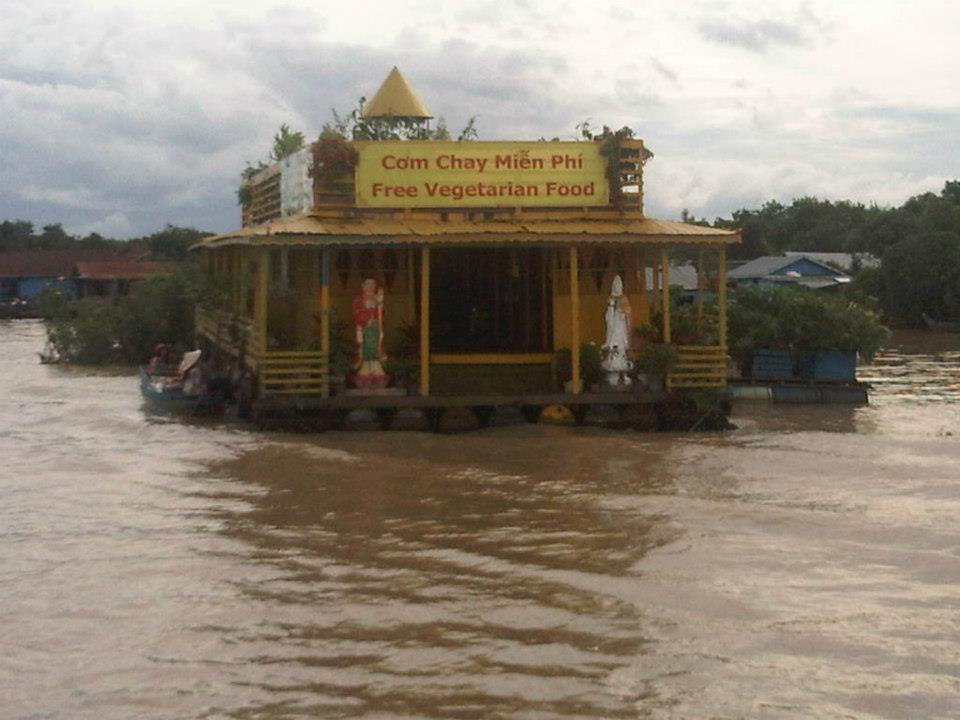
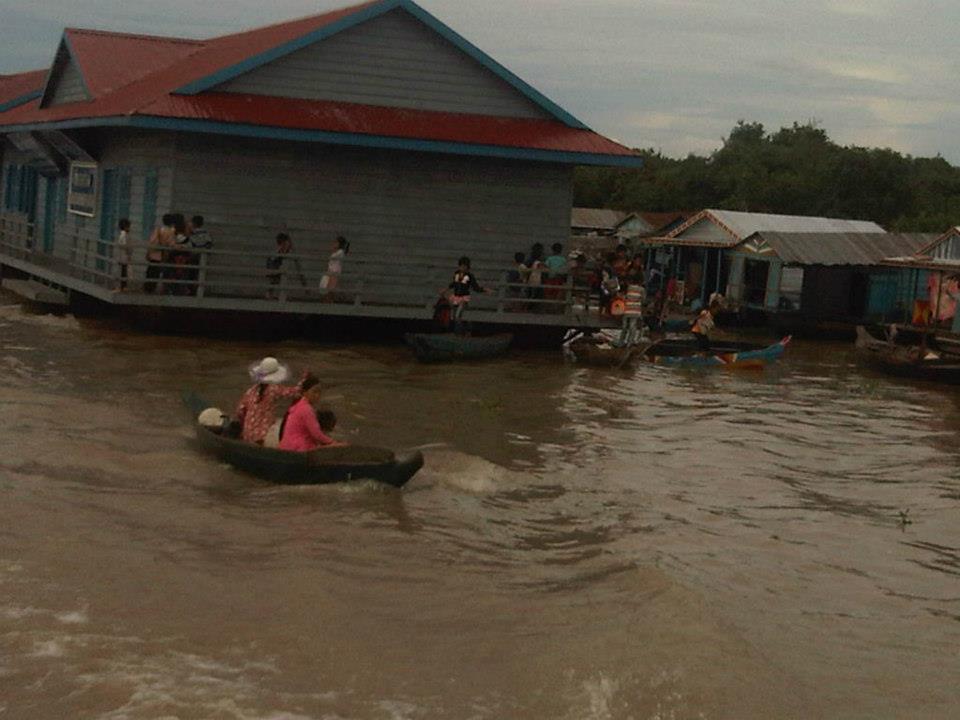
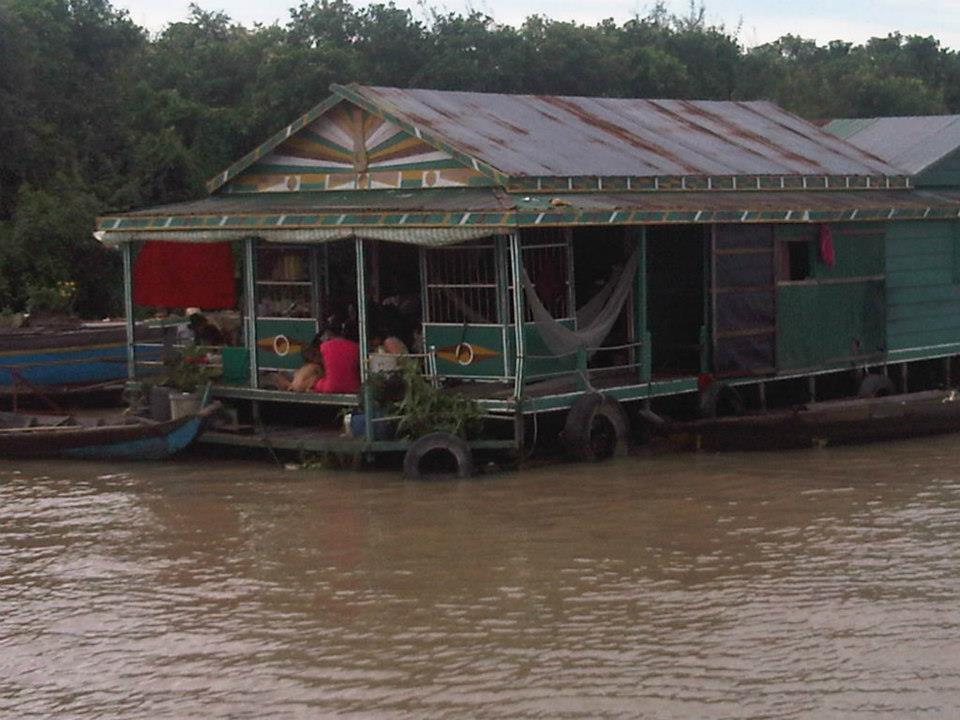
The floating village is a self-sufficient mini-world in itself. They have schools, hospitals, supermarkets, churches, transport system, recreation centers and almost all that are needed for people to lead a moderate life. Here, life in water is not a fun-living but the way of life. The moving columns of water are their courtyard and backyard. The place is just like any other village, except that it is a world of floating souls.

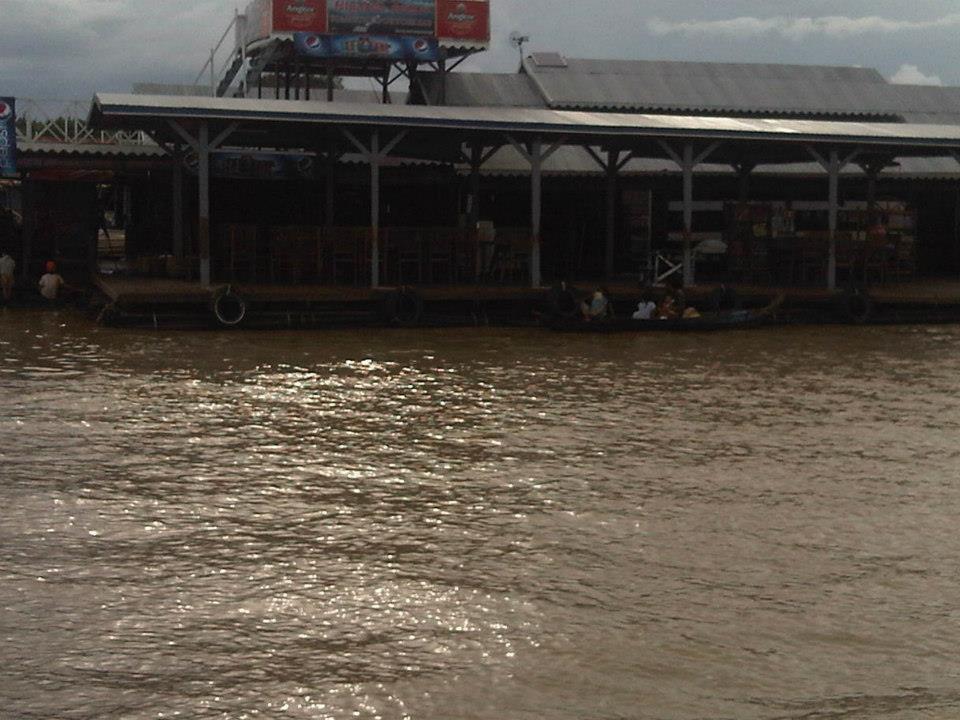
Supermarket:

Restaurant:

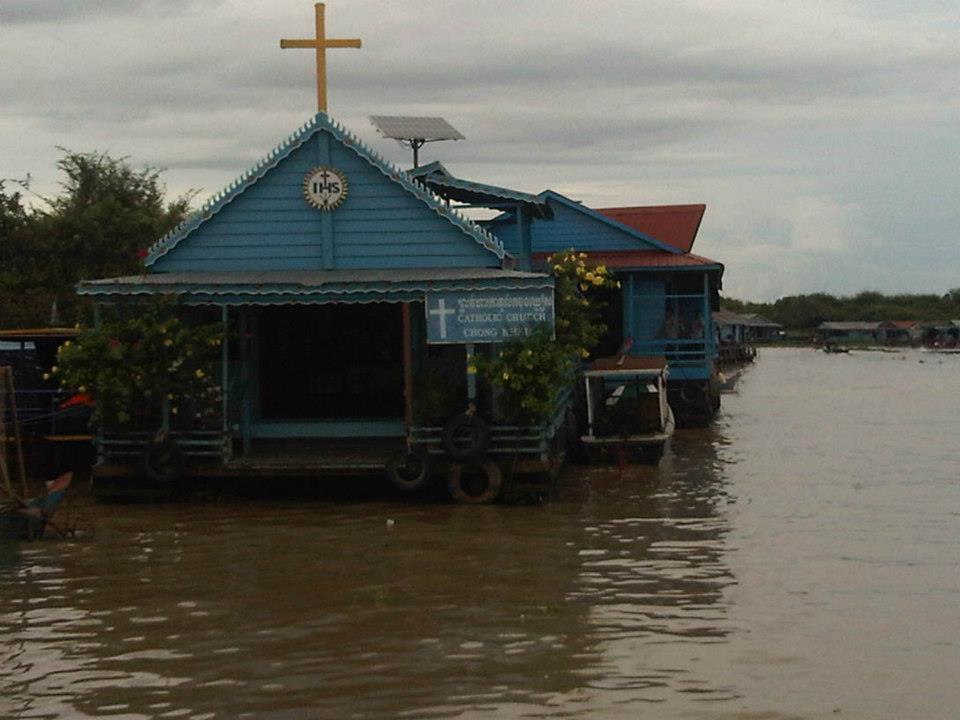
Church: 

The church has an orphanage housed at an adjacent building for physically challenged children. One can visit the orphanage and spend time with the children. As a goodwill gesture, you can buy foodstuff from the nearby supermarket and present it to the children.  

Recreational Center:

In-house playing ground for the children:

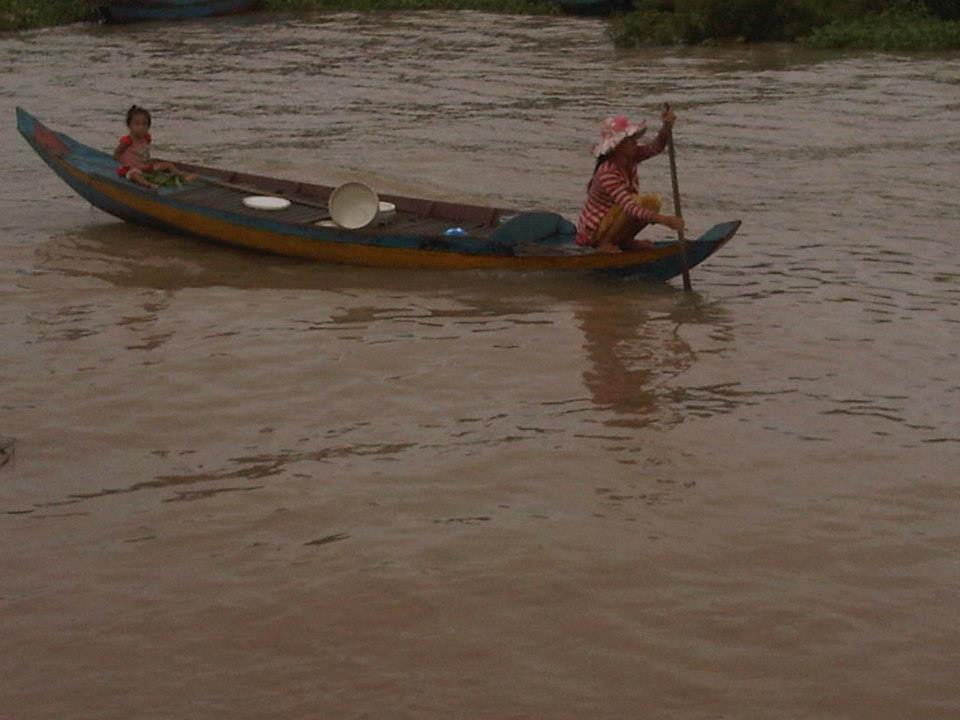
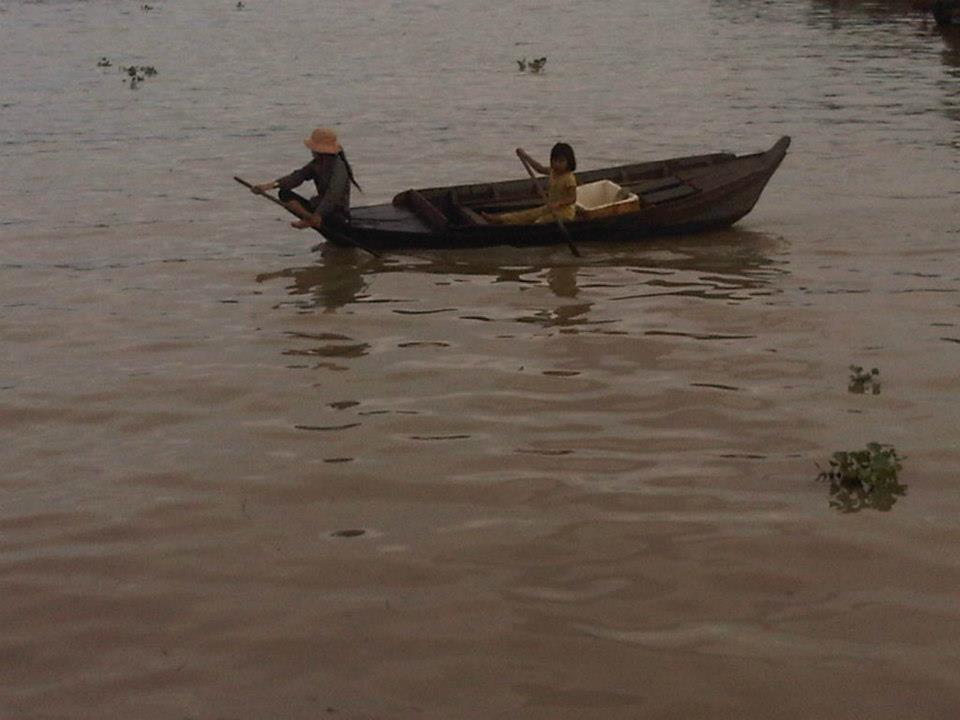
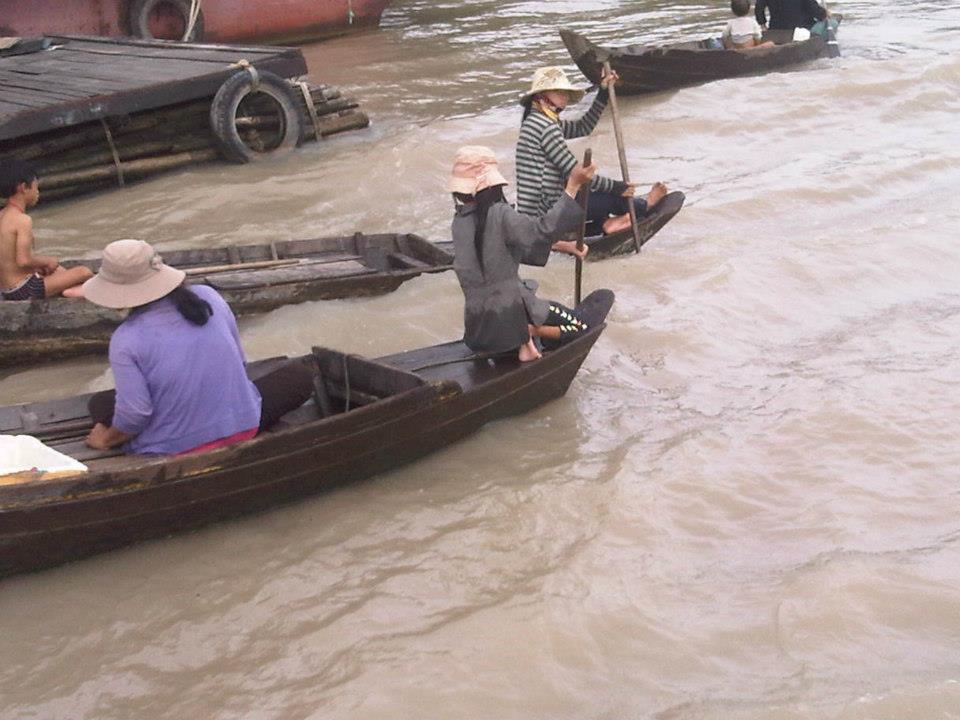
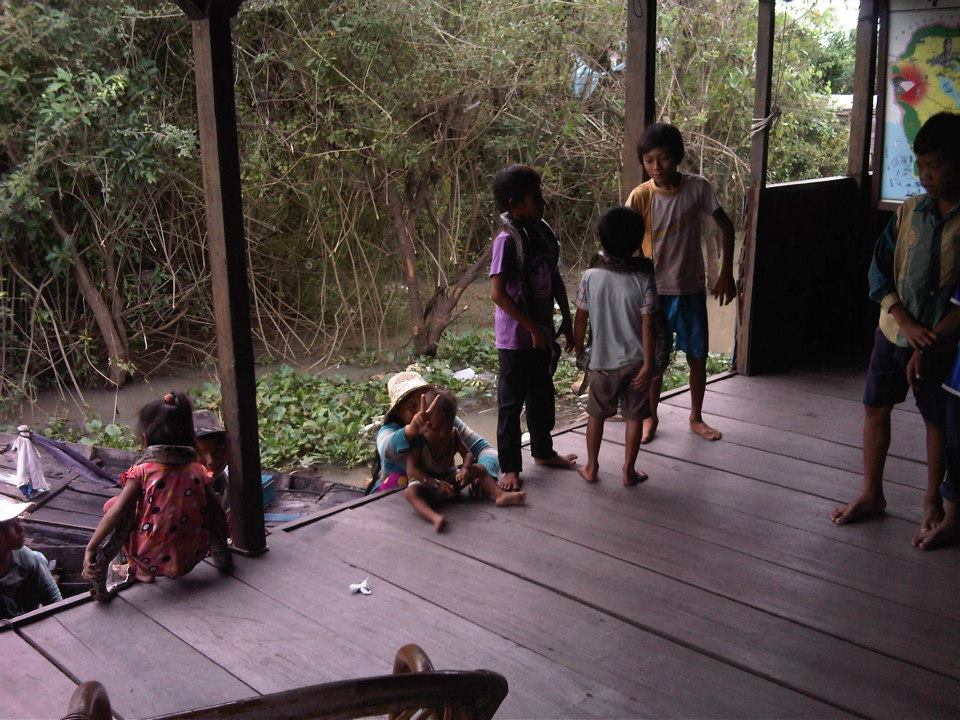
Canoes are, naturally, the mode of transport. Children have both onshore and offshore playgrounds. I saw children playing on/in the water-ground — they are good swimmers as swimming for them is like walking for us.

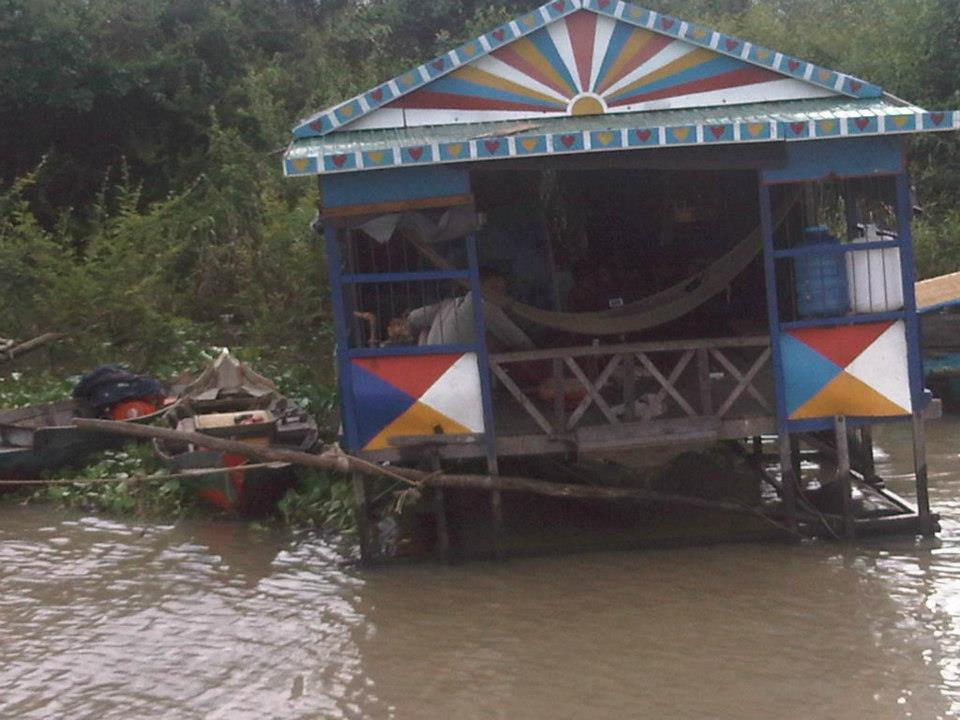
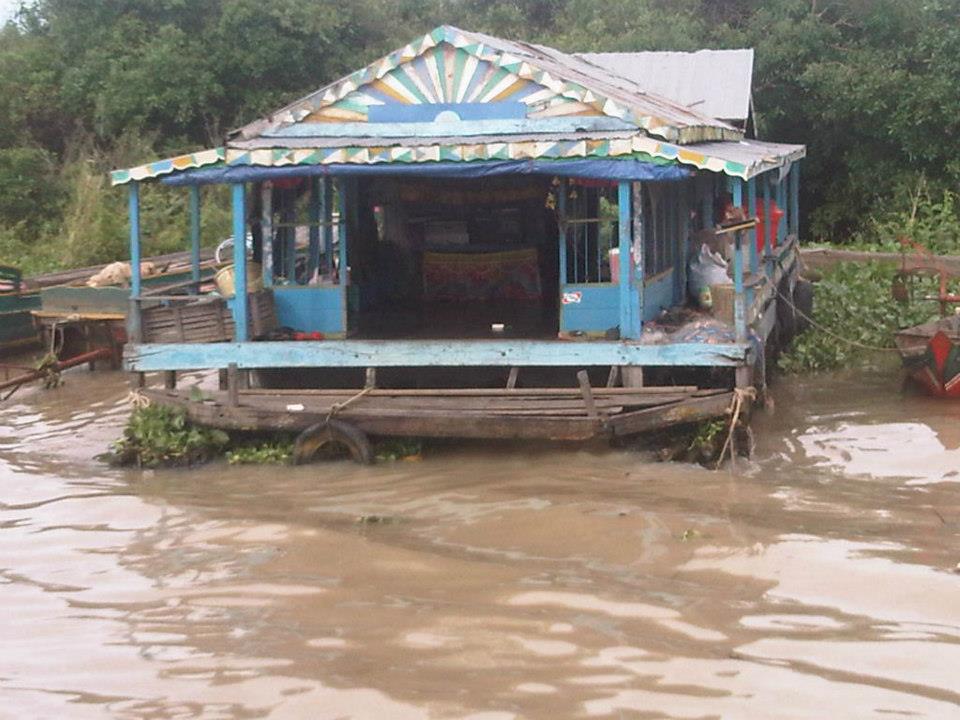
Couple of Houses at the Floating Village:

A family at the façade:

Our children play with dogs or cats, but the children at a floating village play with snakes, their natural friends. It, infact, is not a play but livelihood. They showcase their snake-playing skills before tourists and earn money from it. 

The residents of the fishing villages are of Vietnamese and Cambodian origins, living as stateless citizens. They had been like this for centuries, and the efforts by the local governments to relocate them to land were not met with much success although some of them agreed and resettled onshore. They love to live in water so much so that they move to offshore when water levels in the lake go down.

Fortunately I got the opportunity to visit many places across the globe, but the visit to the floating village gave me a rare and inexplicable feeling touched by the life I had seen there – felt sad for them though I knew that my sadness was meaningless as they were leading a happy, normal life of their choice. A different and memorable experience that is still afresh in me.

Experience

The simplest definition of experience is that it is the sum total of acquired knowledge. Man’s knowledge-base has two elements: basic knowledge and acquired knowledge. Basic knowledge is all that we learn from our parents, teachers, books and the ecosystem of upbringing from the first day of our birth until we embark on the journey to build our life. Beginning of this journey can happen at any time between primary school — like those unfortunate ones who drop out from school and start their career too early to shoulder or share the responsibilities of their families — and completion of university education. Acquired-knowledge gets accumulated on the foundation of basic knowledge that everyone possesses though in varying strengths.

Is experience as simple as acquired knowledge? Why do people of similar experience produce different quality-outputs for the same constants under the same variables? As we venture out to find answers for these questions, more questions like the following will pop up: why do some people, despite having years of experience, continue to languish in where they are? Why some people with little or less experience do better than others with more experience in the same field? How to make experience — acquired knowledge — add value to basic knowledge so that the knowledge-base becomes sharper and quicker in solving problems of life? 

Possession of acquired knowledge is good, but that alone does not decide the utility value of experience. What decides how good and useful – utility value –  the acquired knowledge is depends on the dynamics that a man can bring into play to kindle the acquired knowledge lying dormant into action. In other words, knowledge is important, but knowing from the knowledge is more important. Knowing from knowledge is learning from knowledge, and it is to be followed with internalizing that learning to the extent that one feels fortified and better equipped — a feeling of more-skilled —  to deal with the world. The dynamics continues with adding of ‘the learnt element’ to the active skill sets that you deploy to solve life’s problems. People with same years of experience but are different with little/lower and higher levels of this dynamics produce different levels of quality-outputs when given the same task under the same conditions.

We are hardwired with everything that are noble and evil, but the accompanying software decide which of these elements works. Basic-goodness, willingness to accept and appreciate good and meritorious things, etc. are some of the manifestations of nobility while jealousy, unwillingness to appreciate and accept good things, etc. are from the list of evil-base. Basic knowledge is the hardware, and acquired knowledge is the software. If lessons we learn and novel ideas we come across can be channelized to spur up the noble elements of our hardware, we will become more and more receptive to good and meritorious things. Life never ceases to teach us lessons, and none can bunk the classes; the difference is that some learn from the lessons and progress to higher class where more advanced lessons are taught while others refuse to learn and continue to remain in the same class. If you are unappreciative of and hesitant to accept new ideas and better ways of doing things, probably because they had come from your friends or peers, you will continue to languish in “the same class,” no matter how many years you add to your experience.

Having experience is not conditional to success as the process of acquiring knowledge happens on the way toward success and beyond. Haven’t you noticed that fresh-recruits with little experience doing better than the experienced-hands though not all fresh-recruits do so. Our basic knowledge mostly teaches us to solve problems in a conventional framework, meaning that almost all problems can be solved by institutionalized metrics. There are, however, many practices and the related-problems in life that cannot be institutionalized, hence, get missed out but are capable of derailing the solution being chalked within an institutional framework. Fresh-recruits, who have overarching view — extra usage of skill sets — to see such institutionally-invisible factors and can factor them in, succeed better than others, including an experienced but ‘not-learnt-from’ person. For example, if you are a fresh-recruit to the sourcing division at a fish processing-unit and that you do not over-arch to see the practice of adding powdery-sands to fishes as a way to increase their weight by suppliers, it is highly likely that you will pay a big price by the time you catch the unscrupulous elements — from my own experience.

Basic knowledge is your past and the present combined which, along with acquired knowledge, takes you to the future. Basic knowledge is a done deal so is limited to that extent, but only sky is the limit for acquisition of knowledge. How do we make ourselves receptive to and embrace acquired knowledge thereby fully unlocking its latent value? The process of  unlocking the potential of acquired knowledge begins with taking the feeling of inferiority out from us. How do we do it? Feeling of inferiority is our undesirable ability to adopt another person’s strength as our weakness. Accumulated vestiges of disappointments and setbacks arising from one’s dealings with others as well as oneself feed this undesirable ability.

It is almost impossible to not feel disappointed while dealing with others, but one can try not to get consumed by it by accepting and internalizing the fact that helping or doing something for others is a thankless job. And self-inflicted disappointment can be made to go by sensitizing oneself that any shortfall in accomplishment is a ‘fait accompli’ that can never be reversed but can be acted upon to learn from and improvise. A man capable of quickly overcoming disappointments and setbacks does no more consider another person’s strength as his weakness, rather he will be in spate to receive and internalize new ideas and better-ways of doing things, giving added prowess to his foundational strength called basic knowledge. This, along with confidence which itself is an indication of clarity of thoughts, gives him faculty to wade through complex problems faster and sharper. Let me conclude that experience is the ability to find simplicity in complex problems within the shortest span of time. Those who are experienced sans this ability are experienced without the experience.

The City of White Nights

 In July 2018 I visited Saint Petersburg, the city founded by and named after Tsar Peter the Great in 1703. History seeps through every pore of this magnificent city. The city was founded on the territory captured from the Swiss and was initially named as Sankt-Pieter-Burch — the Russian equivalent of St. Petersburg. The naming and renaming continued through Petrograd, then, Leningrad until the original name, St. Petersburg, was given back to the city on September 6, 1991, through a popular referendum after the collapse of the Soviet Union. The cityscape is studded with ancient architectural marvels, and there are restrictions to construct high-rise buildings as a measure to preserve the city’s seamless historical and architectural uniqueness.

How did Tsar Peter earn the epithet: ‘The Great’? Tsar Peter the Great is considered as the most visionary Russian leader who embarked on a journey to modernize the Russian Empire. He traveled to Europe to get a glimpse of the progress being made there, and after the return, he appointed the renowned French architect, Jean-Baptiste Alexandre Le Blond, who designed and built the city that continued to be the capital of the imperial Russia till October 1917 when the Bolsheviks stormed the city during the October Revolution. 

The awesome beauty of the historical architectures is further amplified in the nights, with lights providing uninhibited wholesomeness to the wonders that stand towering tall over the years. Saint Isaac’s Cathedral, built over 40 years from 1818, is a jaw-dropping view at night when lights clad it in golden reflections. St. Isaac was the patron saint of Peter the Great, and the cathedral was built as a tribute to him. It is no more a cathedral as it was turned into a museum in 1931.

You can walk around at night for hours, enjoying the beauty of the light-clad buildings. It is safe to venture out at night, and I went out to explore the city, with my return to the hotel only in the wee hours.

The Winter Place is another iconic building in the city. It was the official residence of the Russian emperors. The building had been converted into a museum: Hermitage Museum.

Some more architectural wonders of the city:

There are roadside-entertainers whom you can rely on for short breaks while roaming around in the city.

The city has many cathedrals built in the early 1700 and 1800, with the following being some of the famous ones:

The belfry of Peter and Paul Cathedral sits at a height of 404 ft, making the cathedral the tallest Orthodox Church in the world. The Cathedral and the associated Fortress were the city’s first landmarks built by Peter the Great. The golden ornate interiors of the cathedral are mind-blowing, with its painstakingly-carved golden structures and murals catching the attention of the visitors’ eyes with awe.

The remains of almost all the Russian Tsars lie inside the cathedral. The last Tsar, Nicolas Romanov, his wife Empress Alexandra and their five children were caught by the communist revolutionaries in 1917 and moved to Siberia. The whole family was killed in cold blood in 1918 by firing squads on the order of Vladimir Lenin. The remains of the Romanov family were, however, brought to the city and re-interred in a state funeral in this cathedral in 1998 — 80 years after the executions — thanks to Mikhail Gorbachev’s Perestroika and Glasnost that led to the collapse of the Soviet Union in 1991.

The Cathedral of the Resurrection of Christ, also known as the Church of the Savior on Spilled Blood, is a memorial to Tsar Alexander II, who was assassinated on the spot where the cathedral was erected. When I visited, the cathedral was undergoing renovation. The cathedral has a fantastic mosaic collection covering biblical scenes and ornamental patterns.

The Simolny Cathedral:

The waterscape of the city, especially in the nights, is another attraction that should not be missed out if you happen to visit the city. The city is laid out on the banks of the Neva River at the Gulf of Finland on the Baltic Sea. A night-cruise will give you unforgettable take-home memories for a long time to cherish for. There are paid boat-services that take you through the crisscrossing water-lanes of the river before safely down-streaming you into the estuary with the Baltic Sea. It is a 3-hour water-extravaganza starting around 11 p.m. and ending with the witnessing of the opening of bridges.

Over the years, St. Petersburg became one of the main naval bases of Russia, which celebrates July 26 as its Naval Day, and the city became the center of naval exercises on that day. President Putin was in the city to lead the day, and  the preparations for the celebration were already visible on the penultimate day, on which I went  for the night cruise. The waters were dotted with warships, submarines and other naval weapon systems.

As the city is built on the banks, there are twelve drawbridges connecting the two sides. The bridges are opened both for facilitating ship movements between the Neva river and the Gulf of Finland as well as tourist entertainment. Among them, the most famous is the Palace Bridge. This and other bridges are opened around 1 a.m. every night, and it is a unique experience to watch the unfolding of the bridges from a boat in the choppy waters. I was excited to witness the opening of the Palace Bridge from a few meters away. 

The sequence of the lift of the Palace Bridge, or Dvortsoviy Most — the Russian name.

St. Petersburg is called the City of White Nights, for in summer, the nights of the city do not get completely dark due to a natural phenomenon at the polar region. The White Nights last from June 11 to July 2, the best period to visit the city. The scientific reason of this phenomenon is as follows: “The White Nights are a curious phenomenon caused by St. Petersburg’s very northerly geographical location — at 59 degrees 57′ North (roughly on the same latitude as Oslo, Norway, the southern tip of Greenland and Seward, Alaska). St. Petersburg is the world’s most northern city, standing at such a high latitude that the sun does not descend below the horizon enough for the sky to grow dark.”

I visited Saint Petersburg twice so far, and I will love to visit the city again if a chance comes in my way.

Economic Perils of Gargantuan Proportions – Invisible Webs of Economic Linkages

The International Labour Organization, or the I.L.O., recently stated that 1.20 billion people out of the 3.30 billion working population would lose their jobs due to the pandemic. Is it an exaggerated figure or closer to an impending reality? Let’s look at it based on what is happening around us.

I am working in the perfume industry. One of my friends, who works in the foodstuff sector, told me that he had shelved the plan to buy a house in India as his salary was cut down by 50% due to the pandemic. I told him, “Your decision will adversely affect my perfume sales.” He asked, “How will me abandoning the decision to buy a house in India affect your perfume sales? Another friend told me that he decided to give up his weekly routine of having coffee from Starbucks, for he was also facing the prospect of salary cut and job loss. I told him the same thing that I told to my other friend. He, too, asked, “How are Starbucks business and your perfume sales interconnected? So, how will their decisions create downward risks for my perfume sales? 

When a house is built, lots of metals and alloys like copper, aluminium, iron, steel etc. go into its make. The largest copper deposits in the world is in Chile, with Peru in the second position, and countries like the Democratic Republic of Congo and Zambia coming in the top 20-list. Zambia produces 70% of Africa’s copper which gives 60% of Zambia’s foreign exchange. The Republic de Guinea, a West African country of 12.50 million population, has the largest deposits of bauxite, the ore from which aluminum is separated  —  7.4 billion tonne bauxite reserve which is about 25% of the world’s total bauxite reserves. Bauxite is the top export earner for Guinea, clocking 1.70 billion USD annually as per the latest statistics.

I sell perfumes to Chile, Peru, Zambia, Guinea, the D.R. Congo, etc. When my friend and millions of people across the globe abandon or indefinitely postpone their plans to buy new houses, the construction industry will come to its knees, with demands for copper, aluminium, iron, steel, etc., going down, thus, bringing their prices down globally. So Zambia, whose main income is from the copper belts, will be adversely affected, with the government having less money to spend and people having less disposable income, thereby them avoiding discretionary goods like perfumes. A similar pattern of economic impacts and consequent change in consumer behavior can be expected in countries like Chile, Peru and Guinea. These downward spirals will have a dampening effect on my perfume sales to these countries.

The decisions of my friend and millions of people not to buy houses will also play out a different chain reaction having wider and deeper macroeconomic impacts. Mines in Zambia, Chile, Peru and Guinea use imported mining and earth-moving equipment from countries like Germany, and as mining activities go down, demand for these equipment will also go down. Hence, the German equipment-manufactures will have to produce less, possibly forcing them to reduce two shifts to one shift, leading to retrenchment of staff. The German mine-equipment manufactures, which depend on countries like India for engineering goods and machine spare parts, will consequently reduce their imports. 

In 2018-19, India’s export of engineering goods stood at USD 81.02 billion —  one fourth of the total merchandise exports — with the main export markets being the U.S.A., the U.A.E. and Germany. Lesser orders from countries like Germany will in turn make the Indian suppliers to downsize their operations and staff strength, initiating a chain reaction that will extend down up to the last supply chain shops of engineering goods. And the last shop in this value chain is the mines of metals and minerals in countries like Chile, Peru, Zambia, Guinea, etc. My friend’s decision made us to start from mines, travel through different economic sectors — including the perfume industry— seeing how billions of Dollar worth business are unfavorably affected and millions of people losing their jobs and livelihoods. And, finally, ending our journey at the same place — mines — from where we started the journey.

How are Starbucks business and my perfume sales connected? Ivory Coast — Côte d’Ivoire as called in French — a Francophone country in West Africa, is the largest producer-exporter of coffee beans, contributing 1.80 million tonnes, which is around 38% of the world’s supply. Another 1.55 million tonnes come from Ghana, Nigeria, Cameron and Togo. The two figures together form 2/3rd of the world’s cocoa production. Ivory Coast earns USD 4.60 billion annually from the export of Cocoa beans, which forms around 40% of the total export earnings. Similarly, the other four African nations earn significant greenbacks from the exports of coca beans. These four countries come under my main markets for perfume sales.

When my friend and millions across the world stop going to Starbucks and other coffee shops, coffee consumption goes down in large-scale, negatively impacting the economies of all these cocoa-exporting countries. Resultant reduction in disposable income across the households will bring down demands for consumer and semi-luxury goods like mass-market perfumes that I sell. So my sales will be affected badly.

What will happen to companies like suppliers of computer hardware and software that depend on the above companies that we discussed. Demand for computer hardware, software and all the accessories connected with running computers will go down, calamitously impacting the companies involved in this business. So downsizing of production and furloughing of staff will follow suit. There are many other economic linkages to show how the decision of my friend and millions like him will inimically impact many other industries in one way or other. I am convinced that the I.L.O.’s projection of job losses is real and has started to take its hold already.

The above examples show how different businesses are interlinked and that one break in the economic-chain can create domino effects of unimaginable proportions across the entire macroeconomic spectrum, including the industry where I work. What about you? Do you see such economic fault lines developing in relation to the industry you work?

Economic Perils of Gargantuan Proportions – The Great Suppression

It is for the first time in the modern era that the world is facing economic downturn due to an unconventional economic reason. We had witnessed conventional economic downturns like the Great Depression of 1929 and the Recession of 2008. Both resulted in the collapse of the world economy in varying degrees and wreaked havoc on the economic well-being of the peoples. Also, both had the characteristic that they were man-made. But the current economic turmoil is neither man-made nor conventional; it has been inflicted on the world by nature, so the effectiveness of the conventional monetary and fiscal measures in fighting the downturn is anybody’s guess. Conversely, it will be science, scientists and healthcare workers who will be the protagonists clearing the way for an economic revival.

What is the Great Depression? In order to understand this question, there is another question that is a prerequisite to be asked: How do governments fight economic downturns? In other words, what measures do governments use to revive consumer demand? There are mainly two macroeconomic measures that are deployed to fight economic downturns. The first one, monetary instruments, is used by central banks. These include tools like repo rate, which is the rate at which central banks give loans/money to commercial banks and this benchmarks the interest rate at which commercial banks extend loans; reverse repo rate — the rate at which central banks borrow from commercial banks; and various cash reserve ratios that mandate proportions of deposits to be kept by commercial banks as reserves with themselves as well as with central banks. By reducing these rates and by adjusting reserve levels, central banks can make more, cheap liquidity available in banking systems, enabling commercial banks to lend more money at lower interest rates, thus, bringing more money to the pockets of people to spend and revive consumer demand.

The second macroeconomic measure is fiscal instruments which is the domain of union governments. Tools like taxation — both direct and indirect taxation, corporate taxation — stimulus packages, public borrowing etc. come under this. Governments can cut tax rates so that people will be left with more money to spend; similarly, corporates will have more money to invest. Governments can reduce borrowing from commercial banks so that they will be left with more funds to support businesses and people through loans. All these measures can result in having more liquidity for economic activities and resultant revival of consumption.

The Great Depression was the deepest, longest, severest and the most widespread economic downturn of the 20th century, happened across the world during 1929 to 1930. It started in the United Sates of America, with the crash of its stock market on September 4, 1929 and followed by the crash of share prices globally on October 29, 1929 — known as Black Tuesday.  

The Great Depression devastated economies around the globe, with personal incomes, tax revenues profits and prices going down. Every industry was affected —  farming communities suffered as crop prices fell, construction activities coming to a virtual halt, heavy industries dependent on the  primary sectors getting collapsed, etc. All these led to widespread unemployment. The situation was further exacerbated by consumers cutting down their expenditures, thus, further eroding demand. The decline in the U.S. economy was the primary factor that created the domino effect leading to the collapse of other economies in the world.

There are many economic theories that explain the Great Depression, and among them, Keynesian Theory and Monetarist Theory are the most debated ones. The Keynesian View contends that fiscal loosening by governments by using deficits through spending large sums can compensate the aggregate lower spending caused by massive declines in incomes, employment and private investments. So spending by government will keep more people employed, creating more income and demand — multiplier effect resulting in economic revival. Governments, including the U.S.A., did not use this fiscal instrument resulting in the stock-market-induced recession snowballing into the Great Depression. This view upholds effectiveness of fiscal measures to fight economic downturns.

The Monetarist View states that the Great Depression was caused by the failure of central banks, including the Federal Reserve. The view contends that since the Depression was started as banking collapse — monetary contraction of 35% — it could have been prevented to grow into the Depression by cutting down interest rates and injecting more liquidity into banking systems. This view upholds the effectiveness of monetary measures in fighting economic downturns. 

The United States Government had already come out with USD 2 trillion  — 2,000,000,000,000 — stimulus package to support the economy and that another one is under preparation to fight the COVID-19 pandemic. The European Central Bank, or E.C.B., announced a monetary injection of USD 820 billion through private and public bond purchases. Furthermore, the E.C.B.said it would roll out cheap loans to banks in the member countries at interest rates as low as minus 0.75% and that it would step up bond purchases under its USD 2.9 trillion bond-buying program. Japan announced a fiscal stimulus of USD 1 trillion to support the economy in its fight agonist the pandemic. Governments and central banks across the globe are injecting trillions of USD into the their economies as the virus deepens its stranglehold.

Through monetary and fiscal policies, more money at lower capital cost can be brought into the hands of people who are expected to spend them, resulting in revival of demand, thus, reversing economic downturn. But, what if people are not in a position to spend even if they are fed with money, for their movement is restricted to their homes for a significant period of time? What if people have become cautious and discriminatory in spending — spend only on essentials and avoid spending on semi-luxury and luxury goods — even when they are proffered cheaper and affordable money? What if people metamorphose themselves into a new-normal of deciding to live within their means and refusing to leverage any extra liquidity to pomp up their living? All these questions have only one answer: consumer demand will not be revived as desired and expected by the loosening of monetary and fiscal policies. Conventional macroeconomic measures from man failing to tackle the unconventional economic catastrophe — let me call it as the Great Suppression — inflicted by the Mother Nature.

Let’s make a comparison between the historical data of the Great Depression and the emerging and indicative data of the Great Suppression. The world economy shrank by 15% between 1929 and 1932. The European Central Bank’s Chief projected that the world economy would contract by 12% this year alone. So over a period of three years — 2020-2023 — will it surpass 15%? It is highly likely. During the 3-year period of the Depression, the international trade fell by more than 50%. The World Trade Organization says that the international trade is expected to fall between 13 to 33% in 2020. During the Depression, unemployment rate rose to 23% in the U.S.A. and to as high as 33% in some countries. The Great Suppression already brought the unemployment rate in the U.S.A.to 14.3% as on May 8, 2020, and the United Nations said 1.20 billion — 37.5% — out of 3.30 billion working population was expected to lose their jobs due to the pandemic.The unemployment scenarios across the world are poised to get worse, making these numbers to increase further, may be even surpassing the unemployment number of the Great Depression.

Will this Great Suppression by nature be bigger, longer, deeper and more severe than the Great Depression? I think the answer to this question depends not alone on the fiscal and monetary measures being deployed respectively by governments and central banks but mainly on the 7-letter word called VACCINE. This virus-induced Suppression of the world economy can be stopped only through a vaccine because as long as one infected person remains at some corner of the world, the virus has the potential to unleash its virulence on the word again.The world is in peril like never before. The superheroes who can save the world and its economy from the Great Suppression are science and scientists.

Cusco and The Incas

Cusco was the cultural and administrative capital of the Inca civilization that arose from the highlands of Peru in the early 13th century. The Incas, like the Mayans of Southern Mexico and Central America, were able to build one of the largest empires through the conquests of large parts of Ecuador, Bolivia, Argentina, Chile, Colombia and built the largest civilization in South America till it fell to the Spanish conquerors in 1572.

The most famous architectural marvel of the Incas is Machu Picchu, one of the 7 Wonders of The World. The Incas built many such architectural monuments, and all of them had stonework which employed a special technique. I will give a pictorial narrative of this engineering technique at a later part. Furthermore, extensive road networks reaching all corners of the empire, finely-woven garments, etc. were some of the indicators of the high caliber of governance put in place by the Incas to keep this vast empire together.

I had been to Cusco in April 2013 to visit Machu Picchu. The flight from the Peruvian capital city Lima took an hour to land in Cusco. Cusco city is a tourist destination in its own right and has many a must-seen places on the tourist itinerary before one embarks on the uphill journey to Machu Picchu. One such tourist hotspot is the Cathedral Basilica of the Assumption of the Virgin, built by the Incas in 1550; it was later restored and renovated by the Spanish. The Cathedral portrays a fusion of the Inca culture and Christianity. Christ on the crucifix is dark-skinned, with the traditional Inca cloth covering Him; statues of Mother Mary in the shapes of mountains, etc. No cameras were allowed inside the cathedral.

Another attraction is Coricancha — also spelled as Qoricancha meaning The Golden Temple in Quechua, the indigenous language used by the tribes, including the Incas, in South America — the most important temple of the Incas, dedicated to Inti, the sun god whom they worshipped. 

Sun Temple picture:

The Incas employed a special stonework technique to build this Cathedral and the myriad architectural gems that dot this landscape. This amazing technique stands testimony to the prodigious expertise possessed by the Empire. I am taking you through a pictorial tour, along with narratives, to understand this technique.

Every building-unit is single stone-carved and is chiseled its way through all the corners. So there are no joints at any corners of the unit to connect with the adjacent ones on the same line.

And every unit is connected one over the other not by any plastering substance but by a technique that is unparalleled in human records. Brick over brick with no plastering in between….amazing!!

The technique: Each unit is chiseled out with a square-beam on its top and an equally measured square-cavity at the lower side. The beam is locked into the cavity of the unit above, thus, creating a compact structure to build walls. Have a look at the building-unit:

Peru is an earthquake-prone area, and there were catastrophic quakes in Cusco in 1950. But the Inca buildings, including the Cathedral, survived the quake because this technique had an inbuilt mechanism to tide over the quakes. Beam is not fully tight inside the cavity but can move a bit, thus, giving space for the shockwaves to pass through.

Cusco is 3,390 meters above the mean sea level. It is a beautiful city, closer to nature with less moorings of urbanization. The city is set in the valleys encircled by beautiful mountains whose trajectory resembles waves in still-motion.

An overlooking view of Cusco at night is splendid, clearly showing the mountains going into their natural slumber while the valley-city gets lit up to keep itself awake.

A man with Lord Ganesha tattoo. I met this man in the city, and he came forward to me after identifying me as Indian and was happy to show the tattoo to me.

Sacsaywaman is believed to have been a fortress of the Incas as the archaeological ruins have storage rooms for military gadgets. This is another engineering marvel from the Incas. They used big stones which were chiseled to perfect-boulders to fit each other without mortars — the same stonework technique used to build the sun temple.

It is incomprehensible to imagine the amount of labor needed for such arduous works. Scientists find it difficult to clearly fathom out how the Incas managed to transport big stones to such heights. The site’s altitude is 3701 meter.

An young Japanese couple was there in our group.

The above three pictures were clicked using their camera, and I am thankful to them for emailing the pictures to me as promised by them.

Alpacas and Llamas were the main domesticated animals.These animals served twin purposes — their hides were used to make warm clothes and their meat for consumption. Llamas are bigger and taller than Alpacas.The most striking difference between them is the shape of their ears: Alpaca have short spear-shaped ears, but ears of llamas are longer and banana-shaped. The most expensive warm cloth is the one made from “Baby Alpacas,” duplicates of which are also available and that are called “May be Alpacas.”

There are six stages in the making of warm clothes as depicted in the picture below:

Visit to the above monuments and places was done on the day I landed in Cusco, and it was a guided-tour. I took a package from a travel agent in Lima, costing USD850 for the 3-day sojourn. So there were tour guides to assist from the time I landed in Cusco. The tour to Machu Picchu was on the second day, and I will write about that exhilarating experience in another blog soon.

Economic Perils of Gargantuan Proportions – A Preview

COVID1-19 unleashed an unprecedented economic downslide. The world hovers dangerously on the precipice of a global economic recession. It’s skating on precariously thin ice that’s melting fast. The economic downturn promises to be a long drawn one with no hopes of an upturn anywhere on the horizon. In this series, I intend to look at the hows, wheres, whats and whens of the global economic impact of COVID-19.

The numbers that we were afraid of had started to trickle down. The numbers are more frightening than what we expected, and they look like the portends of an arduous, debilitating odyssey of economic hardships that man has to undertake with no end in sight. The International Labour Organization, or I.L.O., says that out of the 7.80 billion people, there is around 3.30 billion — 330 crores — working population and that 1.60 billion workers are in the immediate danger of losing their jobs due to the pandemic. Frightening! The indications of this projection are already out.

The USA economy shrank at 4.8% pace on annualized basis in the first quarter of the current financial year — the biggest contraction since the 2008 financial crisis; the contraction numbers of the Spanish and French economies for the same period are 5.2% and 5.8% respectively. They all fear that their economies are heading for the sharpest declines in the coming months since the Second World War. Well, many, including the W.H.O., opined that the world was fighting the biggest war — if you number it, it will be the Third World War — against COVID-19.

Comparing the present economic crisis with the financial crisis of 2008 will not be appropriate. In 2008, it was a Wallstreet-Crisis hitting the real economy; there was bloodbath across the share markets, with the Dow Jones plunging below 8000, but the real economy was not hit proportionally. Conversely, the present crisis is not a financial crisis but an economic crisis arising out of the crashing of the real economies across the borders. This is the reason that the share markets are still holding on, but the indices have to come down as and when more numbers representing the perils of the economies come out.

Let’s not lose sight of the fact that lockdowns started in Europe and the U.S.A. only in March, that is, the economic activities ground to a halt only in March, but a month’s closing of shops, factories and farms was enough to offset whatever economic growth happened in January and February, even pushing the numbers into the negative territory. So imagine what the economic contraction will be in the second quarter! It will be even worse, and that was why Christine Lagarde, the chief of the European Central Bank, warned that the global economy would contract by 5 to 12% this year. Now, let’s look at a couple of equivalents in the real economy vis-a-vis the negative numbers of the contraction.

It is your birthday, and you woke up with a Happy Birthday message from your dear one, along with a bouquet of flowers of, say, chrysanthemums, roses, tulips, etc. You smell the flowers and feel great. Okay, good. But, have you ever thought about where the flowers were sourced from and who were all involved, right from farming and all the way to the florist, finally, to your home? The global cut flower business is 23 billion USD — Rs. 174,800 crores — industry. The major exporters are the Netherlands, accounting for 55% of the trade followed by Colombia (18%), Ecuador (9%) and Kenya (6%). The major consumptions markets are Germany (19%), USA (17%), UK (16%) and the Netherlands (13%). Countries like Kenya, Colombia and Ecuador airship the flowers in refrigerated condition mainly to the Netherlands, which houses Royal FloraHolland, a cooperative and the largest auction house of cut flowers in the world. From the Dutch city, Aalsmeer, as well as these three countries, flowers fan out across the world and reach your hands in less than 12 hours.

Millions of people depend on the cut flower industry for their livelihoods. Reports say that in Kenya, more than 2 million people are involved in the cut flower trade. And it is close to a million in Colombia and around a few hundred thousands in Ecuador. Flower farms in Kenya give around USD 100 as monthly salary to farm workers, most of whom are women. I read that a flower farm in Kenya had to chop the blossoms as there were no buyers and that it needed to spend USD300,000 as the running cost so decided to downsize with the dire prospect of closing down soon. The report also narrated workers, the most being women, being hit hard, with uncertainties of how they would feed their families. Imagine what is happening to those millions of workers of the global cut flower industry, who lost their jobs! Devastating! The economic destruction being brought out by the virus is beyond our imagination.

Kerala, a small state of 35 million people in India, employs around 350,000 saleswomen at textile shops. Their average monthly salary is meagre, around Rs.10000 — USD136. With Kerala under lockdown, the textile shops pulled down their shutters, pushing these hapless saleswoman who already lead a hand-to-mouth existence into penury. I happened to see the interview of such a worker narrating the hardships being endured due to the temporary loss of job. Even when the lockdown gets lifted, many of these workers will lose their jobs as demand for garments will be down immensely in tandem with the overall downward spiral of the economy. Scale up the loss of jobs of these saleswomen to pan-India level, then, to global level, you will get fatigue with many millions of lost jobs in the textile industry.

The economic nightmares happening around and awaiting us due to the pandemic are beyond our imagination and comprehension. Let’s go back to the I.L.O. numbers that 1.60 billion will lose their livelihoods. Since the crisis began, 3.5 million Americans applied for unemployment benefits, taking the total to more than 30 million. This number will go up in the near-term.

The unemployment scenarios unfolding across the globe are heart-wrenching. Reverse migration of millions of workers from the Indian cities to their homes in rural hinterlands; exodus of workers, who flocked over the years to Peru’s capital city, Lima from rural areas to make a living, back to their homes in the countryside; economic hardships awaiting the Central Asian countries likeTajikistan — whose 50% of GDP is contributed by foreign remittance by the workers employed mainly in Russia, which itself faces economic challenges due to the crash of crude oil price and the pandemic; and the impending evacuation of millions of Indians, Pakistanis, and other nationalities from the Gulf countries owing to loss of jobs are only some of the global carnage perpetrated by the virus on the livelihoods of billions of peoples. It will not be a surprise if COVID-19 will add up to and surpass the number put out by the I.L.O. It would be nothing short of a miracle if the world could stop the virus from doing so.

COVIDian Reflections: Nature Does When Man Refuses to Do

Many of you would have heard about the Paris Agreement on Climate Change. It was an agreement under the guidance of the United Nations to cut down global greenhouse gas emissions to keep the increase in atmospheric temperature below 2 °C above the pre-industrial levels, with a long-term goal of making it 1.5 °C. The agreement also envisaged reduction of carbon dioxide (CO2) emissions by 20%. Countries like China and India insisted and succeeded to include per capita basis quota for greenhouse gas emission in the agreement. With Turkey and Iran not joining, 189 nations signed the agreement on December 21, 2015. President Trump pulled out of the agreement later, saying that the agreement was economically disadvantageous to the USA. The best joke about this agreement is that it was not binding on the signatories and that each could fix its own annual emission targets. As it is not binding, nobody knows which country is doing what on this agreement.

The Mother Nature does when man refuses to do! The World Meteorological Organization, or W.M.O., said on April 22, 2020, that the global carbon emissions were expected to come down by 6% this year because of the pandemic as reduced burning of fossil fuels arising out of low factory-activities, lower transportation needs, etc. The W.M.O. says the target of keeping the increase in atmospheric temperature to 1.5 °C above the pre-industrial levels can be achieved if annual emission levels go down to 7%. Even with the Paris Agreement, the governments were not serious in containing the greenhouse gas emissions. So nature decided to take matters into its own hands and act, forcing the governments around the world to close down factories and transportations that brought down the emission levels — reduction in greenhouse gas emissions that they were hesitant to do.

The W.M.O. also said that such sustained level of lower emissions were needed to bring down the atmospheric temperature. Now, look at what the World Health Organisation, or W.H.O., said on April 22, 2020; it warned us that the virus would be with us for a long time. Don’t you see a linkage between what the W.H.O. and W.M.O.said? The W.M.O.: Needs sustainable reduction in greenhouse gas emissions to the level of 7% to achieve the temperature-reduction target. The W.H.O.: The virus will be with us for a long time. Incidentally, both statements came out on the same day! So the pandemic is an action by nature when man failed to act, isn’t it so? 

How many among us noticed the importance of July 29, 2019 ? Very few if not none. Right?  It was the Earth Overshoot Day. The day is calculated by Global Footprint Network. Let me explain what this day is if you are unfamiliar with the term. Earth Overshoot Day is the day by which humans used up their allocation of natural resources that earth can replenish in one year. Those resources are clean water, soil, clean air, carbon sequestration, etc. In other words, we had exhausted the resources for the whole year by the 7th month of the year. It means that we had used approximately 70% more resources than what nature could produce for us in 2019, so we overshot the ecological withdrawal allowed by and possible for nature. We had been doing this for many years: The Overshoot days were August 2 and August 1 respectively in 2017 and 2018. This ecological overshoot is overconsumption. 

Why the overconsumption? In his bestselling book, “Sapiens: A Brief History of Humankind,”  Yuval Noah Harari says that one of the biggest inventions of man is “credit.” Credit is the present utilization of your future income. Credit opens up a magical world where you do not have to be rich to lead the lifestyle of a rich man but have to only show that you currently possess the prospect for a future income. It gives you (false?) courage in the form of Equated Monthly Installment, or E.M.I., to take bank loan in order to do things like possessing a second home/farmhouse for occasional use. Credit gives you extravagant audacity to buy a second car when one car is suffice for you and your family. When you can talk to only person at a time, why do you need two mobile phones or dual-SIM mobile handset?  Many telecommunications service providers give zero-interest credit to buy the latest iPhones, with E.M.I. facility, and I know many people who used such credit facility to replace their existing iPhones with the latest entrant though their present-income did not allow them to do so. You even bankroll differently-fashioned ornaments to suit different occasions! And this kind of credit-powered borrowed luxuries are innumerable.
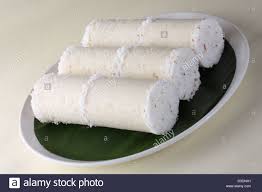
What effect has credit had on many of you? You overused credit to overconsume — over consumed the natural resources in the forms of your second home, second car, second mobile phone, etc. How did you over-consume? The volume of clean air and clean water that got polluted while producing your second car, second home and second mobile handset; the pressure that your second home, second car and second mobile phone put on the soil in the form of minerals and metals used; and the additional carbon footprints that arose from the production and use of your second home, second car and second phone. When millions and millions indulge in such extravagant overconsumption, it is natural that the resources, which nature can replenish in a year, will run out by mid-year or early. But, how long can nature sustain this overdraft from man? Just like the credit-fueled bubble bursts in property market, commodity markets, etc., this overdraft-bubble will also have to go bust one day. Nature did it now! You are homebound now, with your second home lying forlorn, possibly rotting with none to take care; let alone your second car, even the first one is lying idle; not able to recharge even your one phone with credit, etc. All those designer jewelry and the overflowing designer wear are lying despondent for want of use. Nature has locked mankind in, so the rest of her creation can revive and bounce back.

What do you expect to be the Earth Overshoot Day in 2020? December 31? Since humanity is home-confined, instead of 70% of overshoot as in 2019, will it be 20% undershoot in 2020? Mind you that nature did not wait till July, as it happened in 2019, for the Overshoot Day but began the work in December 2019 itself and halted man in his tracks in April itself for 2020.

Why do we make mistakes? We make mistakes because of two reasons: we do not know how to do what is to be done and we learnt to do things in an incorrect way. The solution for the first reason is to learn how to do, but when it comes to the second, how do we know what we learnt was the incorrect — wrong — way to do? This will happen when someone shows us reasonably, logically and convincingly that the way we were doing things was wrong — completely not in alignment with the way it ought to have been — and that we have to unlearn what we learnt and relearn the correct way. Now that nature is showing THE WAYS, will we unlearn and relearn?

The Land of Our First Grandparents

Science traces the first man to unicellular Amoeba that evolved 800 million years ago. Christianity says that Adam is the first human. Hinduism has two concepts for the origin of man as explained in Rig Veda – Hiranyagarbha and Purusha concepts,. In whichever of these or other concepts of man’s origin that you believe in, there is some kind of unanimity among anthropologists, based on the paleontological evidences, that the first human had started to roam around in Africa and that it was in the modern-day Ethiopia.

Scientists found that our first foreparent was a woman and gave her the name: Lucy. She was discovered by the French paleontologist, Donal Johnson, at Hardar in the Awash valley region in Ethiopia in 1974. She was reconstructed from hundreds of fossilized bones that formed 40% skeleton of a female belonging to hominin species: Australopithecus afarensis. Google says,” Hominin – the group consisting of modern humans, extinct human species and all our immediate ancestors, including members of the genera Homo, Australopithecus, Paranthropus and Ardipithecus.” Lucy is 3.20 million years old. So it is believed that humans emerged first in Ethiopia, then, spread across the globe.

Lucy as reconstructed, then portrayed, accordingly.

So, is it because of Lucy and her relatives that the Colonists decided to leave Ethiopia from occupation? Ethiopia is the only country out of the 54 countries in Africa that was never colonized by the Europeans or any other country, except for a small period of 4 years during the Second World War when it was put under the protectorate of Italy — this was not colonization. Ethiopia has its own calendar which is 2013 years old. I was in the capital, Addis Ababa, in 2007 when Ethiopia was celebrating the completion of its second millennium. For more than 3000 years, Ethiopia was ruled by various kingdoms till 1975 when the Communists overthrew the king and took over the reins. In 1991, Ethiopia saw a people’s revolt against the brutal communist rule, with the Communists losing power. It led to the establishment of democracy in Ethiopia.

Physically, the Ethiopians look closer to South Asians and less African. Most women have long, uncurled hairs. Many men also have uncurled hairs. Their facial features like long and sharp nose, eyebrows, general complexion etc. resemble to those of South Asians. I described these features only to show how the Ethiopians have physical features that show linkages to other ethnic groups.

It is an English speaking country. People are friendly and helpful. I found Addis Ababa as a safe city and never had any problem. It is safe to venture out at night. 

Some of the Ethiopian foods are also similar to the Indian food — spicy. Chicken and beef curries are similar to the Indian make. Injera, Ethiopian flatbread, looks like Dosa. Unlike other sub-Saharan countries, Ethiopian food has a stream of local items in its kitty; some of the popular dishes are Doro Wot — Chicken Dish;Wot –Ethiopia’s version of curry;Beyainatu — vegetarian dish;and Shiro – vegetarian dish.

Injera

Wot

Beyainatu

Shiro

Ethiopia is predominantly a Christian country, and Christianity was introduced to the country in 4th century. Normally, during Lent, the Christians practice Abstinence; they follow a strictly vegetarian diet though people feast on Easter. Ethiopian Christians also fast during Lent, and the above vegetable dishes are the ones they consume during such abstinence, renouncing meats temporarily. There are also Indian, Italian and other European restaurants in Addis Ababa.

Medhane Alem Cathedral, Addis Ababa

Have you ever wondered how come a poor country like Ethiopia produces Olympic gold medal winners in long-distance running? The answer lies in its altitude. Ethiopia is located at 4132 to 9843 ft above the Mean Sea Level. So atmospheric pressure in Ethiopia is lower than the standard atmospheric pressure, with central Ethiopia clocking 15% less. It is difficult to do strenuous exercise at such high altitude because as atmospheric pressure is low, air is thinner, so it is a challenge for our body to extract oxygen from air into our blood stream. Ethiopian athletes train in these arduous conditions;they have higher stamina as a result and find it easier to run faster for longer distances at the standard atmospheric pressure. Hotels in Ethiopia have notice boards warning tourists to not engage in strenuous exercises as it can lead to death. Such unfortunate deaths happened to a few tourists while playing basketball, I was told by a hotel staff.

There was a time when people used to mention Ethiopia while talking about hunger and starvation-deaths. A deadly famine impacted Ethiopia during 1983 to 1985, killing around 1.20 million people and internally displacing more than 2.50 million people. Ethiopia walked past that past! Today, it is doing better than many of its sub-Saharan counterparts. My last visit to Addis Ababa was in 2018 and could see a lot of progress in the city. 

Ethiopia is fast emerging as the next big destination for sourcing garments. Many Indian, Turkish, Chinese and Bangladeshi companies had set up  production bases in Ethiopia, a country with 114 million population that offers cheaper labor compared to India, Bangladesh and Sri Lanka. Besides, Ethiopia is also a producer of cotton, with 2,697,640 million hectares of land suitable for growing cotton. Many clothing giants like H&M source from Ethiopia. Ethiopia is a land-locked county and uses the seaport of the neighboring country, Djibouti. 

With a GDP growth of 7.4% in 2019, Ethiopia is marching ahead to progress. I look forward to see a more progressed Ethiopia during my next visit.

COVIDian Reflections: W.H.O. Through the Prism of Trust, Intelligence and Wisdom

Does trust have any relation with intelligence and wisdom? In other words, can trust turn an intelligent person into foolish one, at least temporarily, and unknowingly cajole him/her to take unwise decisions? Let us look at these questions in the light of the actions of  the World Health Organisation, or W.H.O., during the COVID-19 pandemic. Before we proceed further, a little deep dwelling into the element of trust. 

Trust is the judgmental response to accumulation of truthful behavior over a period of time. Hence, the factor that decides whether to trust or not is correctness of judgement. And correctness of judgment is our ability to decide if the perceived truthful behavior is real or fake. Fake means putting up a false front through lying. Lying has two versions. The first version is twisting of facts — inflating or deflating of facts or telling diametrically opposite of truth — and the second version is concocting and spreading non-existing things. Judgement is an evaluation of one or both of these versions. Repetitive vindicatory assessment of a person against possible data is a verifiable way to guard against the first version, and based on this verification, we can almost judge whether a person is telling truth or giving inflated or deflated facts — lying — and, accordingly, discount or scale up what he/she says to arrive at/near to truth. Over a period of time, we can fix a discount or scale-up coefficient for a particular person who has the habit of inflating or deflating facts. The second version demands us to ask a fundamental question, “What is the vested interest of a person in telling non-existent things to us? An unemotional answer to this question will surely be a shield against making wrong judgment. 
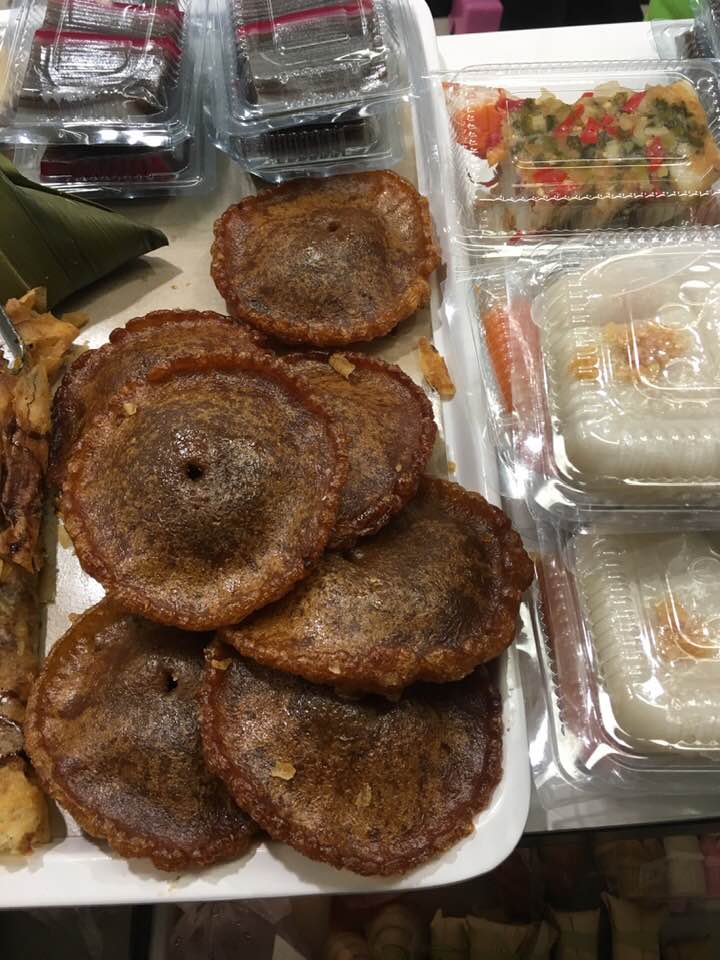
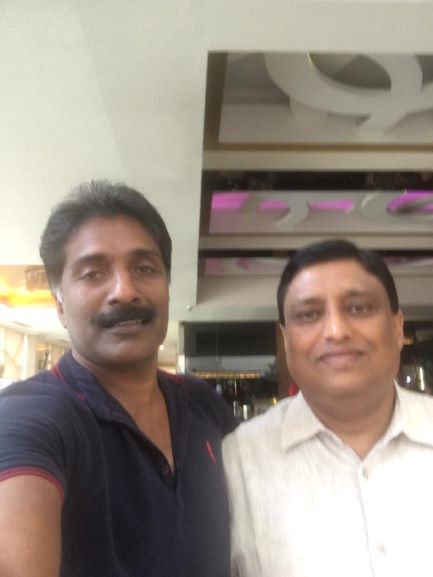
President George W. Bush once said, “Trust should be verifiable.” What he meant was that we should evaluate the hypothesis that people are trustworthy against the above two versions of lying so that we would not surrender intelligence to take wise decisions. In other words, verifying trust means using our intelligence to find out if a person is lying or not. When we trust someone without verifying what he/she says, we are not using our intelligence vis-à-vis that person.

The World trusted that the W.H.O., as an organisation entrusted with International Public Health, would provide accurate and correct information about the COVID-19 pandemic when the outbreak erupted. So the peoples of the world trusted W.H.O. without verifying much what it advised. But, did W.H.O. do its duty in an independent and unbiased manner? Let’s look at what W.H.O. told and did from December 31, 2019, when China reported the outbreak to the organization.

On January 14, W.H.O. tweeted that the Chinese investigation found no evidence of human-to-human transmission of the virus. Apparently, without making much scientific scrutiny on its own, W.H.O. parroted the Chinese words. Coincidentally, on the same day, the Wuhan Health Commission issued a public statement that the possibility of human-to-human transmission could not be ruled out. So it is unbelievable that W.H.O. did not include a caveat for human-to-human transmission on its January 14th press release though Novel Coronavirus was from the same family of SARS virus that spreads from human-to-human. 

Another important point: On his Weibo — Chinese equivalent of Twitter — post, Dr.Li Wenliang, the whistle blower doctor, explained how he started coughing on January 10, had fever the next day, and got admitted to a hospital after 2 days for suspected COVID-19 case. That means he was admitted to the hospital on January 13 with a suspected case of human-to-human transmission of Novel Coronavirus. But W.H.O. took another 8 days to say on January 22 that there was possibility of human-to-human transmission when it held its next meeting on the same day. How could W.H.O. miss the hospital-admission of Dr.Li? Those 8 days were crucial as during this period the virus would have traveled demographically and geographically — social distancing and usage of masks, which are being currently used to contain the pandemic, could have been implemented much earlier, thus, mitigating the scale of the catastrophe the world is witnessing now. Isn’t it a serious lapse by W.H.O. that misled the world initially? Then also, it refrained from declaring the Novel Coronavirus outbreak in Wuhan as a public health emergency of international concern after its meeting on January 22. It waited till 40 countries got the epidemic to declare Coronavirus as a public Health emergency of international concern on January 30. Even after this declaration, W.H.O. was advising against international travel bans, with Tedros Adhano, the first non-physician Director General of W.H.O., visiting China and praising China’s leadership for “setting a new standard for outbreak response.”  Alas, the new standard crumbled the world and killed thousands and is still on rampage!

Absence of required actions from W.H.O. continued. By February 26, the virus reached 104 countries and there were more cases outside China than in China, but Tedros continued to be hesitant to use the word pandemic, rather he was telling that the world still had the “Window of Opportunity.”  Finally, by the time W.H.O. declared the outbreak as a pandemic on March 12, the virus had already killed more than 4000 and  infected around 118000 people across every continent.

Dr. Li Wenliang, the whistle blower, did treat the pneumonia like disease and noticed the virus as early as December but was afraid to tell anyone, finally, disclosing it on a chat group on December 30. Dr. Li, was arrested and censured for “spreading rumors” on December 31, and on the same evening, China reported the outbreak to W.H.O. So the Chinese Communist Party, or C.C.P., knew it in early December but covered it up. 

It was reported that one study found that China could have limited its own infections by up to 95 percent had the government acted in that early period when doctors like Dr.Li had first raised the alarm. But C.C.P. was still denying the extent of the problem. China locked Wuhan, the epicenter of the COVID-19 outbreak, and other cities in Hubei province on January 23. But by that time, millions of people from Wuhan had sprang out of the city, traveled all over China and the world to celebrate the Chinese New Year. These facts were on the table, but since the W.H.O. was not declaring it as a pandemic and that it was advocating against international travel bans till March 12, the world did not take it seriously and by that time, the Chinese who traveled abroad silently and unobtrusively spread the virus that exploded exponentially later across the world. So the Chinese government’s misinformation and the W.H.O.’s failure to correctly advise the world did the damage that is still raging. World Health Organization or Wuhan Health Organization! No wonder the Japanese Deputy Prime Minister called the W.H.O. as Chinese Health Organization. It is also justified that the POTUS suspended the financial contribution to the W.H.O.

So it all come to this: the world trusted the W.H.O., hence, believed what it said about Novel Coronavirus. In other words, the world did not use its intelligence to verify that the W.H.O./C.C.P. was telling lies in the form of under-reporting the seriousness of the disease — deflating the facts. So the world did not use a “scale up coefficient” to arrive at the factual situation coming out of the W.H.O./China. The world was slumbered  to be only deceived by the C.C.P./W.H.O. This slumbering was augmented by the fact that the W.H.O. criticized China for not giving enough information during the SARS outbreak, so the world believed and trusted that what Tedros telling was as good as the W.H.O. did during the SARS outbreak. Yes, the world was conditioned to trust — not to use its intelligence to verify and use wisdom to take the correct decision — the W.H.O. But there is one country that used its intelligence, not trust, to filter what the C.C.P./W.H.O. was telling, hence, understood the lies and prevented the virus from spreading and causing havoc. It is Taiwan. How did Taiwan accomplish this seemingly difficult task?

Taiwanese officials said that from the very beginning they knew that the C.C.P. was lying — implied that the W.H.O.’s advises and guidelines were patently wrong — regarding COVID-19. This was based on their experience with SARS outbreak that also was erupted in China and then also the C.C.P. lied and under-reported the epidemic. It means that Taiwan already had the scale-up coefficient for the C.C.P. so for the W.H.O. Hence, Taiwan decided to quarantine all the incoming passengers — both nationals and foreigners — to the country for 14 days compulsorily irrespective of whether they showed symptoms of COVID-19 or not. Taiwan used its intelligence to verify the trust it had in the W.H.O./C.C.P. and found that they were deflating facts — lying — resulting in using its wisdom to choose the correct decision of quarantining all incoming passengers. Besides this, it went for aggressive testing for the virus and use of masks among the people. With these steps, Taiwan is the most successful country in containing the virus —- 395 cases, 6 deaths and 166 recoveries as on April 17, 2020 — despite reporting the first infection on January 21. No lockdown of the country, with schools and commercial establishments working without any hindrance. An example of using intelligence to verify trust, thus, preventing a catastrophe.
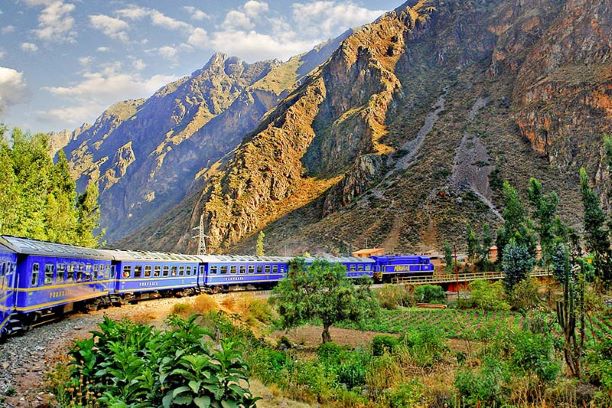
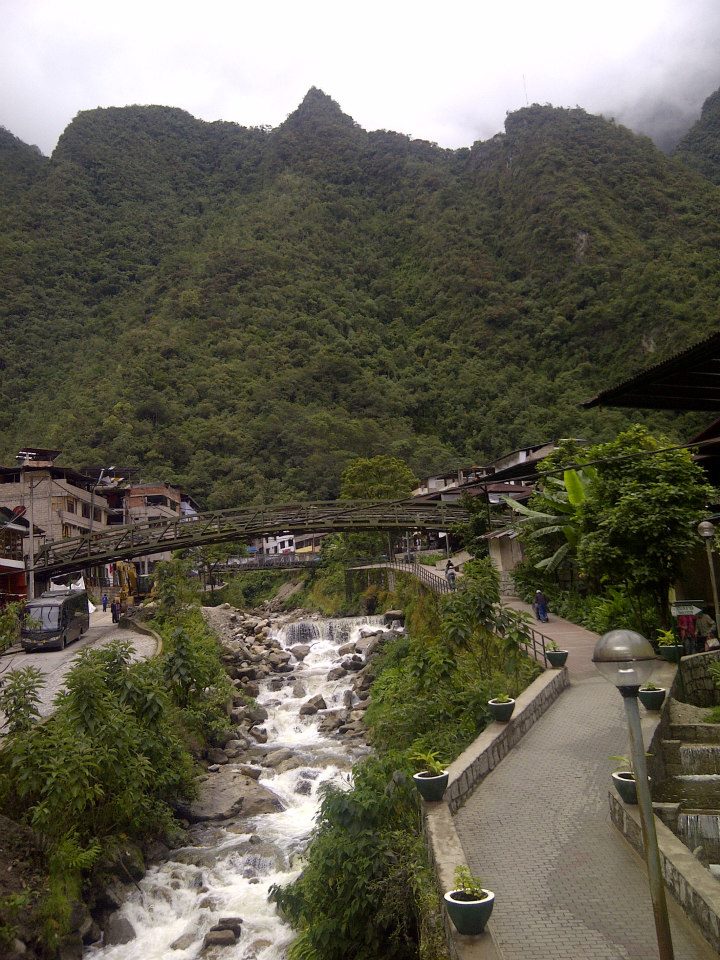
Nations and leaders of the world did not use their intelligence and wisdom but trusted the W.H.O. so paying a heavy price. By the time they realized that they were lulled into deceit, it was too late. COVID-19 will teach us many lessons, and one lesson that will be imprinted on the conscience of mankind is that unverified trust is only as good as lies.

Beautiful Hong Kong

Geographically, Hong Kong has three regions: Hong Kong island, Kowloon and the New Territories.  Hong Kong island is connected to the Kowloon Peninsula through underwater metro train tunnels, bus tunnels and also through ferry services. Hong Kong’s Mass Transit Railways, or M.T.R., runs completely underground and rated as the best metro rail network in the world. It connects most parts of the country and is estimated to provide 90% of the transport needs of the people. It is the cleanest metro network I had used so far. Every station provides free Wi-Fi. This metro rail network is one of the very few profit making ones in the world.

Hong Kong has the largest number of skyscrapers in the world. Nathan Road, the thoroughfare in Tsim Sha Tsui, is a busy shopping area. If you visit Hong Kong with shopping also on your mind, then do not miss this area.

There are many tourist attractions in Hong Kong, and I am listing out a few that I could visit. One of the most famous attractions in Hong Kong is Laser Show. For 15 minutes from 8 p.m. on every day, a stunning display of laser rays beamed from the beachfront buildings in Hong Kong island region to Victoria harbor in Kowloon, with buildings on either sides lit up. The show’s effect is so illuminating that it lights up the sky and the sea alike. 

People start to throng Victoria Harbor in Kowloon by evening to watch the show. There are music bands to entertain the crowd before and after the laser show.

Victoria Harbour:

A cruise ship:

A pagoda near Nathan Road:

Hong Kong is a major financial capital and a luxury city. The British rule of 156 years had shaped Hong Kong so. It all started in August 1842 when the Queen of England and the Emperor of China signed the Treaty of Nanking, and this peace deal ended the first Opium War and ceded Hong Kong Island to Britain. In June 1997, the British returned Hong Kong to Chinese. If you ask me, what is the best known Hong Kong symbol outside Hong Kong, my answer will be The Hong Kong and Shanghai Banking Corporation, or H.S.B.C., the British owned bank founded in Hong Kong in 1865.

Another attraction in Hong Kong is Ngong Ping 360. It is a high-altitude attraction, and one has to take cable car — 5.7 Km journey — to reach the place. The cable car journey gives beautiful views of the city’s waterscapes. At the peak, there is Ngong Ping village, which is a retail and entertainment center. 

This place is also home to the Po Lin Monastery and houses the Tian Tan Buddha, a giant Buddha statute.

“The Peak” gives mountain-top views of Hong Kong. It was a foggy day, unfortunately, when I visited.

It is visa on arrival for most nationalities in Hong Kong. It was same for the Indians, too, till recently; however, China, made a change that the Indians should take online pre-approval before arriving. All kinds of cuisines: Chinese, Indian, Italian, etc. are available in Hong Kong. Hong Kong has a sizable citizen-population of Indian ethnicity, who immigrated to the country decades ago and flourished as business men and working professionals. They were afraid that under the impending Chinese rule they would be stifled and would lose what they had accrued over the decades of hard work and hardships. So they lobbied the British parliamentarians and succeeded in getting British passports for them before the territory was handed over to China. In this way, they were able to move part of their assets to the United Kingdom.

Madame Tussauds, Hong Kong, is an attraction not to be missed out. If offers plenty to see and pause with your heroes.

I could see only good things in Hong Kong: well attired men and women, sky-kissing high rise buildings, clean roads, fully underground metro train service, lights and colors — signs of progress and prosperity. Hong Kong is more British than Chinese in culture and lifestyle. If you walk along the Nathan’s road in Shim Sha Sui area, you can see plenty of retail shops of diamonds. In other countries in Asia, especially in the Indian subcontinent, it is jewellery shops selling gold ornaments, but in Hong Kong, the yellow metal is replaced by glossy diamonds. No wonder that Hong Kong has the highest concentration of high net worth individuals in the world.

COVIDian Reflections – Old Questions, New Answers

How big is a man? If you ask this question to a physicist, his answer will be as big as an electron. The same question will evoke a different response from a biologist with an answer: as big as a DNA. A chemist’s answer will be like as big as an element. Now, a doctor’s answer will be  you are as voluminous as a few milliliters of antiviral drugs. In the backdrop of the COVID scare, psychologists will laugh at us and say man is as small as his fear. Well, finally, what will be the answer of COVID-19? It will answer that we are smaller than 12 genes. Just a 12-gene sub-cellular organism is frightening and making 30000-gene man looking helpless and small! How big is a man?

Whom do you trust the most in this world? Many will answer by naming a friend or spouse, etc. However, in the ultimate analysis, we trust ourselves more than we do others, for there are many secrets of ours that we will not tell to our most trusted person. But, the virus changed this, too. Doubt has creeped into our relationship with ourselves. We no more trust our hands! We need soap or sanitizers to trust our hands. We want to keep our hands away from our face as much as possible!  

What is your most important asset? This question always had the answer as education. Still the answer is the same during this virus time! But change the question a bit, and  the answers will be different for pre-COVID-19 and current COVID-19 times. If the question is like this: “What is your most important material asset?” The things that qualified for answer before the virus outbreak were cash reserves, land properties, fabulous home and so on. But all these answers were made irrelevant by the virus and changed them with this answer: mask and sanitizers. 

What is your dream place to live and settle down? The answers most certainly included  the United States, Europe, Singapore, etc. These kind of answers were kept on a ready-to-deliver mode by many, including me. Will the answers be the same if asked now? Many of us who are stuck across the globe long to get back to our countries and be safe inside the homes. The virus showed the hollowness of man’s concept about “the best place” and brought him back to the terra firma of reality. 

What is it that you take care of the most that will take care of you the best? If you ever happen to meet the 100-year old Chinese grandpa — his name was not disclosed by the Chinese authorities — or the 102-year old Italian grandma, Italica Grondona, who survived the onslaught by the virus even when they were in the high-risk category and ask this question: “What made you to defeat the virus? They will answer without any doubt: health. It is not the wealth that you accumulate by slogging round the clock that will take care of you but your health. Your wealth can give you the best medical care, but it has its limitations as the virus shows us. It is your immunity — the sum total of your health — that forms the base for medicines to act upon. It is not your wealth or friendship or relationship or material possessions that ultimately take care of you but your health.

As the virus lingers on without showing any signs  of abating, it will keep on teaching us new things and changing our perspectives. We can only hope that the virus understood that man learnt enough lessons, so it is time to recede and disappear.

Note: The blog is edited by Linet Placid.