I was on Work From Home, or W.F.H., for the last five and half months and had rejoined the office a few days back. Spending time with the family is the most beautiful thing, and it was great being at home for such an extended period, thanks to Covid-19 putting a break on my international travels which is a part of my profession. The new W.F.H. phase was a learning period, and I wish to share with you something that I learnt. We have a day-time housemaid who visits us twice a week, and she has a schedule of cleaning the non-floor structures like tables, shelves, bedroom light-stands, etc. once a week. I noticed that by the time the weekly cleaning day arrived, it was all dust on these structures. Hence, I decided to clean all the non-floor areas daily in the morning, using a piece of cloth – 15 minutes were enough to complete the task. I felt good and happy seeing the cleaned areas.
Courtesy Covid-19, mask has become a part of our attires. After one-time use, I soap-wash, dry and dispose them off. Accidentally, I found that such used-masks were good at absorbing dust, hence, started to use them, instead of clothes, to clean the home. It made huge difference as compared to the cloth, for mask’s micro cloth could remove even smaller dust particles and clean the surface very well. Yes, the dusts that were not visible to my eyes were captured and removed by the used-masks. I did it every day, relieving the maid from that work. Spending 15 minutes every day in the morning made the home much cleaner without allowing it go dusty. In effect, I was able to clean the home before dust became visible, thanks to the used-masks.
One subject that took my overwhelming attention during the graduation was freezing; I graduated in Fisheries Science from College of Fisheries, Panangad, Cochin, Kerala. Freezing is an interesting topic in the sense that, as the word amply pronounces, it only freezes and does not kill. Freezing freezes only water!
A little bit on post-death physical spoilage: Corpses of animals go through a process called Rigor Mortis, or R.M. When an animal dies, no physical change happens to its dead body in the first 2 to 6 hours — depending on the type of animal — and from the 3rd/7th hour, R.M. sets in. Rigor Mortis is death stiffening, meaning dead body gets hardened due to anaerobic chemical changes and as evidenced by the loosing of its natural softness. Rigor Mortis lasts for 6 to 8 hours, which means that no spoilage happens to a dead body within the first 14 hours after death if we consider the upper thresholds. From 15th hour, spoilage brought about by enzymes and bacteria begins. Freezing stops this spoilage through arresting the activities of bacteria and enzymes by freezing their water contents into ice as without water, both bacteria and enzymes cannot work. This is the reason that you have to quickly cook a thawed-product because thawing releases the frozen water and reactivates the bacteria and enzymes, hence, the spoilage. Everything has a shelf life so does freezing. Freezing can inactivate bacteria and enzymes only up to six months to an year, and beyond this timeline, the spoilage agents find ways to sidestep freezing and start spoilage.
A lot of dust in the forms of hatred, anger, jealousy, disappointment, frustration, etc. falls on or generates in — whichever the way we look at it — our mind. This is unavoidable — though not inevitable — as we are being human, and it is almost impossible to stop oneself from having these negative thoughts. So they do crop up more often than not and would not be palpable to oneself initially. However, over a period of time, they snowball into something bigger capable of self-destruction. This unknowingly-suppressed negative thoughts are like the spoilage-causing bacteria and enzymes, and the suppression is like freezing. The suppression neither kills nor neutralizes the negative thoughts but only temporarily freezes and shelves them in your mind-fields. Like freezing, the suppression runs out of its fuels at some point of time, hence, loose its shelving abilities, thereby allowing the suppressed negative thoughts to do mayhem with renewed vigor and damage your physical and mental health. But if you can clean your mind off the negative thoughts before they snowball into visible chunks, i.e., before they get into the self-destructive mode, then you can make your life shine like a perfectly cleaned surface that is devoid of any dirt. How do we do it?
A routine of self-reflective correction before you hit the pillow in the night is a perfect way to avoid the suppressive-freezing of negative thoughts. The cleaning-mask of self-refection should generate corrective — positive — thoughts to wipe your mind off the dirt of negative thoughts. Such an introspection lasting, say, a few minutes, involves you doing an impartial assessment of yourself about how badly you were dusted by the day with negative thoughts and followed up with wiping the negative thoughts out with the positive thoughts like love and hope as well as with the feeling that there is enough in this world for everyone. If you can do this on a daily basis without waiting for the dusty negative thoughts to become visible like a frozen chunk, then you will be successful to make your life shine like a clean surface.
It is with alarm that the world is hearing the news of the emergence of a mutated Covid-19 in the United Kingdom. Not much information, barring that the mutant version — named as B.1.1.7 — is 70% more transmissible than Covid-19, is available with the scientific community. But scientists are working on the mutant, and we would have more information sooner than later.
What does 70% more transmissibility mean in terms of the behaviour of the mutant virus? We are yet to know the answer(s). But there are a few questions that this 70% mark raises. As of now, in an open space, keeping oneself 6 feet away from an infected person brings down the chances of infection to almost zero. But, will it be 10.2 feet — 70% more — for the mutant virus? Scientists told us 15 minutes’ cumulative close-exposure within 24 hours to an infected was needed to have enough viral load to infect a person, so, would the exposure time get reduced to 4.5 minutes for B.1.1.7.? Or, is it that 70% less viral load will be enough to infect a person? Will the known metrics like the livability of the virus on surfaces like plastics, stainless steel, paper, etc, get increased by 70% more time? Many such questions, and we do not have answers for any of these questions at this point of time.
The new mutant was first reported in September in the U.K., and by mid-November, 50% of the cases was from this version. And by middle of this month, the cases by the mutant surged to more than 60%, forcing the UK health authorities to say that the version was out of control. The new version had already reached the Netherlands, Denmark, Australia, Italy and South Africa. Incidentally, in Australia the mutant virus was found in a person who came from the U.S.A. So the mutant already made a transit in America. Did it make more contacts in America? As there was a window of two months between the first reported case and the alarm bells ringing, it would be highly likely that the new version had travelled both vertically and horizontally from the U.K. to large parts of the globe. Has it arrived in your country? Guess! So we need to be more careful about this virus.
Will the vaccines already developed work against the reloaded version? It will most likely do, scientists say. A virus needs cumulative mutations over many years to create an “escape route” from vaccine. This is the conventional scientific understanding. But, will it be applicable to Covid-19? We do not know. The new mutant went through 23 mutations, it was reported. One positive aspect of the vaccines developed against Covid-19 is that they can be tweaked to accommodate genitival changes from mutations. Will this hold true for the reloaded version? We will have the answer in a few days as the American scientists are on it.
As of now, there are too many unknowns about the mutant virus. Hence, it is worrying. However, scientists say there is no reed to be panic. But we have to be more cautious about the virus by strictly adhering to the socializing and hygiene protocols that are in place. Let’s tune more information from our scientists, the saviors of humanity.
If you can visualize yourself in a speedboat, cruising through the Atlantic Ocean in the wee hours of a day, then I will present you with a few haunting moments to conjure up an immaculate morning like the one I had experienced during the journey from Lungi, a small coastal town, to Freetown, the capital city of Sierra Leone. The Sierra Leone River, which estuaries with the Atlantic Ocean, separates the town and the capital, and the most famous attraction of this sparsely populated town is Lungi International Airport. Hence, one needs to cross this 40-km long river to reach the mainland Sierra Leone if one is flying to Sierra Leone.
I landed at Lungi International Airport around 3 a.m., and the airport premise had an office selling tickets for the speedboat service to cross the river. The ferry-agency took us by bus to the boat jetty, and by the time the driver powered the boat, it was 5 a.m.
Boarding the speedboat:
It was still dark with the virgin sky dotted with fading stars, and behind the blue curtain, the sun was showing the signs of getting ready for the day.
As the boat sped away from the beach to more depths, factory-fresh sea breeze blew whatever residual sleep left off from my eyes. In the midway, the line demarcating the limitedness of the river and the vastness of the ocean started to blur out, showing all-round choppy waters hugging and kissing the speedboat in hard and fast ways.
As I enjoyed the virginity of the day in the middle of an ocean of pristine beauty, the shady shores of the mainland started to become visible: the buildings and structures standing in front of the still-waves of mountains encircling Freetown. I savored the rare morning! And it is one of the finest mornings I had treasured over the times.
The following are from another occasion during which I undertook a daytime passage:
A country canoe under construction:
In 2008 when I visited Sierra Leone for the first time, there was no speedboat service but helicopter service to the mainland. I was fortunate to travel — 7-minute flight — by helicopter then, thereby fulfilling a long cherished dream of travelling in a chopper. In 2009, the helicopter service was suspended as it failed in the airworthiness-evaluation by the International Civil Aviation Authority. Subsequently, the speedboat service was introduced. There is also ferry service by barge between Lungi and Freetown.
What do you know about Sierra Leone? Google will tell you that it is one of the biggest producers of diamonds, gold and many other precious minerals and metals. Diamonds are found in a quarter area of the country, and that is around 7,700 square miles. And these precious resources were once used to finance the civil war that broke out in the country in 1991, lasting 11 years and killing around 50,000 people. The infamous term: Blood Diamonds — illegal mining of diamonds to finance civil wars — is a product of this civil war.
The cityscape of Freetown and its suburban areas are starkly different in terms of infrastructure availability and their qualities.
Cityscape:
Suburban Areas:
Freetown has beautiful beaches which attract domestic and foreign tourists alike, and one such beach is Number 2 River Beach, which I visited in August 2016.
Before getting onto the beach, one can not miss out the adjoining creek. It is beautifully placed in the backdrop of distant mountains.
It is a white-sand beach, clean and with bluish to bluish-green waters, making it as one of the beautiful beaches that I had come across. Beaches were clean except that there was residual fringes of aquatic plants.
It is a paid-beach, costing 5000 in local currency named Leone, and this amount is equivalent to US$1. The beach management-company arranges shows of entertainment for the visitors. On the day I visited, the piece of performance was a traditional acrobatic show spiced up by the sounds of indigenous instruments.
With friends:
Beside the beach, there is lot of vegetation unlike the regular beaches. A couple of clicks from that area 🙂
If you are a business traveler, visiting the hustle and bustle Sani Abacha Street at the wholesale market is unavoidable. An aerial view of the street:
A few times, while returning I took barge to reach the airport. The following are from one such trip from Freetown to Lungi:
I had visited Sierra Leone a few times between 2008 to 2017, and unfortunately, this was one of the few countries where I did not find much development over this period. This is unfortunate, for the country is bestowed with immense natural resources. I found the people of Sierra Leone cordial and never had any safety issues there. Hope to see a better developed and progressing Sierra Leone during my next visit.
Way back in 2004 when I started my career in International Sales, Liberia was among the few countries that I visited in the same year itself. Liberia was then just emerging from a civil war under the guidance of an interim government, with the United Nation’s Peace Keeping Force being actively on the ground to hold the fragile peace. Two successive civil wars flattened Liberia, which was the first ever republic in Africa, all but completely. The wars destroyed almost all the infrastructure of the country. I saw the capital city of Monrovia running on generators as there was no regular electricity production in the country, thanks to the destruction of the entire power generation and distribution infrastructure during the civil wars. I could also see many charred and bullet-pockmarked buildings, including a 5-star hotel, in the city, each telling untold stories of human sufferings. It is estimated that around 250,000 people — 8% of the then population — perished in the civil wars. There was no smartphone then, so I had no pictures from my first visit.
I visited the country again in 2010. Six years of democracy brought some semblance of normalcy! In 2010, electricity was available in many areas of the city and water scarcity was almost tackled. More signs of rebirth of the nation were visible: paved roads, construction activities were picking up and so on. Since then, I visited Liberia many a time, with the last being in 2019. Once I undertook a 30-hour journey by road from Freetown, Sierra Leone, to Monrovia, with an overnight stay at the frontier town, and saw well-paved tarred roads from the very moment I entered the Liberian side, a much better state than what I had seen on the Sierra Leone side. Through these years, Liberia had seen Madam Ellen Johnson as the President for two consecutive terms, more hotels and other tourism infrastructures, electricity reaching most part of the country, the U.N. winding up its peace keeping mission and the incumbent President George Weah, an ex-footballer who amassed a fortune from the playgrounds, assuming the office. The most noteworthy point over these transformative years is that there was no violence in Liberia once the peace took its roots after the civil wars.
Monrovia:
Liberia has all-round greenery. Nature has showered it with pristine beauty, and the landscape looks like that of Kerala. I was fortunate to experience this beauty during my travel to Monrovia while undertaking that trip from Freetown. Furthermore, it takes around 1:30 hours to travel by taxi from the airport to Monrovia city, giving inescapable opportunity to enjoy the sparsely populated panoramic hinterlands. The land is so fertile that grass and trees are everywhere. Nonetheless, barring rubber plantations by Firestone Company, the nature’s bounty is not utilized through scientific farming. There is no agricultural university in Liberia, and the farming is still on brick and mortar mode.
I travelled by auto rickshaw — you might ask: so what? I made this travel not in India or in any Asian country but in Liberia. I was pleasantly surprised to see plenty of these three-wheelers plying in Monrovia, supplied by TVS, an Indian company. One thing I noticed was that here, too, auto rickshaw drivers followed the same pattern of their Indian counterparts: taking sudden turns without putting indicators; maneuvering their vehicles through the just-road available; and abruptly stopping to take a quick-in-passenger. I felt happy to see that Indian vehicles offering an affordable public transport option in Liberia. Apart from Liberia, I saw Indian auto rickshaws plying on the roads of Bangladesh, Indonesia, Peru, Ghana and a few other countries.
Getting a homely atmosphere when you are away from home is a boon. This is what I used to have in Liberia during most of the times of my visit, thanks to my “Mallu friends.’ In Africa, Liberia is the country where I saw the maximum number of the Keralites working. I have many Mallu friends here: Binu, Kannan, Anoop, Aneesh, Rejith, Rineesh, etc. During the last trip, culinary expertise of Anoop’s wife was a real treat, besides, Biriyani by Aneesh and Rejith Babu was mouth-watering. These guys made my days in Liberia memorable and fun-fulling!
Views of the Broad Street, a thoroughfare in the city.
As my trips were for business, visiting the wholesale markets was an inevitable. There are two wholesale markets in Monrovia: Waterside Market and Redlight market. The following pictures were captured from Waterside market during a rainy time:
The Liberians are a warm and friendly people, and I never experienced any dificulty in the country though there are safety issues, the remnants of the civil wars. Liberia, a country of 5 million people, has immense natural resources like iron ore, timber, diamonds, crude oil and many minerals and metals. But the country had not made progress as it should have been if we considered the abundance of natural resources and a smaller population. Hope that Liberia would develop further and take its due place in the comity of nations.
There might have been occasions when you bought a pair of shoes or a few dresses for your children while you were out but later found that they were not of fitting-sizes as the kids tried them. Even during these times of online purchase, you would have sometimes returned unfitting goods and asked for replacements with bigger/smaller sizes to suit you. Is it possible to avoid, if not completely, wastage of time and effort in selecting something that will be suitable for you even when you are bereft of the metrics of the object to be selected? It is possible through equipping oneself with the powers of visualization which is one among the triumvirate that kindles a man from inside, with dream and imagination being the other two. Self-kindling is the process of intellectual churning in a man, which energizes and automates him on a mission-mode. It is the internal light that shows the ways of life.
Visualization is the power of mentally creating an imaged-replica of something that exists as an idea which is developed from a physical object or an intangible. It is the outward projection of a concluded-idea by giving physical features to it on your mind —a mock-up by the mental makeup. It is the bridge from theory to practical. If science is theory, then technology is its practicality, and that which is built on the mind of an inventor who transforms science into technology is visualization. Stephen Covey in his much famed book: “The 7 Habits of Highly Effective People” cites ‘everything is created twice’ while explaining the habit: ‘Begin with the end in mind,’ by saying that first creation is the visualization of second creation, i.e., output.
Visualization is as difficult and involving as the actual creation of an object, for every nitty-gritty of the creation has to be worked out and perfected in the realm of thoughts before a man can venture out to create the object physically. These difficulty and involvedness are imbibed in the word: visualization itself as its break up will give us visual — see — and ization — the process of making or doing. The founders of the English language were so brilliant that they did not make the noun of visual as ‘visuality’ or ‘visualness’ but visualization because ization in visualization captures the word’s essence: the process of — the process of seeing something in the mind-field in its physical format based on an idea about it. Visualization has two cousins: dreaming and imagination. All three are related to the extent that they are different faculties of mind, with each one serving its own purpose in the overall scheme of self-kindling.
‘Dare to dream’ and ‘ Dream Big’ are motivational prodding making a man to think uninhibitedly and unrestrainedly to leapfrog in order to better himself. Dreams preexist ideas, meaning man can dream for and about anything even when he does not possess any idea about how to go for it. We live to actualize our dreams, so it is important to have dreams. But there is not-so-subtle difference between dreaming and dreamer. A dreamer perpetually lives in dreams and fails to move forward to actualize the dreams. But a man who dreams — dreams big — comes out of his dream to generate ideas to fructify his dream.
Dreaming is the preamble to the foundation of achievement that one aspires for. It is the pre-foundational energy that kindles you from inside. Dreaming can be compared to groundbreaking ceremony for construction of a building. A dreamer will continue to live in groundbreaking ceremonies, one after another, with none taking shape as they intended to be. But one who dreams will further move forward to build the foundation, then, the edifice of one’s dream by generating and actualizing the ideas that are needed for it. Late Abdul Kalam Azad, one of my heroes and a great humanist, exhorted the youths to dream and dream BIG as he knew that unless ‘the ground’ was ‘broken,’ no construction of future could begin.
“Imagination is more important than knowledge,” the great words from the genius Albert Einstein. Implied in the words is that imagination is more potent than knowledge to slingshot you to infinite heights in whatever arena you are engaged in. I wish to say that imagination is creating something out of absolute nothingness but have to restate it as imagination is creating something out of nothingness, for there are peripheral seedings of knowledge that lie around the nothingness, which may or may not have consequential impacts on imagination. Imagination does not have an idea to begin with, rather idea is the first output of imagination. The idea grows as your thoughts weave on it, taking shapes and forms which were oblivious hitherto, ultimately leading to the creation of an image that captures the essence of the idea. Imagination has limits so long as the boundaries are set by you. Imagination takes its logical conclusion when you are able to add flesh and blood to it. In other words, if the initial output of imagination, that is, idea, can be shaped up into an image that can go functionally alive in terms of rewarding, then your imagination has been paid off.
Are there any linkages among these three faculties of mind? In the sequencing of kindling that happens inside a man, dreaming comes first, followed by imagination and visualization. Dream aspires you for the sky, and imagination weaves the ways to the sky. Unless you dream, you do not get inclined yourself to imagine, so imagination begins from where dream stops. In other words, imagination is the creation in the offing once the laying of the cornerstone for the foundation of your future gets over. Visualization stands on its own and is independent of dreaming or imagination, but I am for characterizing visualization as a byproduct of dreaming and imagination dynamics.
The triumvirate does not come from external source but a deliberate and conscious effort by a man to set himself on fire internally. A man who dreams big without being perpetually in his dreams and that who continues from the groundbreaking done by dreaming through imagination gets energized from inside. Such a man is tracked to push his imagination beyond frontiers and bring fruition to it with ideas as well as aided by importunity and hardworking. Do practice visualization as it takes you to a rewarding level without having to be there physically. Let loose the triumvirate to kindle you from inside in your journey of life.
There are two incidents that prompted me to write this blog. A few years back, I was diagnosed with Crohns disease at a clinic in Sharjah. It is an incurable, autoimmune disease needing lifelong medication, and I was under medication for almost an year. While vacationing in Cochin, Kerala, my wife told me to consult Padmashree Doctor Philip Augustine, arguably the most renowned gastroenterologist in Asia, who is credited with the diagnosis of Crohns disease for the first time in India. When I told him I had Crohns disease, within seconds and by just looking at me he told, “You do not have Crohns disease.” A few tests later proved what he said was correct — I had another gastrointestinal problem which was diagnosed and cured under his treatment.
While playing football with the kids at our housing society recently, I sprained my leg and had to consult an ankle and foot orthopedic doctor, Dr. Rajesh Simon. During the first consultation, he closely examined my sprained-ankle and prescribed 3-week rest with a supporting ankle brace. I met him after three weeks, and by just looking at my ankle he said that my problem was solved. I was surprised because he did not do any close examination of my ankle. So I asked him, “Doctor, how are you able to say I am cured without examining my ankle?” He said, “I knew it from the way you walked into my room.” He further explained that he almost diagnosed “as and from the way” people walked into his room and that further checks were more or less to reconfirm his initial diagnosis.
Not all gastroenterologists are like Doctor Philip, nor have all ankle and foot orthopedic doctors the skills as Doctor Rajesh. These two doctors are experts in their respective areas of specialization. Haven’t you heard about mechanical engineers who can tell which part of an engine has the problem by listening to small aberrations in the sounds of an engine-on-work? All mechanical engineers cannot do it. If we take any field like photography, sales and marketing, farming, teaching, fishing, masonry, cooking, etc., we will find people who stand out with their extraordinary performance. They possess expertise. Why are all engineers or doctors or others in their fields not experts but a few? How did they become experts though their academic credentials were only as good as their non-expert counterparts?
The emblem of my alma mater: Institute of Rural Management Anand, or I.R.MA., one among the many gems of institutions founded by the Father of the Indian Dairy Sector, Dr. Verghese Kurien, is a half-bloom lotus. Once we asked a professor why the emblem was so and that why it was not a full-bloom lotus. He explained that every pass-out, though equipped with management skills, was only half-baked to manage the ways and means and that the petals of the other half were to be added up as he/she progressed in career, leading to a full-bloom professional. Every profession is a march to add petals to the half-bloomed flower called education.
We are familiar with the terms: ‘means to an end’ and ‘an end in itself,’ with the former indicating something is done in order to be led to something else while the latter means that there is only something in something, no something else. It may sound oxymoron to say that every piece of knowledge is an end in itself as well as a means to an end. In other words, every piece of knowledge has as much its own meaning — a purpose to fulfill — as its external linkages. And this purpose to fulfill is the end while the external linkage is the means. A fully-bloomed professional is habituated to understand the end of knowledge but largely misses out the means. But an expert does catch hold of both the end and the means and give due weightage they deserve. Hence, becoming an expert is a journey further and farther ahead from the full-bloom. So, how does one make this journey and become an expert? It is through something I call as Deep Learning.
Deep Learning is understanding “the purpose to full-fill” of a piece of knowledge as well as its “external linkages” in their entirety by acquiring every bit of the knowledge through going deep into its core. Knowledge is shrouded in layers over layers, with each layer adding fruition to your understanding of the knowledge-in-acquisition. As you make this deep-diving into the core with your eyes wide open, you will see the linkages — means — as offshoots from the layers that cover the core. A closer look at the these offshoots will divulge their inalienable connections to the means of other pieces of knowledge around. Furthermore, the layers reflect the characteristics of the core that have congruous or incongruous impacts on the means of adjoining knowledge-area. And the theatre of this process of diving is the profession you are engaged in.
Deep Learning takes a man to the core where crux of the matter is placed. In this process, not only does he understand the end but the means also. The crux of the matter, the layers of and the offshoots from a piece of knowledge together form expertise, and one who possesses them is an expert. This deep and wide diving out to the core is the journey that one needs to undertake to become an expert. You are tracked to add the remaining layers of knowledge as you progress in your profession, but to become an expert, you need to take the journey of Deep Learning.
Crohn’s disease happens deep inside the gastrointestinal tract, which can be studied and understood through internal examination and biopsy, but there are linkages —means — like a person’s overall vitality, facial expressions, etc. based on which an expert like Philip Augustine can quickly read the crux and diagnose the disease. Reading the subtle elements of leg movements, along with layering and offshoot factors like easiness of or difficulty in other bodily movements, can make an expert like Dr. Simon to do a quick diagnosis of the problem in the bones, so does identifying of and reading from an incongruent sound alert the expert in a mechanical engineer. In all these cases, the expertise, i.e., the end and the means of knowledge, acquired through Deep Learning makes them experts. Dive down to the end of the end and the means of the knowledge at stake and become a Deeply-Learnt person, for that is the way to become an expert.
Management students are taught about optimization and maximization as two closely-linked-yet-differing approaches to the ultimate aim of profit-making in business. Optimization, teachers tell them, is the process of finding the best-possible alternative under the given constraints by maximizing the utilization of helpful factors and minimizing the usage of unhelpful factors. In other words, be effective to get the desired output without compromising efficiency — a difficult task for a manager, where the sum total of the management skills in him/her will be tested as well as put into use in order to get that best-possible outcome. On the contrary, maximization is an all-out effort to get the ‘all but none’ of the intended output without any regard for cost element, so efficiency is not a limiting factor and what matters is only effectiveness in reaping the maximum. In this blog, I will try to look at how optimization and maximization play out in our life and that what impacts they can have on our behavior.
Let me try to explain what these two terms mean in our life — leave professional life. Maximization is the functional attempt prompted by psychological mooring to have all and in full. So maximization is more psychological than functional. Nothing should be left off and that everything needed to be in my pocket is the mindset behind maximization. This mindset is driven more by emotion and less by logic. Hence, maximization can easily be anyone’s baby. But to adopt the child of optimization and make it a part of your character, you need a different approach which is not a default but deliberate. Optimization is adapting to a lean and meaningful way of living, arising out of the realization that what matters the most is the usability and utility value. Let me bare the two words: I meant efficiency by ‘lean’ and effectiveness by meaningful.
A dilemma that can have a lot of bearing on the way we behave in our daily life is whether to choose optimization over maximization or vice versa. By nature as well as by the seasoning from childhood, we are configured to go for maximization, instead of optimization. Maximization is more attractive than optimization because the former touches our most sensitive note — the longing for more. I will illustrate this with an example. Why do people buy new dress? Barring those who are crazy of wardrobe collections and fad-mongers, people buy new dresses when their existing dresses become unusable. Now, the question: do you discard the old, unusable dress after you get new dress? An honest answer from many will be a NO. Why is such an answer? Because people, by nature, want to maximize, not optimize, their possessions. A wardrobe full of dresses gives the satisfaction of maximum although the usability of old and unusable robes is naught, besides, them giving the burden of occupying a sizable portion of the wardrobe. Do you have materials like your old books, old shoes, old combs, etc. for which you already got replacements but continued to clutter your home?
Reluctance to discard the unwanted is at the heart of living with worthless things. Whether the old unusable clothes in your wardrobe or the thoughts about an unsavory incident/person, they occupy significant place in your wardrobe or on mind respectively without having any salvage value. So it is futile to keep unusable things. Discarding the unusable will free up space that will make your life leaner. For example, decluttering of unusable from your wardrobe will make available space to the extent that you might even find that a few cabinets of your wardrobe can be used for storing other things. And continuing with this, if you throw away unusable things from your home, you will find a lot of free space — making your home-space leaner — which can be put into some other meaningful use. Similarly, discarding by obliterating the unusable — so unwanted — thoughts and people from your life will unchain the space being taken by and the time spent for them, which can be used for some other meaningful purpose.
Usability is a part of utility-value. Usability denotes if something is usable, but utility-value is the sum total of all tangible and intangible returns that something can offer. So the tangible part of utility-value is usability. Your wedding dress in your wardrobe can become unusable, but you might draw happiness of seeing and having it in your wardrobe. This intangible happiness is unmeasurable to say that, though unusable, you derived utility-value of happiness by having your wedding dress in your wardrobe. Similarly, there are memories of good things and good people that passed through your life. Though these memories have no usability value, you still derive the utility value of happiness from them, which can act as an impetus encouraging you to succeed further as well as do more good things. The contributions of optimization get amplified if we consider the cascading effects it creates post its adoption. Human brain has around 2.50 petabyte storage capacity — 1 petabyte = 1 million Gigabyte. So the storage capacity of human brain is a limiting factor. Hence a deliberate decision of optimizing the usage of your mental space by uncluttering the unwanted thoughts about incidents and people will give the much needed room to think about better things for your life.
As stated earlier on the blog, maximization is anyone’s baby by default. It offers you the most, and in its pursuit you get cluttered with many things that bog you down. Besides, such cluttering takes away the precious, limited space on your mind or at home, which, otherwise, could have been put into meaningful use. In other words, you miss the rewards of the beautiful concept called optimization as you go after maximization! Optimize your thoughts to utilize your space and time for a leaner and meaningful life. Optimization is the way for life!
There are many factors like goal-setting, determination, passion, hard work, perseverance, discipline, attitude of positivity, receptiveness, etc. that form the ingredients of success. Nonetheless, even when one has all these ingredients, there are chances that one does not succeed in proportion to the success ingredients one puts into work. To put it in a different perspective, imagine that there are two persons who have all these success ingredients at the same levels but that one is more successful than the other. I agree that it is not right to evaluate success in relative terms. But I did it deliberately to address one fundamental question: is there a factor that gives additional mileage to success ingredients , thereby giving a person an edge to have a better harvest of success? Yes, there is one, and it is assimilation.
Knowledge has informative value as well as inferential value. It is a cosmic fact that a piece of knowledge does not have a marooned-existence but is a link in the continuum of an all-encompassing knowledge-spectrum. We study, for example, Biology and Mathematics as two streams of science with no apparent interconnection. But Computational Biology, Bioinformatics, etc. prove that these two streams are connected and are the tributaries of a bigger stream of knowledge called science that connects with other streams of the knowledge-spectrum. The raison d’etre of assimilation is this cosmic fact. Assimilation is the internal process of mixing and grinding of knowledge acquired from multiple sources to find the interconnecting links among them as well as their linkage to the wider knowledge-spectrum, generating multiple inferences that contribute to a single decision-making inference. Let me explain this with an example.
Imagine that there are two Indians, A and B, who are currently involved in retailing of shoes. Let them have the following information about the ongoing pandemic over a period of, say, two months: vaccines for COVID-19 will be available by December 2020; most of the vaccines under trial are two-shot vaccines; 7.80 billion population — the infected and recovered also needs to be vaccinated as nobody knows how long their immunity toward the virus lasts — of the world needs 15.60 billion vaccines; the vaccines under development need -20 to -80 degree centigrade freezer facilities for storage and transportation; almost all the vaccines in the last stage of the trials are pre-purchased by the governments of the U.S.A, the U.K., the European Union, and China; 70% of the world’s installed capacity for production of vaccines is in India; the Indian government had already alluded that at least 50% of vaccines — foreign or domestic origin — for COVID-19 produced in India would be for the Indians; and a statement by the Indian Union Minster of Health that by July 2021, 0.250 billion vaccines would be made available for the Indians.
Now, let’s have a look at how A and B respond to the above information with a rider that A does not do assimilation while B has an internalized assimilation process. In the absence of assimilation and based on the knowledge that came in, A will be optimistic that a vaccine by December 2020 and its distribution by July 2021 will restore the status quo ante of pre-pandemic way of living by soon, say, the third quarter of 2021. So A will plan his business, accordingly.
With the assimilation of the knowledge about the pandemic, B’s thinking will go this way: The Union Minister’s message of making 0.25 billion shots of vaccine available to the Indians by July 2021 is based on the estimation that India can produce 0.50 billion shots of vaccines by using the current production capacity by July 2021, with 50% being allowed to be exported and the remaining for domestic consumption. Since it is a 2-shot vaccine, 0.25 billion shots can vaccinate only 0.125 billion people. India has a population of 1.35 billion, meaning that by July 2021, India will still have 1.225 billion people to be vaccinated. And at that rate, it will take 4.90 years to vaccinate all the Indians against COVID-19. That is 2025. But this period can get advanced to, say, 2022 or 2023 if we consider that Europe and the U.S.A will stop importing vaccines from India once all their peoples are vaccinated. Again, this can be further extended to 2023 or 2024 if we consider the population growth of 22,000 additional people — number of births minus number of deaths — per day in India, as well as India’s commitment to help its neighbors like Bangladesh, Myanmar, Sri Lanka, Indonesia, etc. with the supply of vaccines. The logistical nightmare of ensuring availability of the vaccine @ -20 to -80 degree centigrade can compound the timelines. Based on this assimilative thinking, B makes an inference that status quo ante of people having pre-pandemic lifestyle is not going to happen in 2021 or 2022 but in 2023 or 2024 in India unless the virus disappears on its own and/or installation of additional production capacity for vaccines happens. Based on this assimilative thinking, B will plan his long-term business strategy, accordingly.
The process of assimilation opened up an entirely different window for B as compared to A. Their knowledge levels were the same, but the assimilation made the difference, with the possibility of B facilitating herself/himself with a harvest of success that will be better than that of A. Assimilation of knowledge is the mother of inference. Knowledge come in now and then, which may get stored in you as something that I call as “know-ledger. You need to let yourself open all the pages of your know-ledger inside the grinding and mixing cauldron of your thought process in order to reap the combined-inferential value that those pages offer. Inside the cauldron of your thought process, the entries in the know-ledger will get connected among themselves as they unwind themselves. The output of this churning process called assimilation is a ‘single powerful inference’ carrying the combined inferential might of all that there is in your know-ledger. And this powerful inference arising out of assimilation of knowledge gives you wings to branch out into a different world of better success than you, otherwise, would have accomplished.
What makes a person to assimilate the knowledge? What made B to assimilate while A did not? Have you seen how a concrete-mixer or cauldron works? A concrete-mixer needs electricity to rotate it while it is heat energy that creates conventional currents in a cauldron. Both concrete-mixer and cauldron give new outputs that carry the combined might of all those went into the churning process inside them. What is that that prompts assimilation process in us? The answer is partially there in the initial part of this write — the cosmic fact. The prompt for assimilation is the realization that every bit of knowledge that comes in our way is a link in one of the chains of the bigger knowledge-spectrum and that effectively connecting these links will give a better picture of the matter of fact. It is electricity for concrete-mixer, heat for cauldron and realization of knowledge-linkages that brings about assimilation in you. Do you assimilate your thoughts?
Many of you would not have heard of a country called Burkina Faso. I never heard of Burkina Faso till a couple of months preceding my maiden visit to the country in March 2005. Burkina Faso is a land-locked West African country having borders with Ghana, Mali, Niger, Togo, Ivory Coast and Benin.
If you are a student of international politics, you would not have missed out the political explosion that happened in Burkina in October 2014 when the people stormed the parliament, which was in session to amend the constitution for extending the President Blaise Compaore’s 27-year rule, and set ablaze the parliament building. The ensuing public upheaval forced Blaise to flee and take refuge in the neighboring Ivory Coast. Subsequently, there was an interim government that conduced free and fair presidential election leading to the victory of Roch Marc Kabore in December 2015.
This introduction, however, shall not be construed as the Burkinabes being a violent people, for they are not. The storming of the parliament was a desperate attempt to get rid of a president’s prolonged misrule. Burkina Faso means “Land of the Honorable People.” The Burkinabes are among the most honest peoples of Africa. They are peaceful and friendly, and I experienced their hospitality many a time, as recently as October 2019. Before renaming as Burkina Faso on August 4, 1984, the country used to be known as the Republic of Upper Volta.
Kwame Nkruma Road area is the main tourist attraction in Ouagadougou — pronounced as vagadhughu — the capital city which is hardly three kilometers away from Thomas Sankara International Airport, with many hotels based beside and slightly-off this road. The area has a few good Lebanese restaurants, road-side eateries, music, lights and sounds — all that a visitor wishes to have to cool down after a day’s work.
From in and around Kwame Nkruma Road:
Some of you might be aware of an attack by Al Qaida in Ouagadougou in 2016, and it happened at this road. A well-known cafe, CAPUCINO, was devastated with gunfire, killing many. I used to take my evening-teas from this cafe during my visits. It stood as a charred left-out when I saw it in 2017, and passing beside it sent a chill down my spine as the attack happened during the evening time on that fateful day. During the terrorist savage, a nearby four-star hotel named the Splendid Hotel and Taxi Brouse, a popular and economic open air bar situated adjacent to this hotel, were also attacked, killing a few. If you draw a triangle with these three firms as the joining points, they are separated by a few meters only. So you can imagine the area of the attack. Taxi Brouse was a favorite place for me to enjoy African music with beer. None of the attackers were from Burkina, they came from a neighboring country. When I visited Burkina in 2018, the city was back to business as usual — CACPUCINO and the Splendid Hotel were reopened, Taxi Brouse was humming with music. I had my beer and music again!
It is pleasing to say that during my visits from 2005, I could see signs of progress in Burkina like the airport getting a facelift by a largescale renovation, much construction activities, more cars on the road, new restaurants and more such good things in Ouagadougou. The city does not boast of many big buildings. The pictures of a few:
The outskirts of Ouagadougou:
Women hawkers:
With Indian friends in the city:
A click from the premise of Thomas Sankara International Airport, Ouagadougou, in 2017:
Bobo-Dioulasso is the second-largest city in Burkina Faso, around 325 Km South West off Ouagadougou. Though known as a city, it is a small place, closer to a “sleepy village” definition — no hustle and bustle of a city. I visited Bobo a couple of times, with an interregnum of 5 years, and could recall the place during the second visit without any hard-peep as the landscape had not changed much. You may paint me as a negative person, but it is true that I could not see any progress in the city. On the positive side, yes, I had a very smooth bus-ride from Ouagadougou to Bobo as the road was very good — 6-hour journey.
The wholesale market of Bobo:
An important point, as I always noticed, is that the people of Burkina, especially of Bobo, are courteous, showing praiseworthy-hospitality toward visitors. There is so much poverty visible and under-development around, but amongst all these drudgery, the people are peace-loving and courteous! Many misunderstand Africa as a dangerous place, but it is not, and Burkina is a testimony of a peaceful Africa.
Rwanda is probably a stumbling block before me to say that Ghana is the best country in sub-Saharan Africa. Ghana is adjudged high on governance, peaceful society, independent judiciary and political freedom — hallmarks of democracy. This Anglophone country has a presidential form of governance, and the presidential election in 2008 saw the winner, John Atta Mills, scoring 50.2% votes against the 49.80% of the rival, Nana Akufo-Addo. Such a razor-thin margin of 0.2% in a presidential election is a perfect storm for upheavals and public violence in many African countries, but nothing of that sort did happen in Ghana. Nana telephoned John immediately after the result was out and conceded defeat. Such is the peaceful and matured democracy that the Ghanaians practice! It was not surprising to see that Barak Obama chose Ghana as the first African country to visit in 2009 after becoming the President of the U.S.A. Ghana owes this peaceful political order to one person, Jerry John Rawlings, Ghana’s first air force pilot who ruled Ghana from 1981 to 2001, first as a military ruler, then, as the democratically elected president for two terms.
Ghana got independence from Britain on March 6, 1957. The next 22 years saw politicians indulging in corruption and poor governance precipitating an economic crisis which forced a group of young military officers led by Rawlings to make a coup d’état in 1979. He ruled for two years, cleaned up the system and gave the power back to a civilian government. But things got back to where it was, and again Rawlings had to take the power back through another coup d’état. He ruled as a military ruler, cleaned up the system as much as he could, resigned from military in 1992, formed a political party: National Democratic Congress, contested and won the presidential election. He was elected again in the next election. As a democratically elected leader, he continued his fight against corruption and set a political order and governance standards that still continue in Ghana. After the constitution-mandated two terms, Rawlings peacefully handed over the power to his successor — a rarity at that time in Africa — and retired from politics. The Ghanaians and the international community hold Rawlings in high esteem and respect.
My first visit to Ghana was in 2004, and it is the country I most travelled to — more than 20 times spanning 16 years. During this period, I saw a lot of developments in the country: hectic construction activities, presence of international banks, many M.N.C.s, uninterrupted power supply, good roads and good public transport, etc. The signs of progress are strikingly visible in Accra. There are many high-rise buildings in Accra, which is fast-developing as a modem city, with many companies like Airtel basing their headquarters of Africa business in the city.
I am not sure if presence of K.F.C. is a sign of progress, but in Africa I had seen it only in a few countries like Kenya, South Africa and Ghana — all stand better-developed to their African peers. A welcome feature of Accra is that there are no beggars on the road unlike in some other cities. Ghana has a literacy rate of 79%. Osu is the name of the city center, and I always stayed at this area.
Ghana is a safe country. It is safe to walk around in Accra ‘without fear’ as I experienced it many times. At times past midnight, I never confronted any problems on the road, nor did anyone ever create any trouble for me. Another city that is comparable to this level of safety is Kigali, Rwanda. In both cities, one can venture out in the night without the fear of unknown.
A traditional dress shop at Osu:
Ghana is known as the Land of Gold as it has huge gold deposits and is one of the major producers of gold in the world. Besides, it is blessed with large deposits of diamonds, bauxite and manganese. It is the second largest producer of cocoa beans after Ivory Coast. A few years back, Ghana started to pump crude oil after the discovery of more than1 billion barrels of offshore crude oil deposit.
‘Let me have it’ instead of saying ‘give me’ is the way most people — be it a cab driver or a trader or in casual conversations — in Ghana negotiate or deal with. Are these two one and the same? Though both asks for the same output, they are different in their effectiveness in reaching to that output. ‘Let me have it’ is unobtrusively persuasive, soft-landing on the-other-person and at the same time without any tinge of plea; on the other hand, ‘give me’ is a plain-asking without any soft-covers. This is a learning for me: use ‘let me have it’ to negotiate or deal with.
Woman Power is all-pervading in Ghana. Many women are involved in business — my customers are women entrepreneurs — and they outnumber men as porters and hawkers at Makola wholesale market.
Ghana has borders with three countries and the Atlantic Ocean. A 4-hour travel by road along the lush green countryside of Ghana to the east will take one to the frontier with Togo. I undertook this travel many a time and experienced the panoramic rural environs of Ghana, and what attracted me the most was the abundant coconut trees.
From the Ghana-Togo frontier:
When I visited Ghana for the first time in 2004, the Ghana currency, Cedis, had an exchange rate of 8500 against US$. After a couple of years, it went up to 10000 against the greenback. The government intervened by removing 0000, came out with new currency in the same name and made it 1 Cedis on par with 1 US$. Today, Cedis has an exchange rate of 5.79 against US$ — close to 680% depreciation against US$ in 16 years. On the other hand, Ghana is the country where I saw maximum development and progress in sub-Saharan Africa during the said period. There are many macroeconomic factors like fiscal discipline, balance of trade, FDIs, FIIs, the Fed’s monetary policies, etc. that have strong bearing on the strength of a currency, and I do not have much idea where Ghana stands on these factors. Wherever it stands on these macroeconomic factors that influence the strength of Cedis, I am happy to see the progress made by Ghana, which is my favorite country in Africa! May God bless Ghana and the Ghanaians who are one of the most amiable peoples I came across.
The English language lexicon has 1 million words, and of which, 273,000 are headwords. Hence, as a rule of thumb, we can say that 136,500 headwords are the antonyms of the rest. You can get, for example, courage as an antonym of fear. Similarly, hope has despair, it is laziness for hard work and so on. Notwithstanding this, life throws up another set of antonyms whose meanings are not counted for them to be qualified as antonyms of words as mentioned in lexicons. Does fear have an unconventional antonym other than courage or bravery? Yes, it has. Life gives us another lexicon which has words whose meanings are not necessarily as diametrically opposite of other words as used in the languages although they are antonyms capable of meaningfully negating the other words. Finding those missing and immediate antonyms, in fact, is a way to reach the accepted-antonyms as mentioned in lexicons. So, how do we reach the state of courage from the state of fear? By finding the missing antonym that connects the two — the bridge from fear to courage.
I will say that knowledge is the immediate antonym of fear. One cannot reach the state of courage from the state of fear without obliterating the reasons of fear. Once the reasons of fear are taken out of you, YOU are you-less-fear called fearless — courageous. What can take fear out of you? Knowledge. Only does knowledge have the power to take fear out. Fear is the debilitating anxiety that pushes a person to suboptimal mode. Fear can be caused by information about something as well as ignorance. And knowledge is the panacea for both. We are used to hearing this: It happened as I feared — the person knew that something was going to happen and that she/he was fearful of it. What kind of knowledge can take such fears out of a person? In other words, how can we make the person to change the statement like this: I knew it was going to happen but was prepared. The operative word here is ‘prepared.’ Fortify yourself with as much knowledge as possible about an impending event and be ready with a prepared-mind to face the event as and when it happens — you have replaced fear with knowledge.
Fear from ignorance is a challenging hurdle to overcome. Before psychology and psychiatry were developed as science, we used to attribute mental illness to curses owing to the possession of a person by demons and devilish forces, hence, were fearful of such persons. But the science of mind brought in knowledge that took out the misunderstanding — fear— due to the lack of knowledge — ignorance — about lunacy. Knowledge lightens out the darkness of ignorance. What about handling the ubiquitous ‘fear of unknown?’ Presumptive knowledge helps one to mitigate the fear of unknown. Travelling to a new country, joining a new company, starting a new venture and similar maiden attempts can evoke the fear of unknown. Presumptive knowledge from the preparatory works is the way to minimalize the fear of unknown. So knowledge is the missing antonym, the bridge, that takes you from the state of fear to the diametrically opposite destination of courage. “Life begins where fear ends,” the words from the Malayalam movie: Mikhael as told to the protagonist played by Nivin Pauly by his father characterized by Babu Antony.
How do we move from despair to hope? What is the bridge we need to build to make this passage? The biggest invention of difficult times is self-motivation. Despair is a difficult time, so what could be the immediate self-motivating thought that would act as the platform to catapult oneself from despair to the hope for a better tomorrow? Inspiring stories! Yes, real-life stories of men and women who went through similar patches and defeated their failures. “Rock bottom became the solid foundation on which I rebuilt my life,” J.K. Rowling, the quintessential author of Harry Potter fantasy series, once said. She went through the worst patches of her life; she saw the death of her mother, birth of her first child, divorce from her first husband and poverty making her to live on the state benefits during the 7-year period preceding the publication of her first book. From there, she went on to become the first billionaire writer who mesmerized an entire generation with her ‘magical’ writing — the spirit of this inspiring story of nadir-to-sky lies in the 12-word quote from Rowling. We have many such inspiring personalities like Colonel Sanders, who pulled himself back from the brink of suicide, then, turned himself around and went on build the business empire of Kentucky Fried Chicken, or K.F.C., at the age of 65; Steve Jobs, who lost the company he once founded but worked his way back to the same company and proceeded on to develop the most iconic product — iPhone — of our times. We have many such inspiring stories before us. The bridge from despair to hope is the motivating and inspiring stories of men and women who rose like a phoenix from the ashes.
There are many other bridges that we need to build to enable our passage from debilitating states to stages of productivity. What is the bridge from negativity to positivity? Similarly, short temper to maturity. laziness to hard work, theoretical to pragmatism and so on. The distance from negative (-) to positive (+) is a straight-cut that passes through the heart of the negative. In other words, a move from a negative attitude to a mental framework of positivity can be achieved only through a deliberate attempt by the person himself/herself. This deliberate-attempt is introspection-induced self-correction that builds the bridge through the heart of the negativity and transform you to a person of positivity .
Containment is the antonym-bridge from short temper to maturity — contain the impulsive response and allow yourself to make a measured and weighed in response. Many more bridges are needed to be built to elevate ourselves to the virtues of a wholesome living. What bridges would you build to move from laziness to hard work or theoretical to pragmatism?
“Necessity is the mother of invention,” an English-language proverb and the quote: “Observation: the true mother of invention,” by Jennifer Derome are the underlying themes of this blog. For the last few days, my mind, barring professional routines, was seemingly empty. I looked inside for something to contemplate, but nothing could I find. I felt hollow with nothing apparent on my mind. Is our mind empty when we can not read anything from it? Are ideas latent in a man or do they come from external source?
Many a time, I heard people saying that they were bereft of ideas and got bogged down due to their inability to find ways to move forward. They self-conclude that their minds are empty. But they fail to understand that there is nothing called empty or hollow in life. Even when you say that a room is empty, it is not so because you can still return alive after entering the room — it has plenty of life-saving oxygen. Yes, even when you say that your mind is empty, it is not so as it has the wherewithal to produce many life changing ideas. How can I find out and use my idea-sprouting inherent resources, thereby making myself flourish in life?
Every mind is endowed with resources to generate ideas needed to fuel the life, but all minds do not utilize the resources. That makes me to revisit the fundamental question that I asked earlier: Are ideas latent in a man or they come from external source? To put the question more precisely: are stimulants to ideas inherent in a man or have their source as external? The answer is both — mining for ideas can be characteristic of a person with need as the stimulant at times while it can be an external source working as the stimulant at some other times.
When ideas sprout with its source as the person himself/herself, need is the input — stimulant. A water-body is viewed by a fisherman as a source of livelihood, an angler as a place for pastime and an energy-expert as a source of hydroelectric power. Here, the external source remained the same but the different needs generated different ideas. Needs generating ideas is not that simple as a natural process but a deliberate one. A need can be felt but stopped at that stage itself without transforming into an idea when the person is lazy to further act upon the felt-need even when external sources suiting for the transformation of the need to idea are evidently available.
If you scout for the antonyms of idea, dictionaries will not show laziness as one of them. But laziness is an anathema to ideas. Laziness is the inbuilt penchant to disable one’s own faculty to act in demand with the felt-needs. Procrastination is the baby-laziness. In other words, procrastination grows to laziness. Procrastination has a schedule to revisit, but laziness does not have one. Over a period of time, procrastination matures to laziness when the person starts to set the revisit with an uncertain and indefinite schedule — you have graduated from procrastination to laziness. The best proverb that captures laziness: “You can lead a horse to water, but you can’t make it drink.” How can one escape from laziness? Procrastinate procrastination!
Laziness has another dimension of remaining in a perpetual state of happiness in the comfort zone of achievement. De-addiction from the coziness of comfort zone is a necessity to defeat this form of laziness from taking root in you. The first step toward this is to think beyond the very factors that brought the comforts. This is easier said than done. A simple technique to pitch up and sustain an urge for progress in life is deliberately treat big things as small things and still aim for bigger things. Mind has a penchant to conquer big things when it is conditioned to see big things as not-so-big things — a self declaration that I am bigger to conquer the big task before me.
External source as the trigger for sprouting of ideas comes from observation. We see or we hear many things is one thing, but we see or hear many things and we learn from what we saw or heard is another thing. That learning comes from observation. Observation is the power of molding oneself to the mode of seeing and hearing things from a student’s point of view. The power of observation is present in all in varying degrees from zero to infinite. For example, feather is one of the lightest substances but cannot move on its own from one place to another — it needs wind for mobility. If you merely see a feather-lying-standstill getting moved by a breeze, then you saw it. But if you see that even a lightest substance like feather needs wind to move it forward and learn from it that nothing happens on its own and that there is an effort behind every way forward, then it is an observation. Observation can be a spark capable of turning a barren mind into a fertile one with ideas. So all is not lost when you are bereft of ideas.
In order to call something as observation, it needs to be objective. But objectivity is a casualty when wishes color our observation. One needs to take care to not allow wishful thinking to infiltrate observation. Many common things we come across act as stimulants for ideas if we closely observe them. What do you see when you see an iPhone or iPad? iPhone, iPad and similar gadgets made the world smaller and flat. But if you look at them from a student’s point of view — observation — you will see the big I and Q — IQ — that made iPhones and iPads possible.
Needs and observations are the harbingers of ideas in a man. Needs felt inside and observations made have the power to stimulate your thinking to produce great ideas capable of taking you through hitherto unexplored areas of mind. Both the English-language proverb and the quote from Jennifer Derome have values in their words. Do act on the felt-needs and be a student of observation, ideas will sprout in you like in the fertile farmland of a hardworking farmer.
Esperanza is a Spanish word that means hope. I heard this word for the first time when Ariel Ticona sent a message to his wife, Elizabeth Segovia, through a fiber optic video link from 2300 ft underneath, telling her to give their new born baby the name: Esperanza. Who is Ariel Ticona? He was one of the 33 miners who got trapped as the San Jose gold-copper mine they worked at caved in in Copiapo, Chile, on August 5, 2010. They endured sweltering conditions for a record 69 days before being rescued and brought back to the world on October 13 through an operation that was watched live on television by more than 1 billion people across the globe. You may have a little bit of Chile at your home in the form of electrical copper wires as Chile is the largest producer of copper in the world.
My first visit to Chile was in April 2007, to the capital city of Santiago, a business trip to scout for a distributor. Subsequently, I visited Santiago a few times. The maiden visit was challenging and thrilling. I was in Sao Paulo to attend a trade fair and did take a chance to visit the Chilean consulate in Sao Paulo to get visa. After so much discussion and persuasion, the consul agreed to stamp my passport with a tourist visa. I booked a one-way ticket to Santiago as I did not know how long it would take to finish my work, but at the Sao Paulo airport I was made to buy a return ticket prior to the check in. I landed in Santiago without a hotel booking around 7 p.m. The taxi driver was friendly and helpful; he took me to a few hotels, finally, to a nice hotel at Miraflores area, the city center. And this area turned out to be a lucky spot for me as my mission was accomplished thanks to this location.
Mira Flores:
Chile is called the Europe of South America as it is the most prosperous country in the continent. I was told that citizens of other Latin American countries come to Chile to make a living. One sore point between the Chileans and the rest of Latin America is that during the Falkland war, the entire South America stood behind Argentina, but Chile supported the United Kingdom. At Mira Flores, the most attractive tourist beacon is Santa Lucia Hill and Park. I remember sitting at Santa Lucia park around 8:30 p.m., but it was not dark yet – a typical South Chilean climate of more daytime accompanied with warm days and cold nights! Santa Lucia Hill, with an altitude of 690 meter and 65,300 square metre area, is the remnant of a volcanic eruption that happened around 15 million years back. The hilltop has a chapel where Sunday mass is held. It also has got remnants of fort and castles.
Santiago has all the trappings of an urban environ like well-paved and clean roads, good-networked transport system — including metro-trains — towering skylines, and so on.
Plaza de Adams is a popular park in Santiago, and even on a working day that I visited the park, it was bubbling with so many people and fun!
Museuo Colonial is another attraction that can not be missed out at Miraflores.
A video capturing the lively moments of a Monday evening of the Santiago city:
I saw a rainbow yesterday. It was beautiful, curving from one side of the landmass to another over the skies of the Cochin backwaters. As you may know, rainbow is formed when light bends — refracts — due to reduction in speed as it enters water droplets in the atmospheric air, followed by another bending as it picks up speed while leaving the water droplets, and in this process exhibiting the seven colors of Violet, Indigo, Blue, Green, Yellow, Orange and Red — VIBGYOR — in a beautiful fashion. There are no two opinions that rainbow is one of the most beautiful creations of Mother Nature.
Man is a microcosm of nature, and everything that nature has has a part of it in man. Going by this philosophy, I searched for the rainbow of our life. We, too, have a rainbow called personality which can also be beautiful like the nature’s one. The VIBGYOR of our personality-rainbow is Values, Intention, Benevolence, Gaiety, Youthfulness, Optimism and Reasonableness.
Man bereft of values is not a man but less-than-a-man. How do we define values? Value is a set of dos that unravels how one characterizes oneself through one’s behavior. It is the mix of absolute fundamentals of principles, standards and norms that governs the conduct of a person. Honesty is the principle of telling truth. Punctuality is the standard of being on time. It is a norm to be respectful toward others. There is nothing called more or less honest but honest as honesty is absolute; similarly nothing like less or more punctual; and more or less respecting or respectful. A point to be noted here is that showing more respect is a sign of deception or of vested interest of expecting something in return for that extra respect. Being penniless can be overcome through hard work, but being valueless can seldom be tided over. Values ought to be the axis around which a person builds up his/her character — the mooring of one’s personality. A life without values is meaningless as echoed in the Biblical words: “For what will it profit a man if he gains the whole world and forfeits his soul?”
Every action has an intention – purpose – irrespective of whether the person behind the action is aware of it or not. If the person is aware of the intent behind the action, the act is said to be purposeful; otherwise, we say it as an action resulting in unintended consequences. Why do I do what I do? This is probably the most important question one should ask oneself. The question can be paraphrased in a better way; what is the purpose of what I am doing or going to do? If you do not have an answer for this question, you are like an engine-failed boat drifting directionless in the ocean — you are adrift and afloat without knowing the beachline. The sum total of the intentions of your life decides the overall purpose of your life. Life will reward as you intent and act — good giving back good and bad returning bad. Be purposeful — purposeful with good intentions.
There is a saying that humility is the mother of all virtues. Kindness is the first in the list of the virtues. Benevolence is the actualization of kindness. If kindness is a theory, then benevolence is the practical side of it. One can be sensitive to human sufferings but do nothing to ameliorate it — this is being kindful but not benevolent. A person can also be insensitive to human suffering, which is callousness. Showing kindness and acting on that kindness to mitigate the suffering is benevolence. Benevolence has no outer perimeter, it can even go to the highest level of giving up one’s happiness for the happiness of others. And there is no happiness better than the happiness of giving up one’s happiness for someone’s happiness — the ultimate gain from a benevolent act. Though it sounds ironical, giving up happiness gives happiness provided that foregoing has an underlying, self-satisfying cause. Everyone is not benevolent as being benevolent is driven by a cause(s). We need to differentiate between benevolence and the camera-pausing charity gimmicks as the latter do not reflect happiness but pleasure. Pleasure and happiness are different. Pleasure is an effervescence that gives temporary feel-goodness but fades away over a period of time. On the other hand, happiness is the feeling inundated within you from doing a good thing, and it is stable and long-lasting. Be benevolent!
Literarily, gaiety means light-hearted and cheerful behavior. The most beautiful part of this literary meaning is that one cannot be on cheerful mood if one is not light-hearted. Light-heartedness and cheerfulness are mutually inclusive. Light-heartedness is the product of the continuous practice of letting go things which are unproductive as well as have the potential to tie you down to indignation. It is impossible to be cheerful when you hold back and live with ill-feelings. Letting go is the key to light-heartedness as it frees one from the fruitless pain of having a heart that is laden with unwanted and useless feelings. Can you smile at yourself while standing in front of a mirror? That is the beginning of the road to ‘let go.’
Youthfulness is the mindset of having the feel of possessing the vigor and trigger of younger age. It is possible that an young man is for want of this feeling while an elderly man is effervescent with youthfulness. A man is only as old as he thinks. Irrespective of age, there is youthfulness in everyone, with only its levels varying from person to person. Be youthful in your thoughts as thinking so does not demand proof of age.
There is no feeling more rewarding than optimism because it radiates hope, the kindle that keeps one moving forward. Have you ever noticed someone while him/her telling that it is a hopeless situation? If yes, you would have seen an energy-drained, frowned and disappointed face! Optimism is the radiance that keeps you moving. One of the most difficult things in life is to remain optimistic during pessimistic times. Be optimistic as it keeps you going.
Reasonableness is being on the side of the reason, not any reason. There is a natural reason or a set of reasons behind the events and incidents with which we get involved, and being on the side of that or those reasons makes us reasonable. In other words, reasonableness is being in harmony with the natural reasons. Being in harmony with the underlying reasons makes you fair in your interactions with people. And being reasonable with oneself is the beginning of showing reasonableness toward others.
Light is made up of electromagnetic waves, each wavelength representing a colour. VIBGYOR is what is visible to our eyes, with the rest colours being outside our retina. Violet represents the shortest wavelength, so it bends the most as light enters and exits the water droplets while Red’s wavelength is the longest one, bending the least. And Indigo, Blue, Green, Yellow and Orange bending in decreasing fashion, thus, making VIBGYOR of rainbow. Violet is the base while Red adorns the surface of the rainbow. The VIBGYOR of our personality-rainbow also has a similar make with Values forming the base and Reasonableness being the outer layer of our character, along with Intention, Benevolence, Gaiety, Youthfulness and Optimism playing their parts. Introvert or extrovert, one’s rainbow of personality will be displayed as one passes through the water droplets of interactions with others, with its beauty or lack of it representing the nature of one’s personality traits. In your life, you would have come across people about whom you said: I like his/her personality or I do not like his/her personality. Either of these statements reveals one thing: you knowingly or unknowingly noticed the traits — colours — of his/her personality — rainbow. Have a rainbow-personality which is as beautiful as the nature’s one.
The first time I ever heard of Argentina was in 1986 during the Football World Cup, and I fell in love with Argentina right away, thanks to the great Diego Armando Maradona. It was always a dream to be in the land of Maradona, and that dream came true in April 2007 when an opportunity came my way to make a business trip to the capital city of Buenos Aires. I, subsequently, visited Argentina a few times, with the last being in 2014. Though Maradona left the field long time back and that the latest sensation Messi was dribbling all along, Maradona still continued to be the god of football in Argentina. He is held in such awe and admiration in Argentina! The Argentinians and the Brazilians still do not agree on who the greatest footballer of all times is: Pele or Maradona?
Bienvenidos Ala Argentina meaning Welcome to Argentina was what I saw as I entered Aeropuerto Internacional Ministro Pistarini, the international airport in Buenos Aires, after the disembarkation.
I still remember the euphoria that overwhelmed me when I set foot in the airport. I flew from Santiago, Chile, to Buenos Aires and was the only Asian — a rare, inexplicable feeling that I got used to in the subsequent years — in the flight! The immigration procedure was easy, and I got out of the airport without facing any problem. The Buenos Aires airport is one of the few airports in South America, where sniffer dogs are used to check baggage for explosives. The taxi driver, who tried to pick up a conversation in Spanish, with me not being able to understand anything except that he was trying to say he was happy to meet an Indian. He continued his welcoming conversation till he dropped me at the hotel at Avenida Corrientes, the main thoroughfare in the heart of Buenos Aires.
Avenida Corrientes:
I always stayed at Avenida Corrientes, which had easy access to all the available transport modes, including metro trains. I recommend this area for putting up if you happen to visit Buenos Aires.
A lane to Avenida Corrientes:
At the intersection of Avenida Corrientes and 9 de Julio is the Plaza de la República, where stands tall the Obelisco de Buenos Aires, the national, historic monument of Argentina. The iconic monument standing 221 feet tall was constructed in 1936 to commemorate the 400 years of the foundation of Buenos Aires City.
The red lines are the dedicated bus lanes. Many Latin American countries like Peru, Chile, Mexico etc. have dedicated bus tracks with the bus stops built at the center of the road. One African country where I saw similar dedicated bus tracks was Tanzania. The city is adorned by many other monuments, and I captured a few of them.
The city also has many public parks, and the following are from one such park.
The Presidential Office is located near to one park. The beech colored office’s beauty gets amplified in the fading lights of the evening sun.
Argentina saw a coup d’état in March 1976 when the democratically elected President Isabel Peron was overthrown by military junta, and the military dictatorship continued till December 1983 when democracy returned to the nation. During the military reign, many activists were picked up by the military only to be never returned — they were made to disappear from the face of the earth by the brutal regime. There is one place under a bridge, where the pictures and names of those victims are exhibited.
A few buildings from Corinates Avenue.
A write-up about Argentina without mentioning Tango is like having a discussion on Indian cuisines without saying anything about spiciness. Tango is the spice of Argentina. Tango is the traditional dance of Argentina, evolved in 1880s along the Rio de la Plata, the border between Argentina and Uruguay. Tango, initially developed among the African slaves, is a mix of three dance-and-music fusions: African Candombe, Spanish-Cuban Habanera and Argentinian Milonga. It is a partner dance, with the partners making synchronized moves of tapping their legs on the ground and producing rhythmic sounds. You will come across both exclusive Tango theaters as well as roadside Tango performers in the busy streets of Buenos Aires.
From the streets of Buenos Aires:
If you happen to be in Argentina, do not leave the place without having ‘Mate,’ the national drink of the country. Mate is prepared by filling a container with powdery mixture of dried and ground leaves of Yerba, a herbal plant containing caffeine and xanthine alkaloids, and pouring hot water — not boiling water — over the mixture and drinking with a straw, the Bombilla. The container of Mate is unique, and I bought it as a souvenir.
Mate is also consumed in Uruguay, Paraguay, Bolivia and parts of Chile and Brazil.
I had an opportunity to visit La Bombonera Statdium owned by Boca Juniors, one of the Argentinean football clubs. It was learnt that both Maradona and Messi used to play for this club. They also played at this association football stadium. Pictures and portraits of the Argentinean god of football were all around the stadium walls and the premises. The shop that sells souvenirs at the place had more of them of Maradona than any other footballer. Every Argentinian that I met had praise and awe for Maradona in his/her words, and that was why I titled this blog the way I did. Pele is mesmerizing, but Maradona is my most preferred for the best footballer of all times.
I went for a sightseeing bus-ride that took me to the city outskirts that looked like a village. The following images were captured from there, them possibly portraying the Argentina’s heroes, culture, history, colonial past, way of life and so on.
The environs of the outskirts, with the last picture below being a traditional Argentinian house.
Ukraine was the breadbasket of the erstwhile U.S.S.R., similar to what Zimbabwe used to be for Southern Africa. Robert Mugabe gleefully destroyed the agrarian economy of Zimbabwe by grabbing farms owned by the white farmers. Unlike Zimbabwe, Ukraine continues to maintain that status although renamed as “Breadbasket of Europe.” It is one of the leading exporters of grain-crops like corn, barley, wheat, etc. The soil of Ukraine is so fertile that during the Second World War, the Germans took tons and tons of topsoil from Ukraine to Germany, I was told by someone during my visit to Ukraine in July 218. Of the recent history that come to one’s mind about Ukraine are the Orange Revolution and Crimea. The bloodless Orange Revolution which happened during the intervening period of November 2004 and January 2005 saw the beginning of the end of the Russian hold on Ukraine while the forceful annexation of Ukraine’s Black Sea port city of Crimea by Russia is a reminder of the dangers posed by autocrats like Xi Jinping, Putin, etc. in using force to alter the boundaries in this modern era.
Kiev, Ukraine’s capital, lies on the banks of the Dnipro river — pronounced as nipro — which flows from north to south, bifurcating the city.
The Dnipro river rises in the Valdai Hills in Russia, traverses through Belarus before entering Ukraine and down-streaming into the Black Sea. The riversides are retreat spots for the locals as well as tourists, especially during weekends. Growth of the city is happening along the banks of the river, with tall buildings rising from its shores.
The city has mountainous terrain on one side and plains on the other, and a 100-year old tram is the quickest and shortest way downhill to the plain.
The following is the tram-exit to the plains, and the cascading greenery is the canopy over the hilly terrain.
The city has around 70 public parks and gardens. There is one park dedicated for couples and lovers, and it has a bridge named “kissing bridge” for lovers to modelise themselves. I had seen many cities like Sao Paulo, Ho Chi Minh City, Phnom Penh, etc, which had many public parks for people to leisure. However, Kiev is the city that I saw with maximum number of public parks. The cityscape:
The one underground metro station in Kiev is possibly the most subsurface one in the world: 120 meters down, and most metro stations are constructed at similarly deep levels. This is probably to offset the problem of hilly terrain. The underground metro stations resemble those of Moscow in both make and design!
The city center is named Kreschatik, a lively place with many eateries, gatherings and roadside entertainers in the evenings. This is a good place to put up if you happen to be in the city.
Maidan Nezalezhnosti — Independence Square — is located at this area. It is the public square of Kiev:
The Independence Monument built in 2001 on the 10th anniversary of Ukraine’s Independence from the U.S.S.R. is the towering attraction at the square. It is 61 meter in height. The monument is of a woman named Berehynia — Slavic goddess — with guelder-rose branch in her arms.
It is at this Maidan Square where 55 people lost their lives on February 20, 2014, when the police opened fire on unarmed people protesting against the incumbent pro-Russian president Viktor Yanukovych, who refused to sign the treaty integrating Ukraine with Europe. The protest ended with the fall of Viktor and the end of the Russian hold on Ukraine, but Putin used it as a pretext to annex Crimea. The following sculpture is erected at the Maidan in respect of those fallen on the bloodiest day of Ukraine.
Another famous monument in Kiev is the Motherland Statue.
Saint Michael is considered as the protector of Kiev — the guardian angel.
Evenings are lively with roadside performances:
Kiev is a city of churches — imposing, centuries-old architectural wonders!
I do not know who these men-on-horses are. But they must be of historical importance to Ukraine.
The night views of Kiev are stunning:
Many curse Mikhail Gorbachev as the person responsible for the collapse of the U.S.S.R., but, as I spoke to a few people in Ukraine and as all said, he should be hailed as a “Great Humanist” who gave freedom to millions of people to get out of the shackles of the State Control and choose their own future. Will there ever be a Gorbachev in China?
Success is a constant and a being that is independent of whoever follows it. But it goes with anyone who reaches to it. Some take longer time to reach success, some people reach to it quicker than others while a few never reach there. Before proceeding further, let me define success as something which one considers as achievement and aspires to possess. Success can be anything like someone wanting to establish as a businessman/woman or becoming a rich person or a well-known personality in scientific field or a pilot or a marketing professional, etc.
Success is a constant means that the distance to success is fixed which none can change. Let me explain it with an example: is there any connection between a ladder and the moon? Apparently, there is nothing in between them. The only connection between them is that you cannot catch the moon by climbing a ladder. To catch the moon, you need to take the route shown by Neil Armstrong, Buzz Aldrin and Michael Collins because the distance to moon is already fixed, and there is no shortcut to reach the moon. In other words, whatever be the target you set as your success-milestone, it is a constant which is away from you and that there are no shortcuts to that success-target but the natural route to it.
How you tread the distance to success and how aware you are about this distance are the variables that determine your reach to success. There are integral elements as well as fringe elements that decide ‘the tread’ to success. The ingredients like goal-setting, determination, passion, hard work, perseverance, discipline, positive attitude , receptiveness, etc. are INTEGRAL to one’s success, and I had explained about them in the blog: https://nowhereperspectives.com/2020/02/12/success-ingredients/. In this blog, I am looking at the FRINGE elements that have the potential to give you a slip between the cup and the lip even when you have put into use all the integral ingredients of success. The integral elements equip you to tread the distance to success while the fringe elements, though seem and sound insignificant, can decelerate or accelerate and may even derail or dovetail your progression to success. In other words, fringe elements of success are not less important as integral elements of success. Smartness, skepticism, perfection, correctness, ignorance, carelessness and jealousy are some of the fringe elements that play no less important roles in your success.
Smartness is the capability to behave in a prepared-way in an unprepared situation. Fear of unknown is felt but is managed as if the person was expected to know the unknown. Smartness is the quick-but-controlled burst of energy derived from self-confidence. The three adjectives: prepared-way, as if and quick-but-controlled that I used to explain smartness underscore one important aspect: speed of thinking. Smartness is not finding solution to a problem but is the speed with which one can manage a difficult situation with relative easiness. How do we do it? Most incidents that happen in our life are related to people whom we deal with, and understanding the incidents is a better way to understand the people because there is no room for personal bias in such an approach. Smart people concentrate on incidents, not people, to get a quick, unbiased idea of an incident, then, use it to manage the situation.
Faith in something stops us from having any doubt about it. However, faith does not demand that we have to stop ourselves from being curious about that something. Skepticism is the curious element of faith. Curiosity demands answers to verify if our faith is right or wrong Absence of curiosity element in faith — absence of skepticism — turns one from faithful to faith-full. To put it raw, not being skeptical turns people from faithful to fanatic. Have faith in someone or something but do not stop being skeptical about it. The words of Bertrand Russel echo this, “I would never die for my beliefs because I might be wrong.” An important point to note is that being skeptical is a positive quality provided that one needs to be skeptical about being skeptical.
We often hear people saying that he/she does things in a perfect way. What is perfection? Is it possible for anyone to be perfect? It is possible! Perfection is a state where a man has succeeded in eliminating known mistakes as well as keeping himself open to handling unknown errors, if any, as soon as they become known. An expert is not the one who knows about everything in his/her field, rather a person who looks for, finds out the possible mistakes in his supposed-action and rectify them before he/she acts. They say everything is imperfectly perfect. In a sense it is correct because one can eliminate only known — known to man’s faculties — mistakes, still, there is possibility of unknown fault-lines cracking up in a perfect way of doing things. It is important that one treads the distance to success accompanied by perfection.
Correctness is the absolute way of telling what it most probably means. There is no correctness without probability element being part of it, nor is there no absoluteness in correctness. Being correct has the limitation of this dichotomy. One needs to understand this dichotomy while pursuing the correct way of doing things. Is perfect way of doing things the same as correct way of doing things? Are perfection and correctness one and the same? Actually, these questions are superfluous because correctness vouch for perfection — they are mutually inclusive.
Helplessness is the failure of our capabilities. One of the contributors to that failure is ignorance. Ignorance has two dimensions. Being unaware of something can be set right by acquiring knowledge about it. However, if one is unaware of one’s own unawareness, then nothing much can be done by one for oneself with respect to that ignorance. In other words, ignorance can be cured, but ignorance of ignorance is almost incurable. In any given situation, we need to ask: is that all what I learnt was all that available to learn?
Appreciation bereft of enthusiasm is a half-hearted gesture and, possibly, does reflect an element of jealousy. Jealousy is a big hindrance to progress in life; it ties down a man to the narrow confines of his mind, where he, instead of competing with attributes of success, gets obsessed with his limited knowledge about other’s success, thereby absenting himself from exploring the times that offer opportunities for progress. Do appreciate and learn from other’s success to appreciate your knowledge for success.
Carelessness is the hidden factor that can push success away from you even when all other factors are favorable. Carelessness is the self-assurance of accomplishment of success even when the tread to success is not yet over. A way out of this malice is to be careful of this carelessness factor. By careful I mean that one should be conscientious of such a hidden danger. Unnoticeable is not completely outside the realm of inner eye called conscious. Be careful about carelessness as it is the last impediment that stands between you and your goal.
Morality is a compulsion while technicality is an intention. Morality demands, but technicality offers. Morality is the compulsion of and demand by truth while technicality is the room-to-maneuver offered by questionable and convenient interpretation of laws governing truth. Morality is the righteous path clearly marked by truth, which is straight-tracked and unidirectional. Technicality is finding ways to work around truth so that one does not necessarily have to adhere to truth, still, can portray oneself as abiding by the laws of truth. It is not that difficult to differentiate morality from technicality though we are prone to seasoning by technicality to the extent that we often miss out morality and go with technicality without any compunction. However, one unambiguous factor is that morality is not the diametrically opposite of technicality and vice versa. The difference between them is a measure of purity and timeless non-negotiability that a person attributes to truth.
A dilemma that many people often confront in life is whether to choose morality or technicality. More specifically, the dilemma boils down to choosing between morally right and morally wrong but technically right. It is easier to decide on something which is morally either wrong or right and that which is independent of any technicality. In other words, decision-making is straightforward when a person has to choose something which is morally right or wrong – he/she decides depending upon him/her siding with morality or not. But, which one – morality or technicality – to go with when we confront something which is morally wrong but technically right? Should we choose morality or technicality in such a situation? In this scenario, one goes through this dilemma which gets accentuated when both morality and technicality have equally powerful arguments on their sides. A simple example to illustrate: suppose that you are a taxi driver who picked up a passenger from point X to drop at a point Y. Also, imagine that the straight road traffic from X to Y costs US$10 for the trip, but due to your ignorance of the route you drove more and the fare came to US$12. You are technically right to charge US$12 from the passenger, but, is it morally right to do so?
At personal level in our daily life, we confront ourselves with events where we have to go through this dilemma of choosing between technicality and morality. And most often, many end up the day with a mix of them. Ideally, it should only be of morality without allowing technicality to creep in. Many people, however, choose technicality over morality. On personal front, there are many incidents to cite where morality takes the hit and technicality wins. However, let me cite a recent incident where someone upheld morality over technicality. It happened in Spain where the long-distance runner, Iván Fernández Anaya, refused to take advantage when his competitor, Abel Mutai, short the finishing line by a few meters. Instead of racing ahead and winning, he guided Abel to the finishing line and let him cross first. At the end of the race, these were the words of Iván, “I didn’t deserve to win it. I did what I had to do. He was the rightful winner. He created a gap that I couldn’t have closed if he hadn’t made a mistake. As soon as I saw he was stopping, I knew I wasn’t going to pass him.”
Technically, Ivan could have raced to the finishing line and won the race. But these words: ‘didn’t deserve’ and ‘rightful winner’ of Iván echo the spirit of morality. The questions that we need to ask: Do I deserve it? Am I the rightful winner? The answers to these questions will decide on which side you are: with morality or technicality. When an individual begins to choose technicality over morality, he/she might gain in the short-term but loses out in the long-term. And a stage will reach when he/she unwittingly loses the sense to differentiate between these two variables. A journey through technicality is torturous, demanding a lot of mental space and time for doctoring and spinning, and in this process, one misses out simple, good things of life. But the virtue of morality, though challenging, courses through as the rules that govern it are straight and self full-filling.
We are witnessing a disturbing phenomenon in societies across the world where elected leaders are replacing morality with technicality as a platform of governance. Public governance demands respecting and accepting societal values and norms like honesty, accountability, respect for minority views, etc. in both letter and spirit. However, the emerging trend is that leaders are finding ways to work around the letter of the laws, with scant respect for its spirit. This trend setting by elected Chief Executive of a nation has cascading impacts on millions of his/her followers and others who get seasoned by this rampant but looking-okay new normal of technicality as the acceptable societal norm. It percolates down and permeates across the social fabric of a nation, damaging morality in gargantuan proportion. It is morally wrong for one political party to orchestrate divisions in another political party and make political capital out of it though the former may justify it by citing various laws. It is morally wrong for elected leaders to ignore advice of subject-experts on social and economic matters, instead, put forward their own lopsided arguments and theories to augment their electoral prospects, even at the cost of people’s life and livelihood.
Replacement of morality with technicality is erosion of values that we are facing today at both individual and societal levels. A society is destined to retrograde when its people go with technicality, instead of morality. Every time an individual or a society chooses to take technical route to justify a wrong, then morality dies and technicality triumphs. The gradual death of morality and its supplanting with technicality are worse than a moral breakdown, for in the latter, there is a chance for conscience-pricks, hence, possibility for mid-course correction while the former does not offer any such leeway.
Russia has a population of 142 million people, and out of that, around 50 millions live in the three regions: the city limits, the metropolitan area and the urban area of Moscow, This is phenomenal which makes Moscow the most populous city in the entire Europe. The three areas together constitute around 34,000 square kilometres, clustering Moscow with the largest cities in the world.
Some of the old buildings and their historical linkages from the city:
Modernity and the history are seamlessly merged in the make of the city. And the cityscape of Moscow is a testimony of this unity of diversity:
Juxtaposed with the historical-modern hybrid sphere are the sounds and rhythms of modern life and its accompanying infrastructure. I was in Moscow in July 2018, and there was a festival in the city during that time.
For a visitor, Moscow offers plenty to keep him/her engaged for the days she/he spends in the city. One such pull is the churches of Moscow. There is a plethora of towering churches, many of them being colorful with intricate and ornate designs. The most iconic church in Moscow is the St. Basil’s Church adjacent to the Red Square.
A few other churches in Moscow:
All these churches are near to the most important landmark in Moscow: the Red Square. It houses both history and the history-making. The historical remnants of the Bolshevik Revolution or the October Revolution of 1917, which thrust Socialism upon the world, are buried-but-live here in this Square. Kremlin, one of the two power centers of the world, is also seated at the Red Square. And the current incumbent, President Putin sits here.
The Kremlin:
History has its milestones, some of which get interpreted by different generations in diametrically opposite ways. We had seen that what one generation hailed as victory for humanity being pooh poohed by the generation that followed. The Red Square has one such milestone: the mausoleum of Vladimir Ilyich Ulyanov, well known to the world as Lenin, the man who owned the history at some point of time and the man who was disowned by the history later. Passing by the side of his diminutive body. embalmed in a glass casket kept on an elevated platform and visible in yellow-bulb light, gave a few ‘moments of still and chill of the history!’ The guards strictly enforce the rule of ‘No Photos’ of the corpse of the man who changed the history.
The Red Square itself is majestic. Most of the main roads of Moscow end or begin from here. It is the central square of Moscow. If the world were a square, it would have been named as The Red Square! And that is the majesty of the Red Square!
The tombs of the Russian leaders since the October Revolution are housed in the Red Square:
The Red Square is also a venue for military parades on nationally important days:
During festive times, the main road approaching the Square will be closed. When I was in the city, there was an exhibition of the old vehicles of the vintage era:
From the Red Square, there is a pedestrian street named Nikolsyka Ulitsa for dine and shopping. The street is lit with multicolored lights hanging from the strips hooked on the buildings on either side. It is crowded in the evenings, and it is a fun to take a walk along the street.
Moscow is situated on the bank of the Moskva River, which is hardly a kilometre away from the Red Square.
There is a pedestrian bridge that extends over the road, enabling the visitors to have an aerial view of the river from much closer.
Nature’s natures are phenomenal which when understood makes one feel awe about it. Countervailing is one of such blissful natures that Mother Nature has engraved on man. Countervailing is the reverse-balancing to ensure that you are corrected, if needed, mid-course in your journey toward your set destination so that your actions will be in harmony with the non-negotiable fundamentals of nature. Nature itself countervails! Summer is countervailed by winter, autumn by spring, centrifugal by centripetal, and examples of the nature’s countervailing are aplenty. Nature thrives by countervailing! Do you countervail yourself? Do you allow others to countervail you? Why should one do countervailing? Man has no power to defy cosmic laws that govern his life, hence, needs to check if he is in harmony with the laws of life.
To easily understand the concept of countervailing, let me explain it with a simple example. Why do we slip when we step on banana peel? We slip because of the absence of friction. Conversely, we do not slip while on move, thanks to the presence of countervailing force called friction. Sir Isaac Newton explained friction in the First Law of Motion: “In an internal frame of reference, an object either remains at rest or continues to move at a constant velocity unless acted upon by a force.” To put it much easier to connect with this blog, the law can be paraphrased that a body in motion continues to do so until it is stopped by a force. In our life, this countervailing by friction is a default action that we fail to notice.
Countervailing happens at intrapersonal and interpersonal level. Introspection is the amphitheater of intrapersonal countervailing. Behavioral scientists advocate that one should spend time alone and reflect upon oneself. Self-reflection is an attempt to check and recheck whether the path followed by one is in harmony with the nature’s rules. As you self-reflect, incidents and events of the past, particularly of the immediate past, unravel before you, with an open-ended freedom to look at them critically. None other than oneself has the open-ended freedom to make unsolicited critical observation on oneself because when others do it, it is likely to hurt ego. In his best-seller, “The 7 Habits of Highly Effective People,” Steven Covey cites ‘Sharpen the saw’ as one of the 7 Habits. He says that pausing and self-reflecting rekindle a person, adding impetus to fine-tuning the thoughts leading to better outputs.
Introspection is the inner inspection. In other words, it is the internal audit of oneself for oneself by oneself. Introspection adds immense incremental value to your life provided that you do the auditing sincerely. It carriers out rewinding of the past doings through the inner eyes of an independent observer and curator that you are, in order to balance and rebalance your life. Acting on the outcome of introspection is as much important as the introspection itself. In the fast-paced life, we may not have time to pause and reflect though the fact is that such reflections make us faster and sharper like the improved effectiveness of a saw as said by Covoy. It can even lead to resetting of your targets.
There is an anteroom before introspection, and many people get stuck there, thereby preventing themselves from entering the room of introspection. There are two players in this anteroom: self-doubting and self-questioning. Doubts are answered by asking questions. However, doubting and questioning have mutually exclusive relation in between them. This is best demonstrated when we hyphenate these two variables with self. Self-doubting and self-questioning are two elements in our thought process, juxtaposing each other with a natural competition set in between them to better the other. They work in the same sphere of our mind, and each one of them competes for the maximum space of that sphere. Unless confronted and addressed, self-doubting is capable of eating up self-questioning,
Self-questioning is the working of one’s abilities to critically look at one’s own thoughts as well as actions while self-doubting is the lack of confidence in one’s own abilities. Self-doubting is a dead-beginner, meaning it disables and immobilizes you from thinking by you about you. On the other hand, self-questioning critically evaluates your abilities vis-à-vis a task and arrives at a conclusion if you can or cannot do it. In our everyday life, we go through tussles between self-doubting and self-questioning, with us being unaware of it most of the time. Triumph of self-questioning over self-doubting is a prerequisite to enter the room of introspection.
How are self-questioning and introspection related? Self-questioning is the precursor to introspection. The fundamental difference between them is that in introspection one has open-ended and absolute freedom to self-evaluate while self-questioning gives relative freedom limited to a task. Introspection is more learning than reasoning unlike in self-questioning. Self-questioning is a reaction when confronted with a task while introspection is a process by itself. Self-questioning gives answers to the questions asked while introspection reveals answers holistically, covering both asked and unasked questions, In introspection, mistakes are valued as they give new answers without having any questions raised. Introspection impartially countervails you against and for you.
Interpersonal countervailing can be in the form of advice, suggestion, instruction, order, request, etc. Nobody is the final authority on anything, for barring truth nothing is absolute. It means that whatever someone says on anything is debatable. This factual proposition opens up the room for interpersonal countervailing. An advice from a friend can make you realize the shortfalls or shortcomings; a suggestion from an acquaintance may help you to redo what you did and get a better result; a request from a stranger can force you to rethink and make necessary changes in your approach; and so on.
Countervailing is as important as the momentum of your progression in life, for without countervailing, you can be either dead-in-motion or poised to hit against an unknown wall. When to pause or change the direction is as much important as the move itself. Do not self-doubt but self-question. Do cultivate a habit of self-questioning as a way of training yourself on the road to introspection because the habit of introspection does not happen overnight.
In Khmer, the official language of Cambodia, Angkor means capital city. Khmer Empire was the most powerful ancient kingdom in South East with its peak reign during 12th century, and Angkor was its capital city. Wat means temple in Khmer. I visited Angkor Wat in September 2012. Located in the modern city of Siem Reap, Cambodia, it was built as a Hindu temple during the regime of Suryavarman II, who followed Hinduism. By the end of 12th century, Angkor Wat was made into a Buddhist site. The temple complex is located within an area of 162 hectares, making it the largest religious place in the world!
I am standing on the bank of a pool of water, and the temple is behind:
Angkor Wat temple is at an islet surrounded by a creek:
From the entrance, there is a long walk down to the temple:
The temple is a marvelous architectural wonder built fully with sandstone. A closer look at the temple reveals the enormous amount of artistic effort in shaping up the sandstone into various sculptors of impeccable perfection. The multi-layered edifying gopuara standing tall blemishless over the centuries betray the architectural prowess of ancient times.
The temple adorns painstakingly carved sculptors depicting gods, godesses from the Hindu mythology. The temple walls have intricate designs:
It will be a challenging but savory for a connoisseur of arts to take a stroll down the corridor of the temple as the temple walls are ornate with scriptural arts of jaw-dropping admiration.
We can climb to the temple top:
View from the temple top is amazing. One will feel fantastic while being at the top of this mammoth monument.
Along with the temple-folk:
Budhha:
Fortune-teller conducting rituals, using palmyra-written scripts to explain/predict her future.
Finally, she keeps the scriptures on her head to know which way her head will move. And based on the direction in which her head moves, the fortune-teller further fine-tunes his predictions of her future!
The Bayon is a famous Khmer temple of Buddhism, built around the same time as that of Angkor Wat.
The entrance to the Bayon:
Like Angkor Wat, the Bayon also got water surrounding it:
Inside of the Bayon: The most striking feature of the Bayon are the smiling faces of Buddha sculptured on massive rocky structures:
A visit to the Bayon is a part of the day one spends at Angkor as this Buddhist temple is hardly a few kilometres away from Angkor Wat.
The Baphuon is another temple dedicated to Buddhism at Angkor, It is a 3-tired temple mountain or mountain temple whichever way one wants to put it.
A view from the top of the Baphuon:
I had written two blogs on Cambodia, and their links are given below:
Demand Estimation in the PMMU followed a guesstimate-approach because it was based on on-the-job experience, not on any particular Market Research method, for, as a marketing professional who used to go on short visits to a country, it was not possible for me to have the wherewithal to conduct any systematic market research. Hence, the PMMU in general and the demand estimation method in particular are more of directional guidance than conclusive milestones for an international marketer. Nonetheless, there are a few essential elements that need to be part of demand estimation. Gender demographics is one such factor. It is common knowledge in the perfume trade that there are more perfume users among women than men. A rough ratio of this gender metric is 60:40 in favor of women. Hold your breath for a moment! There are many perfume manufactures, including Nabeel Perfumes Group of Companies, Dubai, which employs me, that sell more Pour Homme than Pour Femme.
Why is this incongruity? Well, I learnt from counter sales staff and merchandisers across the continents – I am fortunate to visit 86 countries – a ubiquitous consumer behavior that many women use men perfumes but not vice versa. Furthermore, my interactions with consumers at retail shops, bulk-buyers at wholesale points corroborated this cross-gender consumer preference. What is the psychology behind this? Men perfumes generally are of stronger scents while women perfumes are lighter fragrance. Marketers say they do not sell products but emotions! Many women want to project a strong personality, hence, prefer the stronger fragrances in men collections. ‘Brut’ brand of perfume is a good example of the woman-power of a men perfume. ‘Dolby’ under “Chris Adams,” the brand I sell, also has this crossover effect. My experience shows that around 10-15% of women perfume users ALSO use men perfumes. The word: ALSO is very important because it means that such women consumers use both men and women perfumes – their dressing tables have both Pour Femme and Pour Homme collections, and which one to use depends on their mood, occasion, time of the day, etc.
Another metric that is of vital importance in demand estimation is the percentage of working population. Ghana’s working population in 2019 had the following data: Employment to population ratio was 38.33% — modeled I.L.O. estimate — for males in the standard age group of 15-24 while it was 33.51% – modeled I.L.O. estimate – for females for the same age group. The source of the data is the International Labor Organization: ILOSTAT database – retrieved in December 2019 – and the I.L.O. says, “Employment to population ratio is the proportion of a country’s population that is employed. Employment is defined as persons of working age who, during a short reference period, were engaged in any activity to produce goods or provide services for pay or profit, whether at work during the reference period (i.e. who worked in a job for at least one hour) or not at work due to temporary absence from a job, or to working-time arrangements. Ages 15-24 are generally considered the youth population.”
The male to female ratio of Ghana’s 31 million population is 102.62 to 100 which gives 15.70 million males and 15.30 million females. So the working population of Ghana comes around 11.15 million – 38.33% of 15.70 million males + 33.51% of 15.30 million females. This 11.15 million working population in the age group of 15-24 has a significant share in my rough estimate of 60% perfume users of 18.60 million in Ghana.
Average per capita income, another determining factor in demand estimation, may be misleading in communities with significant income disparity. So the per capita income of US$1800, which I mentioned for Ghana, is more of macroeconomic relevance than an essential element in the demand estimation. Nonetheless, prevailing habit of perfume usage — fitting into the suiting prices — as a part of lifestyle across the income groups, however, can offset this shortcoming to a great extent.
Understanding Trade: From a trade point of view, perfume can be classified as Oriental and Occidental perfumes. Occidental perfumes are French-line perfumes, and Orientals are of Arabic type, with Oudh being the most renowned from this stable. Genetic classification gives eight families of perfumes: Fresh, Floral, Florential, Oriental, Fougere, Woody, Chypre and Gourmand. Based on concentration of fragrance, classification of perfumes goes this way: Eau de Cologne, concentration 2 to 4 %; Eau de Toilette, or EDT, has 5 to 15% level; Eau de Perfume, or EDP, 15 to 20%; and Perfume Oil; 20 to 30% concentration.
Distribution Channel Penetration: By and large, we can say that urban and suburban dwellers are the consumers of Designer perfumers. Hence, these two types of perfumes are mostly sold through modern trade channels like high-end stores located at shopping malls, pharmacies and other perfumery and cosmetic stores located at affluent areas. Mass-market perfumes are sold through supermarkets, low-end perfumery and cosmetic chains, textile shops, fancy stores, pharmacies, etc. Significance of distribution channels varies from country to country. For example, pharmacies are the main channel in Argentina. In Peru and Chile, Modern Trade, or M.T., channels of malls, perfumery chains are the main outlets. In Zambia, pharmacies are an important channel in the cities while fancy stores in the country side. In sub-Saharan Africa, perfumes and cosmetic shops — doing both wholesaling and retailing — fancy stores, roadside makeshift-shops, hawking, etc. are the channels. In South East Asian counties like Hong Kong, Singapore, Malaysia, M.T channels contribute bigger share. In general, in advanced and more-developed developing countries, Mass-market perfumes are sold mainly through M.T channels while less-developed developed countries, the channels are mainly of traditional outlets.
What are the existing relationships and how to identify the soft spot for penetration and entry? Single-brand retailing hardly exists in Occidental perfumes though Oriental perfume companies do so because of the range of products within the same brand. Such retailing is done at manufacturers’ home turfs or in the areas where they have control. However, this is not a recommended model for a global scale of operation. For Mass-market type, distribution needs to look at stores and shops where middle-income people shop at. People buy a new brand of perfume after smelling it – this is the soft spot in penetration. When you launch a perfume in a new country, support your distributor with enough testers of the new perfume. Use testers to generously spray on paper blotters and make potential walk-in consumers feel it.
Positioning Challenges: When you buy cooking oil, you buy it for the use by your family, but when you buy perfume, you buy it for yourself. It means that lots of personal likes and dislikes like type of scents, color of perfume boxes, shape of bottles, etc. will come into play. There are a few characteristics that are unique to perfume trade. All types of perfumes have the core product attribute: durability of scent – how long it lasts on your body after spraying. The commonality ends here as each type – Mass-market, Celebrity and Designer – of perfumes has its own characteristic product attributes. In other words, perfume is a luxury product, but a zooming in of the trade will show that many attributes, barring the core product attribute, of luxury have different meanings for different types of perfumes.
In Designer type perfume, attributes like shape of bottles and their exquisite elegance and packaging; color, shape and nature of material used in the box play significant role in buying decisions. Price is not a very significant factor as Designer perfumes are more brand than products. Retail price of Hugo Boss or Christian Dior going up from US$100 to US$110 will not likely deter a brand-loyal consumer from buying it. Designer type perfumes have very high brand loyalty, hence, can withstand price shocks – aesthetic value overpowering price value.
Mass-market perfumes has an underlying positioning assumption: making luxury affordable. In other words, Mass-market perfumes target those who cannot afford a US$100 perfume but want to wear same scents at a lower price. The business model of Mass-market perfumes imbibes this consumer fundamental by bottling scents of the most popular Designer perfumes, with differentiating packages. So Mass-market perfumes are like this or that: like Boss Orange or GUCCI Guilty or Dior Joy, etc. In Mass-market perfumes, price plays domineering role in influencing buying decision though aesthetics has inherent strengths in influencing consumer behavior in varying degrees. Price completely overpowers aesthetics in Mass-mass perfumes – diametrically opposite of Designer perfumes. If a manufacturer, however, can take up the challenging task of producing a mass-mass brand with good aesthetics in terms of attractive packaging by leveraging size-cost equilibrium – nothing significant can be done on fragrance concentration due to the limiting factor of price – then the brand can still be differentiated in the same segment.
In Mid-mass segment, price still plays domineering role, but aesthetics claims its due space in consumer choice. A perfume consumer who wants to buy a good brand that will last longer and has aesthetics derived from an exquisite bottle and attractive packaging and at the same time at an affordable price suiting his purse, then he/she is looking for a Mid-mass type perfume. This is a delicate balance between luxury and price – a consumer needs luxury and want that luxury within his/her affordability. This type of perfume is the most challenging for a marketer to drive volumes.
Masstige type perfumes have an equilibrium between price and aesthetes – I will put it as 50:50. Both price and aesthetics are equally important in influencing buying decisions. I am willing to pay extra but give me better-looking bottles and more attractive packaging — the buying attitude in this type. Pricing of masstige type of perfumes allow enough room to maneuver on aesthetics. However, a manufacturer here cannot pay too much attention on aesthetics and cross the masstige price barrier because then he/she shall be foraying into the turf of Celebrity perfumes whose dynamics are different. If a marketer cannot price-differentiate masstige brand from Celebrity brand, his masstige brand might fail. Suppose that you have retail- priced your masstige brand at US$25 in market where Antonio Banderas or Shakira — both are Celebrity brands — is sold at US$27, then many consumers are likely to go with Antonio or Shakira. Hence, positioning of masstige should be below Celebrity with reasonable price difference.
The PMMU model can be used to understand the market for any product. Let us look at the Beauty Soap Market. Brands like Claus Porto, L’ Octane Cravtree and Evelyn and Dior Joy come under Luxury/Premium type; Tom Ford and Victoria Secrets brand under Celebrity type; Dove being Masstige; Lux, Vivel and Pears in Mid-mass range; and Nirma, Hamam amd Lifebouy are Mass-mass type.
This is the second blog of a 3-part series on International Sales. The first part dealt with the preparations for making an international travel – https://nowhereperspectives.com/2020/06/23/international-sales-preparations-for-a-business-trip/?fbclid=IwAR1KMmN2KSC-7V2hvTUBwcysa92GIINnfFCrslaMt0TuvXi68wcwVPklHrM – and in this edition, I will try to explain the ways to start business in a virgin market. The job of hunting for and getting a business partner, who can be an importer-distributor of your product or a local business partner, starts at the very moment you land in the target-country. Immigration procedure, easiness in collecting baggage and getting out of airport, quality of roads and traffic, etc. give cues to the country you landed in. Imagine that you have scheduled to spend a week in a country to complete the task at hand, and that means you have five days comprising 40 hours to interact with potential partners before you wind up the trip. It is better to arrive in a country on Saturday, especially if the flight is of long haul, as you get Sunday to rest and recoup so that you will be afresh to start working from Monday. This blog has two components: Understanding New Market and Tackling New Market.
Understanding New Market: Before we get into the task of tackling a new market, it is imperative to understand the market in terms of the product that one wants to sell as well as the price-market dynamics. I developed a simple model to understand this dynamics and named it as Pyramid Model for Market Understanding, or PMMU. The model has three elements: General Product Classification, Market Segmentation and Demand Quantification. I am in the business of marketing perfumes in international markets, hence, using perfume as the specimen product to illustrate the model.
General Product Classification: Using price factor, the model classifies perfumes into three types: Mass-market perfume, Celebrity perfume and Designer – also called Branded/Luxury/Premium – perfume, with the Mass-market further divided into three sub-slots of Mass-mass, Mid-mass and Masstige. Mass-market perfumes have Manufacture’s Price, M.P., of US$1 to 6 & Maximum Retail Price, or M.R.P., as US$2 to 20; Celebrity perfume: M.P. is in the range of US$6 to US$10 & M.R.P. of US$20 to US$40; and Designer perfume: M.P. of US$10 to 20 & M.R.P. of US$50 to US$100 and above. The price indicators within the Mass-market perfume: Mass-mass: M.P. of less than or equal to US$1 & M.R.P.of US$2 to 4; Mid-mass: US$1.10 to 3.75 & M.R.P. of US$5 to 20; and Masstige: M.P. of US$4 to 6 & M.R.P. of US$10 to 20. The range of M.R.Ps. within the same type is an indication of the differences in import duty, Value Added Tax and other tariff among different countries and of M.Ps. tells the flexibility in deciding the quality of various product attributes. Furthermore, the interface of prices represents sales overheads like distribution costs in varying degrees across the markets. For example, in Brazil the combined duties come to 200% of Cost and Freight, or CFR, value for perfumes while there is no import duty for perfumes in Singapore, with the only tariff being 7% VAT. Cost of distribution in sub-Saharan Africa, barring Kenya and South Africa, is lesser as the lion’s share of sales is through the traditional channels while modern-trade plays a bigger role in Latin America and South East Asia. It is very important for a marketer to understand in which type or sub-slot his/her product belongs to because without such an understanding, a marketer will not be successful to decide the right brand or mix of brands for a market, besides, being in dithering on the kind of prospects to hunt for. The classification is illustrated in the following diagram:
Market Segmentation: It is a conventional straight-line that the size – the potential demand for a product – of a market is the sum total of the demands of its different consumer segments. Hence, a marketer needs to develop a good idea about the various consumer segments of the market he/she operates. Let us take the Republic of Ghana, a West African country, as an illustrative example for quantifying the demand potential of a product, say, perfumes in a country. Ghana has a population of 31 million people. Based on my experience that encompasses interactions with importers, distributors, wholesalers, retailers, consumers, shipping companies and various other players in the trade as well as scooping up information from internet and referring research reports of the perfume trade by various agencies, I guesstimate that 60% of the Ghana population uses perfumes. That gives 18.60 million users of perfumes in Ghana. I zeroed in on 60%, which still has scope for further fine-tuning, after umpteen deliberations and thinking over a long period of time. A marketer can conjure up such data using consultative and deductive skills. The 60% is not a fixed datum and can change in tandem with the overall economic changes in Ghana. Also, the number of perfume users in a country varies depending upon many other cultural and macroeconomic factors.
Ghana is a sub-Sharan country with an average per capita income of US$1800 which boils down to US$150 per month. Most sub-Saharan countries have more or less same per capita income. Sub-Saharan Africa constitutes 49 countries after excluding the five North African countries from Africa. One striking factor in the income distribution of sub-Saharan Africa is that middle income group, unlike in the developing countries, is not significant in size – one is either very rich or abject poor, with a relatively smaller middle class bridging in between.
Despite this distorted income distribution, sub-Saharan Africa is a big market for perfumes. I know you have a doubt: How can perfumes, a sign of luxury, have such a big market in a poor continent? Well, hundreds of years of colonialism had largely transformed the African way of living into the European style. A police man having US$150 monthly salary or a maid earning US$100 per month or a manager earning US$400 is willing to spend US$5 or US$10 to buy a perfume and smell good because perfume is a part of his/her daily life, just like coconut hair oil for the Keralites or paan – betel leaf – for a sizable population of Indians. A Keralite may not spend ₹500 – US$6.66 – on a perfume but will do so for a coconut hair oil because he/she considers perfume as a luxury while coconut hair oil is a part of the lifestyle. A paan user might dish out a similar amount over a period of two months to savour Paan but not on perfumes for the same reason as a Keralite does. Similarly, an African may not spend US$5 or US$10 on hair oil or paan as it is either a luxury or not a part of his/her lifestyle but will spend on perfume because it is a part of his/her day-to-day life.
Such a lower per capita income makes the share of Mass-market perfumes disproportionately higher in Ghana and sub-Saharan Africa. Thirteen years of my interactions with different perfume markets across the globe gave me a few interesting insights into type-mix of various markets with respect to perfumes. Mass-market perfumes form around 95% of perfumes sold in sub-Saharan Africa, with Celebrity perfumes and Designer perfumes forming 1% and 4% respectively. In Hong Kong and Singapore, the Designer perfumes hold 18 to 20% share while in Chile it is around 15%. My Peruvian client told me Mass-market perfume has 65% market share within the perfume market, with Celebrity type having 25% and Designer 10%. Designer perfumes have around 30% share in Western Europe, but its number falls to 10 to 15% in Central and Eastern Europe. In U.S.A., the richest country in the world, Mass-market perfume holds somewhere between 50 to 60% market share. Further insight into the Mass-market type of perfumes reveals, as I experienced across the markets, its rough breakdown into 50% Mass-mass, 35% of Mid-mass and 15% of Masstige.
Coming back to Ghana, 95% of 18.60 million perfume users will bring the number to 17.67 million Mass-market consumers, 1% of Celebrity perfume users to 186,000 consumers and 4% of Designer perfume users to 744,000 consumers. Let us get into sub-slots of Mass-market: Mass-mass of 50% coming to 8.835 million users, Mid-mass of 35% coming to 6.18 million consumers and Masstige segment of 15% making the number of 2.65 million consumers.
Market Segmentation of Ghana:
Quantification of Demand: Suppose that a Ghanaian consumes a 100 ml perfume in 2 months, then she/he uses 6 perfumes in an year. So we can quantify each segment as follows:
Mass-mass: 8.835 million x 6 bottles = 53.01 million bottles per annum.
Mid-mass: 6.18 million x 6 bottles = 37.08 million bottles per annum.
Masstige: 2.65 million x 6 bottles = 15.90 million bottles per annum.
Celebrity : 186,000 x 6 bottles = 1.12 bottles per annum.
Designer: 744,000 x 2=6 bottles = 4.46 million bottles per annum
Annual perfume market of Ghana: 106.02 million bottles.
Annual Mass-market perfume market of Ghana: 111.60 million bottles
I am selling Mass-mass, Mid-mass and Masstige brand perfumes. From the above quantification, I get an idea that our Mass-mass brand ‘Nuvo’ has a potential market size of 53.01 million bottles per annum and Mid-mass brand ‘Chris Adams’ has 37.08 million bottles in Ghana. Furthermore, Ghana offers a market size of 15.90 million bottles per annum for a few collections of perfumes in our Masstige type. With these information, I am in Ghana to find a distributor for the brands. How do I go for it? One pertinent question that arises is how one will have all these information if one is going to Ghana for the first time. Well, you can still have sizable information to prepare the Pyramid Model by getting the details from different publications and trade news.
The model can be used to classify and quantify demand for any product under FMCGs: toilet soap, ketchup, toothpaste, etc.; Consumer Durables like cars, television, washing machine, furniture, etc.; Industrial Products: medical equipment, cement, bus, etc.; and Concept products: interior designing, insurance, etc. You will find different price-points for each of these products to fit into the three types and sub-slots of the PMMU. In some cases, number of price-points can increase or decrease the types and sub-slots for a product. In other words, the PMMU model can be applied to any product. All the numbers used in the illustration of the model are guesstimates based on the experience, and although demand estimation through this model does not give accurate data, it will definitely give a marketer a fairly good idea about knowing the product one handles and its market potential, besides, giving a comfortable platform to confront difficult issues like where the brand stands in terms of market share, annual growth plans, performance versus competitions, etc.
Tackling New Market: In-country prospecting leading to a rendezvous with the prospects is detailed in this module.
In-country Prospecting begins on the very day of arrival in a country by collecting information about locations of wholesale markets, supermarket chains, and other stores where your category of products is sold. By picking up conversation with hotel staff, you can collect some of these information. Another source of information is shipping and forwarding companies. Also, it is important to get information about the safety and security of moving around in the city. If you see many policemen on roads, it is an indication that there is some safety issue in moving around. If police are armed, then the risk is higher. On the other hand, it is also an assurance of security.
It is logical to begin the first working day with visits to a few retail shops to get an idea about the competing products that are being sold, prices, etc. There are many countries where rules mandate that importer’s name and address should be mentioned on the product packaging. If you get such information from retail stores, then the doors to your potential clients are straightway open before you. You can also talk to counter sales staff and collect information on the suppliers of such products.
Visit to wholesale markets can fetch you more information as most importers and main distributors have shops there. Hence, if you spend a few hours at wholesale market, it is highly likely that you will come in contact with importers of your competitors’ products or the same-channel products. So by the end of the first day, you will have a list of real-potential clients. It is also possible that the list keeps expanding by the second or third day of your stay because it can be an ongoing process as your stay progresses in the country. In this way, you keep contacting and firming up meetings with more prospective clients as and when more relevant information come your way.
Deal or No Deal: It is not smooth sailing as it might seem from what I scribbled above. You may get a contact but it can say no to meeting; if meeting happens, another round of meeting can be fixed, which in turn can lead to a third meeting with or without a favorable result at the end; intervening periods between meetings can be of anguish and agony; frustration can creep in; disappointment from the failure to close a deal; ecstasy of a successful deal; and so on. The time you spend in a virgin market will be a mixed bag of these ups and downs. You will either succeed to close a deal or understand that a deal is not possible because of business reasons or return with a realization that a deal is possible on further follow up or during a next visit with better preparations. While success is not guaranteed on your maiden visit to a country, you will definitely be richer for the experience.
I took a 1-day guided tour to get a glimpse of the tourist attractions in and around Bangkok, the capital city of Thailand. Before proceeding to the tourist hotspots like Pattaya and Phuket, it is worthwhile to spend a couple of days in Bangkok if you are on sojourn, for there is plenty to see in the City of Angles or Krung Thep as known in the Thai language. If you are a business traveler, reserve Saturday or Sunday for the outing. There are many travel and tour agents, possibly you can see one such at the hotel where you are put up, who provide such guided tours. I paid USD30 for the 2-meal-included diurnal trip which started at around 8 a.m., with the pick up from the hotel.
Maha Mariamman temple in Bangkok:
Our first stop was Damnoen Saduak floating market, the famous floating market in Bangkok, which worked from 7 a.m. to 5 p.m. through Monday to Saturday. In a floating market, goods are sold from boats. Before all those road and rail networks came into existence, extensive waterways of canals and rivers were the main transport networks in Thailand, and a floating trade flourished as a natural outcome of this traditional transport mode. Nowadays, floating markets serve as attractions for local as well as international tourists to experience riverside shopping, besides, being the living souvenirs of the history. I saw similar floating markets in Vietnam.
One has to take a boat from the vehicle drop-off point to reach the floating market. I remember that it took around 20 minutes to reach the market.
Waterway to the floating market — what a way!
Most of the goods sold were fresh farm produce. The following pictures illustrate further:
When it came to souvenirs and non-food stuff, the tour guide told us to bargain as prices mostly started 3 to 4 times higher.
Smaller canoes:
In addition to the floating shops-on-boats, many shops were also set up on the concrete dykes in and around the water-marketplace. There is dedicated canoe service to take tourists around the market.
After spending couple of hours at the market, we left for the next destination, the Elephant Village, a place to do elephant safari. One has to pay separately for this.
There are white elephants in Thailand, I remember that our tour guide told, which are owned only by the Kings.
Boarding;
Safari:
The time spent at the next attraction, Samphran Elephant Ground & Zoo, was thrilling. There were enthralling shows by the elephants:
Elephant Trapping: Simulation of guiding an elephant out of an elephant trap.
Football game by the elephants:
A few other shows:
Elephantry was an unavoidable part of the militaries of kings and emperors. A simulation of the battle by elephant-mounted troops:
One side is getting ready for the battle!
The other side:
The battle!
The battle rages:
The Winner and the vanquished.
My bit with elephants:
Two beauties:
The visit to a wood carving center gave an exposure to the making of traditional handicrafts of Thailand.
A wooden robot:
We moved on with our journey, and the last two stops threw up adventurous games. Crocodile and cobra shows.
Crocodile show: Two young guys playing and tussling with crocodiles! One of them even went to the extent of keeping his head in the mouth of an alligator.
Cobra show: I paid USD 6.50 for the show, but the thrill, curiosity and awesome fear that the show gifted to the spectators were priceless.
Catching a jumping cobra:
Collecting venom from a large snake:
Mongoose-Snake fight:
It was a show where the animals were trained to not harm each other. So there was no murder.
Catching three snakes at a time. A man catches three sankes – two with his hands and one with mouth!
It was a.day spent well. I had a good time in Bangkok.


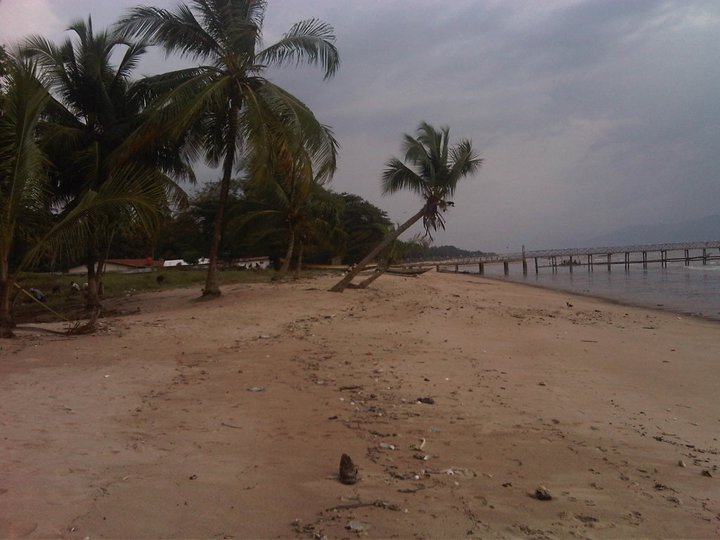
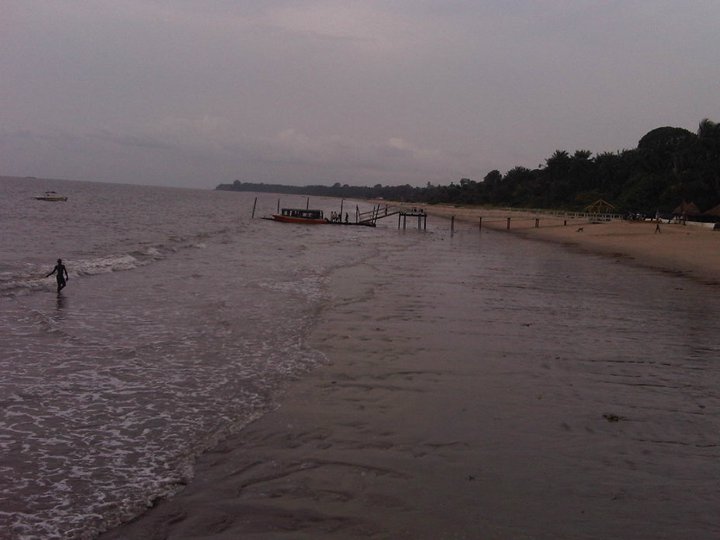
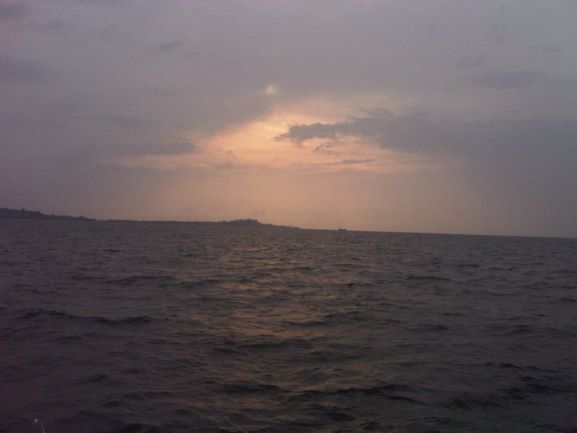
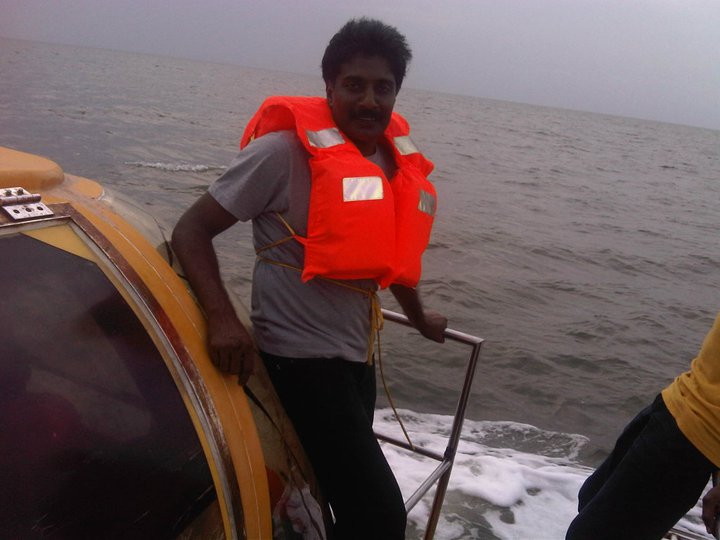
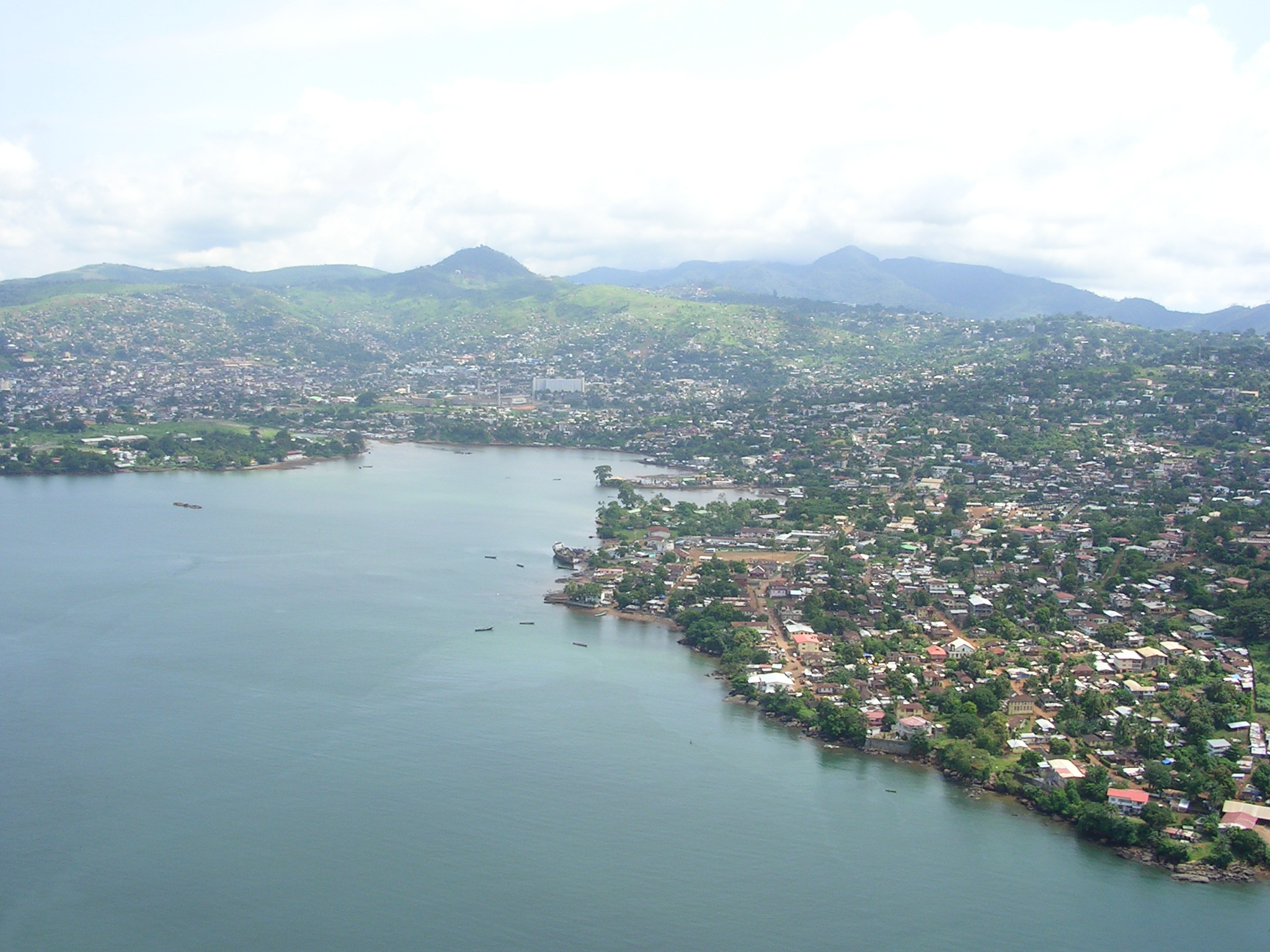

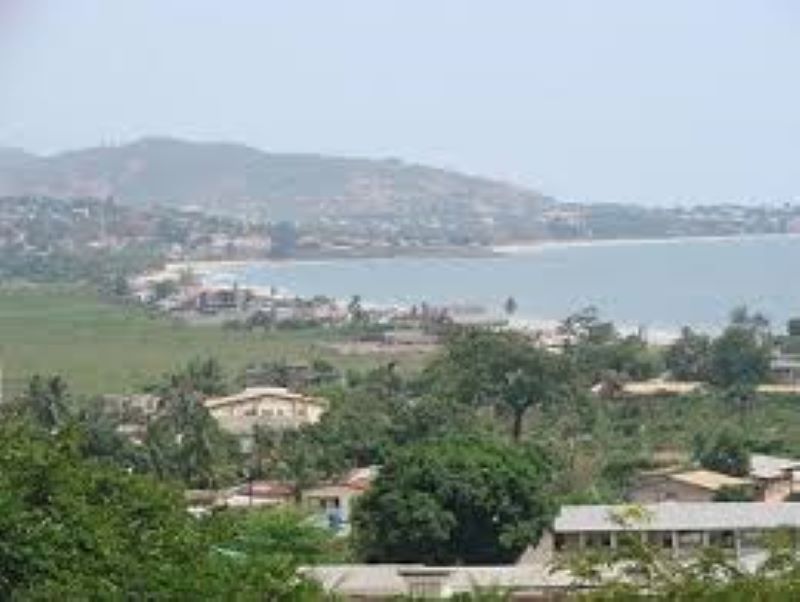
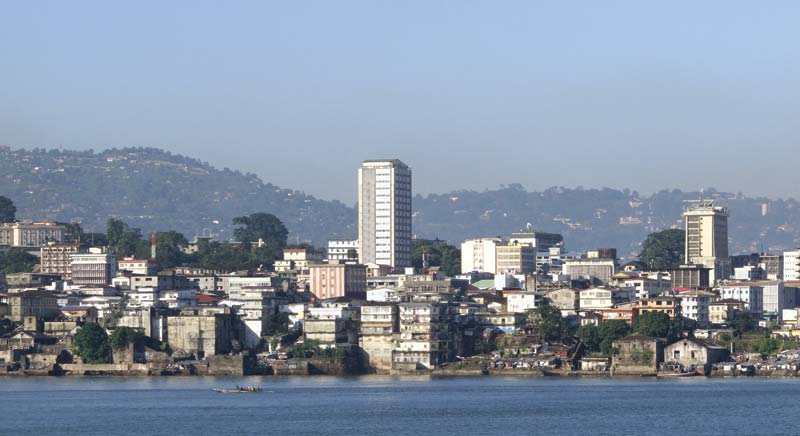


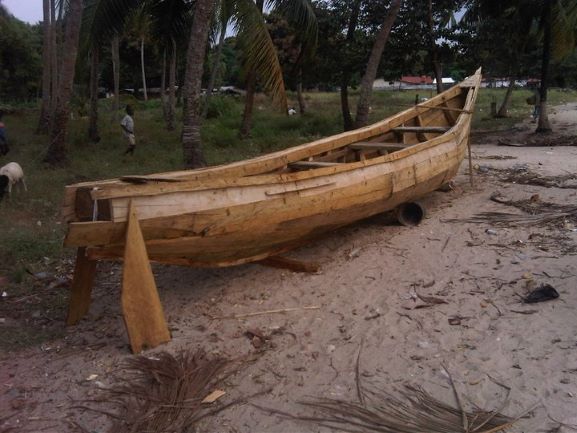
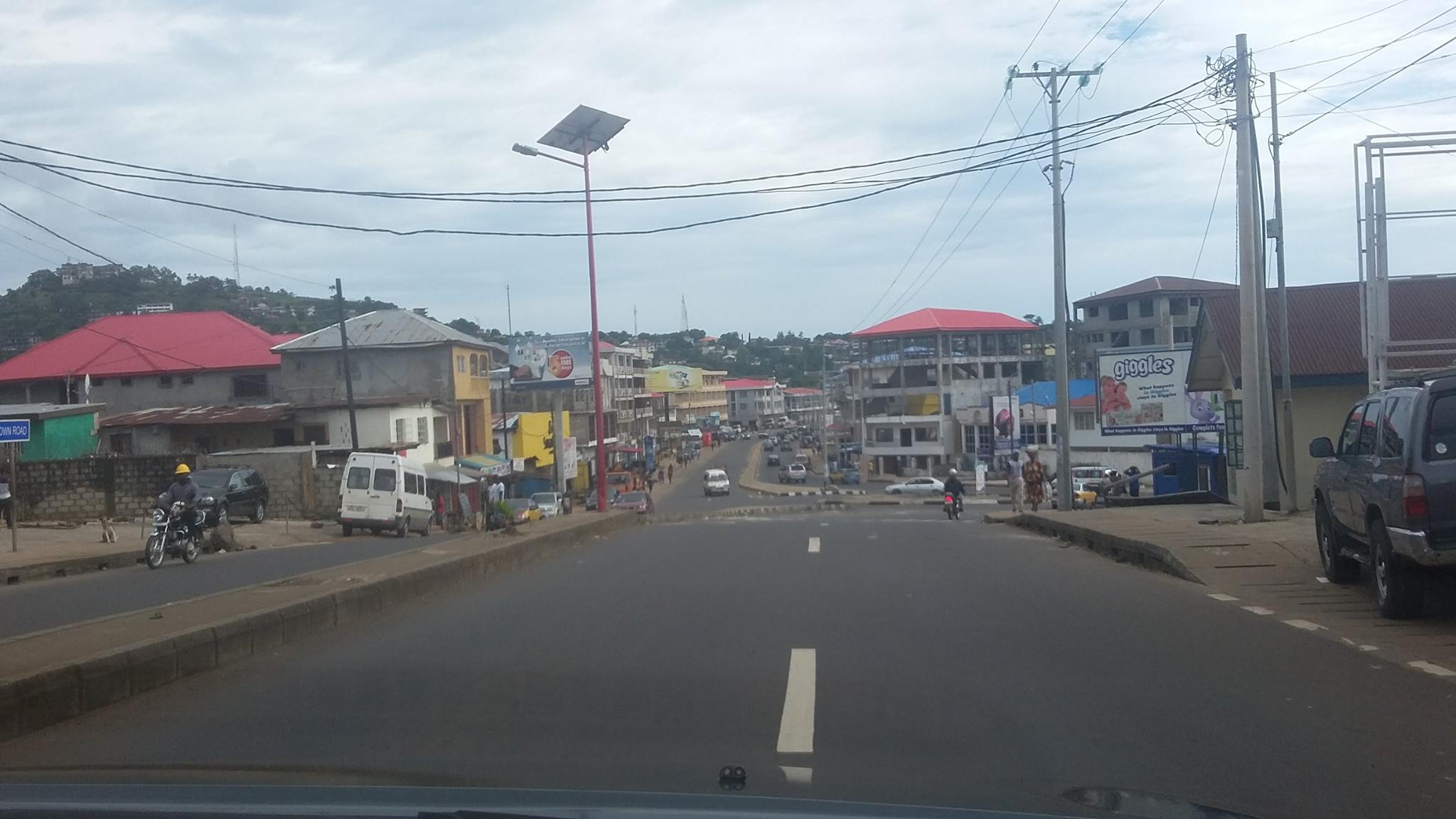
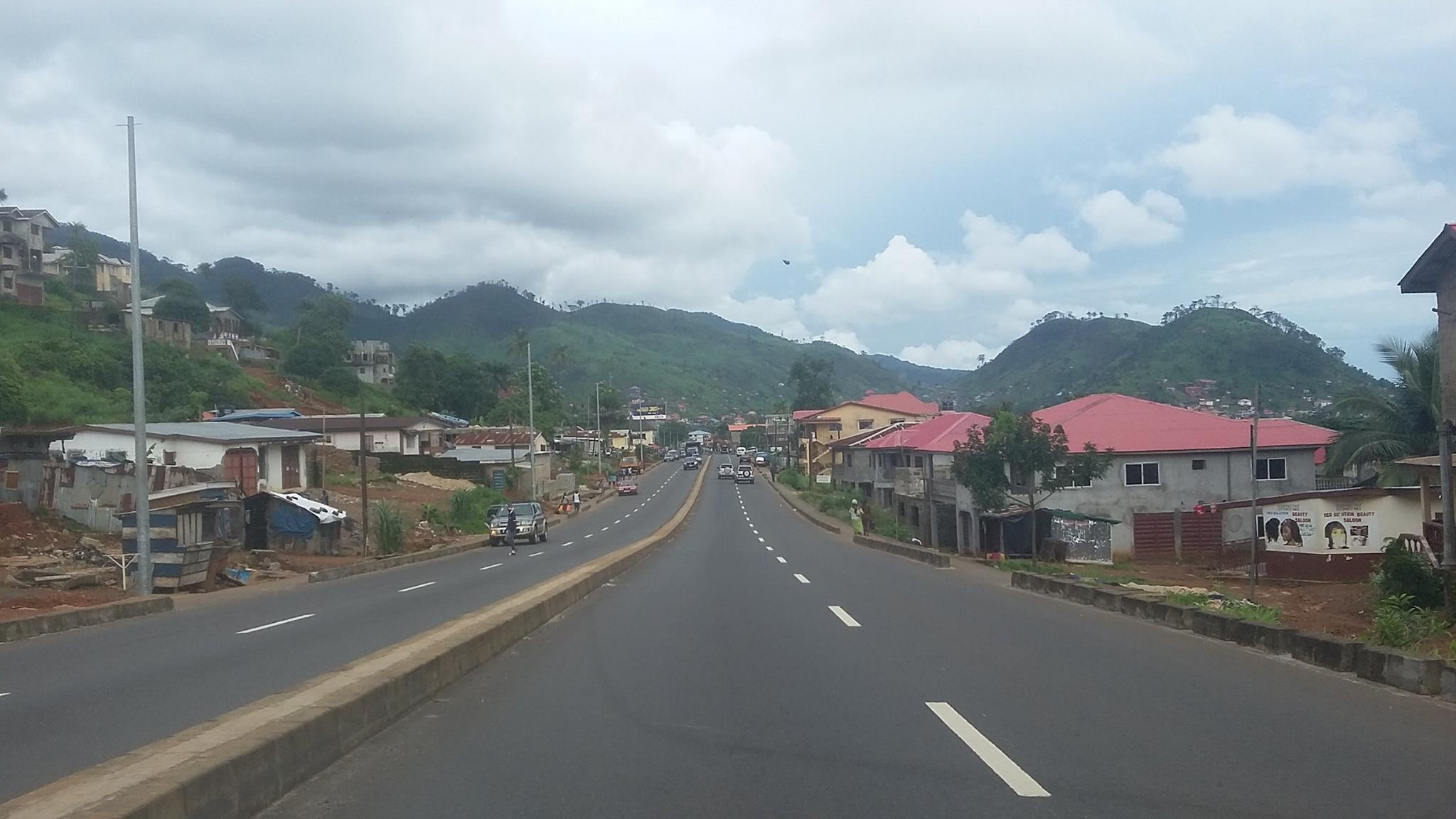
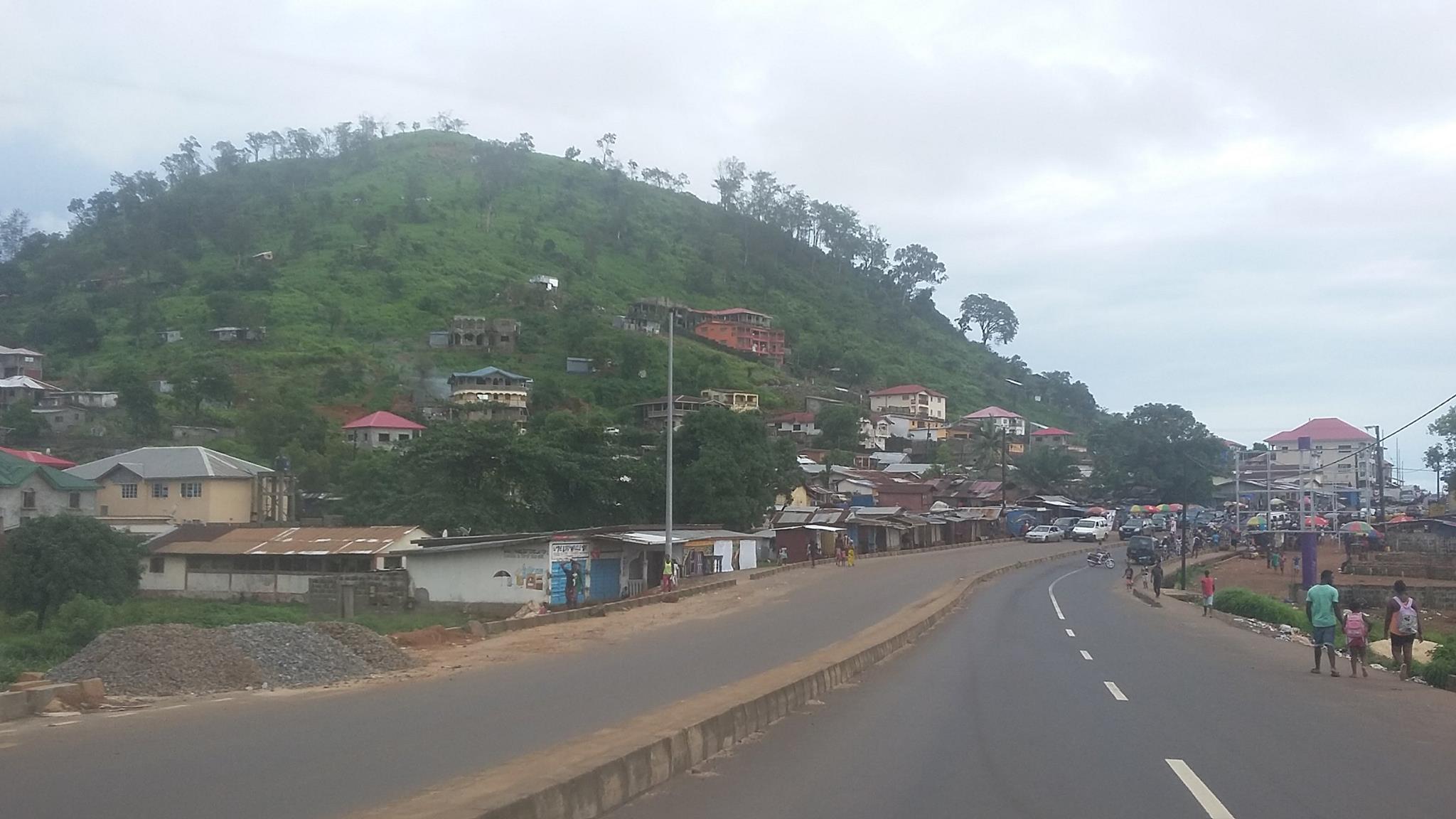
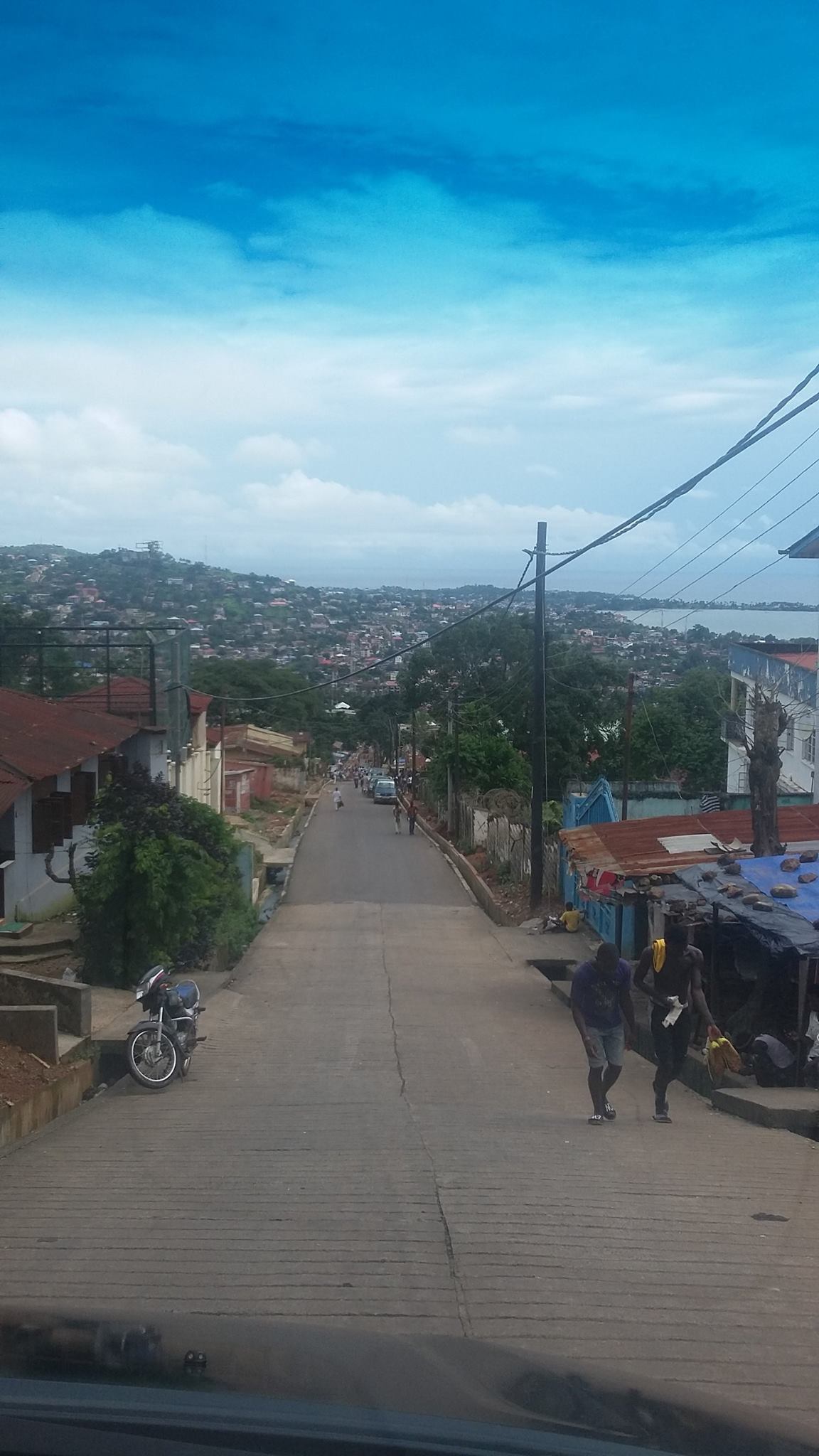

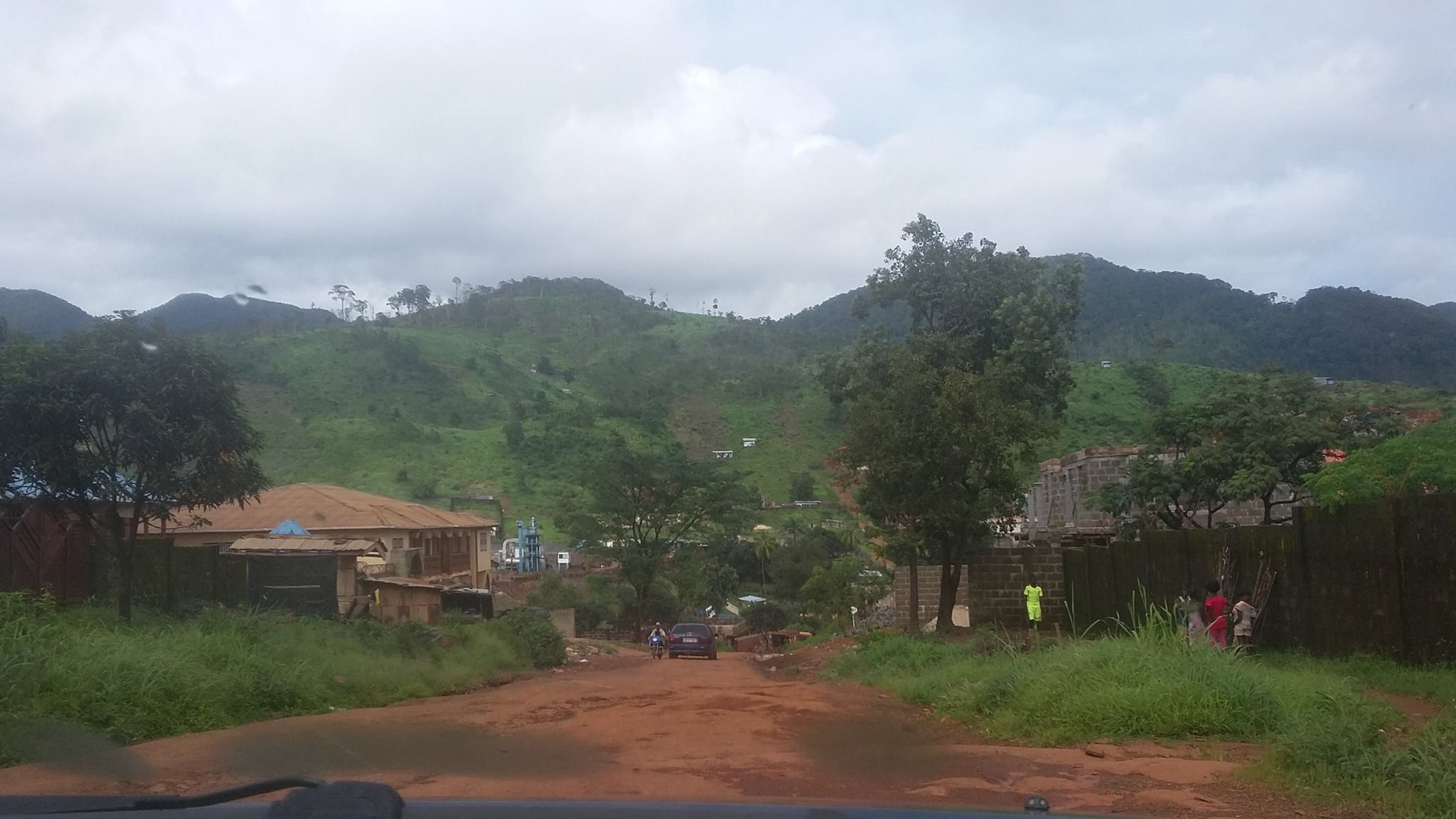
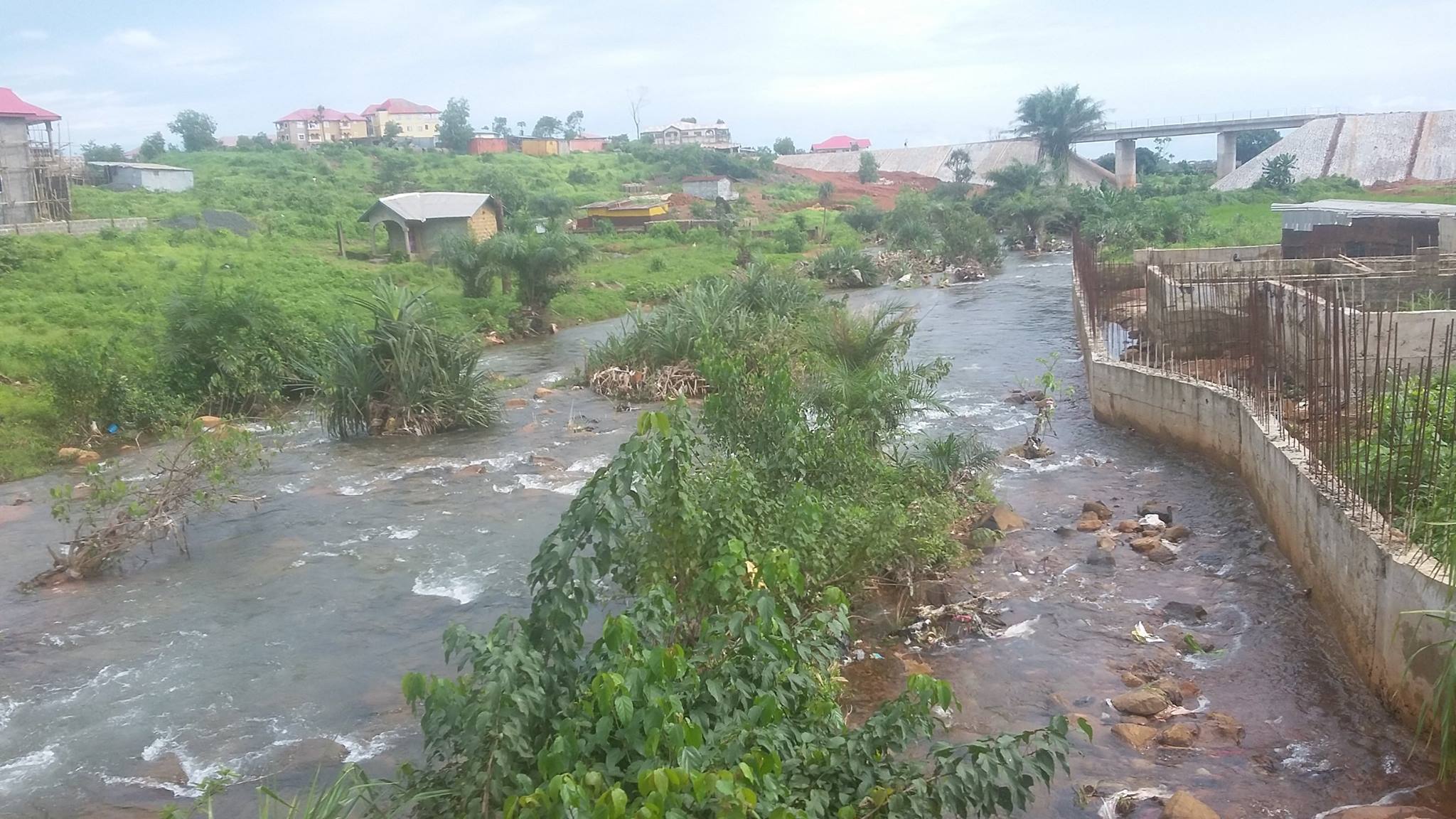
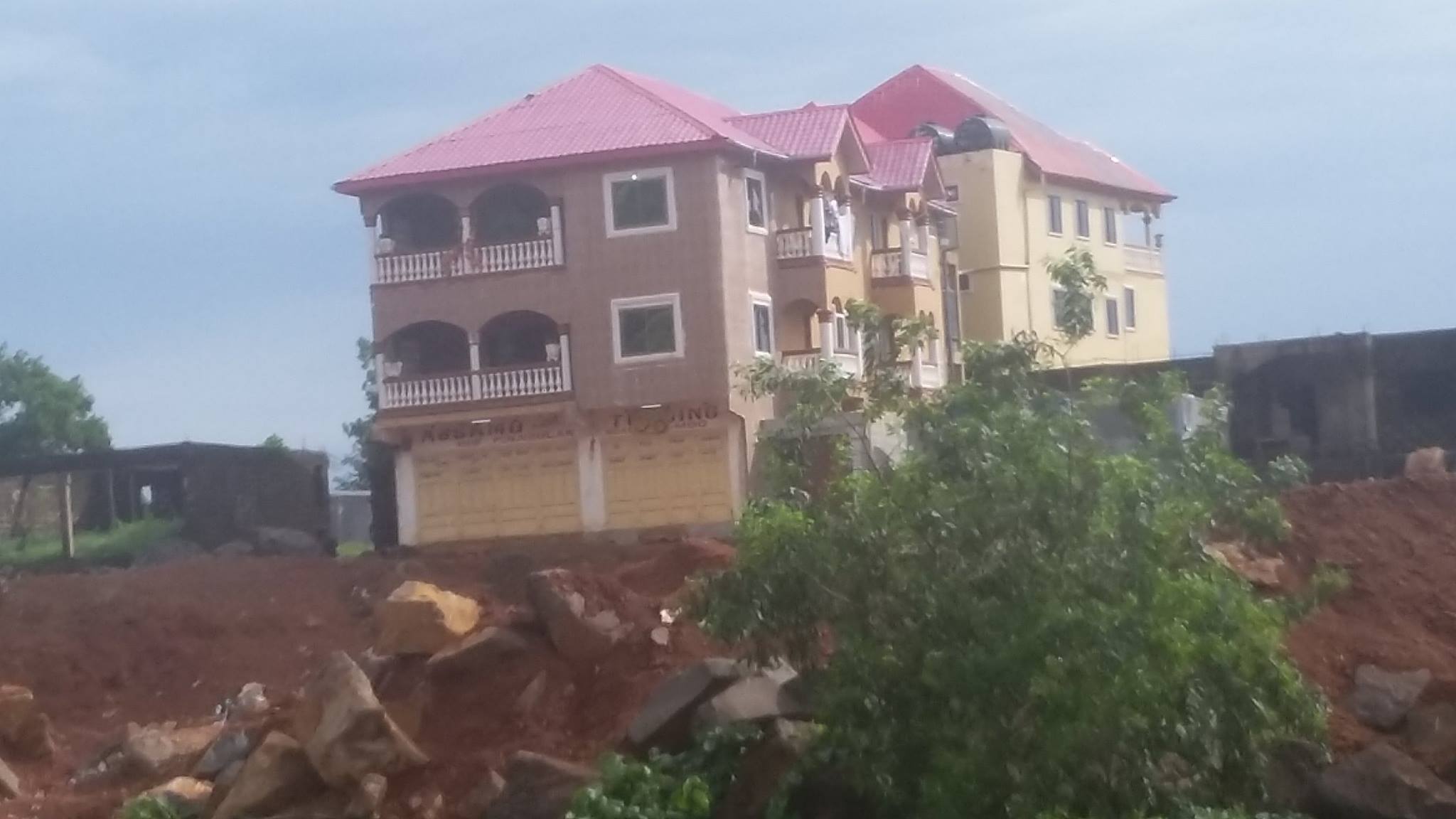
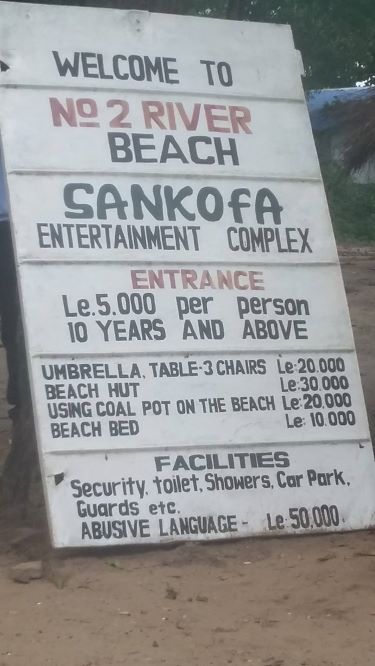
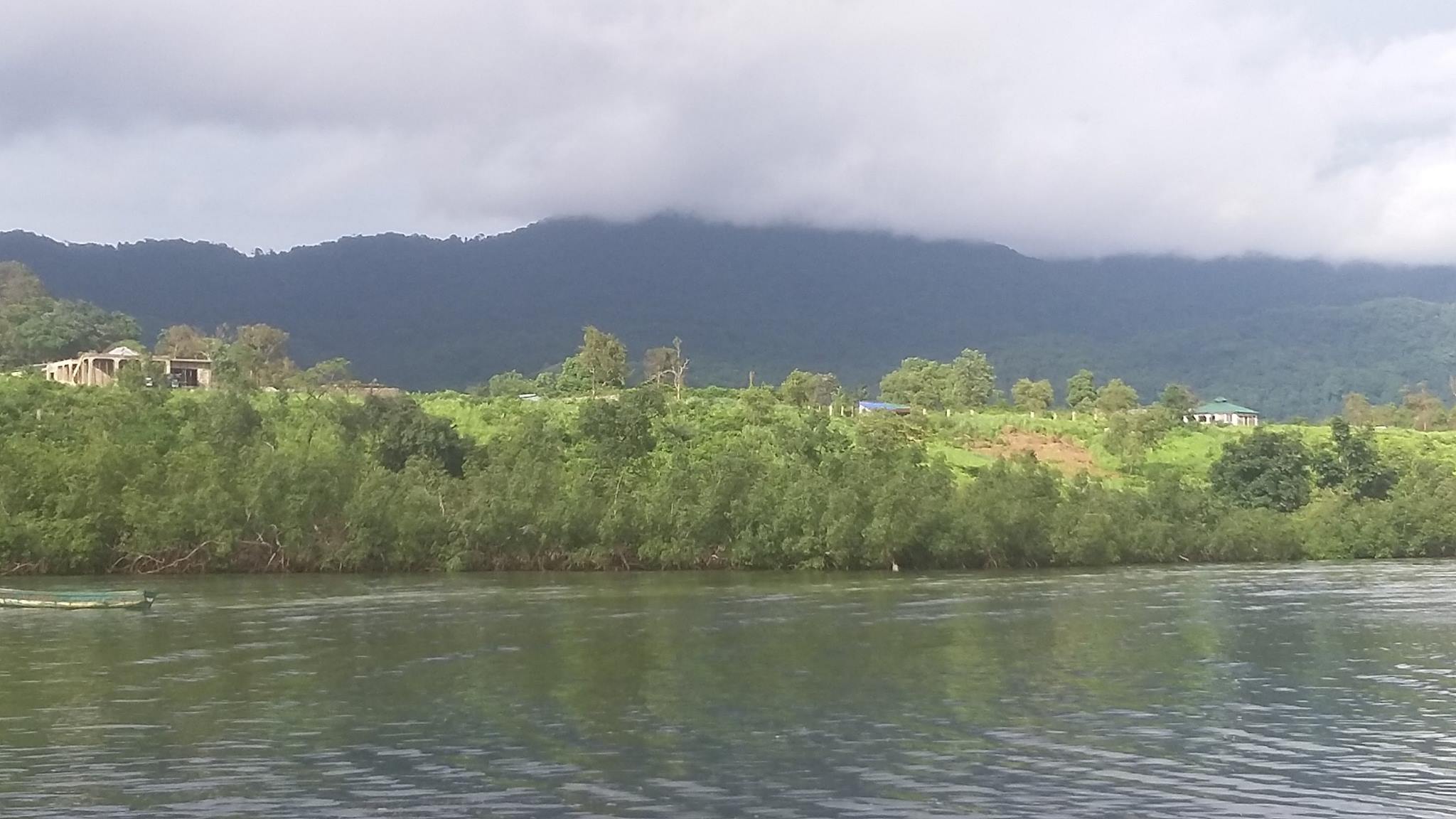
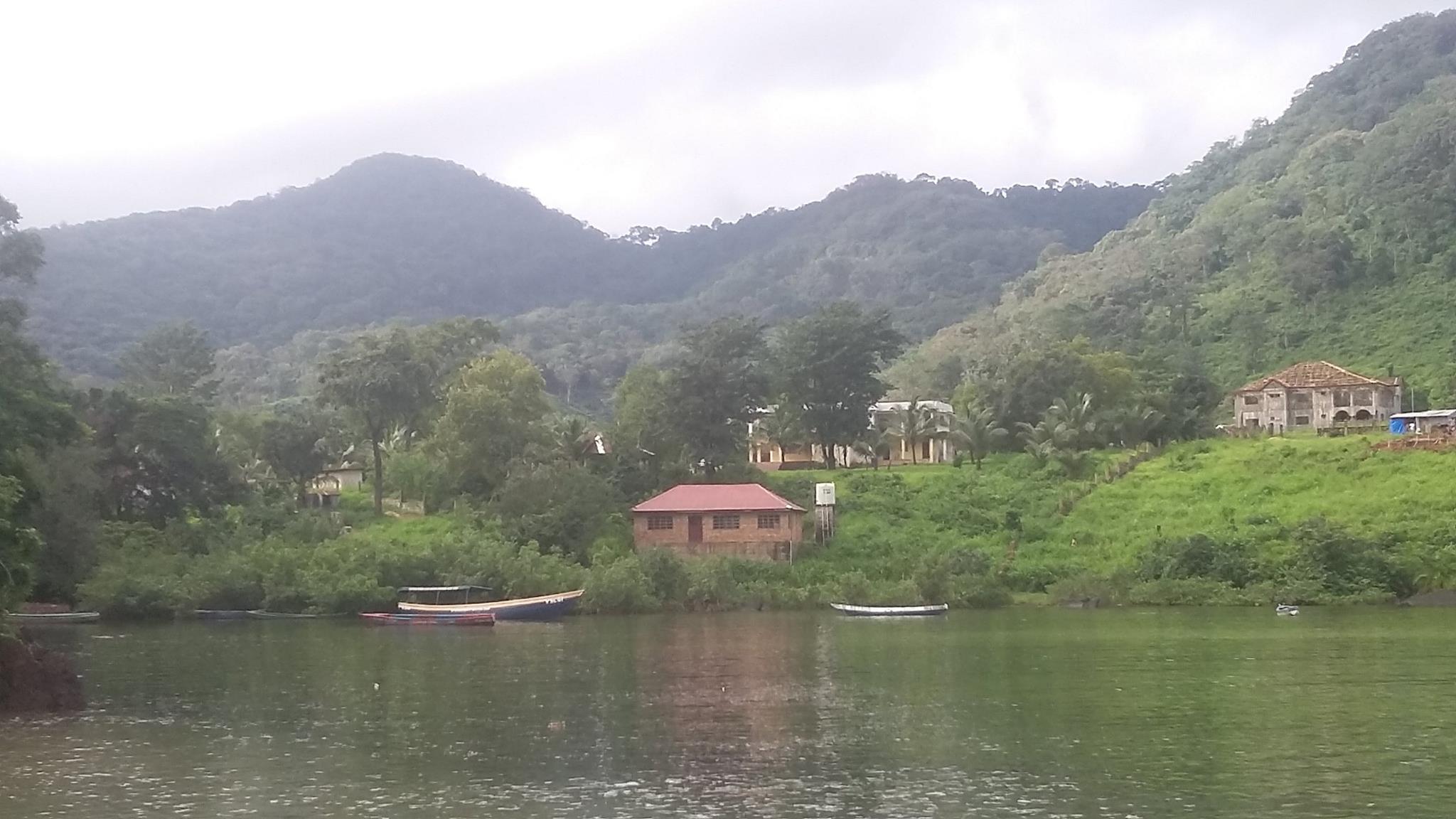



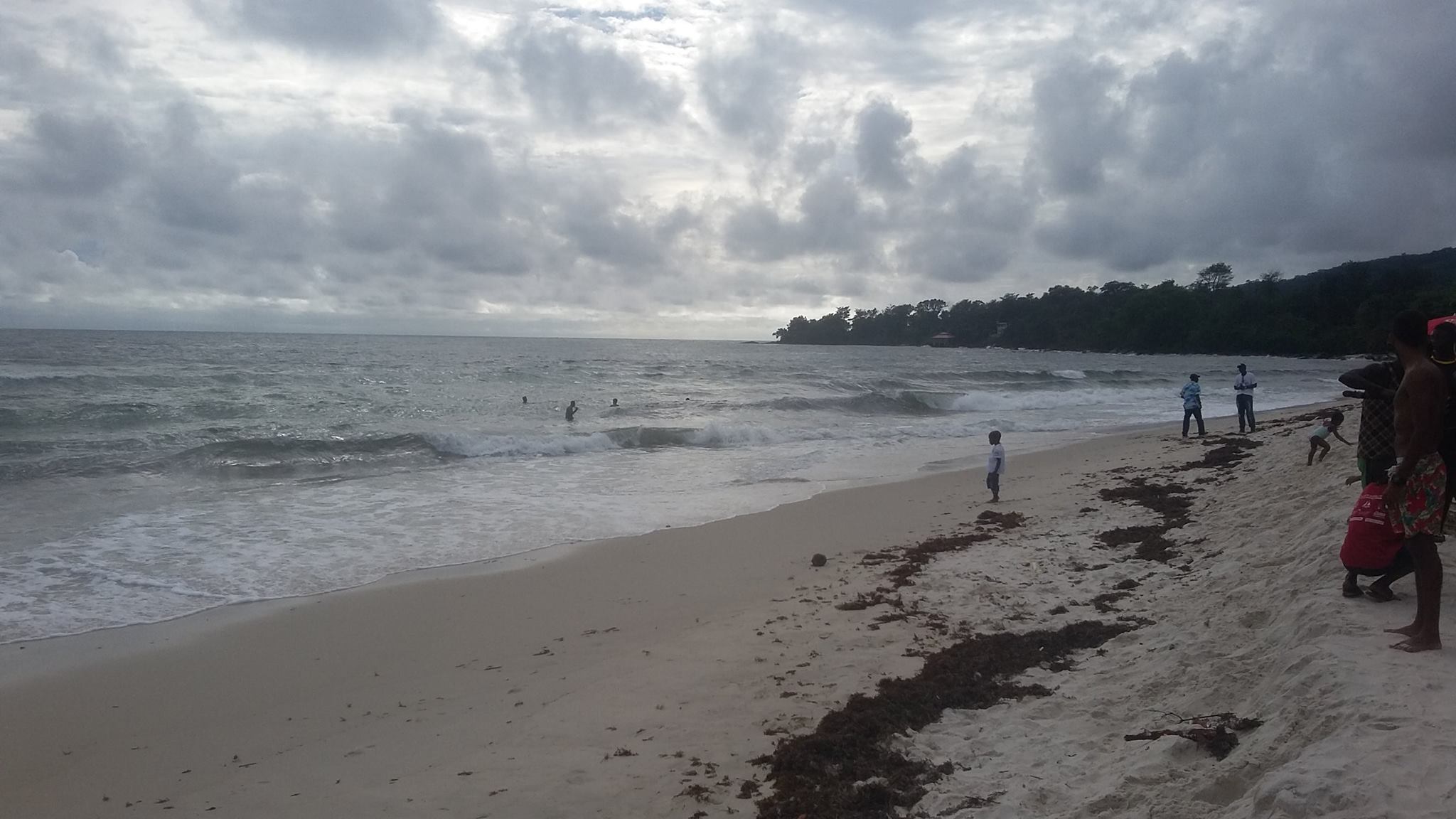

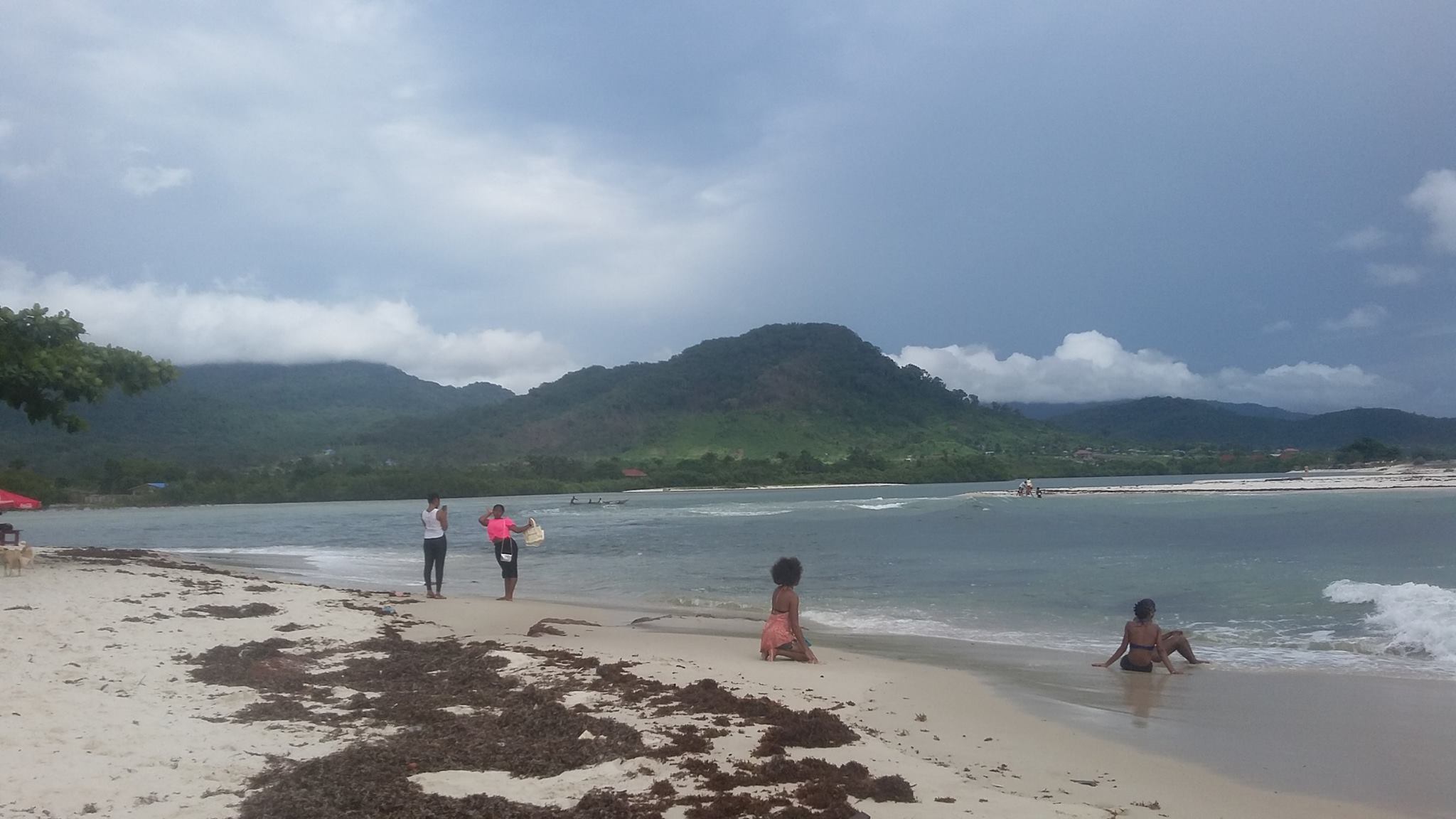
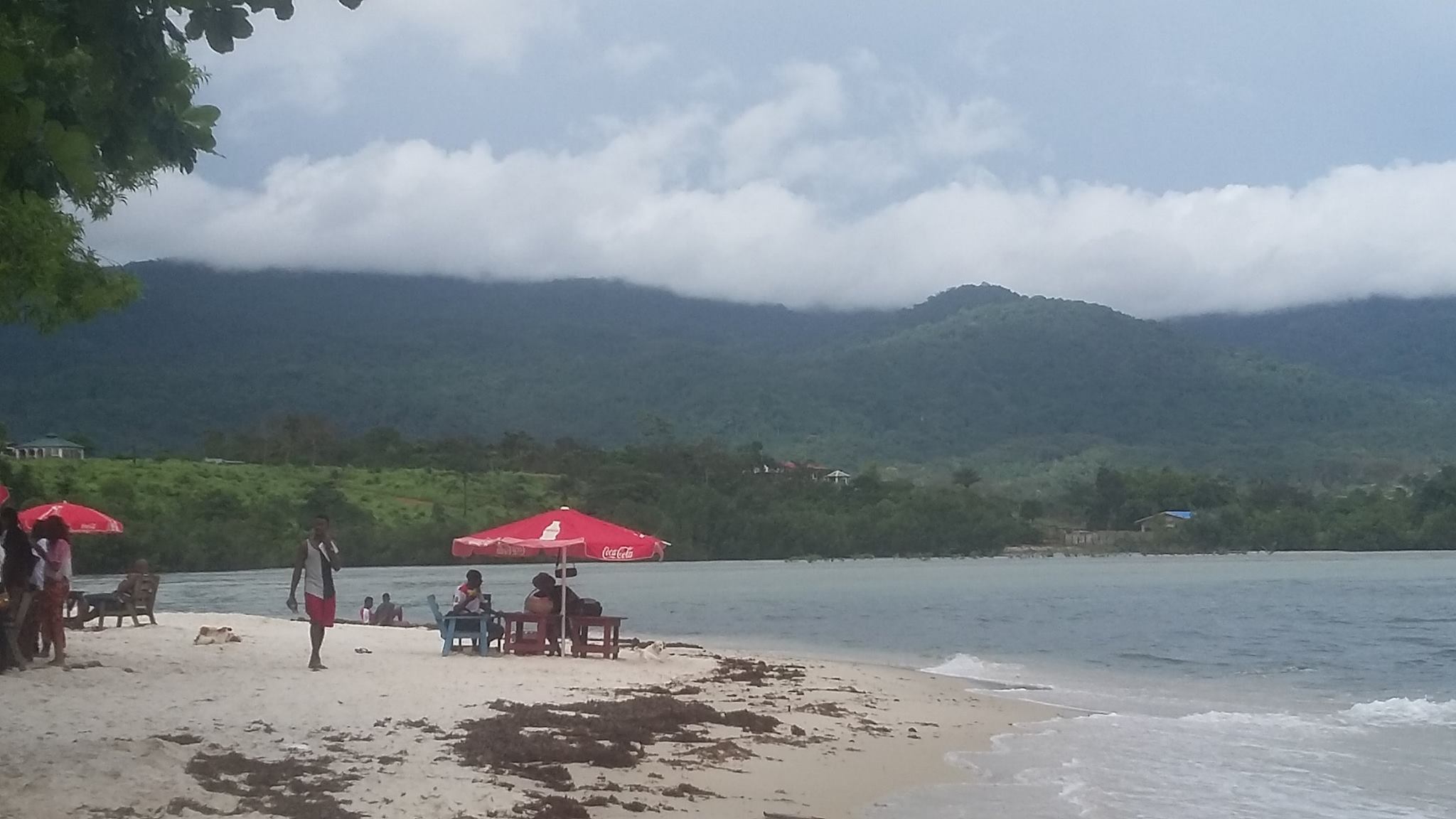



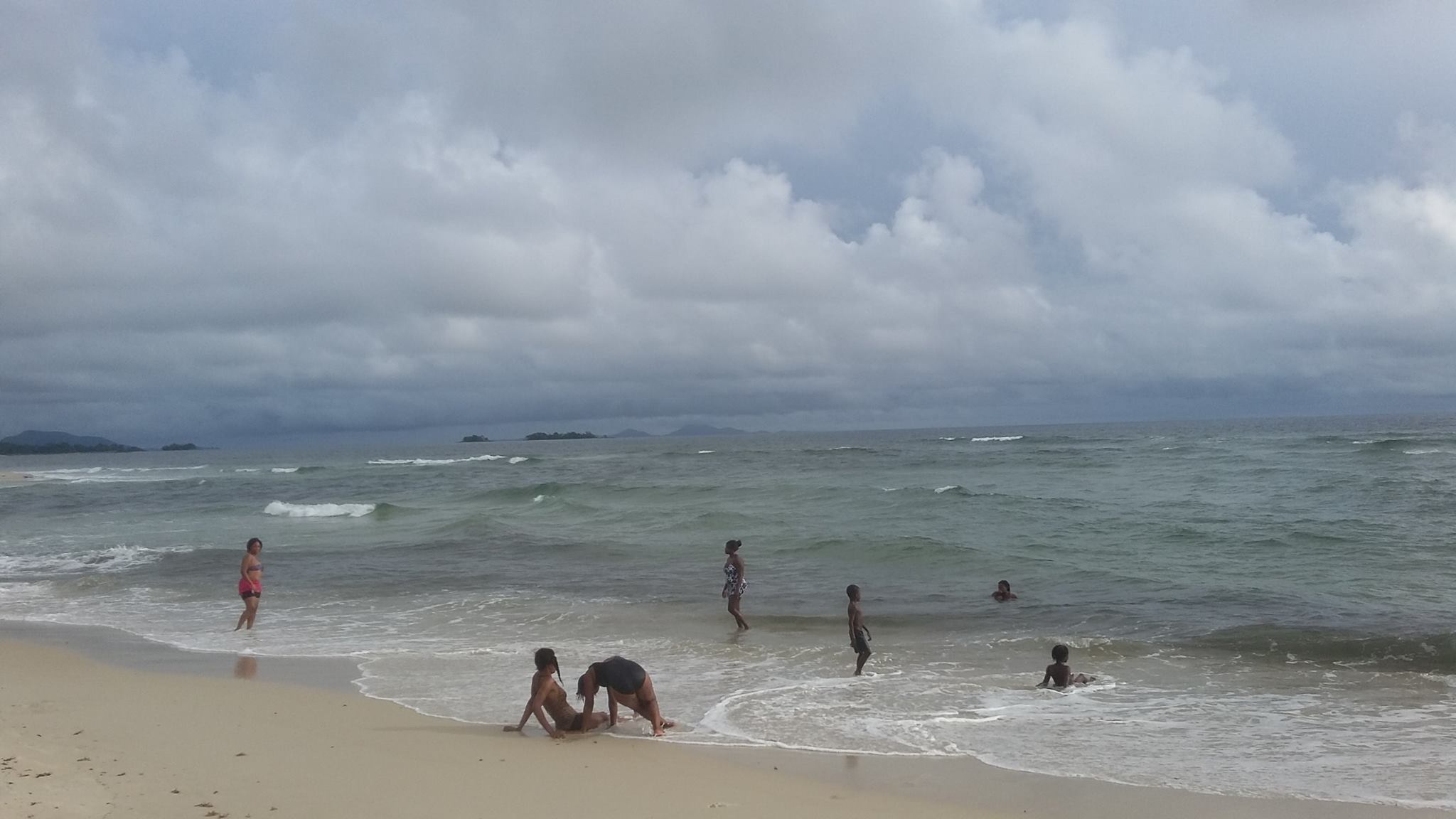


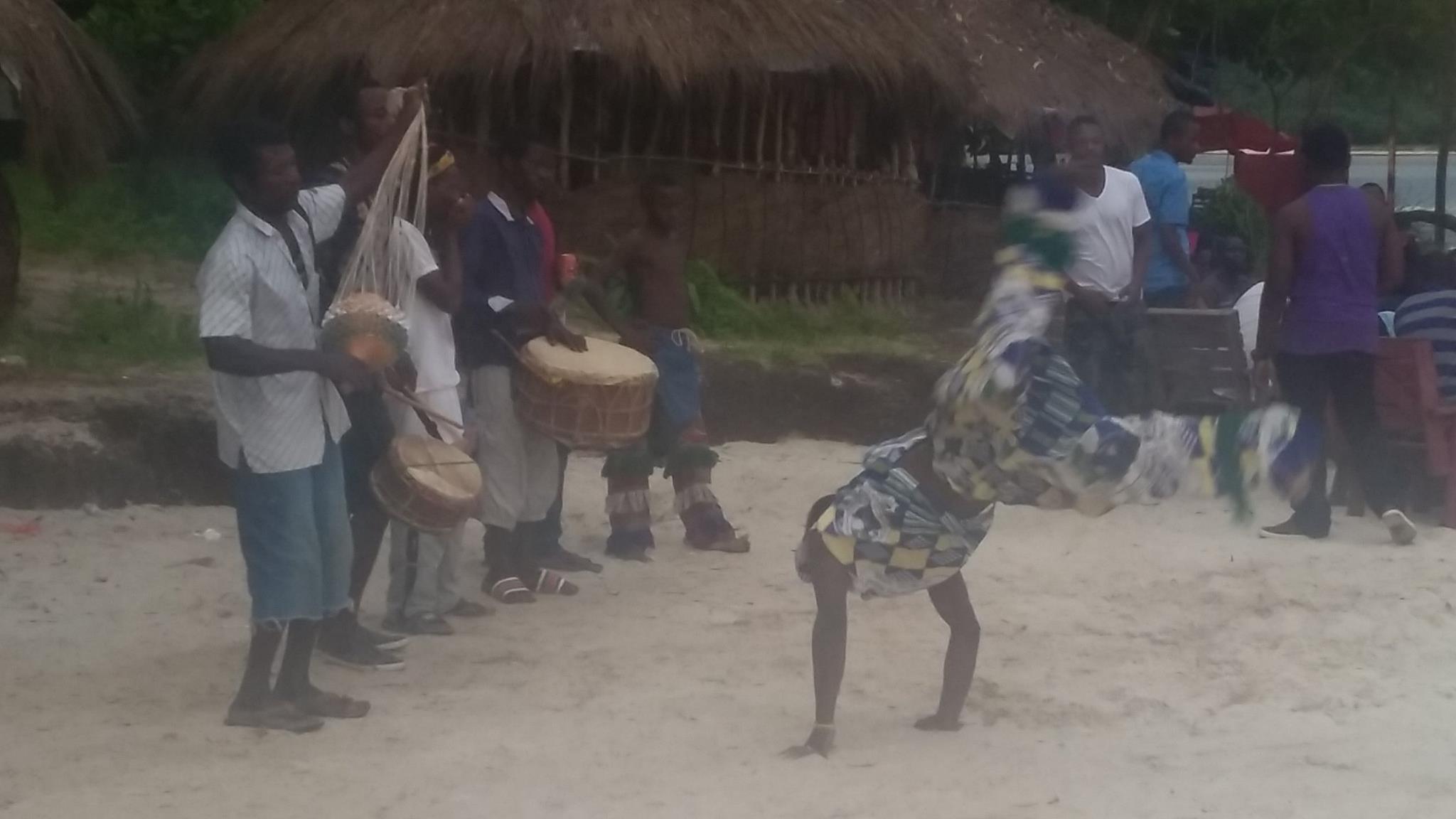
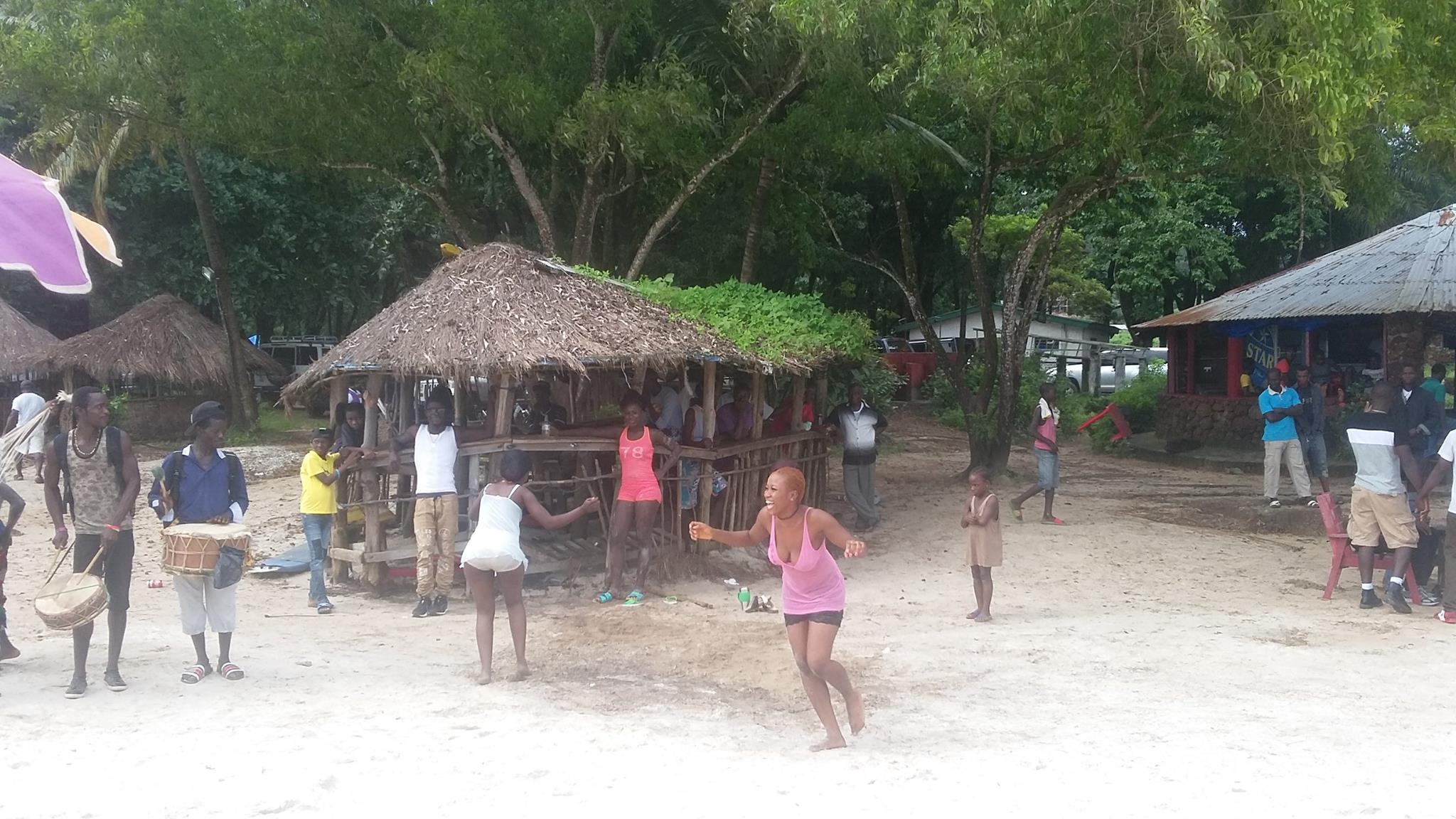




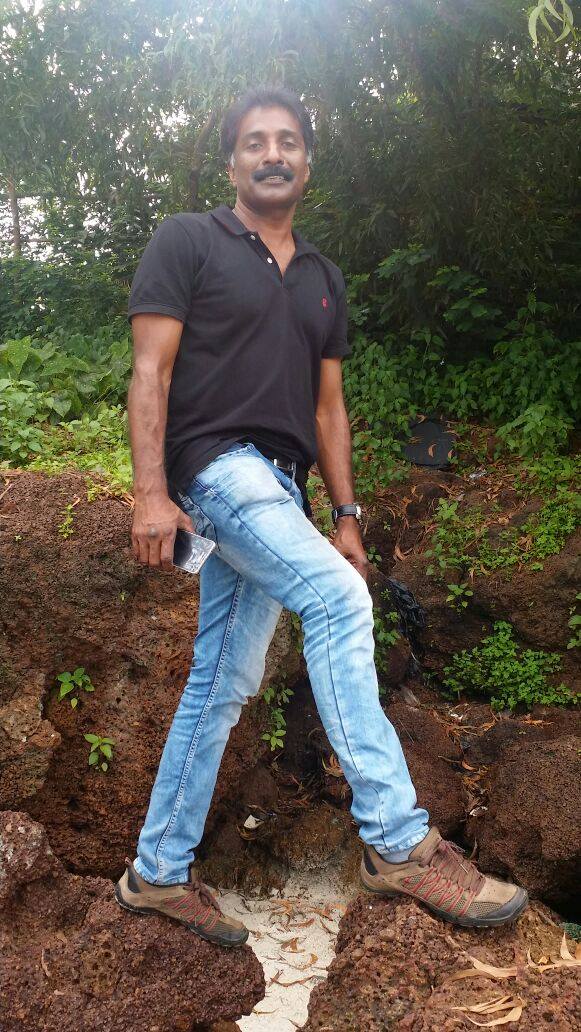
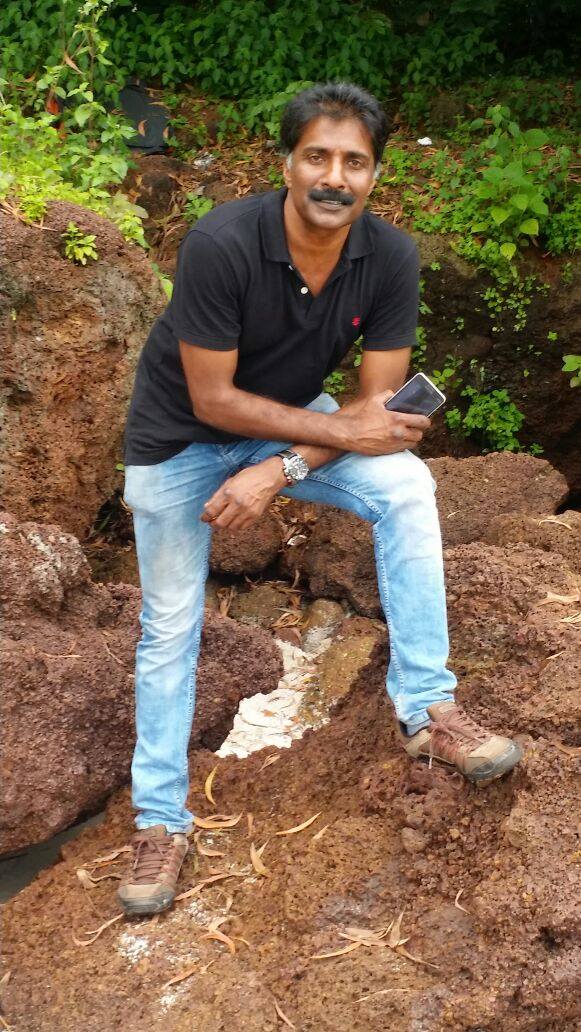
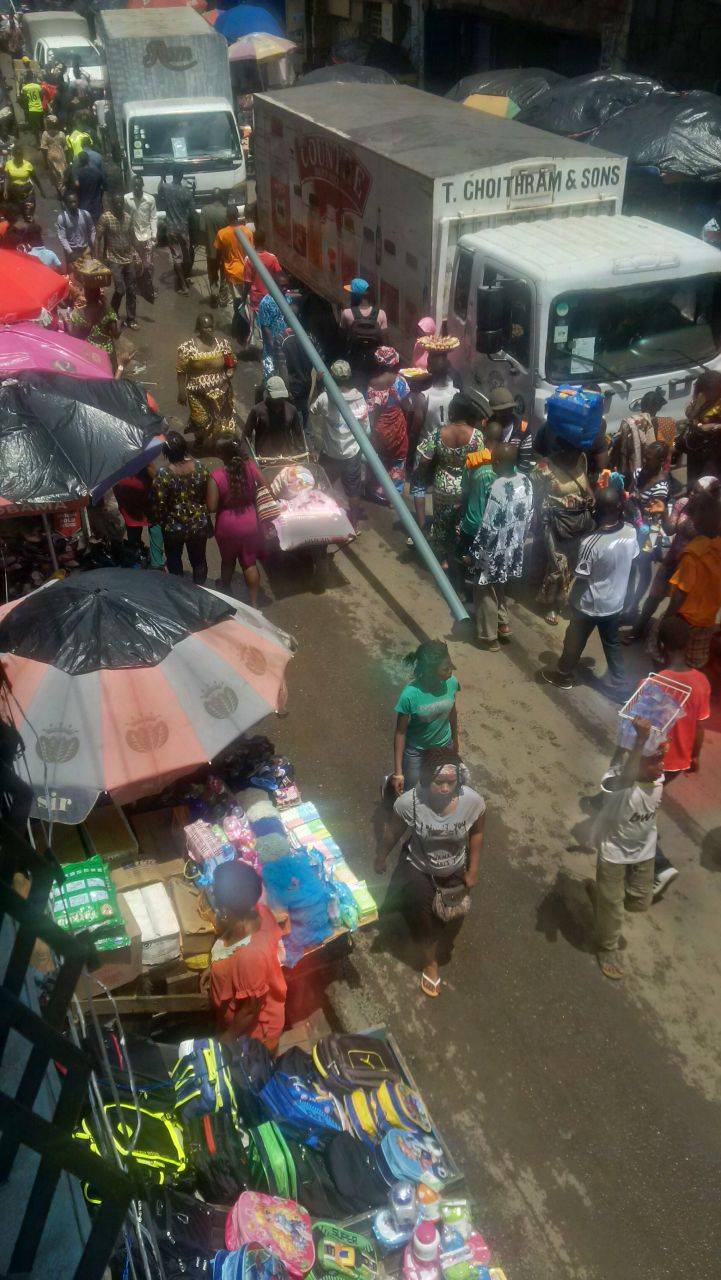
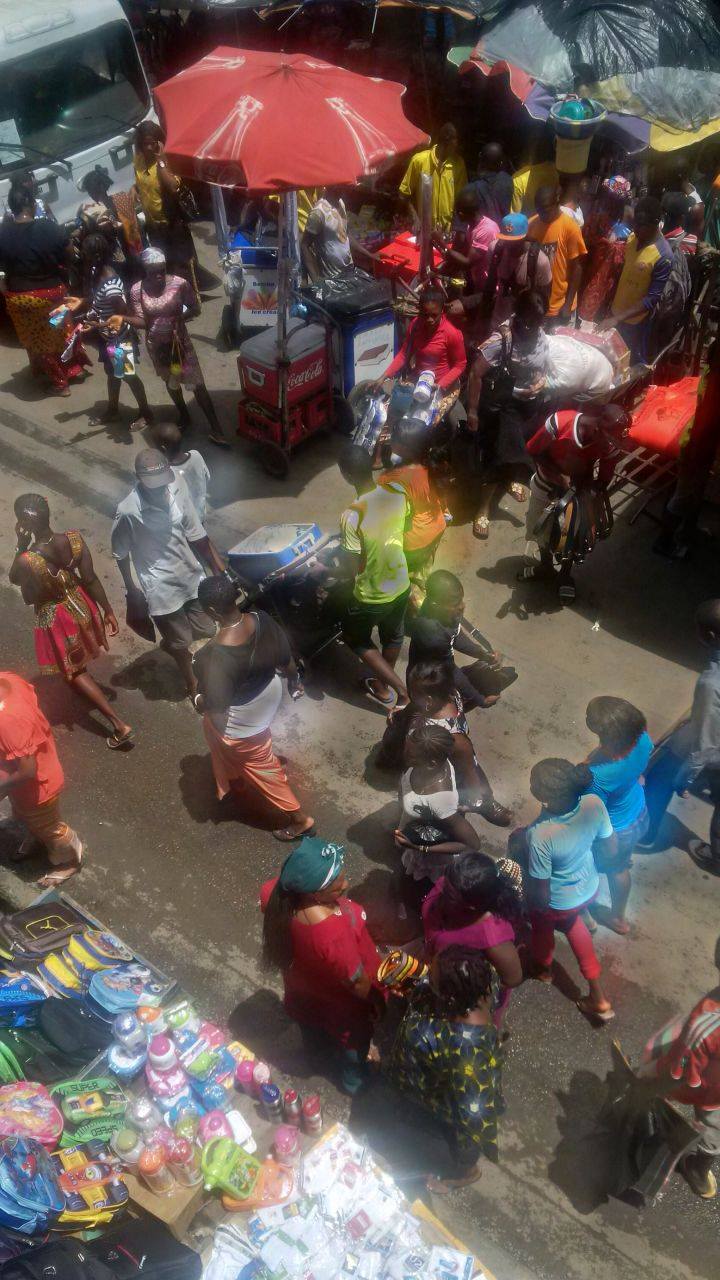
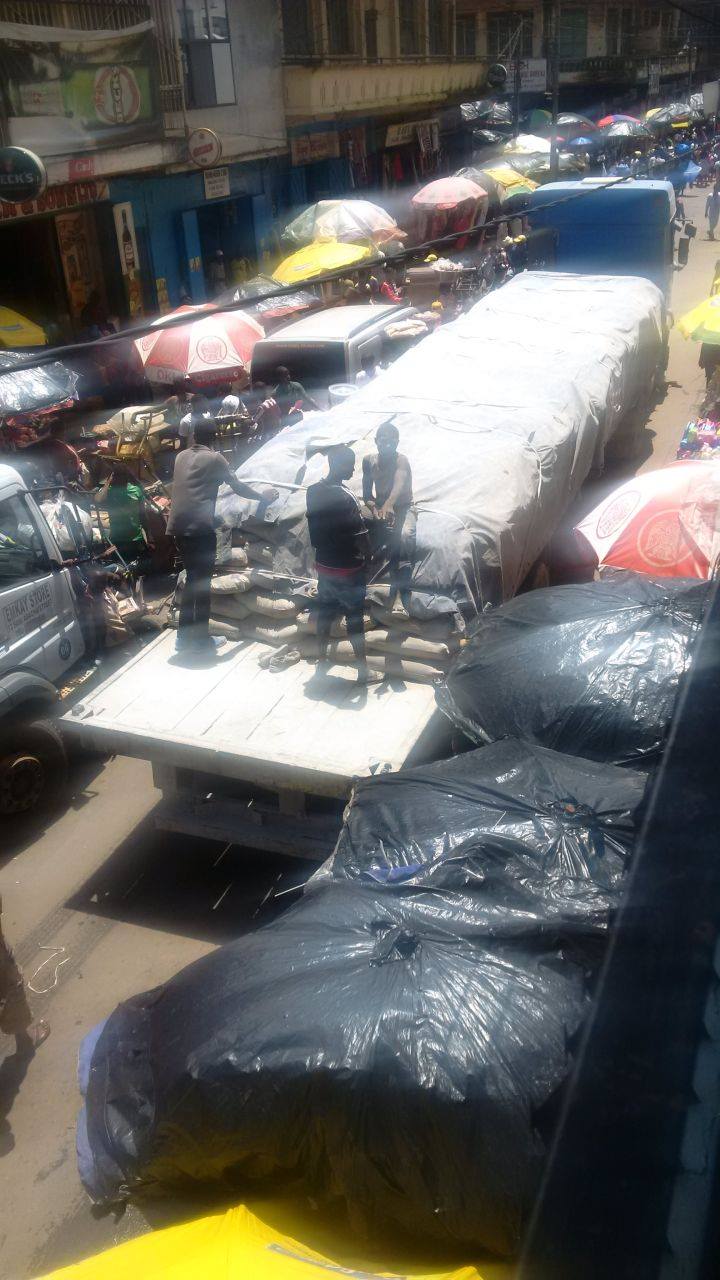
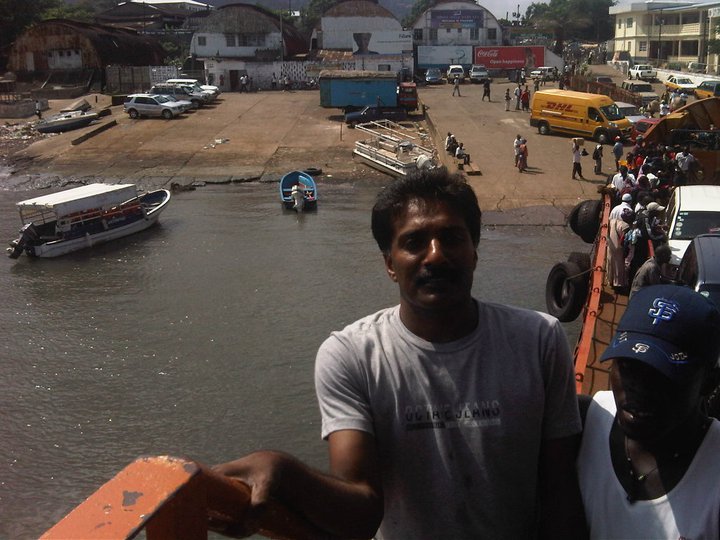
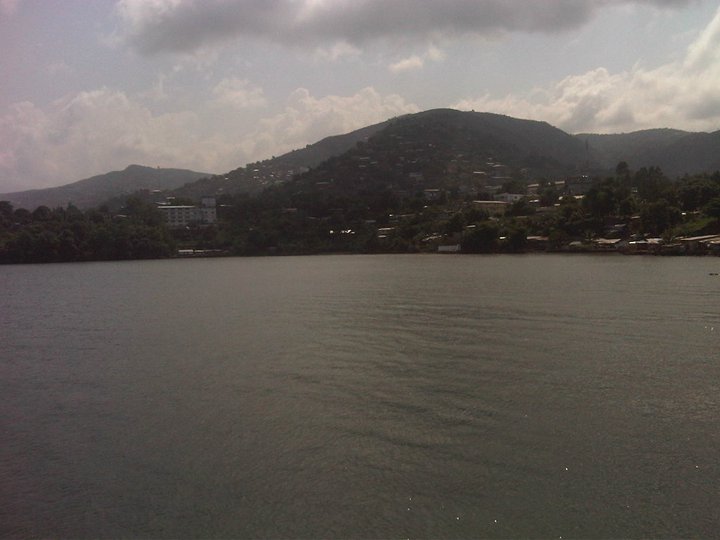

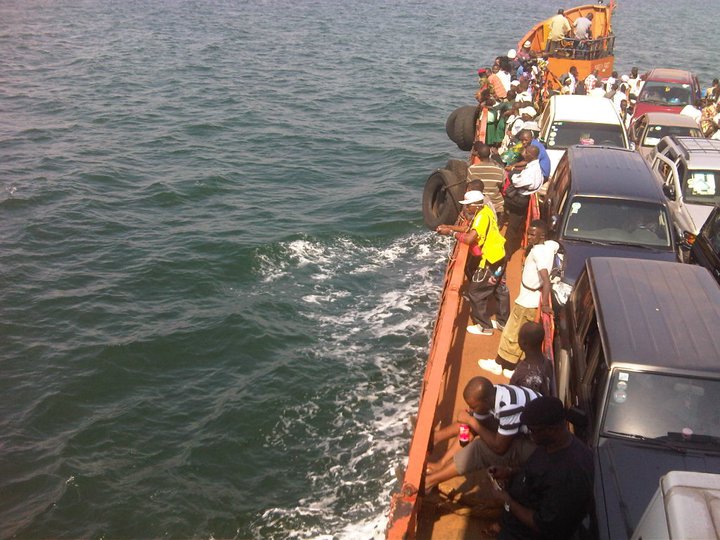
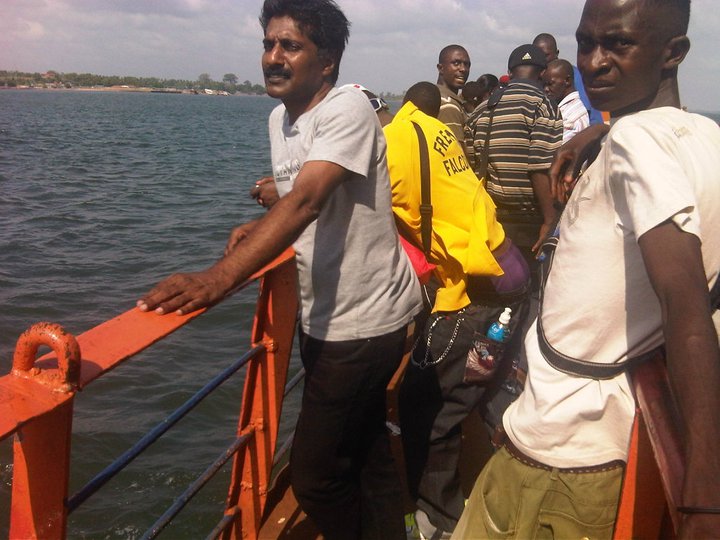
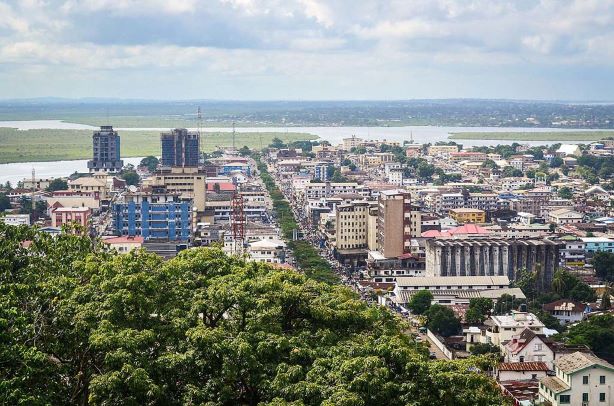
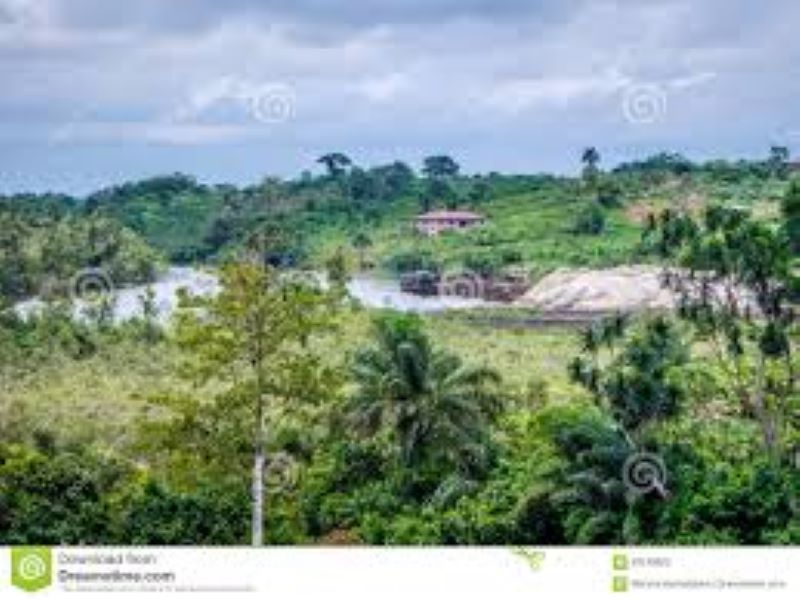
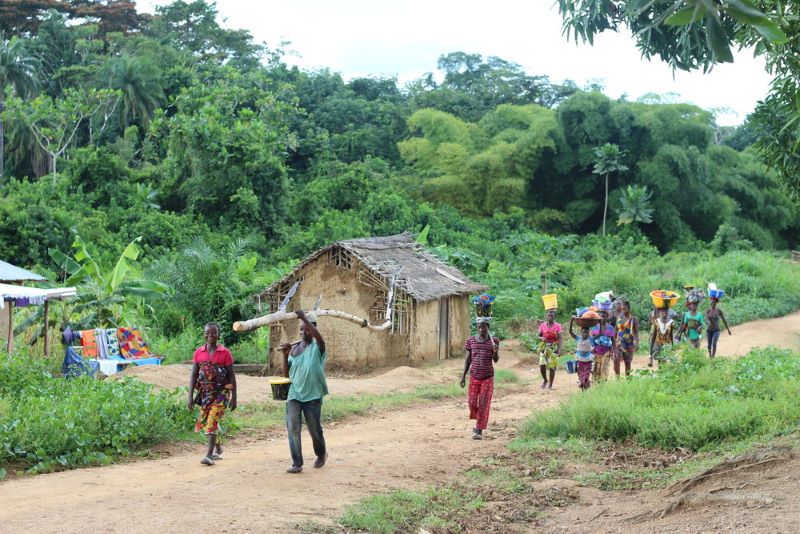

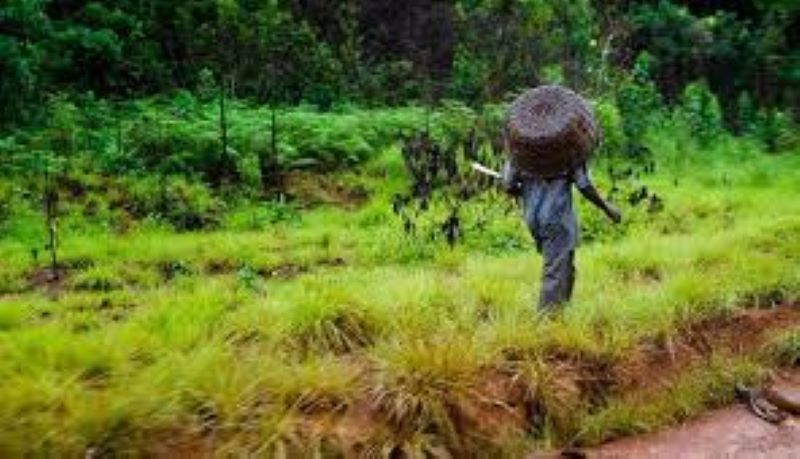
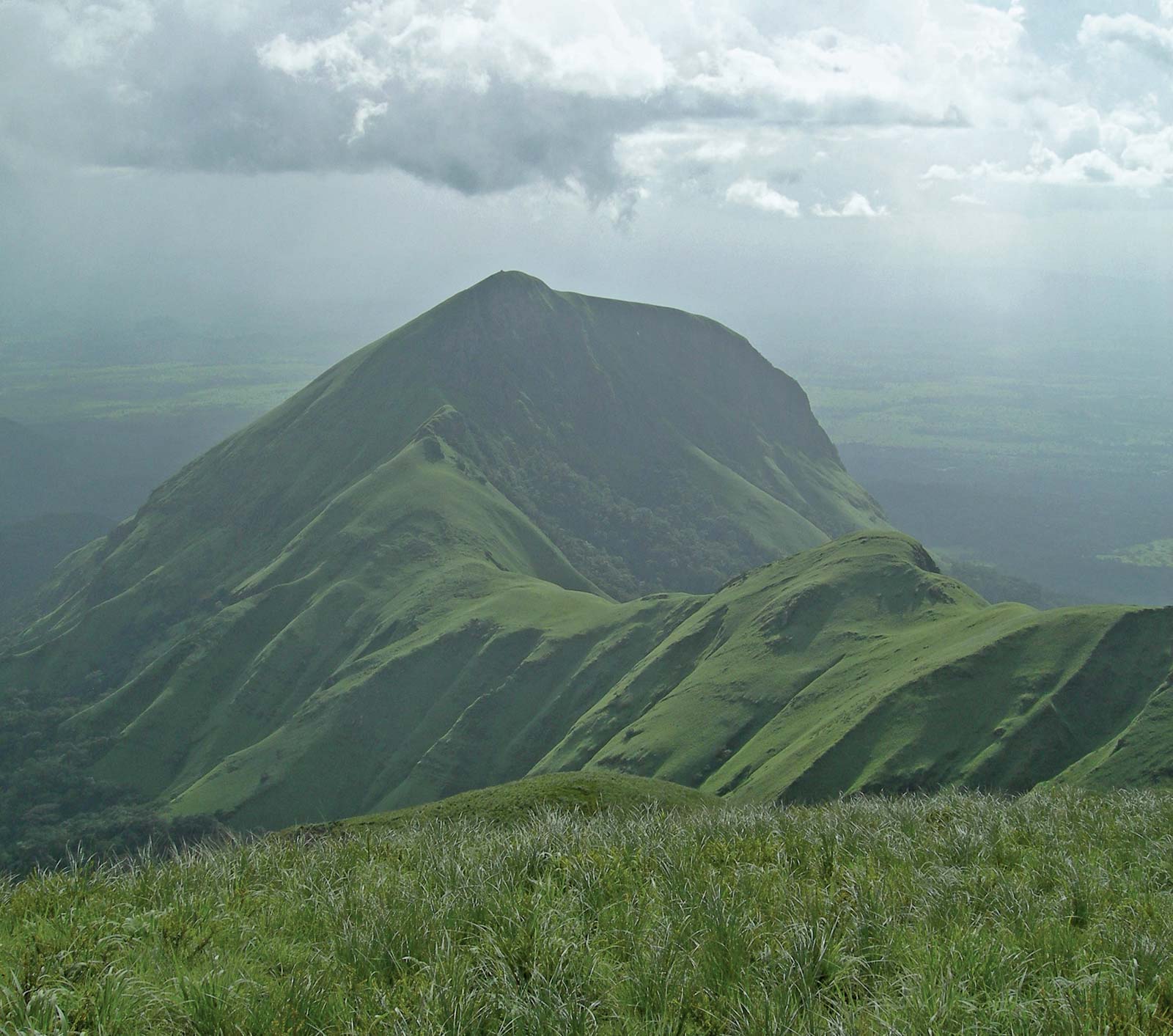
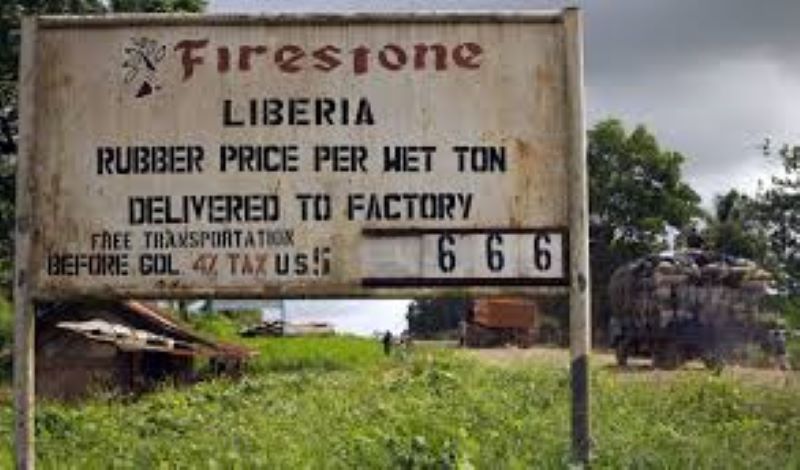
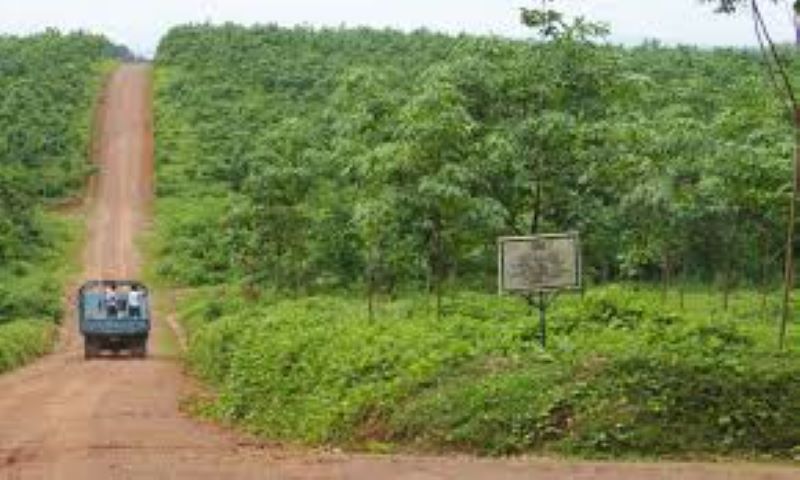
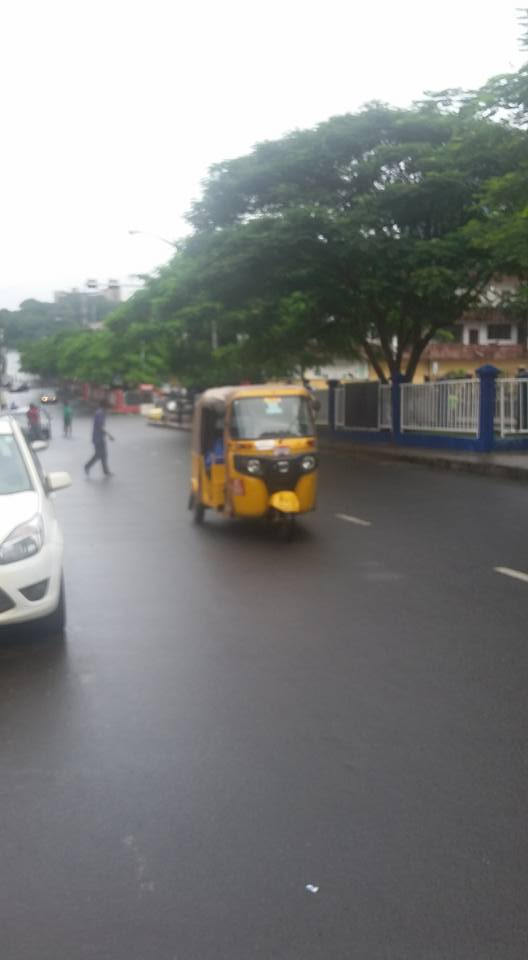
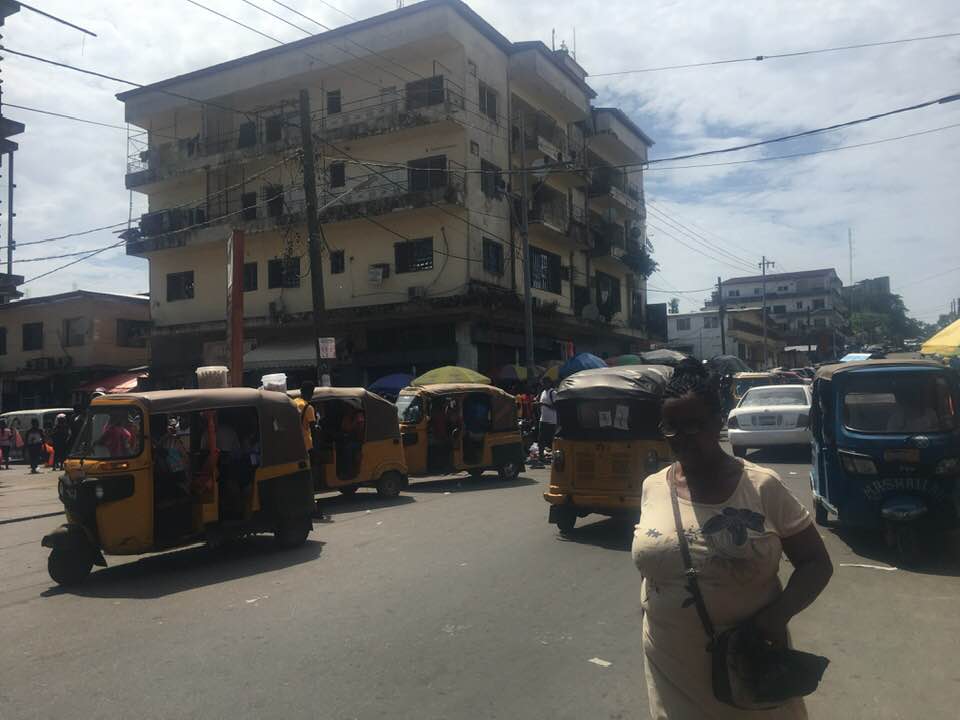
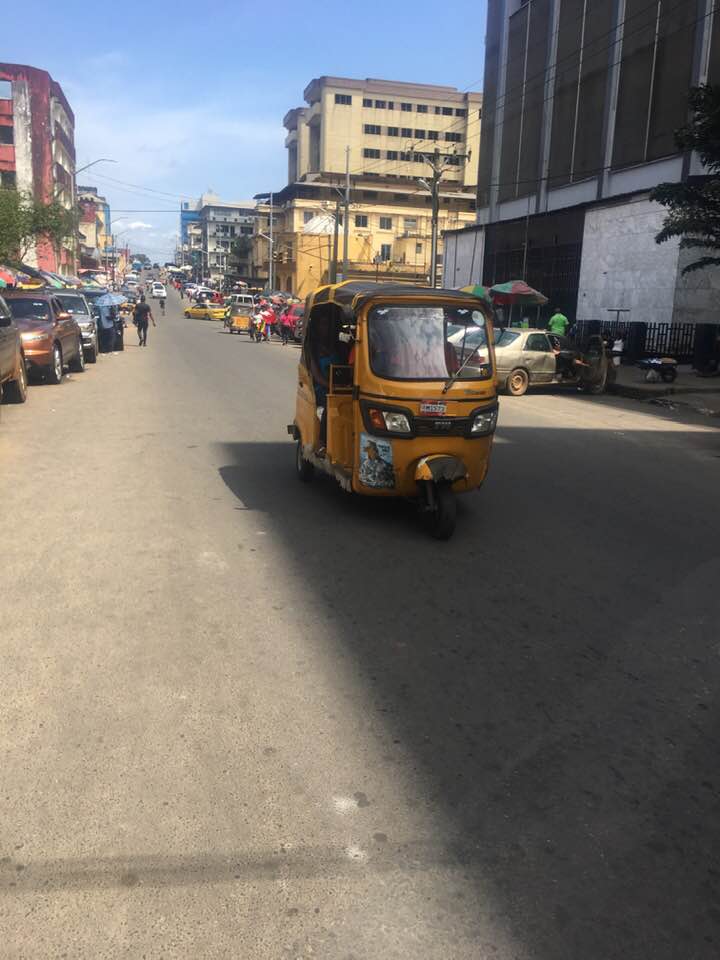
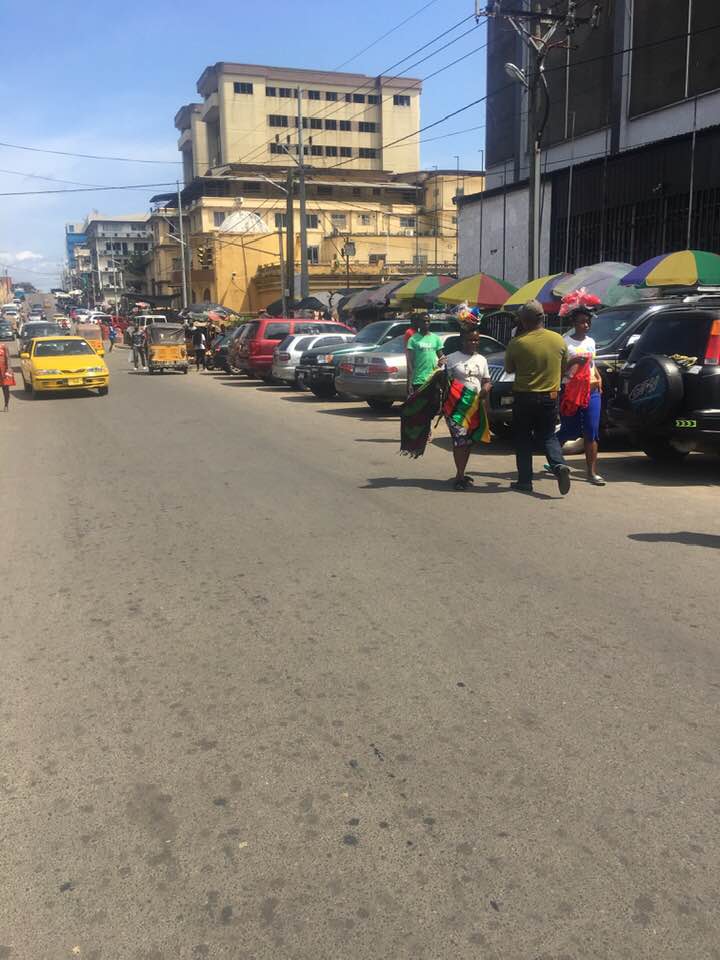
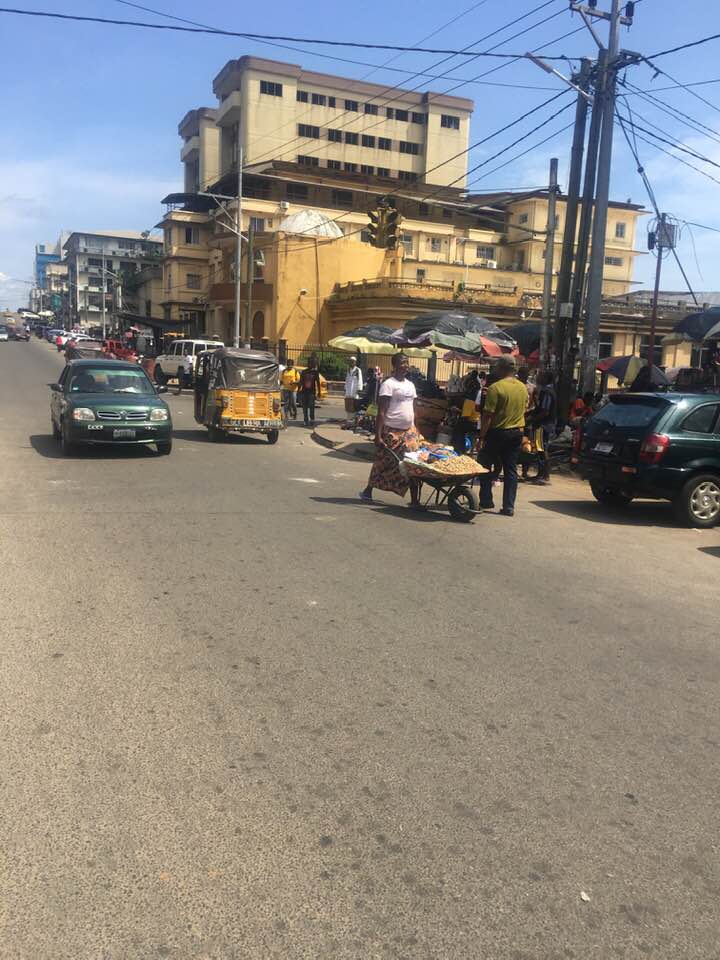
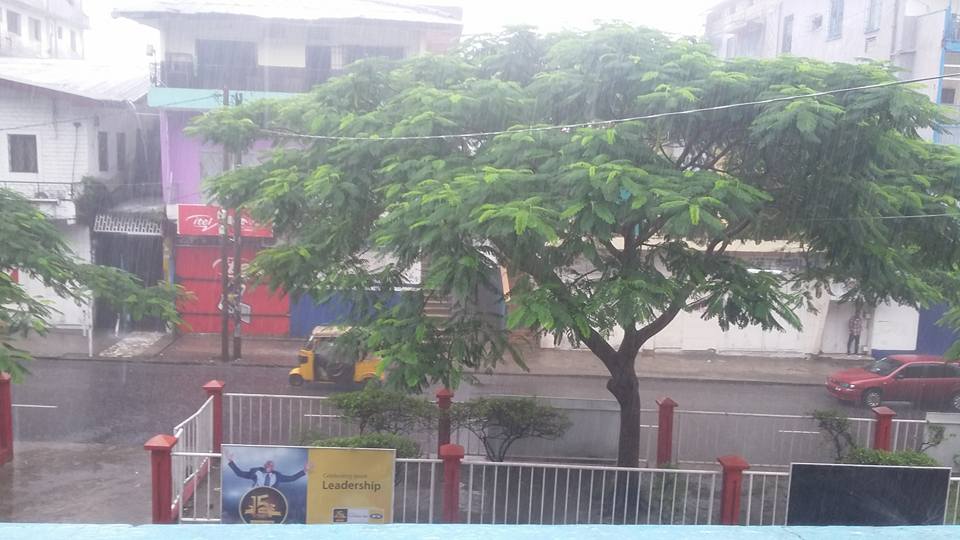
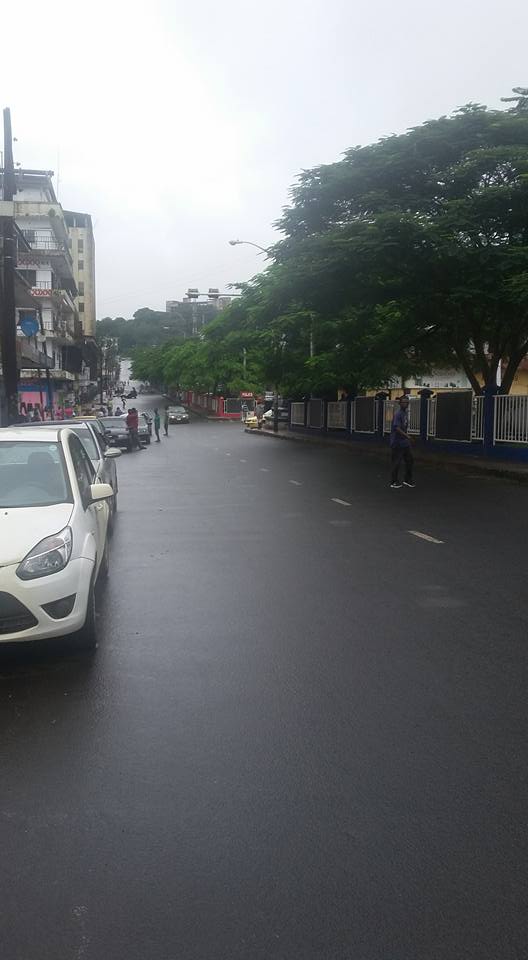
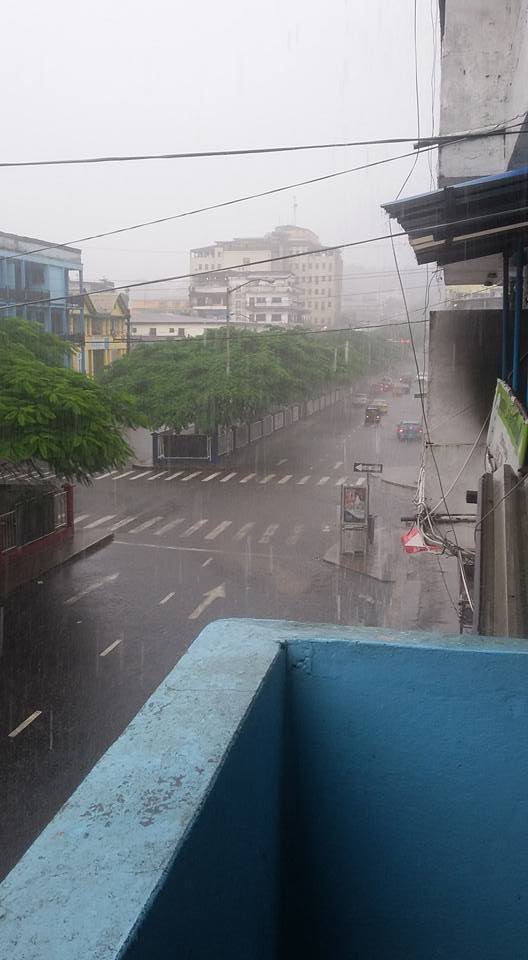
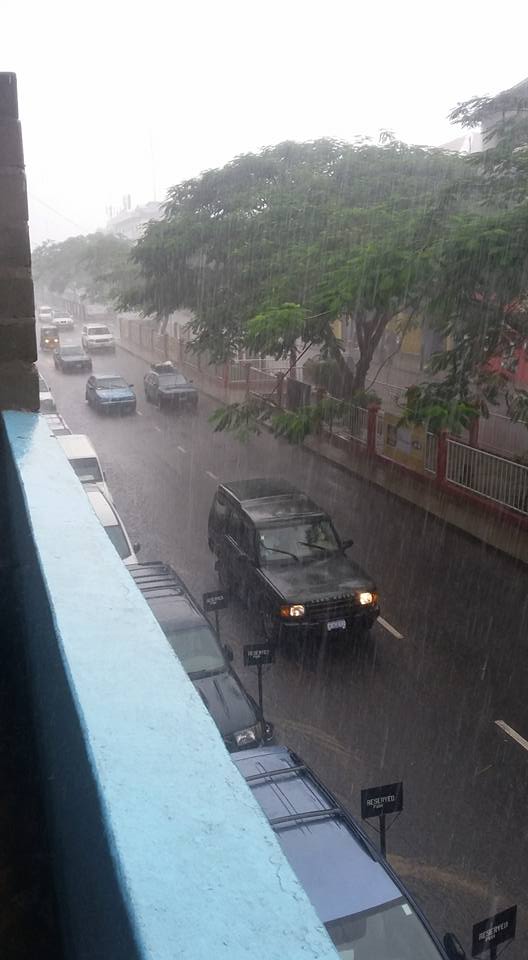
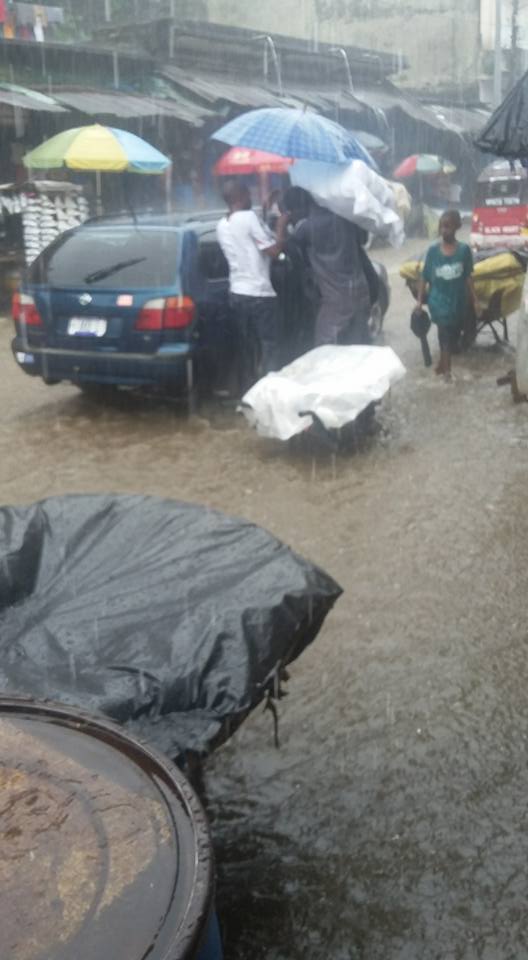
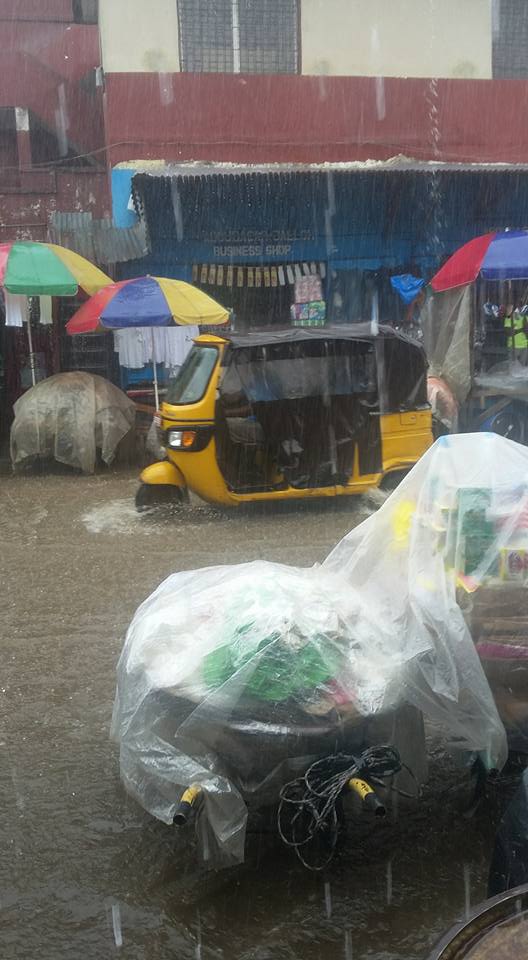
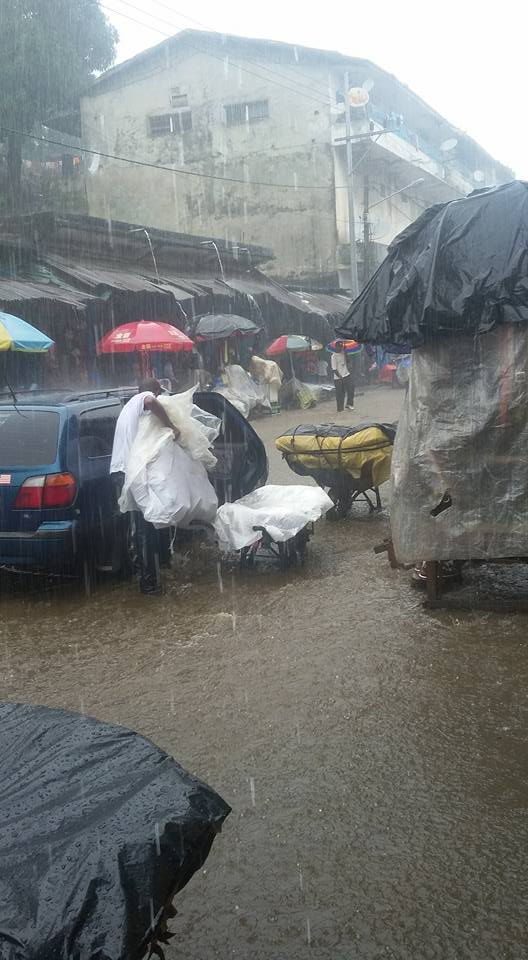
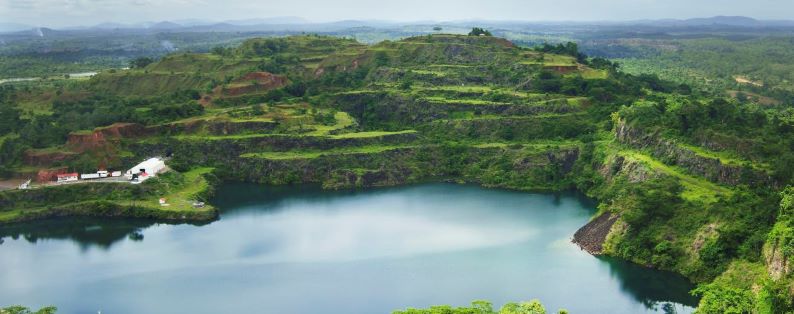




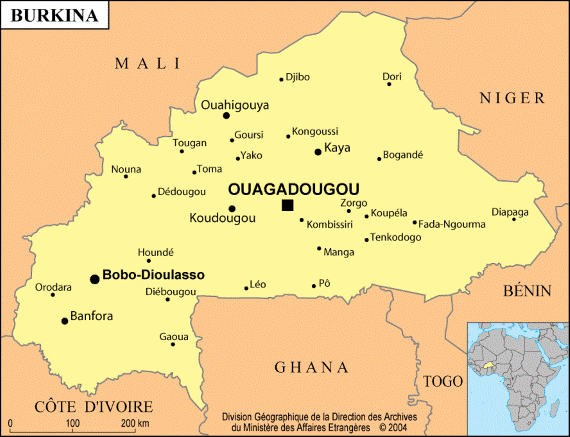
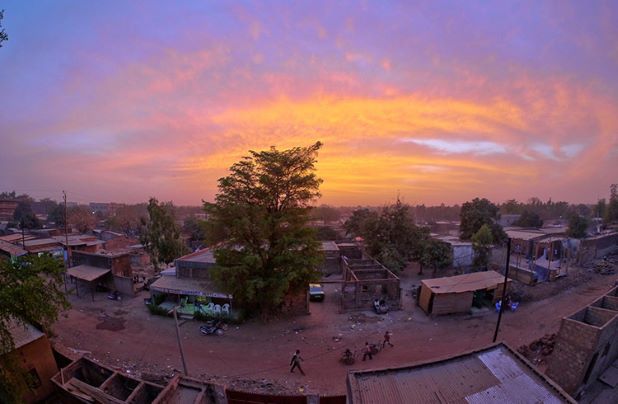
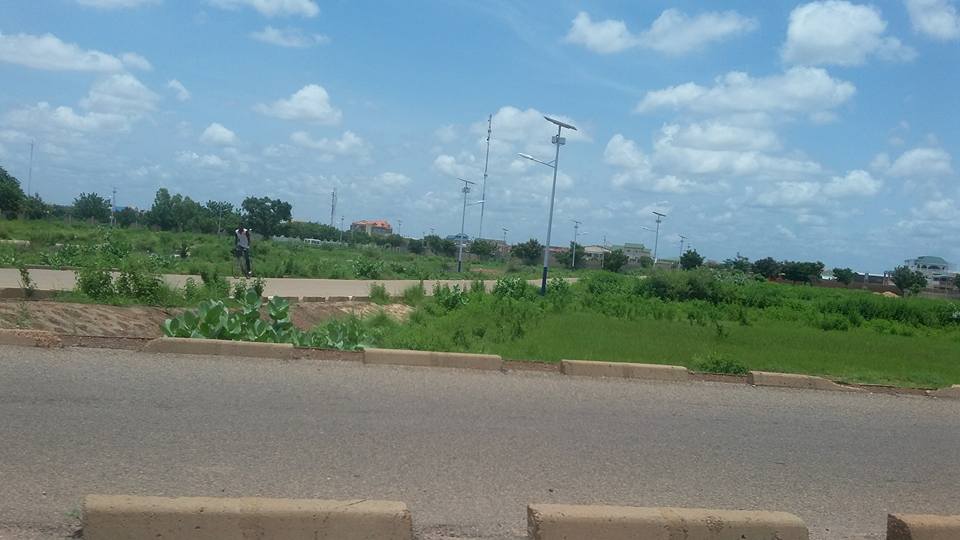
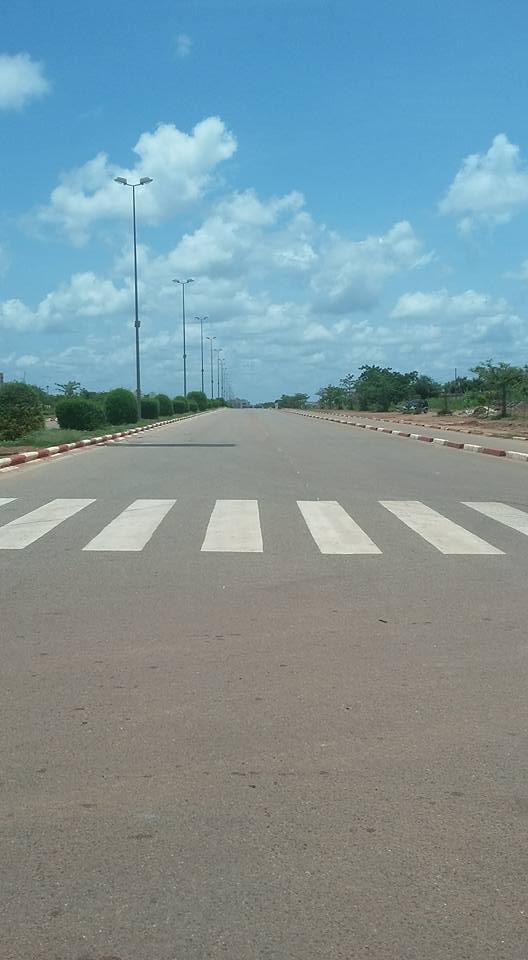
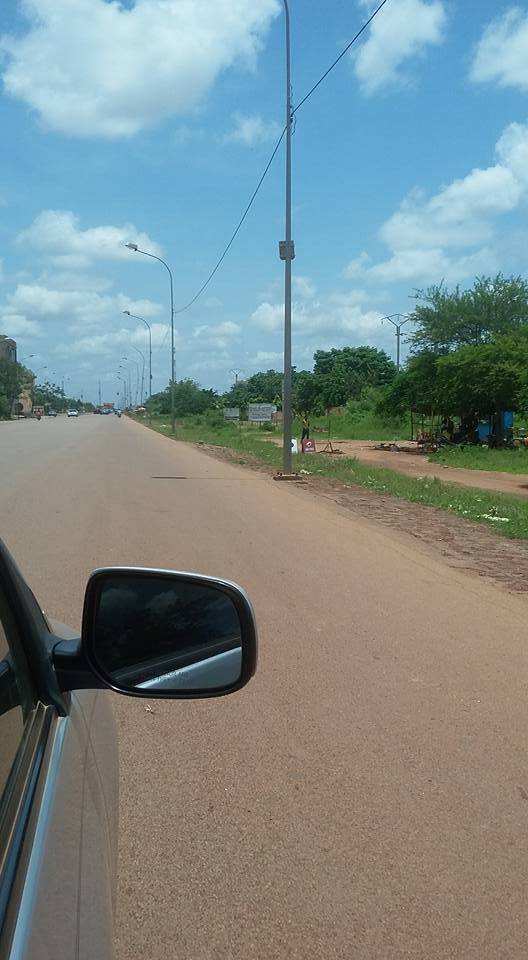
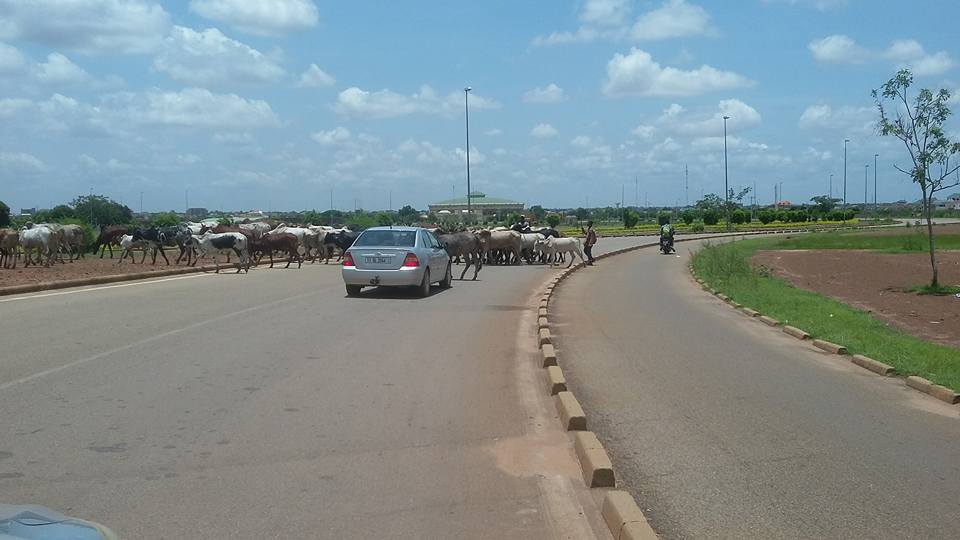
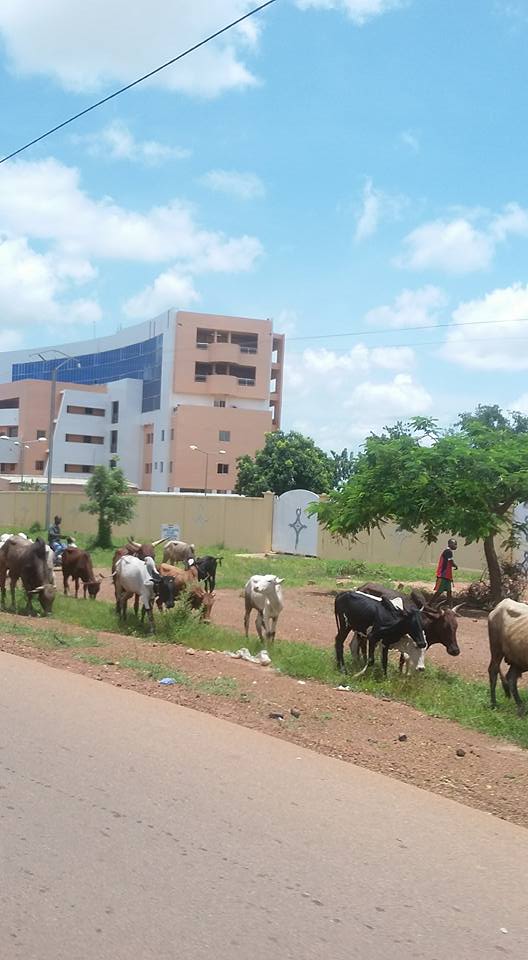
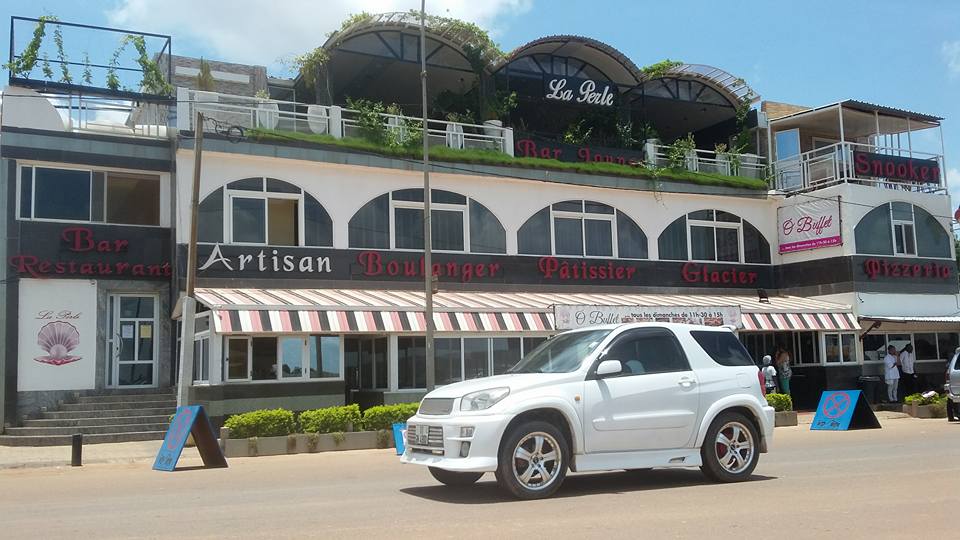

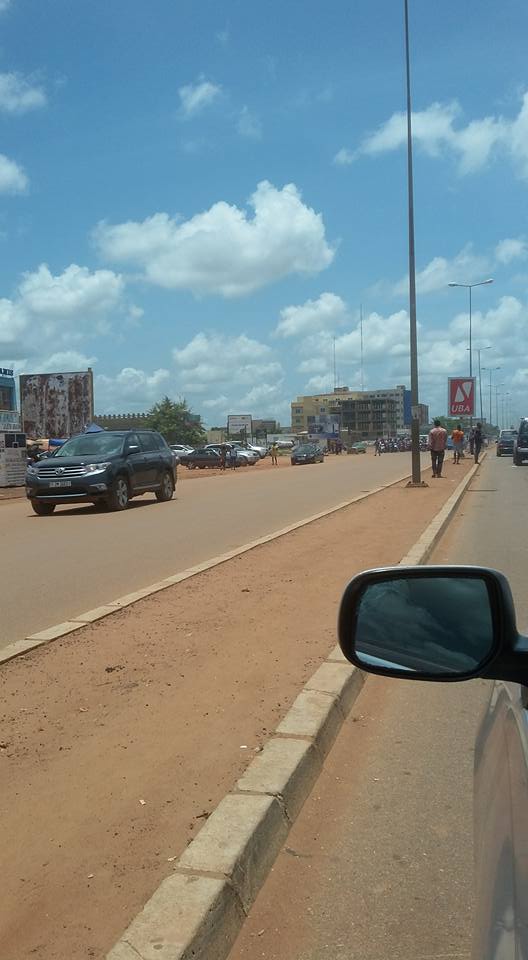
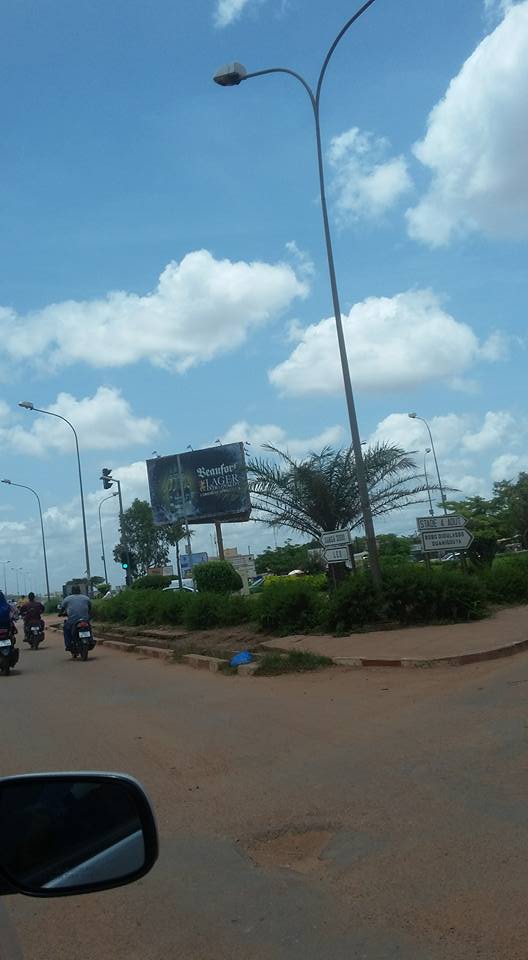
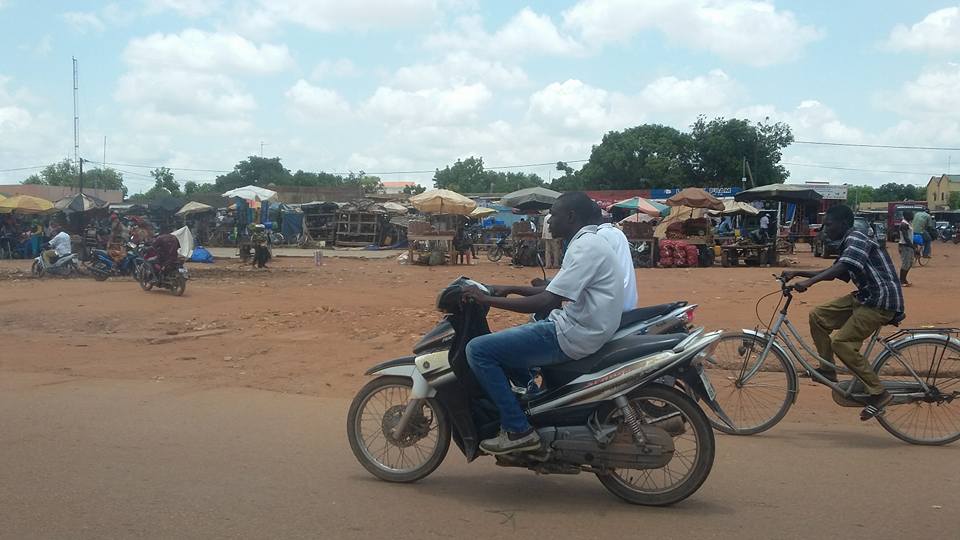
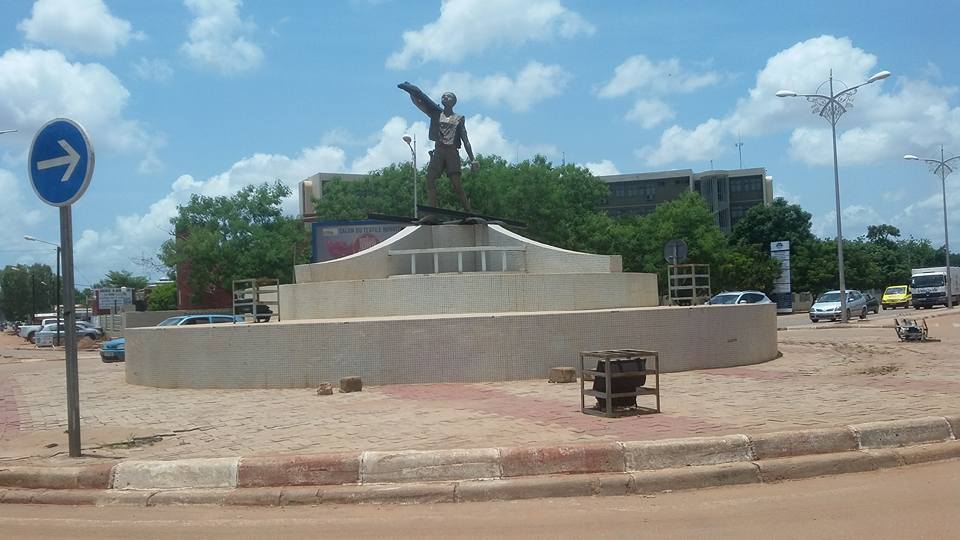
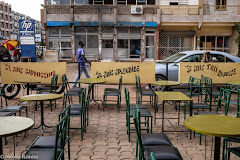
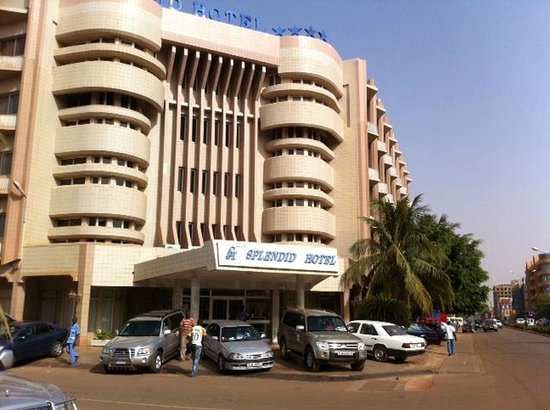
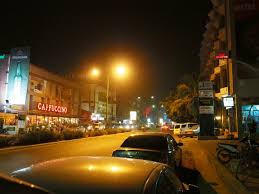
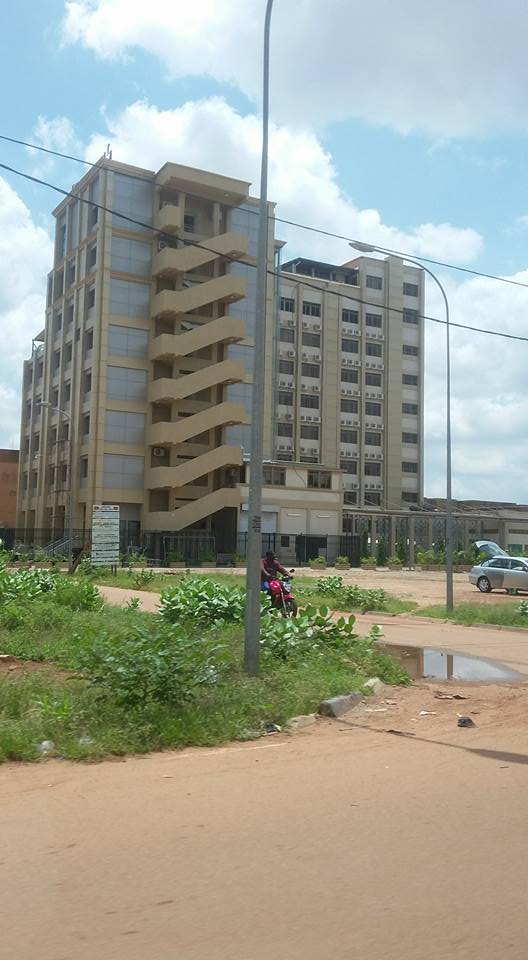


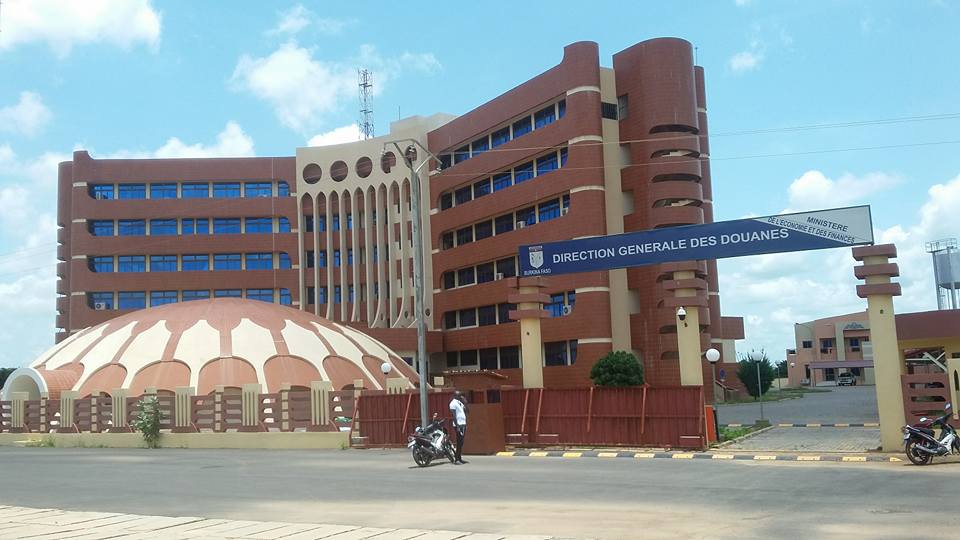

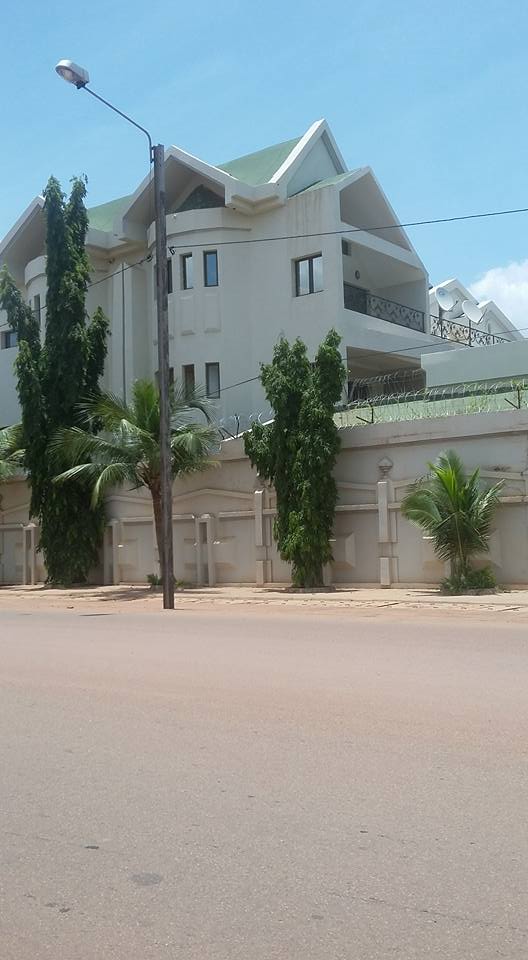
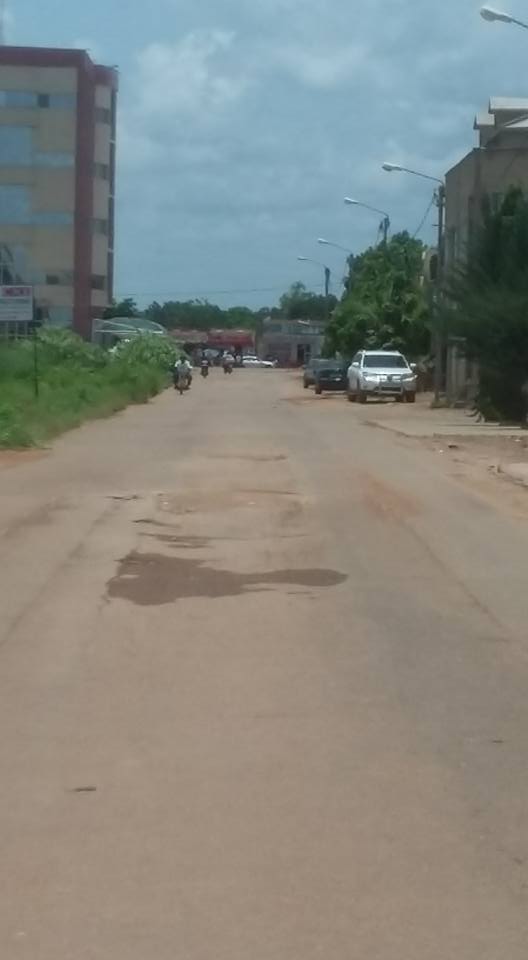
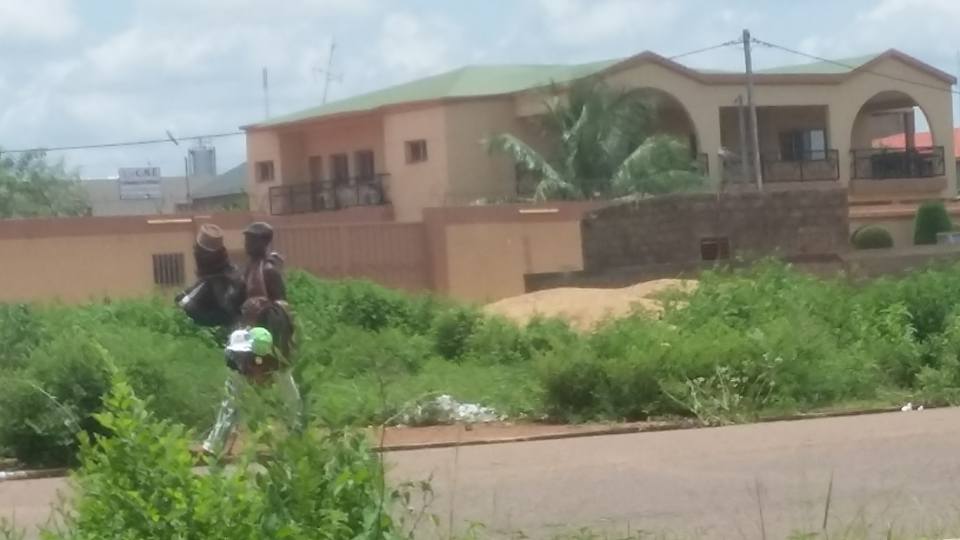
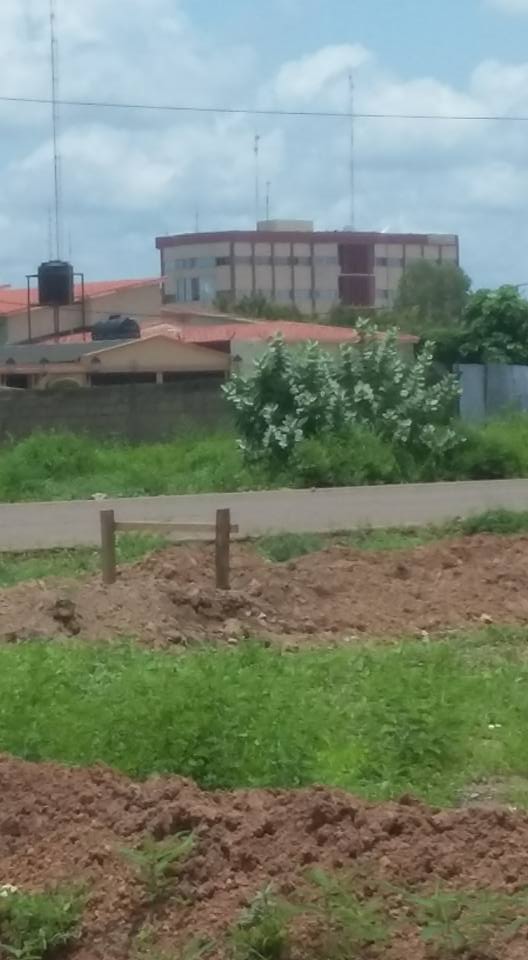
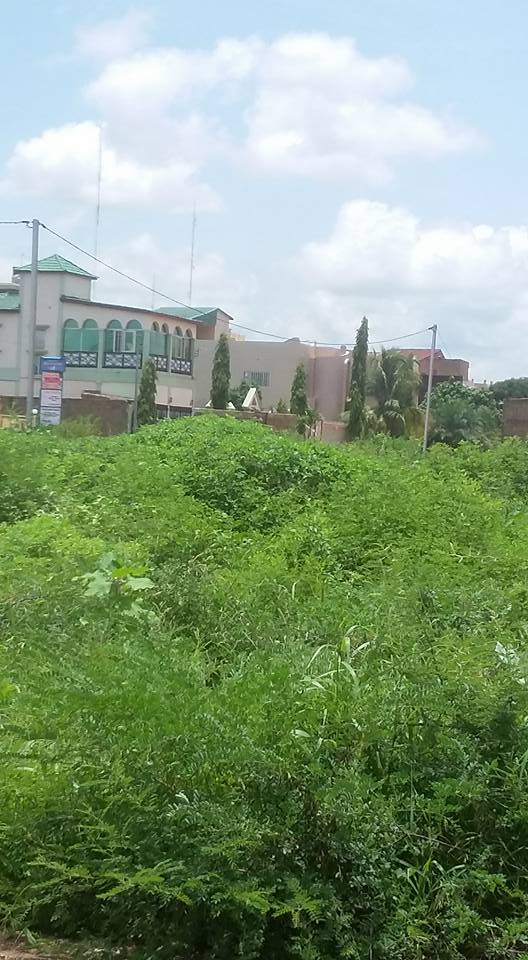
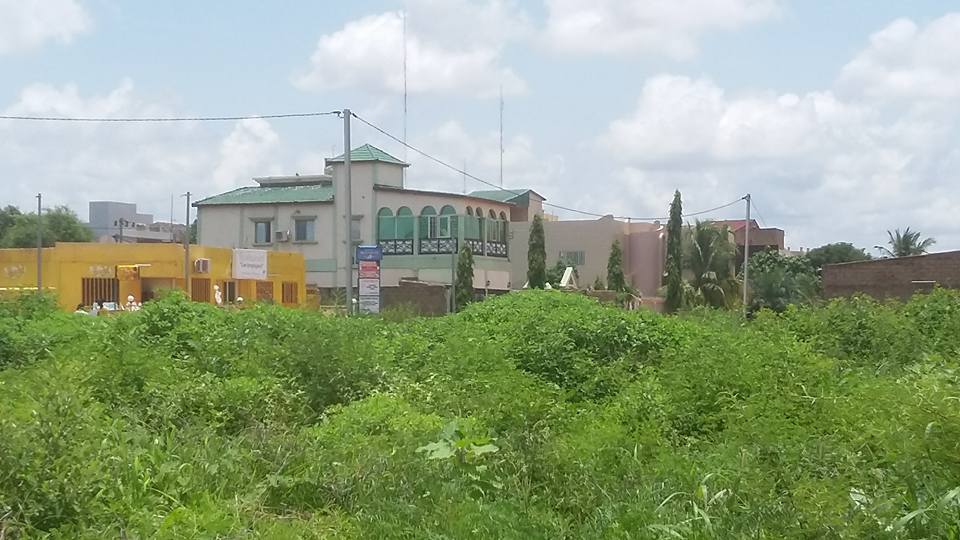
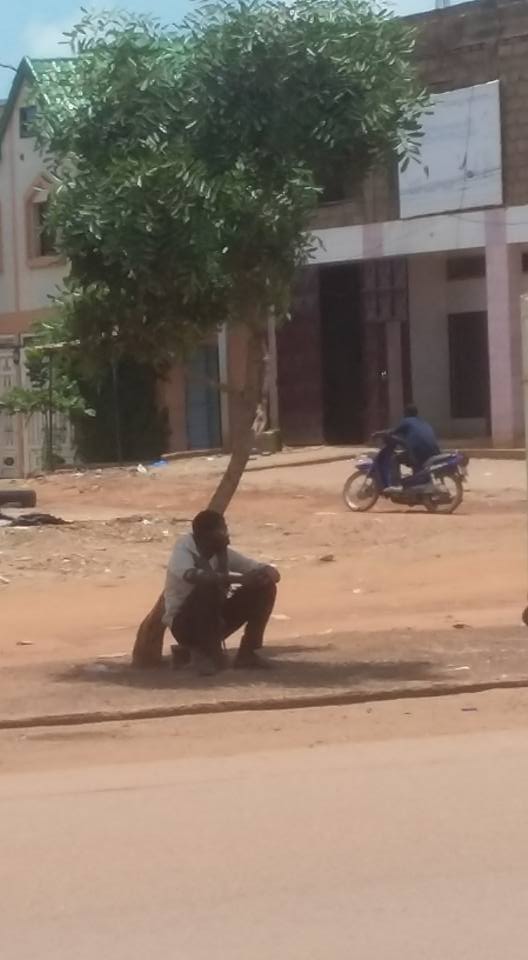

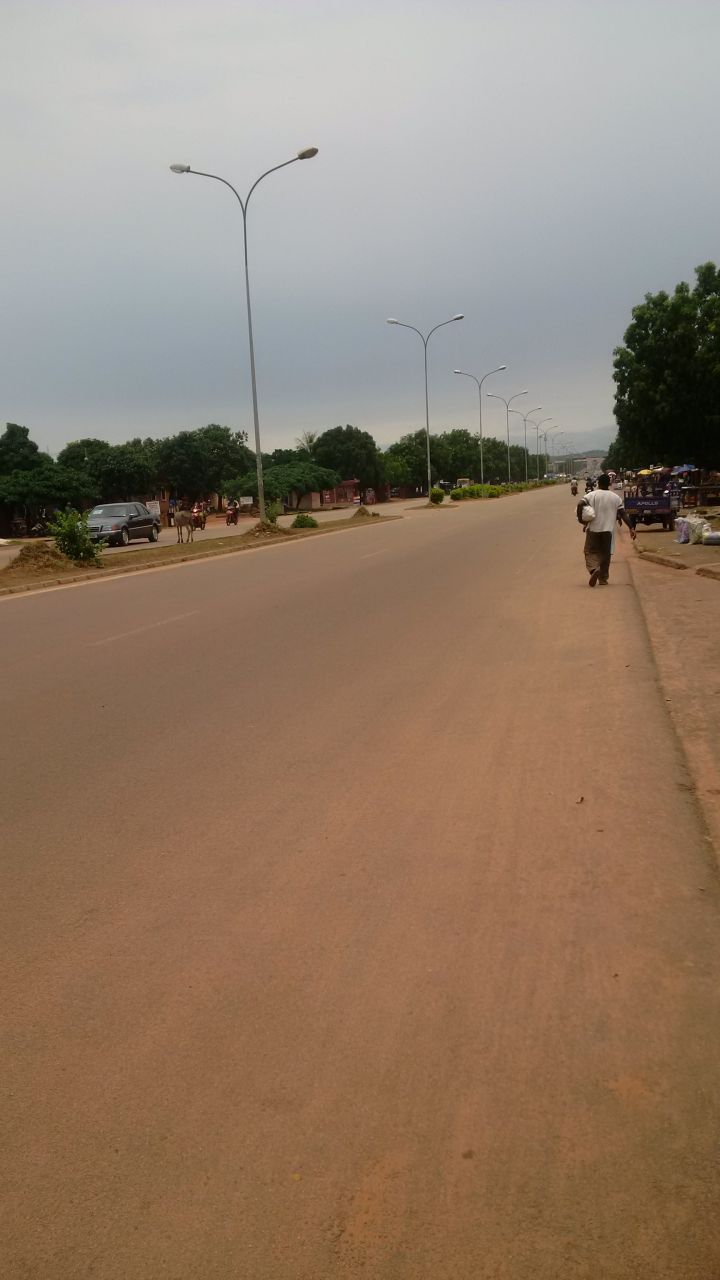
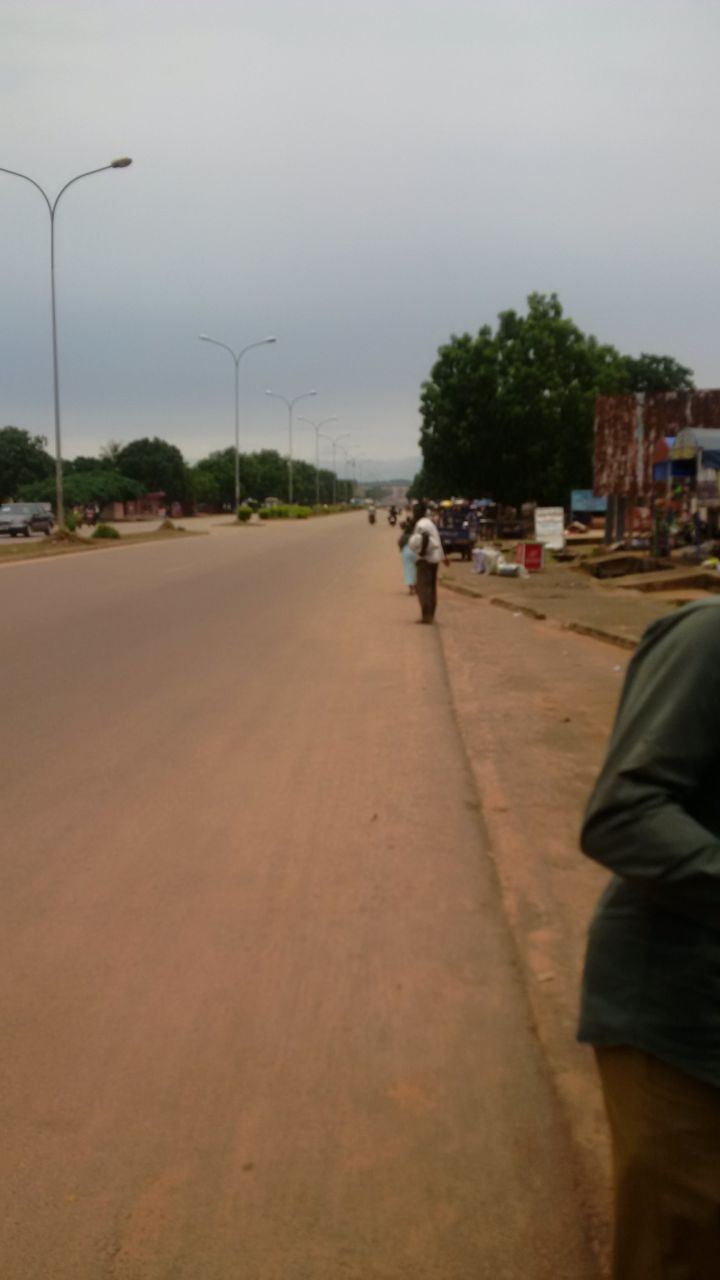
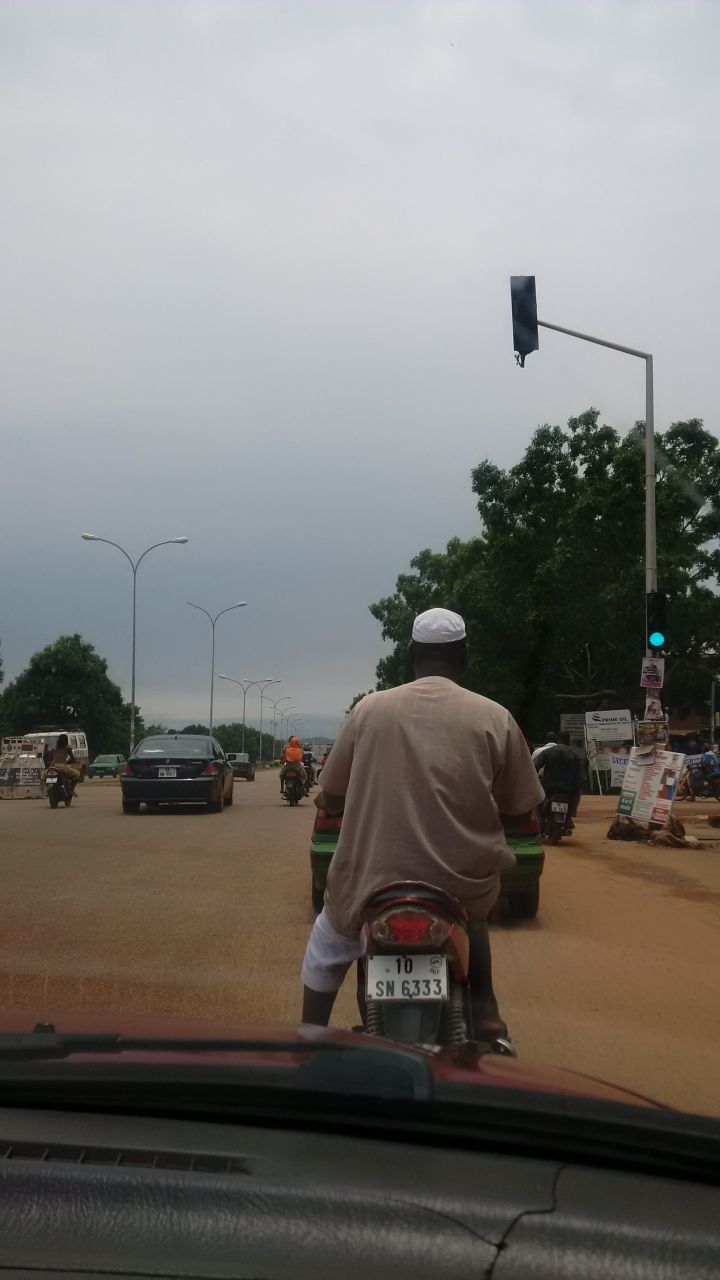

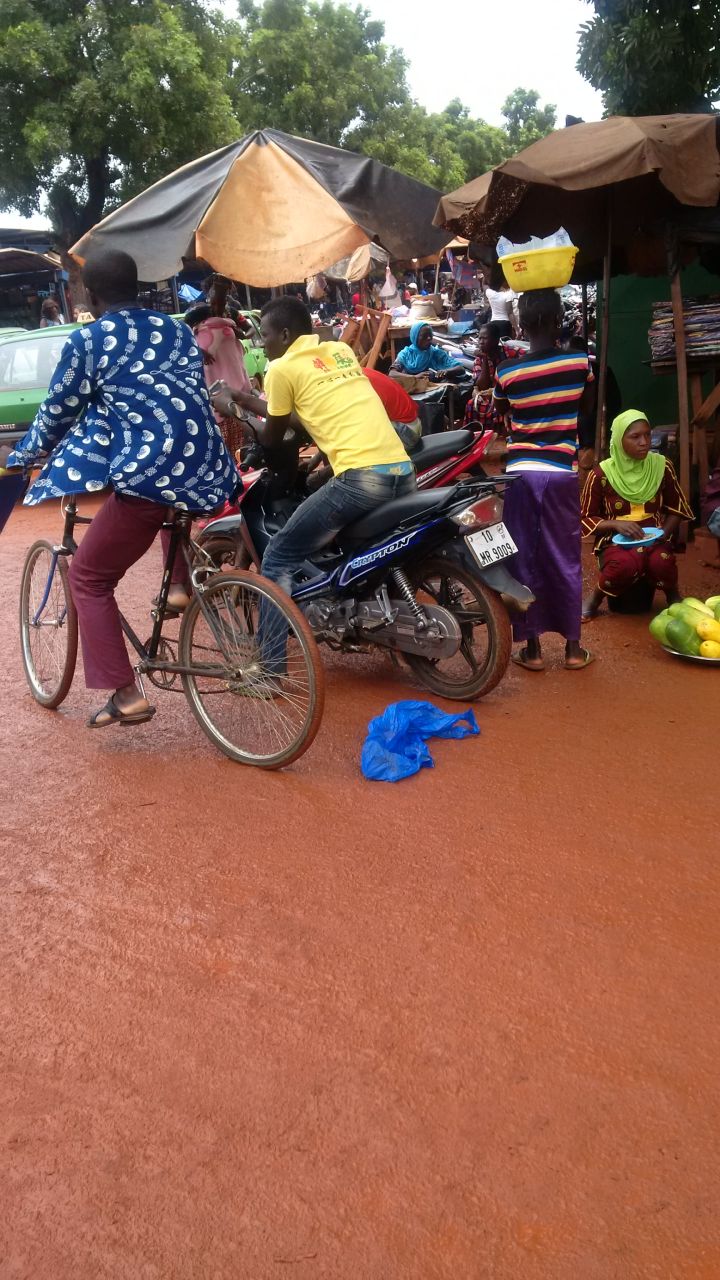
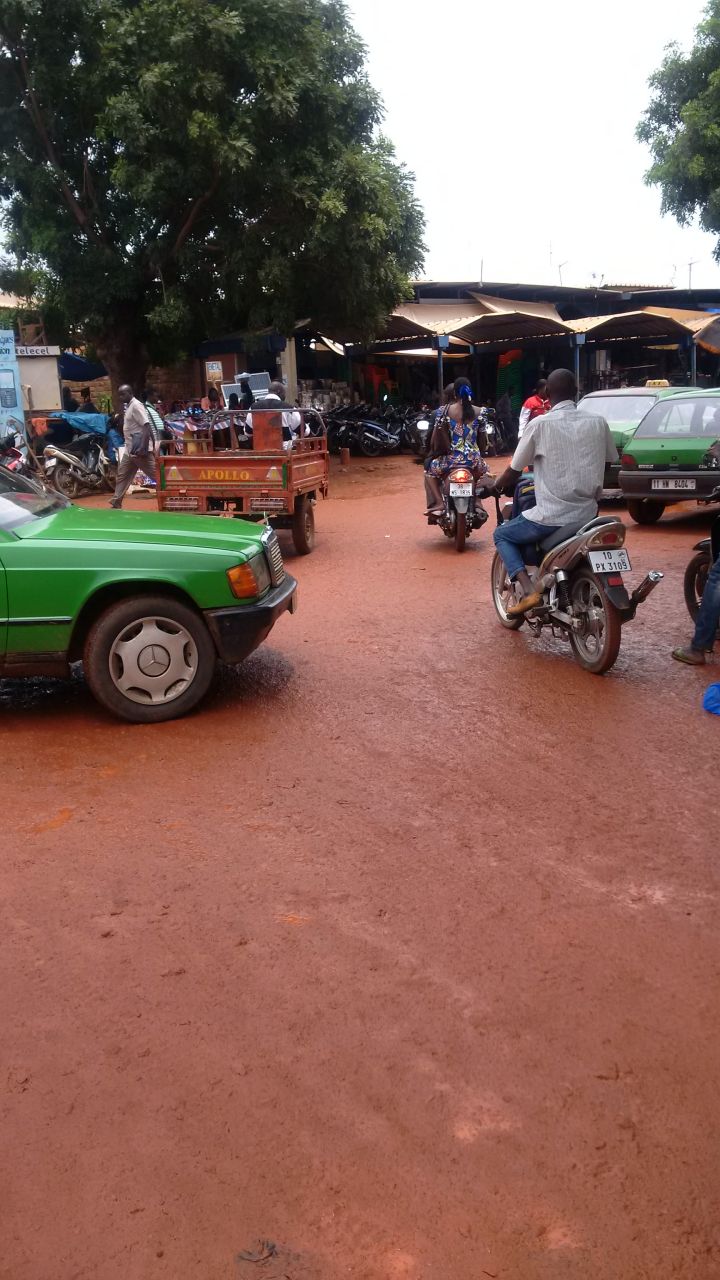
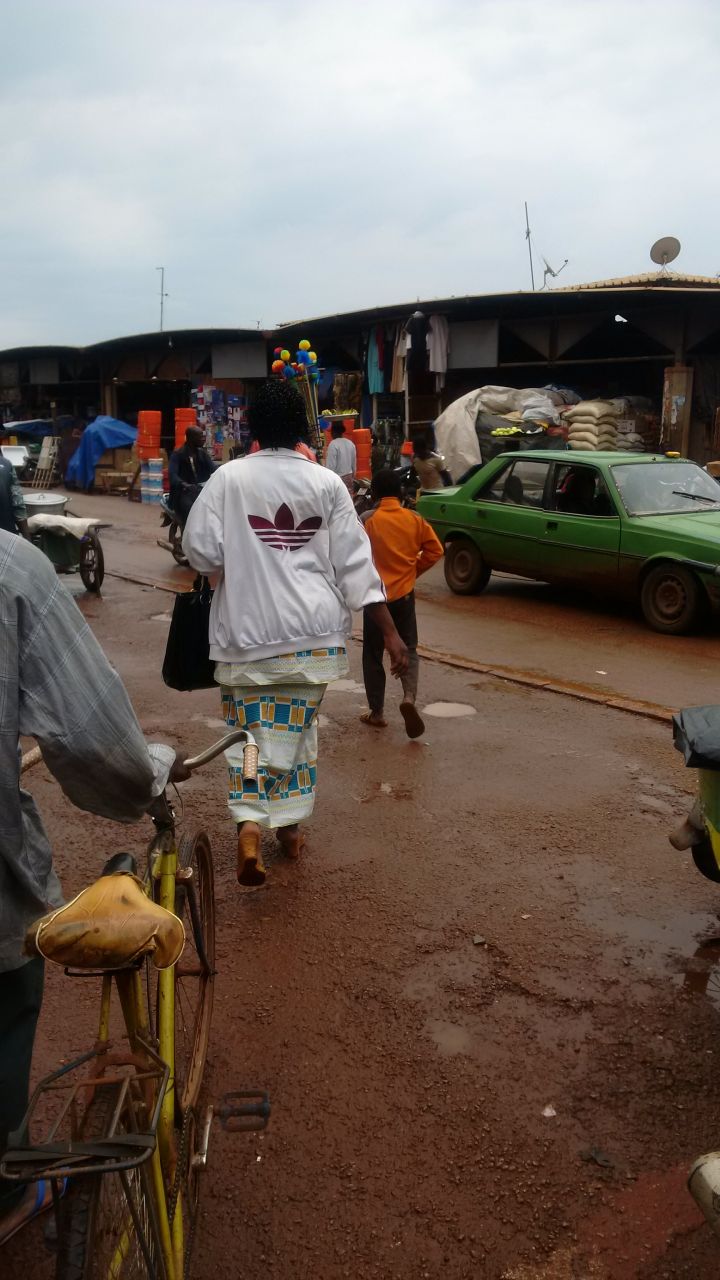
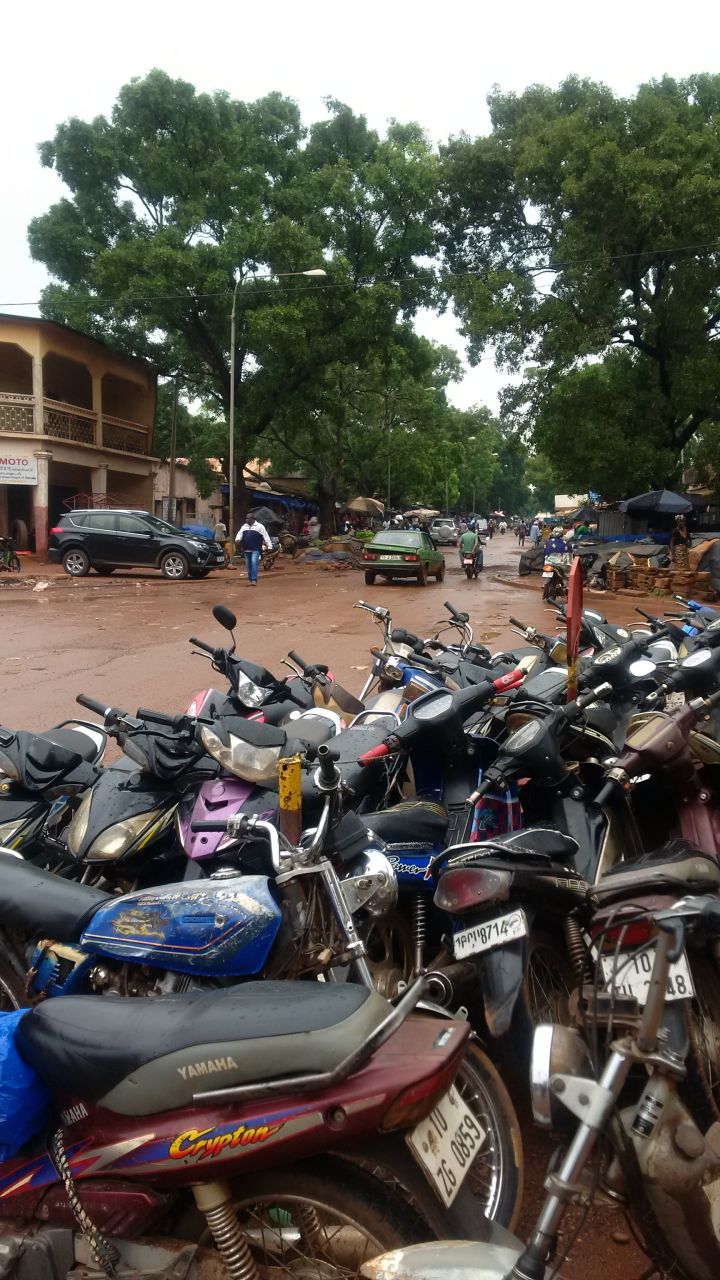
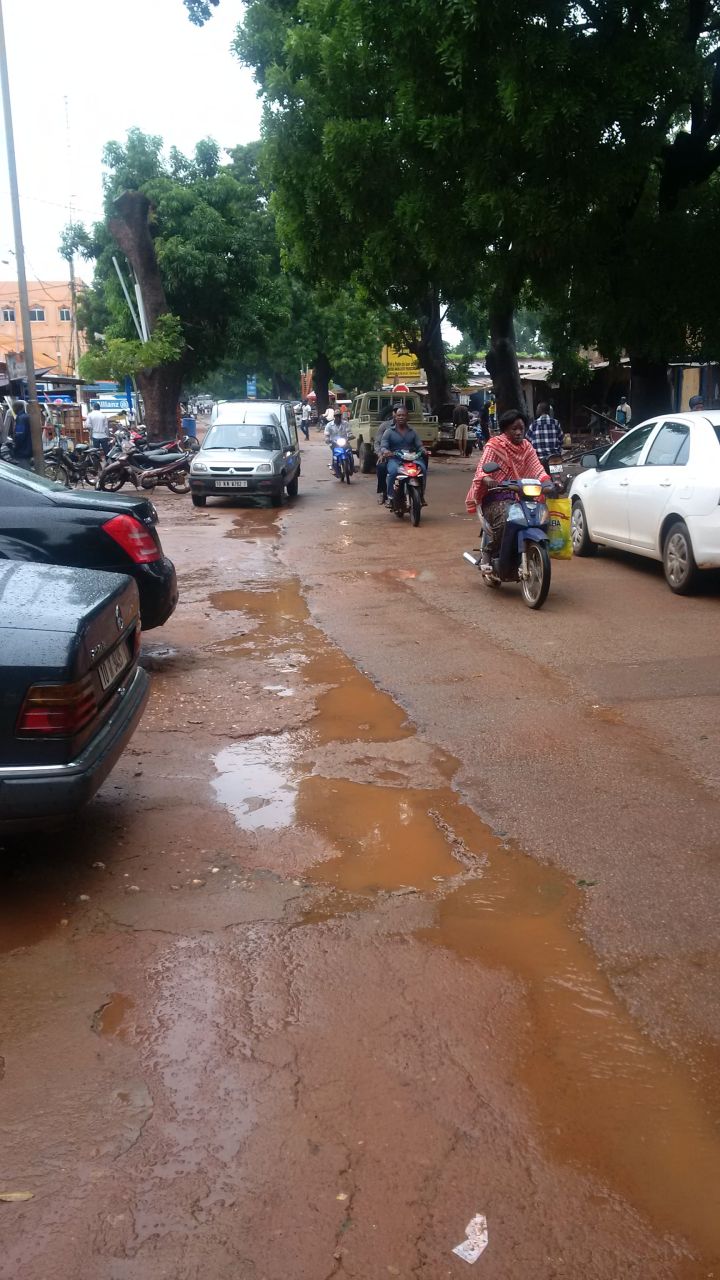
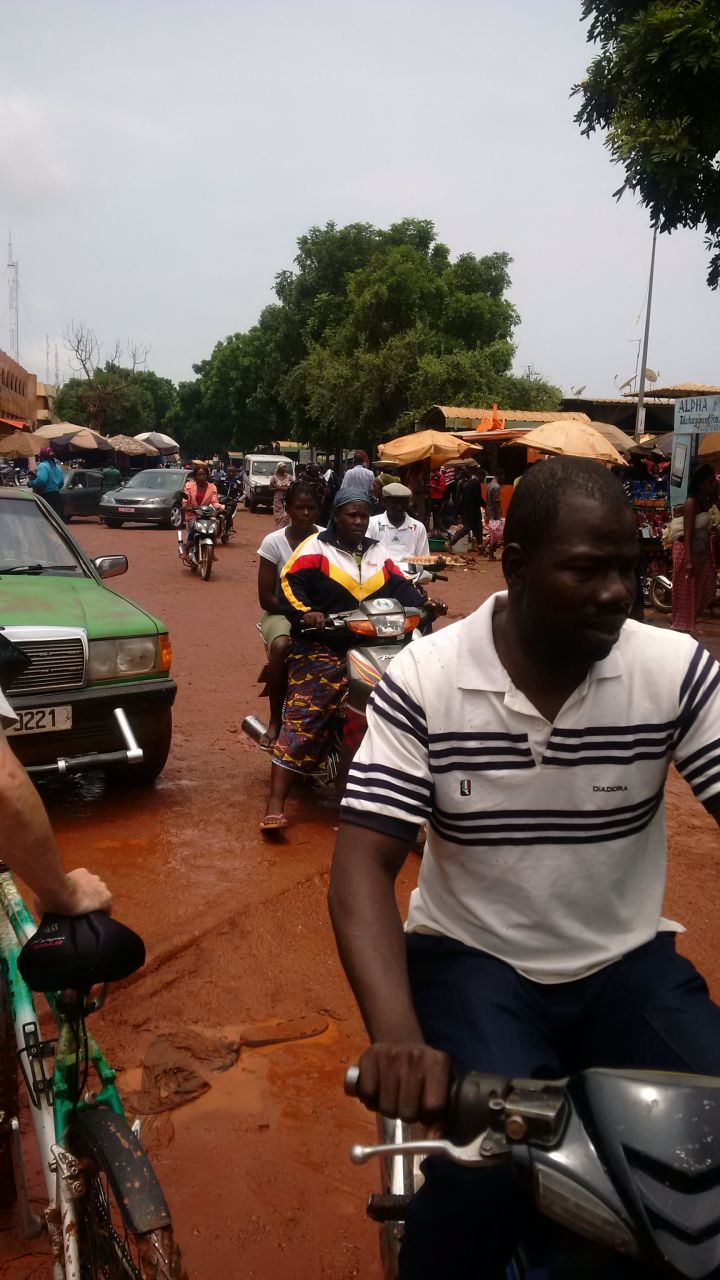
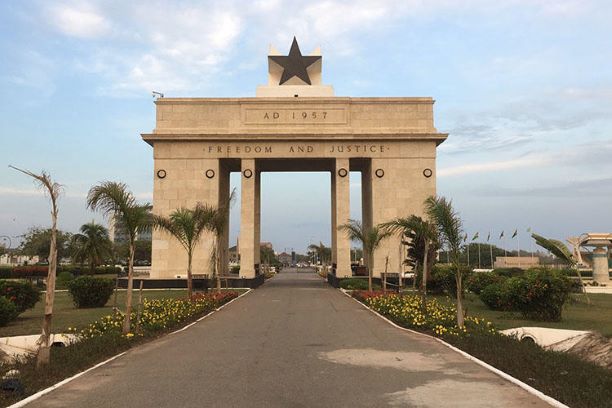
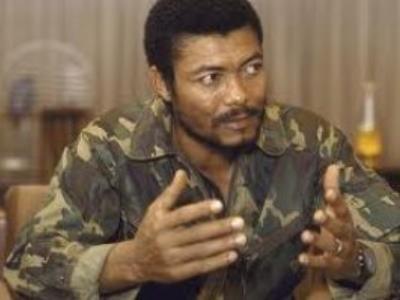
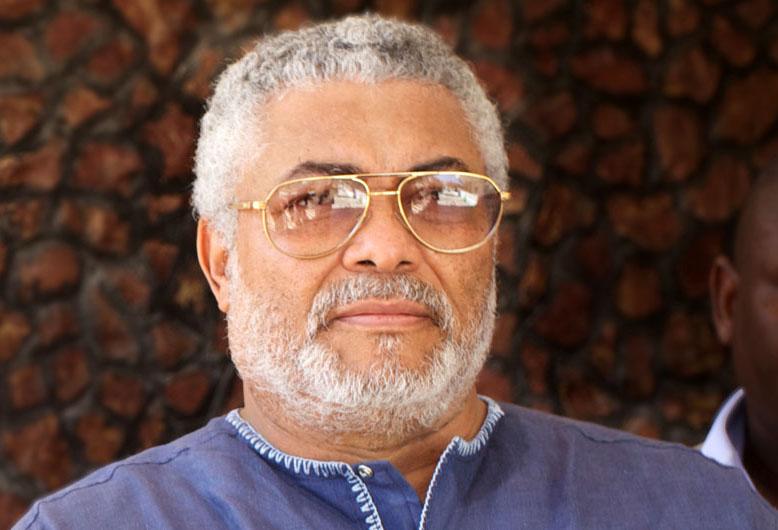
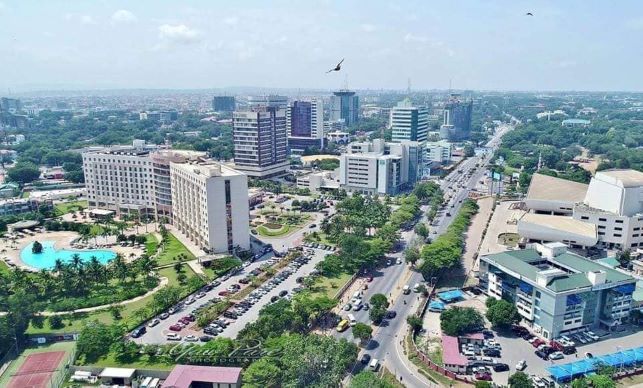
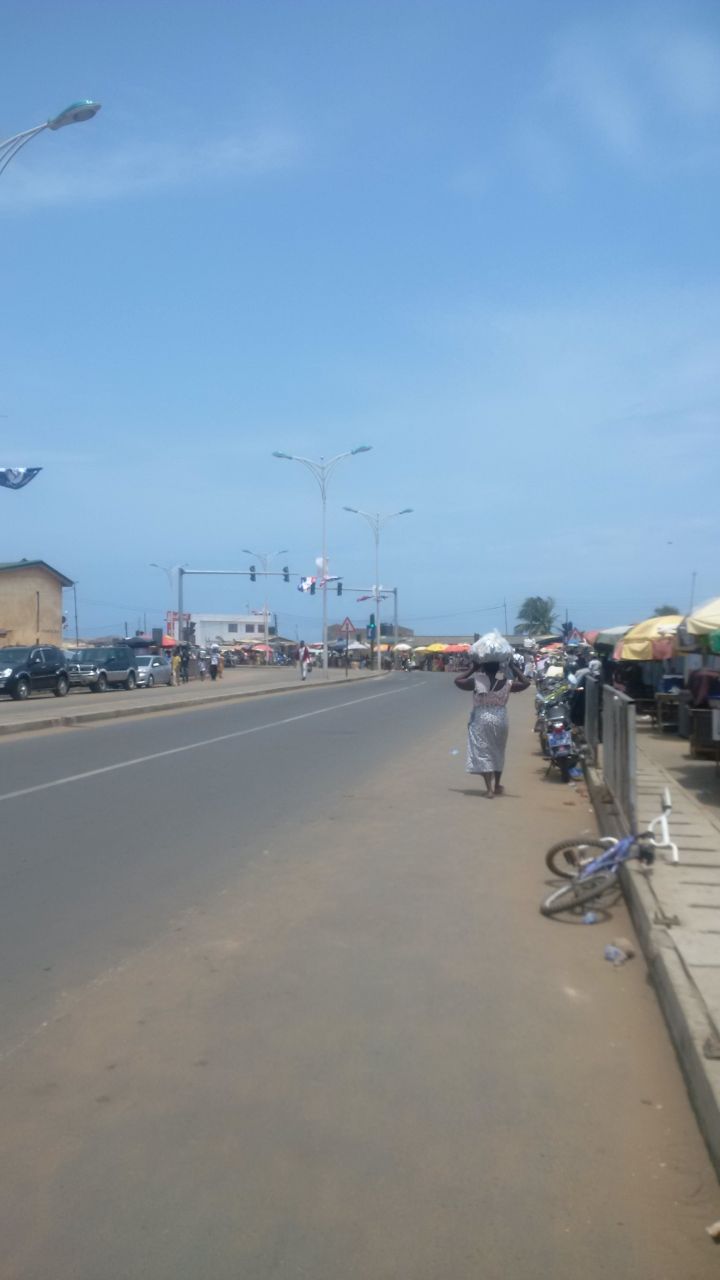
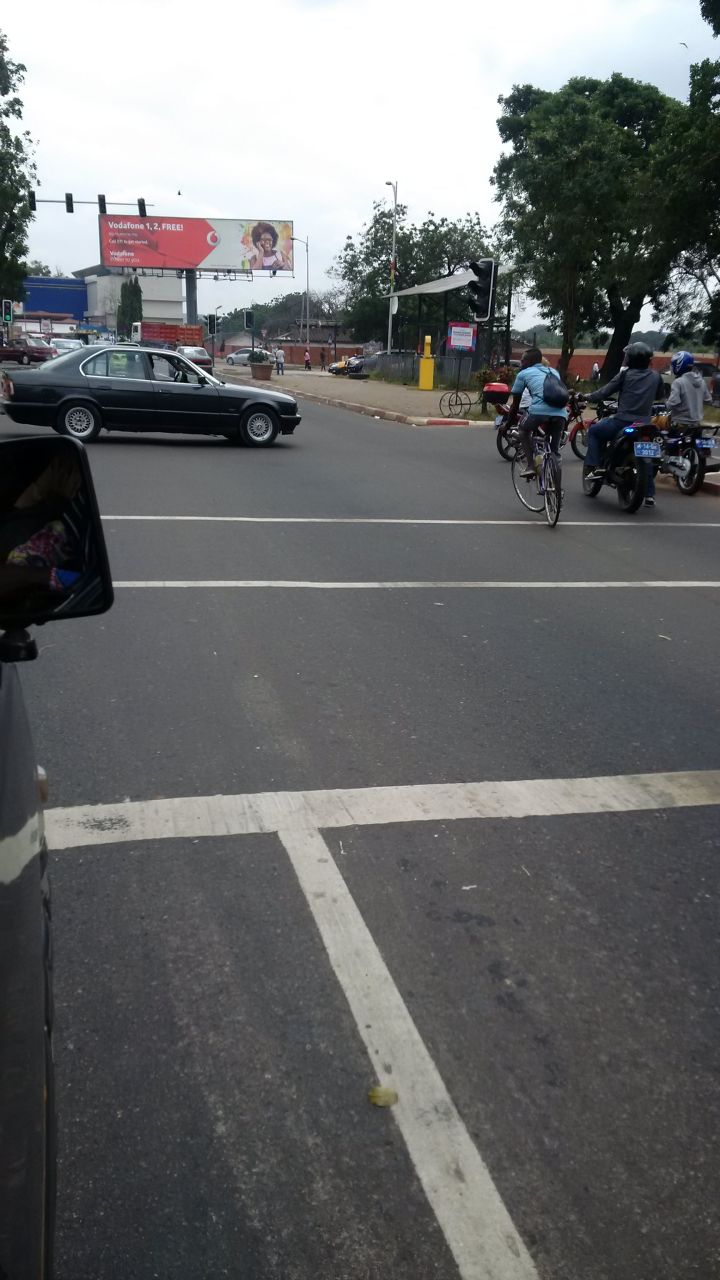
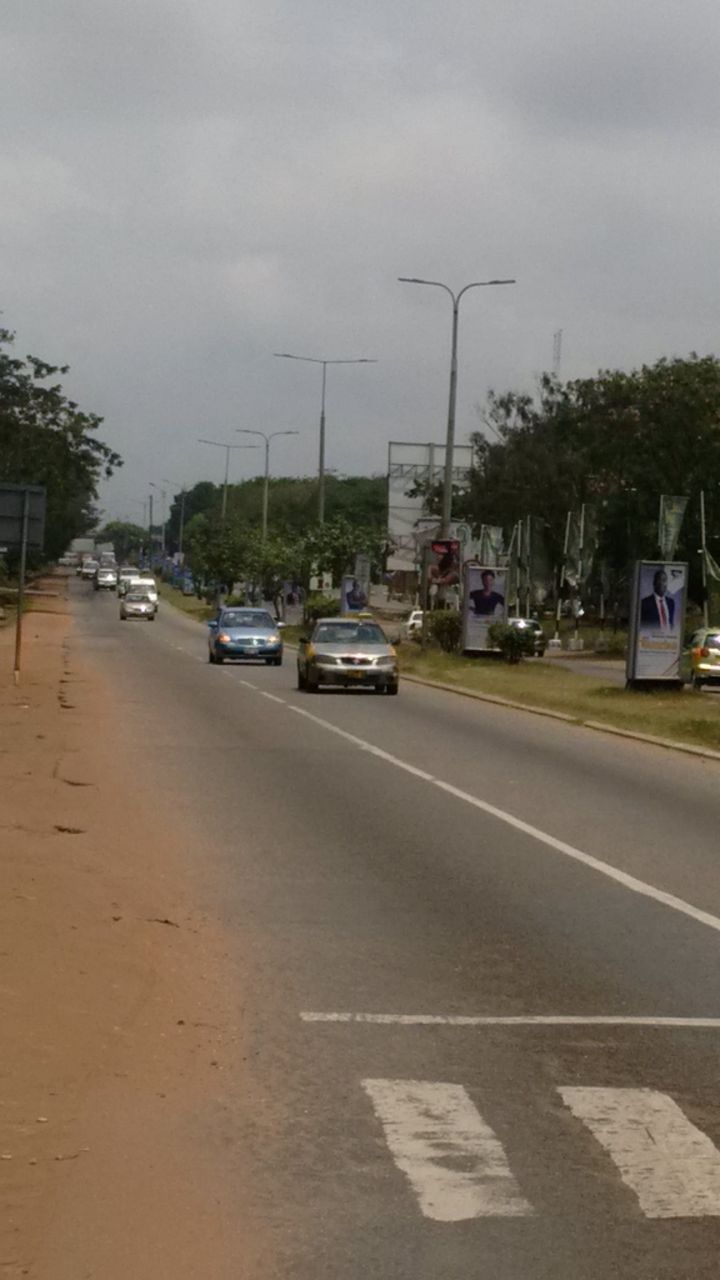
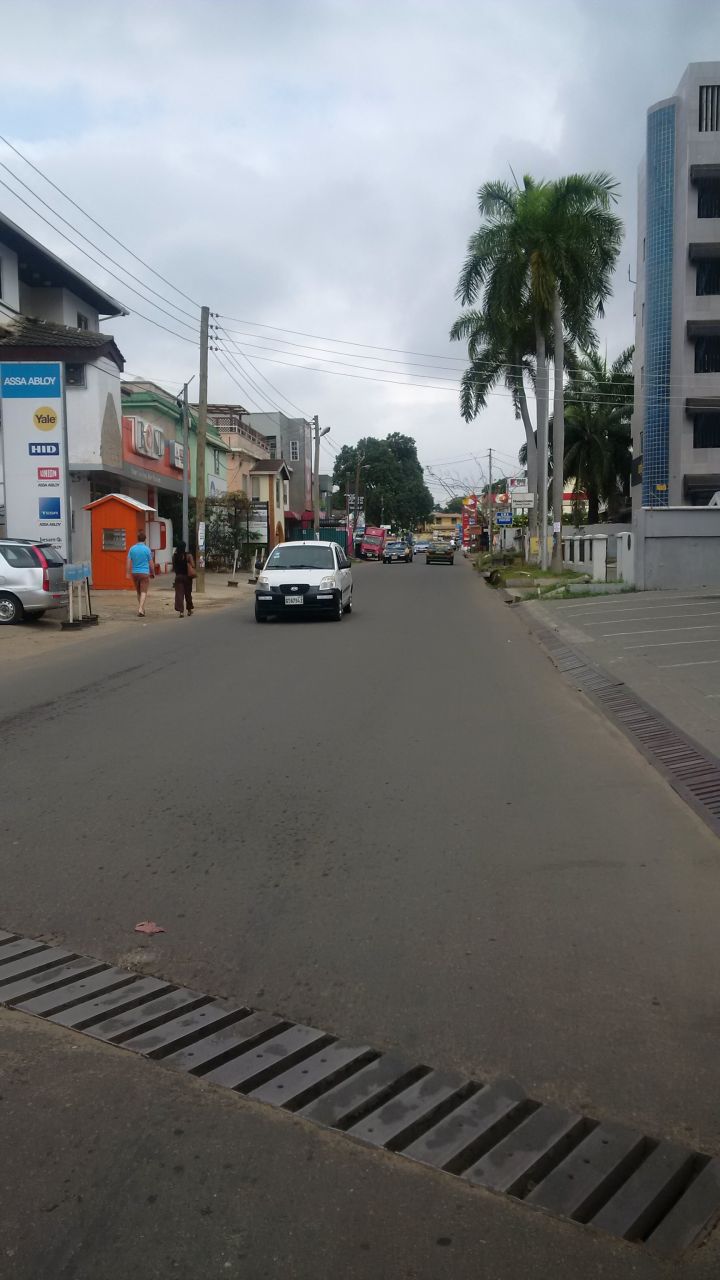

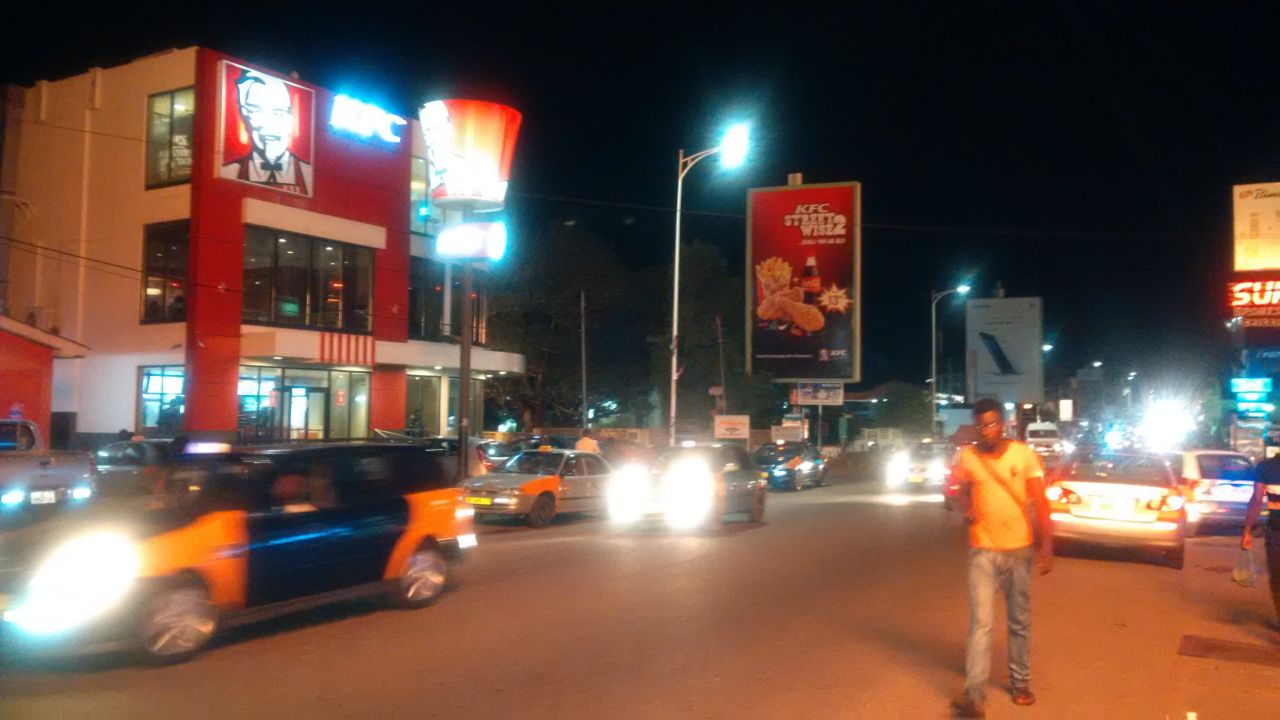
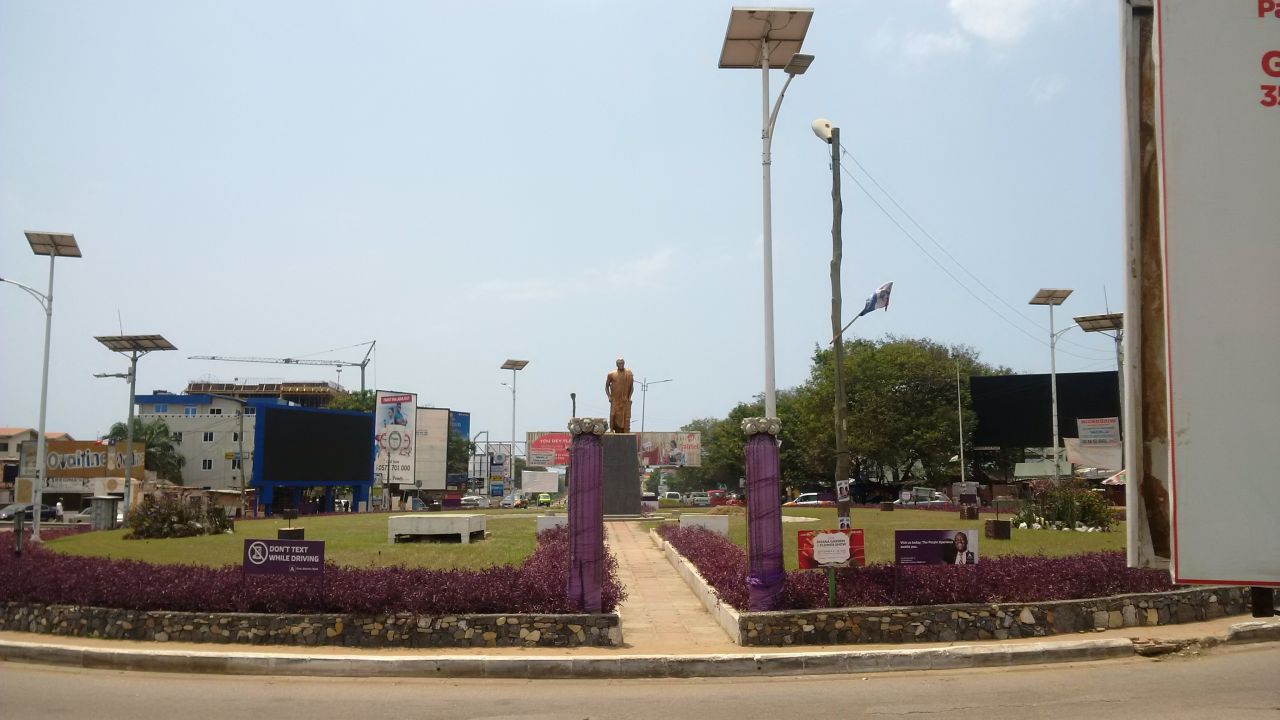
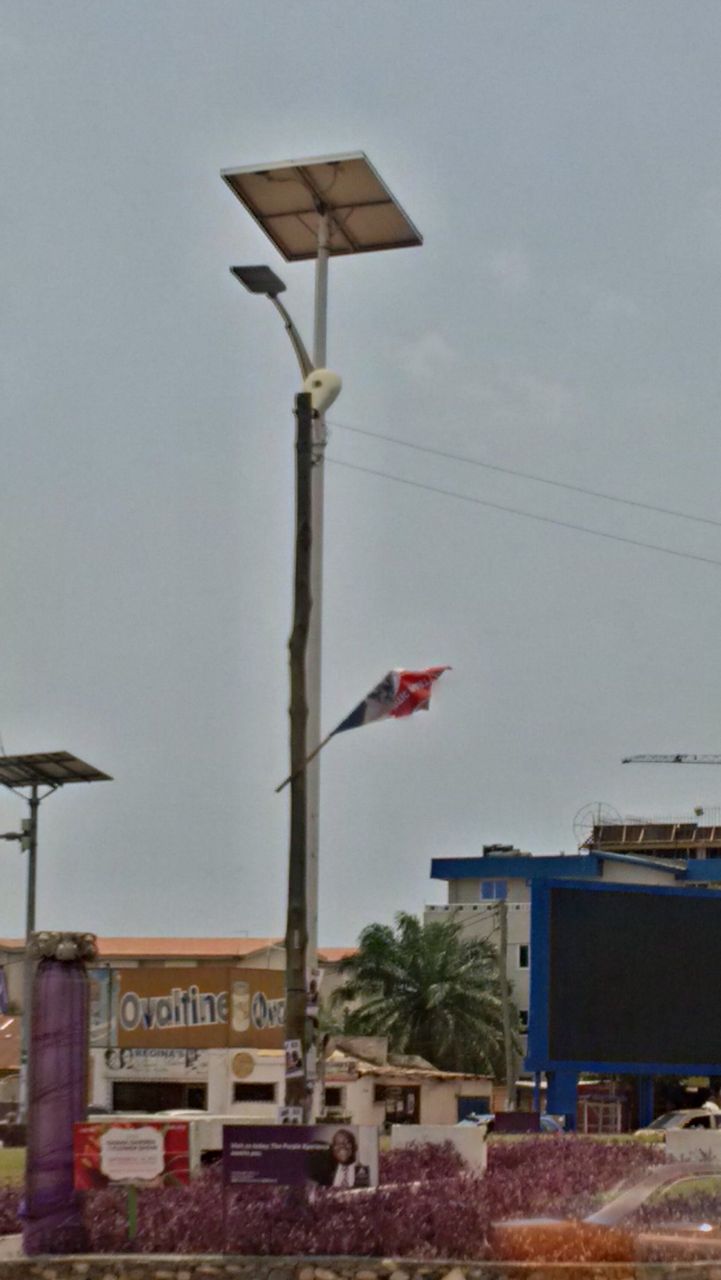
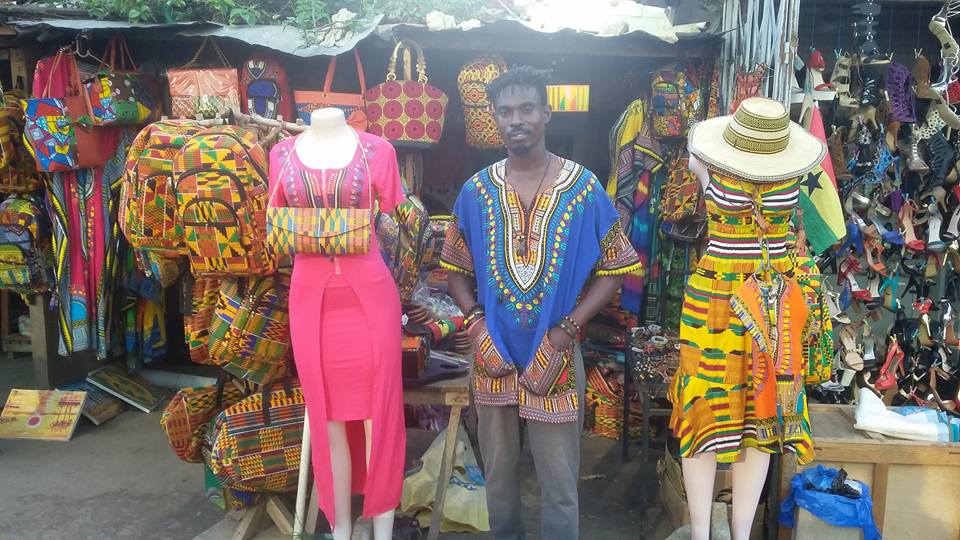
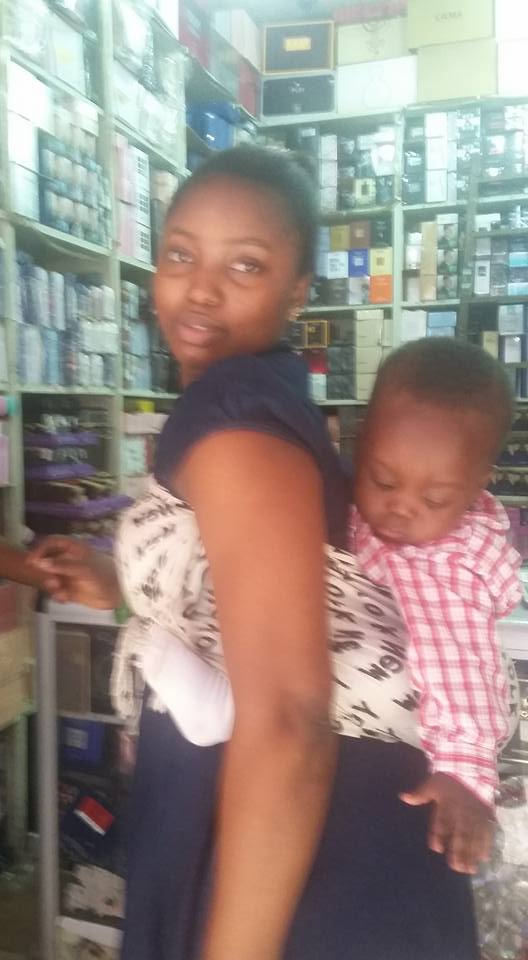
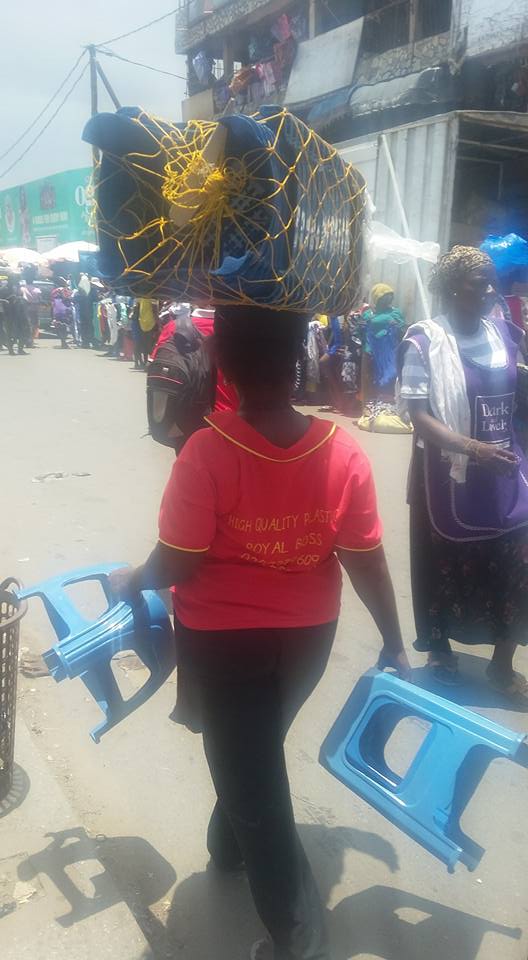
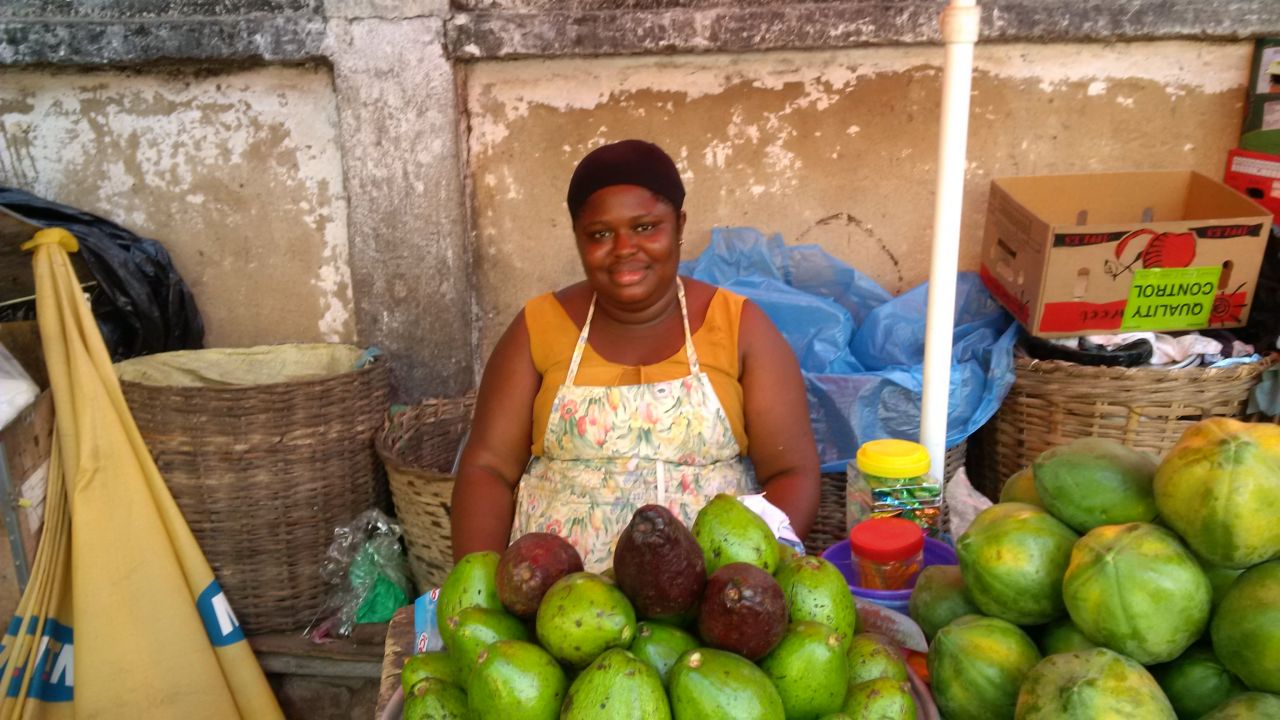
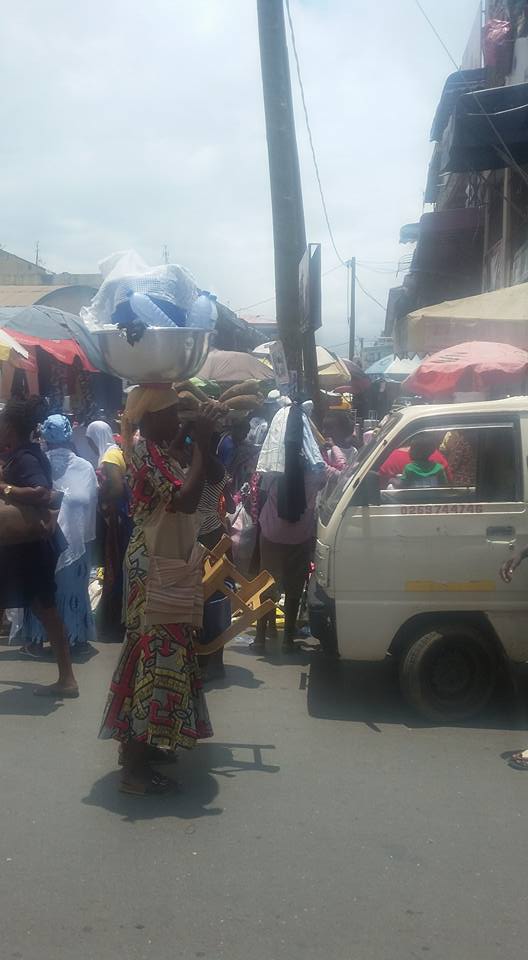
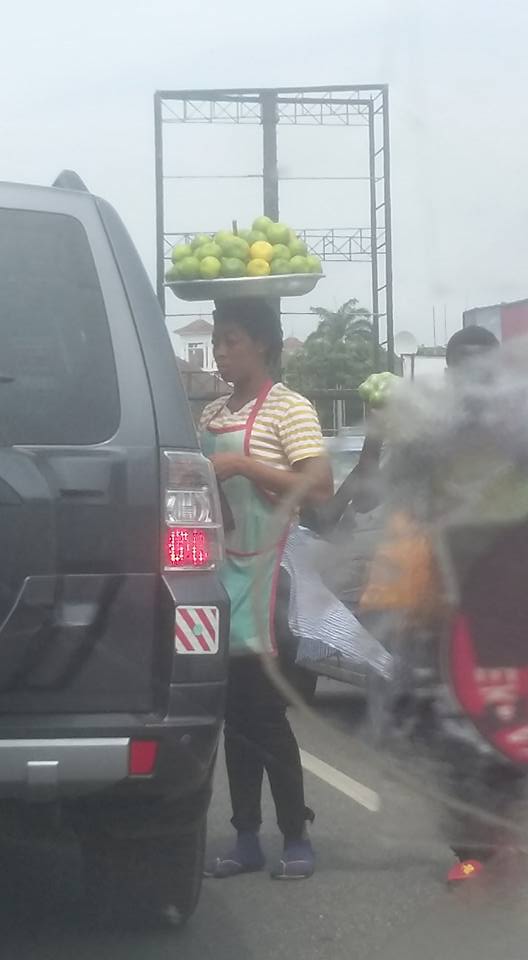
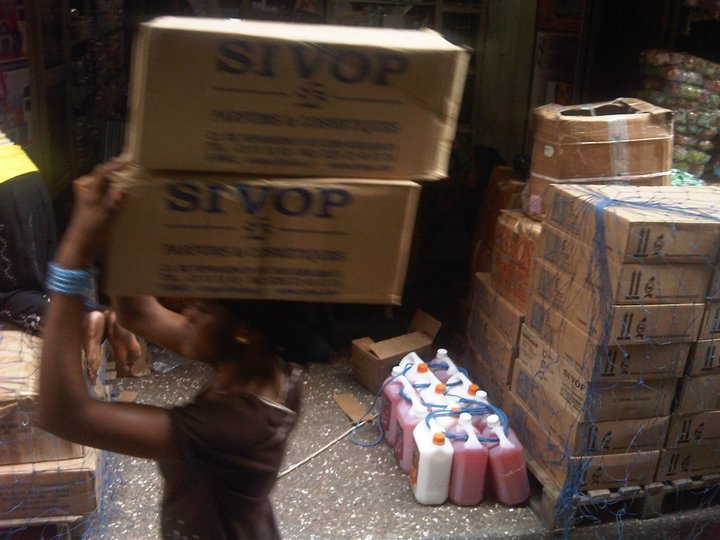
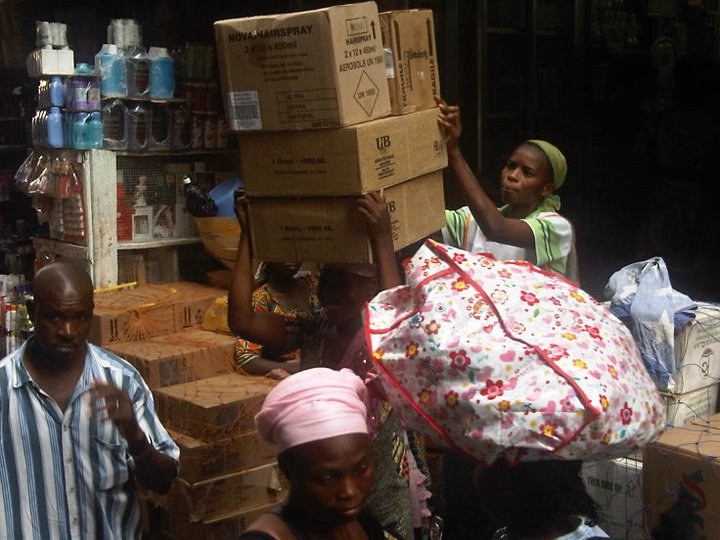
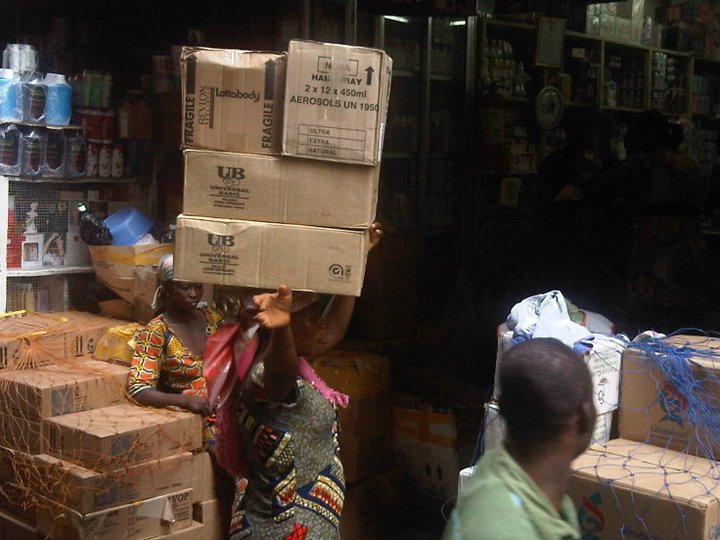
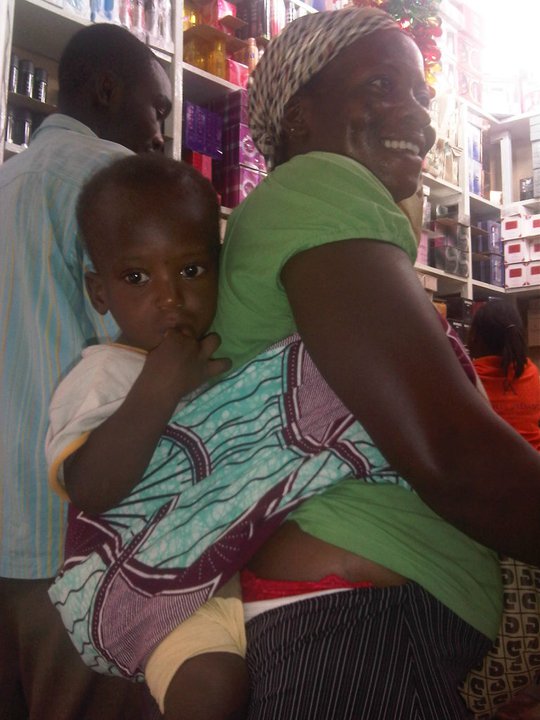
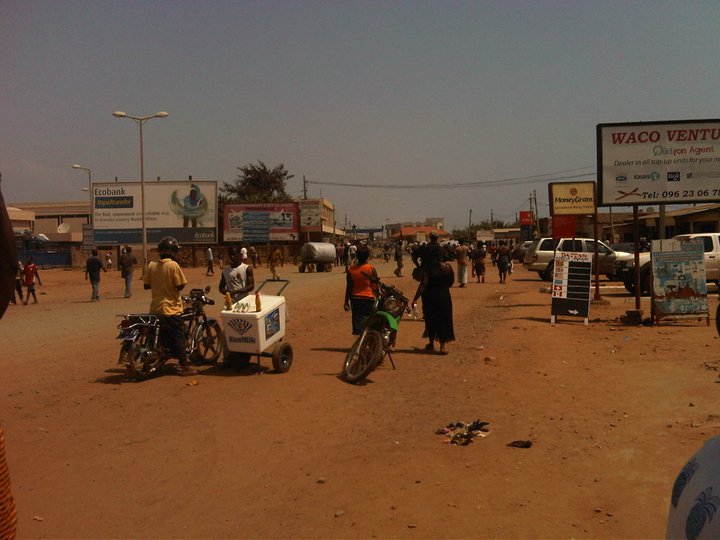
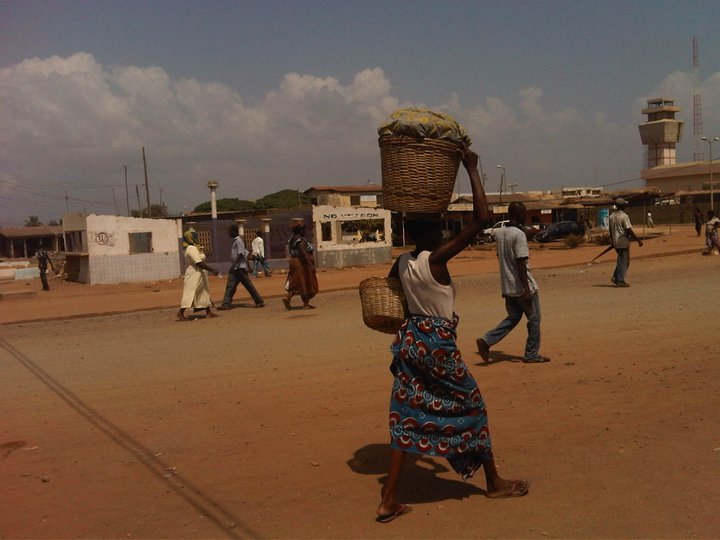
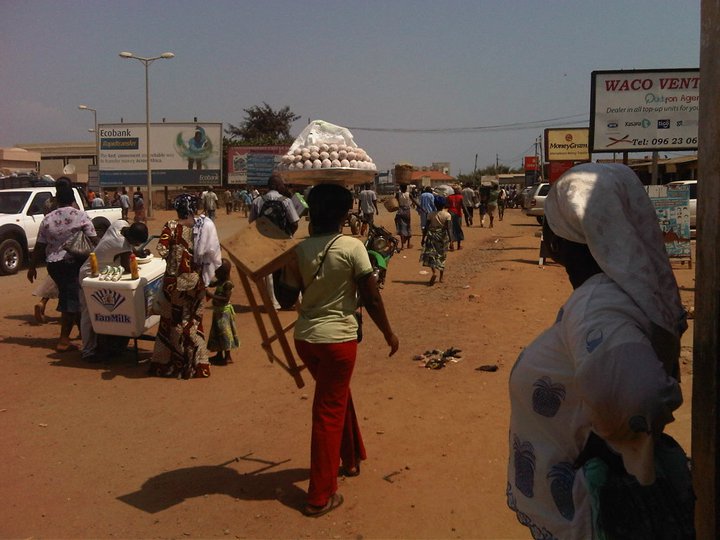
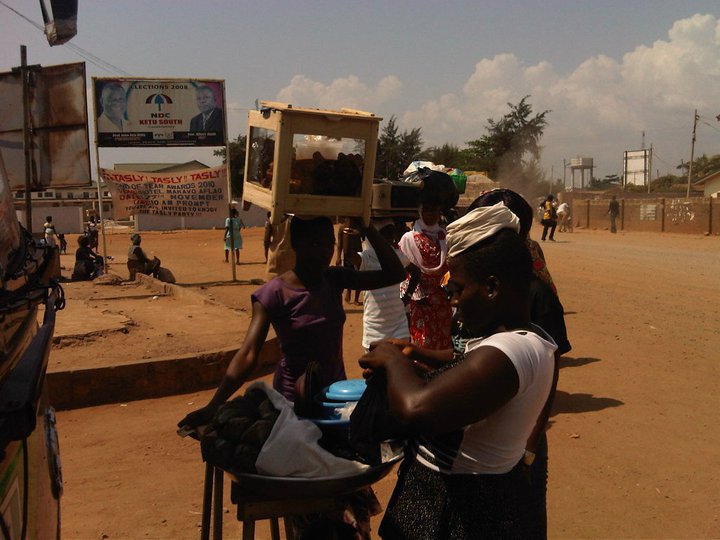
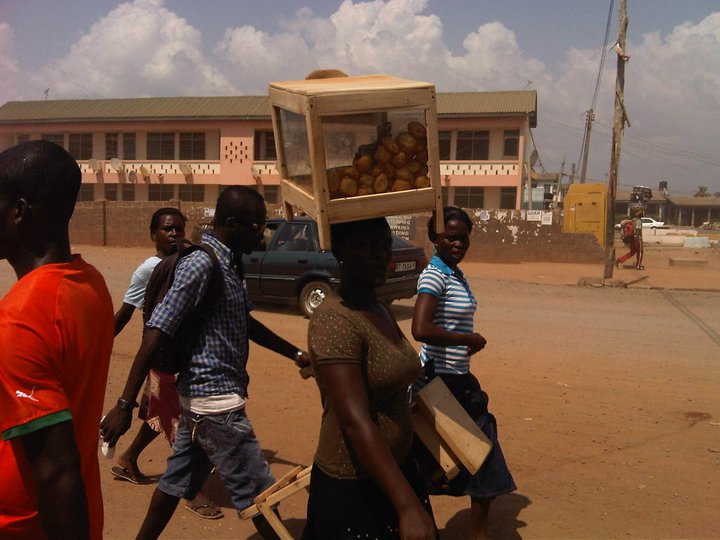




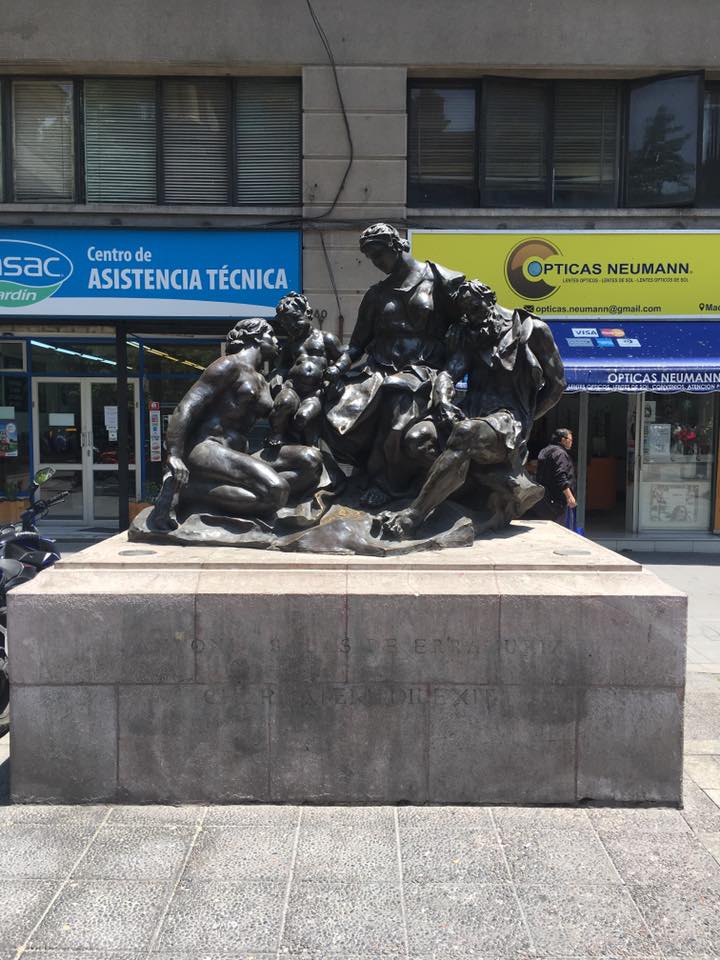
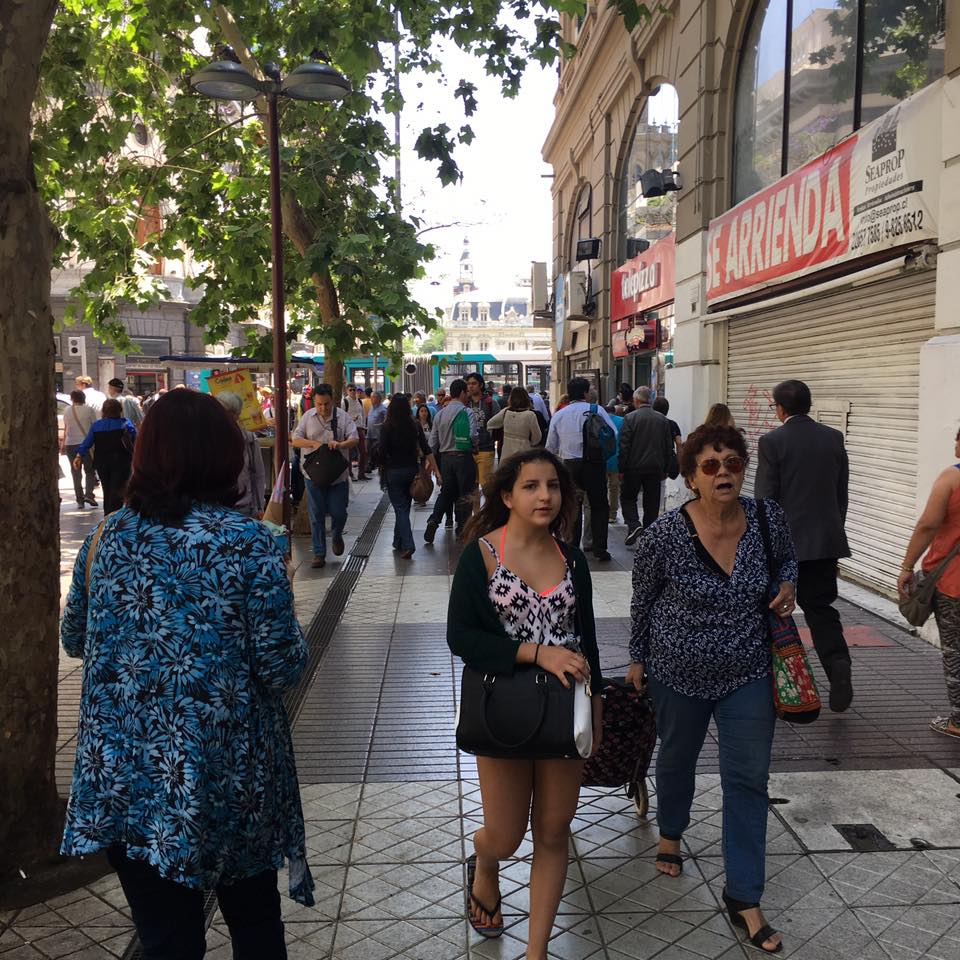
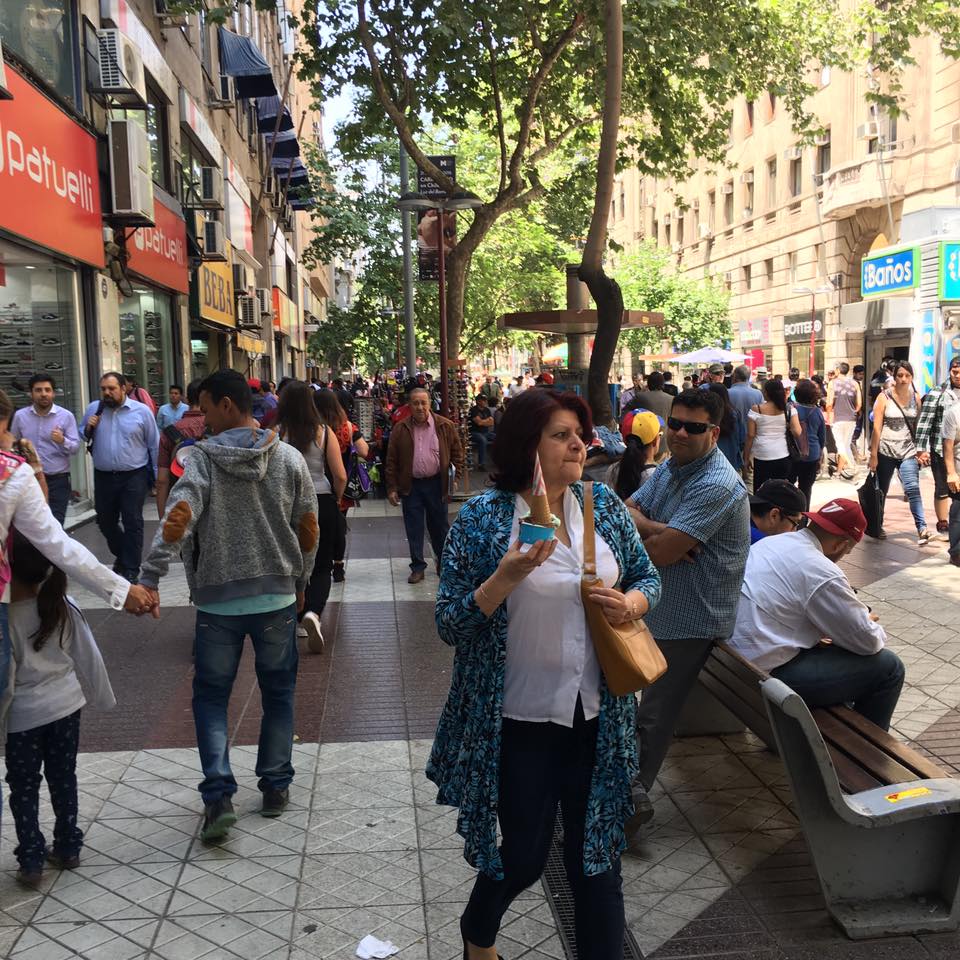

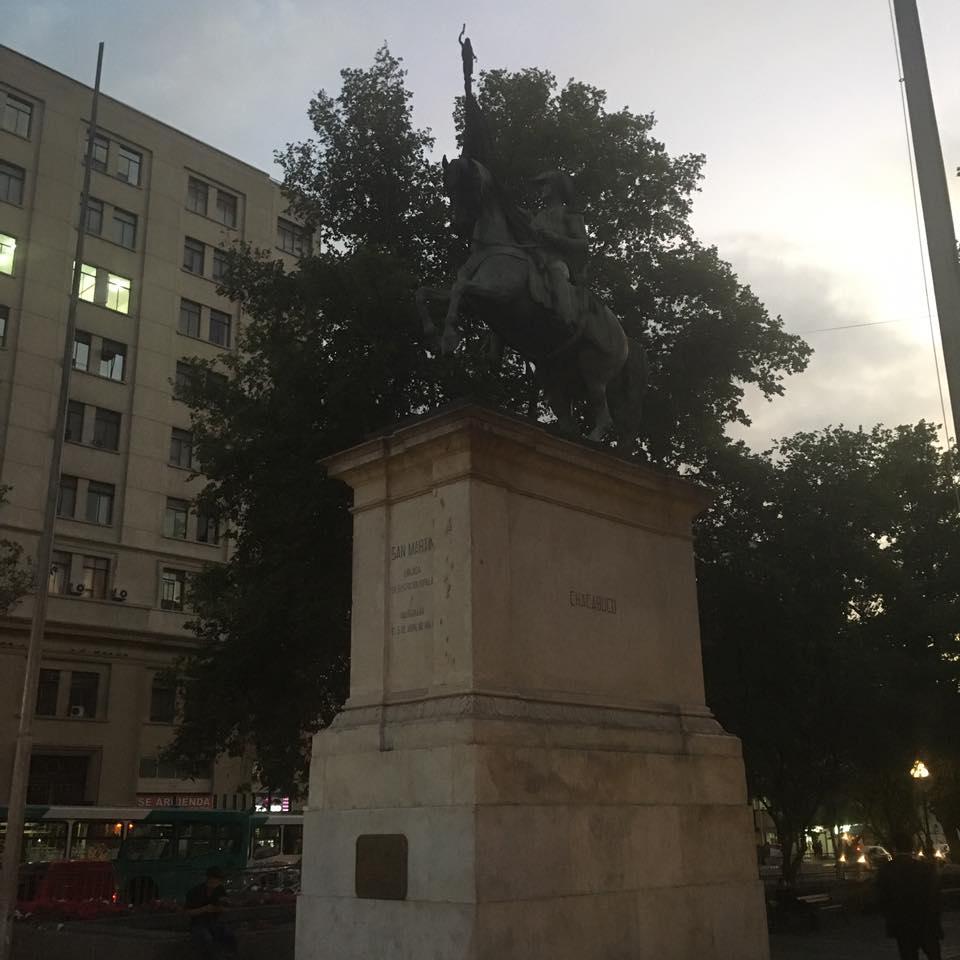
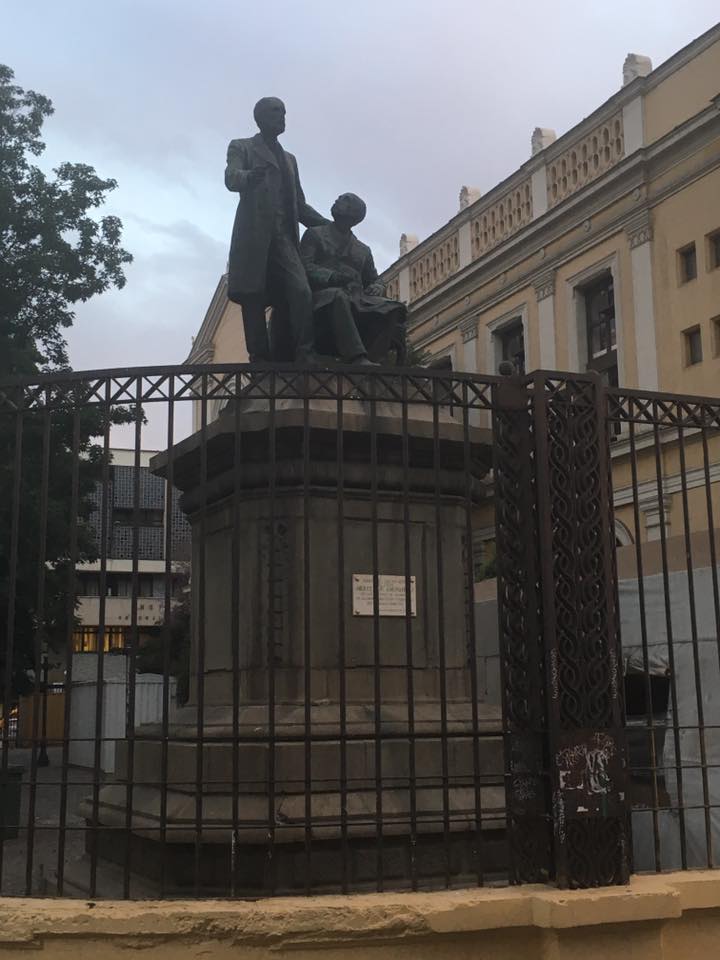

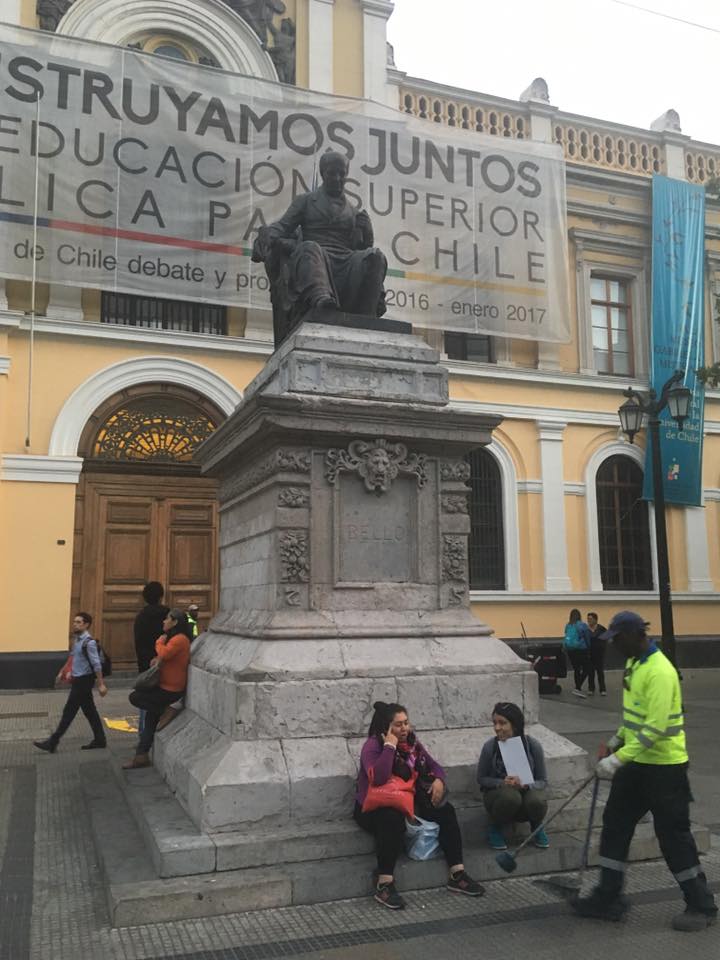
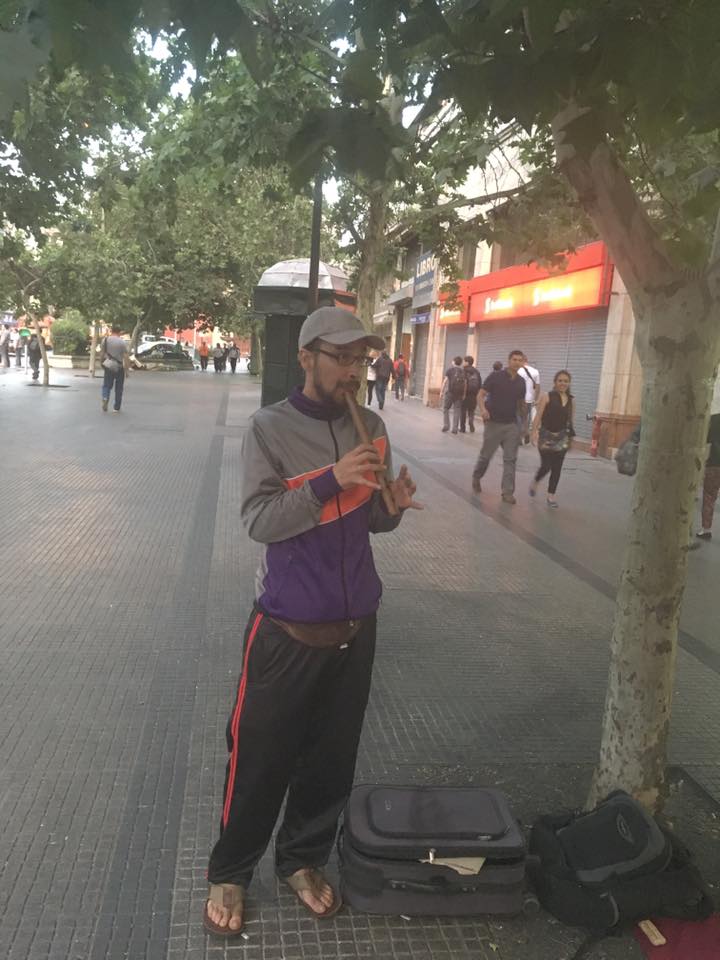
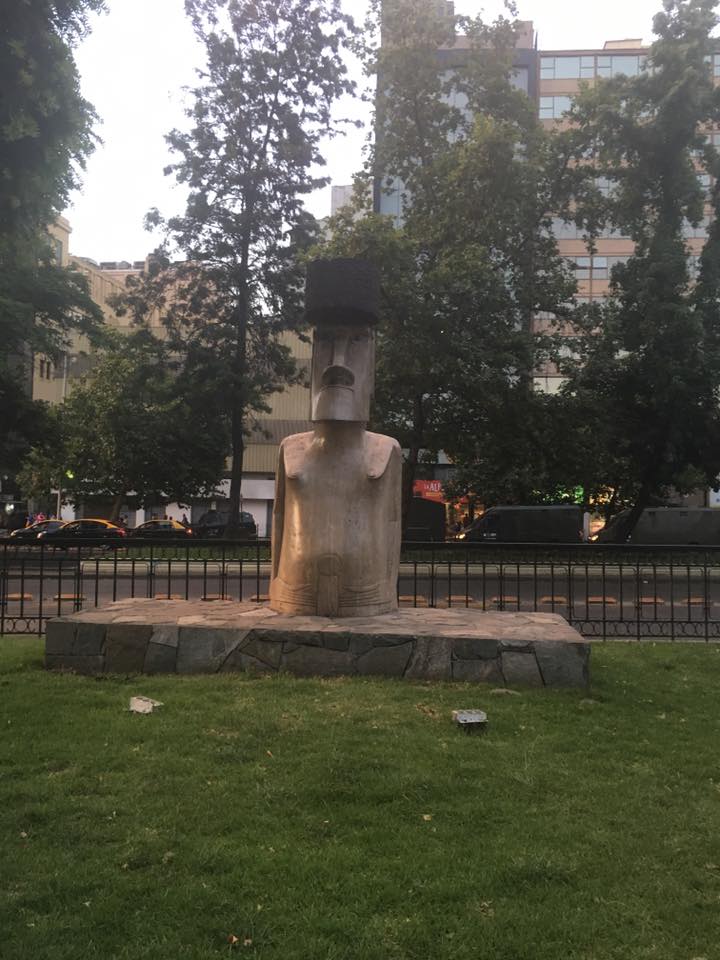
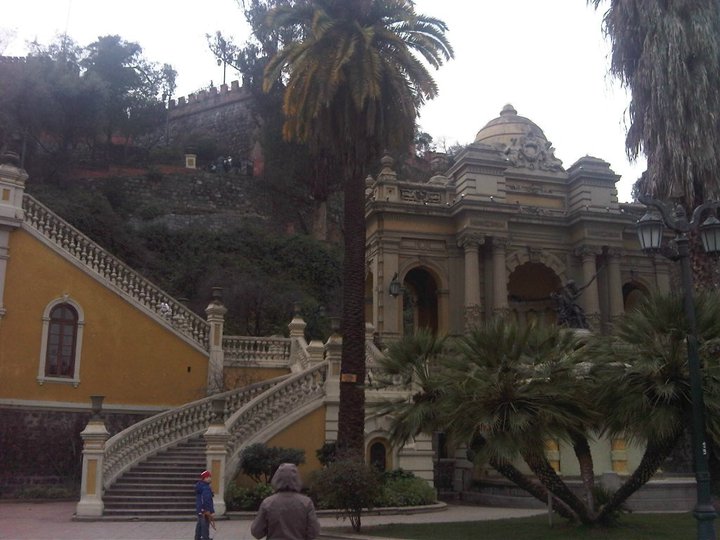
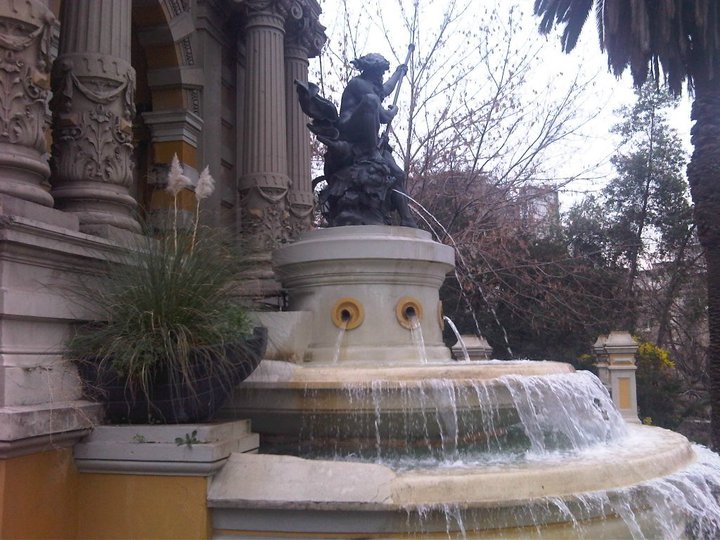
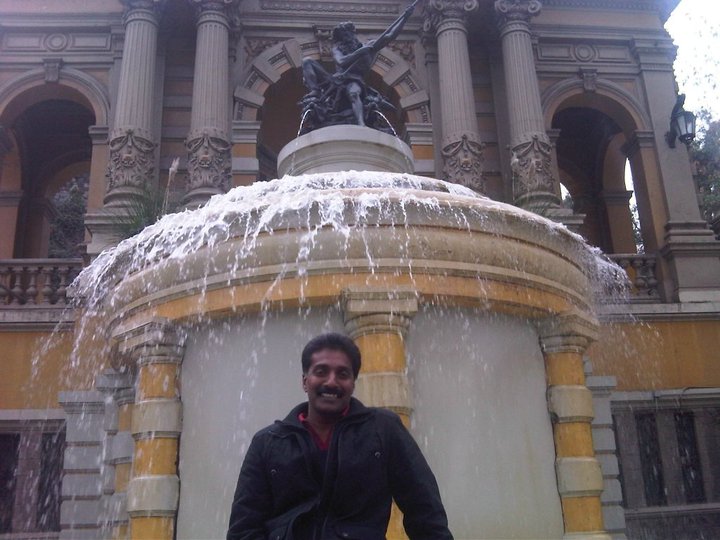

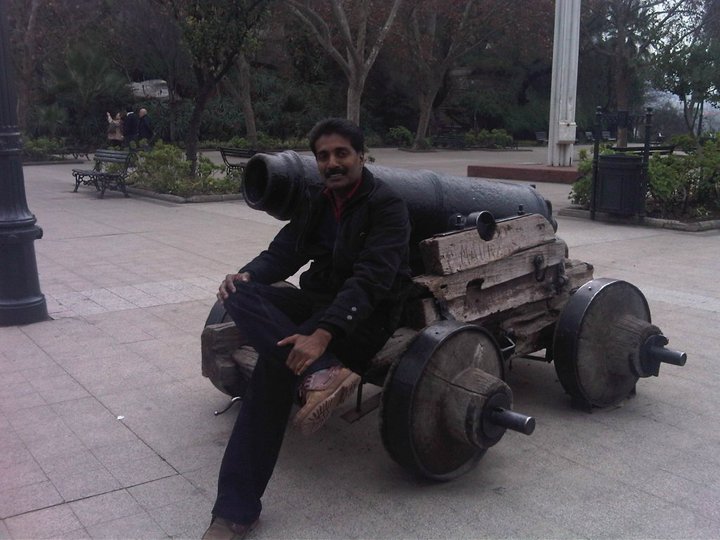
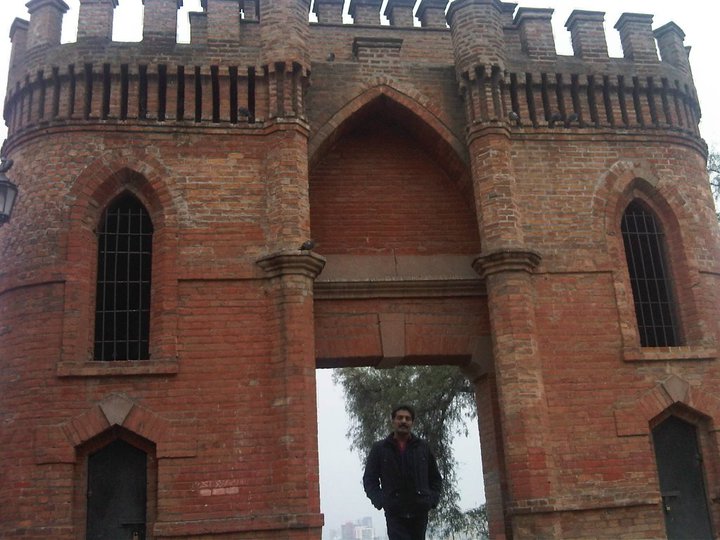
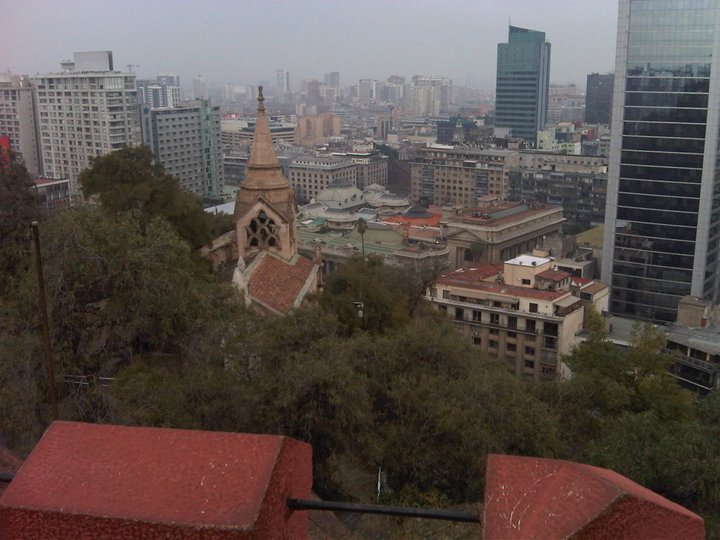
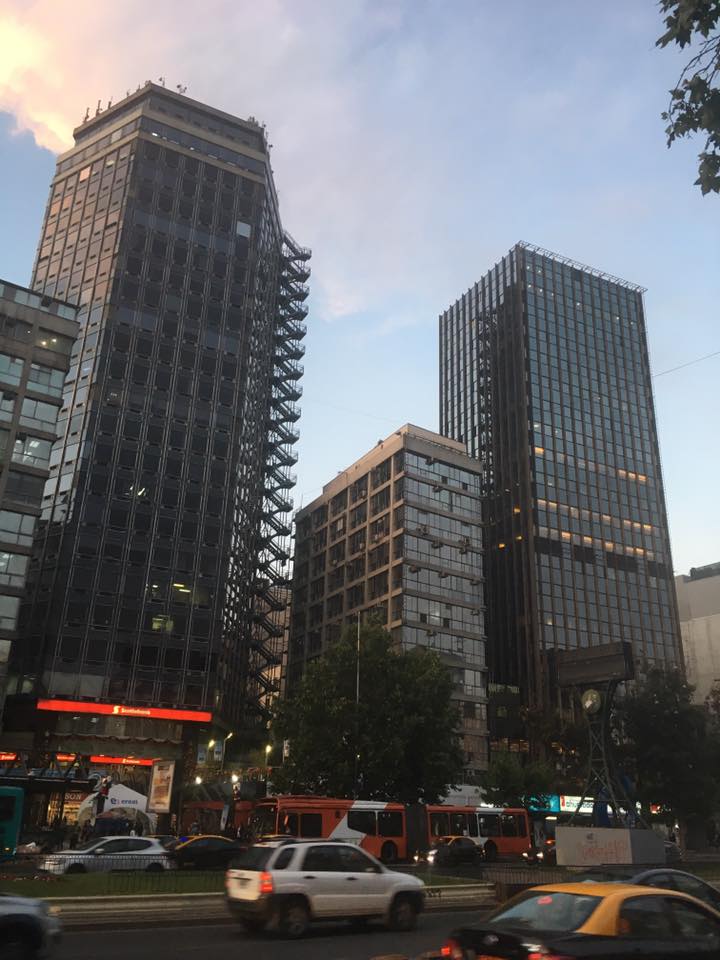
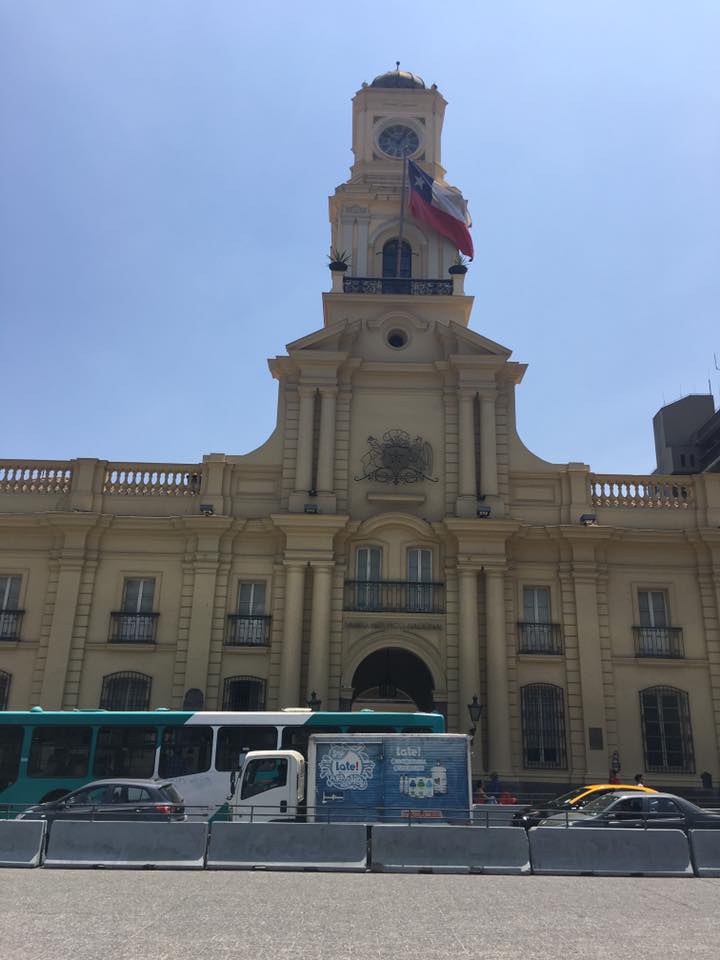
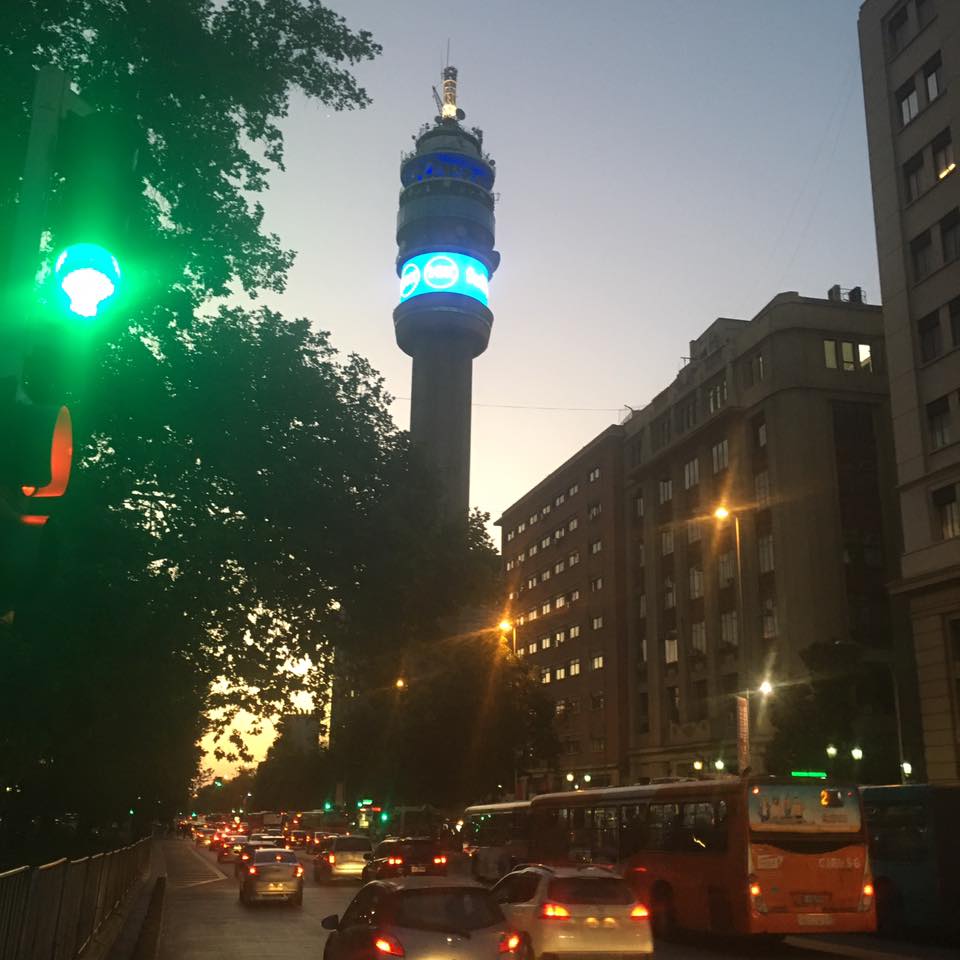
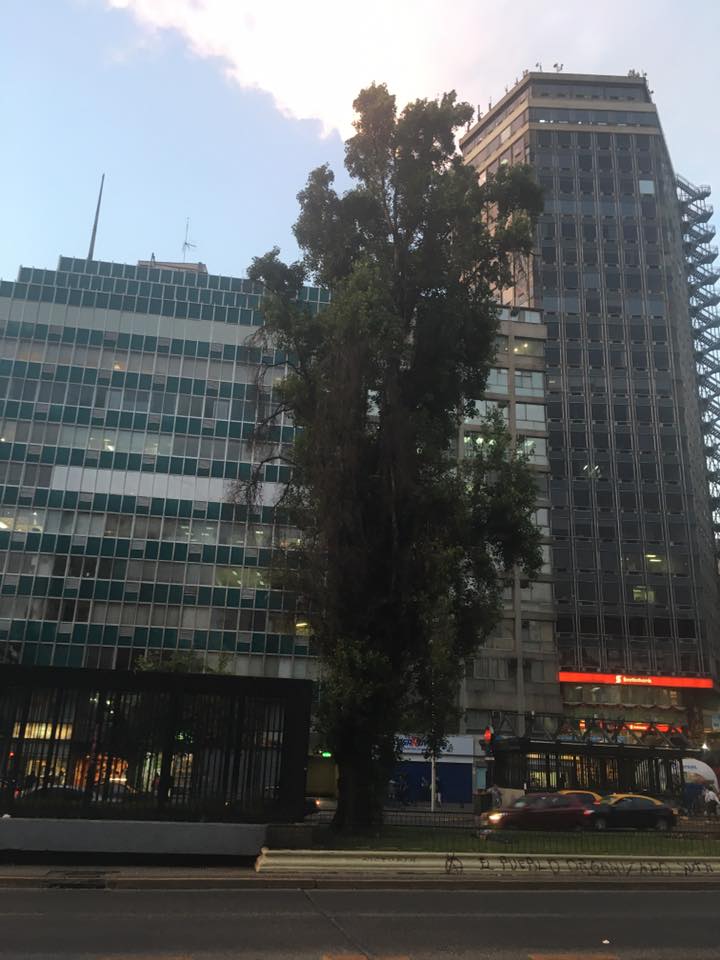
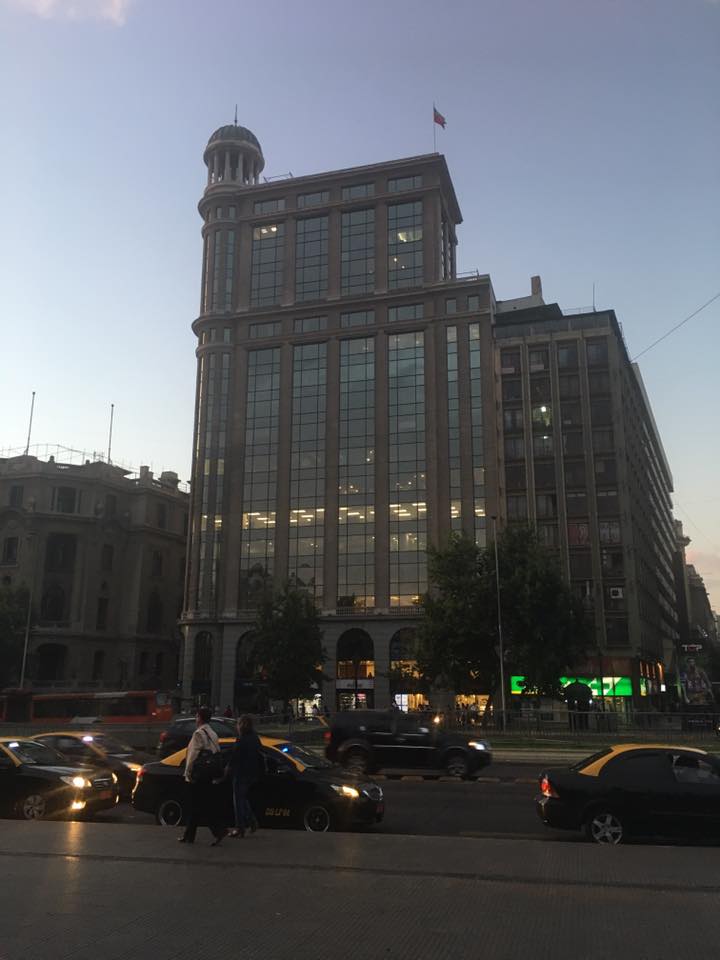
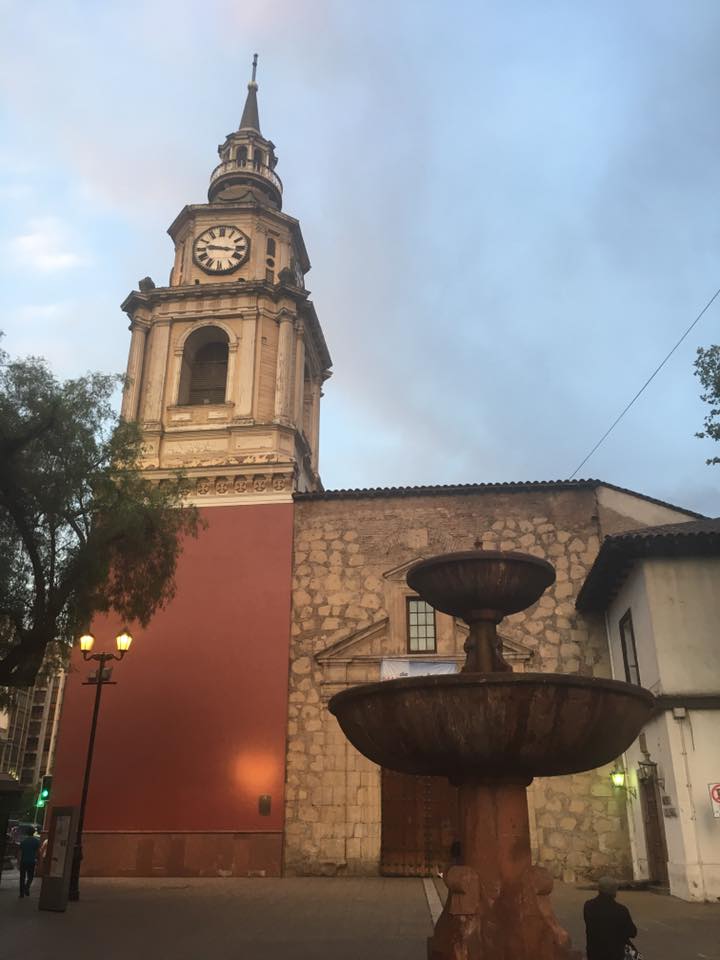

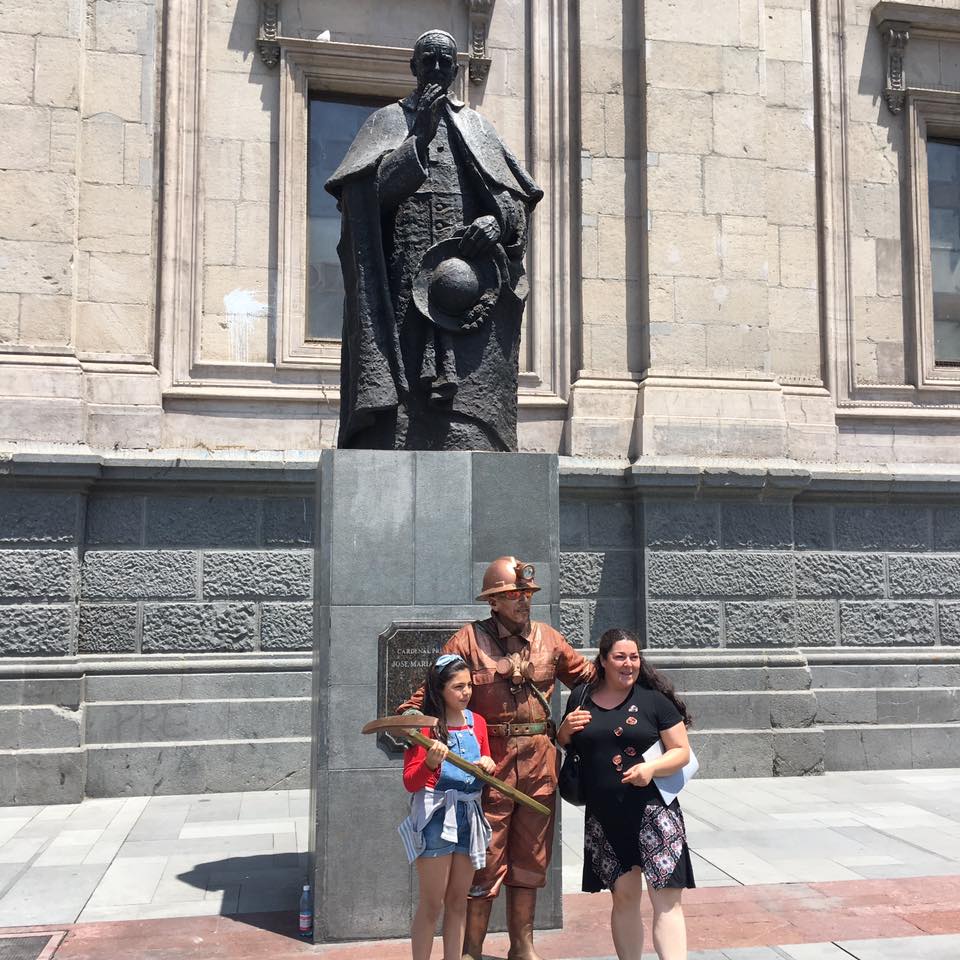

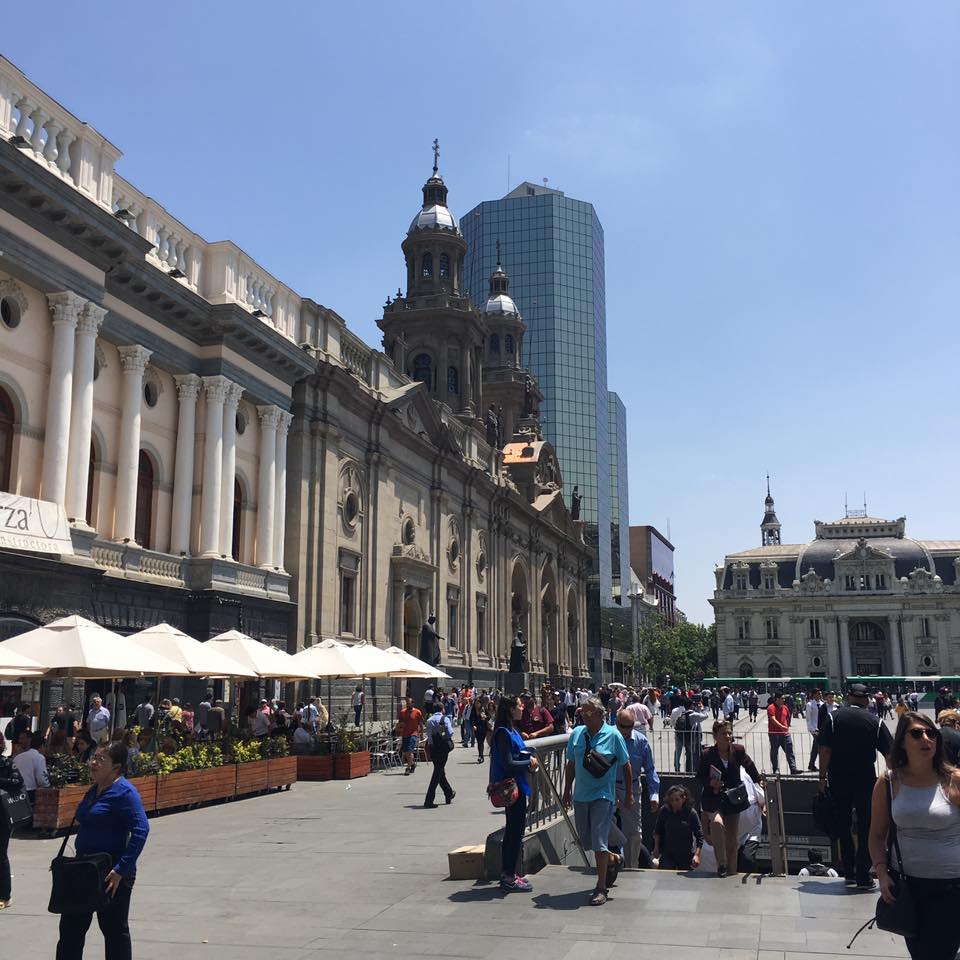
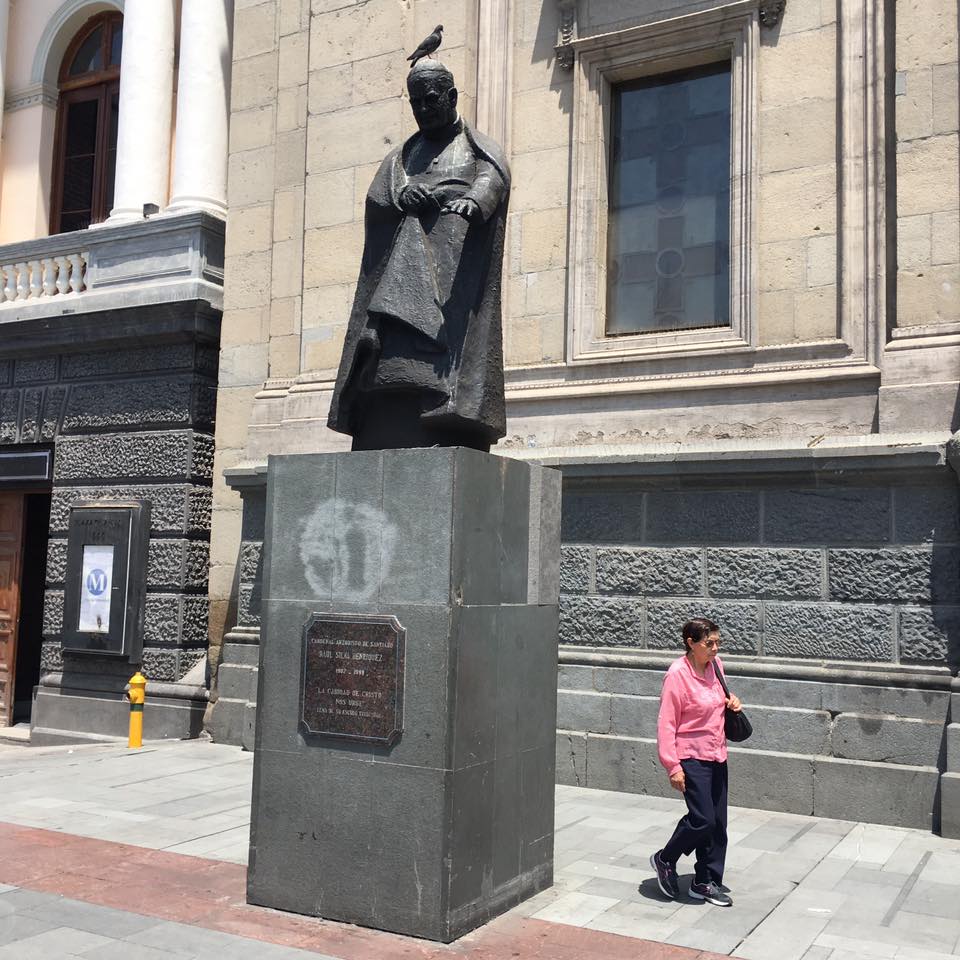
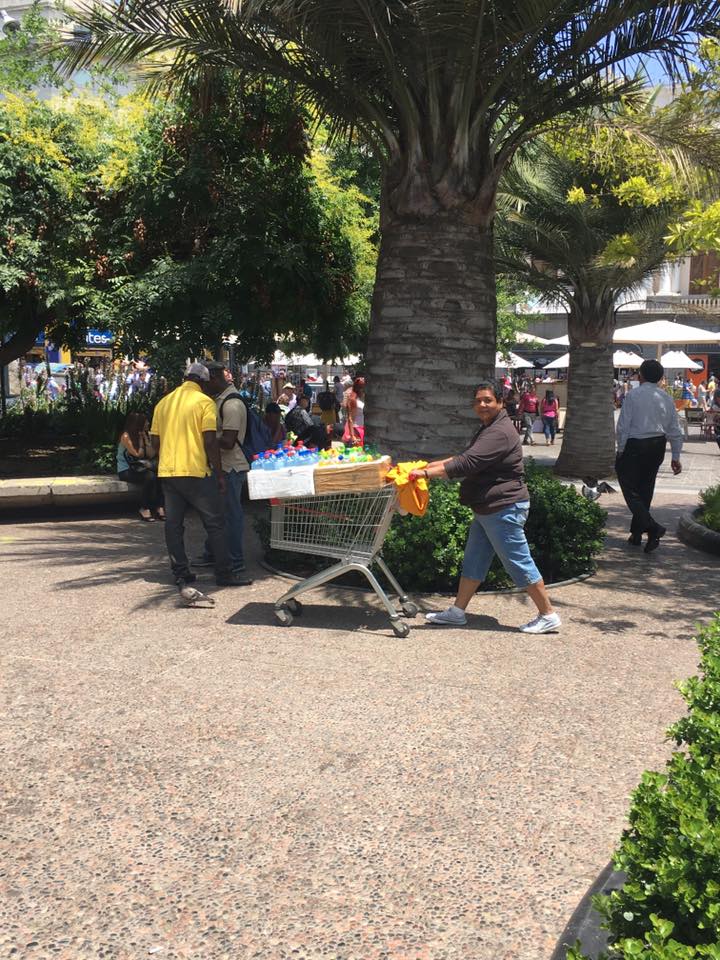

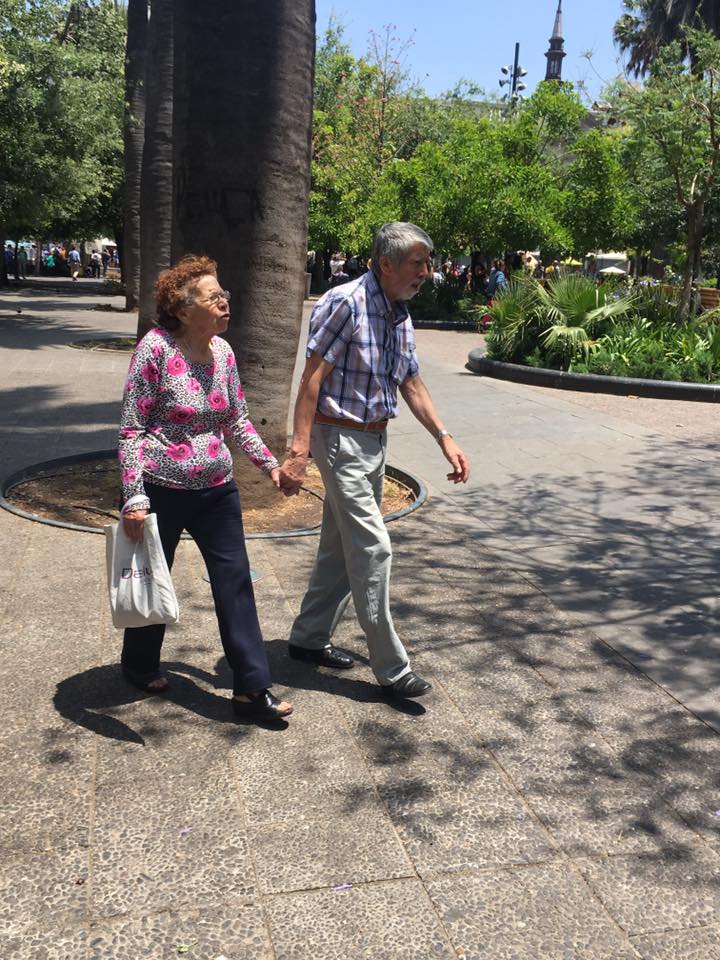
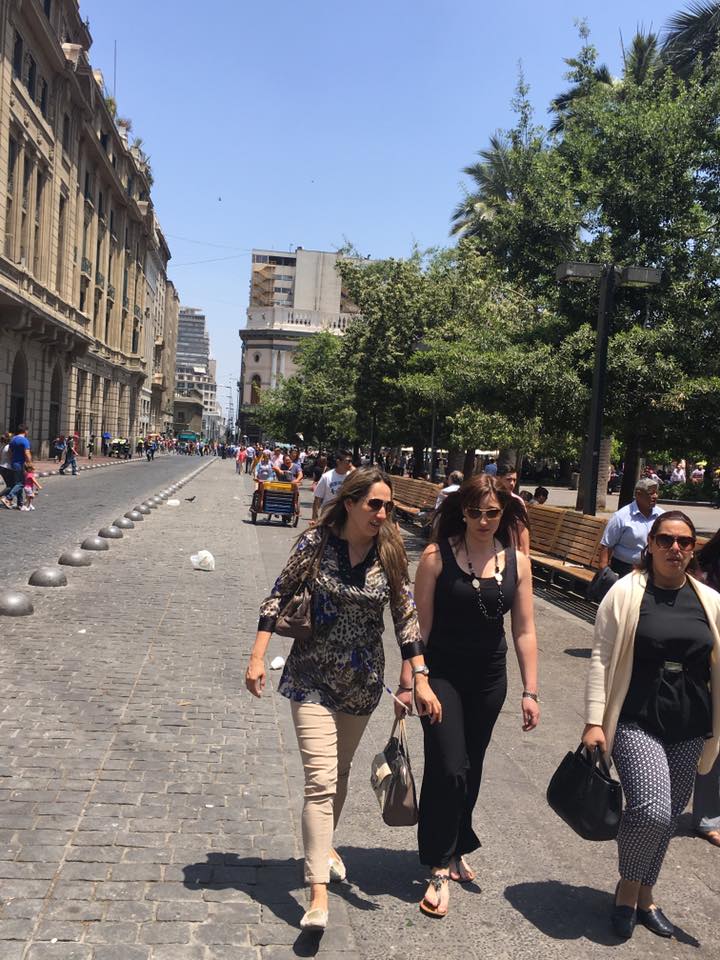
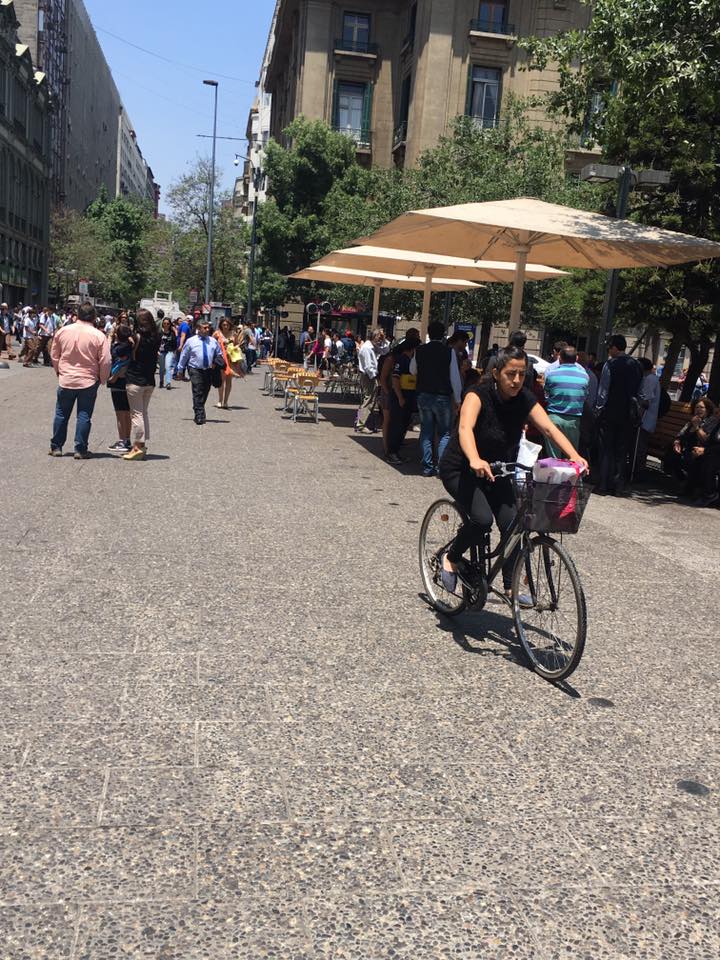
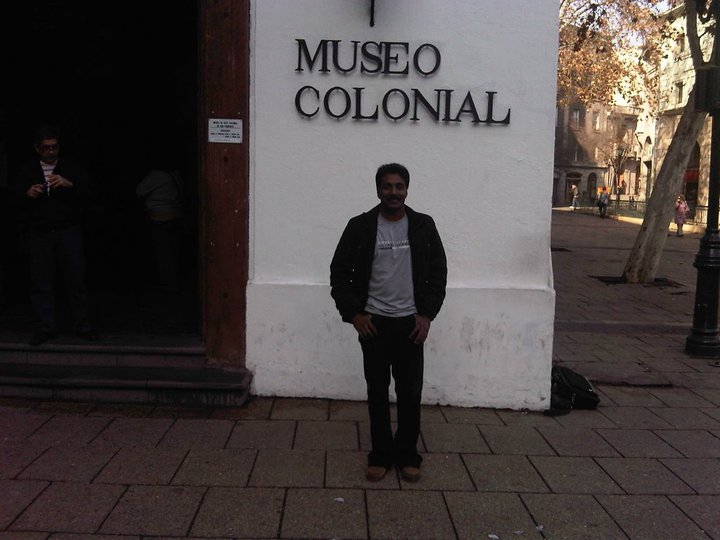
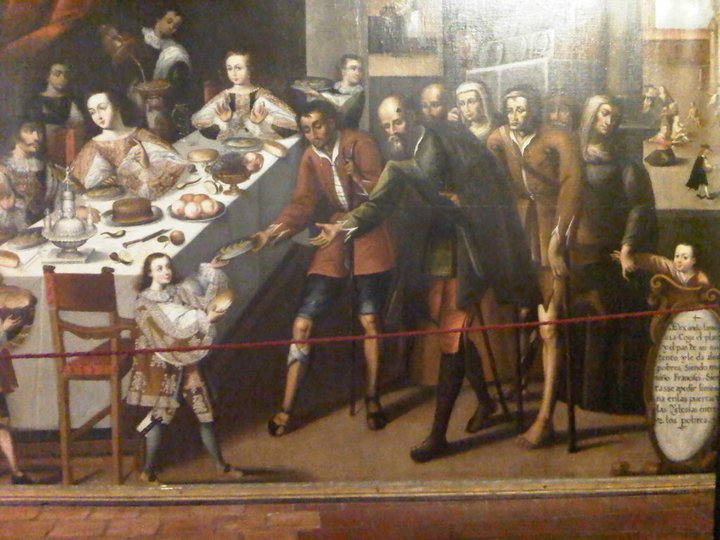
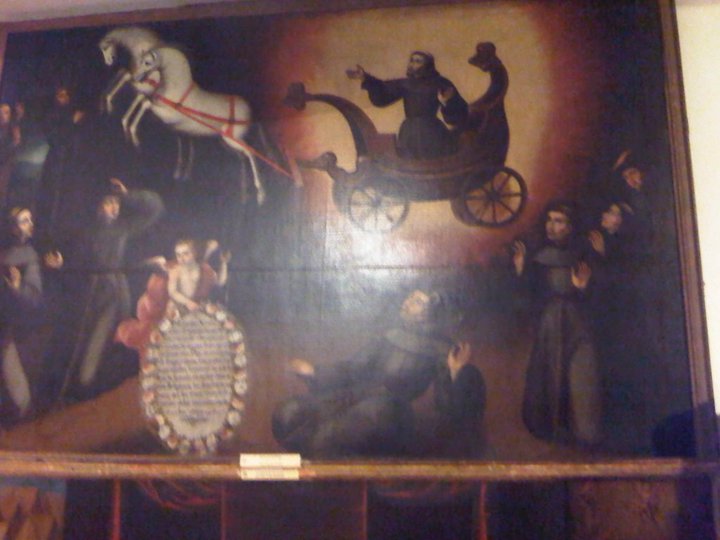
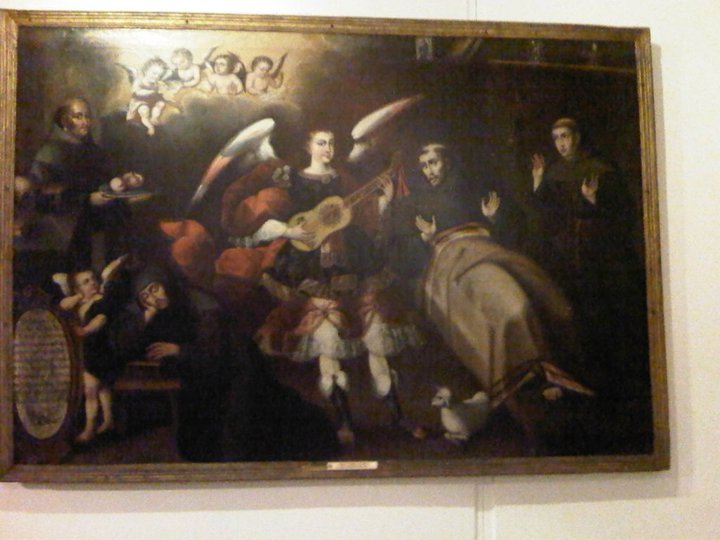


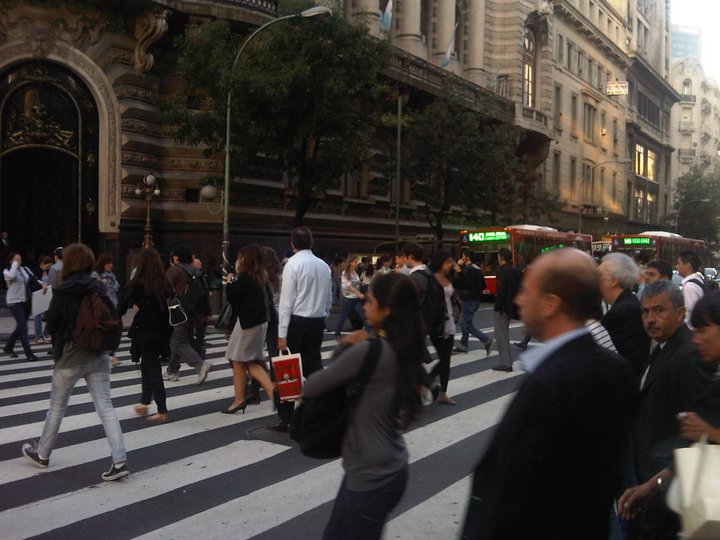

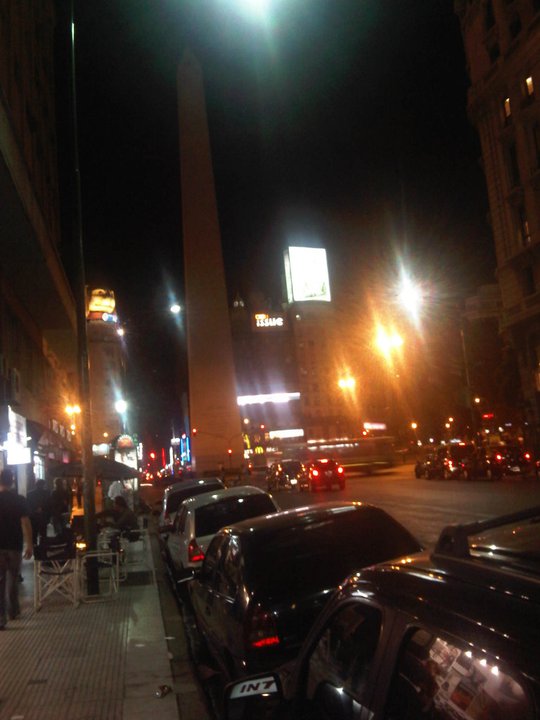
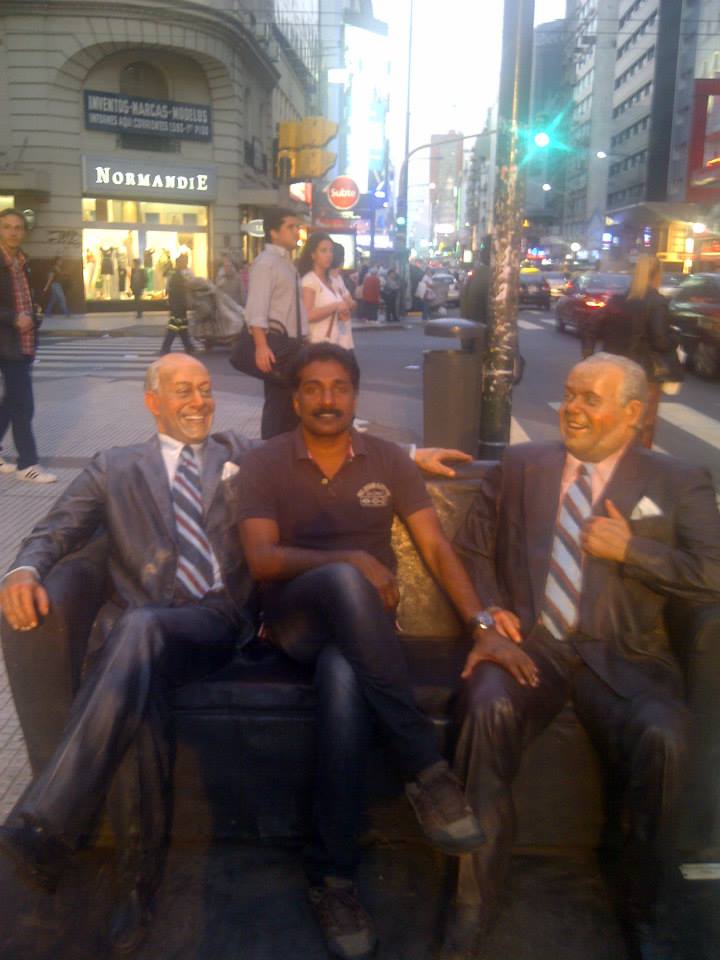
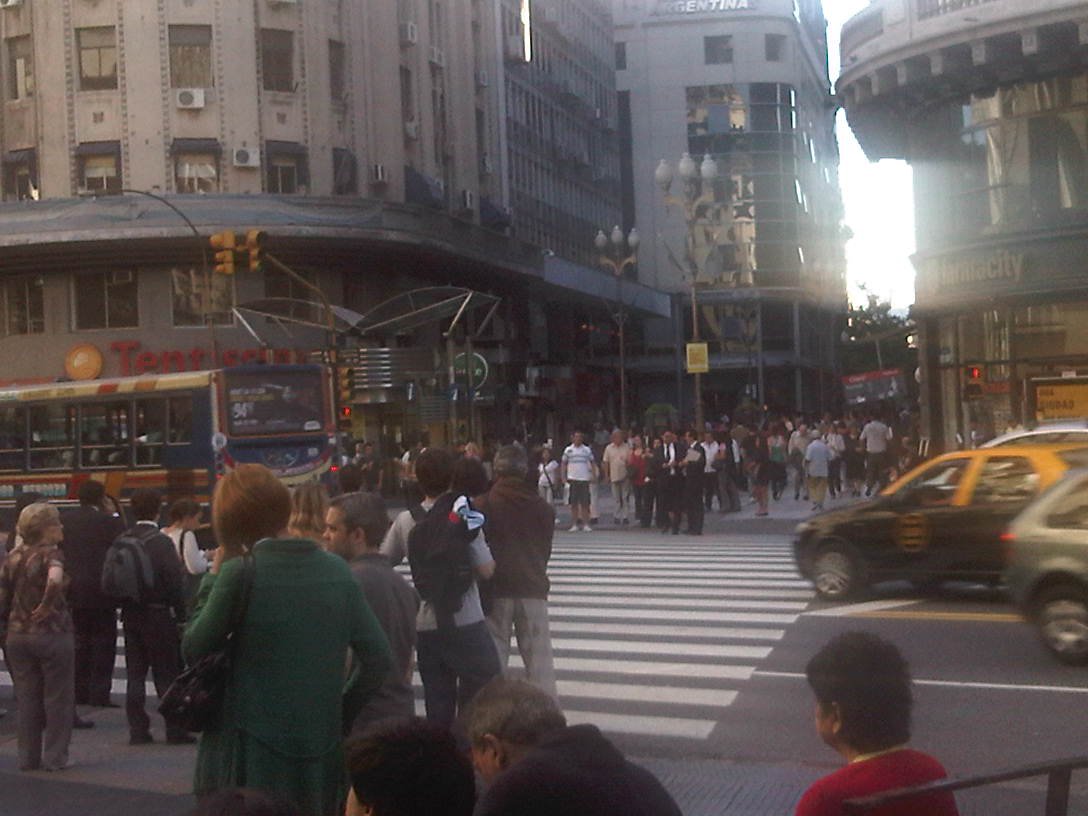
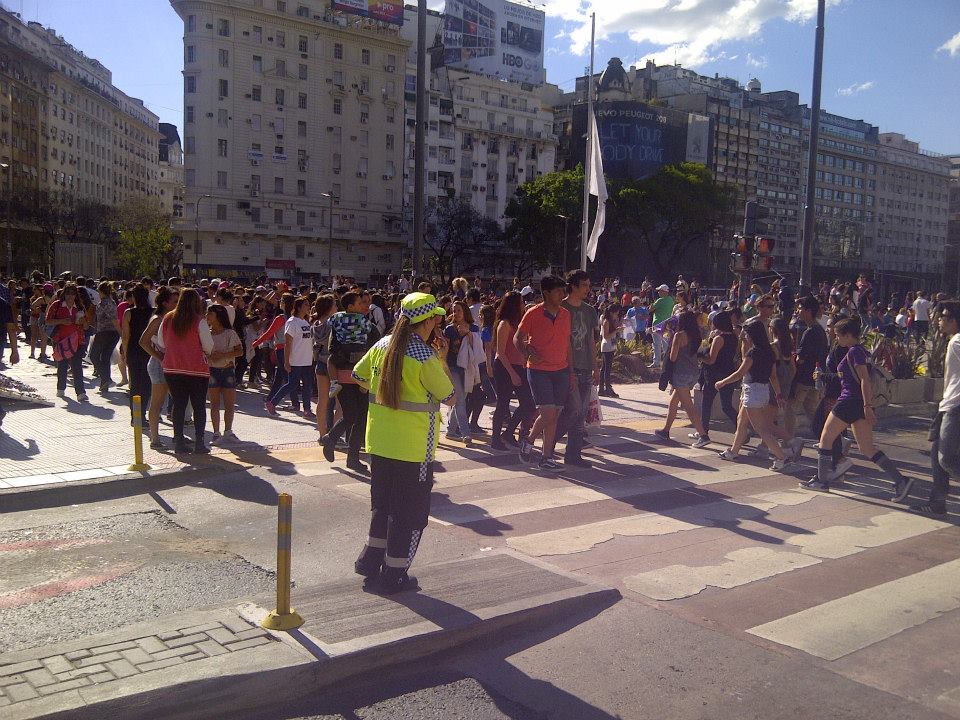
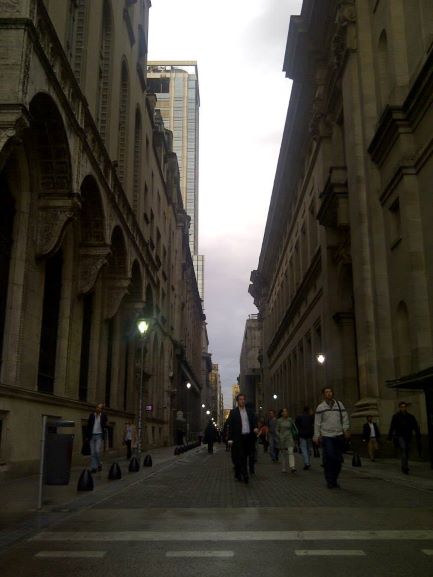
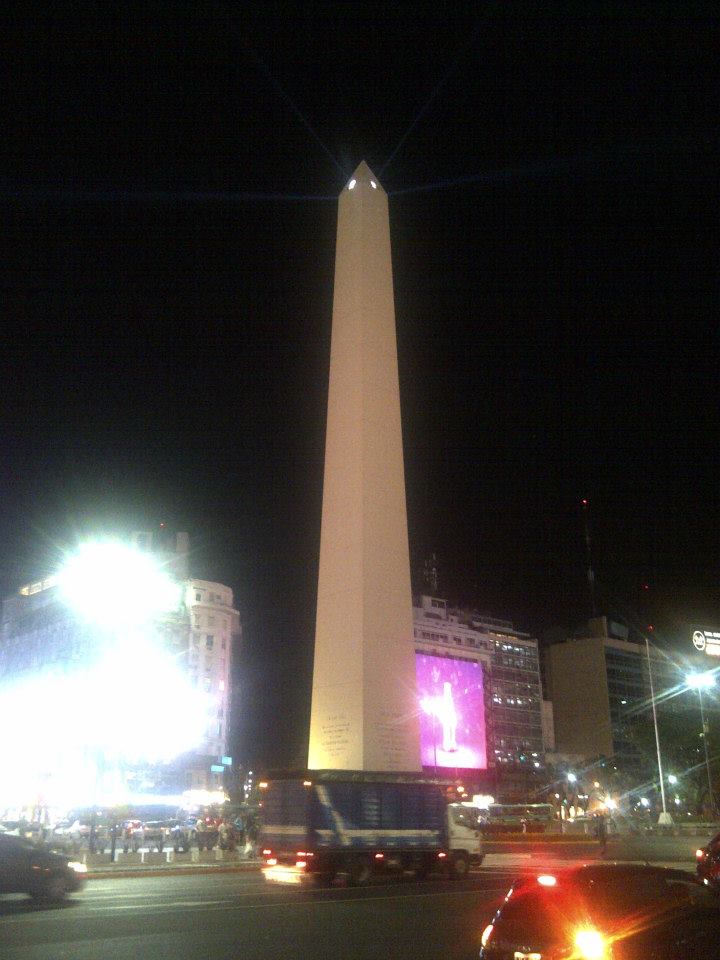
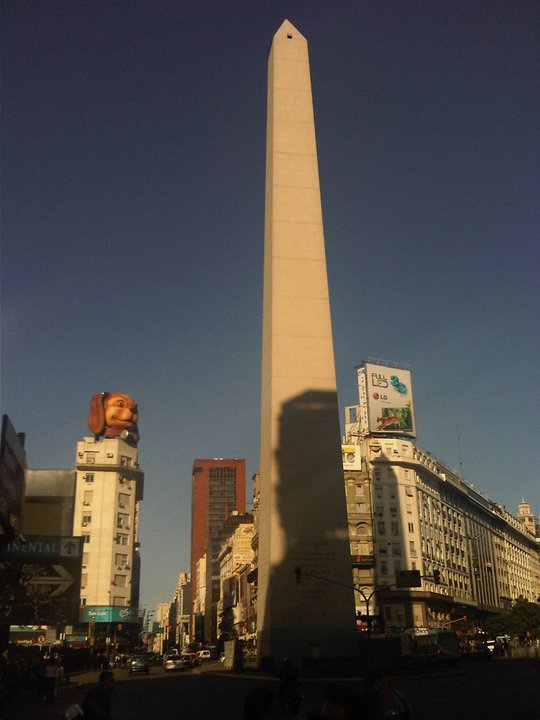
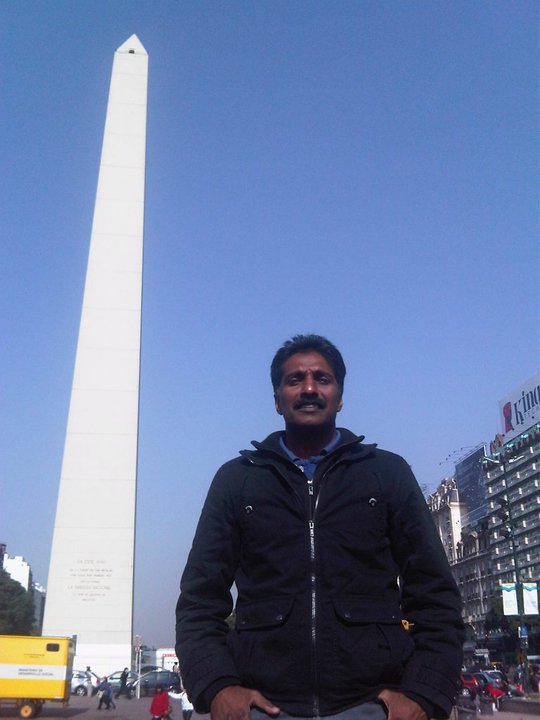
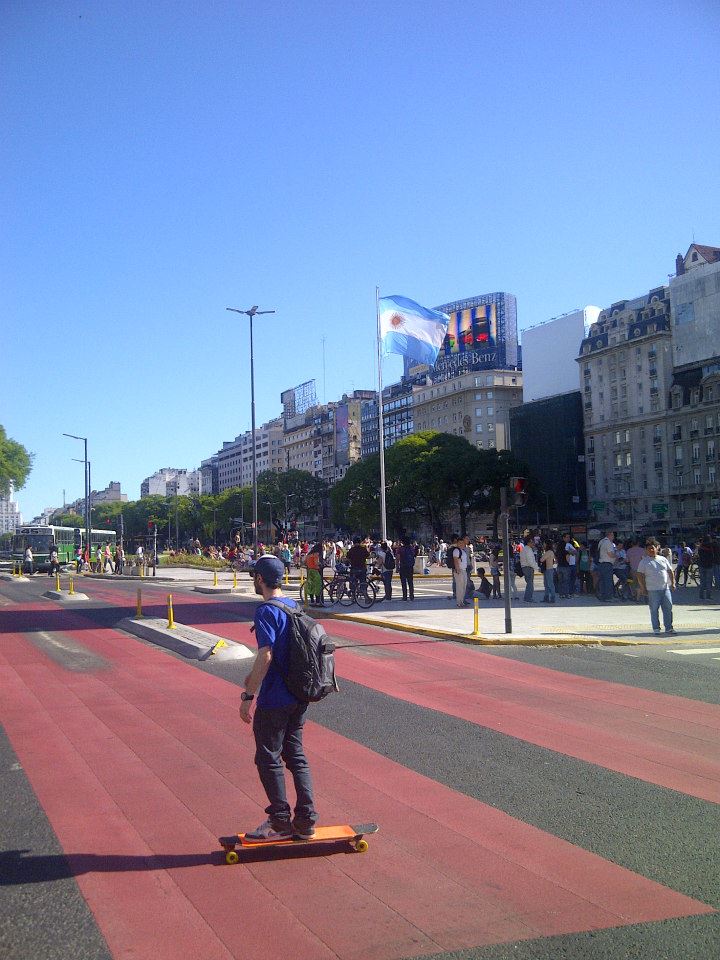

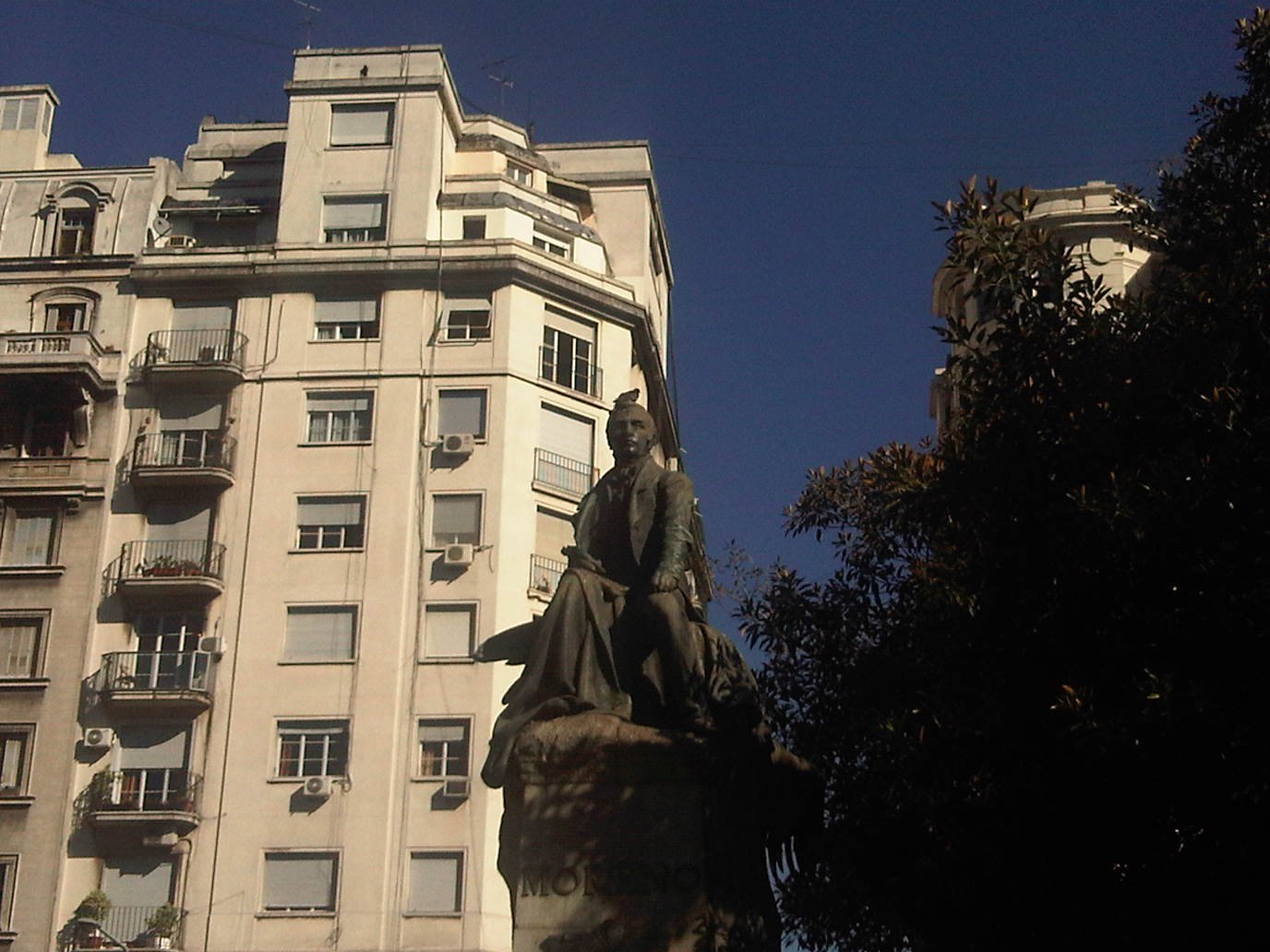
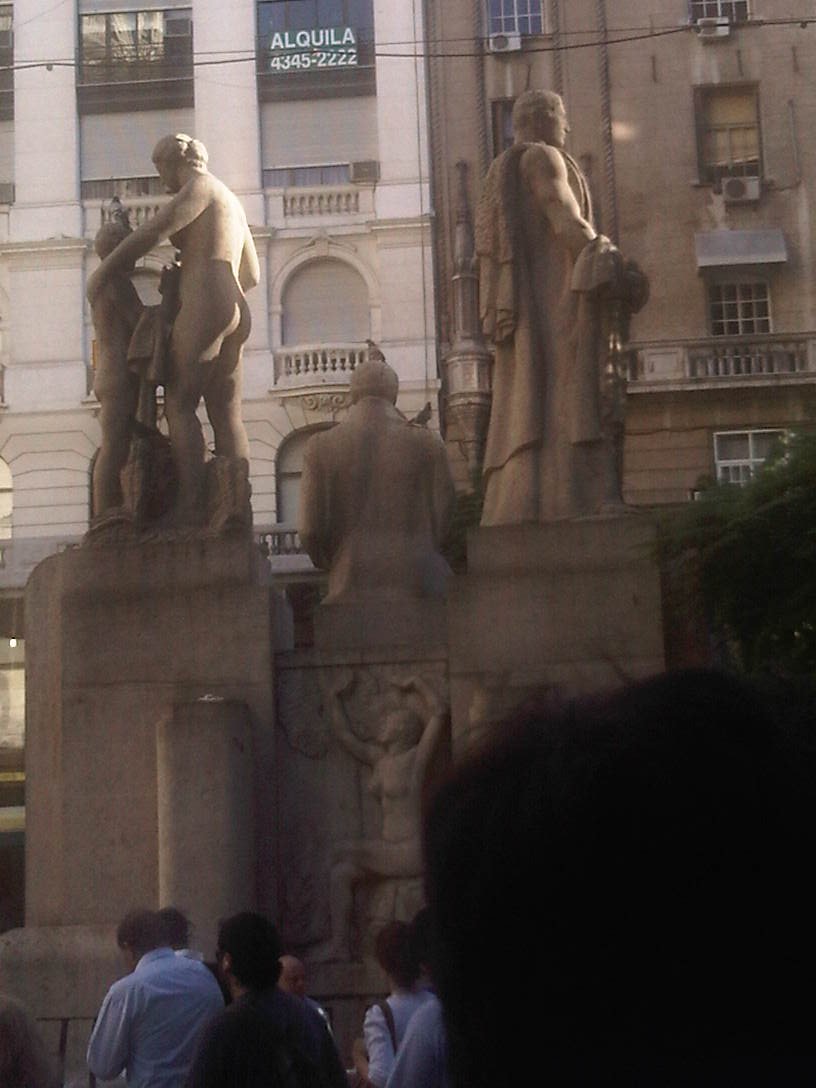
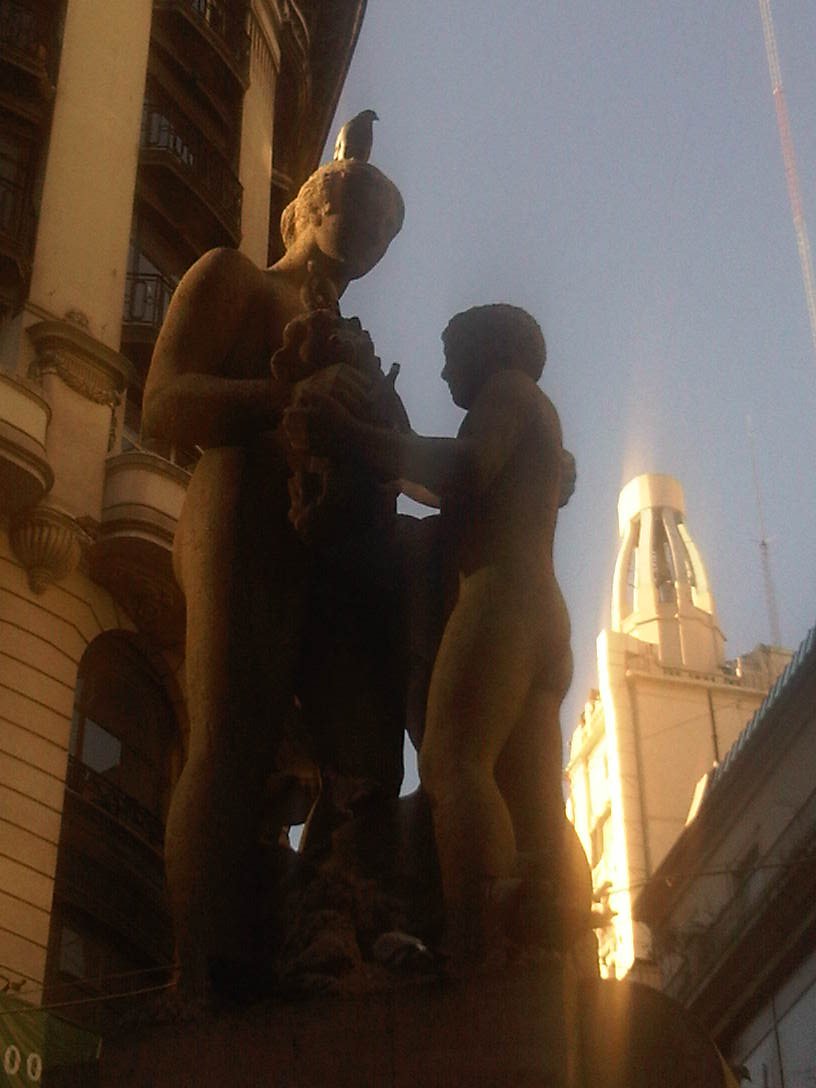
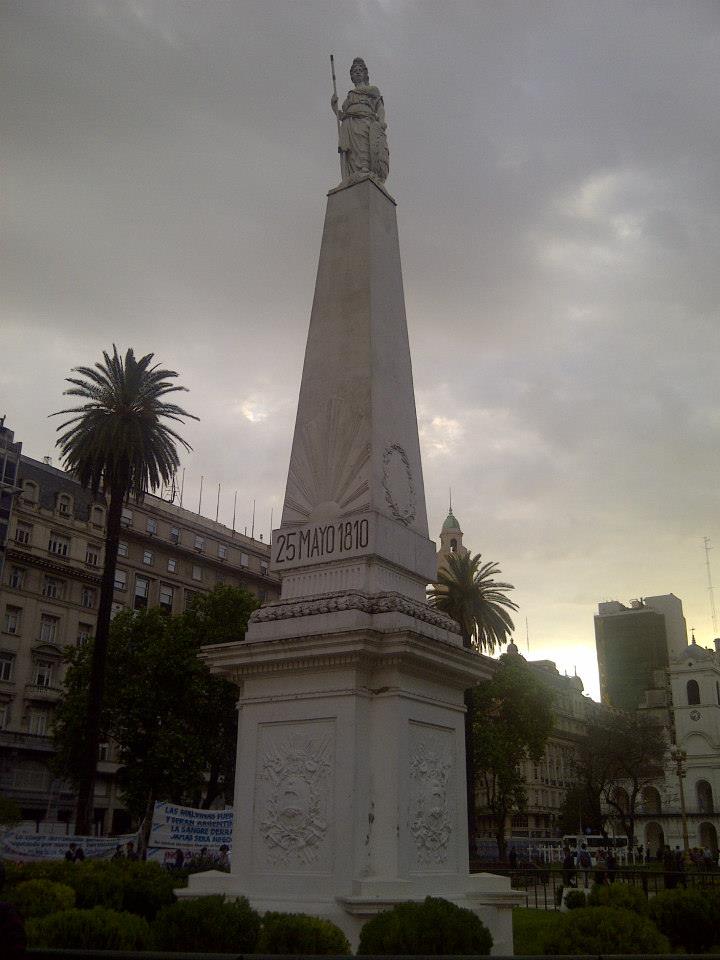
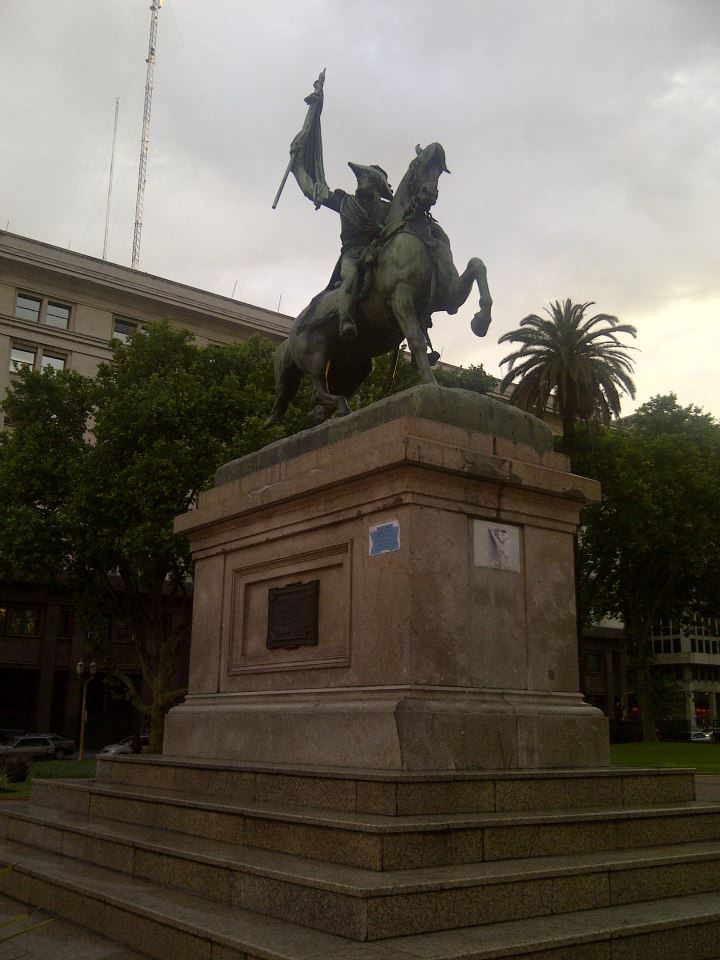
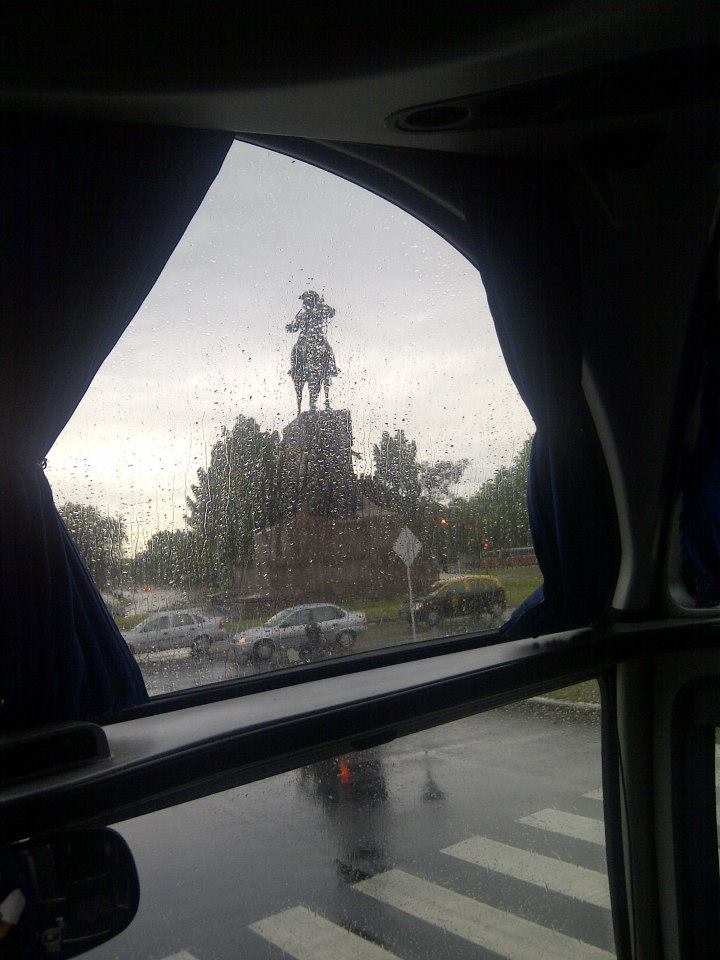
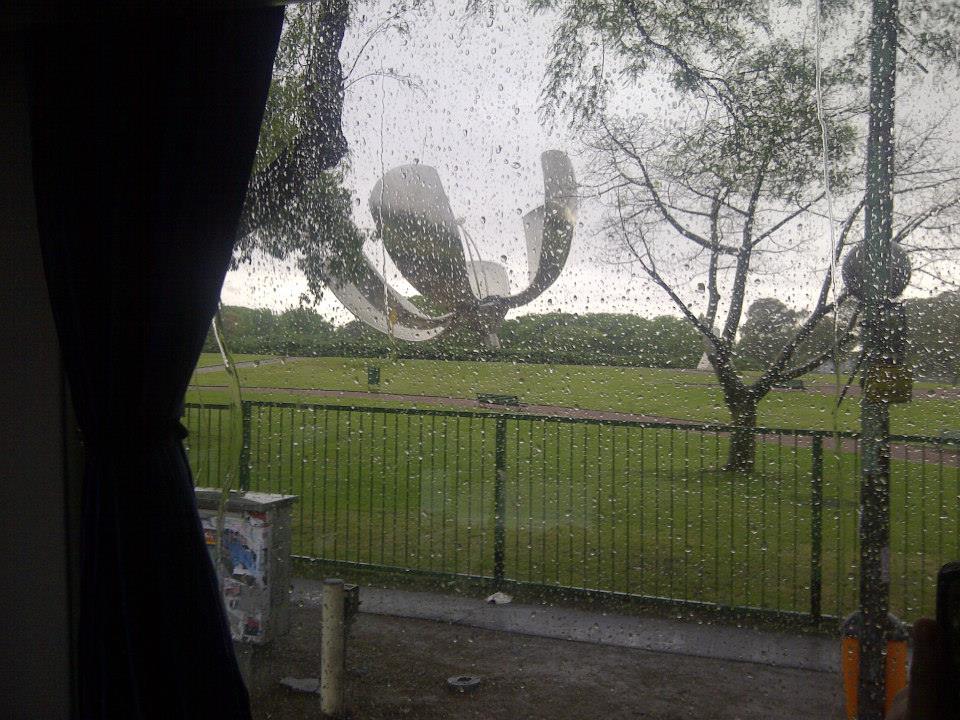
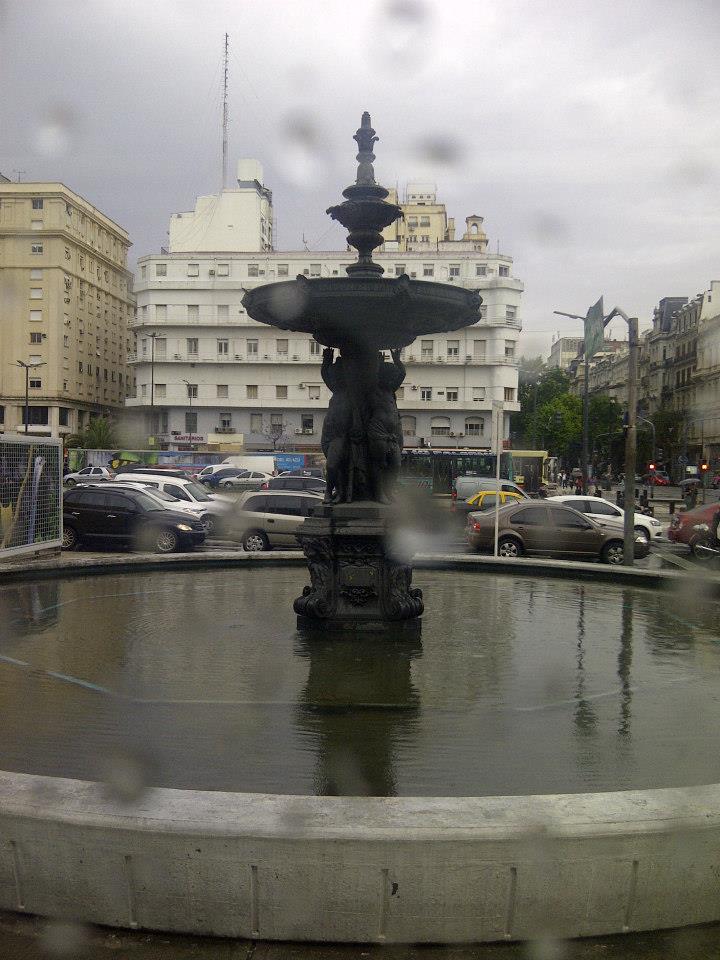
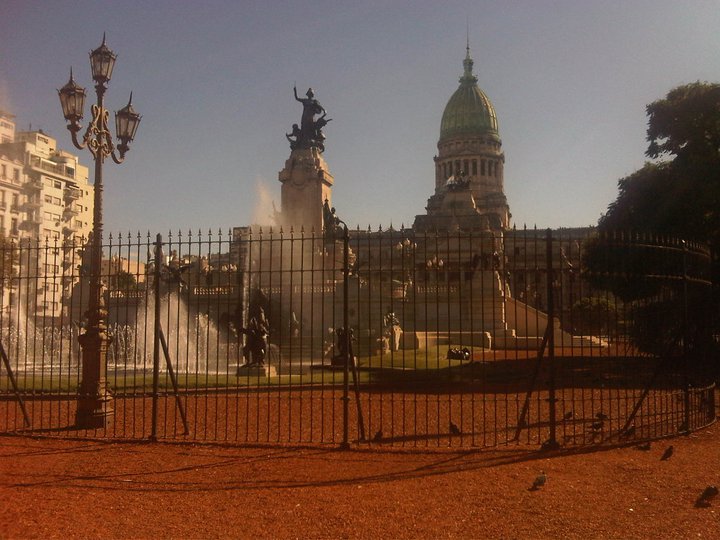
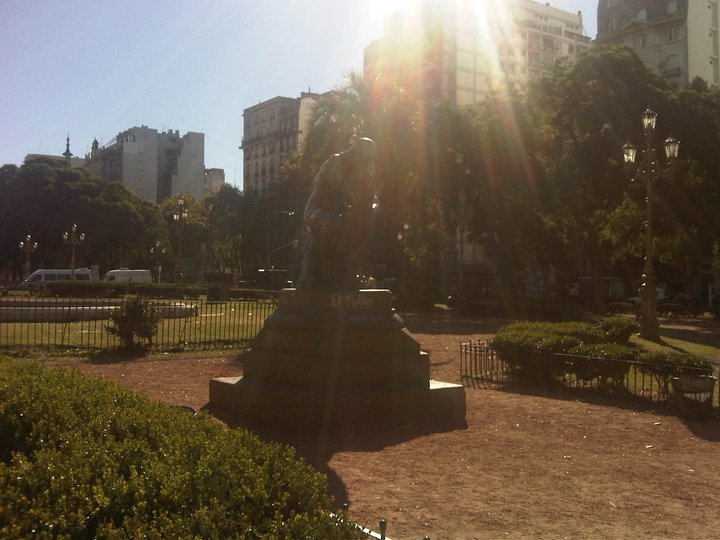
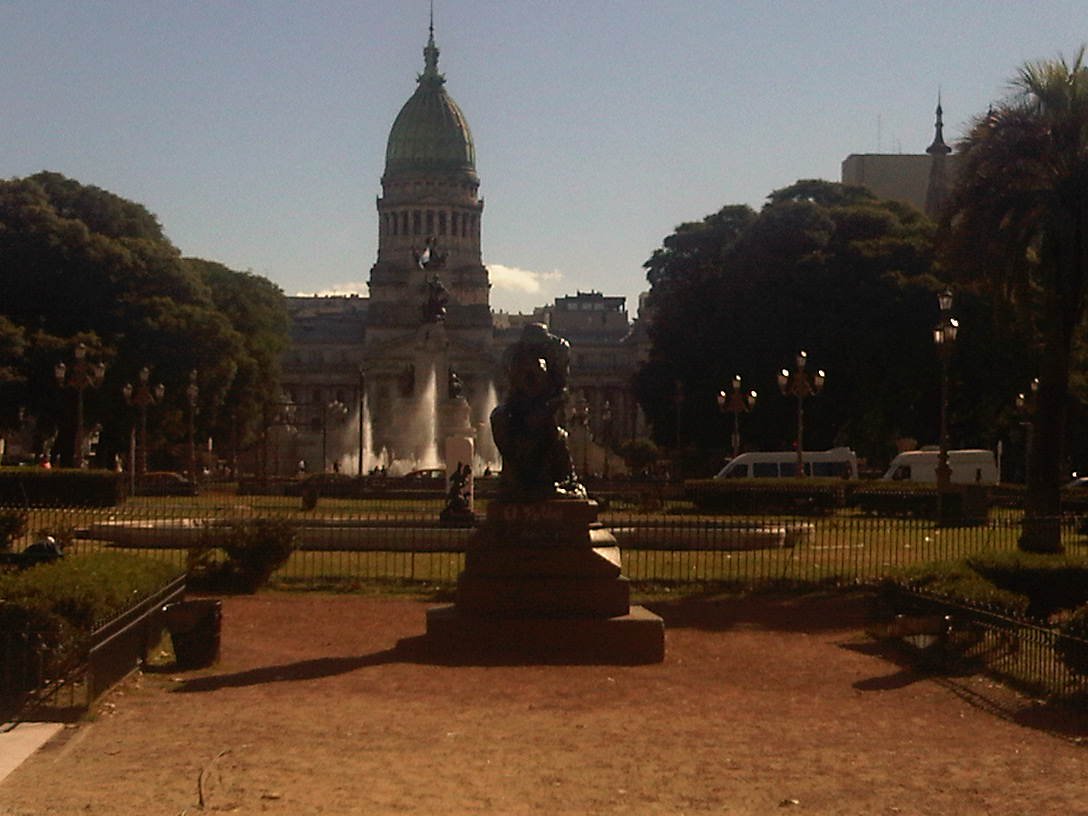
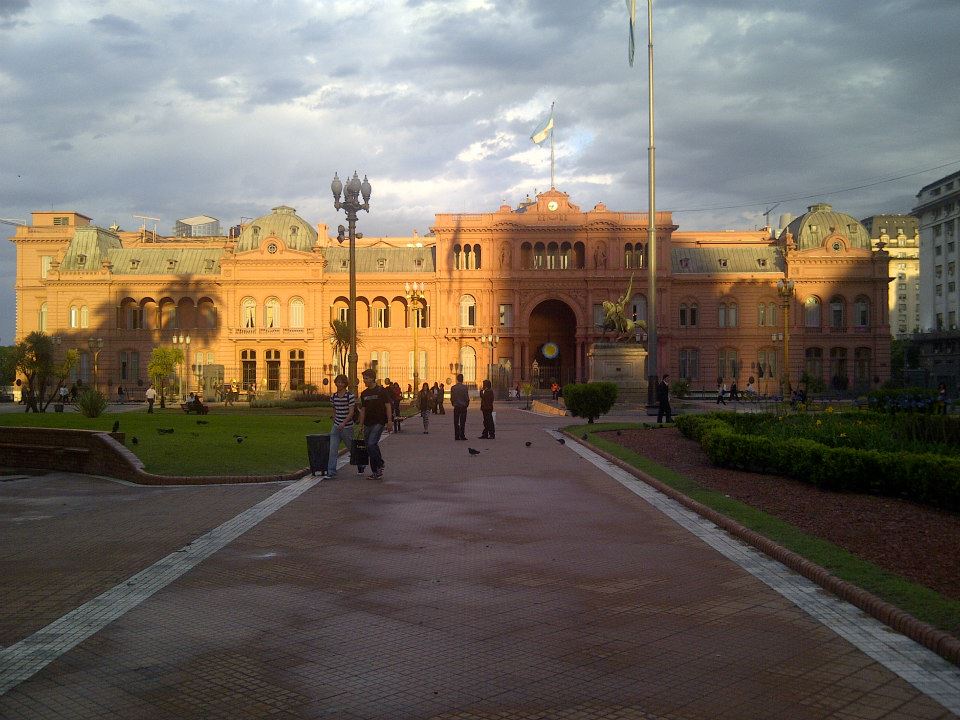

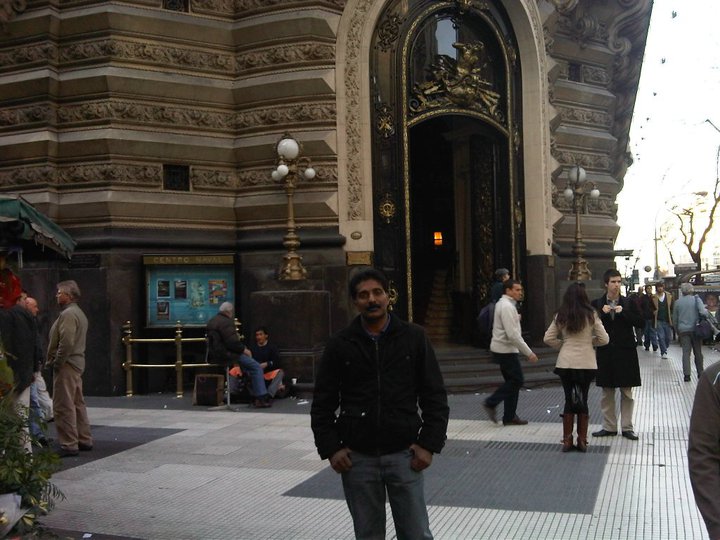
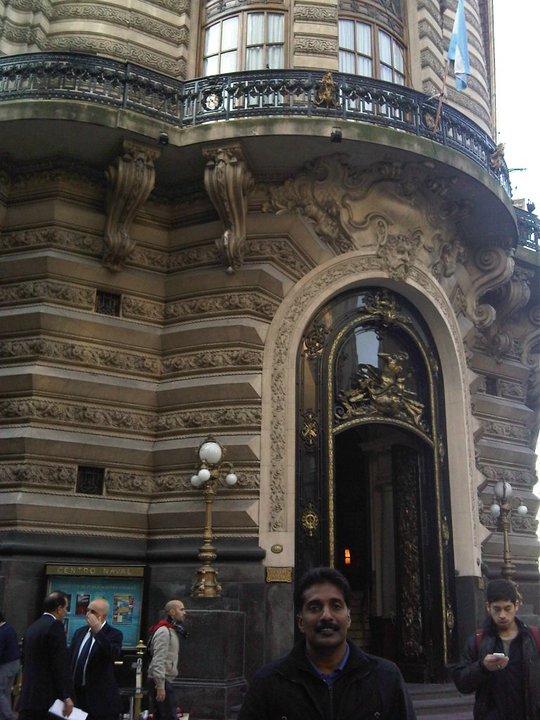
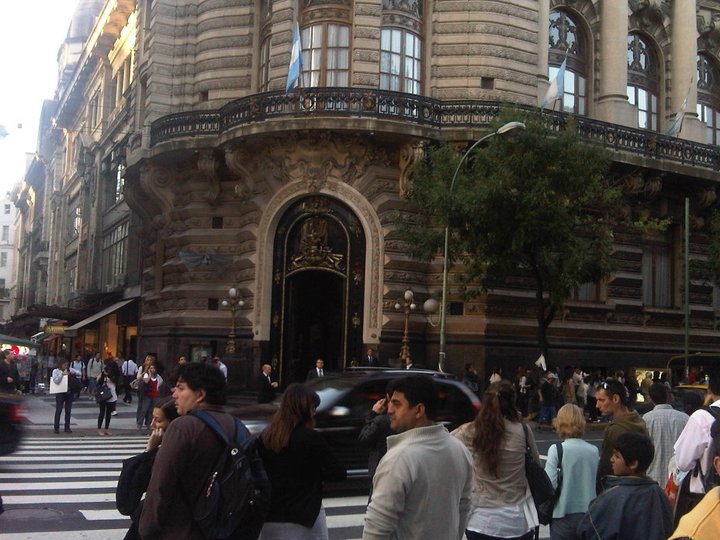
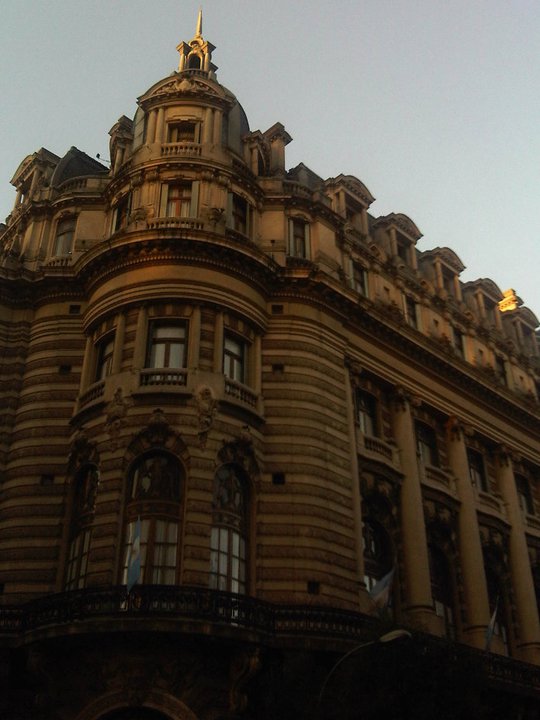
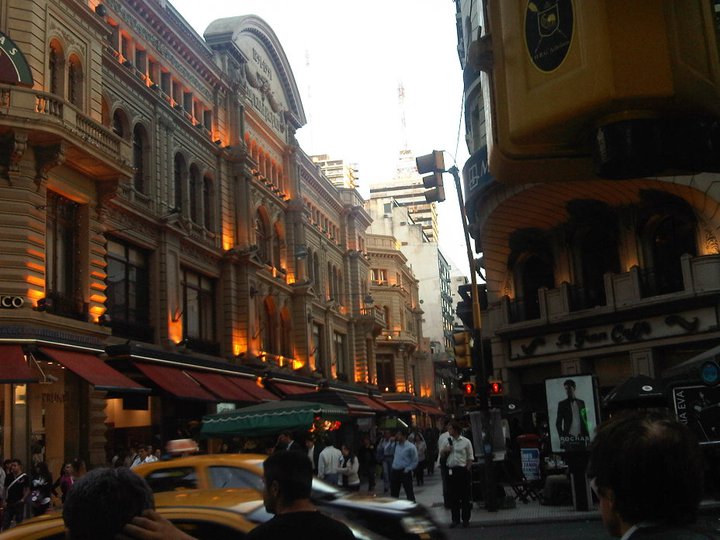
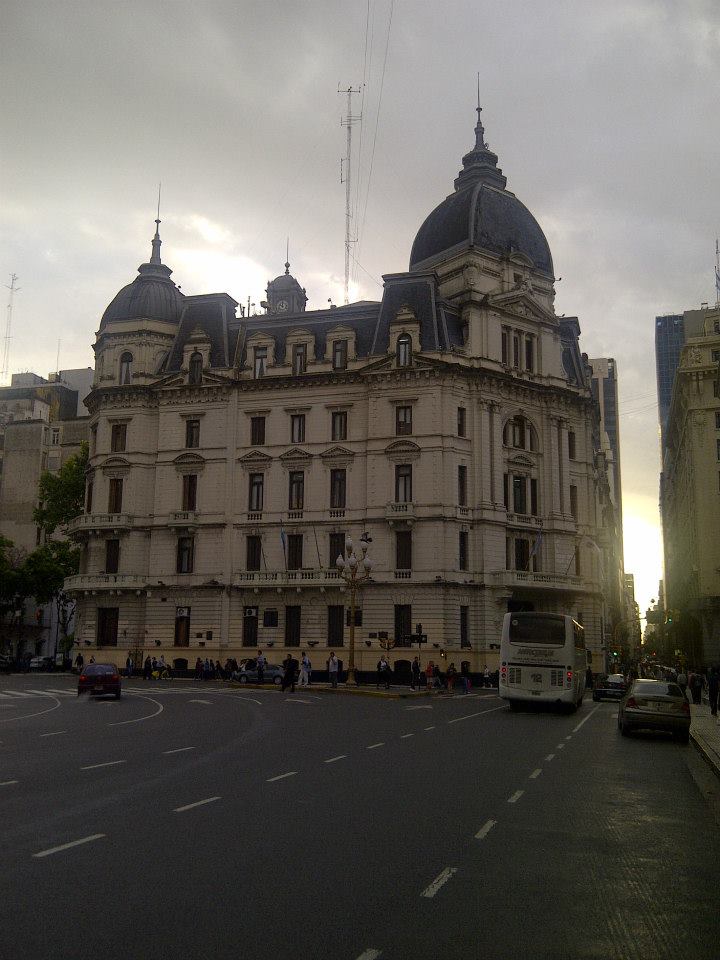
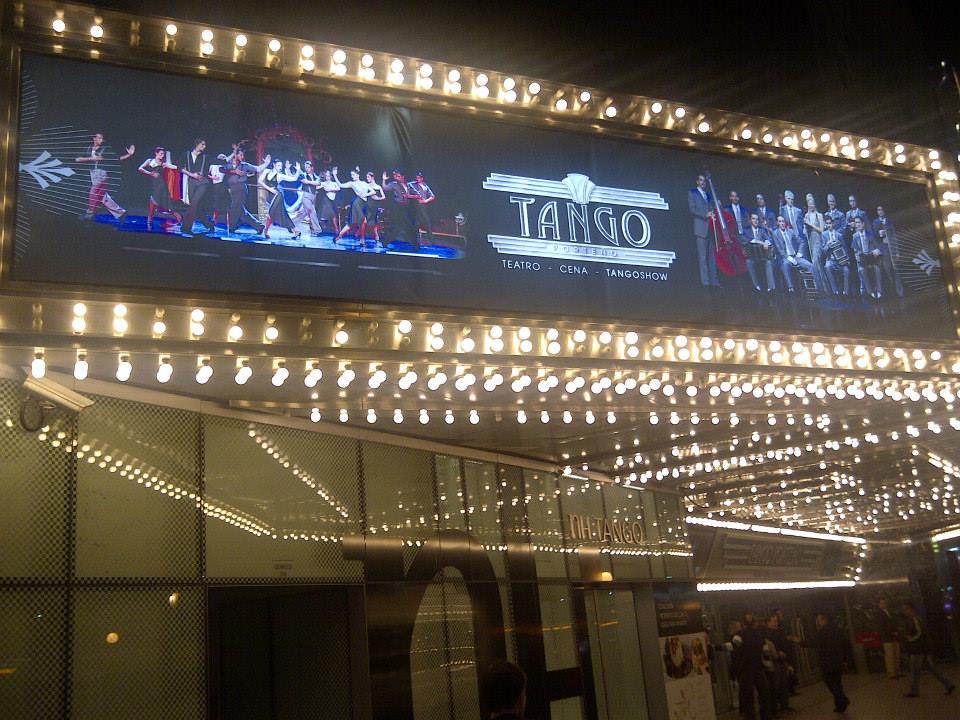
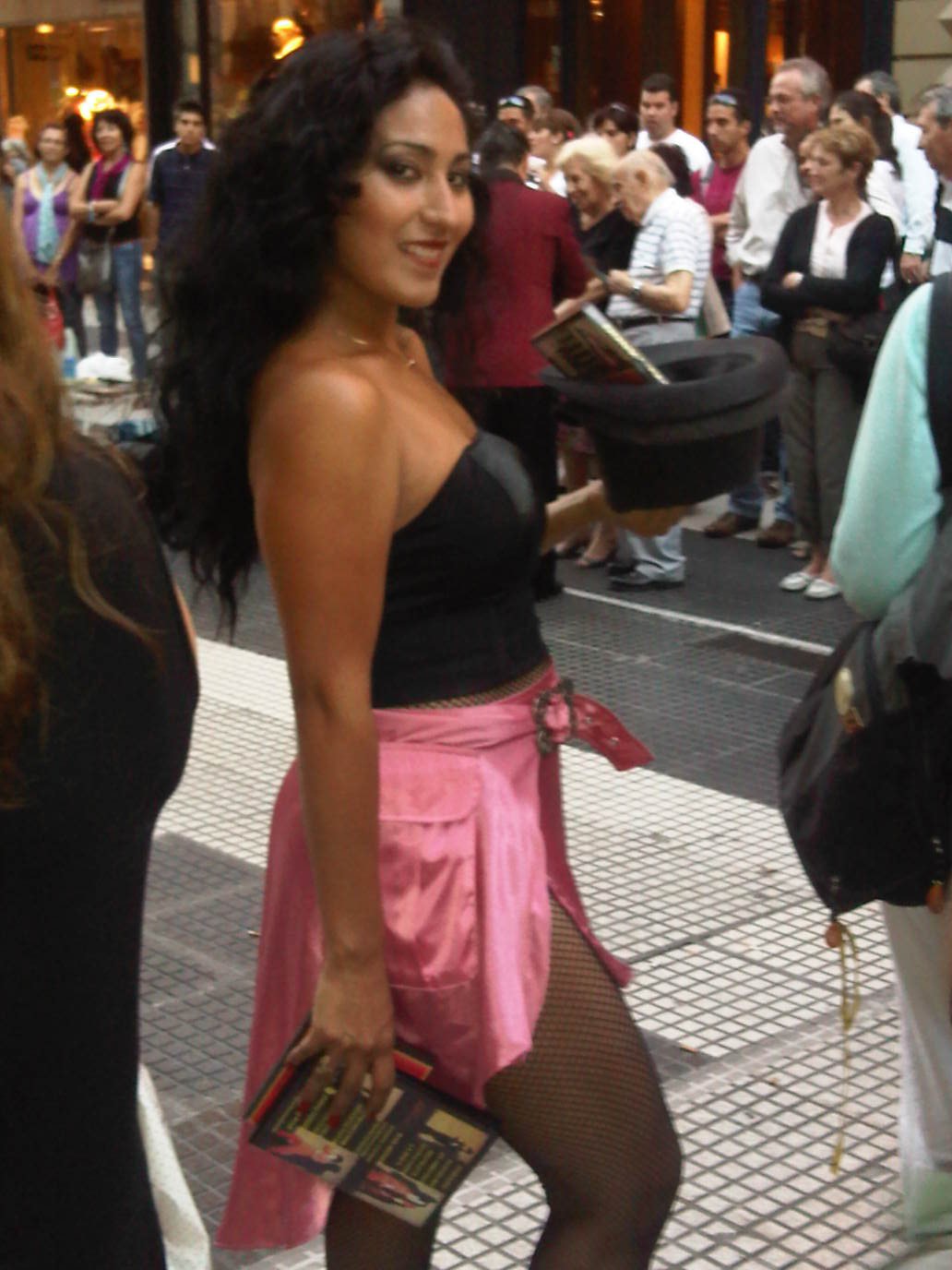
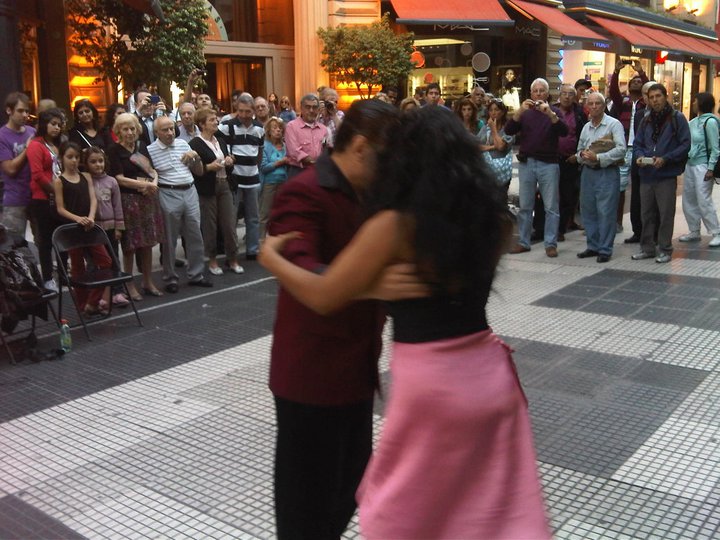
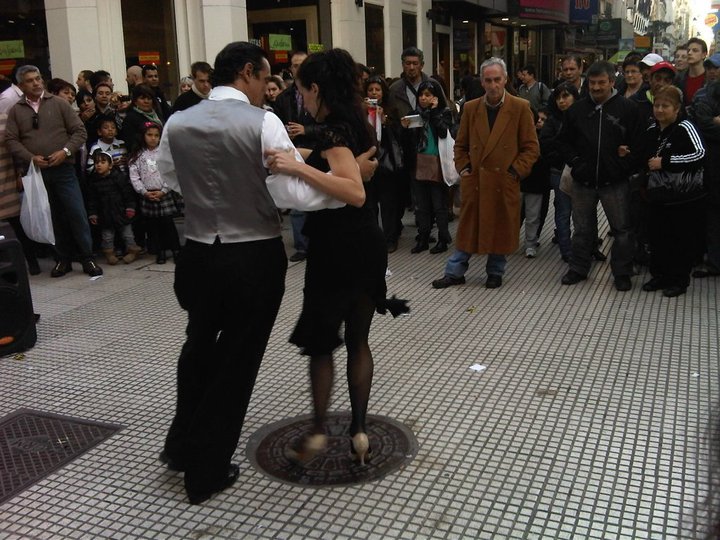
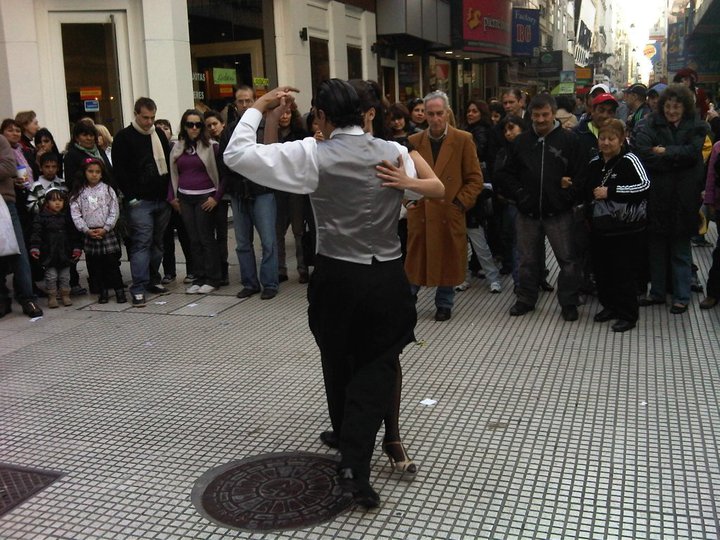
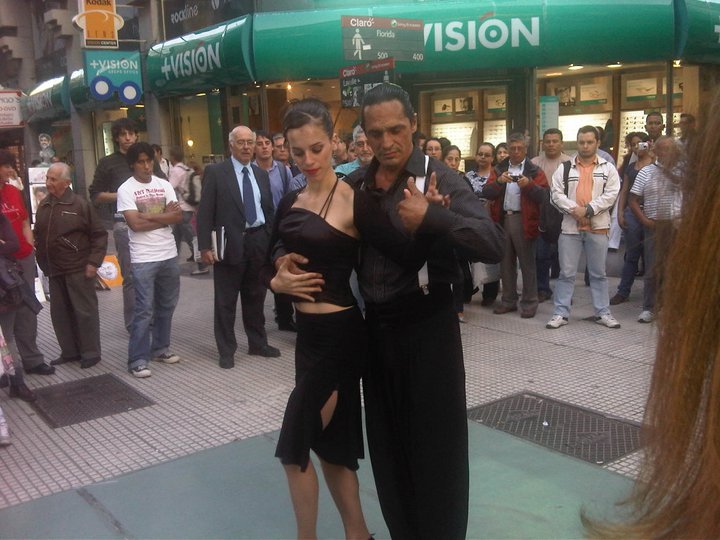
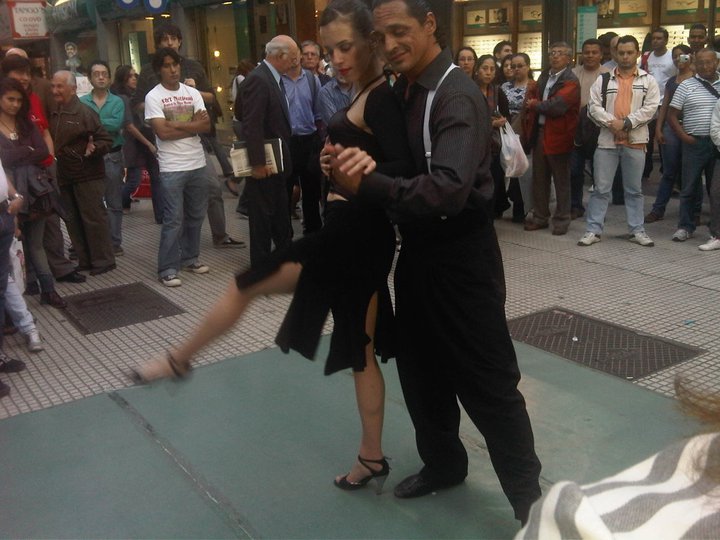

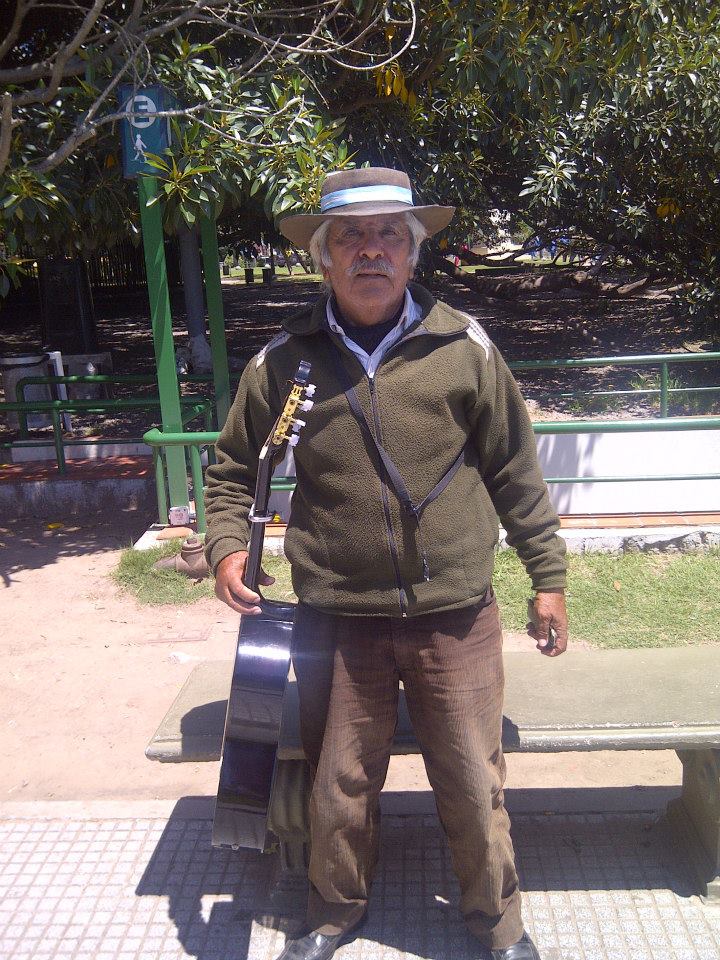

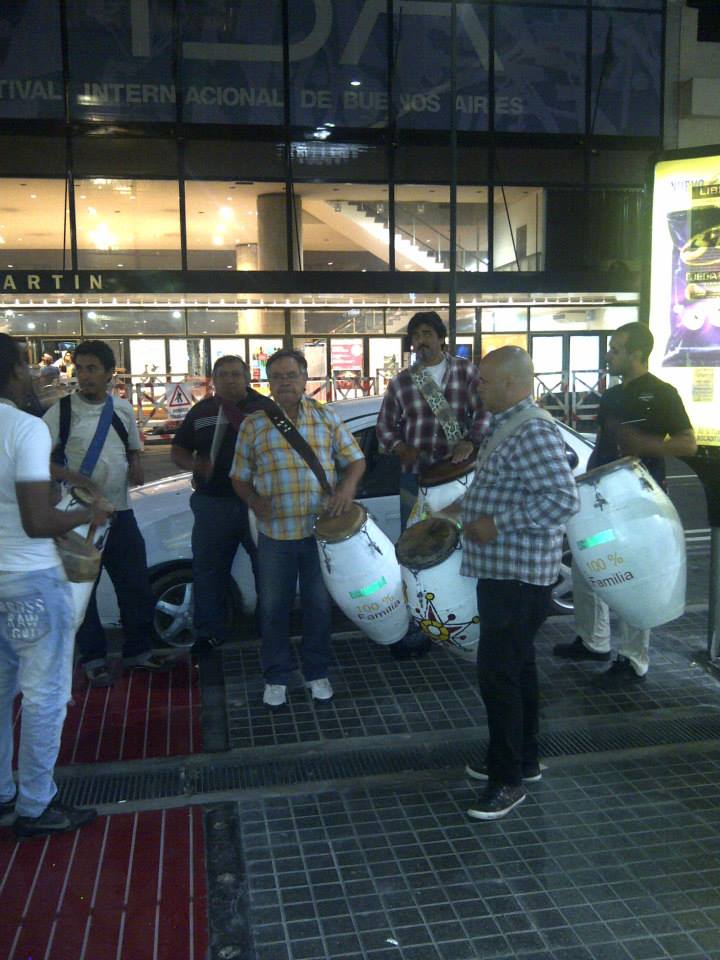
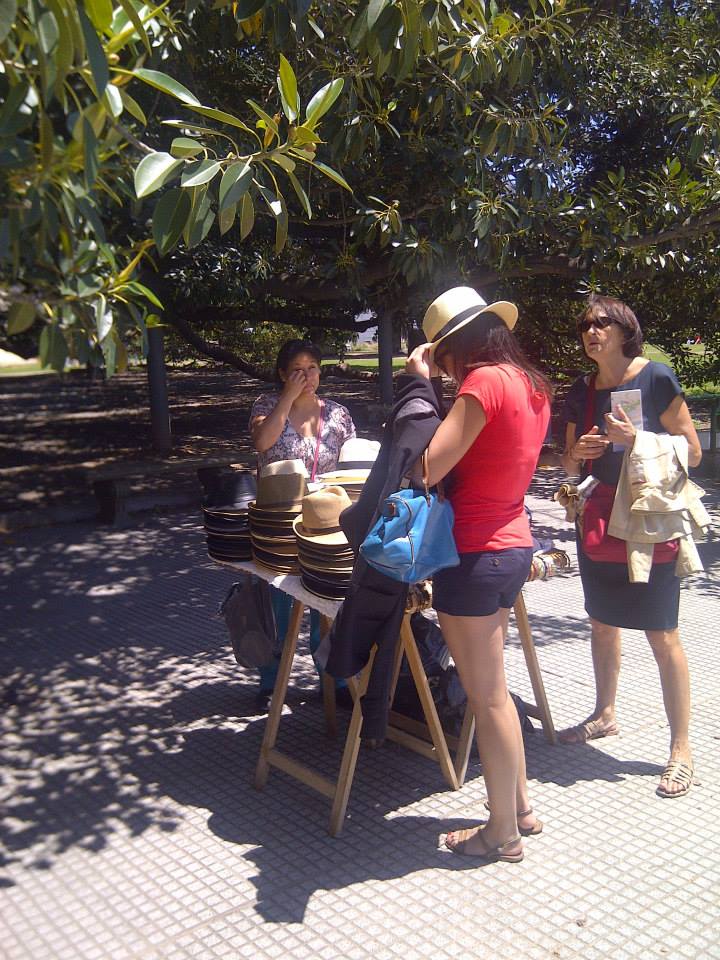
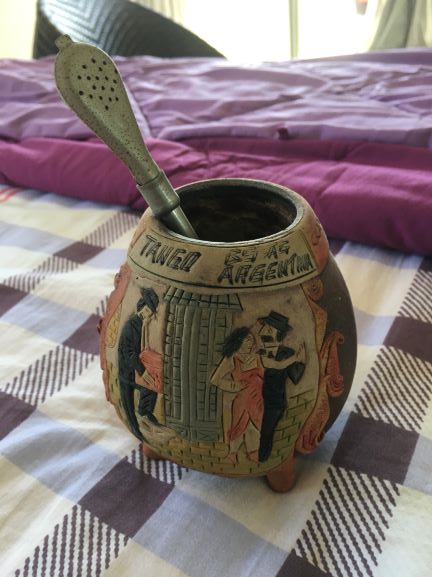
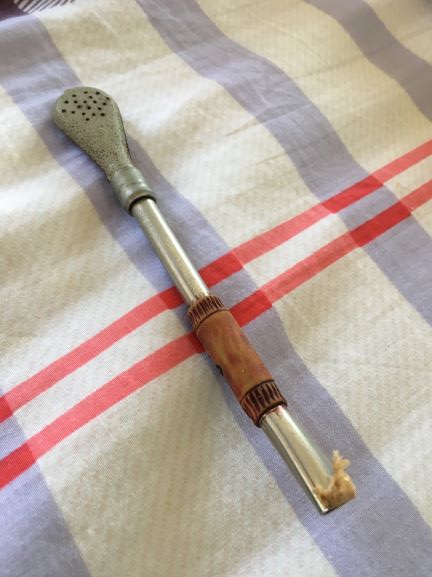
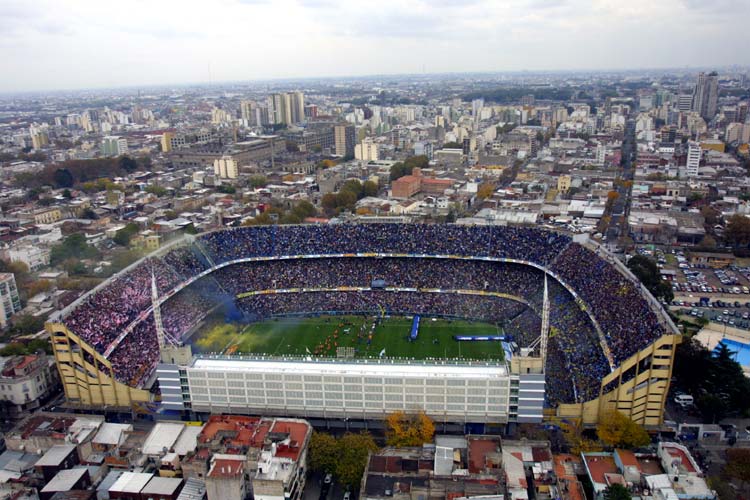
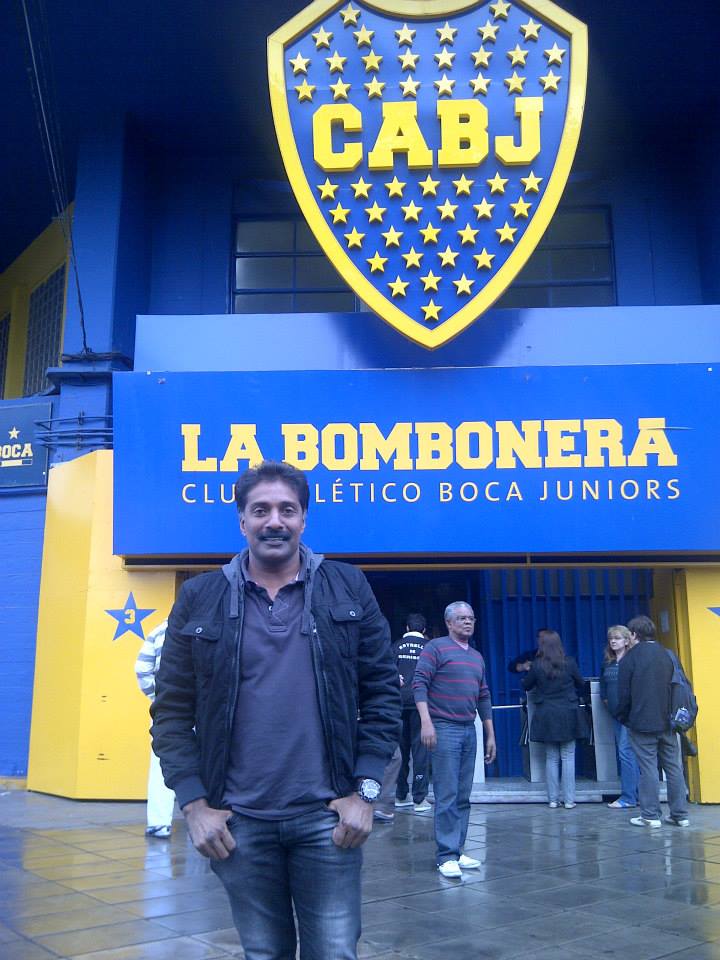
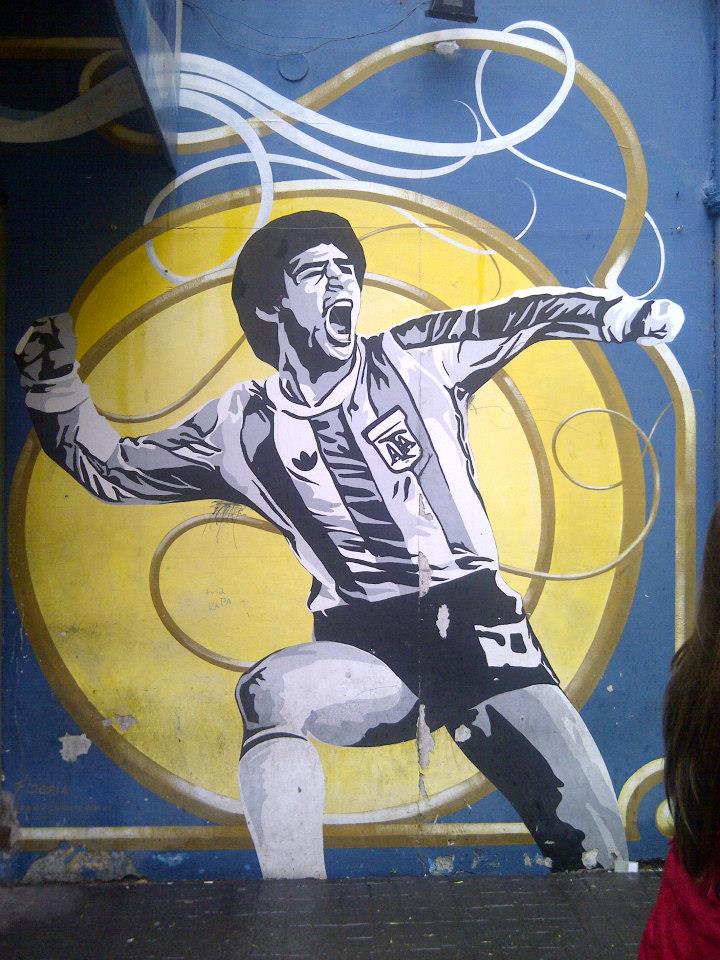
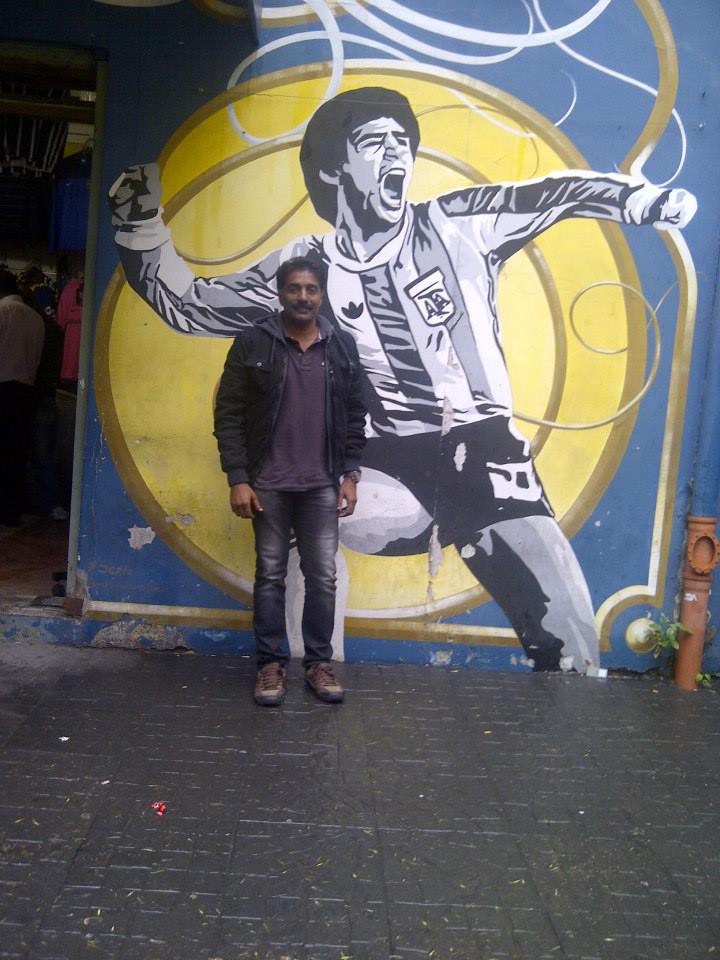
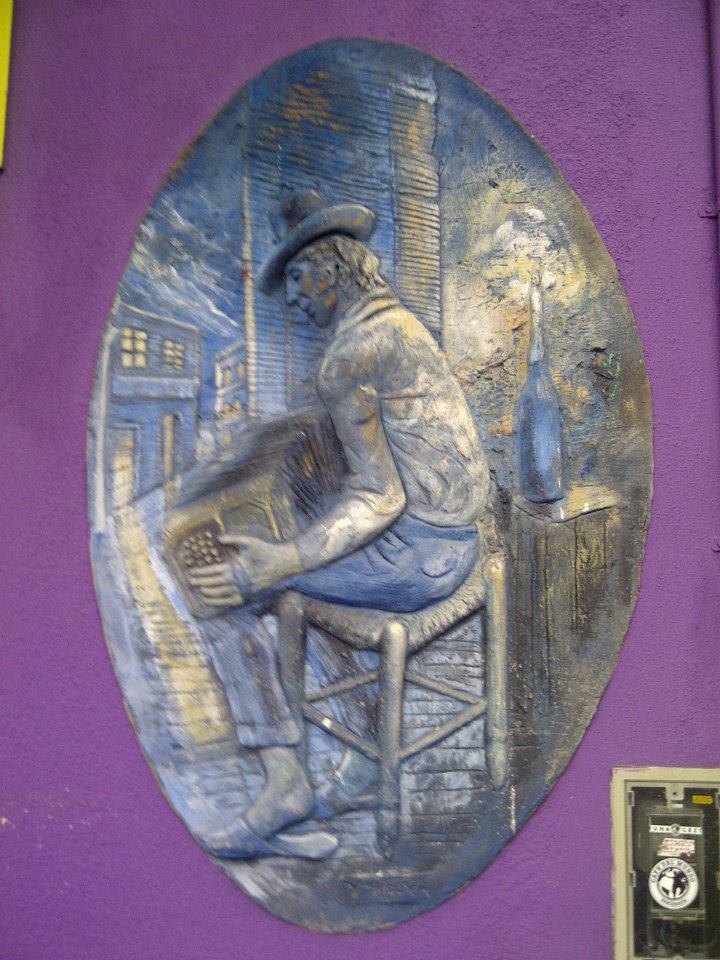
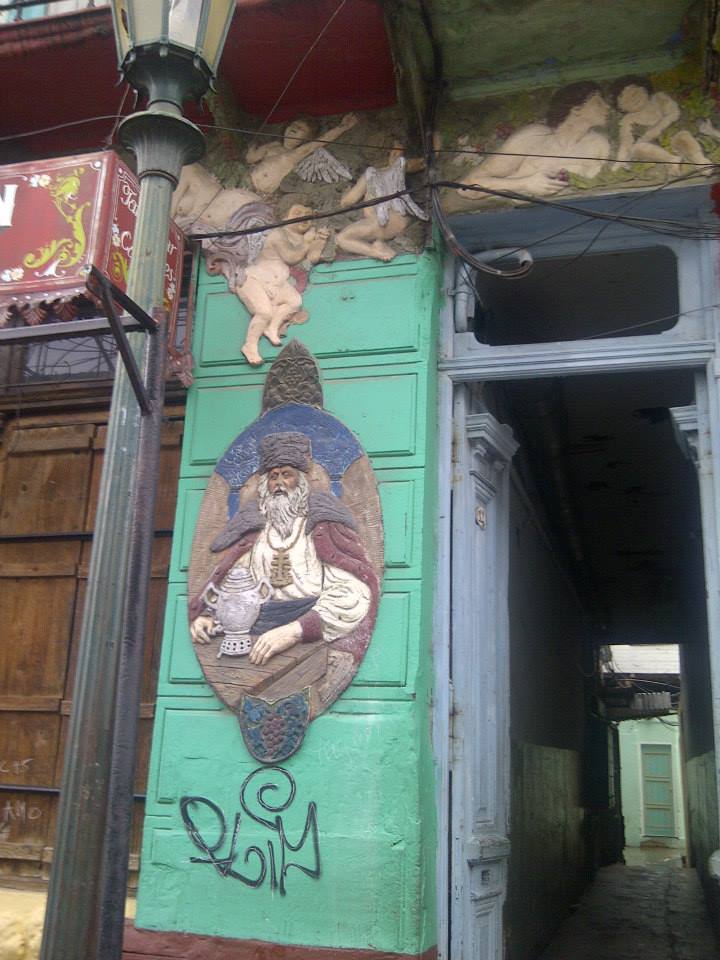
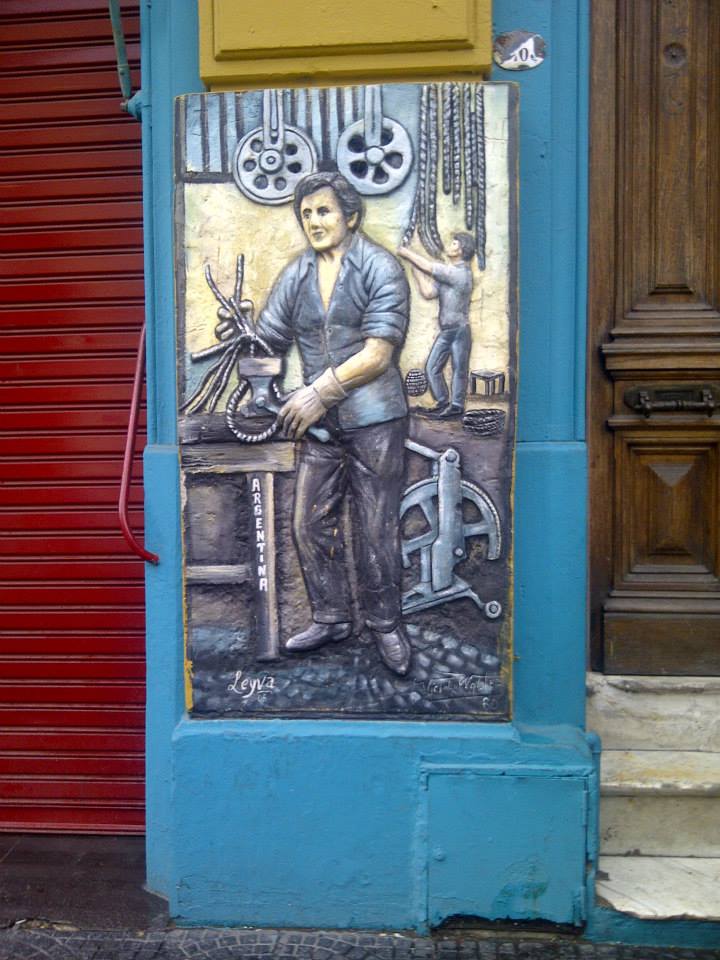
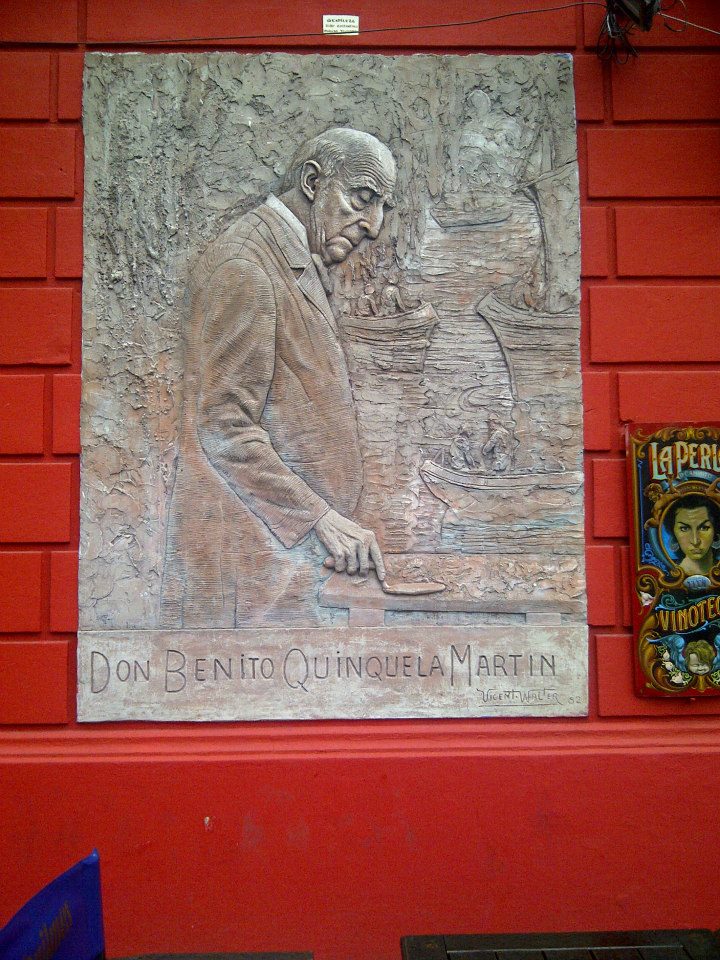
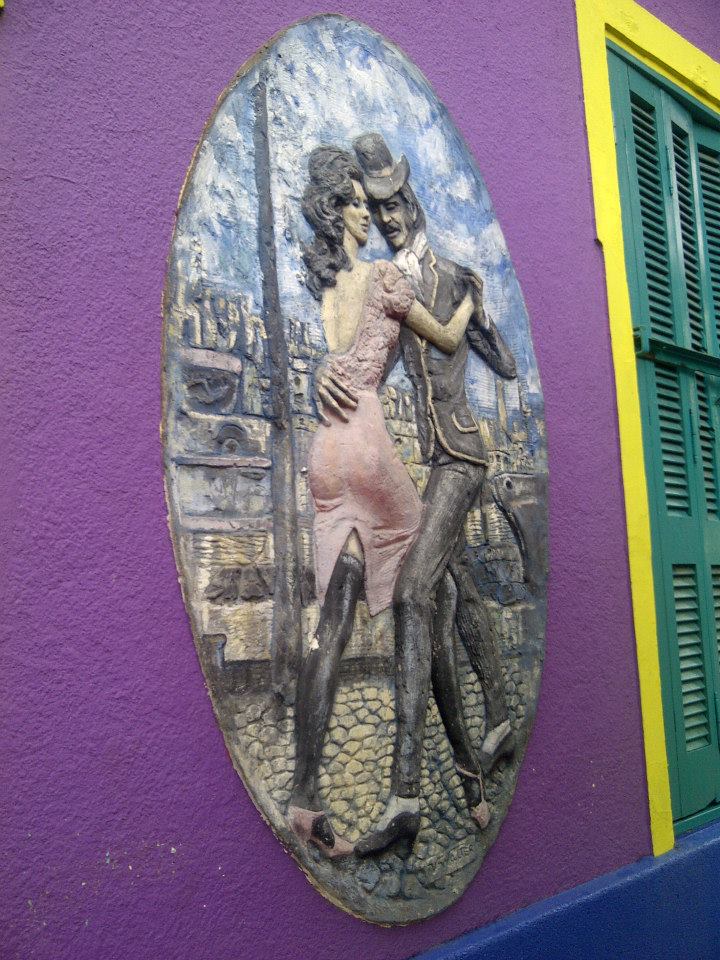
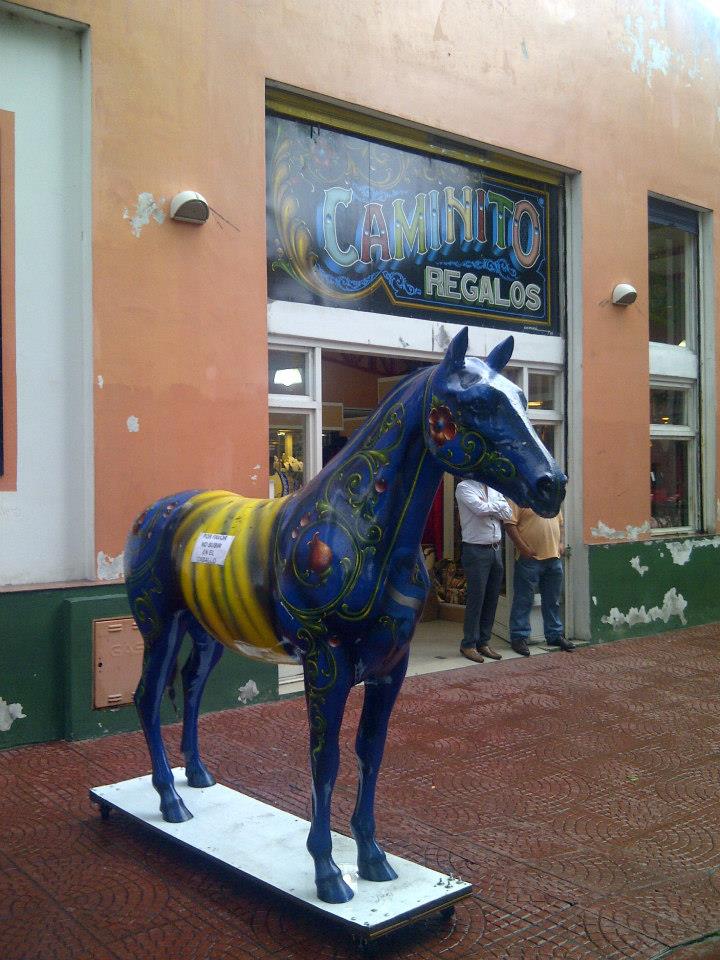

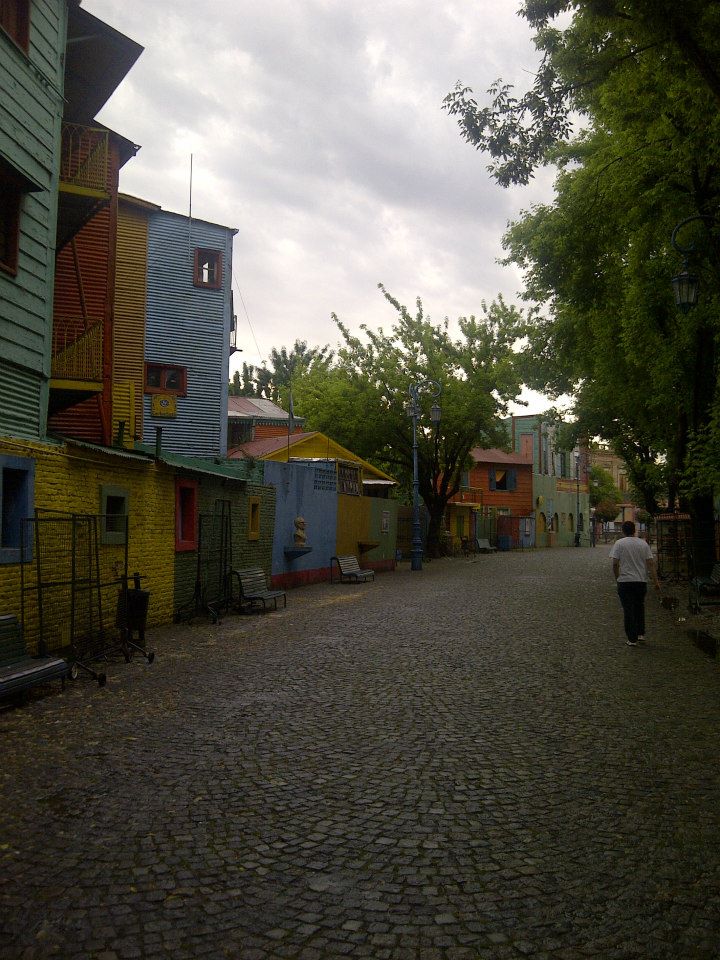

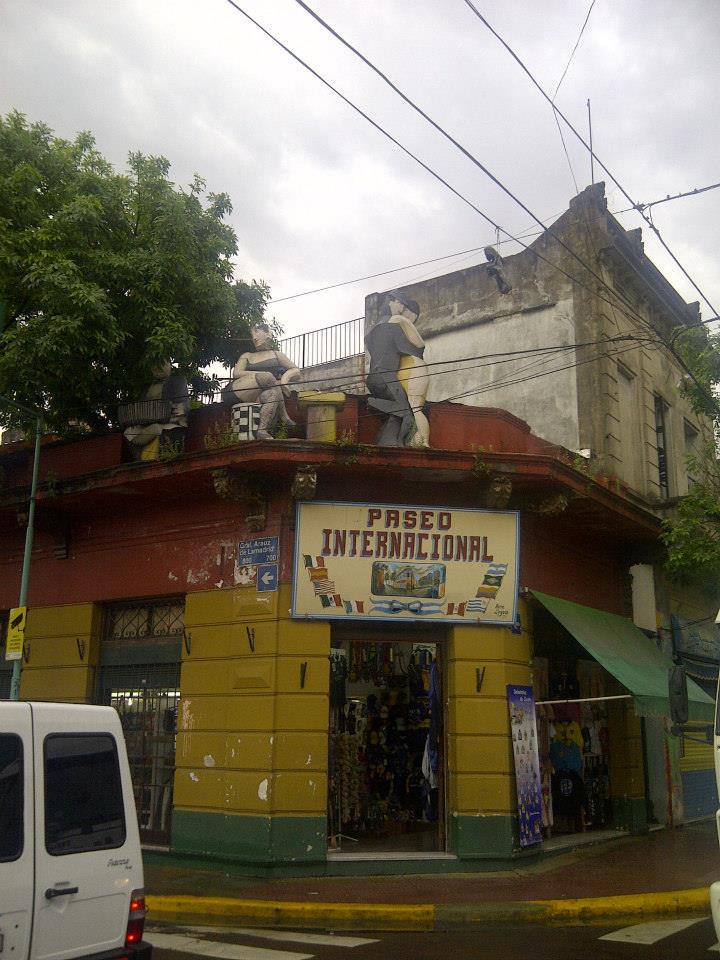
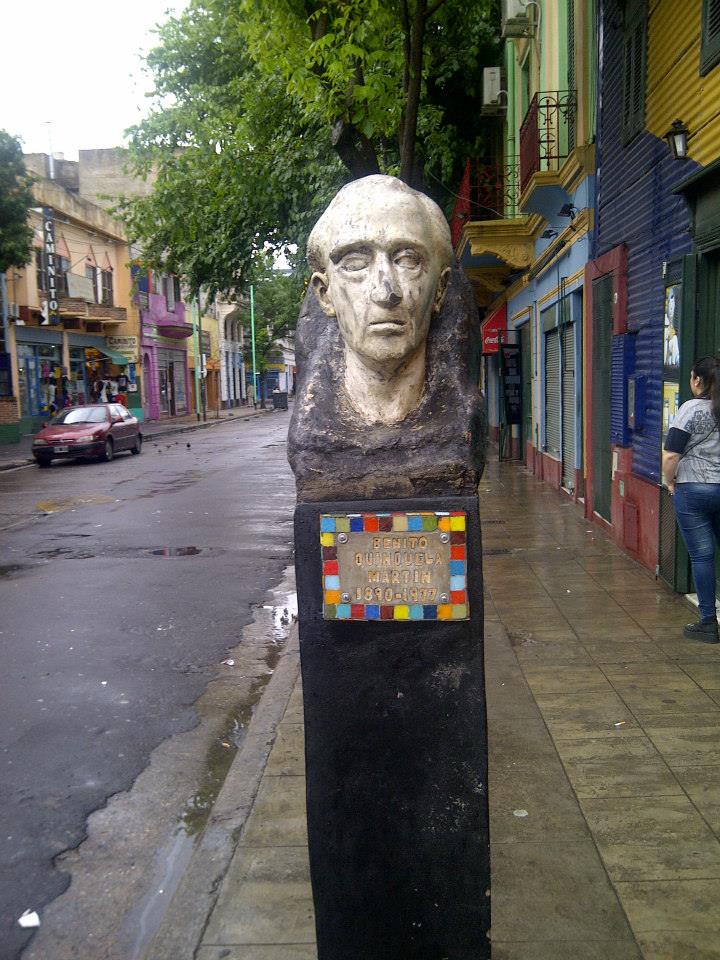
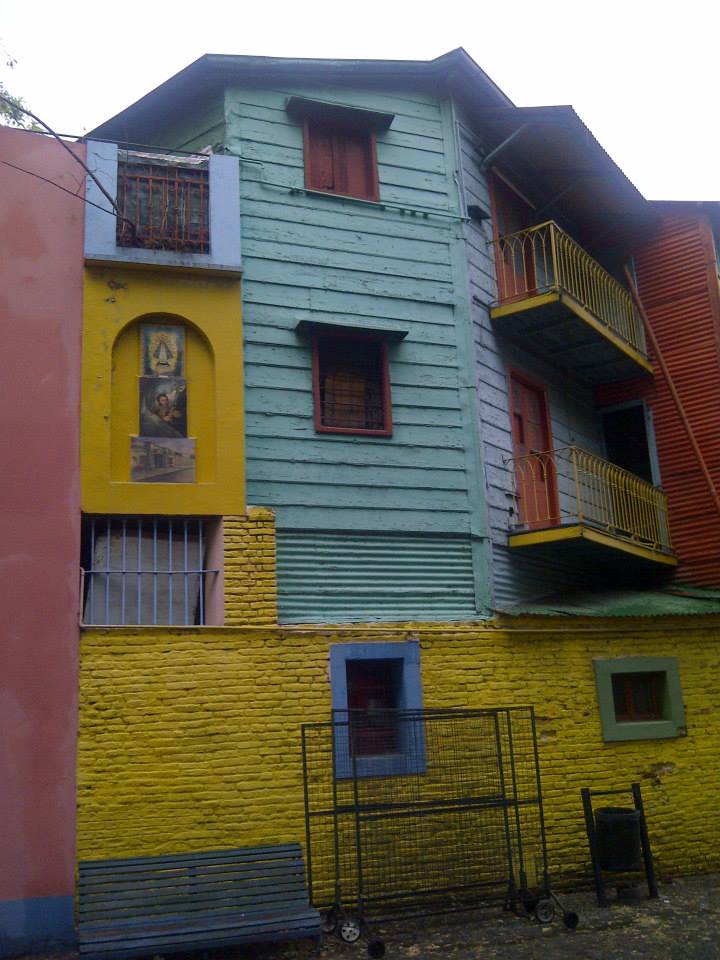
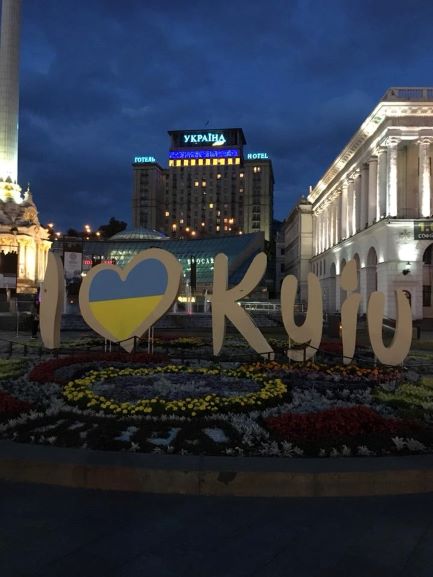
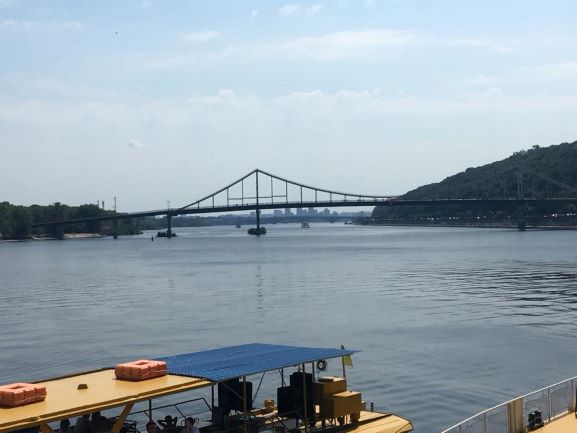

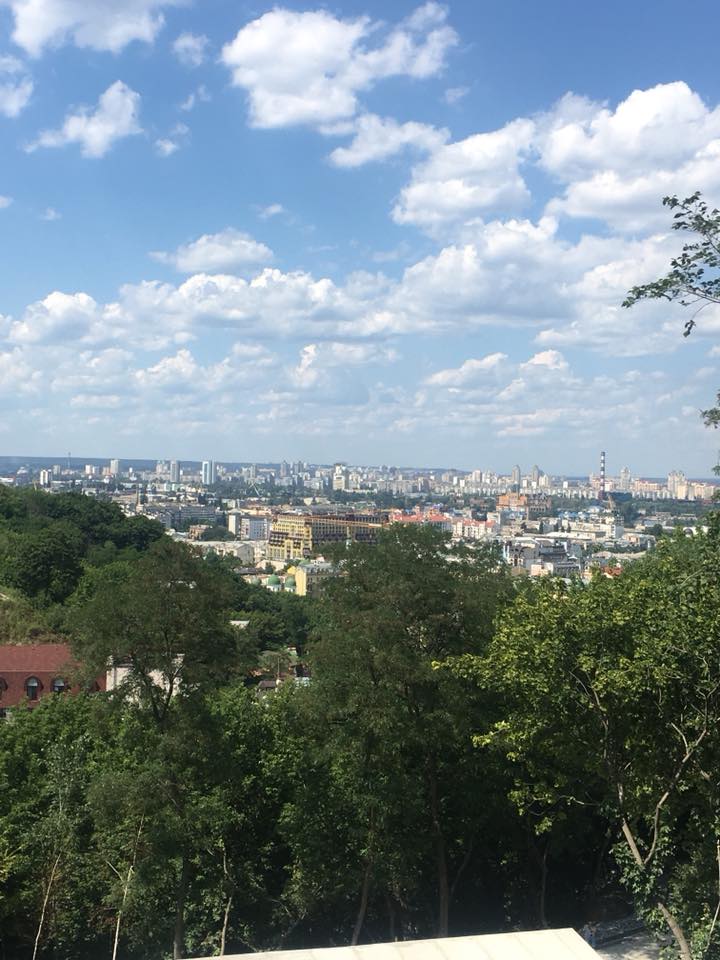
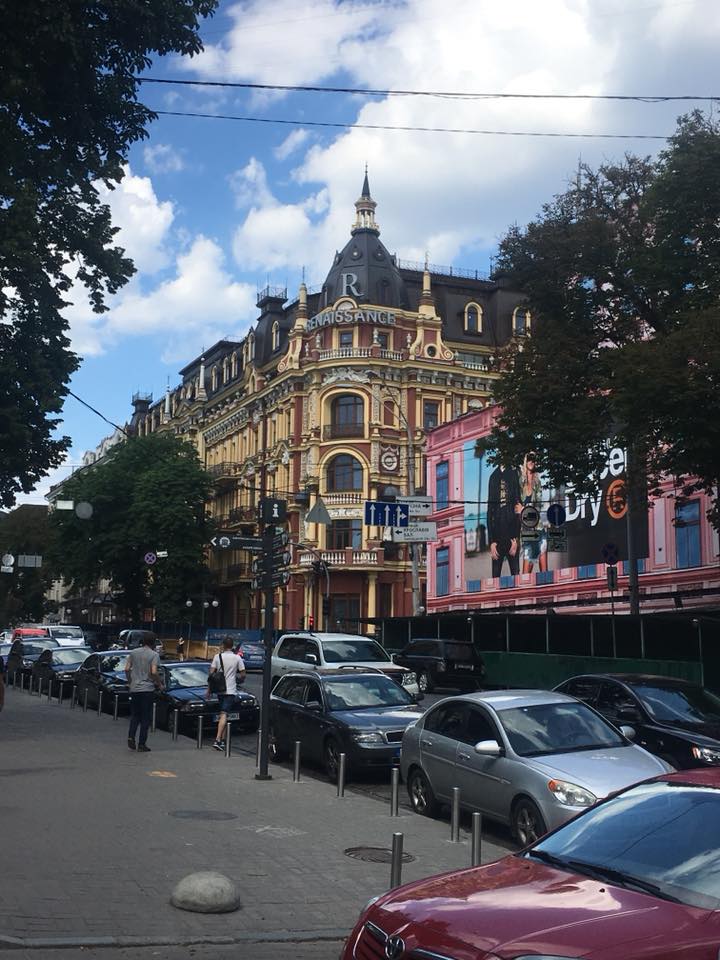
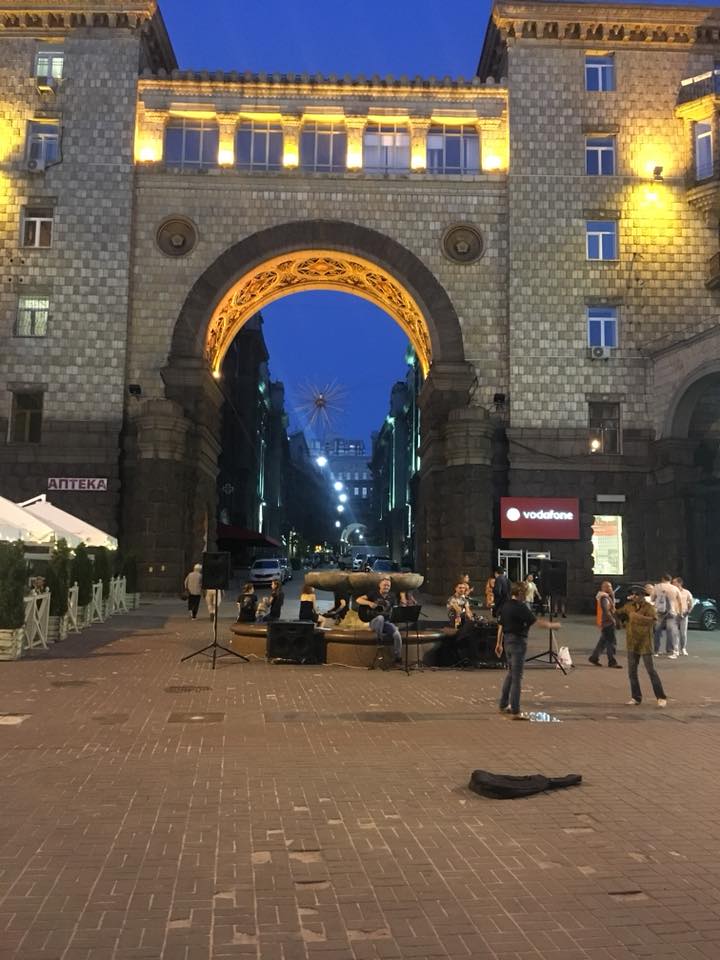
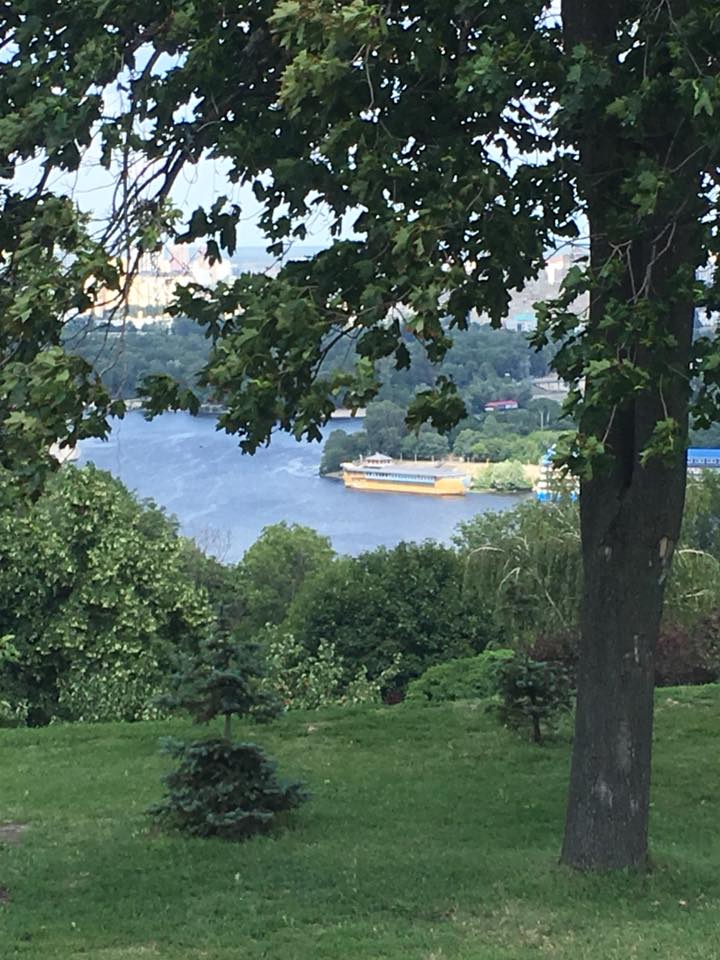
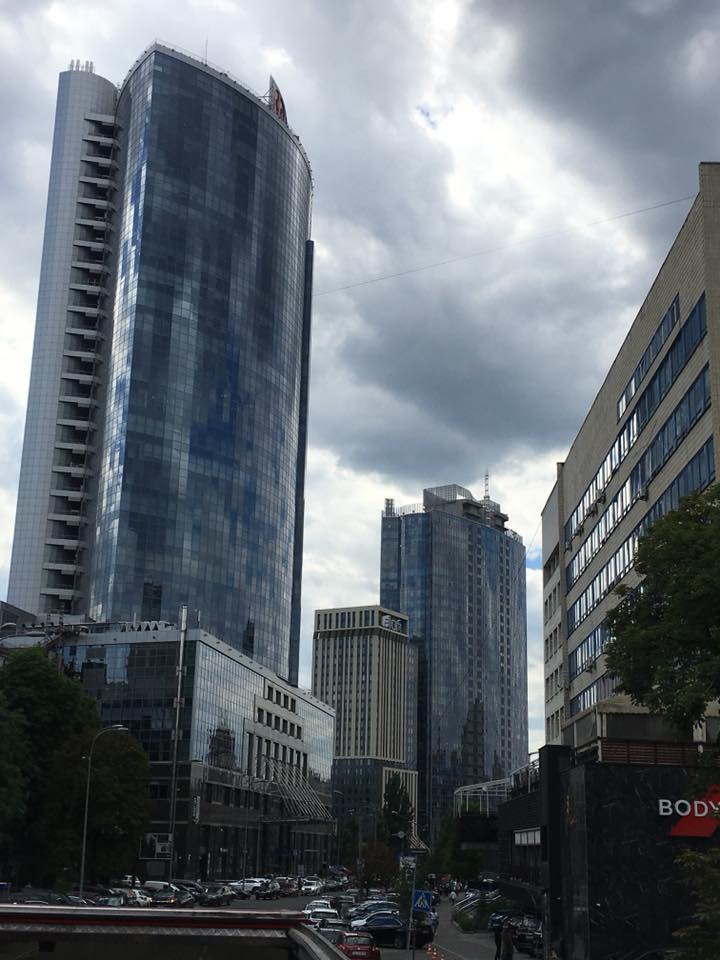
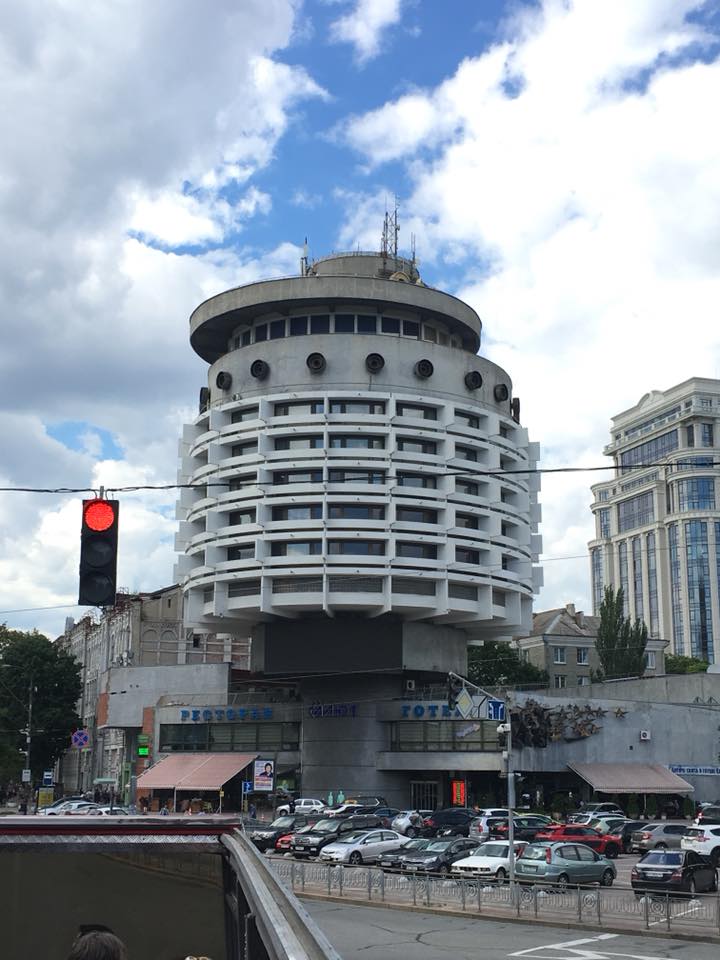
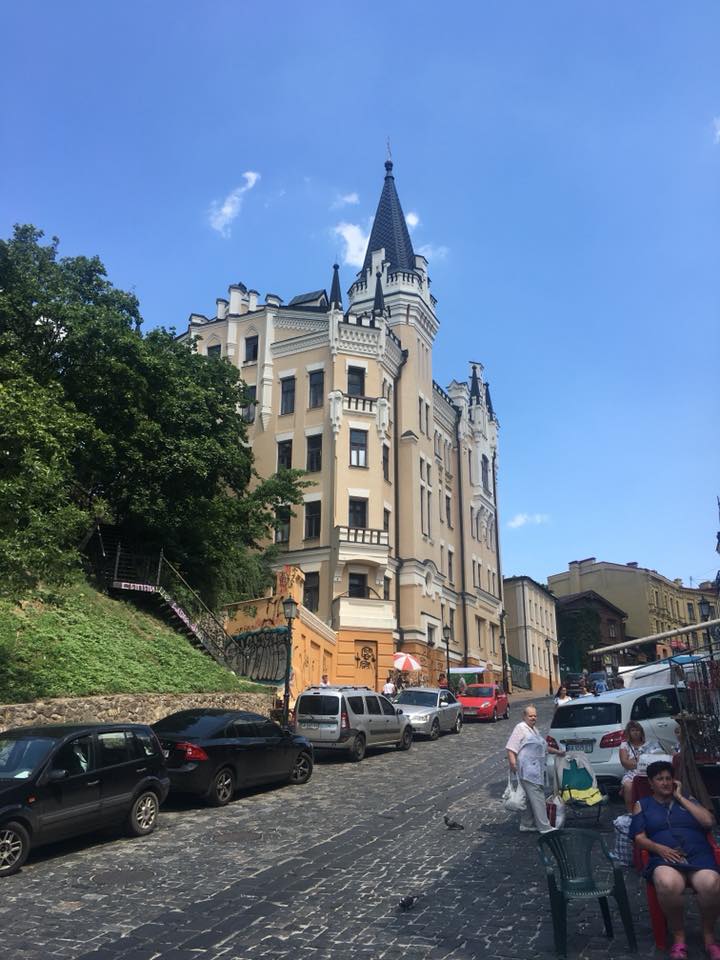
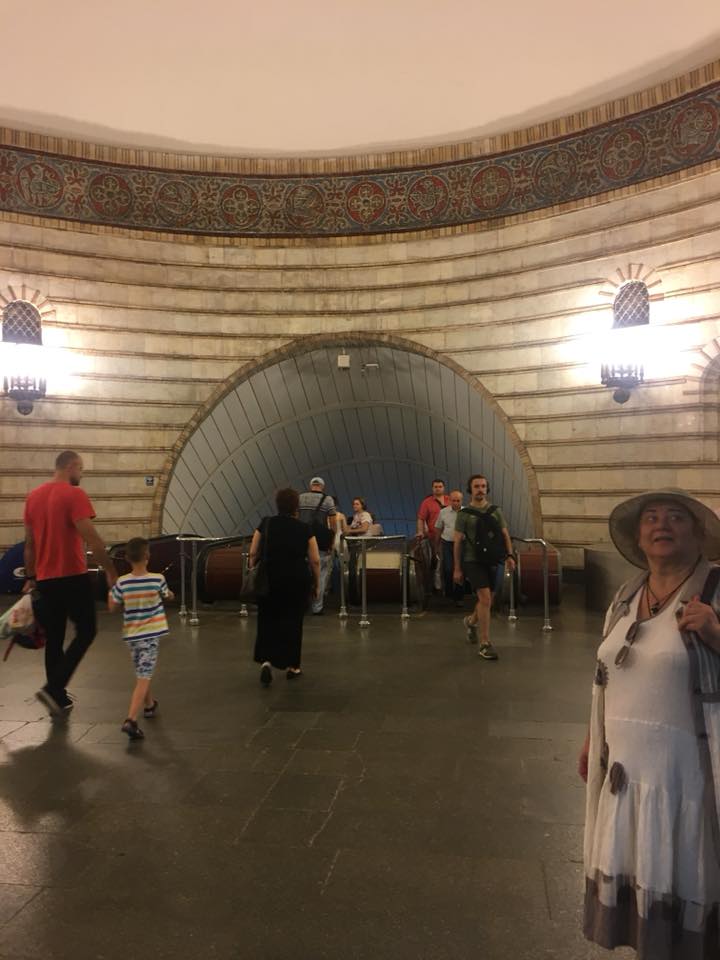
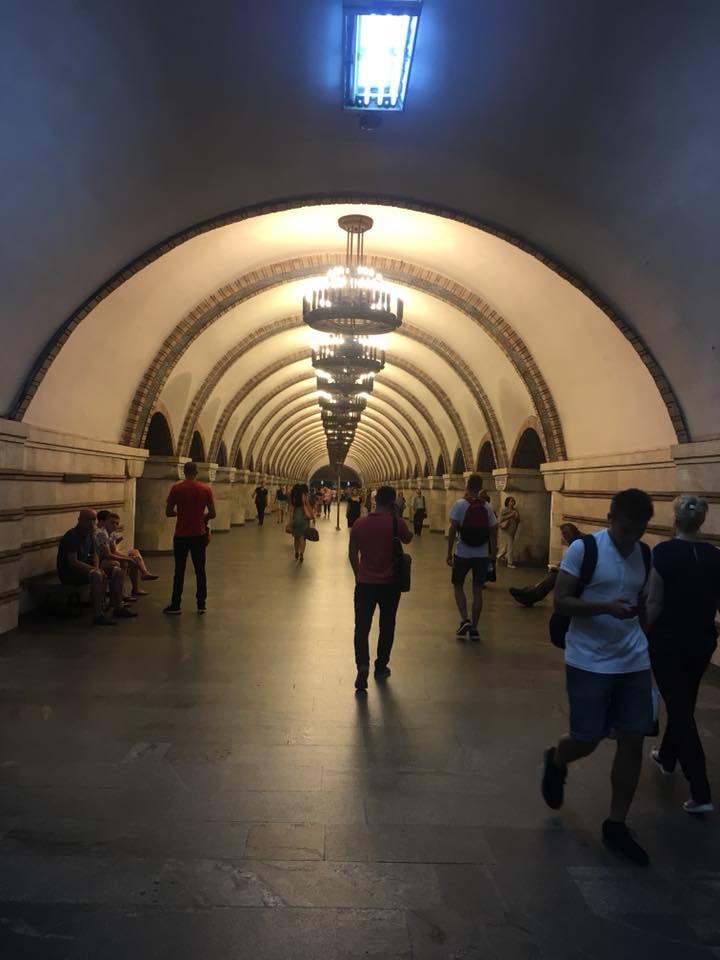
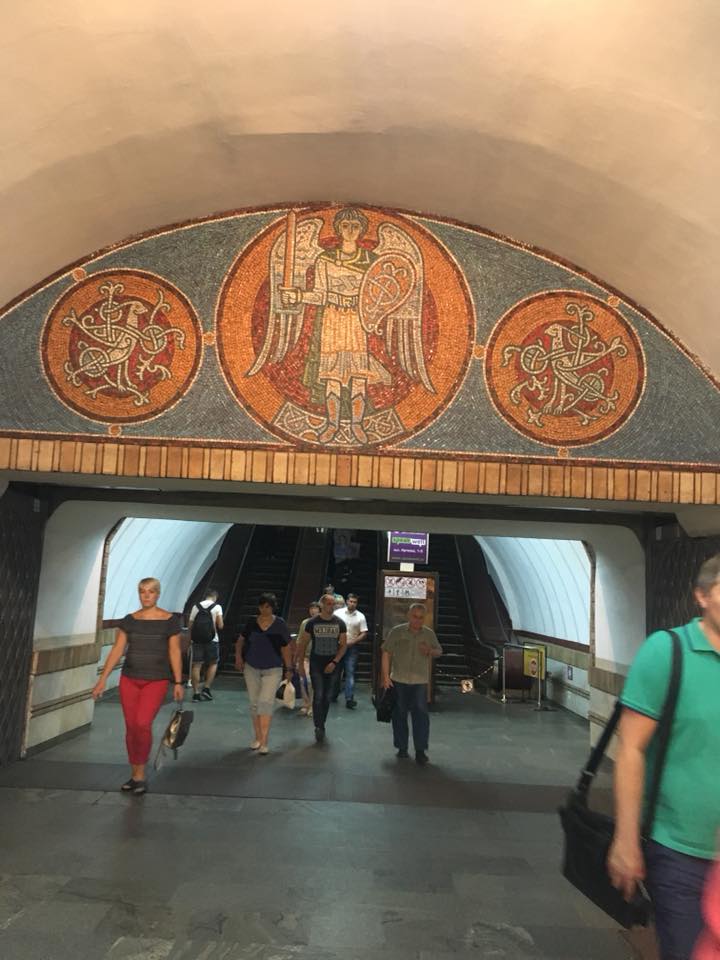

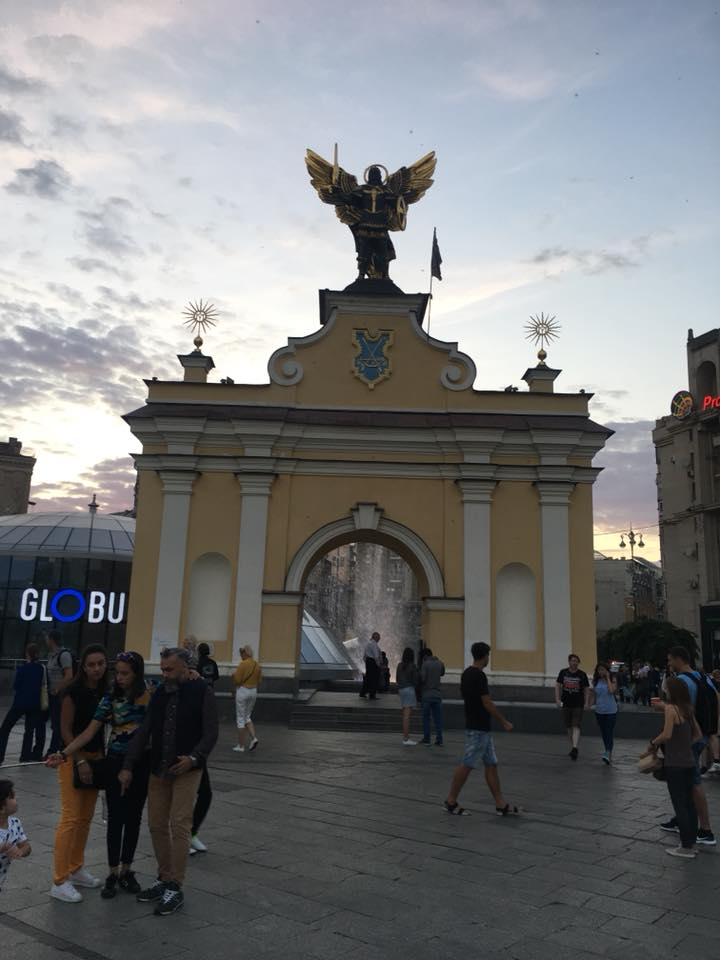
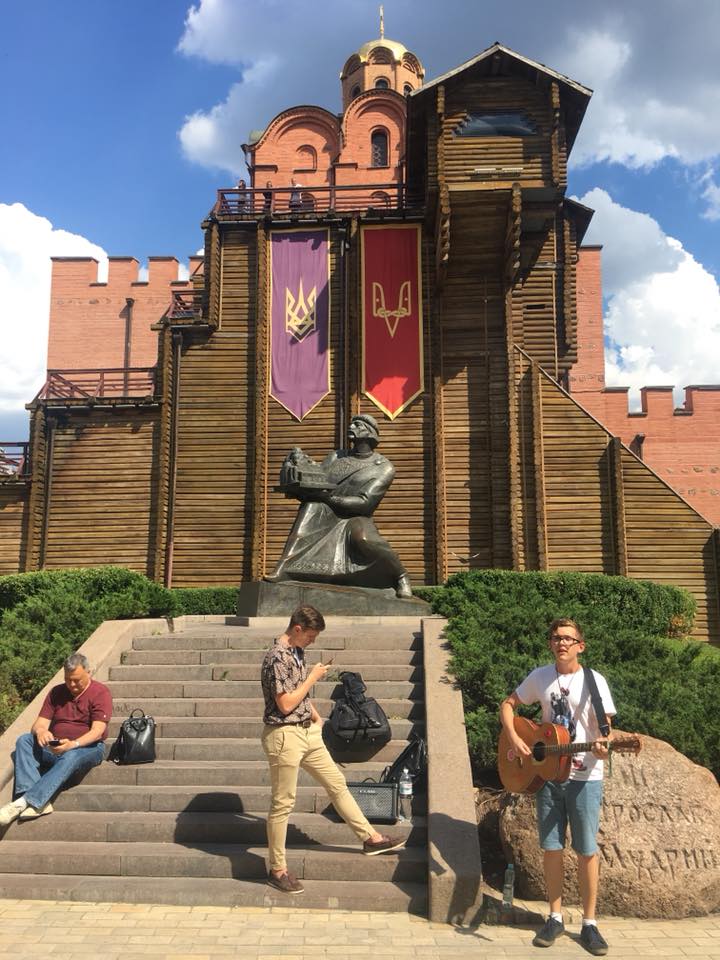
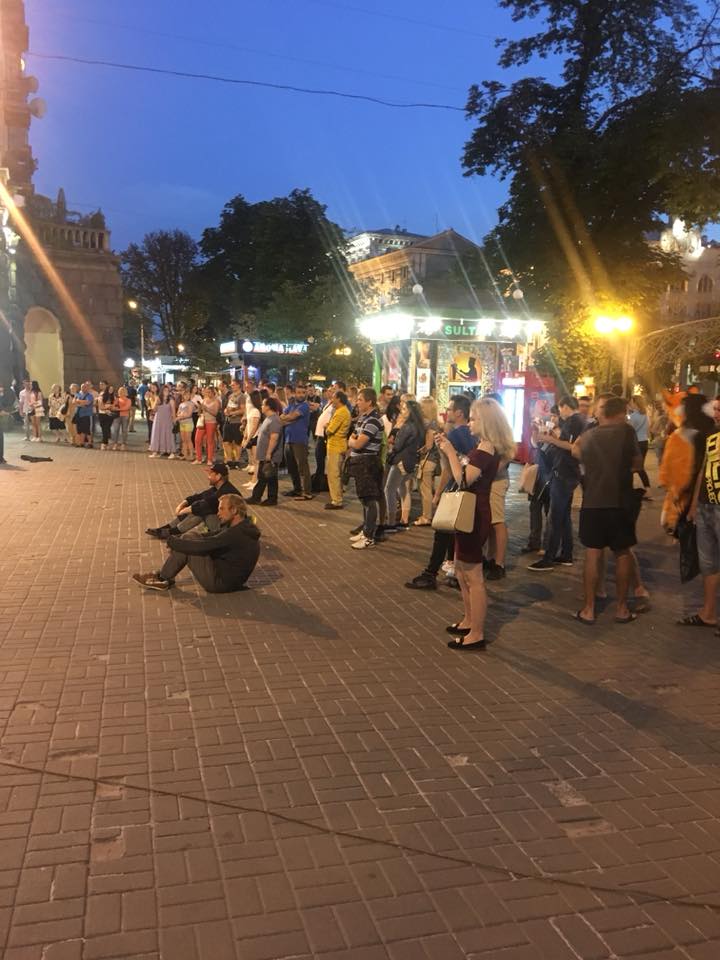
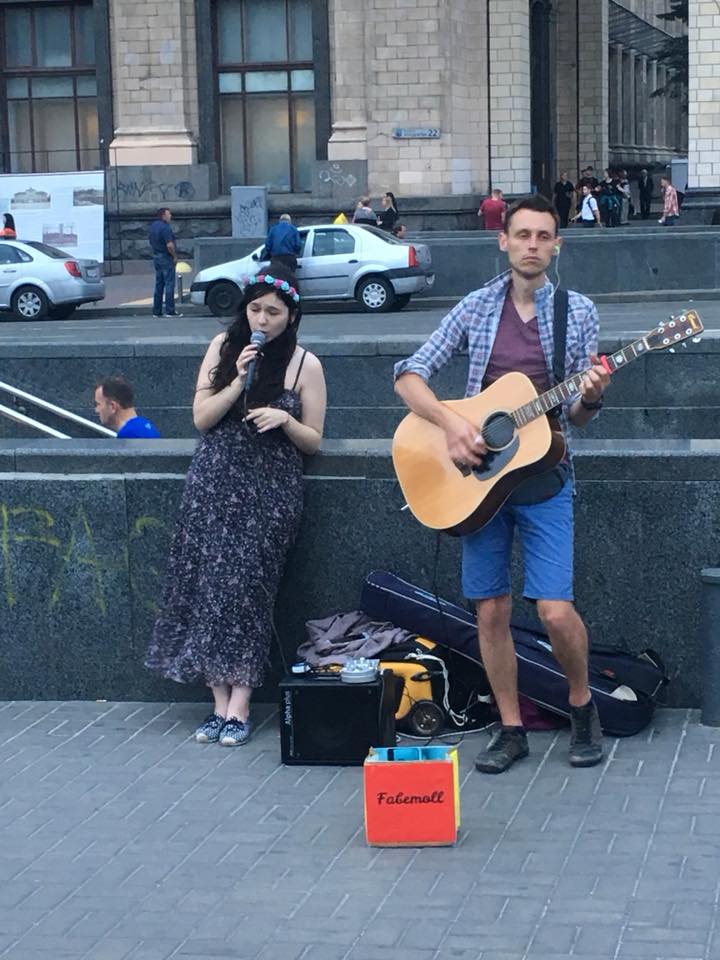
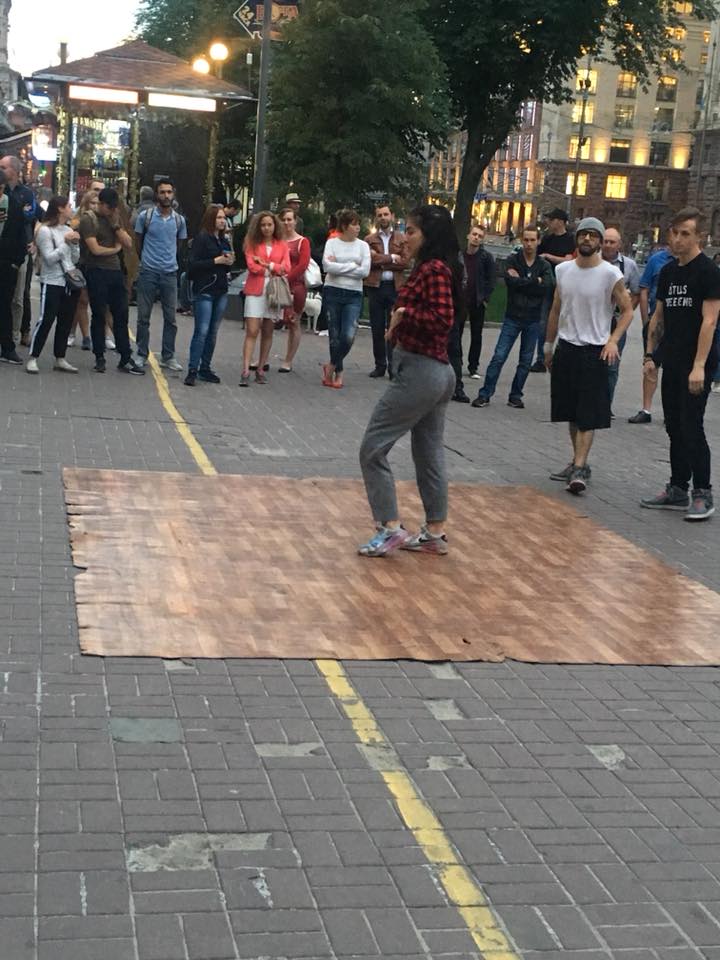
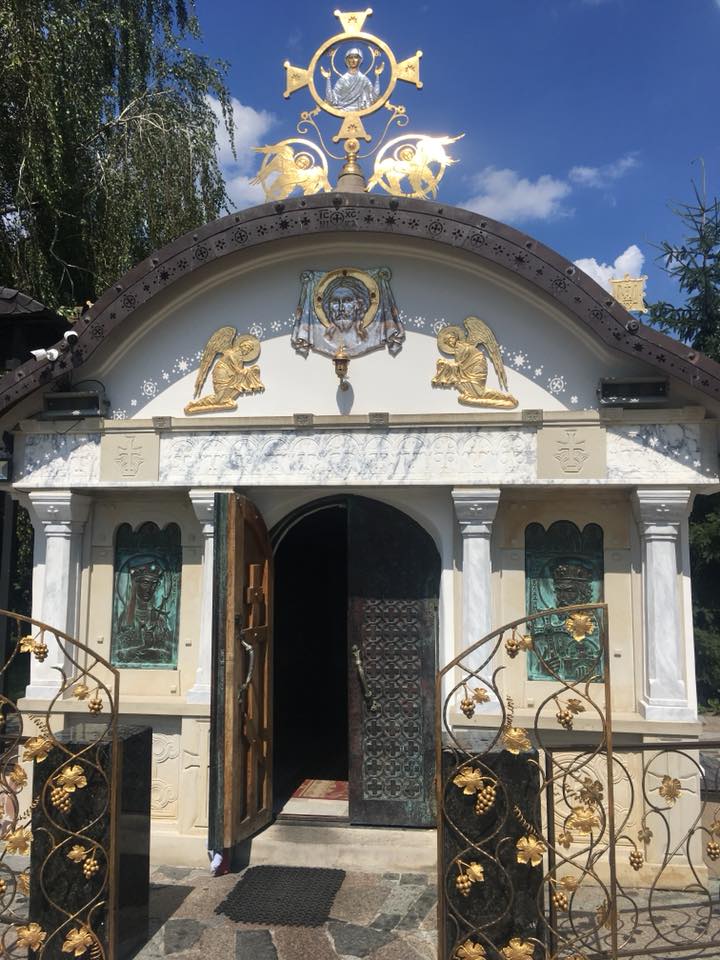


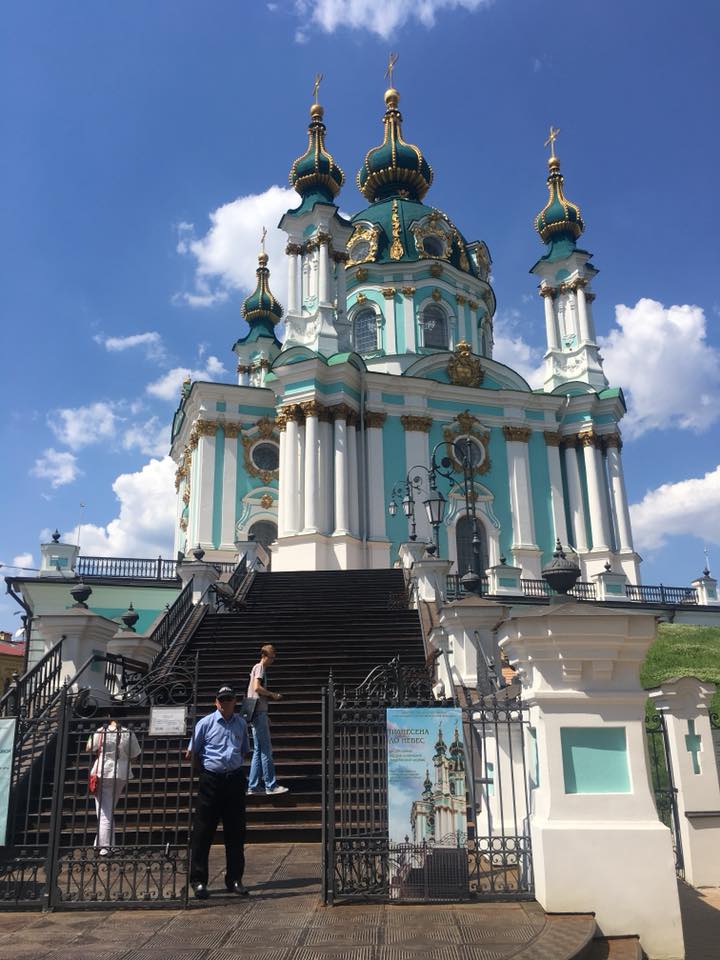
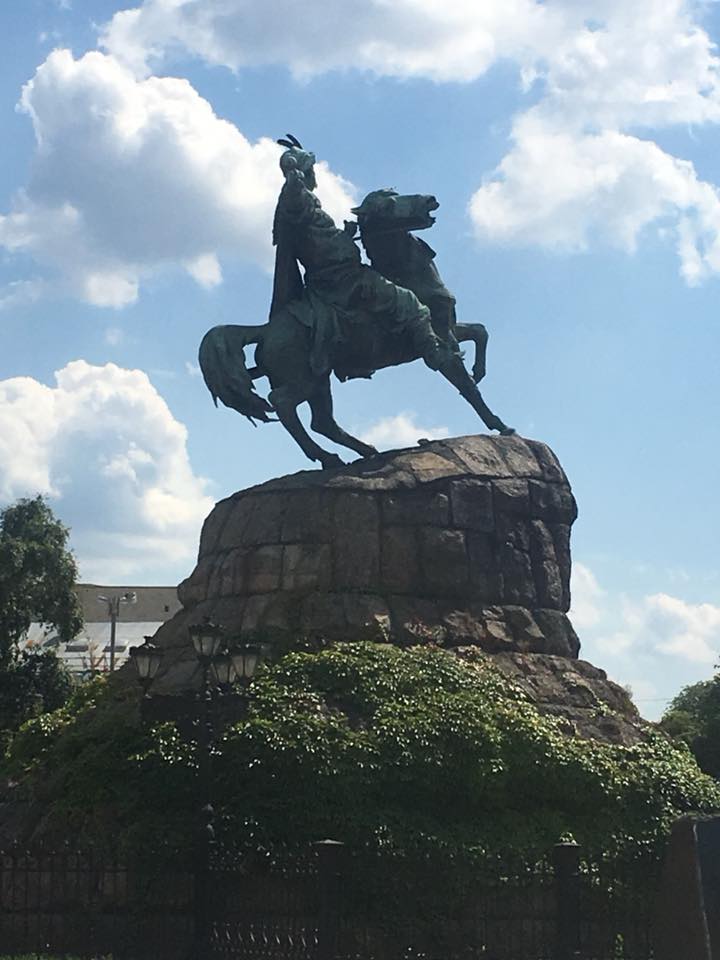
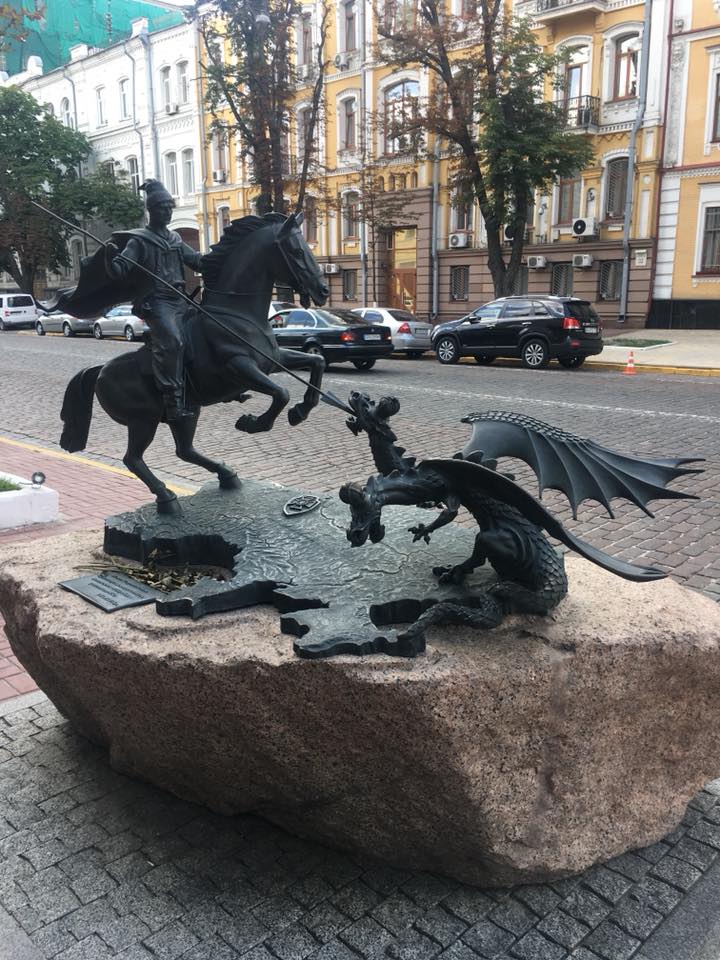
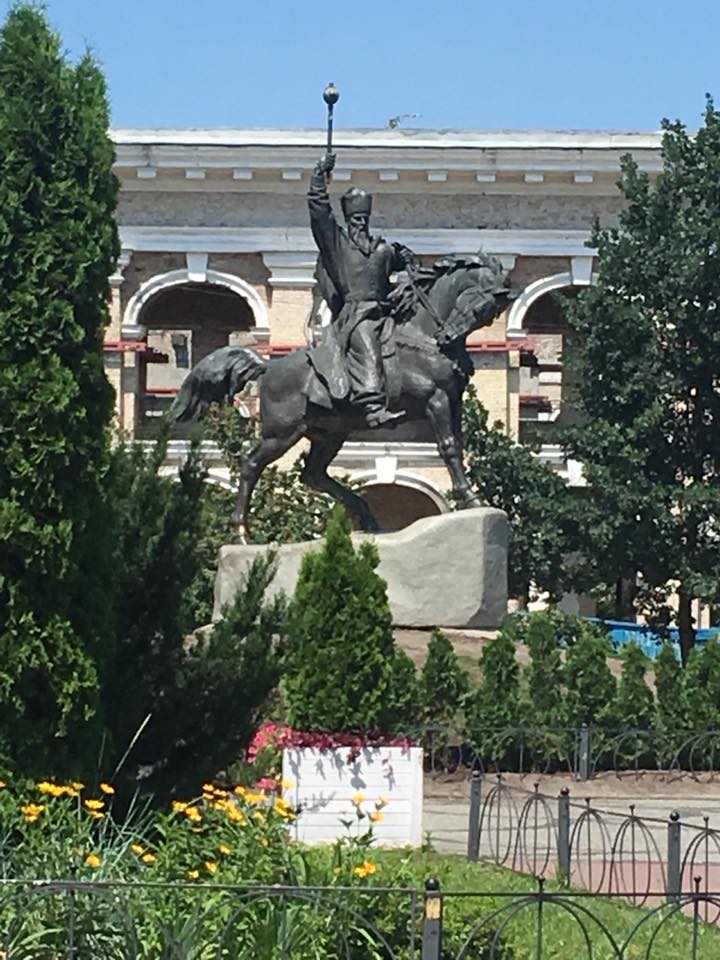

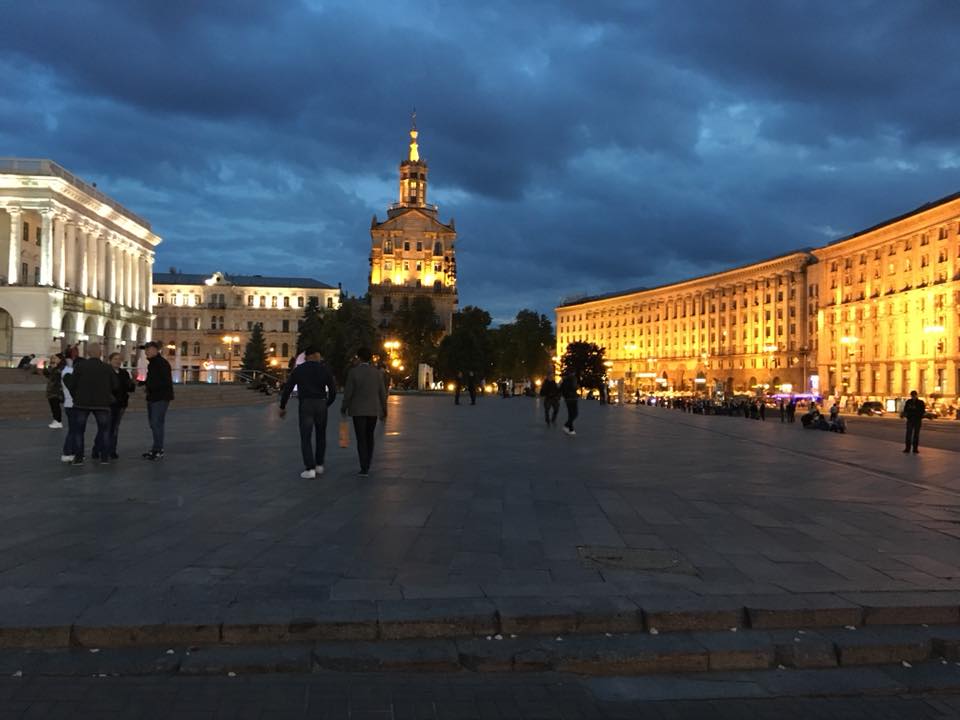
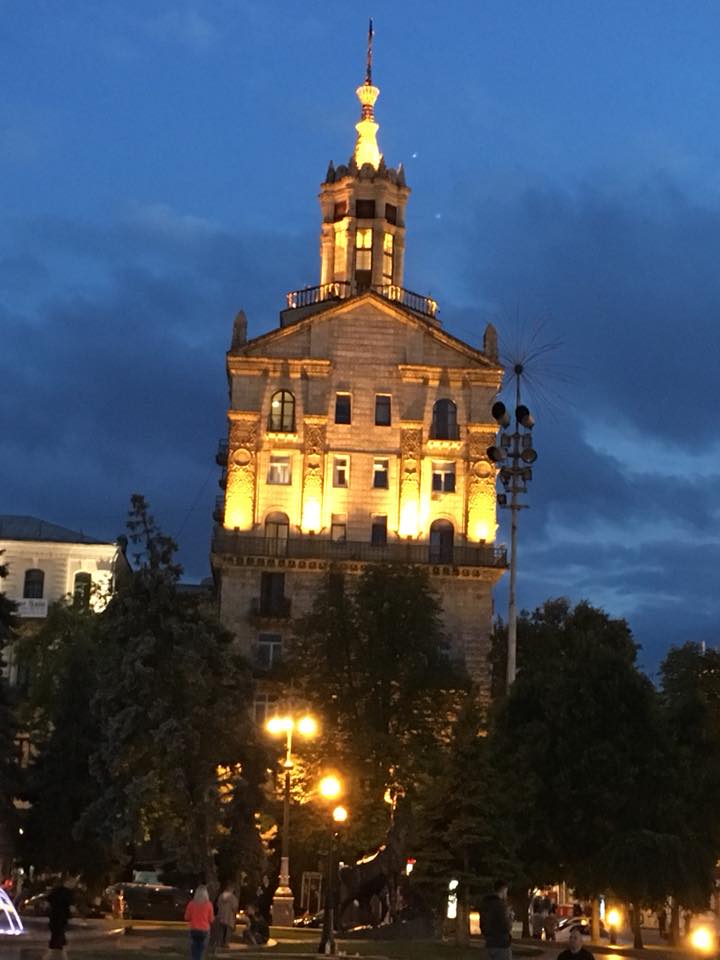
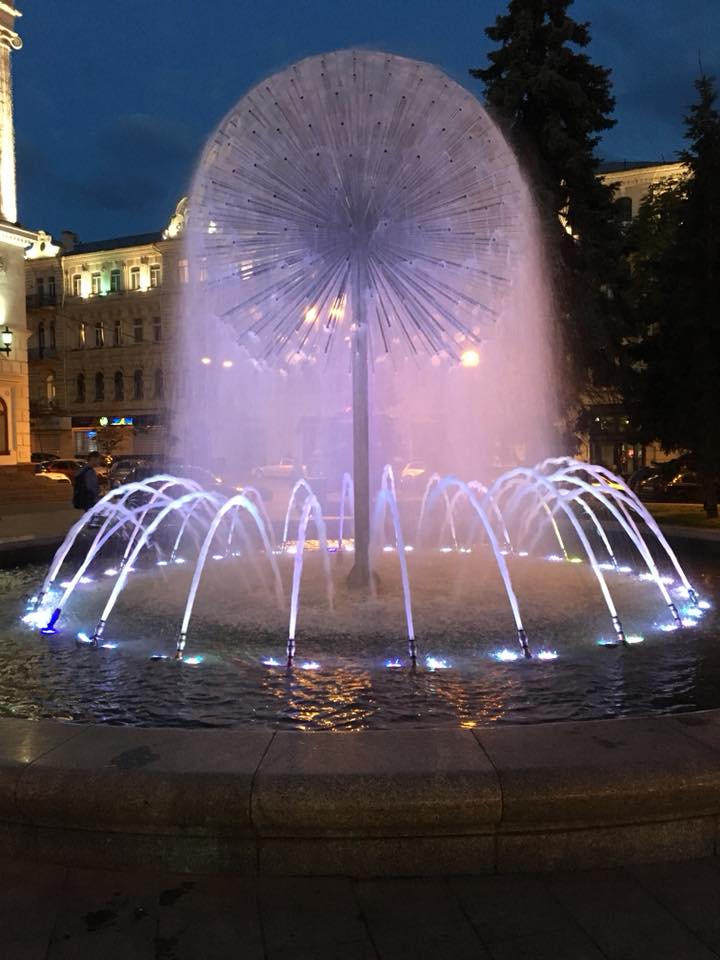

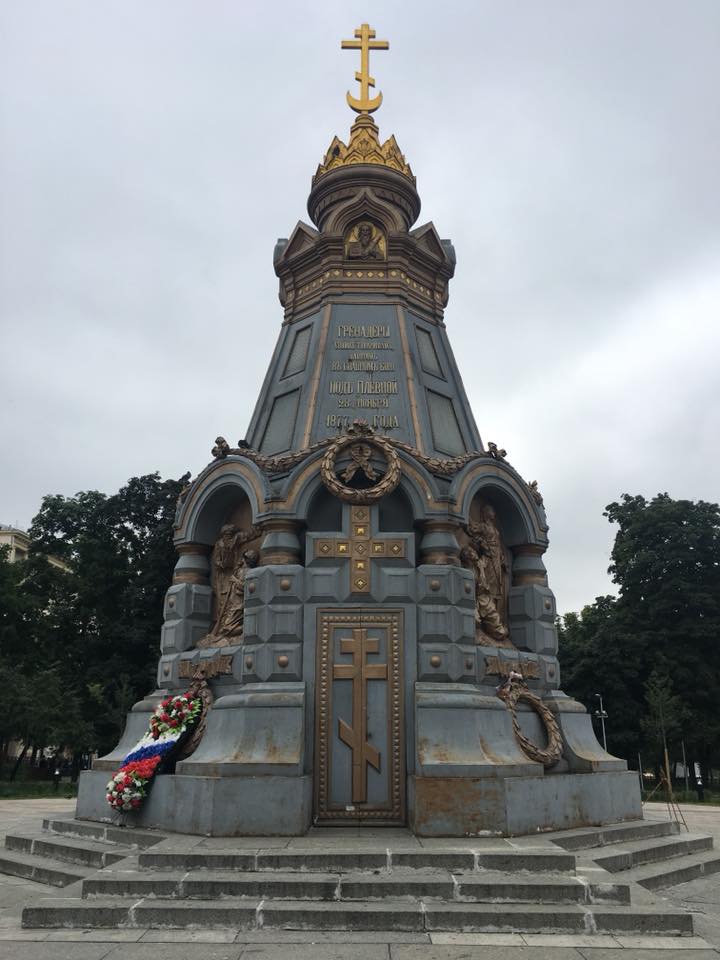
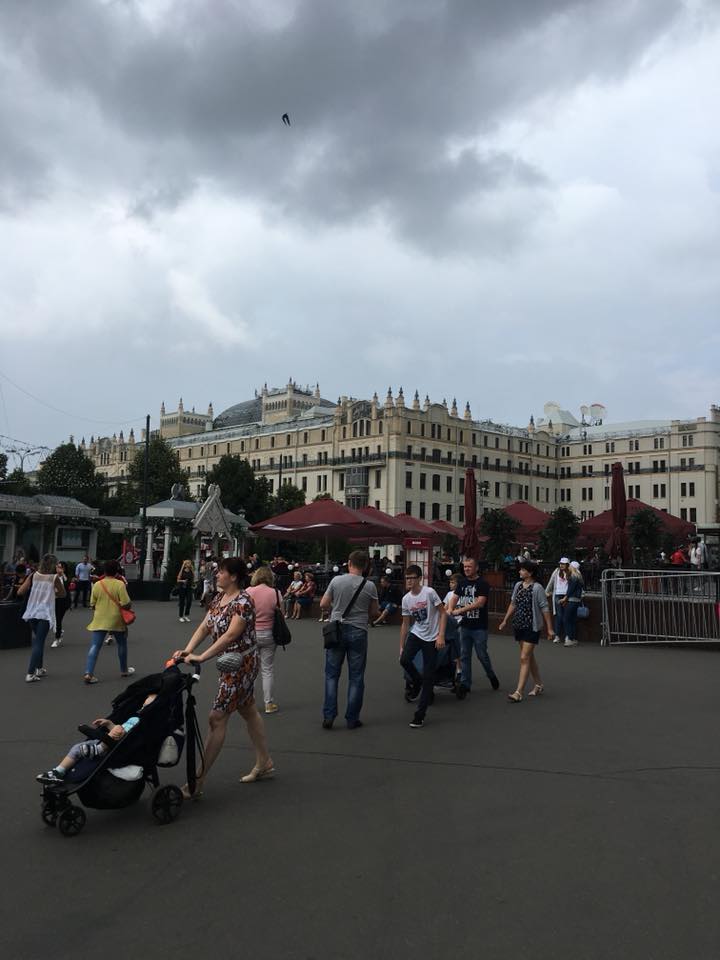
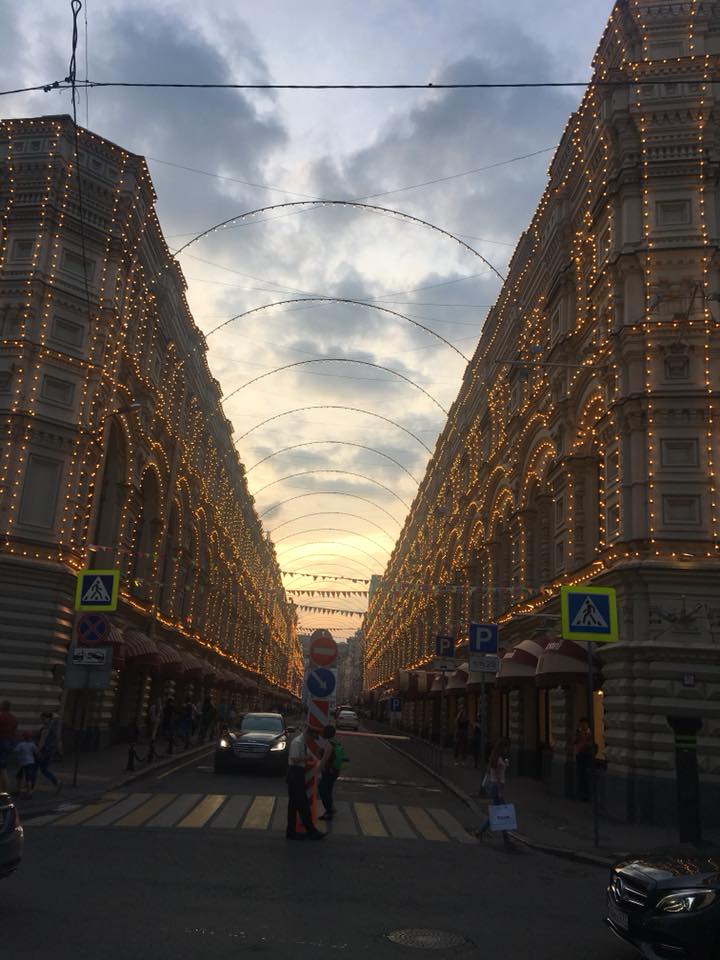
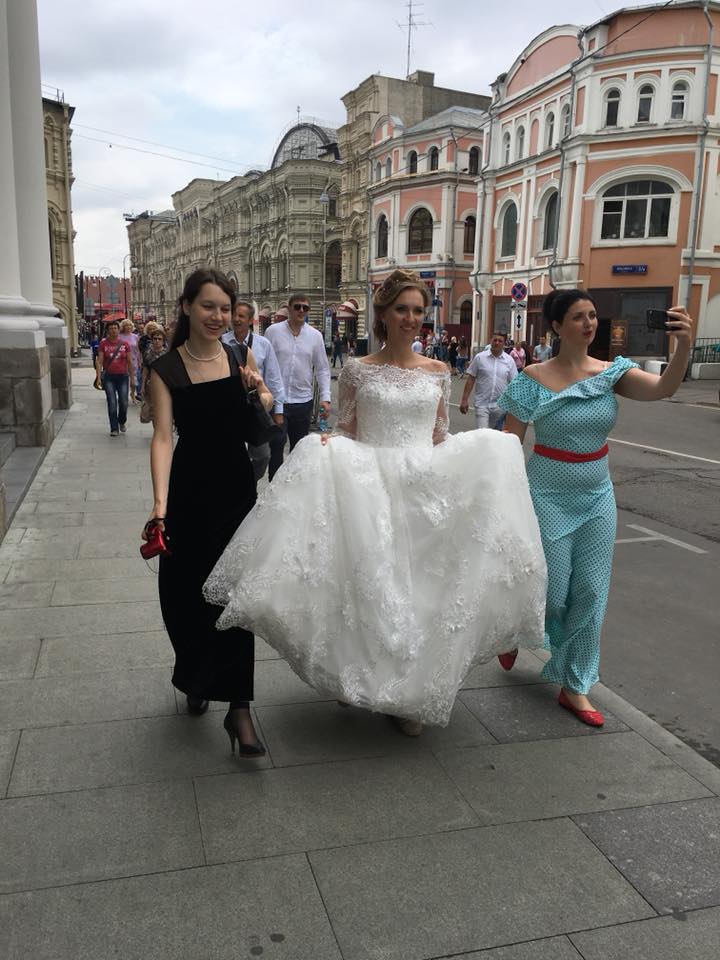
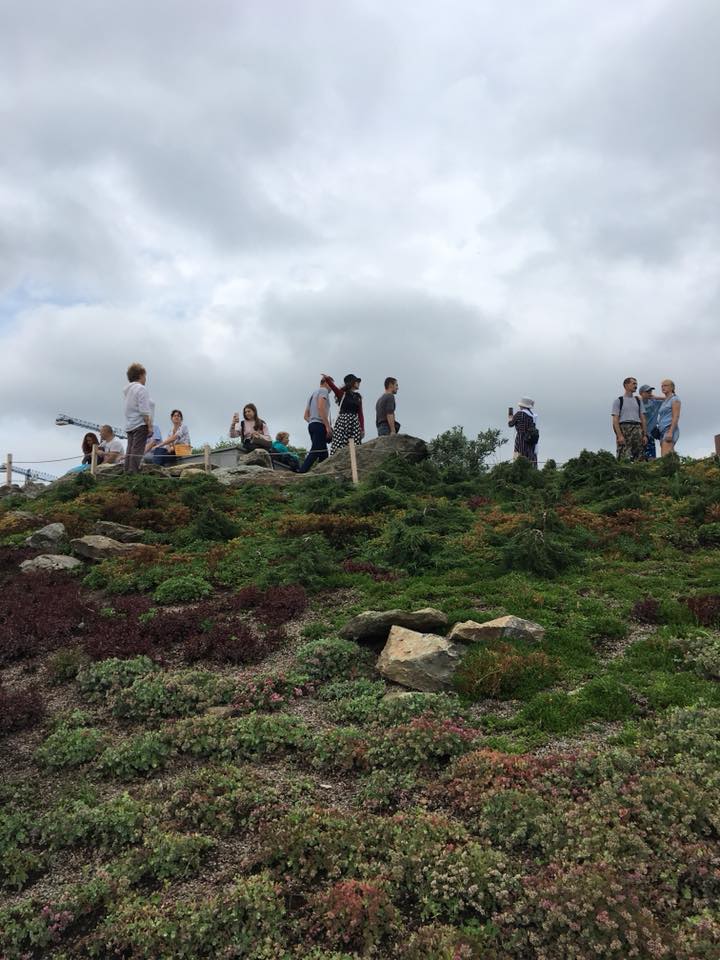
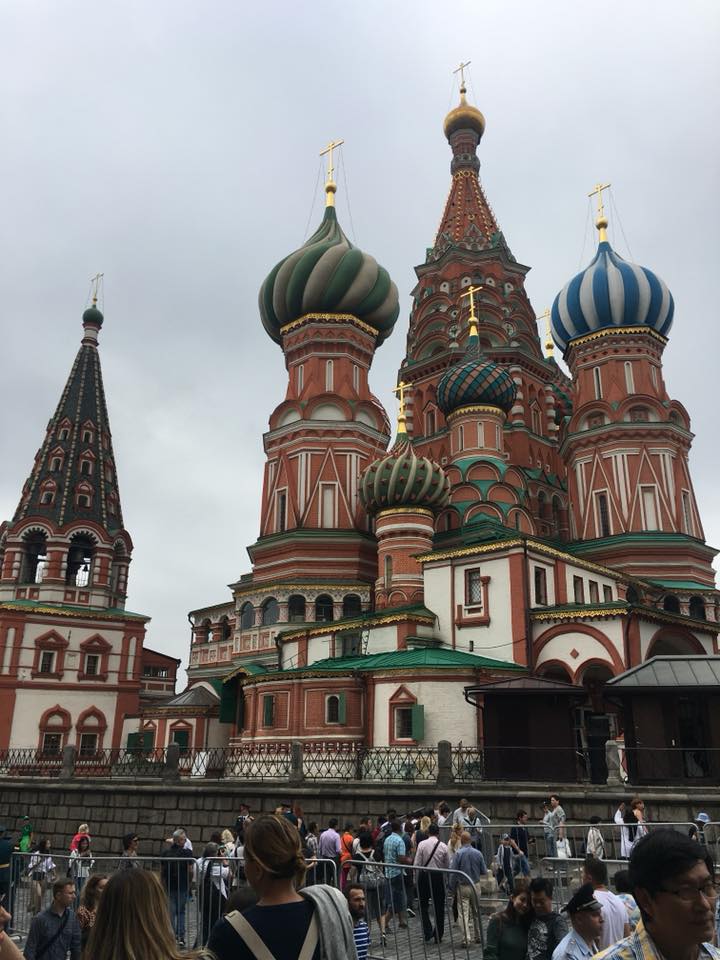
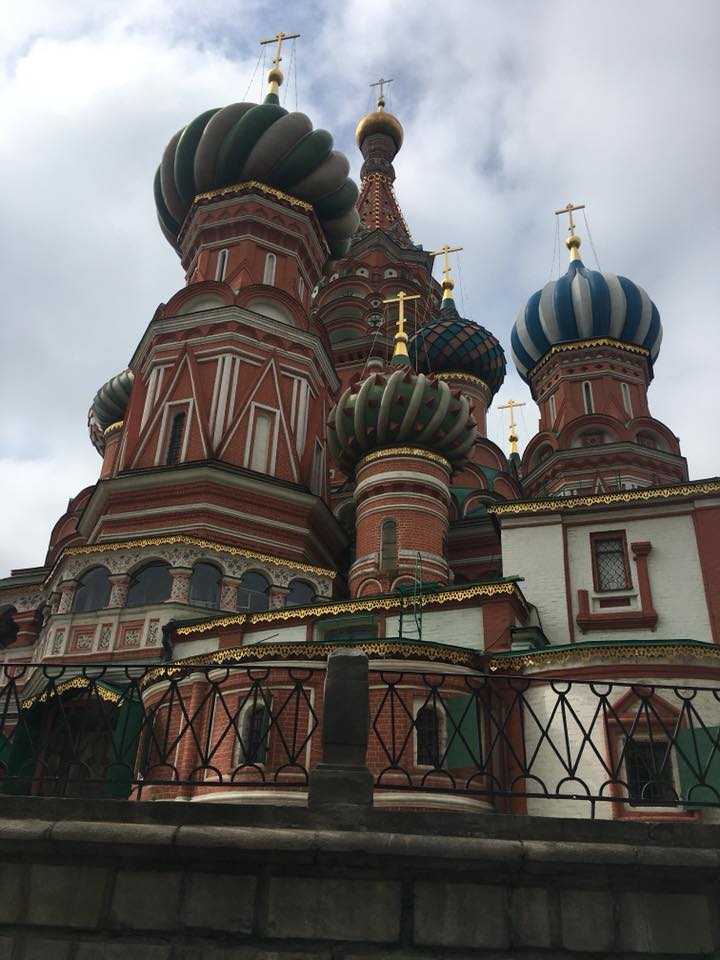
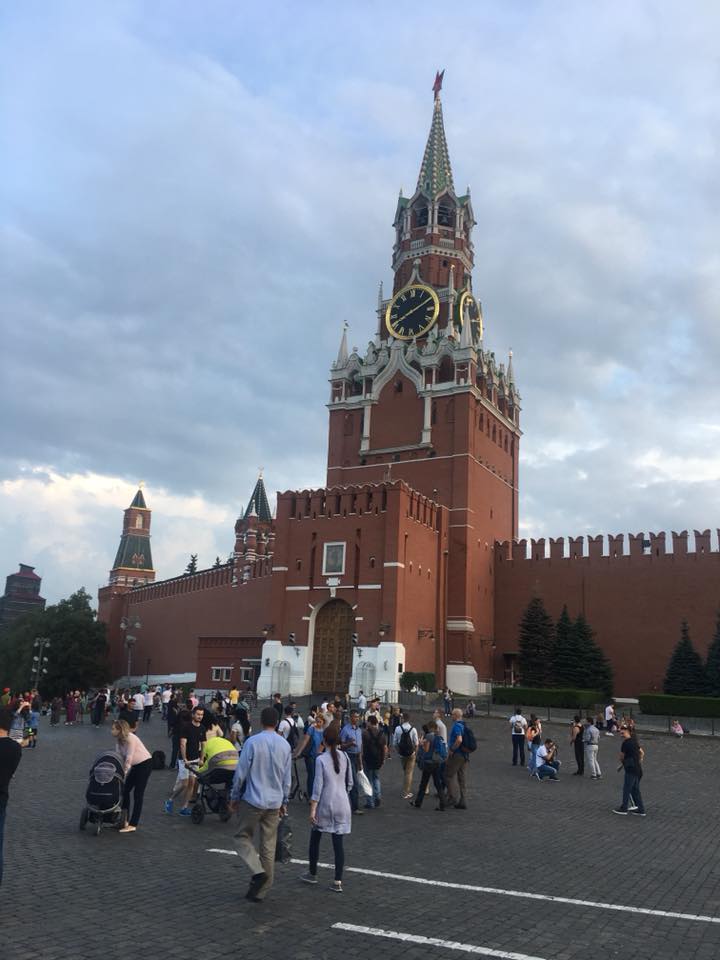
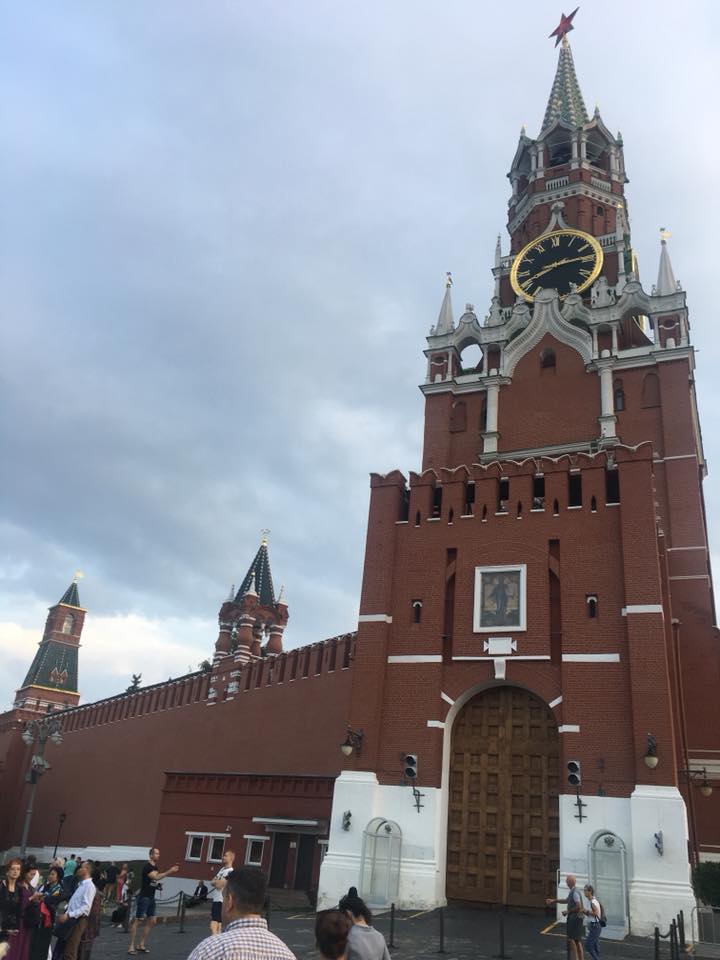
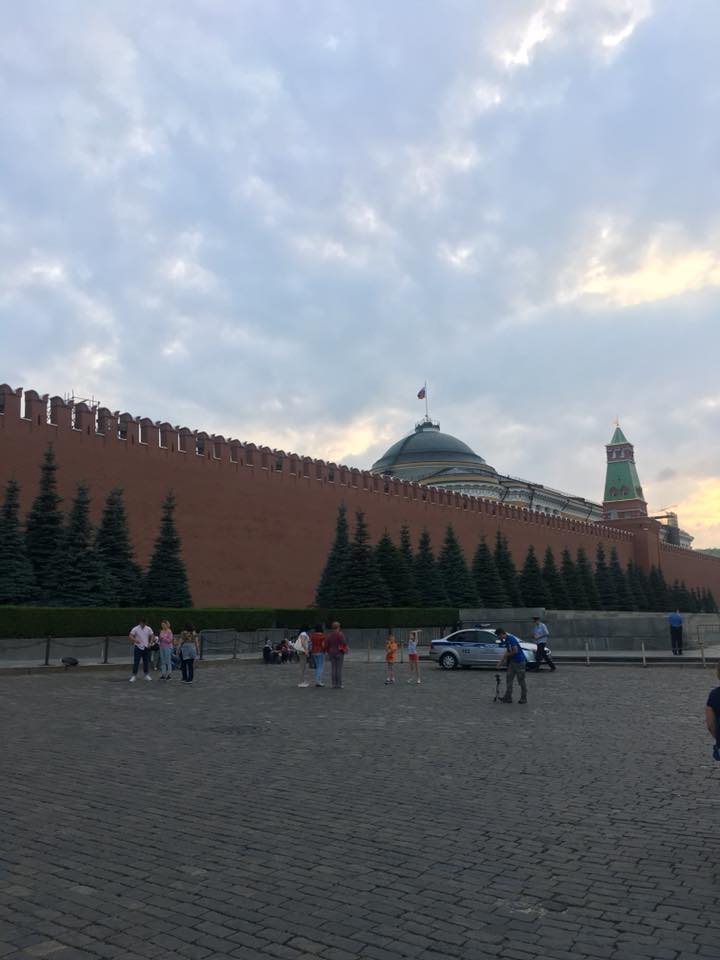
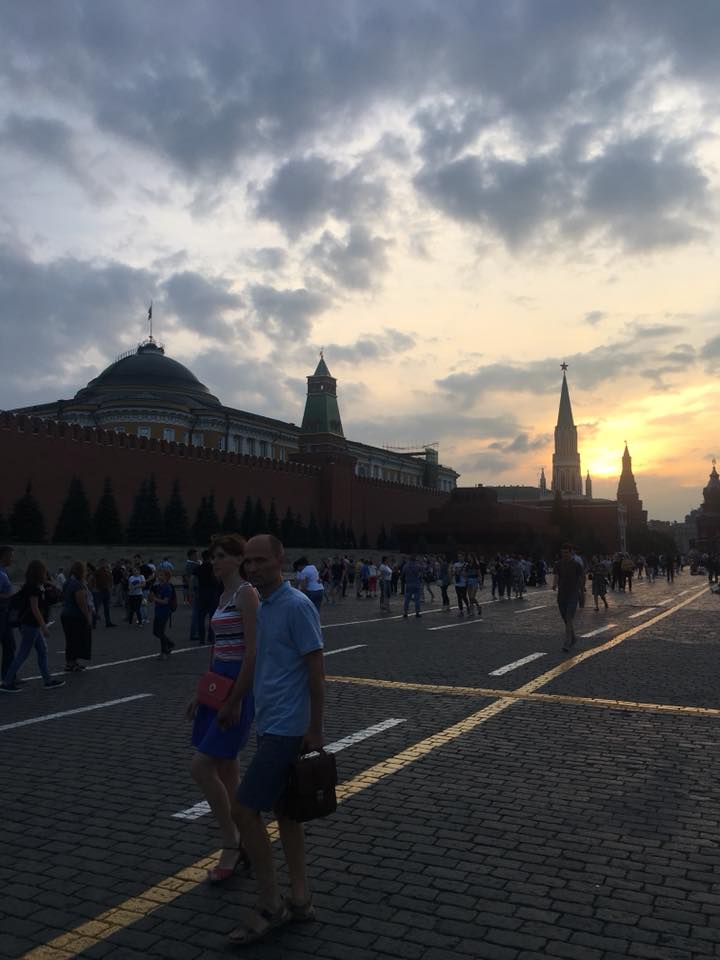
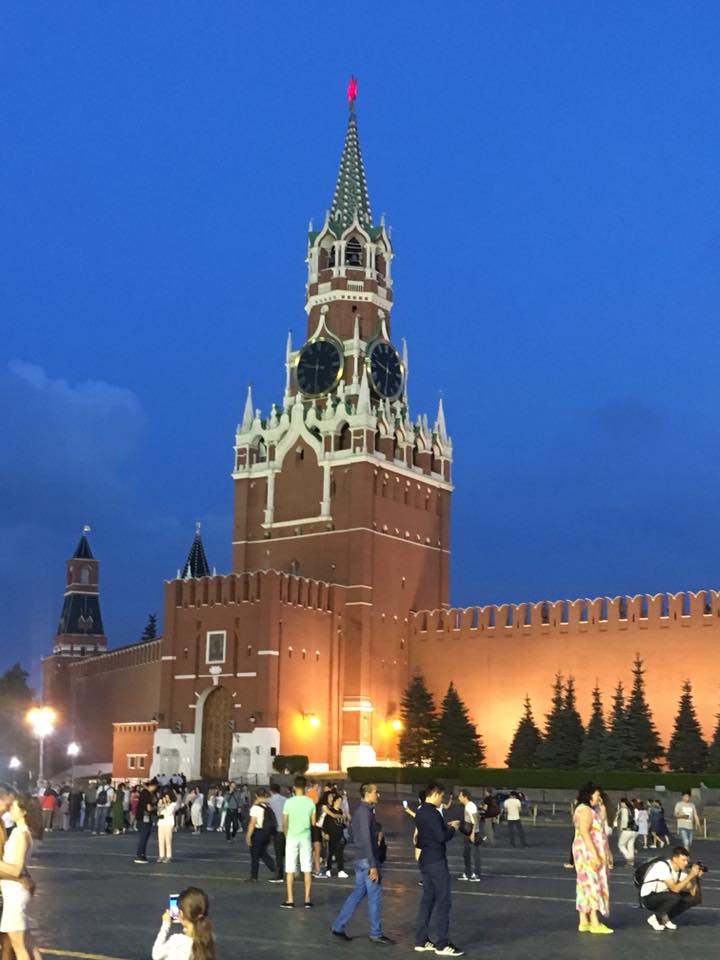
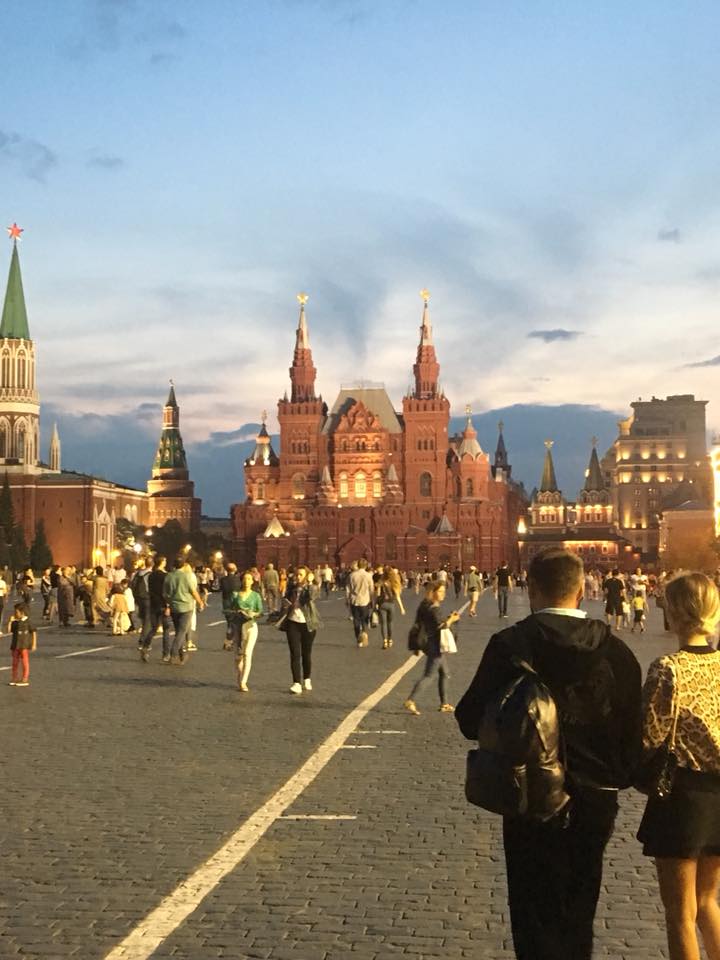
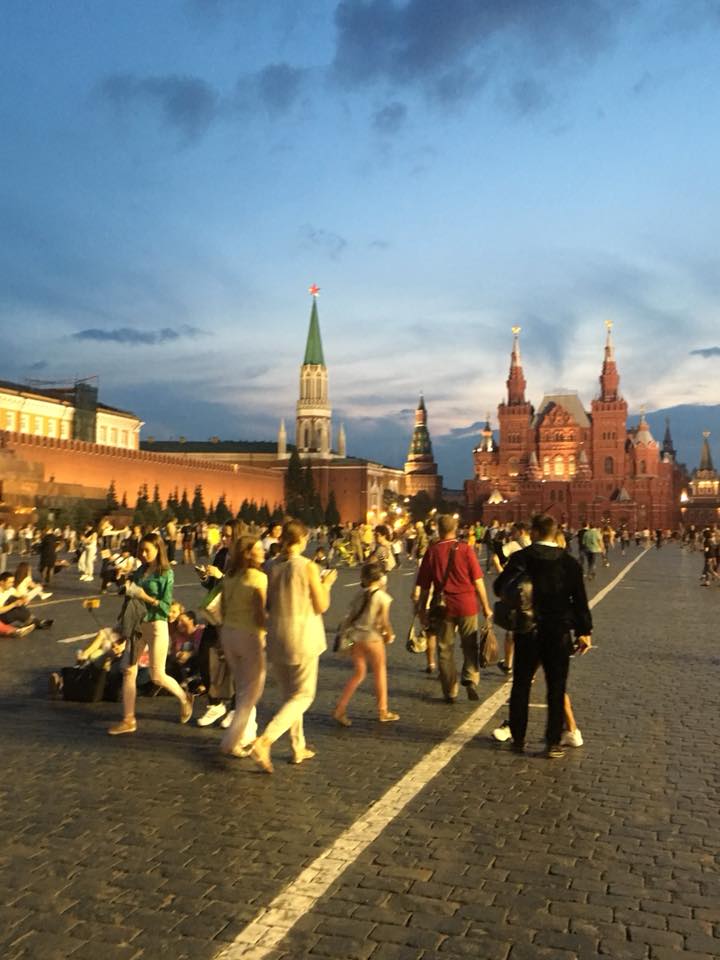
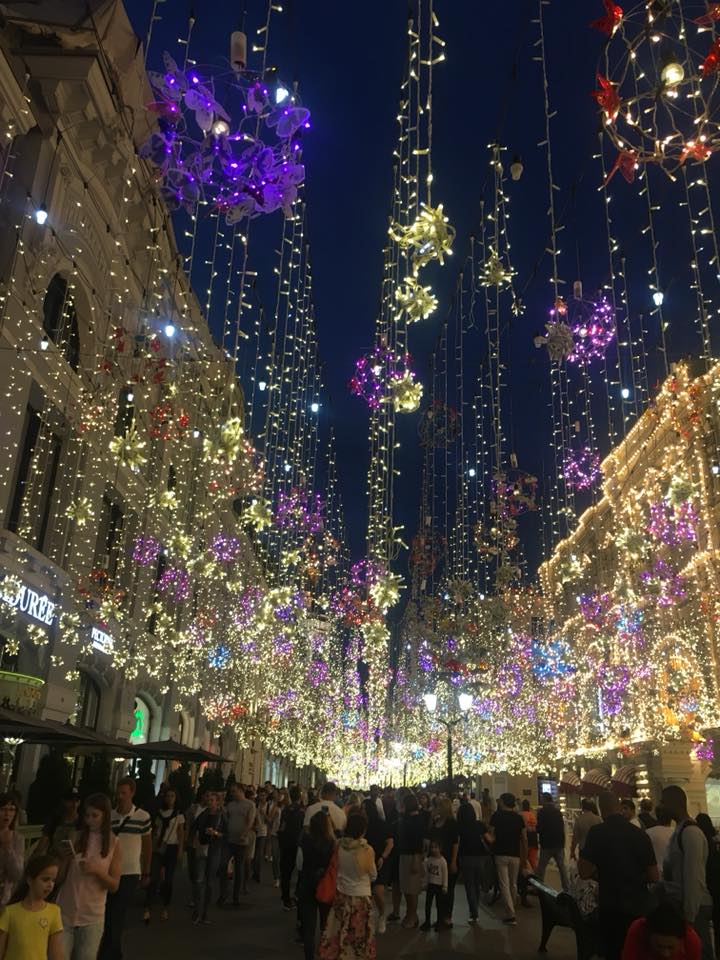
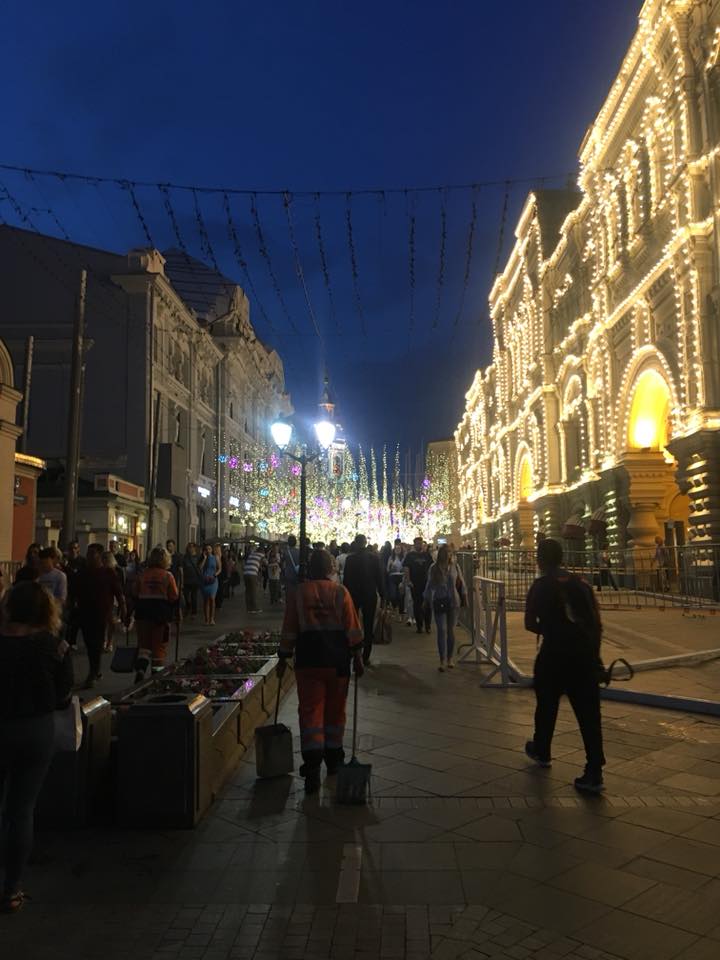
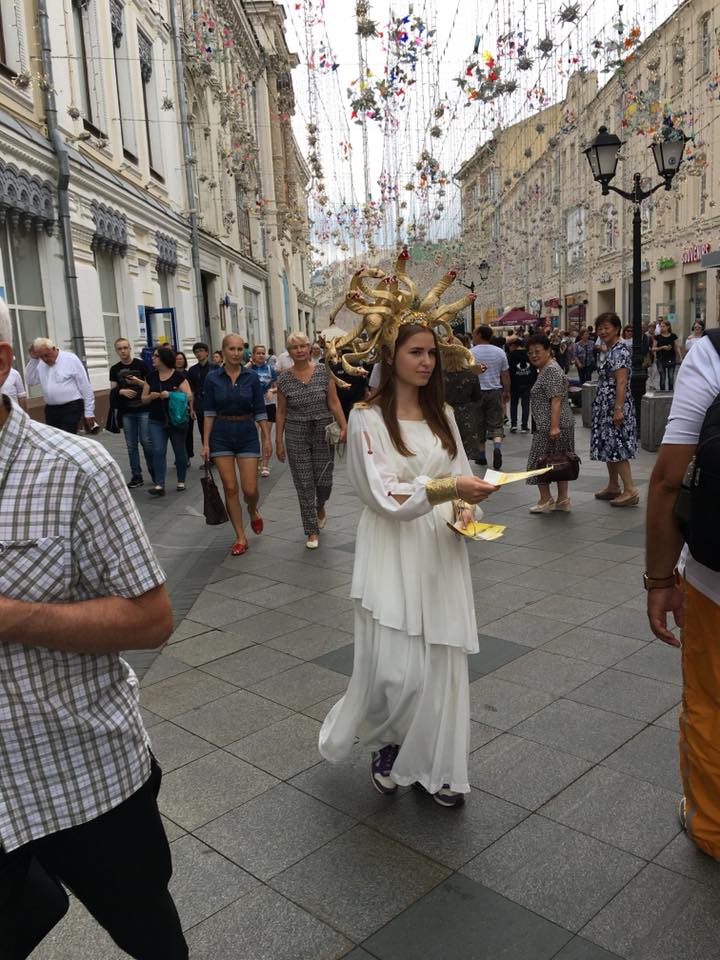
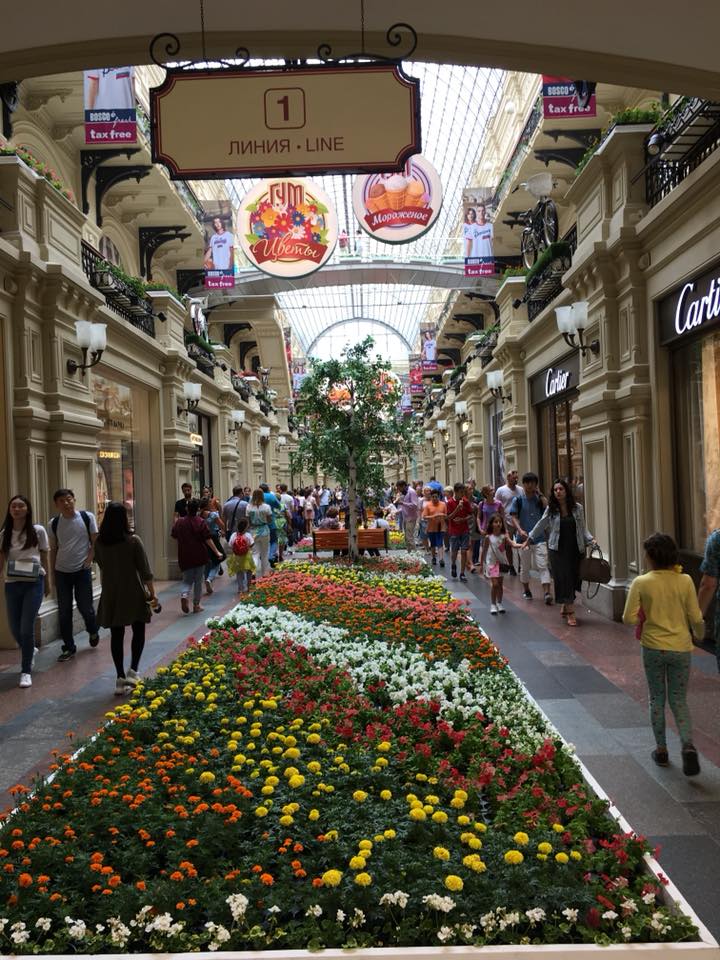
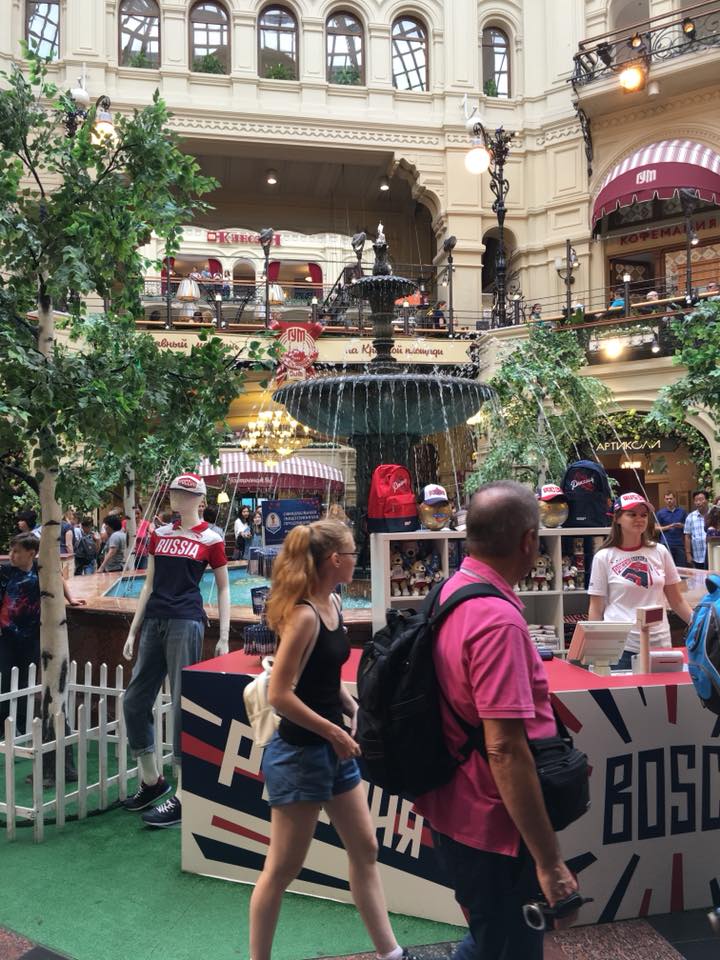
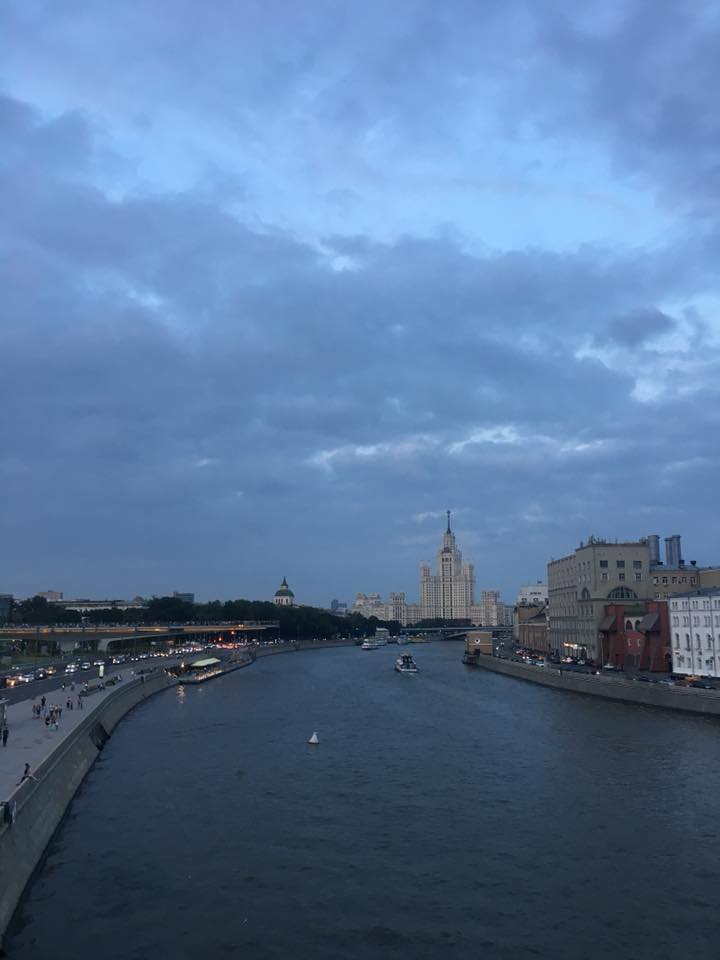
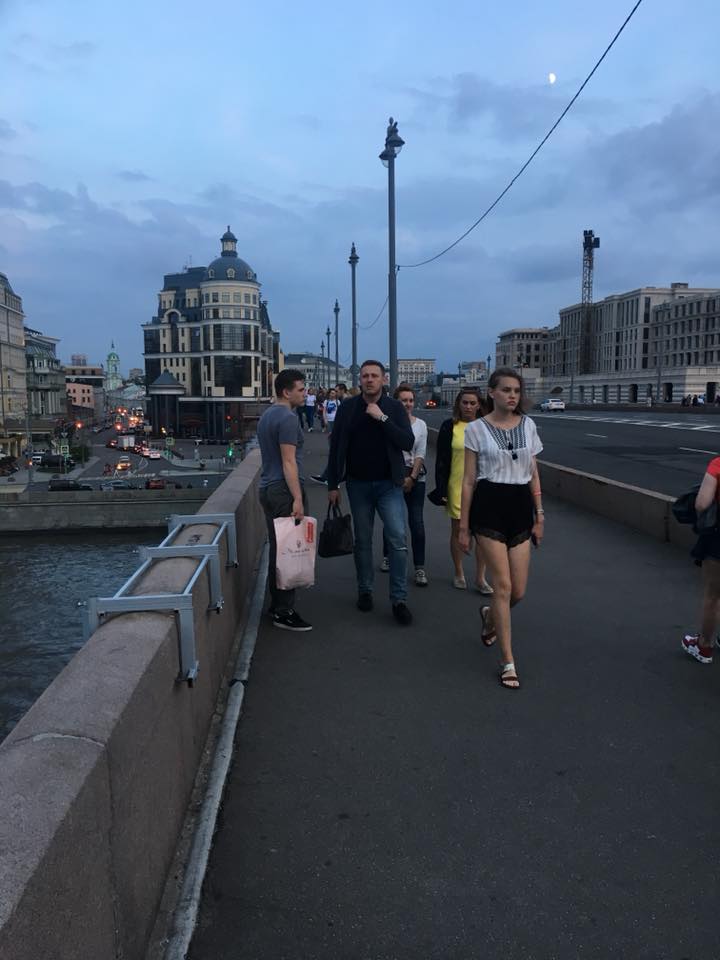




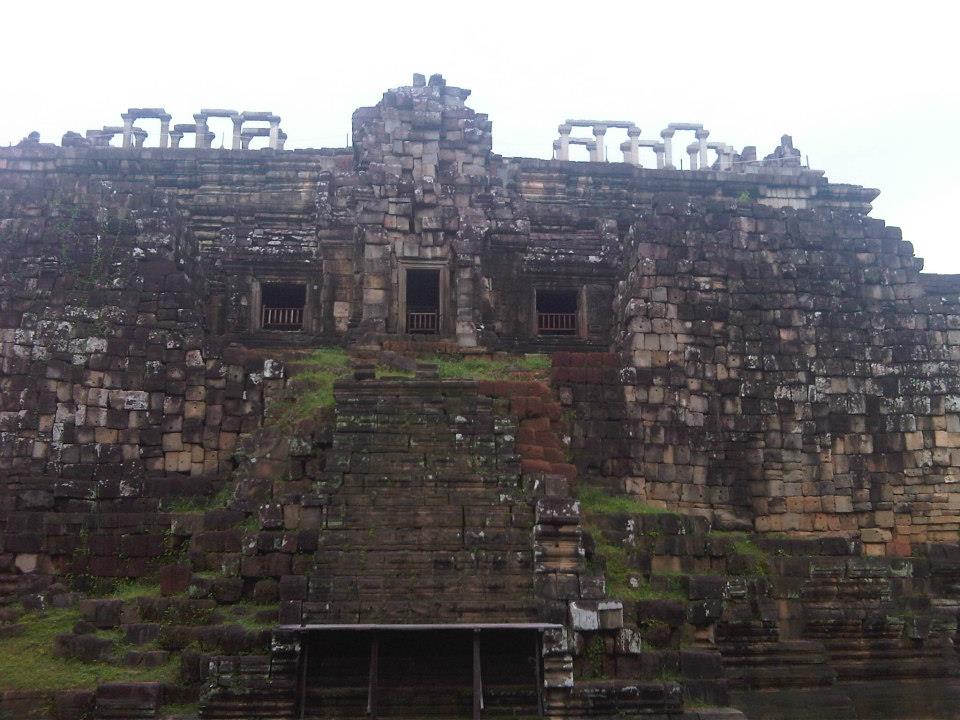
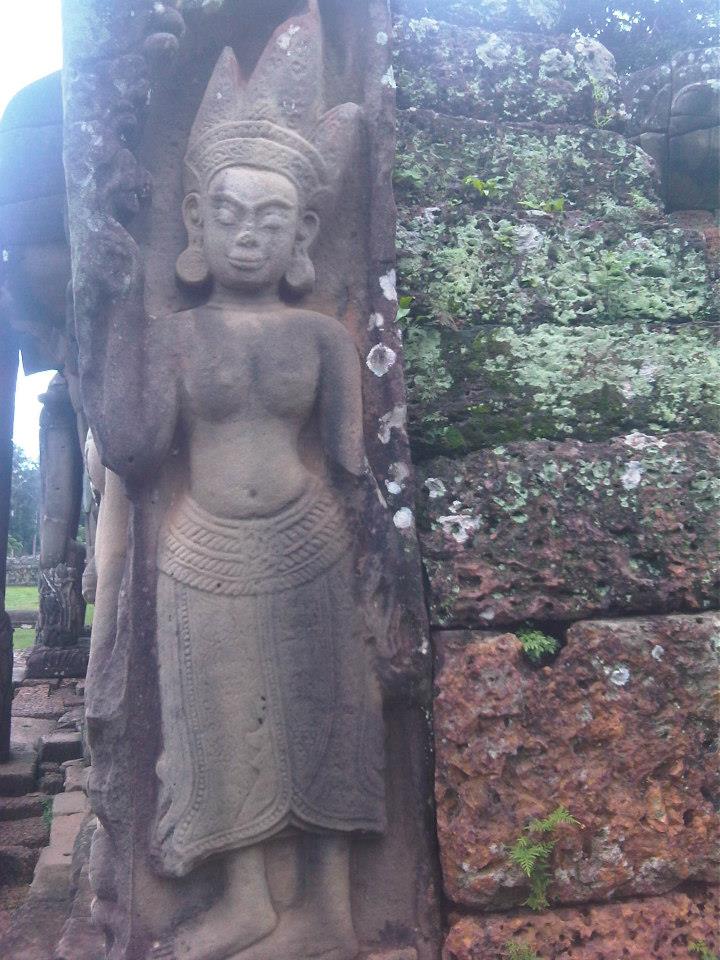
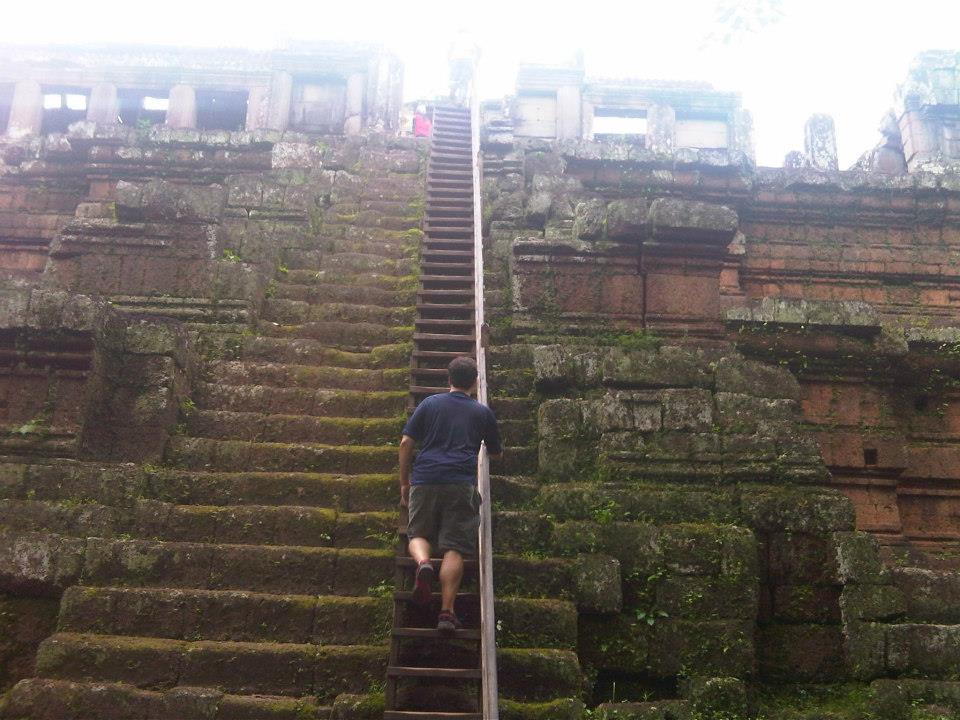
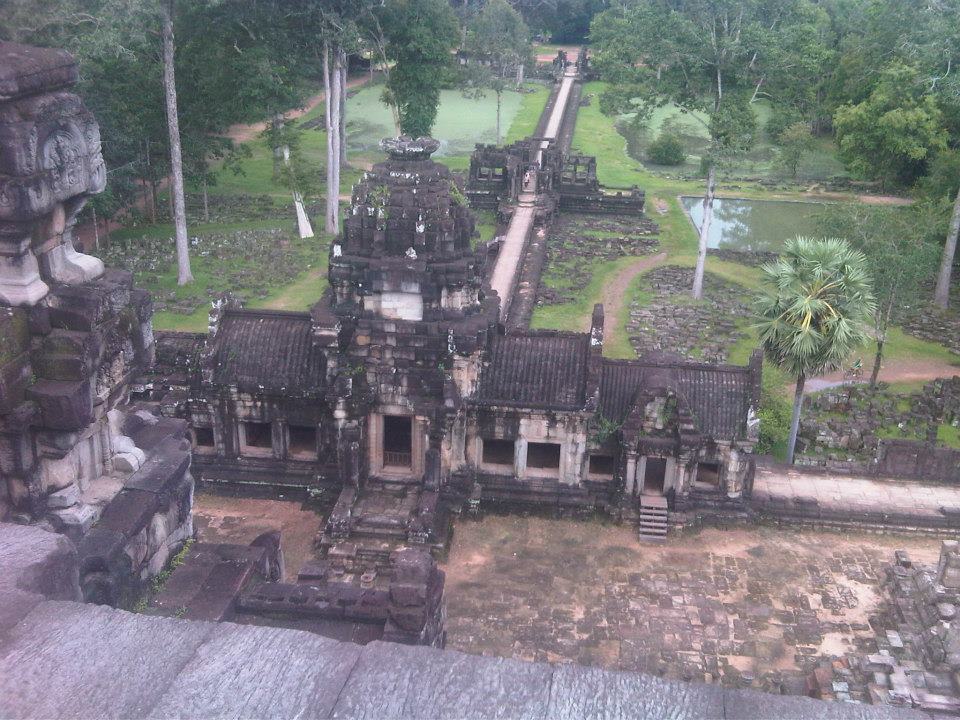
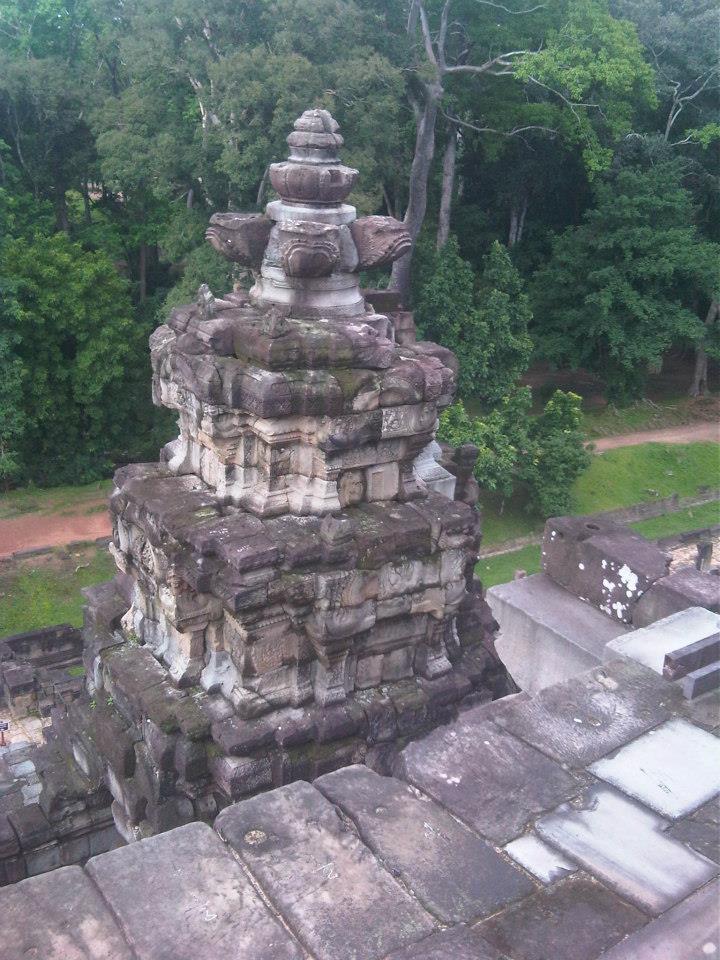

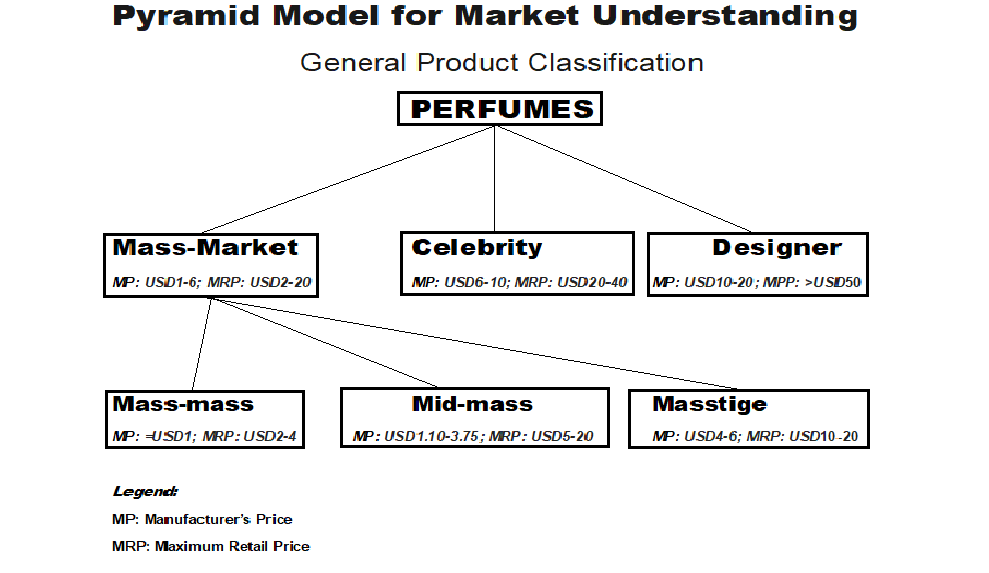
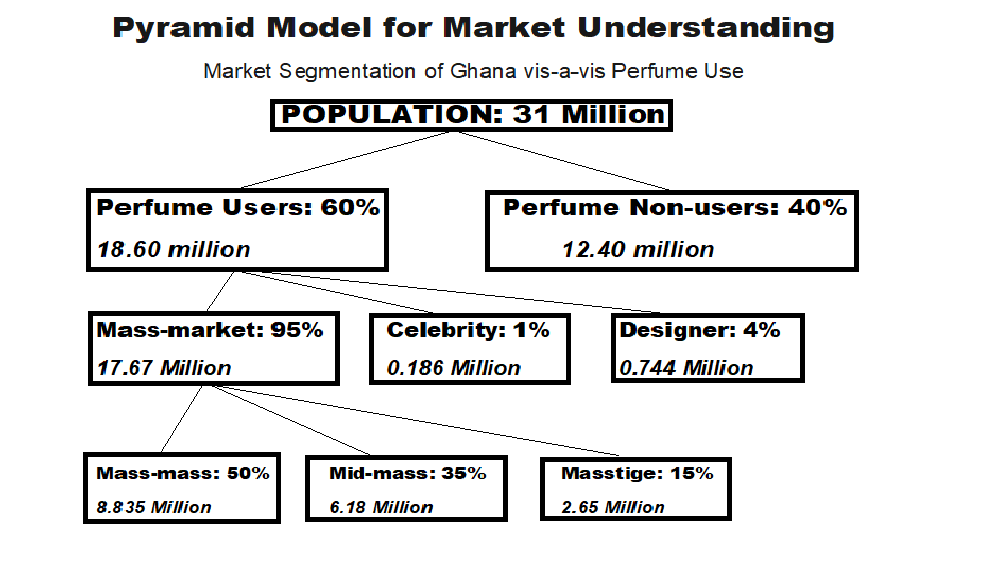
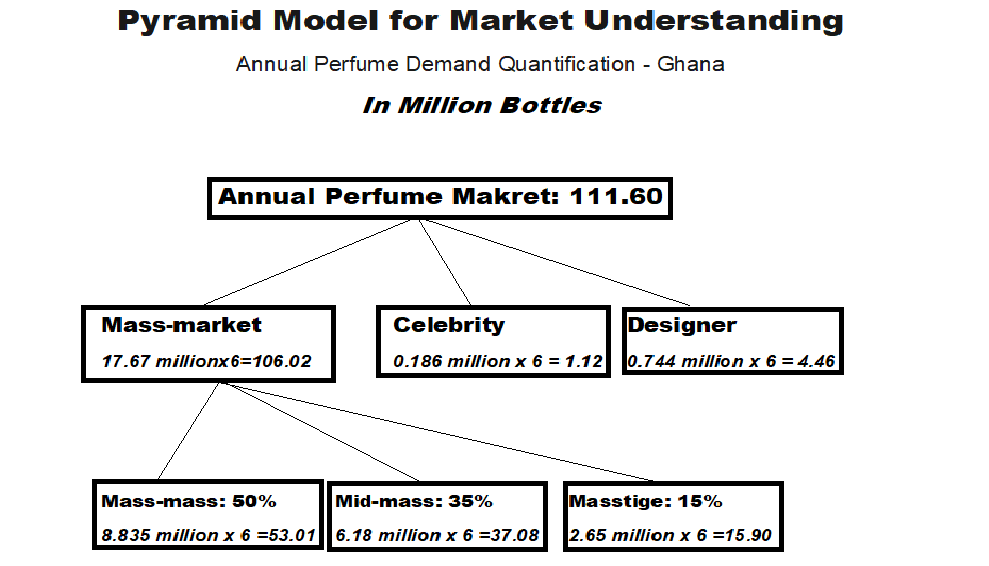
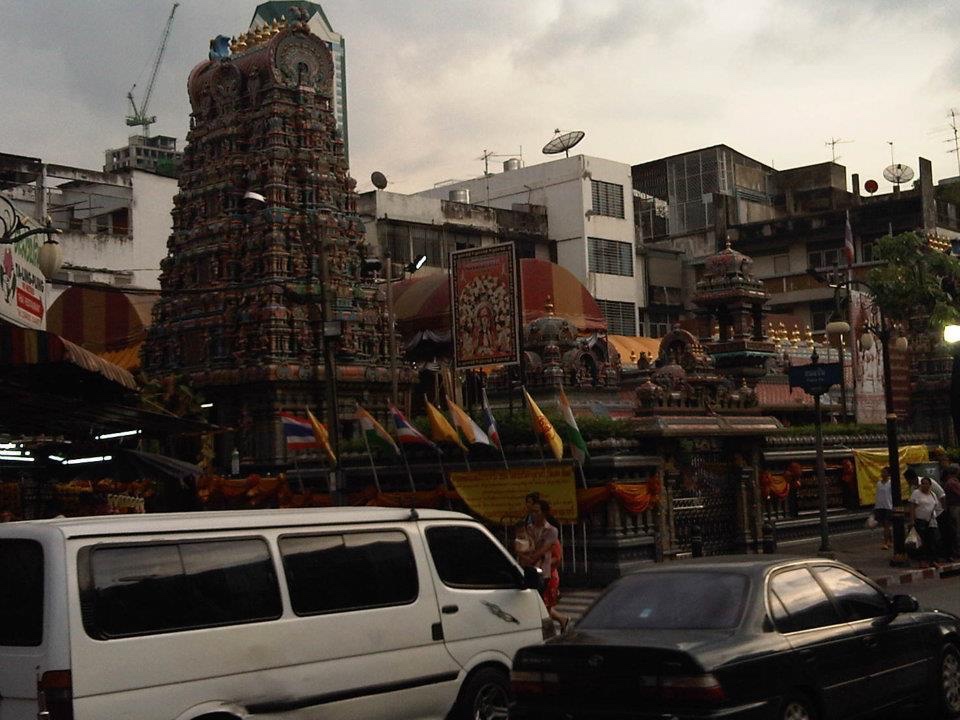
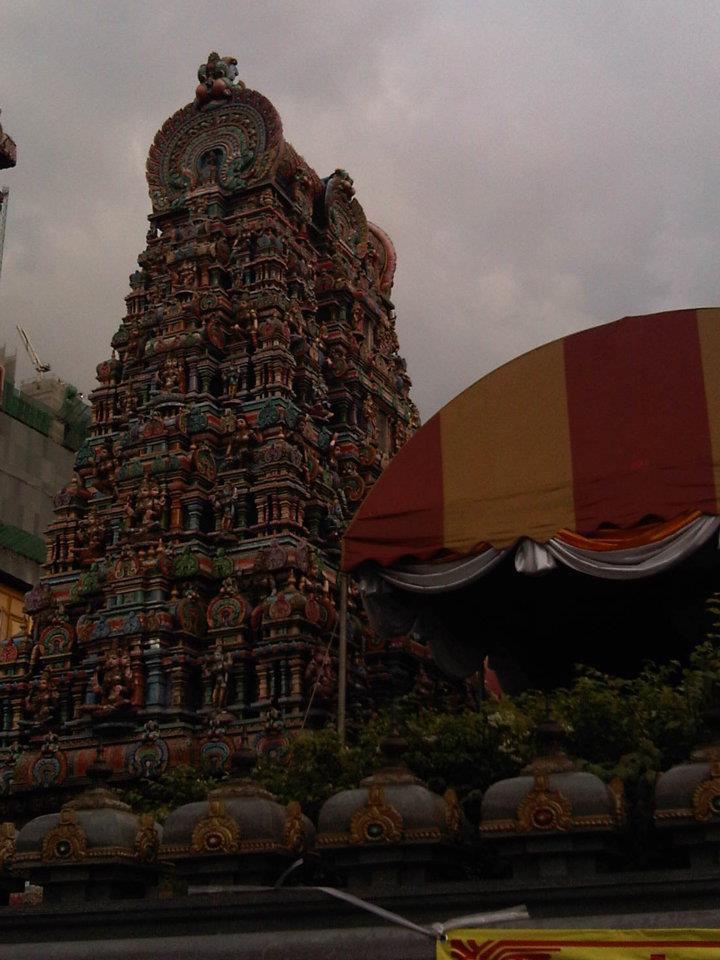
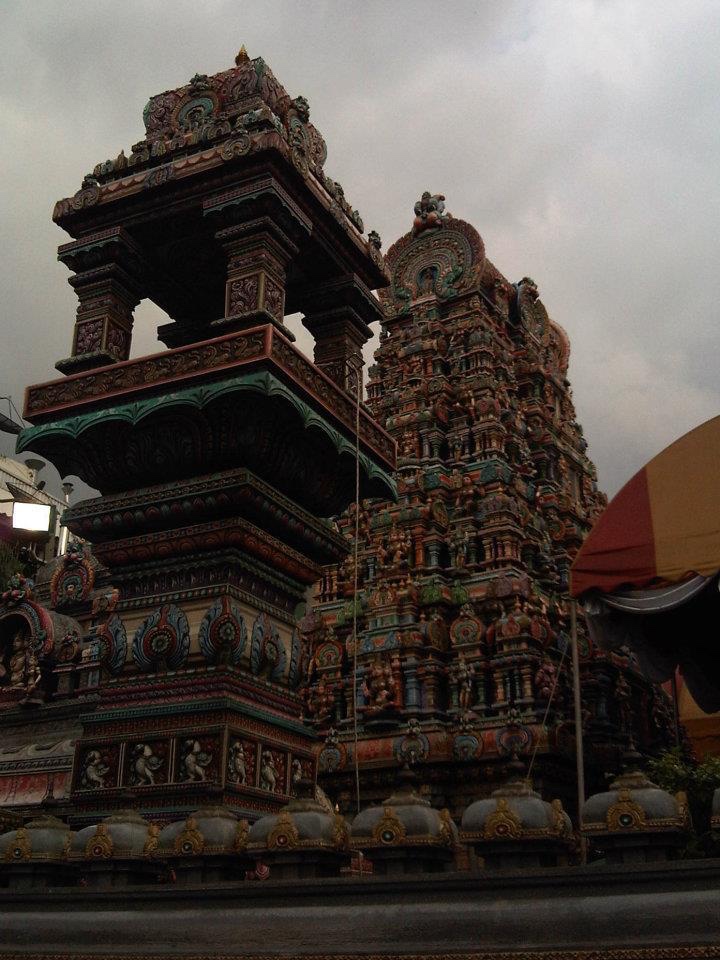
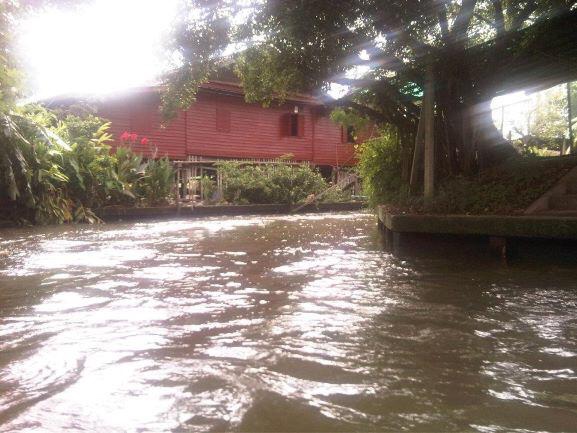















 Nowhere Perspectives